
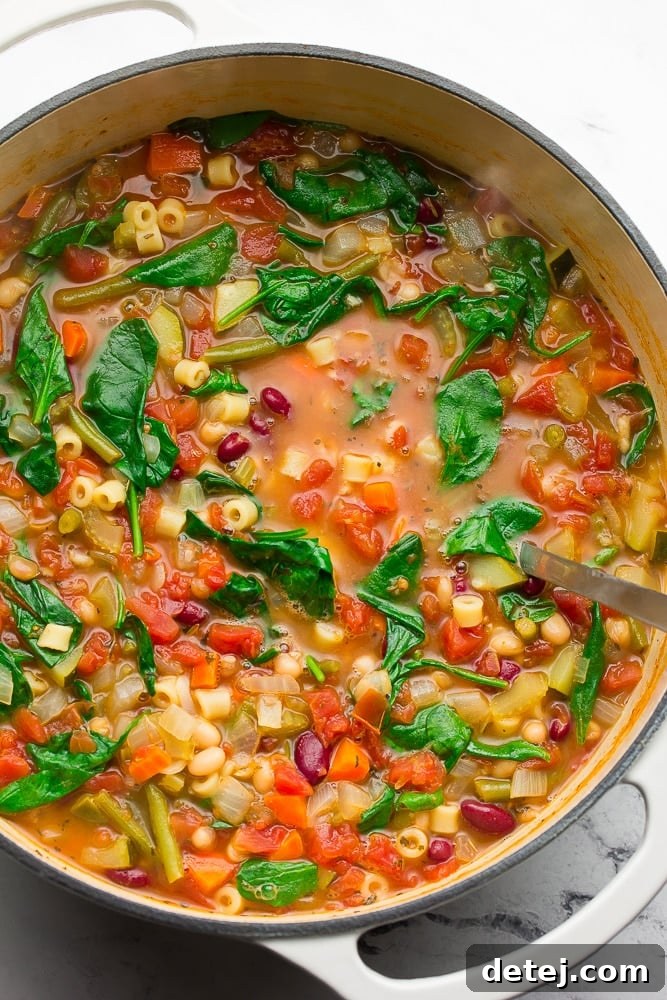
The Ultimate One-Pot Vegan Minestrone Soup: Quick, Healthy & Incredibly Delicious
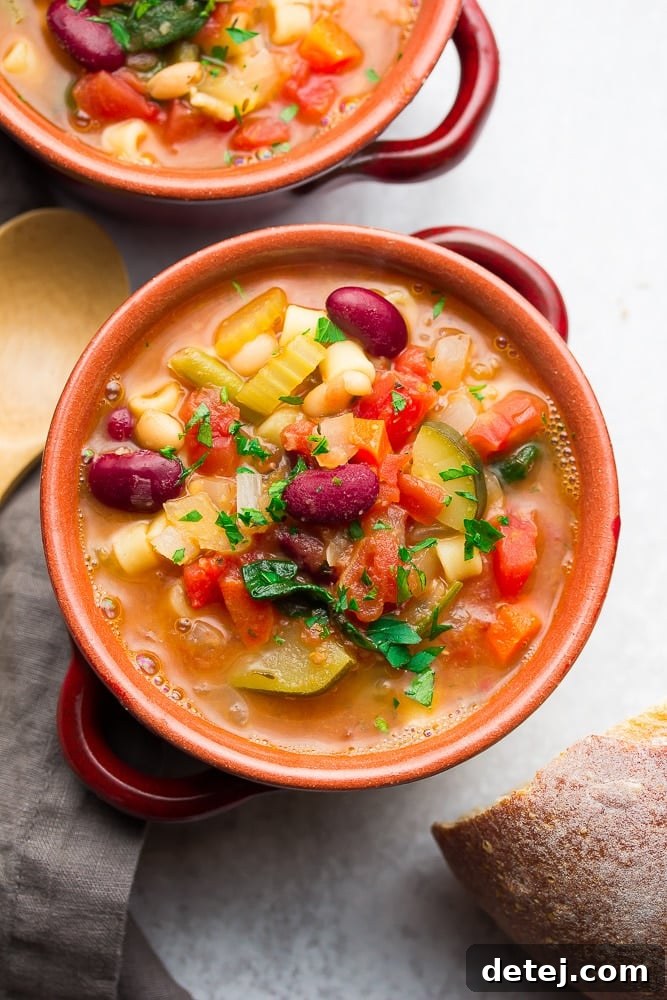
Embrace the cozy warmth of soup season with this outstanding Vegan Minestrone Soup recipe. Perfectly crafted for busy weeknights and satisfying meal prep, this one-pot wonder delivers rich, savory flavors in just 30 minutes. Loaded with vibrant vegetables, hearty beans, and tender pasta in a deeply seasoned broth, it’s a nutritious and comforting meal you can truly feel good about. Forget bland, watery soups; this recipe promises a thick, flavorful, and incredibly satisfying experience that will quickly become a household favorite.
Seeking more plant-based comfort? Discover a collection of other hearty vegan soup recipes designed to warm you from the inside out all season long.
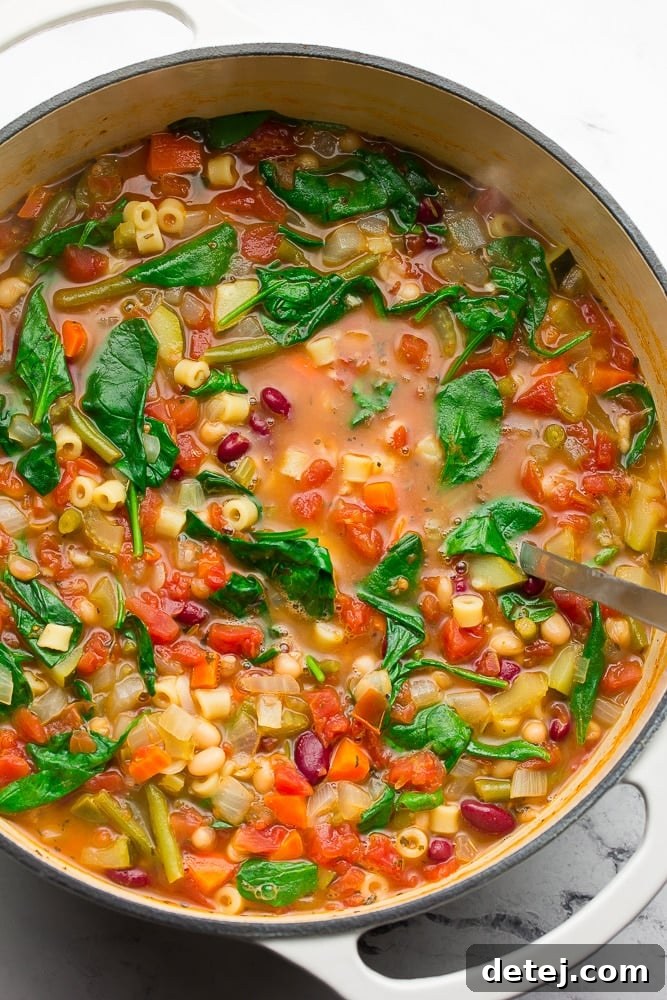
Why This Vegan Minestrone Stands Out
Say hello to your new go-to, veggie-packed, super easy, and extra satisfying Vegan Minestrone Soup. This isn’t just any minestrone; it’s the robust comfort food you’ve been craving, without the hours of simmering often associated with rich, flavorful soups. Our streamlined approach means you can simply gather your ingredients, toss them into one pot, and have a steaming bowl of deliciousness ready to enjoy in as little as 30 minutes. It’s the ideal solution for those evenings when you desire something homemade and wholesome but are short on time.
Many minestrone recipes can turn out disappointingly thin and watery, lacking the satisfying depth that defines this classic Italian dish. That’s a firm ‘no’ from us! Through meticulous testing, we’ve perfected a recipe that yields a soup that is wonderfully thick, bursting with authentic flavor, and utterly delicious. Every spoonful is a testament to how simple, wholesome ingredients can come together to create something extraordinary. Prepare yourself for a minestrone experience that’s a thousand times better than any store-bought or restaurant version you might have tried – yes, even better than that popular garden-themed Italian chain!
Minestrone Soup vs. Vegetable Soup: The Key Differences
While often grouped together, minestrone soup and a standard vegetable soup have distinct characteristics that set them apart. Minestrone, originating from Italy, is a classic, deeply satisfying, and typically thick vegetable soup renowned for its heartiness. Its defining features include a generous variety of vegetables, combined with protein-rich beans and small pasta shapes. Historically, minestrone was a humble dish designed to use up leftover vegetables, making it the quintessential “clean out the fridge” meal.
In contrast, a regular vegetable soup, while still healthy and delicious, typically omits the substantial addition of beans and pasta. This often results in a lighter broth and a less filling consistency. Minestrone, by its very nature, is a more robust and complete meal, offering a significant source of fiber, protein, and complex carbohydrates from the beans and pasta, alongside a bounty of vitamins and minerals from the diverse vegetable blend. The inclusion of these elements transforms a simple vegetable broth into a nourishing, stand-alone meal that truly satisfies.
Why Choose Vegan Minestrone?
Opting for a vegan minestrone isn’t just about dietary preference; it’s a choice that offers a wealth of benefits. This plant-based version provides all the classic comfort and flavor of traditional minestrone, but without any animal products. It’s naturally cholesterol-free and often lower in saturated fat, making it a fantastic heart-healthy option. Beyond personal health, choosing a vegan meal supports sustainable eating practices and reduces environmental impact. With this recipe, you get to enjoy a rich, wholesome, and incredibly satisfying soup that aligns with a compassionate and health-conscious lifestyle.
Ingredient Deep Dive: Smart Substitutions for Your Best Minestrone
The beauty of minestrone lies in its versatility, allowing you to adapt it to your pantry and preferences. Here’s a closer look at the essential ingredients and flexible substitutions:
- Olive oil: The base for sautéing aromatics, adding a rich depth of flavor. For an oil-free soup, you can easily use vegetable broth or water for sautéing instead, achieving a lighter but still delicious result.
- Sweet onion: Provides a foundational sweetness that mellows as it cooks. Yellow onions also work beautifully, offering a slightly more pungent flavor.
- Garlic: An indispensable aromatic that infuses the soup with robust flavor. Don’t skimp on the garlic for maximum deliciousness!
- Celery & Carrots: These form the classic “soffritto” base (along with onion) in Italian cooking, contributing essential earthy flavors and texture. Dice them finely for even cooking.
- Zucchini: Adds freshness and a tender texture. Feel free to swap this for other seasonal vegetables like yellow squash, white potatoes for extra starchiness, sweet potatoes for a touch of sweetness and vibrant color, or even hearty butternut squash, especially in colder months.
- Tomatoes: Canned diced tomatoes are your best friend here, providing a convenient and consistent burst of sweet and tangy tomato flavor. They help create the rich broth without extra effort. Crushed tomatoes or even fresh, ripe diced tomatoes can also be used.
- Vegetable broth: The liquid foundation of your soup. Opt for a high-quality, low-sodium vegetable broth to control the saltiness and ensure a flavorful base. Homemade broth will elevate the taste even further.
- Oregano, thyme, and basil: These dried herbs are the soul of Italian seasoning, imparting an aromatic, herbaceous profile. Using a pre-mixed Italian seasoning blend (about 2 teaspoons) is a convenient shortcut if you’re short on individual spices.
- White beans: Cannellini beans, white navy beans, or chickpeas are all excellent choices. They add creamy texture and a vital boost of plant-based protein and fiber, making the soup incredibly filling.
- Kidney beans: Contribute a heartier texture and earthy flavor. You can easily replace these with black beans or pinto beans for a slightly different, but equally delicious, twist.
- Green beans: Whether fresh or frozen, green beans add a pleasant crunch and bright green color. Frozen green peas are another great alternative, adding a touch of sweetness.
- Pasta: Keep the pasta small and bite-sized to ensure it integrates well into each spoonful. Ditalini, small shells, macaroni, or even small farfalle (bow-tie pasta) are perfect. For a gluten-free minestrone, simply use your favorite short gluten-free pasta. Make sure to choose a variety that holds its shape well during cooking.
- Baby spinach: Stirred in at the end, spinach wilts quickly and adds a fresh, slightly bitter note and a boost of nutrients. Kale, Swiss chard, or collard greens are fantastic alternatives, though they may require a few extra minutes to soften.
- Fresh parsley: A final garnish of chopped fresh parsley adds a burst of freshness and visual appeal. It’s optional but highly recommended for that restaurant-quality finish.
Step-by-Step Guide to Your Best Vegan Minestrone Soup
Making this hearty soup is incredibly straightforward, thanks to its one-pot design. Here’s a detailed guide to ensure perfect results:
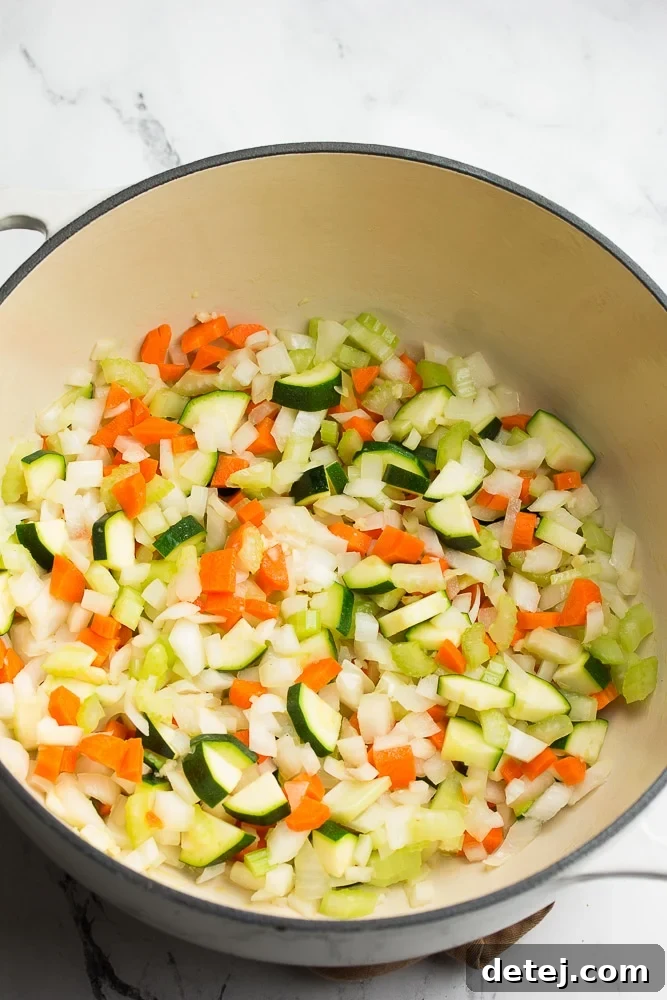
- Sauté the Aromatics: Begin by heating the olive oil in a large, heavy-bottomed soup pot or Dutch oven over medium heat. Once shimmering, add the chopped sweet onion, minced garlic, sliced celery, chopped carrots, and diced zucchini. Sauté these vegetables for 5-10 minutes, stirring occasionally, until they begin to soften and become slightly tender. This step is crucial for building the foundational flavors of your soup, allowing the aromatics to release their sweet and savory notes.
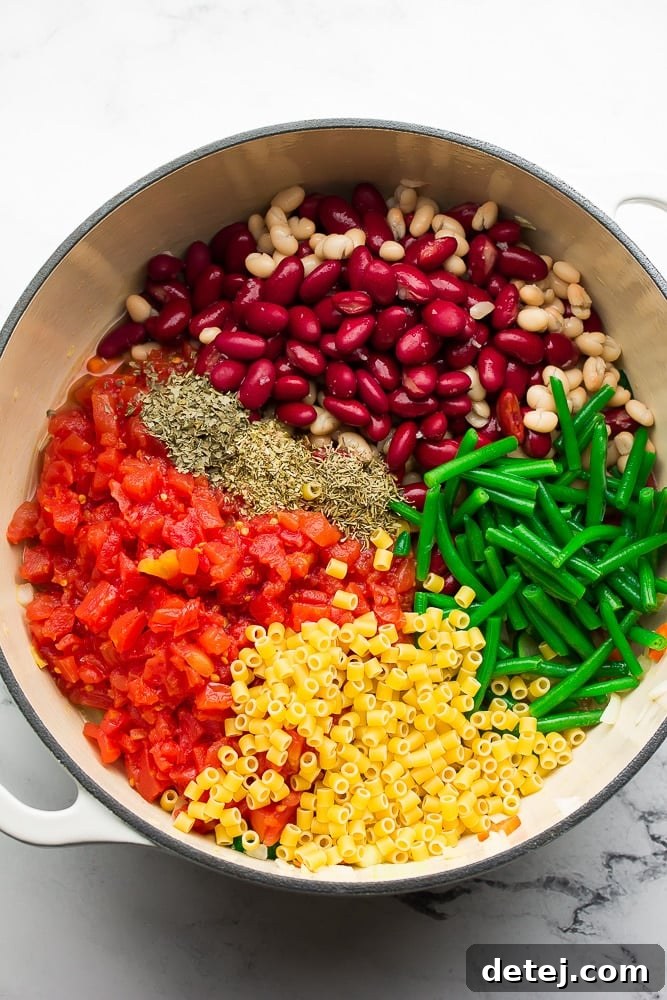
- Combine & Simmer: Next, add the remaining ingredients to the pot, holding back only the fresh spinach. This includes the canned diced tomatoes (with their juices), vegetable broth, dried oregano, dried thyme, dried basil, small white beans (drained and rinsed), kidney beans (drained and rinsed), and frozen cut green beans. Stir everything thoroughly to combine. Bring the soup to a gentle boil, then immediately reduce the heat to a steady simmer. Allow the soup to cook, uncovered, for 10-15 minutes, or until the pasta is al dente and the vegetables are tender. Stir occasionally to prevent pasta from sticking.
- Wilt the Greens & Season: Once the pasta is cooked to your liking, stir in the baby spinach leaves. Allow them to wilt into the hot soup for just 1-2 minutes. This keeps the spinach vibrant and tender. Now is the time to taste and adjust the seasonings. Add salt and freshly ground black pepper to your liking. Remember, the salt content of your vegetable broth can vary, so always taste before adding too much.
- Serve & Enjoy: Ladle the finished soup into individual bowls. For an extra layer of flavor and texture, sprinkle each serving with a generous amount of vegan parmesan and a pinch of fresh chopped parsley. Serve immediately with a side of crusty artisan bread or your favorite crackers for dipping, and savor every wholesome spoonful!
Tips for Perfect Minestrone Every Time
- Don’t Overcook the Pasta: Pasta can quickly turn mushy if cooked too long in the soup. Keep an eye on it during the simmering stage. If you plan to freeze the soup or have lots of leftovers, consider cooking the pasta separately and adding it to individual servings just before eating.
- Layer Your Flavors: The initial sauté of the onions, garlic, carrots, and celery (the soffritto) is key to a flavorful base. Don’t rush this step!
- Taste and Adjust: Always taste your soup before serving and adjust salt, pepper, and herbs. A dash of lemon juice or a splash of balsamic vinegar at the end can brighten the flavors.
- Use Quality Broth: A good vegetable broth makes all the difference. Choose one with a rich, savory flavor profile.
- Fresh Herbs for Garnish: While dried herbs cook into the soup, fresh parsley or basil added at the end provides a burst of fresh aroma and color.
Variations and Customizations
Minestrone is a truly adaptable dish. Feel free to:
- Add More Veggies: Incorporate seasonal vegetables like chopped bell peppers, green peas (add with spinach), corn, or even thinly sliced cabbage for extra texture and nutrients.
- Spice it Up: A pinch of red pepper flakes added with the dried herbs can give your minestrone a pleasant kick.
- Boost the Protein: While already rich in protein from beans, you could add cooked vegan sausages (chopped) or extra chickpeas for an even heartier meal.
- Herb Variations: Experiment with fresh herbs like rosemary or sage, or add a dollop of vegan pesto to individual bowls for an extra layer of gourmet flavor.
Frequently Asked Questions About Vegan Minestrone
- Can you make minestrone soup in the Instant Pot? While this recipe wasn’t specifically tested in an Instant Pot, you can certainly adapt it. Use the Saute function to cook your vegetables until tender. Then, turn off the Saute function and add all remaining ingredients except for the pasta and spinach. Secure the lid and cook on High Pressure for 5 minutes. Once cooking is complete, perform a quick release of pressure. Open the pot, stir in the pasta, and use the Saute mode again to simmer for another 5 to 10 minutes, or until the pasta is cooked al dente. Finally, stir in the spinach until it wilts, and your Instant Pot minestrone is ready!
- How long does minestrone soup last? Leftover minestrone soup keeps beautifully in an airtight container in the refrigerator for 3 to 4 days. For the best texture, especially if you anticipate leftovers, we highly recommend storing any cooked pasta separately. This prevents the pasta from soaking up too much liquid and becoming mushy over time, ensuring each serving is as enjoyable as the first.
- Can you freeze minestrone soup? Yes, minestrone soup is freezer-friendly, making it excellent for future quick meals. However, be aware that the pasta will likely become mushy in texture once thawed and reheated. If you plan to freeze the soup, you might consider cooking and adding the pasta fresh when you reheat a portion, or omitting it entirely before freezing and adding a fresh batch when serving. This preserves the ideal texture of the pasta.
Want More Hearty Vegan Soups?
When blustery weather calls for a big, comforting bowl of loaded, chunky soup, look no further. We have an array of delicious vegan soup recipes to satisfy every craving:
- The Best Vegan Lentil Soup
- Hearty Vegan Chicken Noodle Soup
- Flavorful Black Bean Soup
- Easy Creamy Vegan Potato Soup
- Delicious Vegan Corn Chowder
Recipe Card: Vegan Minestrone Soup
Vegan Minestrone Soup
Celebrate soup season with this one-pot, 30-minute Vegan Minestrone Soup. Jam-packed with veggies, beans, pasta, and a rich broth, it’s a healthy comfort food you can feel good about.
Average Rating: 4.75 stars (based on 28 ratings)
Prep Time: 15 minutes
Cook Time: 25 minutes
Total Time: 40 minutes
Servings: 6 servings
Ingredients
- 2 tablespoons olive oil
- 1 medium sweet onion, chopped
- 4 cloves garlic, minced
- 2 stalks celery, sliced
- 2 large carrots, peeled and chopped
- 1 medium zucchini, diced
- 28 ounces canned diced tomatoes
- 4 cups vegetable broth
- 1/2 teaspoon dried oregano
- 1/2 teaspoon dried thyme
- 1 teaspoon dried basil
- 15 ounce can small white beans, drained and rinsed (e.g., cannellini beans)
- 15 ounce can kidney beans, drained and rinsed
- 1/2 cup frozen cut green beans (or fresh)
- 1/2 cup small shell pasta (or ditalini, macaroni)
- 2 cups baby spinach
- 2-3 tablespoons chopped fresh parsley, optional (for garnish)
- Optional: Vegan Parmesan (for topping)
- Salt and freshly ground black pepper to taste
Instructions
- Heat the olive oil in a large pot or Dutch oven over medium heat. Add the chopped onion, minced garlic, sliced celery, chopped carrots, and diced zucchini. Sauté for 5-10 minutes, stirring occasionally, until the vegetables are a bit tender and fragrant.
- To the pot, add the diced tomatoes (with their juices), vegetable broth, dried oregano, dried thyme, dried basil, white beans, kidney beans, green beans, and pasta. Stir all the ingredients well to combine. Bring the mixture to a boil, then immediately reduce the heat to a simmer. Cook, uncovered, for 10-15 minutes, or until the pasta is cooked al dente.
- Stir in the baby spinach leaves and allow them to wilt into the hot soup, which should take 1-2 minutes. Taste the soup and season generously with salt and freshly ground black pepper according to your preference.
- Ladle the finished soup into bowls. Serve immediately with a piece of crusty bread if desired, and garnish each bowl with a sprinkle of fresh chopped parsley and optional vegan parmesan. Enjoy!
Notes
- You may substitute the individual dried herbs for 2 teaspoons of a pre-mixed Italian Seasoning blend.
- Gluten-Free Option: To make this soup gluten-free, simply use your favorite brand of short gluten-free pasta instead of traditional pasta.
- Storage: Leftover soup will keep well in an airtight container in the refrigerator for 3-4 days. For best results and to prevent pasta from becoming mushy, consider storing cooked pasta separately and adding it just before reheating or serving.
- Freezing: The soup can be frozen for longer storage (up to 3 months). However, please note that the pasta texture will likely be mushy upon reheating. For optimal results, you may want to freeze the soup without pasta and cook fresh pasta to add when serving.
- Seasonal Variations: This recipe is incredibly adaptable! Feel free to incorporate other seasonal vegetables you have on hand, such as cubed butternut squash, sweet potatoes, white potatoes, green peas, or various leafy greens like kale or Swiss chard. Mix and match based on what’s fresh and available.
Nutrition Information (per serving, estimated)
- Calories: 273kcal
- Carbohydrates: 46g
- Protein: 12g
- Fat: 6g
- Saturated Fat: 1g
- Sodium: 1038mg
- Potassium: 1068mg
- Fiber: 11g
- Sugar: 9g
- Vitamin A: 5012IU
- Vitamin C: 26mg
- Calcium: 160mg
- Iron: 5mg
Course: Appetizer, Main Course, Soup
Cuisine: American, Italian
Author: Nora Taylor
Did you make this recipe? Share your creation! Mention @nora_cooks_vegan_ or tag #noracooks on Instagram!
Recipe inspiration courtesy of Dinner at the Zoo.