
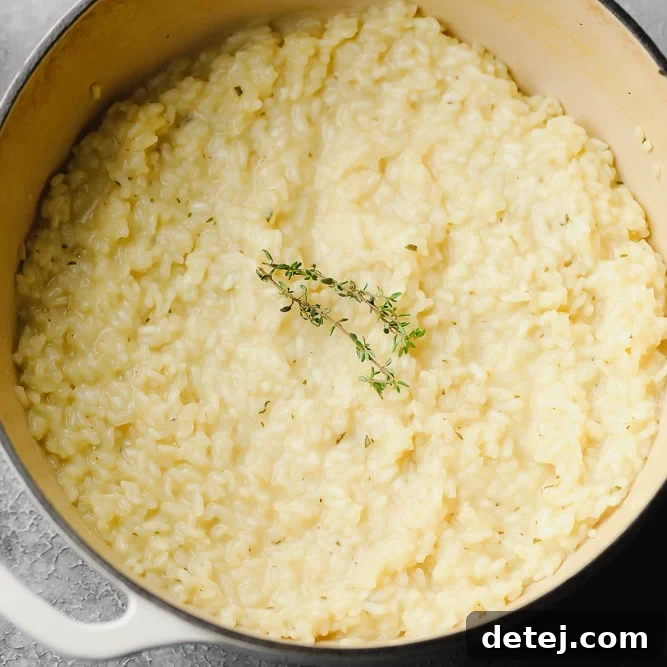
This melt-in-your-mouth creamy vegan risotto with roasted vegetables is the perfect comfort food recipe, reimagined for a plant-based diet. Indulge in all the luxurious creaminess you associate with traditional Italian risotto, without any dairy. This versatile and satisfying dish is destined to become a staple in your culinary repertoire, whether you’re a seasoned vegan chef or simply looking to incorporate more delicious plant-based meals into your routine.
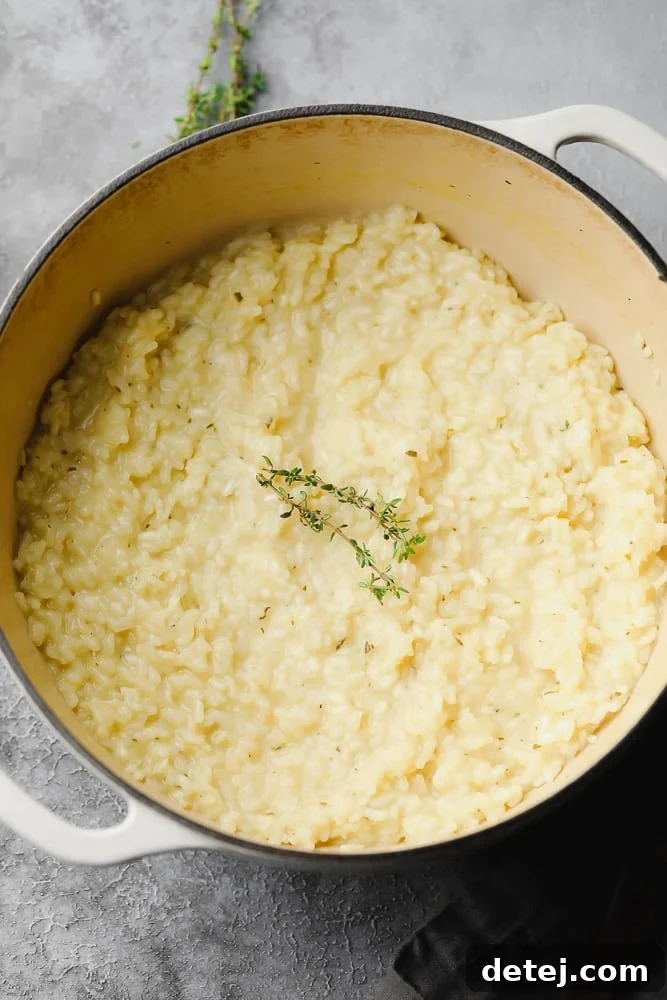
When the craving for ultimate comfort food strikes, this vegan risotto consistently delivers. Its rich, velvety texture and deep, savory flavors make it an ideal choice for a cozy weeknight meal or an impressive yet effortless date night dish. Preparing a gourmet-quality meal that caters to diverse palates has never been simpler or more rewarding.
One of the many appealing aspects of this recipe is its efficiency; it comes together in approximately 30-40 minutes. Most of this time is conveniently hands-off, dedicated to allowing your chosen vegetables to roast to perfection in the oven while you masterfully tend to the risotto on the stovetop. For an added boost of greens and nutrients, consider serving this magnificent risotto alongside this easy-to-make sautéed kale, creating a balanced and complete meal.
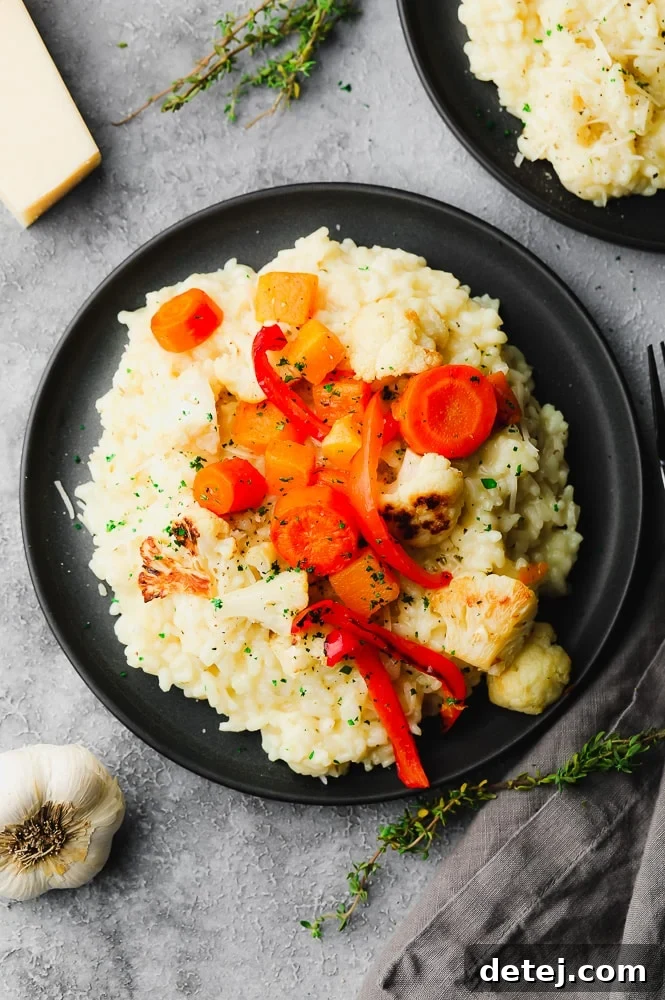
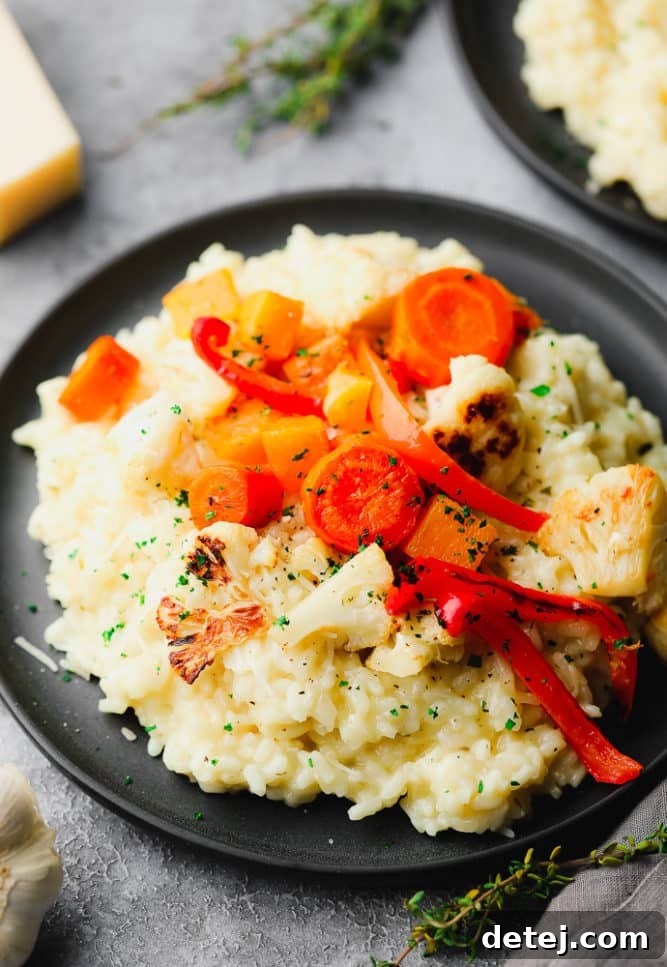
While this creamy dairy-free risotto is undeniably exquisite on its own, the addition of rich, caramelized roasted vegetables elevates it to an entirely new level. The depth of flavor and slight sweetness that develops during roasting perfectly complements the savory, creamy rice, adding textural contrast and a burst of seasonal goodness. It’s a harmonious pairing that truly transforms a simple dish into an unforgettable culinary experience.
If you have an affinity for earthy, umami-rich flavors, you absolutely must try my Vegan Mushroom Risotto! It’s another deeply comforting and incredibly satisfying plant-based alternative that showcases the incredible versatility of this classic Italian dish.
The Secret to Truly Creamy Vegan Risotto
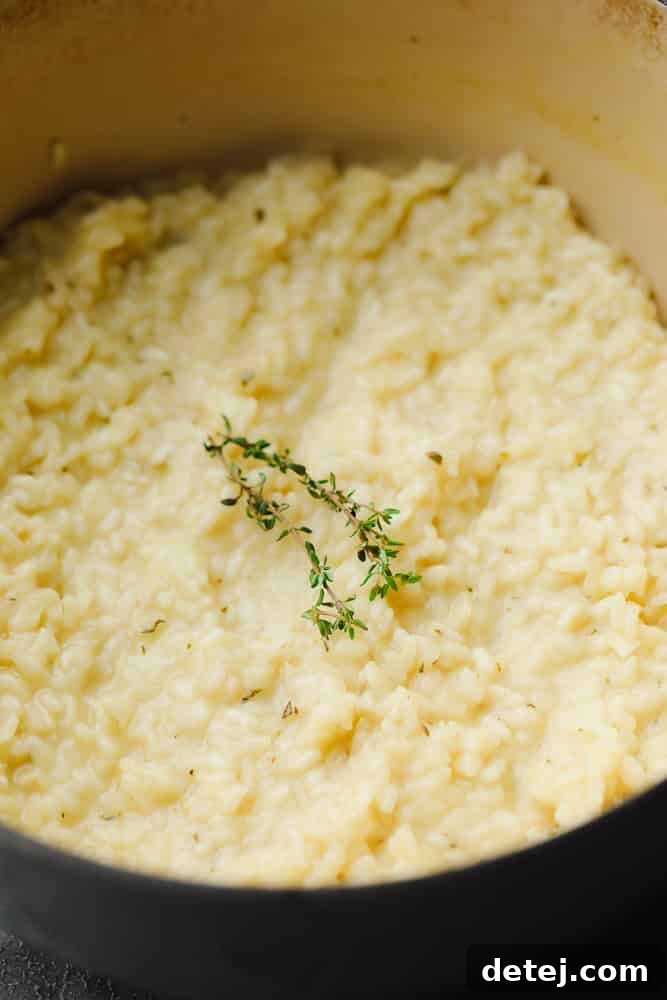
Achieving that signature creamy texture in vegan risotto is simpler than you might think, and it all starts with the right ingredients and technique. The star of the show is Arborio rice, a short-grain Italian rice known for its high starch content. As it cooks and is continuously stirred, this starch is gradually released, creating a naturally velvety, thick sauce without the need for any dairy products. The warmth of the vegetable broth and a touch of vegan butter further enhance this luxurious consistency, making it indistinguishable from its dairy-laden counterpart.
Selecting Your Signature Roasted Vegetables
The beauty of this vegan risotto recipe lies in its adaptability, especially when it comes to the roasted vegetables. You have complete freedom to use whatever seasonal produce you love or have on hand, ensuring about 5 cups total of chopped vegetables. The roasting process intensifies their natural sweetness and adds a delightful charred, savory note that beautifully contrasts the creamy risotto.
Here are some fantastic options to inspire your creation:
- Butternut Squash and Sweet Potatoes: These root vegetables become incredibly tender and sweet when roasted, offering a comforting depth of flavor. Their vibrant color also adds visual appeal to the dish.
- Red Bell Peppers: Roasting bell peppers brings out their inherent sweetness and gives them a slightly smoky flavor, which pairs wonderfully with the savory risotto.
- Carrots: Simple yet effective, roasted carrots become sweet and slightly caramelized, adding a subtle earthiness.
- Cauliflower and Broccoli: These cruciferous vegetables develop a fantastic nutty flavor and tender-crisp texture when roasted, providing a lovely counterpoint to the soft rice.
- Brussels Sprouts: Roasting Brussels sprouts transforms them into crispy, flavorful bites, making them a surprisingly delicious addition to this creamy dish.
The key to perfectly roasted vegetables is to cut them into roughly uniform pieces to ensure even cooking and to spread them in a single layer on your baking sheet. This allows for proper caramelization and prevents them from steaming.
Ingredients for Your Unforgettable Vegan Risotto (with Substitutions)
Crafting this incredible dairy-free risotto requires a few key components. Here’s a detailed look at what you’ll need and potential substitutions to fit your preferences:
- Vegetables: As mentioned, aim for about 5 cups total of your favorite chopped or cubed vegetables. Think butternut squash, sweet potatoes, red bell peppers, carrots, cauliflower, broccoli, or even Brussels sprouts. Feel free to mix and match for a diverse flavor and texture profile.
- Olive Oil: Essential for roasting vegetables and sautéing the aromatics. A good quality extra virgin olive oil will impart a pleasant flavor.
- Vegetable Broth: This is the liquid that will transform your Arborio rice into creamy risotto. Use a high-quality, flavorful vegetable broth (low-sodium is often preferred to control salt levels) to make your risotto incredibly savory and rich. Avoid simply using water, as it won’t provide the necessary depth.
- Vegan Butter: Crucial for adding richness and a traditional buttery flavor to the risotto base. If you don’t have vegan butter, an equal amount of olive oil can be used, though it will subtly change the flavor profile.
- Shallots: These delicate onions provide a milder, sweeter flavor than regular onions, forming an aromatic foundation for your risotto. If shallots are unavailable, half of a sweet onion, finely chopped, makes an excellent substitute.
- Arborio Rice: This is non-negotiable for authentic risotto texture. Its short, plump grains and high starch content are what create that signature creamy consistency as you stir. Do not substitute with long-grain white rice or brown rice, as they will not yield the same results.
- Garlic: Adds a pungent, aromatic depth that is fundamental to many Italian dishes, including risotto. Freshly minced garlic is always best for maximum flavor.
- White Wine: A dry white wine, like Pinot Grigio or Sauvignon Blanc, deglazes the pan and adds a wonderful layer of complexity and acidity, enhancing the overall flavor of the risotto. If you prefer to cook without alcohol, you can simply omit it and add an equal amount of vegetable broth. While the flavor will be slightly different, the dish will still be delicious.
- Salt and Black Pepper: Essential for seasoning and bringing out all the flavors. Season to taste throughout the cooking process.
- Fresh Chopped Sage: Sage adds a warm, earthy, and slightly peppery note that is particularly complementary to roasted squash and hearty risottos. If fresh sage isn’t available, use about half the amount of dried sage.
- Fresh Chopped Thyme: Thyme contributes a delicate, aromatic, and slightly minty flavor. Like sage, fresh is best, but dried thyme can be used in a smaller quantity if necessary.
- Vegan Parmesan Cheese: Stirring in vegan parmesan at the end adds a salty, umami-rich, and cheesy finish without any dairy. For the best melting and authentic flavor, I highly recommend Violife’s parmesan block, shredded. Alternatively, you can easily make your own homemade vegan parmesan.
How to Make Creamy Vegan Risotto: A Step-by-Step Guide
Follow these detailed steps to create a truly spectacular creamy vegan risotto with roasted vegetables that will impress every time:
Step 1: Get Your Vegetables Roasting. Begin by preheating your oven to a robust 425 degrees F (220 degrees C). Line a large baking sheet with parchment paper to prevent sticking and for easier cleanup. Evenly spread your chosen cut and cubed vegetables (such as butternut squash, bell peppers, broccoli, etc.) onto the baking sheet. Drizzle them generously with olive oil and sprinkle with a pinch of salt. Roast in the preheated oven for 20-30 minutes, or until they are tender, slightly caramelized, and lightly browned at the edges. While the vegetables are roasting, you can move on to preparing the risotto on the stovetop.
Step 2: Warm the Broth. In a separate medium-sized pot, gently heat the vegetable broth over medium-low heat. The goal is to get it warm, almost simmering, but not boiling rapidly. Keeping the broth warm is crucial because adding cold broth to hot rice will shock the rice, slowing down the cooking process and potentially affecting the final creamy texture. Keep this pot on a back burner, ready to be added to the rice.
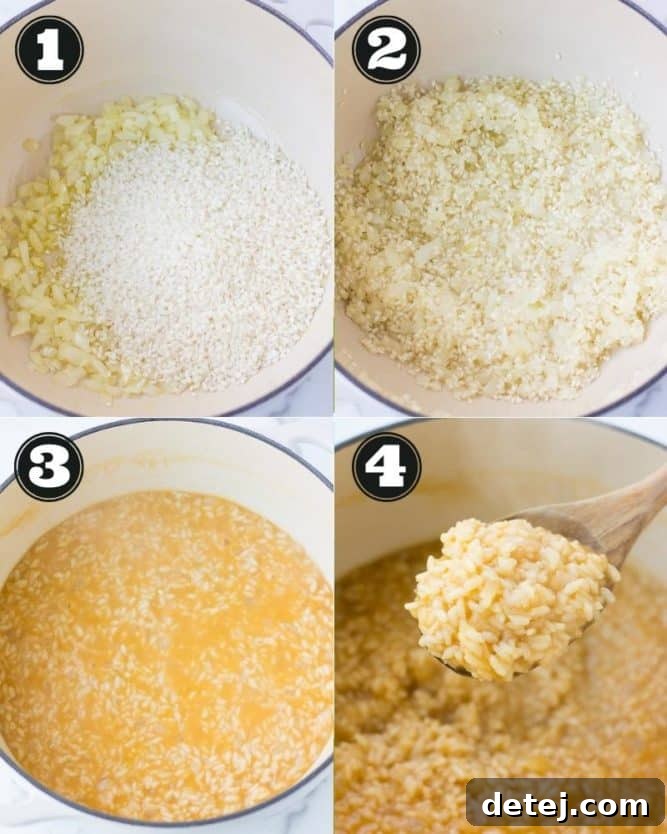
Step 3: Begin the Risotto Base. In a large, heavy-bottomed sauté pan or Dutch oven set over medium heat, add the vegan butter (or olive oil) and allow it to melt until shimmering. Once melted, add the finely chopped shallot and cook, stirring occasionally, for 2-3 minutes until it softens and becomes translucent. Next, add the minced garlic and cook for just 1 more minute until fragrant, being careful not to burn it. Add the Arborio rice to the pan and stir constantly for about 2 minutes, coating each grain with the buttery, aromatic mixture. This toasting step, known as “tostatura,” helps the rice absorb liquid evenly and maintains its structure.
Step 4: Deglaze with White Wine. Pour in the dry white wine and stir continuously. The wine will rapidly absorb into the rice, deglazing the pan and lifting all the flavorful bits from the bottom. Continue stirring until all the wine has been fully absorbed, leaving no liquid in the pan. At this point, if you are using them, stir in the fresh chopped sage and thyme.
Step 5: Gradually Add Broth for Creaminess. Now comes the classic risotto technique: begin adding the warm vegetable broth, about ½ cup at a time. After each addition, stir frequently and patiently until the liquid is almost completely absorbed by the rice before adding the next ½ cup. This gradual addition and constant stirring are vital for releasing the starches from the Arborio rice, which creates the incredibly creamy texture. Maintain a heat level where the rice and broth are bubbling gently but not boiling too vigorously, as you don’t want the liquid to evaporate too quickly. Continue this process for approximately 20-30 minutes, or until the rice is al dente – tender with a slight chewiness in the center.
Step 6: Finish and Serve. Once all the liquid has been absorbed and the rice reaches the perfect al dente consistency, remove the pan from the heat. Stir in the shredded vegan parmesan cheese until it melts and fully incorporates, adding another layer of creamy richness. Taste the risotto and adjust seasoning with salt and black pepper as needed. To serve, ladle generous portions of the creamy vegan risotto into bowls. Top each serving with a bountiful amount of your delicious roasted vegetables. For a final flourish, garnish with a sprinkle of fresh chopped parsley and a little more vegan parmesan, if desired. Enjoy this comforting and flavorful dish immediately!
Helpful Tips for Risotto Perfection
Mastering risotto is an art, but these tips will guide you to a consistently perfect, creamy outcome:
- Embrace the Aromatics: Never skip the shallots (or sweet onion) and garlic. They lay the foundational layer of flavor for your risotto, adding a depth that is irreplaceable. Taking the time to properly sauté them until fragrant but not burnt is key.
- Commit to Stirring: Risotto is a dish that demands your attention. Constant, gentle stirring from start to finish is paramount. This continuous movement helps to release the starches from the Arborio rice, creating that luscious, creamy texture. It also prevents the rice from sticking to the bottom of the pan and ensures even cooking.
- Gradual Broth Addition is Gold: The temptation to dump all the warm vegetable broth in at once can be strong, but resist it! Adding the broth just ½ cup at a time, allowing each addition to be absorbed before adding the next, is fundamental to developing the creamy consistency. This slow process allows the starches to release gradually, creating a more cohesive and velvety sauce.
- Don’t Rinse the Rice: Unlike other rice dishes, you should never rinse Arborio rice before cooking. Rinsing would wash away the precious starch that is essential for achieving the creamy texture we desire in risotto.
- Use a Wide, Heavy-Bottomed Pan: A wide pan allows for better evaporation of the liquid and more even cooking of the rice. A heavy bottom helps distribute heat consistently and prevents burning.
- Taste, Taste, Taste: The cooking time for risotto can vary slightly depending on your stove and pan. Always taste the rice towards the end of the cooking process to ensure it’s perfectly al dente. It should be tender but still have a slight bite, never mushy.
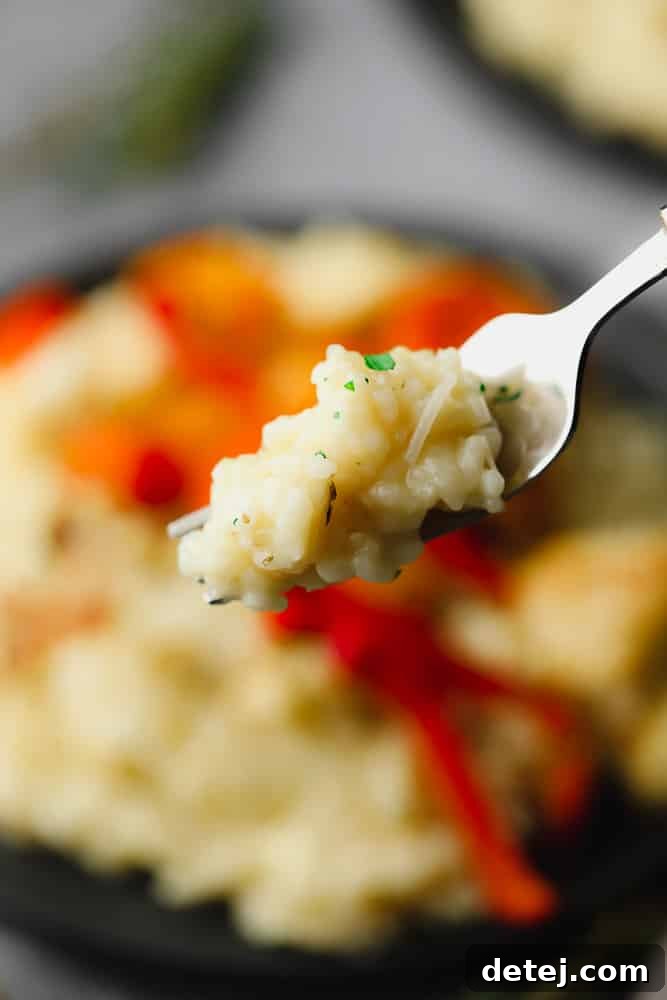
- The “All’onda” Finish: The perfect risotto should have a texture known as “all’onda,” meaning “wavy” or “flowing.” When you shake the pan, the risotto should gently undulate like waves, indicating it’s creamy and not too thick.
Frequently Asked Questions About Vegan Risotto
Here are some common questions about making and enjoying creamy vegan risotto:
- What makes risotto so creamy without dairy? The magic of creamy risotto comes primarily from Arborio rice itself. This special short-grain Italian rice is rich in amylopectin, a type of starch that is released when the rice grains rub against each other during constant stirring in warm liquid. This released starch creates a naturally thick and velvety sauce, eliminating the need for butter, cream, or cheese. The warm vegetable broth, combined with a little vegan butter and vegan parmesan stirred in at the end, further enhances this luscious, dairy-free creaminess.
- How can I make my vegan risotto even more flavorful? Beyond the foundational flavors of shallots, garlic, salt, and pepper, there are several ways to boost your risotto’s taste. Using a high-quality, rich vegetable broth is paramount. Incorporating fresh herbs like sage and thyme adds an aromatic complexity. Deglazing the pan with dry white wine introduces a subtle acidity and depth. Lastly, stirring in a generous amount of shredded vegan parmesan cheese at the end provides a savory, umami-rich finish that truly elevates the dish.
- Is risotto just a fancy creamy rice dish? While risotto is indeed a creamy rice dish, it’s far more than just “creamy rice.” It’s a traditional Italian cooking method that uses a specific type of rice, typically Arborio, Carnaroli, or Vialone Nano. These high-starch, short-grain varieties are unique in their ability to absorb a large amount of liquid while retaining their shape and releasing starch to create a creamy sauce, all without becoming mushy. The distinct texture and preparation method set risotto apart from other rice preparations.
- Can I make this vegan risotto gluten-free? Absolutely! This recipe is naturally gluten-free, provided you use a certified gluten-free vegetable broth. All other ingredients are typically gluten-free, but always double-check labels if you have severe sensitivities.
- Can I add vegan protein to this risotto? Yes, you can! For a heartier meal, consider stirring in cooked chickpeas, cannellini beans, or even some sautéed crumbled vegan sausage or tempeh towards the end of the cooking process. Sautéed mushrooms are also a fantastic, earthy addition.
Storing and Reheating Your Vegan Risotto
While risotto is always best enjoyed fresh off the stove, you can certainly save leftovers. Here’s how to manage storage and reheating:
- Freezing Risotto: You can freeze this dish, but be aware that the texture will change slightly upon thawing and reheating. The rice may become softer, and the creamy consistency might not be as vibrant. For best results, I personally prefer to make it fresh and simply refrigerate any leftovers. If you must freeze, ensure it’s in an airtight container for up to 1-2 months.
- Storing Leftovers: Leftover risotto is surprisingly good and makes for a convenient meal the next day. Transfer any cooled risotto to an airtight container and store it in the refrigerator for 3-4 days. For optimal quality and texture, it’s best to store the roasted vegetables separately from the risotto.
- Reheating: To reheat, place the risotto in a microwave-safe dish and heat until warm, stirring occasionally. Alternatively, you can reheat it gently in a saucepan over medium-low heat on the stovetop, adding a splash of vegetable broth or water to restore some of its creaminess as you stir.
What Goes with Vegan Risotto? Perfect Pairings
A creamy vegan risotto is a complete meal on its own, but it also pairs beautifully with a variety of complementary sides. Whether you’re looking for a light contrast or something hearty to soak up the flavors, here are some excellent suggestions:
- Crusty Dutch Oven Bread
- Soft Vegan Dinner Rolls
- Fresh Vegan Caesar Salad
- Hearty Kale Caesar Salad
- Crispy Air Fryer Asparagus
- Tender Roasted Brussels Sprouts
More Vegan Comfort Food Recipes to Love
If you loved this creamy vegan risotto, explore more delicious plant-based comfort food recipes that will warm your soul:
- Hearty Vegan Biscuit Pot Pie
- Creamy Broccoli Cheese Rice Casserole
- The Ultimate Vegan Mac and Cheese
- Delicious Homemade Vegan Gnocchi
- Rich Mushroom Bourguignon
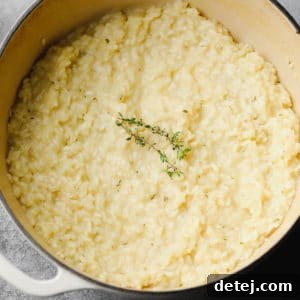
Creamy Vegan Risotto with Roasted Vegetables
Pin
Comment
SaveSaved
Ingredients
Roasted Vegetables
- 5 cups cut or cubed vegetables (see Note)
- 2 tablespoons olive oil
Risotto
- 5 cups vegetable broth
- 2 tablespoons vegan butter
- 1 shallot, chopped small or half a sweet onion
- 3 cloves garlic, minced
- 1 1/2 cups arborio rice
- 1/2 cup dry white wine
- 1 teaspoon finely chopped fresh sage
- 1 teaspoon finely chopped fresh thyme
- 1 cup shredded vegan parmesan cheese I used Violife
- salt, to taste
- few shakes black pepper
- chopped parsley, optional for garnish
Instructions
-
Roast the vegetables: Preheat the oven to 425 degrees F and line a large baking sheet with parchment paper. Add the cut and cubed vegetables/squash. Drizzle with olive oil and sprinkle with salt, then bake for 20-30 minutes until tender and lightly browned. While the squash bakes, make the risotto on the stovetop.
-
Warm the broth: Heat the vegetable broth in a large pot over medium-low heat until warm, but not boiling. This is for adding to the risotto, and it needs to be warm.
-
Make the Risotto: In a large sauté pan over medium heat, add the vegan butter and let it melt. Now add the shallot and cook for 2-3 minutes, then add the garlic and cook for 1 more minute. Add the rice and stir to coat with the butter, sautéing for about 2 more minutes.
-
Next, add the white wine and stir constantly until the wine is fully absorbed. Stir in the fresh herbs.
-
Add 1/2 cup of the warm broth, and stir until absorbed. Continue adding 1/2 cup broth at a time, stirring frequently until absorbed each time, until all the liquid has been absorbed and the rice is al dente (tender, yet slightly chewy), about 20-30 minutes. The heat should be high enough that the rice/broth is bubbling soon after you add it, but not boiling too much or the liquid will absorb too quickly.
-
Once all the liquid is absorbed, remove from heat and stir in the grated vegan parmesan cheese. Add salt and pepper, to taste.
-
To serve, place in bowls and add a good serving of roasted vegetables, as well as a sprinkle of parsley and more vegan parmesan, if desired. Enjoy!
Notes
- Vegetables – I used a combination of butternut squash (2 cups cubed small), a red bell pepper (seeded and sliced), broccoli, cauliflower and a carrot. Use what you like and have on hand, for a total of about 5 cups.
- No wine? If you don’t want to use wine, no worries you can leave it out.
- Storage – Store leftovers in the refrigerator for about 3-4 days. Reheat in the microwave until warm. While risotto can be frozen, the texture will change slightly.
Nutrition
This beloved recipe for creamy vegan risotto was originally published in August 2019 and has since undergone thoughtful updates to enhance its flavor and appeal. The initial version featured only roasted butternut squash and some stirred-in spinach. Through careful refinement, we’ve discovered that a greater variety of roasted vegetables, coupled with the addition of fresh herbs and a superior vegan parmesan cheese, significantly improves the dish, making it even more delectable and satisfying.