
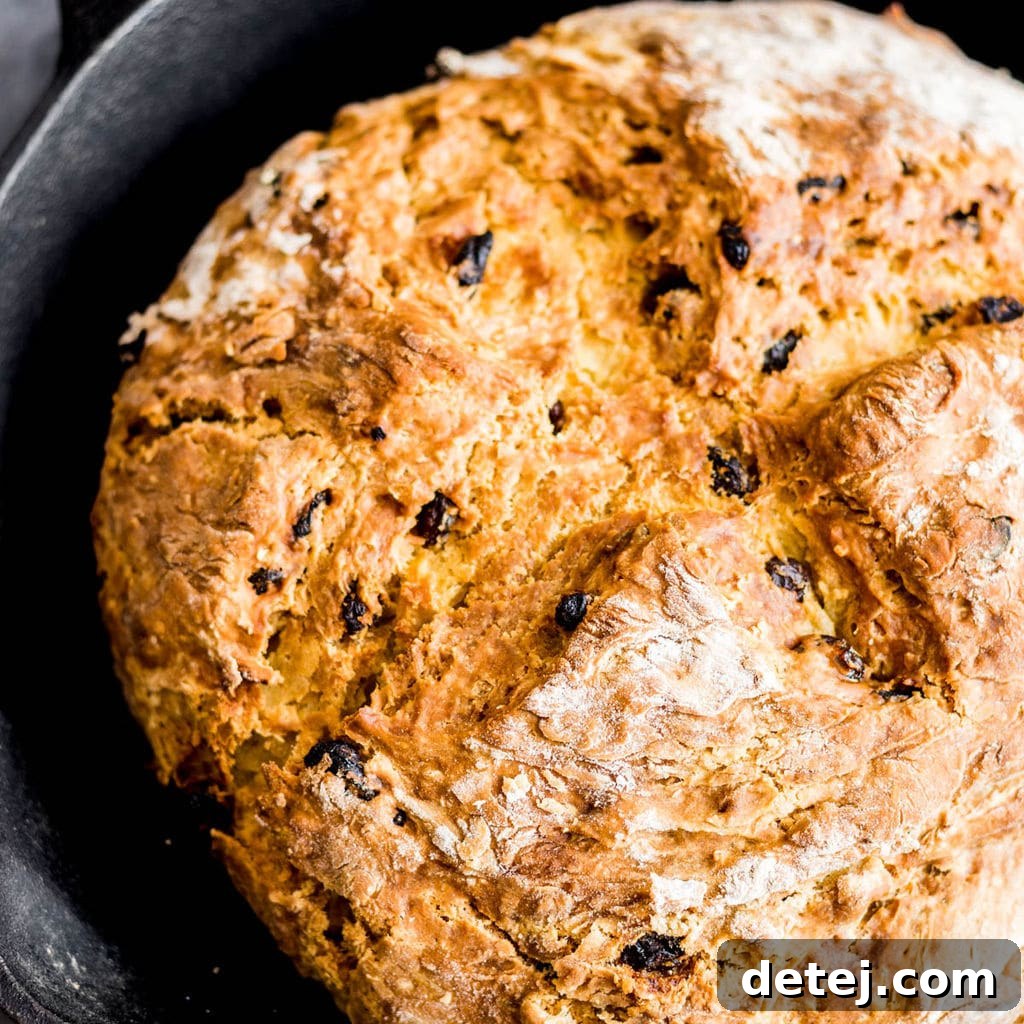
Uncover the ease and delight of crafting your own Vegan Irish Soda Bread at home. This rustic, yeast-free bread is incredibly simple to prepare using everyday ingredients, offering a satisfying crust and a wonderfully tender, moist interior. Perfect for any meal, especially when generously slathered with creamy vegan butter and served alongside a hearty vegan Irish stew, comforting soups, or rich casseroles. Get ready to bake a batch of pure comfort!
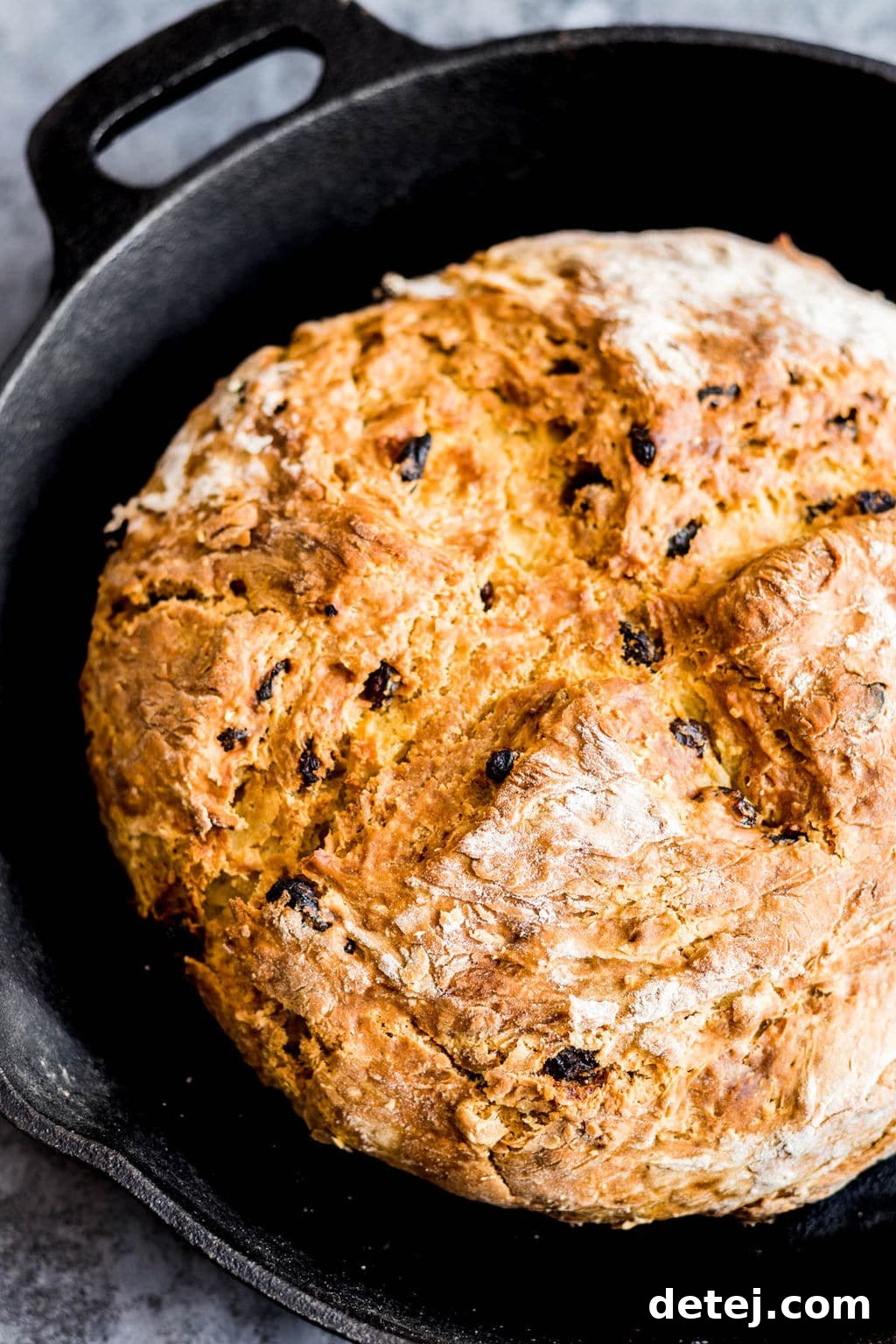
Embark on a delightful baking adventure with this effortlessly easy homemade vegan soda bread recipe. Whether you’re a seasoned baker or just starting out, this foolproof method guarantees a delicious, crusty loaf every time. Far from being intimidating, this recipe relies on simple pantry staples and a homemade vegan buttermilk substitute, eliminating the need for yeast or complicated techniques. The result is a truly flavorful and authentic-tasting rustic bread that’s perfect for dipping, spreading, or enjoying on its own.
This dairy-free Irish soda bread is more than just a recipe; it’s an invitation to experience homemade warmth and flavor. You’ll absolutely adore this easy-to-follow recipe because it’s:
- Remarkably Foolproof: A no-fail, yeast-free bread recipe perfect for beginners and busy individuals alike. Say goodbye to waiting for dough to rise!
- Crafted from Simple Ingredients: Utilizes basic pantry staples you likely already have on hand, making it accessible and budget-friendly.
- Incredibly Quick: From mixing to baking, your fresh loaf will be ready to enjoy in just about 1 hour, making it ideal for last-minute meal additions or impromptu gatherings.
- Bursting with Flavor: Delivers a rich, tender, and moist texture with a delightfully crusty exterior that’s undeniably satisfying.
- Perfectly Versatile: An excellent choice for St. Patrick’s Day celebrations, holiday feasts, or simply as a comforting addition to your everyday meals throughout the year.
Imagine those hearty slices, still warm from the oven, ready to complete your winter meals. They are an absolute essential when serving up cozy soups and stews. Don’t hesitate to dunk a generous piece into a big bowl of classic vegan beefless stew, or let it soak up the rich flavors of this comforting lentil chili. The possibilities for delicious pairings are endless, and you truly can’t go wrong with this versatile bread!
Exploring the Charm of Irish Soda Bread: A Culinary Tradition
At its heart, Irish soda bread is a beloved artisan-style quick bread, celebrated for its simplicity and rustic charm. Unlike traditional breads that rely on yeast for leavening, soda bread uses the magical combination of baking soda (sodium bicarbonate) and an acidic ingredient – typically buttermilk – to create its characteristic rise. This chemical reaction produces carbon dioxide bubbles, which are trapped within the dough, giving the bread its signature light, airy pockets and slightly crumbly, yet tender, texture.
The history of Irish soda bread is deeply rooted in Irish culinary heritage, emerging during times when ingredients were scarce and quick, simple methods were essential. It became a staple in many households, providing a filling and easy-to-make bread for daily consumption. The traditional preparation often involves minimal kneading, contributing to its unique texture and ensuring it remains a quick bread rather than developing gluten structure like yeast breads.
For those following a plant-based diet, traditional soda bread presents a challenge due to its dairy content. This is where vegan soda bread recipes shine. By cleverly replacing conventional buttermilk with a homemade vegan buttermilk substitute (a simple blend of dairy-free milk and vinegar or lemon juice) and opting for vegan butter, we can achieve all the delightful qualities of the original loaf without any animal products. This vegan adaptation not only respects the integrity of the classic recipe but also makes this wholesome, rustic bread accessible to everyone. The result is a naturally crusty, flavorful, and incredibly satisfying loaf that truly embodies the spirit of Irish baking.
Essential Ingredients for Your Vegan Irish Soda Bread (with Handy Substitutions)
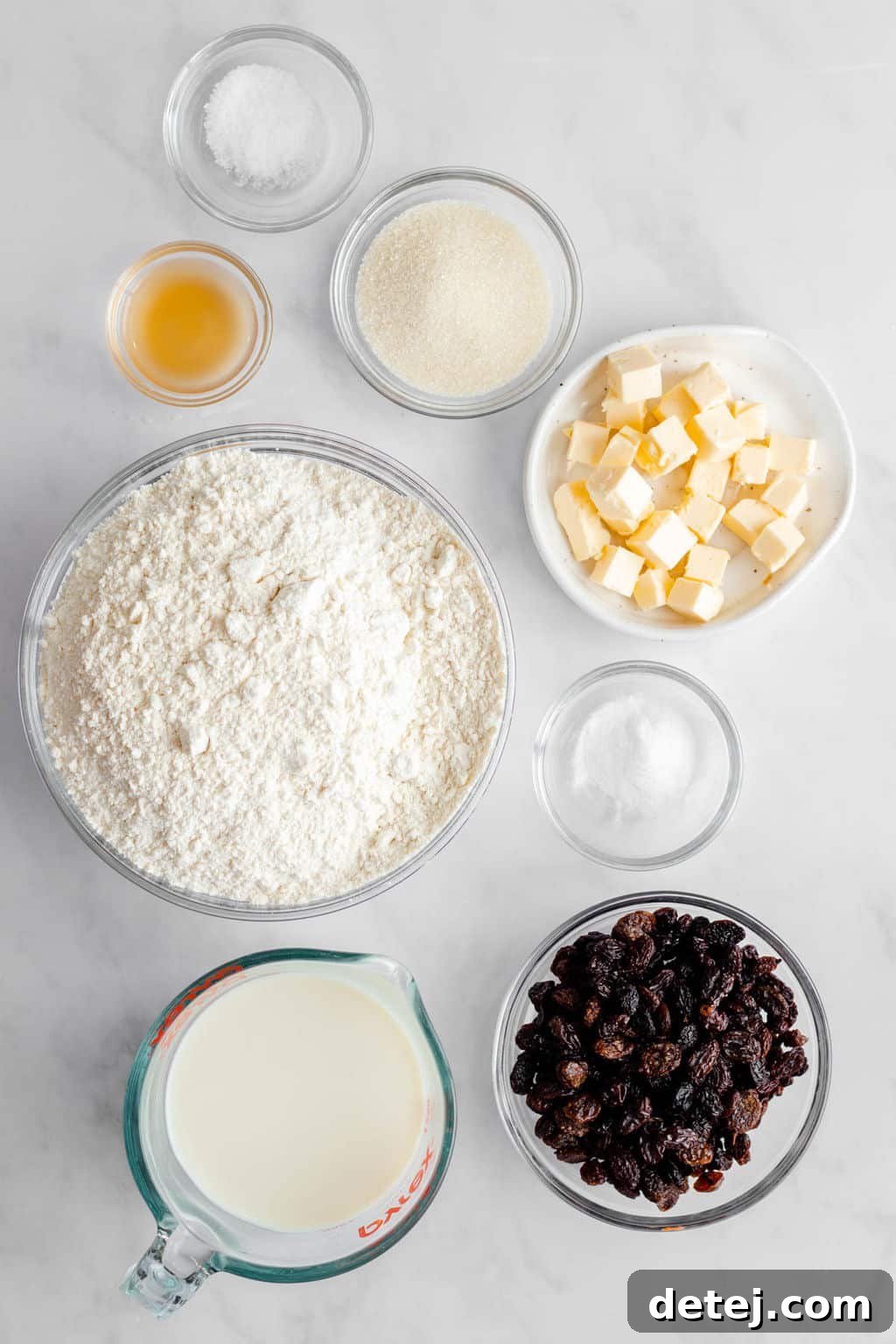
Crafting this delicious dairy-free soda bread requires just a handful of straightforward ingredients, most of which are likely already in your kitchen. Here’s what you’ll need, along with some helpful substitution notes:
- Soy Milk: This is my preferred choice for its rich texture and protein content, which contributes to a more robust vegan buttermilk. However, feel free to use other unsweetened plant-based milks like oat milk or almond milk. Ensure your chosen milk is unsweetened to maintain the bread’s savory balance.
- Apple Cider Vinegar: The acidic hero! When combined with dairy-free milk, apple cider vinegar curdles it, creating the perfect tangy and thick homemade vegan buttermilk substitute. This reaction is crucial for activating the baking soda, giving your quick bread its signature lift and tender crumb. If apple cider vinegar isn’t available, white vinegar or fresh lemon juice work equally well as substitutes. This vegan buttermilk is also fantastic for recipes like fluffy vegan pancakes and tender buttermilk biscuits.
- All-Purpose Flour: The foundation of our bread. All-purpose flour yields the best balance of structure and tenderness. For those looking to experiment, a 1:1 blend of whole wheat flour and all-purpose flour can be used for a slightly denser, nuttier loaf with added fiber.
- Vegan Butter: Essential for richness and flavor. Ensure your vegan butter is cold and cut into cubes before incorporating it into the flour mixture. This helps create pockets of steam during baking, contributing to a flakier, more tender texture.
- Granulated Sugar: A small amount of sugar doesn’t make the bread sweet but rather helps to balance the flavors, enhances browning, and promotes a more tender crumb. While granulated sugar is ideal, other granular sweeteners like coconut sugar can be used, though they might slightly alter the final flavor and color.
- Salt: Crucial for enhancing all the other flavors in the bread and providing necessary contrast to any sweetness. Don’t skip it!
- Baking Soda: The primary leavening agent. Baking soda reacts with the acidity of the vegan buttermilk to create carbon dioxide gas, which causes the bread to rise beautifully without any yeast. Ensure your baking soda is fresh for optimal leavening power.
- Raisins (Optional): For a touch of traditional sweetness and chewiness, raisins are a wonderful addition. They plump up nicely during baking and add a lovely texture contrast. If you’re not a fan of raisins, feel free to omit them, or consider other additions like dried cranberries, currants, or even orange zest for a different flavor profile.
Gathering these simple ingredients is the first step towards a truly satisfying baking experience. Each component plays a vital role in creating a vegan Irish soda bread that is both authentic in spirit and delicious in taste.
Baking Perfection: A Step-by-Step Guide to Vegan Irish Soda Bread
Making homemade vegan Irish soda bread is a remarkably straightforward process, ideal for bakers of all skill levels. The magic happens quickly, allowing you to enjoy a fresh, warm loaf in no time. Let’s walk through the steps to create this rustic masterpiece:
Prepare Your Vegan Buttermilk
Begin by creating your essential vegan buttermilk. In a small bowl, gently whisk together the soy milk and apple cider vinegar. This mixture needs a few minutes to curdle and thicken, becoming visibly clumpy. Set it aside while you prepare your dry ingredients – this wait allows the chemical reaction to begin, ensuring your bread gets the best rise.
Mixing the Dry and Wet Ingredients
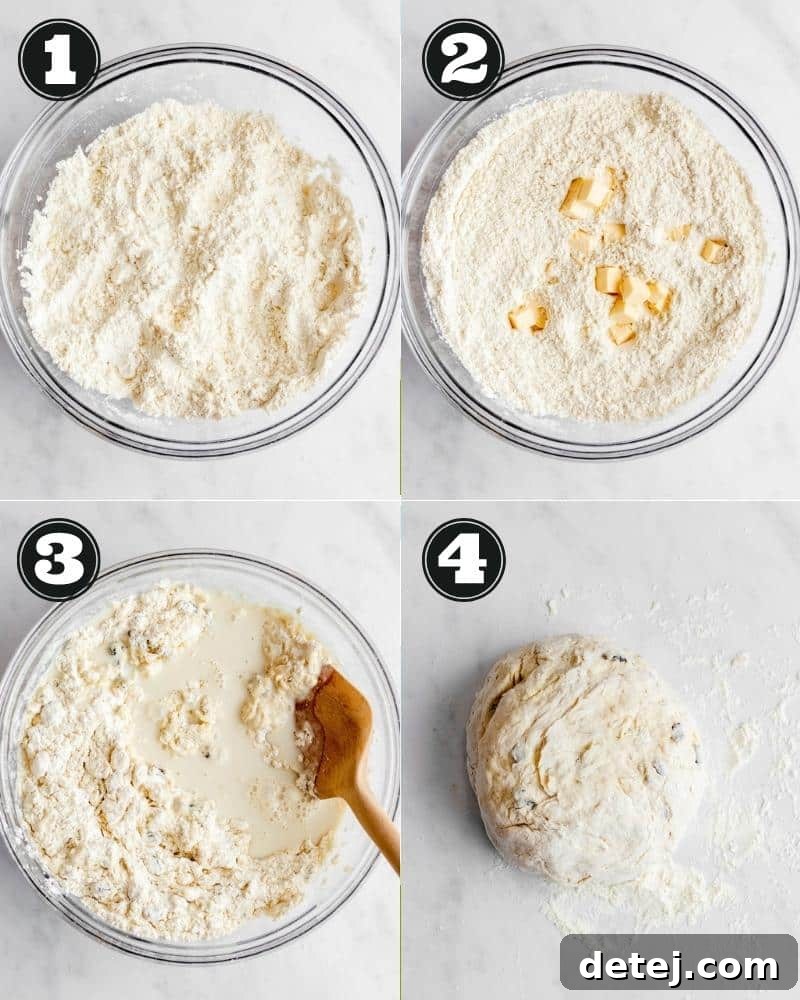
- Combine Dry Ingredients: In a spacious large mixing bowl, whisk together the all-purpose flour, granulated sugar, baking soda, and salt. Ensure these ingredients are thoroughly combined to distribute the leavening and seasoning evenly throughout the dough.
- Incorporate Vegan Butter: Add the cold vegan butter, cut into small cubes, to the dry mixture. Using your fingertips or a pastry blender, work the butter into the flour until the mixture resembles coarse crumbs, similar to making pie crust. This step is crucial for creating a tender crumb in the finished bread. If using, now is the perfect time to stir in your raisins, ensuring they are well coated and evenly distributed.
- Add Vegan Buttermilk: Pour the prepared vegan buttermilk mixture into the dry ingredients. Using a large wooden spoon or a sturdy spatula, stir just until the ingredients come together and a sticky, shaggy dough begins to form. Be careful not to overmix at this stage; overmixing can lead to a tough bread.
- Lightly Knead the Dough: Turn the sticky dough out onto a lightly floured surface. Gently knead it a few times, just enough to bring it together into a cohesive ball. The dough won’t be perfectly smooth like a yeast dough, and that’s perfectly fine – its rustic appearance is part of its charm. If the dough feels too sticky, add a little extra flour, one tablespoon at a time, to your hands and the work surface until it’s manageable but still soft. Avoid adding too much flour, as this can dry out the bread.
Shaping and Baking Your Loaf
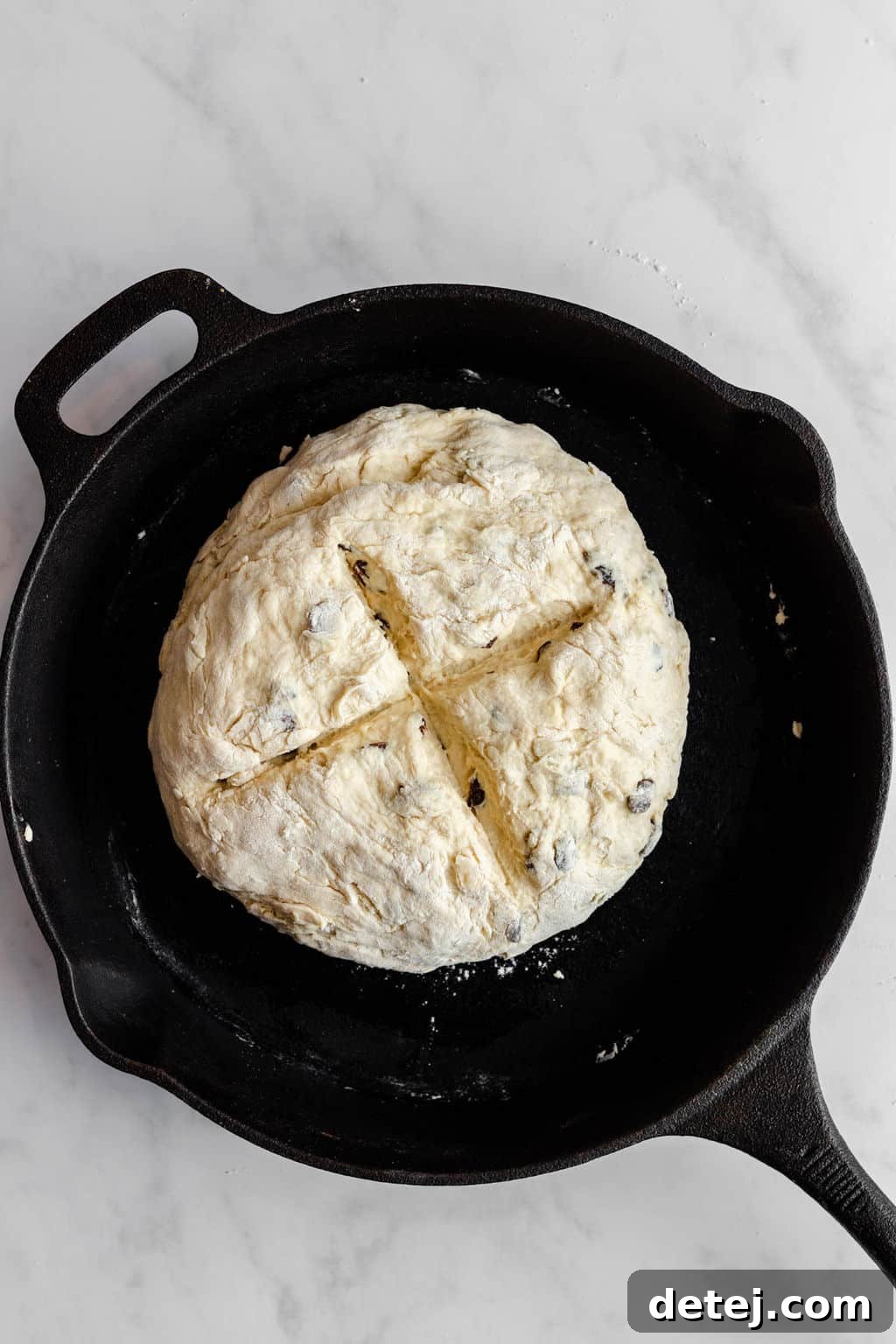
Once your dough is formed into a round loaf, carefully transfer it to your chosen baking vessel. A cast iron pan or Dutch oven is highly recommended for achieving an exceptionally crispy crust and even baking. If you don’t have one, a regular baking sheet will work perfectly fine. Before baking, use a sharp, serrated knife to score a deep “X” on the top of the bread, about one to two inches deep. This traditional scoring helps the bread rise evenly and creates those beautiful, rustic cracks on the crust.
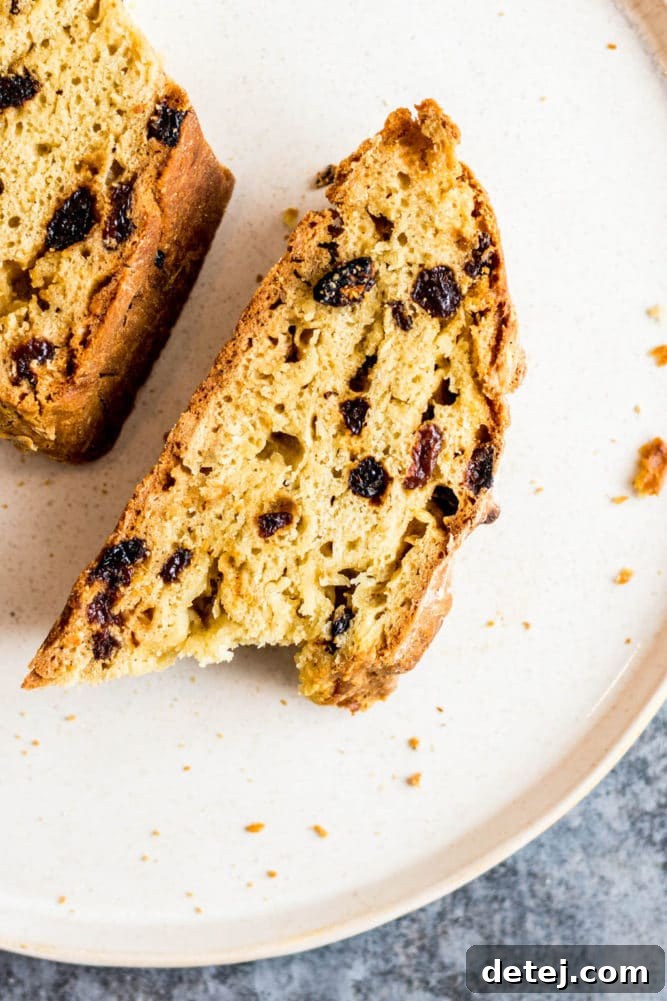
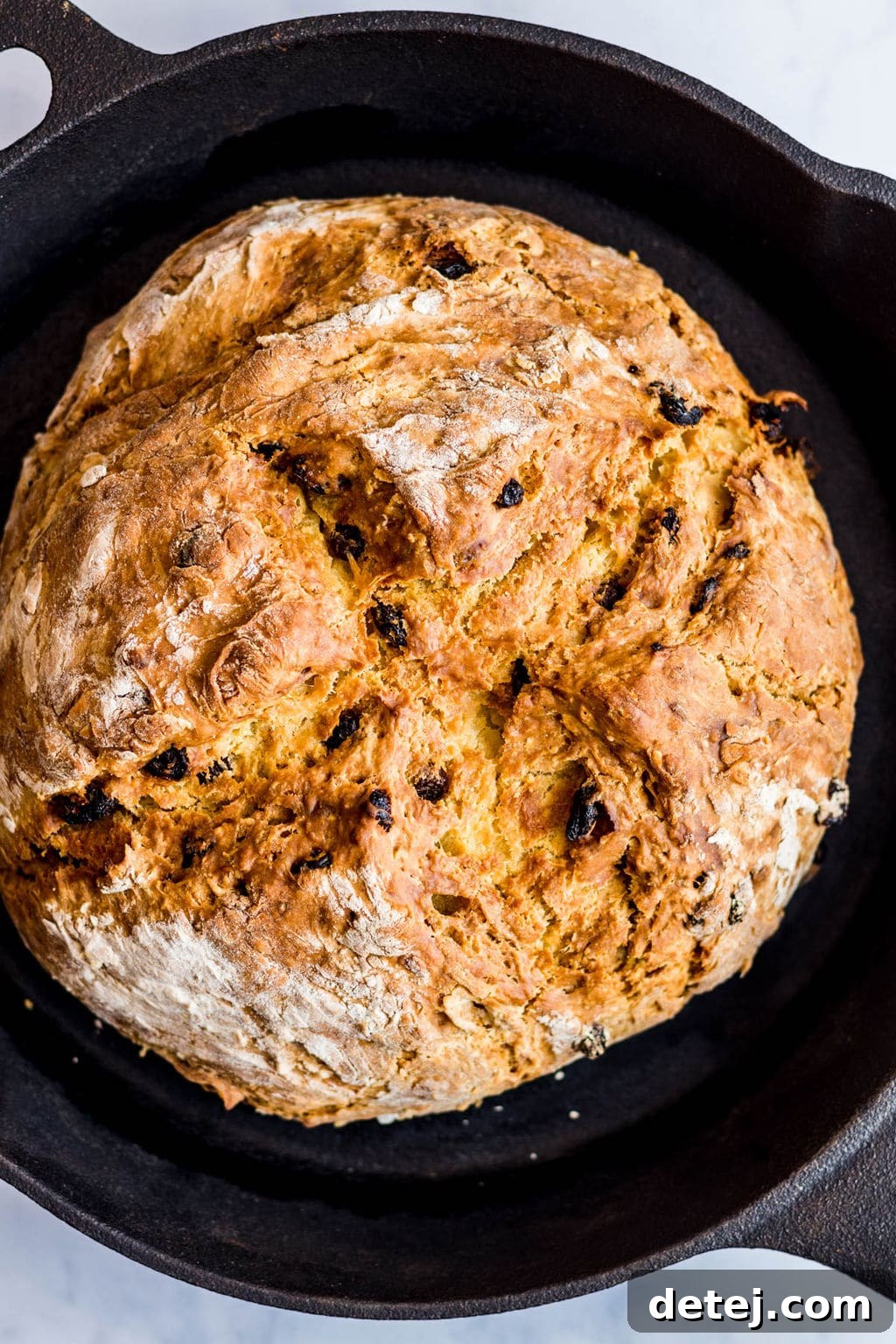
Bake your bread in a preheated oven until it turns a beautiful golden brown and sounds hollow when tapped on the bottom. The rich aroma filling your kitchen will be a testament to your baking success! Allow the bread to cool slightly on a wire rack before attempting to slice it. This brief cooling period is important as it allows the internal structure of the bread to set, ensuring clean slices and preventing a gummy texture. Once slightly cooled, slice with a serrated knife and serve warm, perhaps with a generous smear of vegan butter.
Delightful Serving Suggestions for Vegan Irish Soda Bread
The beauty of this rustic vegan bread lies in its incredible versatility. A few hearty slices of warm vegan Irish soda bread are the quintessential accompaniment to a wide array of dishes, particularly those with rich sauces and broths. It’s truly a blank canvas for delicious pairings!
- Classic Pairings with Soups and Stews: Naturally, it’s the perfect match for hearty vegan soups and stews. Beyond a traditional vegan Irish stew, imagine dipping it into a robust ultimate vegan chili or a comforting lentil soup. Its sturdy texture is ideal for soaking up every last drop of flavorful liquid.
- Global Flavor Adventures: Don’t limit yourself to Irish cuisine! Use it to scoop up the savory sauces from a “meaty” bowl of vegan spaghetti or to wipe your plate clean after enjoying a fragrant chickpea curry. Its neutral yet rich flavor complements a multitude of international dishes.
- Breakfast and Brunch Favorite: Transform leftover slices into delightful breakfast fare. Toast them lightly and spread with your favorite vegan butter, a drizzle of honey alternative, or a spoonful of sweet fruit jam. It also makes an excellent base for a savory breakfast sandwich with tofu scramble or vegan sausage.
- Gourmet Sandwiches: Move beyond traditional sandwich bread! The firm, flavorful slices of vegan Irish soda bread make an exceptional foundation for unique lunch sandwiches. Pair them with roasted vegetables, hummus, and fresh greens for a wholesome and satisfying meal.
- Cheese Board Companion: Serve slices of soda bread alongside a selection of vegan cheeses, olives, and fruit for an elevated appetizer or snack. Its rustic texture provides a wonderful contrast to creamy cheeses.
No matter how you choose to enjoy it, this easy homemade bread promises to elevate your culinary experience, offering warmth and flavor with every bite.
Frequently Asked Questions About Vegan Irish Soda Bread
Here are some common questions about making and enjoying this delicious yeast-free bread:
- Is traditional soda bread vegan?
No, traditional Irish soda bread is not vegan. It typically relies on real buttermilk and dairy butter, both of which are animal products. This recipe, however, is a fantastic vegan adaptation that replaces these dairy ingredients with homemade vegan buttermilk (using plant milk and vinegar) and vegan butter, ensuring it’s completely plant-based while maintaining the authentic texture and flavor.
- Can vegan Irish soda bread be made gluten-free?
While I haven’t personally tested a gluten-free version of this specific vegan soda bread recipe, it is certainly possible to experiment. You can try substituting the all-purpose flour with a 1:1 gluten-free flour blend. Keep in mind that gluten-free flours tend to absorb liquids differently and may result in a bread that is slightly denser and has a more crumbly texture than its wheat-based counterpart. Using a blend specifically designed for baking can yield the best results. Adding a little xanthan gum (if not already in your blend) can help with structure.
- What is the best pan to bake vegan soda bread in?
For an optimal crust and perfectly even baking, a heavy-bottomed cast iron pan or a Dutch oven is highly recommended. These materials retain and distribute heat exceptionally well, leading to a wonderfully crunchy, golden-brown crust and a consistently soft, chewy interior. If you don’t have a cast iron pan or Dutch oven, a sturdy regular baking sheet (lined with parchment paper for easy release) will also yield excellent results. Just ensure your oven is fully preheated to ensure the baking soda activates properly.
- How should I store leftover vegan Irish soda bread?
Leftover soda bread is best stored at room temperature in an airtight container or wrapped tightly in plastic wrap to prevent it from drying out. It will stay fresh for 2-3 days. For longer storage, you can slice the bread and freeze individual slices. Wrap each slice tightly in plastic wrap, then place them in a freezer-safe bag. When ready to eat, simply toast directly from frozen.
- Can I add other ingredients or variations?
Absolutely! This recipe is a fantastic base for customization. Beyond raisins, consider adding dried cranberries, currants, or even chopped candied ginger for sweetness. For a savory twist, try incorporating fresh herbs like rosemary or thyme, grated vegan cheese, or a sprinkle of caraway seeds for a classic Irish flavor. Ensure any additions are not too wet or too heavy, which could affect the dough’s consistency and rise.
- Why did my soda bread turn out dense or dry?
Several factors can lead to dense or dry soda bread. Overmixing the dough is a common culprit, as it can develop gluten and make the bread tough. Using too much flour, either during mixing or during the light kneading, can also dry it out. Ensure your baking soda is fresh, as an expired leavening agent won’t provide the necessary rise. Finally, baking for too long or at too high a temperature can also dry out the crumb. Follow the recipe timings closely and use an oven thermometer to ensure accuracy.
Craving More Yeast-Free Quick Bread Recipes?
If you loved the simplicity and deliciousness of this vegan soda bread, you’re in for a treat! Quick breads are incredibly rewarding to bake, offering homemade goodness without the fuss of yeast proofing. Explore these other fantastic yeast-free, plant-based bread recipes that are perfect for any time of year:
- The Best Vegan Banana Bread: A wonderfully moist and sweet classic, perfect for using up ripe bananas.
- The Best Vegan Pumpkin Bread: Spiced with autumn flavors, this bread is a seasonal favorite that’s moist and flavorful.
- Lemon Blueberry Bread: A bright and zesty loaf, studded with juicy blueberries for a refreshing treat.
- Vegan Cornbread: A savory and tender bread that’s perfect alongside chili, stews, or barbecue.
Vegan Irish Soda Bread
15 mins
45 mins
1 hr
8 servings
Ingredients
Vegan Buttermilk
- 2 cups unsweetened soy milk
- 2 teaspoons apple cider vinegar
The Rest
- 4-4 1/2 cups all purpose flour
- 3 tablespoons granulated sugar
- 1 teaspoon baking soda
- 1 1/2 teaspoons salt
- 4 tablespoons vegan butter, cold and cut into cubes
- 1 cup raisins, optional
Instructions
- Preheat the oven to 425 degrees F (220°C).
- Make the vegan buttermilk by mixing the milk and vinegar in a bowl. Set aside to curdle for 5-10 minutes.
- In a large mixing bowl, whisk together 4 cups of flour, sugar, baking soda and salt.
- Using clean fingers, work the cold butter into the flour mixture until it resembles coarse crumbs. Add the raisins in now, if using, and toss to combine.
- Pour in the vegan buttermilk and stir with a large wooden spoon until it’s mostly together and a shaggy dough forms.
- Transfer the dough to a lightly floured surface. Knead the dough gently for a minute or two, just enough so it comes together into a cohesive ball. It won’t be a perfectly smooth ball of dough – a rustic texture is desired. Add a little extra flour to the dough and your hands as needed if it’s too sticky, but avoid over-flouring.
- Shape the dough into a round loaf. Place the loaf onto a baking pan or, ideally, into a cast iron pan.
- Score the top of the bread with a deep ‘X’ using a serrated knife, cutting about an inch to two inches deep.
- Bake for 40-50 minutes, or until golden brown on top and a wooden skewer inserted into the center comes out clean. The internal temperature should be around 200-210°F (93-99°C).
- Cool the bread on a wire rack for at least 10 minutes before slicing with a serrated knife and serving warm. Enjoy!
Notes
- You may use another unsweetened plant milk, such as almond or oat milk, for the vegan buttermilk.
- I haven’t thoroughly tested a gluten-free version, but you can try using a 1:1 all-purpose gluten-free flour mix. Be aware that the texture may be slightly different. Whole wheat flour can also be used for a more dense loaf of bread with a nutty flavor.
- This recipe yields a fairly salty bread, which is traditional. If you prefer less salt, you can choose to reduce the amount by half.
Nutrition
| Calories: 334 kcal
| Carbohydrates: 59g
| Protein: 9g
| Fat: 6g
| Saturated Fat: 1g
| Polyunsaturated Fat: 2g
| Monounsaturated Fat: 2g
| Trans Fat: 1g
| Sodium: 642mg
| Potassium: 151mg
| Fiber: 2g
| Sugar: 5g
| Vitamin A: 393IU
| Calcium: 86mg
| Iron: 4mg
Side Dish, Bread
Irish, European
Nora Taylor
Did you make this recipe?
Mention @nora_cooks_vegan_ or tag #noracooks!