

Welcome to the ultimate guide for creating a rich, creamy, and wonderfully fragrant Vegetable Korma right in your own kitchen! This recipe is the epitome of comfort food, designed to be ready in approximately 30-40 minutes, making it perfect for a quick weeknight dinner or a satisfying weekend meal. Its delectable sauce is packed with robust Indian-inspired flavors, yet it remains mild enough to be enjoyed by both children and adults alike. Prepare to dive into a bowl of pure deliciousness that will quickly become a household favorite.
If you’re looking to explore more heartwarming, Indian-inspired plant-based cuisine, be sure to check out some of my other popular vegan recipes. You’ll find delights like my Quick & Easy Red Lentil Dahl, a soothing Coconut Curry Lentil Soup, and the ever-popular Chickpea Tikka Masala. Each offers a unique journey into the vibrant world of vegan Indian flavors.

Imagine tender, colorful vegetables luxuriating in a velvety, Indian-spiced tomato and cashew cream sauce – that’s the magic of this **Vegetable Korma**. Not only is it profoundly comforting, but it’s also incredibly wholesome. This simplified, home-style version uses a delightful blend of both fresh and frozen vegetables, such as crisp cauliflower, hearty potatoes, sweet peas, and tender green beans. However, the beauty of this dish lies in its flexibility; feel free to incorporate any vegetables you have on hand, making it a fantastic way to utilize leftover produce from your fridge or freezer.
What truly elevates this cozy meal is its remarkable ease and speed of preparation. In just about 30 minutes of active cooking time, you can have a gourmet-quality dish ready to serve. Pair it with fluffy basmati rice and warm, pillowy vegan naan for a hassle-free weeknight dinner that feels utterly indulgent. And the best part? The generous yield means you’ll have delicious leftovers ready to transform your weekly lunches or stock your freezer for future busy evenings.
What is Vegetable Korma? An Introduction to a Beloved Indian Dish
The term “Korma” (or “Qorma”) originates from the Urdu word meaning “to braise,” referring to a cooking technique where meat or vegetables are slowly cooked in a rich, flavorful sauce. Traditionally, Korma is a signature Indian curry-style dish celebrated for its exquisite creaminess, aromatic spices, and mild, often sweet, flavor profile. Authentic Korma recipes vary significantly across different regions of India, but they commonly feature a base made from yogurt, ground nuts (like cashews or almonds), onion paste, and sometimes fresh coconut, creating a luxurious and thick puree. Often, it includes seared chicken or a medley of cooked vegetables.
My interpretation offers a modern, home-cook friendly approach to this classic. Instead of traditional yogurt, this recipe leverages tomato puree for a subtle tang that balances the richness, alongside a homemade coconut cashew cream for unparalleled creaminess and body. This delightful combination results in a deeply satisfying Korma that’s both quicker to prepare and entirely plant-based. This recipe yields a generous amount, ensuring you’ll have plenty for meal prep or convenient freezer dinners. For those interested in exploring a more traditional, authentic vegan Korma, I highly recommend checking out Vegan Richa’s Veggie Kurma recipe, which offers a fantastic alternative.

Crafting Your Own Vegetable Korma: A Step-by-Step Guide
Creating this flavorful Vegetable Korma is a straightforward and rewarding process. The detailed measurements and full instructions can be found in the recipe card below, but here’s an expanded look at each step to ensure your success.
Preparation is Key: Soaking Cashews and Cooking Vegetables
Begin by soaking your raw cashews in hot water. This crucial step softens the cashews, allowing them to blend into an incredibly smooth and creamy paste, which is essential for the Korma’s luxurious texture. While the cashews are softening, prepare your chosen vegetables. In a large pot, bring water to a boil and add the harder vegetables first – carrots, potatoes, cauliflower, and green beans. Cook them until the potatoes are fork-tender. This pre-cooking ensures all vegetables achieve the perfect consistency within the Korma. Once cooked, drain them thoroughly and set them aside.
Pro Tip for Enhanced Flavor: While boiling is quick and convenient, consider roasting your vegetables in the oven instead. Roasting adds a deeper, more caramelized flavor that elevates the entire dish, creating a richer base for your Korma. It takes a little extra time, but the resulting flavor payoff is well worth it!
Building the Flavor Foundation: The Aromatic Puree
Next, it’s time to create the vibrant flavor base for your Korma. Combine canned diced tomatoes, a quartered yellow onion, fresh ginger, and garlic cloves in a blender or food processor. Blend these ingredients until you achieve a perfectly smooth puree. This mixture forms the heart of your Korma sauce, infusing it with a wonderful depth of flavor and a slight tang from the tomatoes.
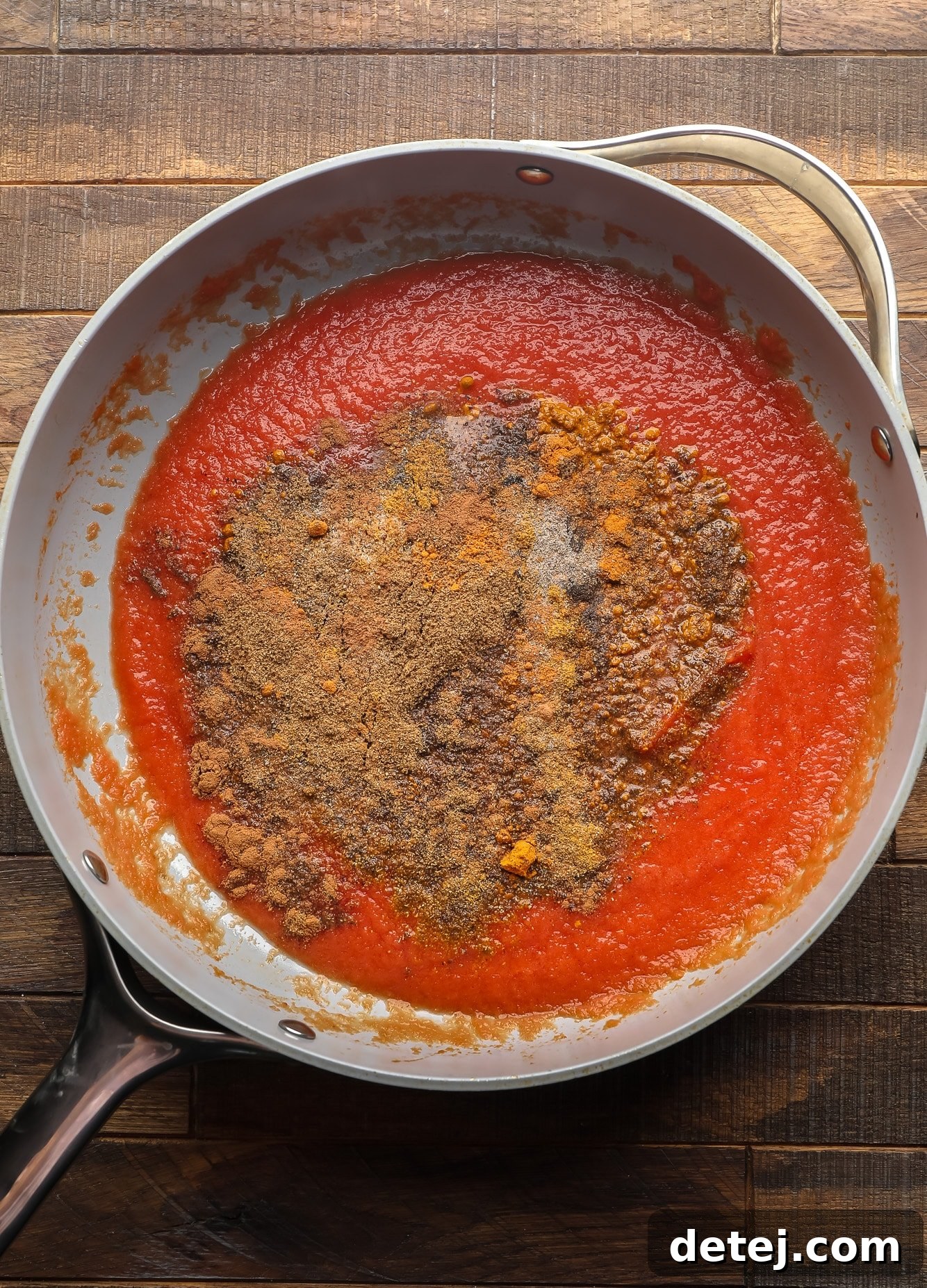
Warm a generous amount of vegetable oil in a large pan over medium heat. Carefully pour in the blended puree, stirring to prevent any splashes. Now, it’s time to introduce the aromatic spices: garam masala, curry powder, turmeric, dried coriander, ground cinnamon, ground cardamom, black pepper, and salt. A touch of brown sugar is also added to balance the flavors. Simmer this fragrant mixture for 2-3 minutes, allowing the spices to bloom and their aromas to fill your kitchen.
Elevate Your Spices: For an even more complex and authentic flavor, swap the ground cumin and cardamom for their whole seed counterparts. Lightly toast whole cumin and cardamom seeds in a dry pan until they become fragrant, then grind them freshly in a spice grinder. This technique releases their essential oils and intensifies their flavor, making a noticeable difference in your Korma.
Achieving Creaminess: The Cashew Coconut Blend
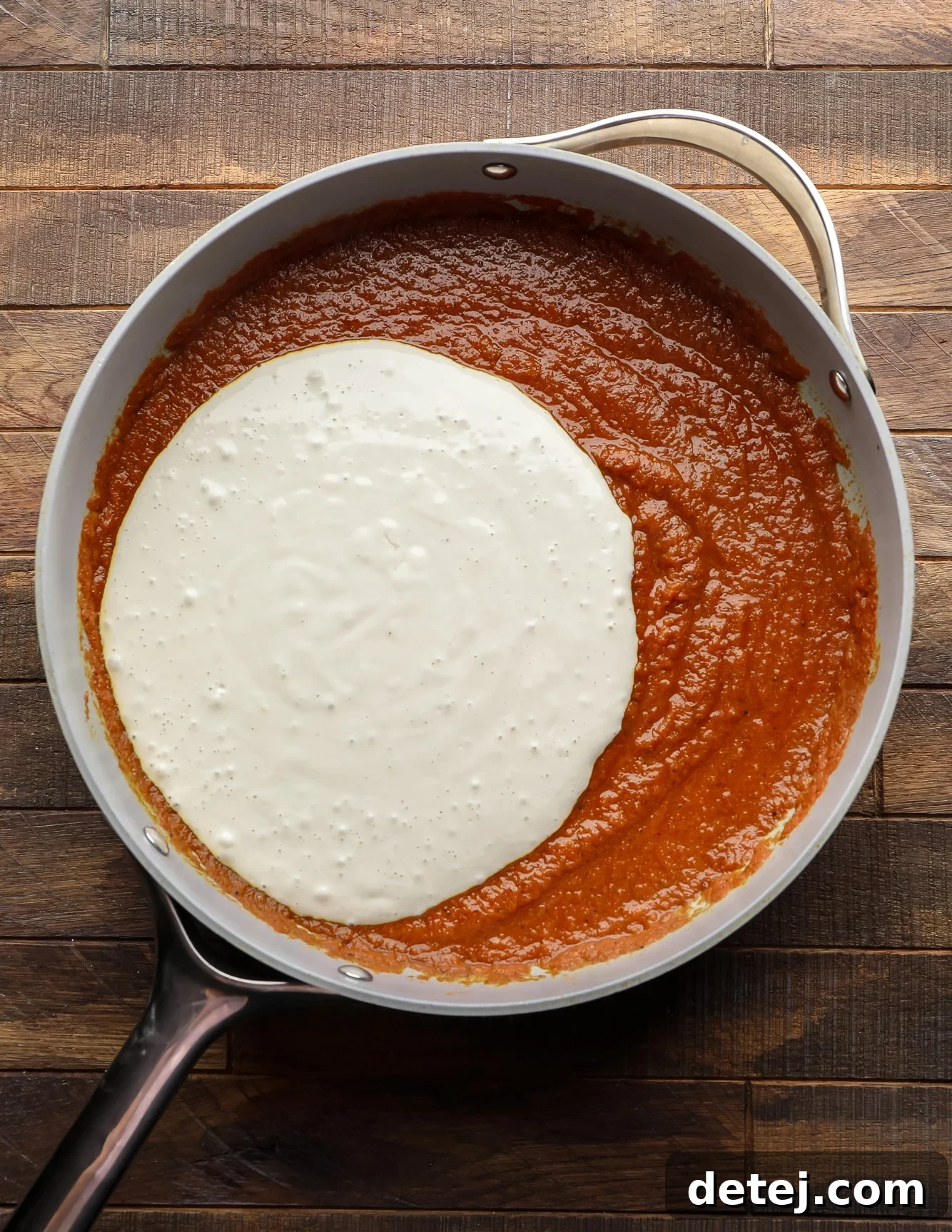
Once the spice puree is simmering, drain your soaked cashews. Add these softened cashews along with a can of full-fat coconut milk to your blender. Blend until the mixture is completely smooth and wonderfully creamy. This cashew-coconut blend is what gives the Korma its signature rich, velvety texture. Pour this luscious cream into the pan with the tomato puree.
Efficiency Tip: There’s no need to rinse out your blender after making the tomato puree! Both mixtures are destined for the same pot, so save yourself some time and effort.
Bringing It All Together: Simmering to Perfection
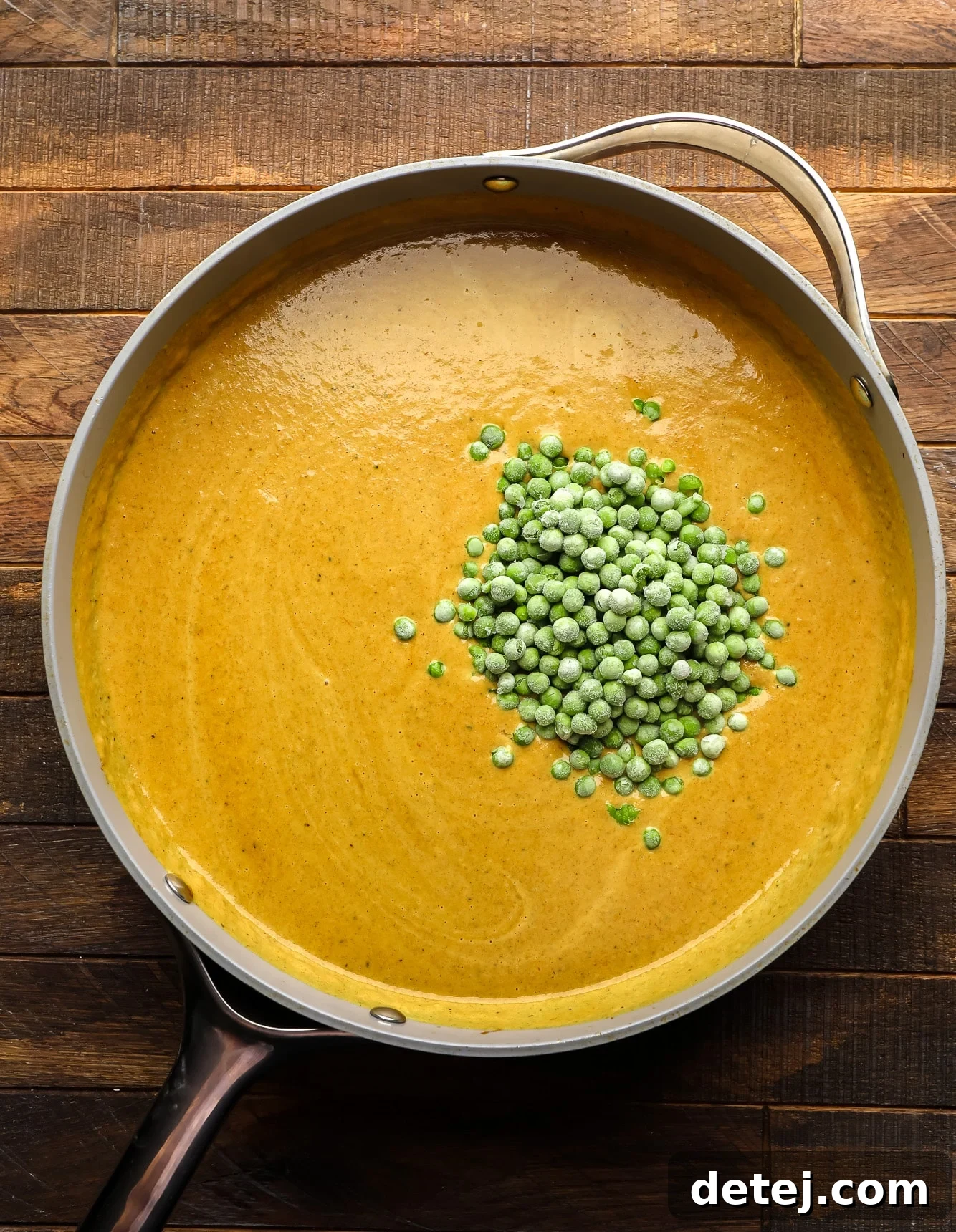
Add the frozen green peas directly to the pan with the simmering sauce and allow them to cook for 1 to 2 minutes. Next, gently stir in all the pre-cooked, boiled vegetables, ensuring they are thoroughly coated in the rich Korma sauce. Continue to simmer the Korma on low-medium heat for about 10 minutes, stirring frequently. This simmering period allows all the flavors to meld beautifully and the sauce to thicken slightly to its ideal consistency. If the sauce becomes too thick for your liking, simply add a splash of water to thin it out to your desired texture.
Before serving, always taste and adjust the seasonings as needed. You might want to add a little more salt, a dash of cayenne for a subtle kick, or a pinch more brown sugar for sweetness, depending on your preference. Serve this magnificent Vegetable Korma piping hot in bowls, garnished generously with fresh cilantro, alongside perfectly cooked basmati rice and warm vegan naan. Enjoy every comforting spoonful!
Frequently Asked Questions About Vegetable Korma
While both Korma and other curry dishes, like my Easy Vegan Curry, are rich, spiced Indian-inspired meals featuring a medley of vegetables, their fundamental ingredients and flavor profiles often differ. Authentic Korma recipes are typically distinguished by their use of mild spices, a creamy base (often yogurt, nuts, or cream), and a lack of significant heat. They aim for a rich, sweet, and fragrant experience. Curries, on the other hand, encompass a broader category, often using curry paste or powder, and can range from very mild to intensely spicy, with a wider variety of flavorings and textures. My Korma recipe uses a unique tomato and cashew cream base, setting it apart from typical coconut milk-based curries.
Generally, Korma is known for its mild and creamy profile, and my recipe adheres to this tradition. It’s designed to be approachable and enjoyable for everyone, including children. While some Korma variations might include sautéed green chili peppers (like jalapeños) to add a subtle layer of heat and complexity, I’ve opted to exclude them from this version to ensure it remains kid-friendly. However, if you prefer a little warmth, feel free to add a pinch of cayenne pepper or a chopped green chili to the simmering sauce to customize the spice level to your liking.
This Korma recipe is wonderfully versatile! You can easily swap out the suggested vegetables for any variety of fresh or frozen produce you enjoy or happen to have on hand. Consider adding vibrant zucchini, sweet corn, colorful red bell peppers, earthy mushrooms, or even hearty sweet potatoes. Remember that most frozen vegetables, like corn or spinach, don’t require pre-boiling; simply stir them into the tomato puree along with the green peas. For an extra boost of protein, you can incorporate fried tofu cubes or steamed and baked tempeh right before the Korma finishes cooking, allowing them to absorb the rich flavors of the sauce.
Vegetable Korma makes fantastic leftovers! Once completely cooled to room temperature, transfer the Korma to a large airtight container or individual meal prep containers. It will keep beautifully in the refrigerator for 4 to 5 days, making it an excellent option for meal planning. To reheat, simply warm it gently on the stovetop over low heat, stirring occasionally, or use a microwave until heated through. Add a splash of water or vegetable broth if the sauce has thickened too much during storage.
Absolutely, this Korma freezes exceptionally well! It’s one of the best dishes for stocking your freezer. I love portioning it into small, individual freezer-safe containers. This way, you have quick, delicious, and comforting meals ready to go whenever you need a speedy lunch or a cozy dinner without any fuss. Simply thaw overnight in the refrigerator or reheat directly from frozen (adding a little liquid if needed) on the stovetop or in the microwave.


Easy Vegetable Korma
Pin
Comment
SaveSaved
Ingredients
Vegetables
- 4 medium carrots peeled and sliced 1/2 inch thick
- 3 medium gold potatoes peeled and chopped in 1 1/2 inch chunks
- 4 cups cauliflower florets
- 1 cup chopped green beans
Puree
- 14 ounce can diced tomatoes
- 1 yellow onion peeled and quartered
- 2 inches fresh ginger
- 6 cloves garlic
- 2 tablespoons vegetable oil
The Rest
- 3/4 cup raw cashews
- 13.5 ounces full fat coconut milk or plant based yogurt (about 1 cup)
- 2 teaspoons garam masala
- 1 tablespoon curry powder
- 1 teaspoon turmeric
- 1 teaspoon dried coriander
- 1 teaspoon ground cinnamon
- 1/2 teaspoon ground cardamom
- 1/2 teaspoon cayenne pepper optional for heat
- 1/2 teaspoon ground black pepper
- 2-3 teaspoons salt or to taste
- 2 tablespoons brown sugar
- 1 cup frozen peas
For Serving
- cooked basmati rice
- Vegan Naan
- chopped fresh cilantro
Instructions
-
Soak the cashews: Add 3/4 cup of raw cashews to a small bowl, and cover with boiling hot water. I use my tea kettle to warm the water up. Let them soak while you get the vegetables boiling.
-
Boil the vegetables: Add the carrots, potatoes, cauliflower and green beans to a large pot and cover with water. Bring to a boil and cook for 10-15 minutes, until the potatoes are fork tender. Drain and set aside.
-
While the vegetables are boiling, make the puree: Add the canned tomatoes, onion, ginger and garlic to a blender or food processor. Blend until a smooth puree forms.
-
Cook puree and spices: In a large pan (large enough to hold all the vegetable when they’re done boiling) warm the oil over medium heat. Pour in the puree, being careful to avoid splashes. Stir in the spices, pepper, salt and brown sugar and simmer for 2-3 minutes, until fragrant.
-
Blend the cashew coconut cream: Drain the cashews. Add the cashews and the can of coconut milk to your blender (no need to rinse it out from the tomatoes), and blend until smooth. Pour the cashew/coconut mixture into the pan with the tomato puree.
-
Add the vegetables: Add the frozen peas and let them simmer for 1-2 minutes. Now add the boiled mixed vegetables to the pan and stir to coat them in the sauce. Simmer everything together for 10 minutes on low-medium heat, stirring frequently. If the mixture gets too thick, add a little water to thin it out. Taste; add salt or other seasonings (pepper, cayenne, brown sugar) as desired.
-
Serve with cooked basmati rice, chopped fresh cilantro and naan.
Notes
- If you have a cashew allergy, you can omit the cashews or use almonds/sunflower seeds instead. Or use two cans of coconut milk in place of the nuts.
- This recipe makes quite a lot, but it freezes well! I like to freeze individual portions in small freezer safe containers.
- Leftovers will keep in the refrigerator for 4-5 days.
- Feel free to switch up the vegetables if you’d like. Sweet potatoes, broccoli, asparagus or chickpeas could all be added with good results. You can also add tofu or tempeh for protein.
- Nutrition calculation is only for the korma, and does not include rice or naan.
Nutrition
Serving: 1 of 8 servings
Calories: 291 kcal
Carbohydrates: 34g
Protein: 8g
Fat: 16g
Saturated Fat: 10g
Polyunsaturated Fat: 1g
Monounsaturated Fat: 3g
Sodium: 705mg
Potassium: 933mg
Fiber: 7g
Sugar: 10g
Vitamin A: 5450 IU
Vitamin C: 55mg
Calcium: 85mg
Iron: 5mg
Did you make this recipe?
Mention @nora_cooks_vegan_ or tag #noracooks!
This recipe has been thoughtfully updated with new photos and an improved version in 2024, building upon its original publication in 2018. We’ve enhanced some of the spices and flavorings to ensure it delivers a more consistently flavorful and successful experience every time you prepare it. We sincerely hope you enjoy this newest iteration of a beloved classic.