
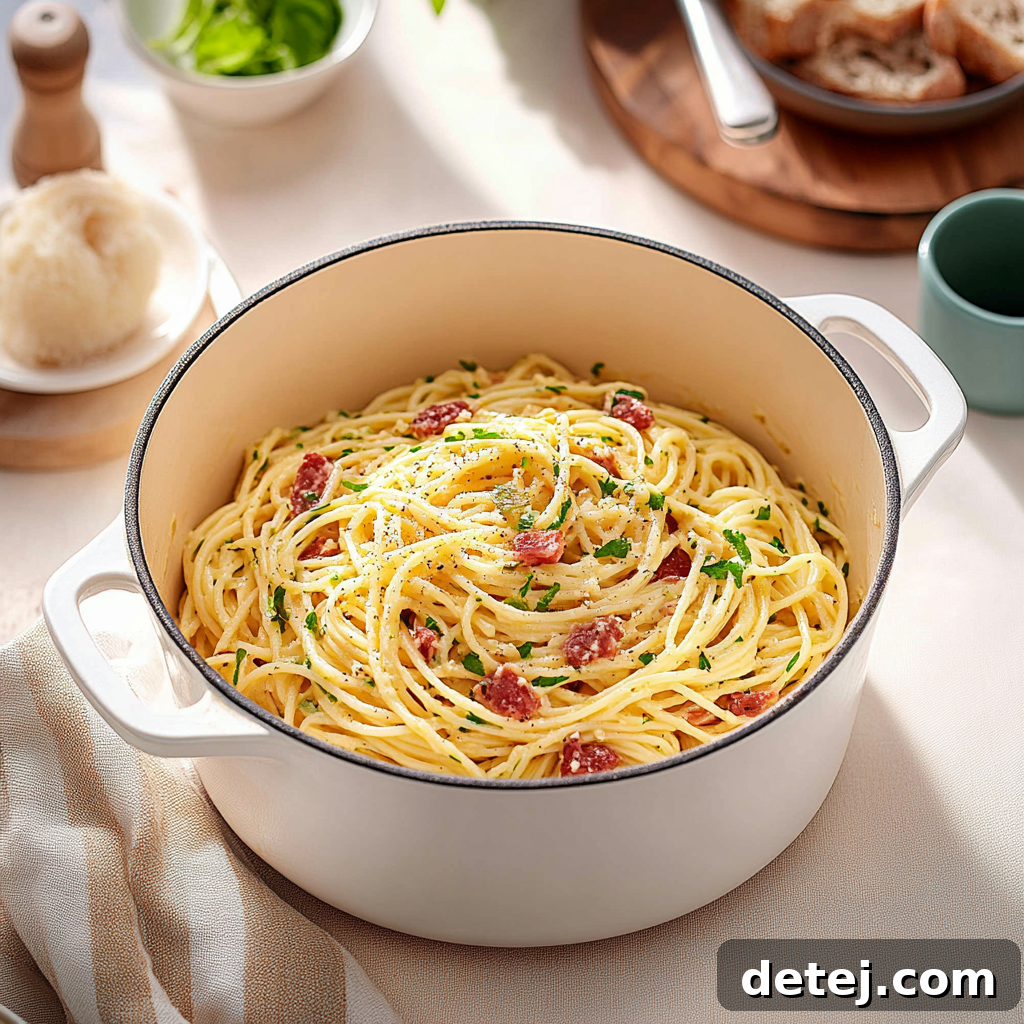
Mastering Classic Spaghetti Carbonara: A Timeless Italian Delight
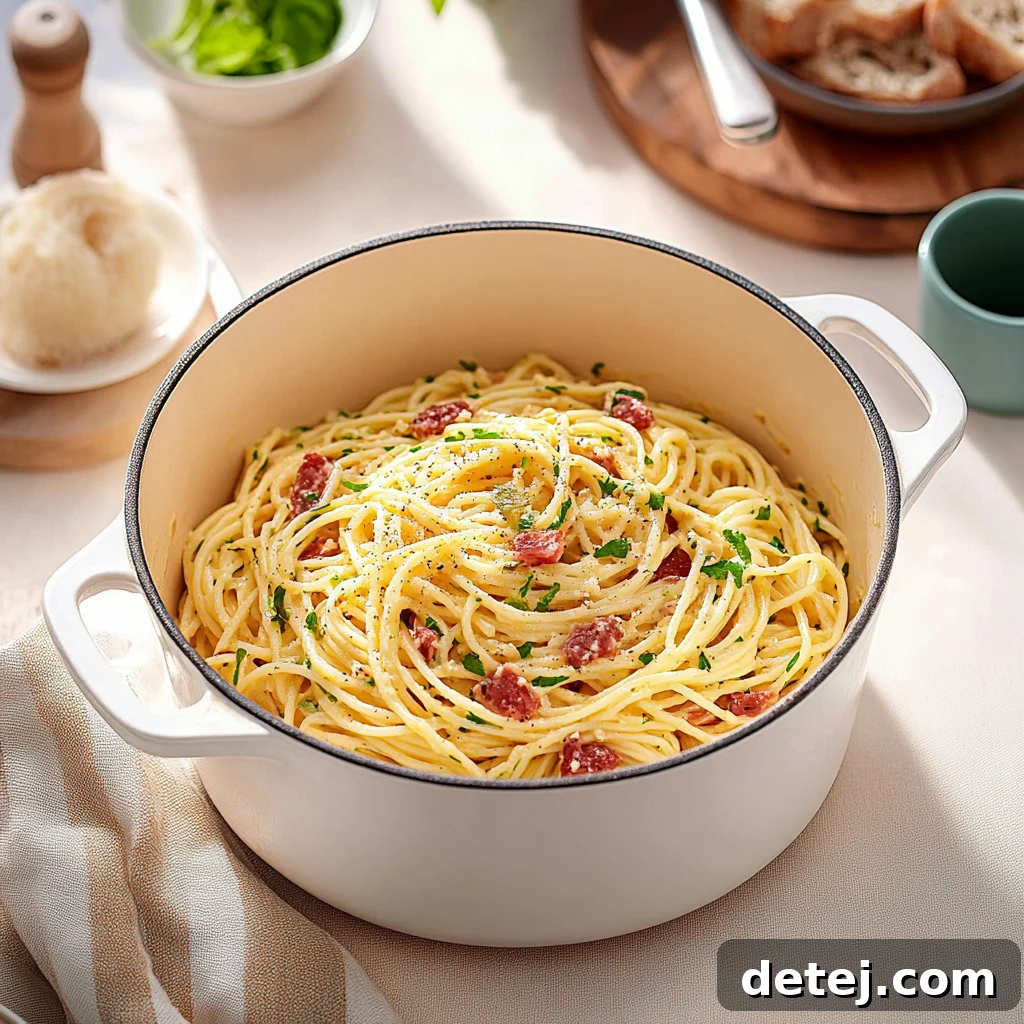
Embark on a culinary journey to the heart of Italy with a dish that has captured the palates of food enthusiasts worldwide: Spaghetti Carbonara. More than just a meal, it’s a testament to the sheer brilliance of Italian cooking—a symphony of flavors crafted from a handful of simple, high-quality ingredients. Often shrouded in misconceptions, authentic Carbonara is a dish of elegant simplicity, relying on perfect technique rather than heavy creams or elaborate components. Here, we’ll demystify this beloved pasta, guiding you step-by-step to create a truly authentic and incredibly delicious Spaghetti Carbonara that will transport your taste buds straight to Rome.
The allure of Carbonara lies in its striking balance: the salty crunch of cured pork, the velvety richness of egg and cheese, the satisfying chew of al dente spaghetti, all brought together by a generous crack of black pepper. It’s a dish that proves how profound and comforting culinary masterpieces can be when built upon a foundation of quality and skill. Whether you’re a seasoned chef or just starting your adventure in the kitchen, this comprehensive guide is designed to empower you to whip up this classic with confidence, transforming any ordinary evening into a special occasion.
- Authentic Italian Experience: Discover the true essence of Spaghetti Carbonara, rooted in traditional Italian culinary practices.
- Simplicity Meets Explosive Flavor: Learn how a few key ingredients, expertly combined, create a remarkably rich and comforting dish.
- Easy-to-Follow Guide: Our step-by-step instructions make mastering this classic accessible for home cooks of all levels.
- Beyond the Recipe: Gain insights into ingredient selection, preparation tips, and the science behind the perfect creamy sauce.
The Essentials: Gathering Your Ingredients for Authentic Carbonara
Crafting an authentic Spaghetti Carbonara begins with selecting the right ingredients. Think of it like assembling a dream team: each component plays a vital role in achieving that perfect balance of texture and taste. Skimping on quality here means compromising on the final result, so let’s focus on the stars of our show:
- Spaghetti: The Canvas: While other pasta shapes can be used, spaghetti is the traditional choice for Carbonara. Its long, thin strands are ideal for clinging to the creamy sauce. Look for high-quality durum wheat spaghetti, preferably bronze-die extruded, as it creates a rougher surface that holds sauce better. The goal is to cook it perfectly al dente – tender with a slight bite – which is crucial for both texture and for releasing its starch into the sauce.
- Guanciale or Pancetta: The Salty Heart: This is where true Carbonara distinguishes itself. Traditionally, guanciale (cured pork jowl) is used for its superior flavor and fat composition, which renders beautifully, leaving behind wonderfully crispy bits and flavorful grease. If guanciale is hard to find, good quality pancetta (Italian cured pork belly) is an excellent substitute. Thick-cut bacon can work in a pinch, but be aware that it will impart a smokier flavor that is less traditional. Whatever you choose, ensure it’s high quality and diced appropriately for maximum crispiness.
- Eggs: The Creamy Foundation: Authentic Carbonara does not use cream. Instead, the sauce’s luxurious creaminess comes from eggs, typically a mix of whole eggs and extra yolks, combined with cheese and hot pasta water. Fresh, room-temperature eggs are paramount. Using eggs at room temperature helps them emulsify more smoothly with the cheese and pasta water, preventing a lumpy or scrambled texture.
- Pecorino Romano or Parmigiano Reggiano: The Umami Punch: The cheese component is non-negotiable. Pecorino Romano, a hard, salty sheep’s milk cheese, is the classic choice, offering a pungent, sharp flavor. For a slightly milder, nuttier profile, Parmigiano Reggiano (aged Parmesan) can be used, or a combination of both. Always grate your cheese fresh; pre-grated cheeses often contain anti-caking agents that hinder the smooth emulsification of the sauce.
- Black Pepper: The Spicy Kick: Freshly cracked black pepper is not just a garnish; it’s an integral flavor enhancer. Its pungent, spicy notes cut through the richness of the eggs and pork, adding depth and warmth. Grind it just before adding for the most vibrant flavor.
- Starchy Pasta Water: The Unsung Hero: This golden liquid, reserved from cooking your pasta, is the secret to a silky, emulsified sauce. The starches in the water help bind the egg and cheese mixture to create a smooth, luscious coating for the spaghetti, rather than a clumpy mess.
By focusing on these foundational ingredients and prioritizing their quality, you’re already halfway to creating an unforgettable Carbonara experience. It’s a dish that truly celebrates the magic of simple elements coming together in perfect harmony.
Mise en Place: Your Carbonara Prep Work Unveiled
Before the real cooking begins, a little preparation goes a long way in ensuring your Carbonara comes together seamlessly. This Italian culinary concept, known as “mise en place” (everything in its place), is especially critical for Carbonara, as timing is everything. Once the pasta is hot, you’ll need to move quickly to create that perfect sauce.
Getting Your Pasta Ready for Perfection
First, grab your largest pot and fill it generously with water. Add a substantial pinch of coarse salt – about a tablespoon for every gallon of water. This is your only chance to season the pasta itself, so don’t be shy! Bring the water to a rolling boil before adding your spaghetti. Cook the pasta according to the package directions, but always keep a close eye on it. We’re aiming for that sweet spot: al dente. This means the pasta should be firm to the bite but still cooked through, offering a pleasant resistance. Overcooked, mushy pasta is the enemy of good Carbonara.
Crucially, just before draining your pasta, reserve at least ½ to 1 cup of that precious, starchy pasta cooking water. This liquid gold is vital for achieving the sauce’s signature creamy texture, so don’t forget this step! Once reserved, drain the pasta thoroughly but quickly, ensuring it retains as much heat as possible.
Crafting the Velvety Egg and Cheese Mixture
While your spaghetti dances in the boiling water, turn your attention to the heart of the Carbonara sauce. In a medium bowl, whisk together your room-temperature eggs. If you’re aiming for maximum richness and creaminess, consider using a combination of whole eggs and a few extra yolks. The yolks contribute significantly to the sauce’s luxurious texture and golden hue.
Into this whisked egg mixture, fold in your freshly grated Pecorino Romano and/or Parmigiano Reggiano. Continue whisking until the cheese is thoroughly incorporated and the mixture is smooth and slightly thick. The goal is a beautifully decadent, uniform concoction that’s ready to embrace the hot pasta. Set this bowl aside, within easy reach of your stove, as you’ll need it quickly once the pork is cooked.
By completing these preparatory steps, you’ve laid a solid foundation for success. The cooking phase for Carbonara is a swift dance, and having all your ingredients prepped and ready will allow you to execute each movement with grace and precision, ensuring a flawlessly creamy and utterly delicious dish.
Sizzling Perfection: Cooking the Guanciale or Pancetta
The next crucial step in building layers of flavor for your Carbonara is cooking the cured pork to perfection. This isn’t just about crispiness; it’s about rendering out the rich fat, which will become a fundamental component of our luxurious sauce.
Begin by placing a large skillet, preferably a cast iron skillet for its superior heat retention and even distribution, over medium heat. Add your diced guanciale or pancetta to the cold pan. Starting with a cold pan allows the fat to render out slowly and evenly as the pan heats up, resulting in perfectly crisp pork bits without burning. As the pork sizzles, it will gradually release its fat, filling your kitchen with an intoxicating aroma. Stir occasionally to ensure even cooking.
Continue cooking until the guanciale or pancetta is beautifully golden-brown and delightfully crispy. This crispiness provides a wonderful textural contrast to the silky pasta. Once achieved, carefully remove the crispy pork bits from the skillet with a slotted spoon and set them aside on a plate lined with paper towels to drain any excess fat. However, this is where a critical decision comes in: do NOT drain all the rendered fat from the pan. Leave a small amount – about 1-2 tablespoons – in the skillet. This flavorful fat will serve as the base for our Carbonara sauce, infusing it with an incredible depth and richness that simply cannot be replicated by adding olive oil or butter later. The rendered fat is an essential part of the traditional Carbonara experience.
With your crispy pork ready and your skillet subtly gleaming with flavorful fat, you’re perfectly poised for the grand finale: combining all the elements to create that irresistible, creamy Carbonara sauce.
The Art of Emulsion: Combining Ingredients for the Carbonara Sauce
This is it—the heart and soul of Spaghetti Carbonara, where a magical transformation occurs. The key to a perfect Carbonara sauce lies in the delicate art of emulsification, turning simple ingredients into a velvety, luscious coating without ever scrambling the eggs. Timing and temperature control are your best friends here.
Once your pasta is perfectly al dente and drained (remembering to reserve that starchy pasta water!), immediately transfer it to the large skillet containing the rendered pork fat. The heat from the pasta is crucial for cooking the eggs gently and creating the emulsion. If you’re using minced garlic, as in this recipe, quickly sauté it in the remaining bacon fat until fragrant (about 30 seconds) before adding the pasta. Then, turn off the heat under the skillet – this is paramount to prevent the eggs from scrambling.
Now, pour your whisked egg and cheese mixture directly over the hot pasta in the skillet. Using tongs or a large spoon, begin to toss the pasta vigorously and continuously. The residual heat from the pasta will gently cook the eggs, while the motion of tossing helps to emulsify the sauce. This constant agitation is what prevents the eggs from setting into scrambled bits and instead encourages them to form a smooth, creamy coating.
As you toss, gradually add the reserved starchy pasta water, a tablespoon at a time. This is where the true alchemy happens. The starch in the pasta water combines with the egg and cheese, binding everything together into a beautiful, silky smooth sauce that clings to every strand of spaghetti. Continue adding water and tossing until the sauce reaches your desired consistency – thick and creamy, but not clumpy or runny. Season generously with freshly cracked black pepper and a little sea salt, tasting as you go to ensure perfect seasoning.
Finally, return the crispy guanciale or pancetta to the skillet, tossing it gently with the sauced pasta. Serve immediately. This harmonious blend of hot pasta, rich egg and cheese, savory pork fat, and starchy water creates an authentic, decadently creamy pasta dish that will make any night of the week feel like a culinary celebration. Remember, the secret is quick action, constant tossing, and precise temperature control.
Expert Tips & Essential Tools for Your Carbonara Journey
Achieving Carbonara perfection is simpler with the right approach and equipment. Here are some insights to help you nail it every time:
- Always Use Freshly Grated Cheese: This cannot be stressed enough. Pre-grated cheeses contain anti-caking agents that can make your sauce gritty or prevent proper emulsification. Freshly grated Parmigiano Reggiano or Pecorino Romano melts beautifully into a smooth, luxurious sauce. A good quality hand crank cheese grater makes this task effortless.
- Room Temperature Eggs: Take your eggs out of the refrigerator at least 30 minutes before you start cooking. Room temperature eggs mix more smoothly with the cheese and are less likely to seize or scramble when they hit the hot pasta.
- Don’t Overcook the Pasta: Aim for a true al dente. The pasta will continue to cook slightly when tossed with the hot sauce. Overcooked pasta leads to a mushy texture and can release too much starch, making the sauce gummy.
- Master the Emulsion: The “sauce” is an emulsion created by the heat of the pasta, the egg mixture, the rendered pork fat, and the starchy pasta water. Keep the skillet off the direct heat when adding the egg mixture and toss continuously. If the sauce seems too thick, slowly add more reserved pasta water, a tablespoon at a time, until you reach your desired consistency.
- High-Quality Pork Matters: While bacon can work, guanciale offers the most authentic flavor. Its fat renders differently and has a distinct savory depth that truly elevates the dish.
- A Good Skillet is Key: A large, heavy-bottomed skillet or a Dutch oven is ideal for cooking the pork and tossing the pasta. Cast iron is excellent for even heat distribution.
- Serving Bowls: Warm your serving bowls before dishing out the Carbonara. This helps keep the pasta warm from the first bite to the last, preserving its creamy texture. My favorite white ceramic bowls are perfect for this.
- Storing Dry Pasta: For organizing your pantry and keeping your dry spaghetti fresh, consider using airtight containers.
- Explore My Kitchen Essentials: For more of my go-to kitchen tools, spices, and cooking aids, check out my full list of kitchen essentials.
The Grand Finale: Finishing Touches and Serving Suggestions
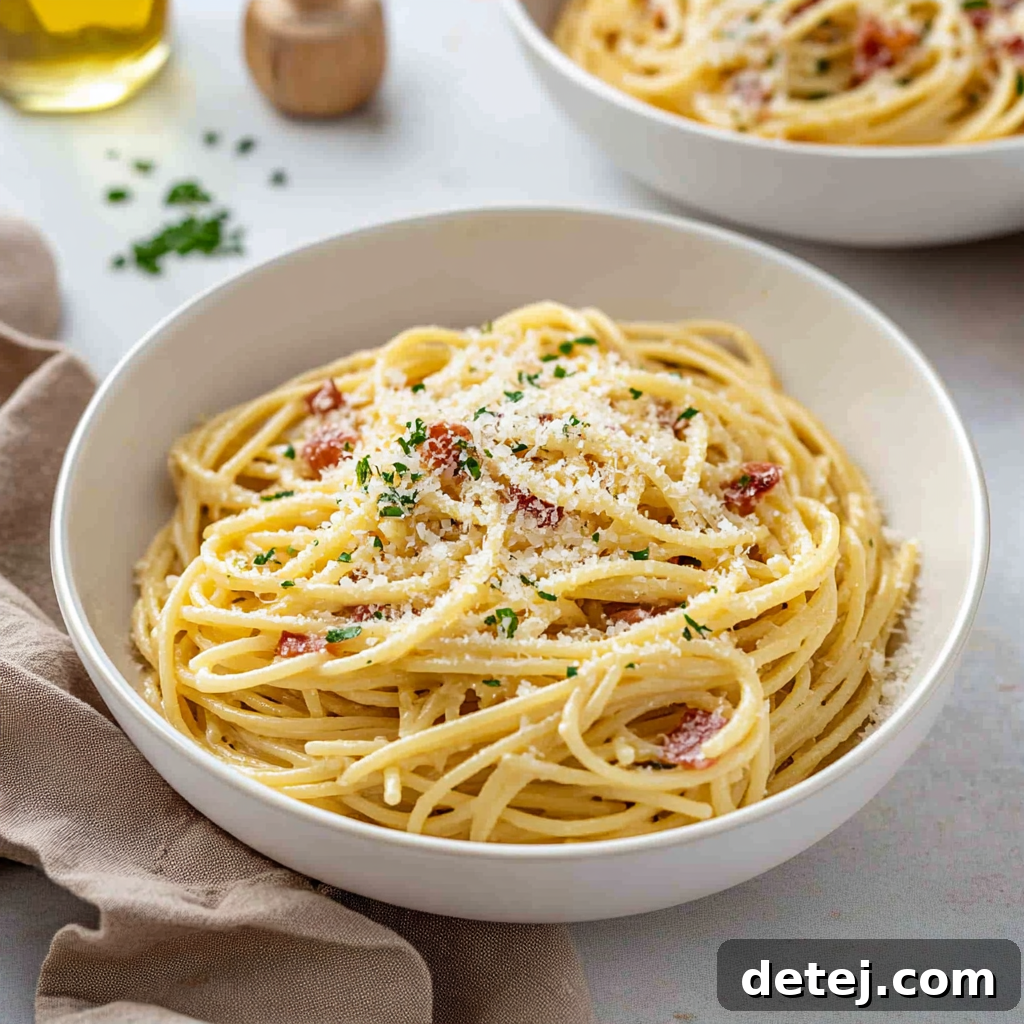
Once your Spaghetti Carbonara has reached that perfect, luscious creaminess, it’s time for the final flourish. The presentation and serving are just as important as the cooking itself, ensuring a delightful experience from first glance to last bite.
Generously portion the pasta into warm serving bowls immediately after tossing. Carbonara is a dish that thrives on heat; it’s designed to be savored fresh off the stove. The warmth of the bowls helps to maintain the sauce’s delicate emulsion and creamy texture, making every forkful as comforting and exquisite as the first.
For an authentic touch and a burst of fresh flavor, sprinkle a liberal amount of freshly grated Parmigiano Reggiano or Pecorino Romano over each serving. This extra layer of cheese not only enhances the savory depth but also adds a beautiful visual appeal. Finally, a scattering of finely chopped fresh parsley or chives provides a vibrant pop of color and a fresh, herbaceous counterpoint to the richness of the dish. While not strictly traditional for Carbonara, many find the freshness a welcome addition.
Consider pairing your Spaghetti Carbonara with a simple side salad dressed with a light vinaigrette to cut through the richness, or a glass of crisp, dry white wine like a Frascati or a light red such as a Valpolicella. This decadent pasta masterpiece is more than just a meal; it’s an experience to be shared and cherished, turning a simple dinner into a moment of pure Italian culinary bliss.
Preserving the Magic: Storage and Reheating Tips for Carbonara
Spaghetti Carbonara, with its delicate egg-based sauce, is truly at its best when served immediately, allowing you to experience its glorious creaminess and perfect temperature balance. However, life often leaves us with delicious leftovers, and while reheated Carbonara may never quite capture the initial magic, it can still be a delightful treat with the right approach.
Should you find yourself with extra Carbonara, allow it to cool slightly before transferring it to an airtight container. Refrigerate promptly, and aim to consume it within 1-2 days. The key challenge with reheating Carbonara is preventing the egg sauce from separating or scrambling.
For reheating, the “low and slow” method is your best friend. Avoid the microwave if possible, as it tends to unevenly heat the pasta and scramble the eggs. Instead, gently reheat on the stovetop:
- Place the leftover Carbonara in a non-stick skillet over very low heat.
- Add a tablespoon or two of water, chicken broth, or even a splash of milk to help rehydrate the sauce.
- Stir continuously and gently, just until the pasta is warmed through and the sauce begins to re-emulsify. Do not let it come to a boil.
Alternatively, you can try reheating in a low oven (around 250°F / 120°C), covered with foil, adding a splash of liquid, until warmed through. Be prepared for the sauce to be a bit thicker or less cohesive than when freshly made, but with a little care, your leftover Carbonara can still offer a creamy, comforting experience on a busy weeknight.
The Enduring Appeal: Why Spaghetti Carbonara Remains a Timeless Classic
The journey to mastering Spaghetti Carbonara reveals why this dish has cemented its place as a global comfort food icon and a proud emblem of Italian culinary genius. It’s a remarkable illustration of how the finest ingredients, treated with respect and technique, can transform into an extraordinary meal.
At its core, Carbonara embodies the Italian philosophy of simple elegance. It celebrates the harmony between crispy, savory guanciale (or pancetta), the velvety richness of egg yolks and cheese, the robust chew of al dente spaghetti, and the pungent kick of freshly ground black pepper. There’s no heavy cream needed; the luscious texture is purely the result of a masterful emulsion, guided by the heat of the pasta and the binding power of its starchy cooking water. Each strand of spaghetti is lovingly coated, delivering a burst of authentic, satisfying flavor in every bite.
Beyond its undeniable taste, Spaghetti Carbonara offers an accessible entry point into the world of authentic Italian cooking. It reminds us that culinary excellence doesn’t always require an extensive list of ingredients or complex methods. With focus, a few quality components, and a keen eye on technique, anyone can recreate this traditional dish with impressive results. It’s a dish that invites you to slow down, appreciate the process, and savor the profound pleasure of a truly well-made meal.
Whether it’s a quick weeknight dinner or a leisurely Sunday feast, Spaghetti Carbonara is more than just food; it’s a connection to a rich culinary heritage, a comforting embrace, and a testament to the enduring power of simple ingredients crafted into something truly magical. So, embrace your inner Italian chef, gather your ingredients, and let the timeless appeal of Spaghetti Carbonara inspire your next culinary adventure.
Easy Spaghetti Pasta Carbonara
4
10
20
30
Krystel
Pin
Rate
Ingredients
- 8 oz spaghetti
- 6 slices bacon, diced (or guanciale/pancetta for authenticity)
- 2 eggs, room temperature (for richer sauce, use 1 whole egg + 2 yolks)
- ½ cup freshly grated Parmesan (or Pecorino Romano), plus 1/4 cup for topping
- 2 teaspoons minced garlic
- 1/2 teaspoon sea salt (adjust to taste, considering salty pork and cheese)
- 1/2 teaspoon freshly ground black pepper (or more to taste)
- 2 tablespoons fresh parsley, finely chopped (optional, for garnish)
Instructions
-
In a large pot of heavily salted boiling water, cook the spaghetti according to package directions until al dente.
-
Before draining the pasta, reserve ½ cup of the starchy cooking water. Drain the pasta quickly.
-
While the pasta cooks, in a small bowl, whisk together the room-temperature eggs and ½ cup of freshly grated Parmesan (or Pecorino Romano) until smooth. Set aside.
-
Heat a large cast iron skillet (or heavy-bottomed pan) over medium heat. Add the diced bacon (or guanciale/pancetta) and cook until crispy and golden brown. Remove the crispy pork bits with a slotted spoon and set aside. Leave about 1-2 tablespoons of rendered fat in the pan.
-
Add the minced garlic to the skillet with the rendered fat and sauté for about 30 seconds until fragrant. Immediately turn off the heat.
-
Quickly add the drained hot pasta to the skillet with the garlic and pork fat. Pour the egg and cheese mixture over the pasta. Using tongs, toss vigorously and continuously to coat the pasta evenly. The residual heat from the pasta will cook the eggs and create a creamy sauce.
-
Gradually add the reserved pasta water, a tablespoon at a time, while continuing to toss, until the sauce reaches your desired luscious and creamy consistency. Season with sea salt and freshly ground black pepper to taste.
-
Stir in the reserved crispy bacon (or guanciale/pancetta). Serve immediately, garnished with extra grated Parmesan cheese and finely chopped fresh parsley (if using).
Nutrition Facts (per serving, approximate):
- Serving: 6 oz
- Calories: 457 kcal
- Carbohydrates: 44g
- Protein: 21g
- Fat: 21g
- Saturated Fat: 8g
- Polyunsaturated Fat: 3g
- Monounsaturated Fat: 8g
- Trans Fat: 0.1g
- Cholesterol: 116mg
- Sodium: 846mg
- Potassium: 260mg
- Fiber: 2g
- Sugar: 2g
- Vitamin A: 447 IU
- Vitamin C: 3mg
- Calcium: 255mg
- Iron: 2mg
Did you make this recipe?
Please leave a star rating and review below! We’d love to hear your thoughts.