
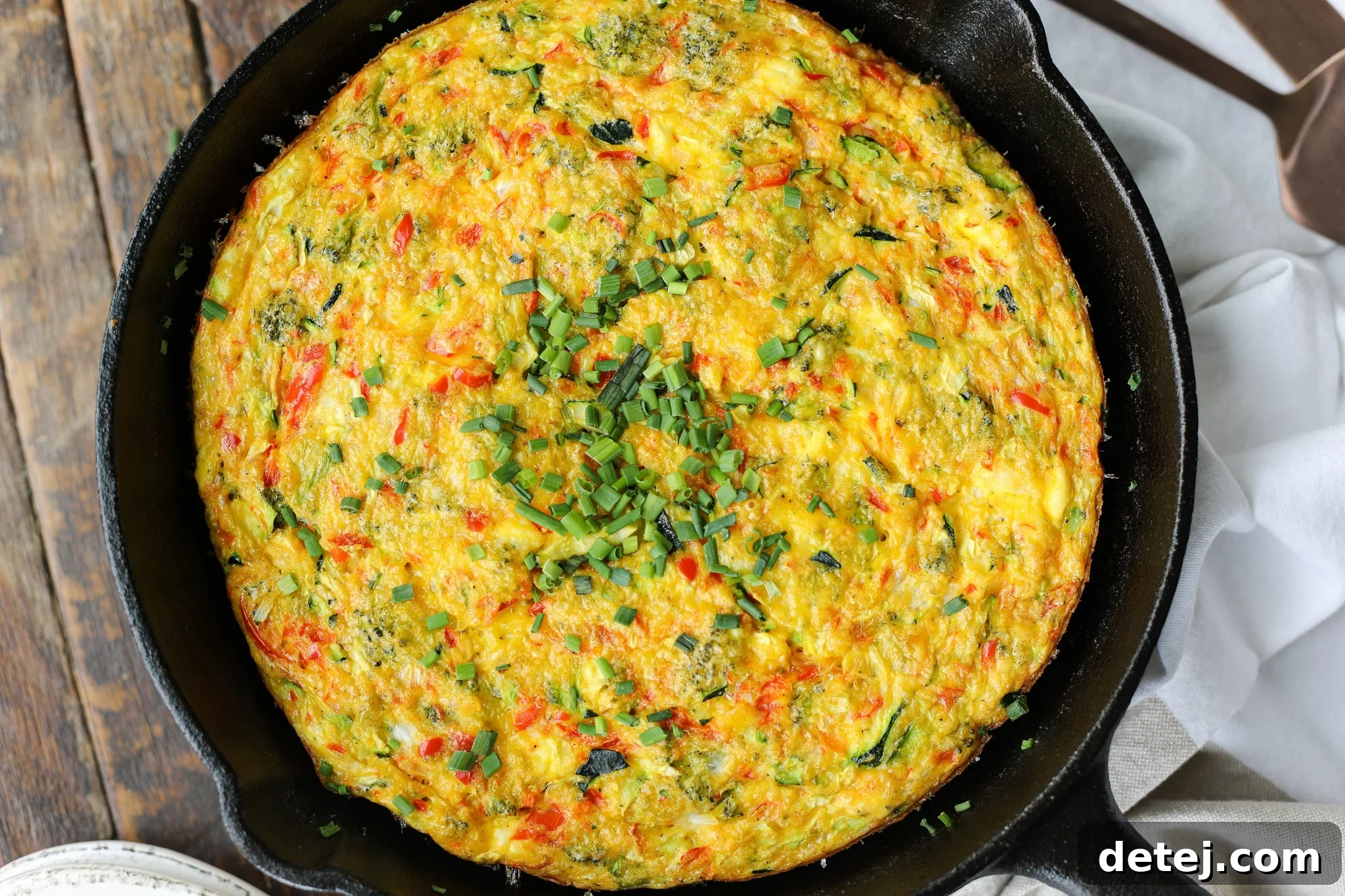
Energize your mornings and simplify your meal prep with this exceptional High Protein Cottage Cheese Frittata. This recipe transforms a simple egg dish into a creamy, satisfying, and incredibly nutritious meal that’s bursting with fresh flavors. Imagine biting into light, fluffy eggs perfectly complemented by the subtle tang and rich texture of cottage cheese, all mixed with a vibrant medley of wholesome vegetables and finished with savory crumbled goat cheese. Whether you’re planning a delightful weekend brunch, a quick weekday breakfast, or looking for a healthy make-ahead option, this frittata is designed for convenience and gourmet taste. Baked to absolute perfection, it promises to be an easy breakfast recipe you’ll want to revisit again and again.
This insightful recipe is brought to you in partnership with BLACK+DECKER. While I was compensated for my time in crafting this content, rest assured that all opinions and the passion for creating delicious, healthy food are entirely my own.
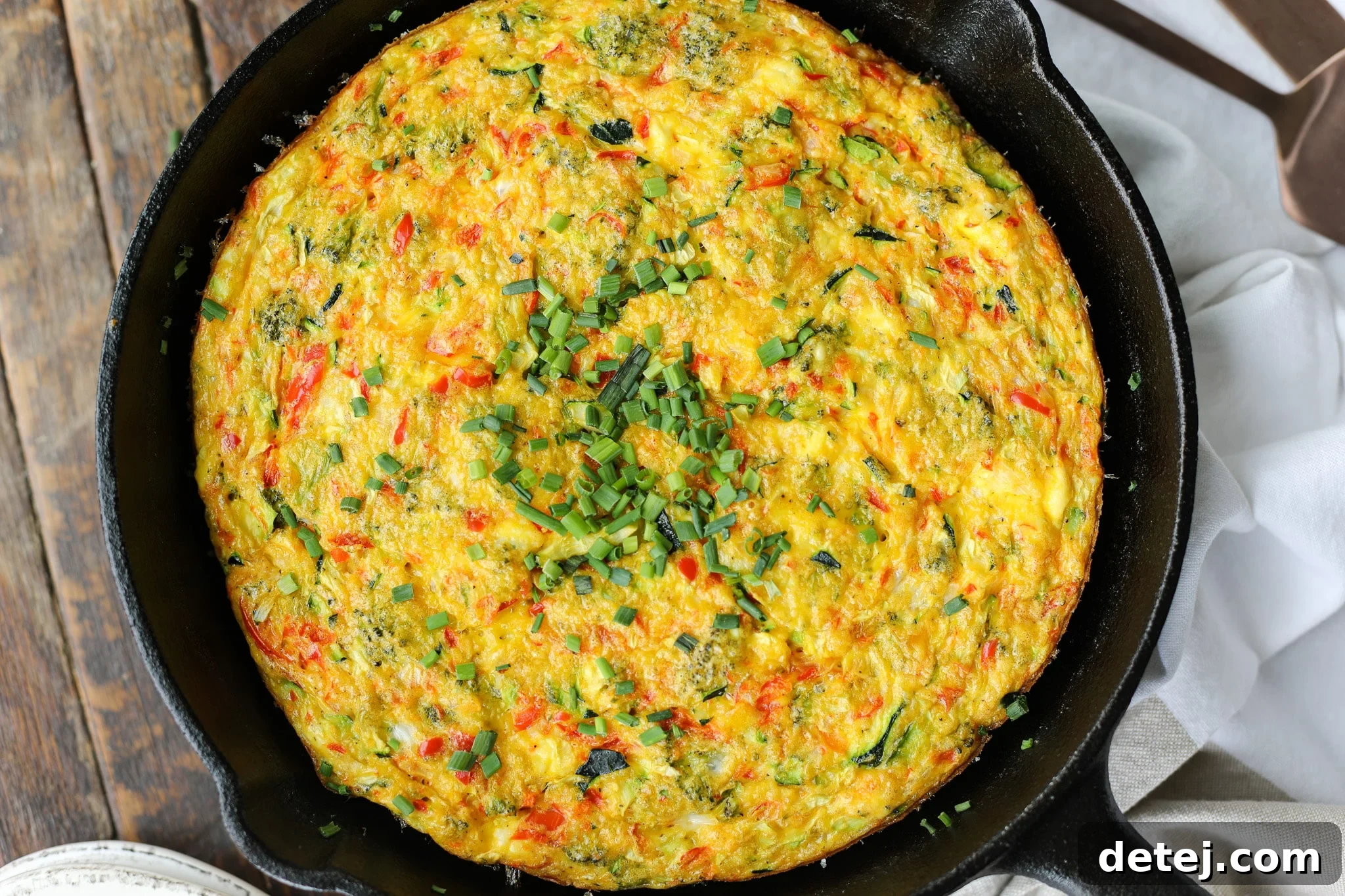
Unleash Your Inner Chef with the BLACK+DECKER Kitchen Wand
Modern kitchens demand tools that are not only powerful but also versatile and easy to use. The BLACK+DECKER Kitchen Wand perfectly embodies these qualities, proving itself to be an invaluable asset for any home cook. This cordless kitchen multi-tool is ingeniously designed to simplify a wide array of cooking tasks, quickly becoming your trusted kitchen assistant. Its compact form factor means it takes up minimal space on your countertop, while its intuitive design ensures hassle-free operation.
One of the standout features of the Kitchen Wand is its rechargeable battery, offering the freedom to prepare ingredients anywhere in your kitchen without the constraint of power outlets. Coupled with easy-to-control speed settings, you gain precision for every culinary endeavor. The true magic lies in its interchangeable attachments, transforming one powerful base into several essential appliances. For crafting this delicious High Protein Cottage Cheese Frittata, the Kitchen Wand’s hand mixer attachment will effortlessly whisk your eggs to a perfect consistency, while the food chopper attachment will make light work of dicing all your fresh vegetables, saving you precious time and effort.
Beyond this recipe, its capabilities extend to an immersion blender for smooth soups, a hand mixer for baking, and even a can opener, making it a truly multifaceted device. Embrace efficiency and creativity in your cooking. To explore the full range of possibilities and attachments for this indispensable kitchen gadget, click here to learn more about the BLACK+DECKER Kitchen Wand.
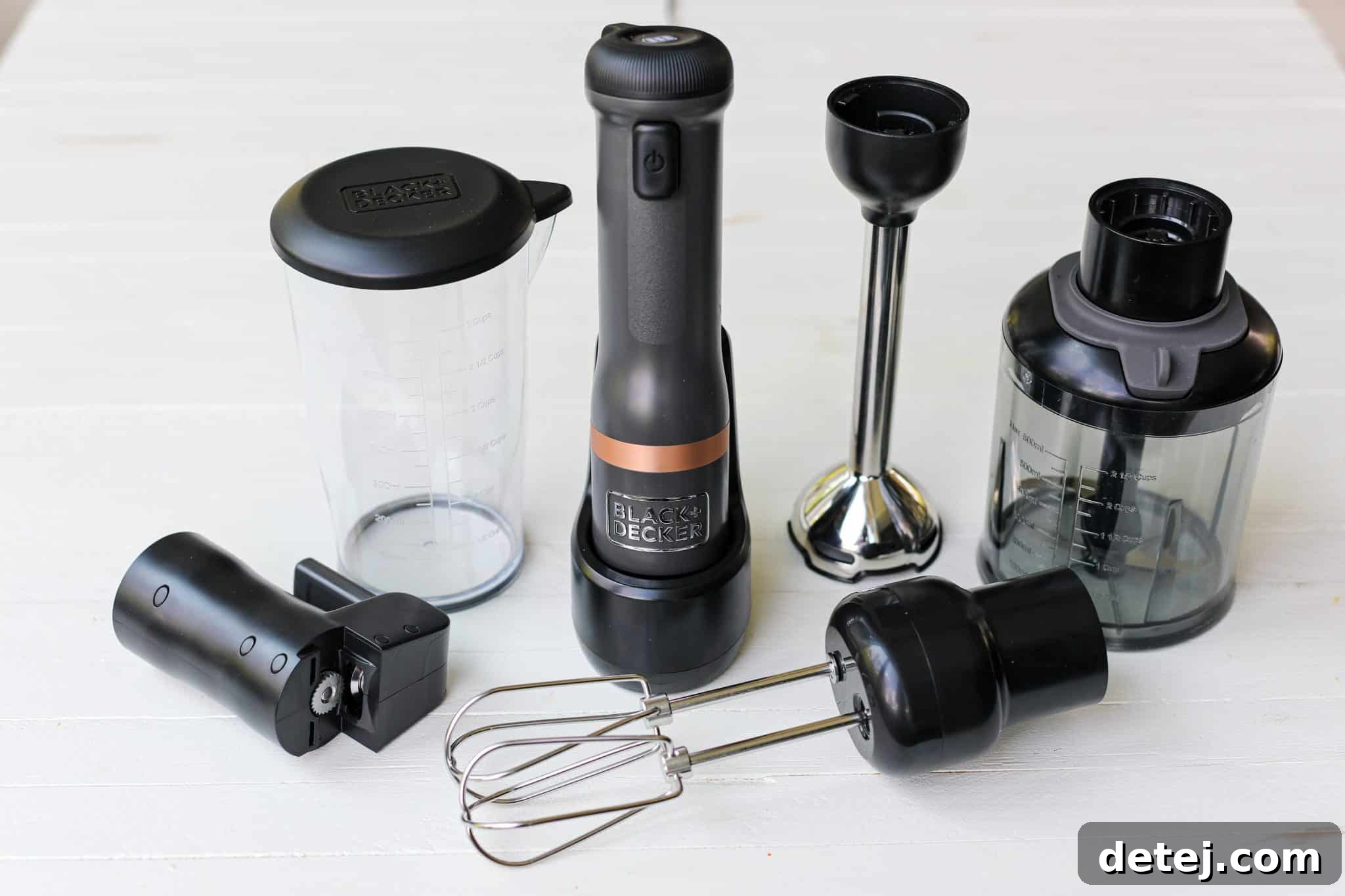
The Superpower of Cottage Cheese in Your Frittata
While eggs form the traditional base of any frittata, the inclusion of cottage cheese in this recipe is a game-changer, elevating it to a whole new level of flavor, texture, and nutritional value. Often celebrated for its health benefits, cottage cheese brings a unique set of advantages to this dish that you might not expect.
Firstly, it significantly boosts the protein content. Cottage cheese is renowned for being an excellent source of protein, which is vital for muscle repair, growth, and prolonged satiety. Adding it to your frittata ensures a breakfast that keeps you feeling full and energized for longer, helping to prevent those mid-morning hunger pangs. This makes our frittata an ideal choice for athletes, busy professionals, or anyone looking to enhance their protein intake.
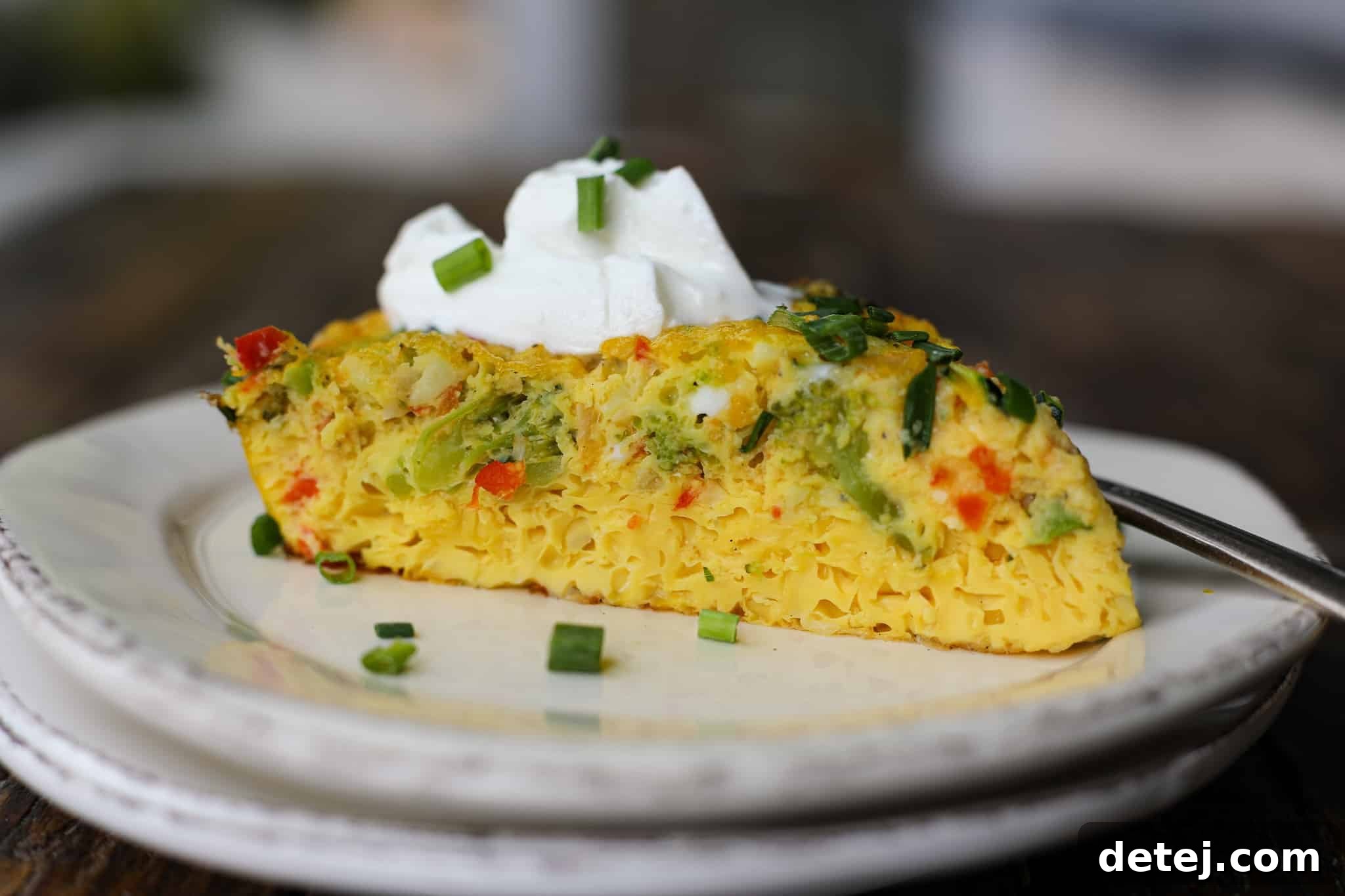
Secondly, cottage cheese contributes an incredible creaminess and moisture to the frittata. Unlike other dairy products that can sometimes make eggs watery or rubbery, the full-fat (4%) whole milk cottage cheese used here breaks down subtly during baking. This process releases moisture and tiny curds, creating pockets of soft, custardy goodness throughout the egg mixture. The result is a frittata that is exceptionally tender, moist, and lusciously creamy, far from dry or dense. This textural enhancement is key to achieving that desirable melt-in-your-mouth experience.
Finally, the mild, slightly tangy flavor of cottage cheese adds a nuanced depth that complements the savory vegetables and sharp goat cheese without overpowering them. It binds all the ingredients together harmoniously, ensuring every bite is rich with complex flavors. Opting for whole milk cottage cheese is crucial for these benefits; lower-fat varieties may not provide the same richness and could lead to a less desirable texture.
Essential Ingredients for a Flavorful and Healthy Frittata
A truly outstanding frittata relies on fresh, high-quality ingredients. Each item in this recipe has been carefully selected to contribute to the dish’s exceptional taste, texture, and nutritional profile. Here’s a detailed guide to what you’ll need to create your high-protein masterpiece:
Eggs: The Heart of Your Frittata
Our recipe calls for 8-10 large eggs; the precise number may vary based on their size to achieve the perfect volume and consistency. Eggs are the quintessential ingredient for any frittata, providing a rich source of complete protein and essential vitamins. They form the foundational structure and contribute to the dish’s light and airy texture. For the creamiest, fluffiest results, use your BLACK+DECKER Kitchen Wand with the hand mixer attachment to thoroughly whisk the eggs. This incorporates air, ensuring a beautiful lift and tender crumb.
Cottage Cheese: The Protein and Creaminess Booster
A generous ½ cup of whole milk (4%) cottage cheese is integral to this recipe. As discussed, this ingredient is your secret weapon for a significant protein boost and an unbelievably creamy texture. The full-fat content is crucial here, as it not only enhances richness but also prevents the frittata from becoming watery, a common issue with lower-fat dairy alternatives. Its mild tang also perfectly balances the savory elements.
Fresh Vegetables: A Medley of Nutrients and Color
Loading your frittata with fresh vegetables not only adds essential vitamins and fiber but also creates a vibrant, appetizing dish. For this recipe, we’ve chosen a harmonious blend:
- Broccoli Florets: You’ll need ½ cup of fresh broccoli florets, trimmed into small, bite-sized pieces. Broccoli adds a pleasant, earthy flavor and a wealth of antioxidants.
- Red Bell Pepper: ½ cup of finely diced red bell pepper contributes natural sweetness, a delightful crunch, and a powerful punch of Vitamin C, enhancing both flavor and visual appeal.
- Sweet Onion: ⅓ cup of finely diced sweet onion forms the aromatic base, adding a foundational layer of gentle sweetness that ties all the savory elements together.
- Zucchini: ½ cup of diced zucchini adds a delicate, mild flavor and a tender texture, ensuring a moist and varied vegetable component.
To effortlessly prepare these vegetables and ensure uniform dicing, making them cook evenly, lean on your BLACK+DECKER Kitchen Wand equipped with the chopping attachment. It significantly speeds up prep time, allowing you to enjoy your delicious frittata sooner.
Goat Cheese: The Tangy, Velvety Finish
The addition of ⅓ cup of crumbled goat cheese is more than just an accent; it’s a flavor enhancer. Its distinctively tangy, slightly salty profile and creamy texture melt beautifully into the frittata, creating pockets of rich, piquant flavor that complement the mild eggs and vegetables. Goat cheese provides a sophisticated finish that elevates the entire dish.
Seasoning: Simply Enhancing Natural Goodness
Keep your seasoning straightforward with kosher salt and freshly ground black pepper. Remember, both the cottage cheese and goat cheese already provide a noticeable saltiness, so be judicious. The goal is to highlight the inherent fresh flavors of your ingredients, not to mask them.
Garnishes: The Final Flourish (Optional)
For an extra touch of gourmet appeal and fresh flavor, consider garnishing your finished frittata. A sprinkle of freshly chopped chives adds a delicate oniony zest, while a dollop of light sour cream offers a cool, creamy contrast that beautifully balances the richness of the frittata.
Expert Tips for a Fluffy and Perfectly Set Frittata
Creating a truly magnificent frittata is about more than just combining ingredients; it involves a few key techniques that ensure a consistently light, fluffy, and evenly cooked result. Mastering these pro tips will transform your frittata-making experience:
The “Cold Pan” Advantage: Why It Matters
One of the most crucial tips for achieving a superior frittata texture is to start with a cool cast iron pan when baking. You might instinctively consider sautéing your vegetables directly in the cast iron before adding the eggs. However, this common practice can lead to an undesirable outcome. When egg mixture hits a very hot pan, the bottom layer cooks and browns much too quickly, often resulting in a tough, rubbery texture reminiscent of an overcooked omelet rather than the delicate, creamy consistency characteristic of a perfect frittata.
Instead, by preheating your oven and placing a cool, prepped cast iron pan directly into it with the egg and vegetable mixture, the frittata cooks more gently and evenly from all sides. This gradual heat distribution ensures that the bottom doesn’t overcook while the center sets, leading to a uniformly tender and custardy texture throughout. Therefore, we recommend sautéing your vegetables in a separate non-stick skillet and allowing them to cool slightly before incorporating them into the egg mixture and then pouring everything into your cool cast iron pan for baking. While you can certainly adapt this method if you prefer, note that baking in a hot pan will significantly reduce cooking time and require more vigilant monitoring to prevent overbaking.
Don’t Overmix Your Eggs
While a good whisk is essential to aerate the eggs and combine the ingredients, be careful not to overmix, especially once the cottage cheese and vegetables are added. Excessive whisking can incorporate too much air, which can cause the frittata to puff up significantly in the oven and then deflate dramatically, sometimes resulting in a denser or even slightly rubbery texture once cooled. Mix just until the ingredients are well incorporated.
Optimal Oven Temperature is Key
For a frittata, a moderate oven temperature of 375°F (190°C) is ideal. High heat can cause the exterior to cook too quickly and become rubbery while the interior remains uncooked. Conversely, too low a temperature might extend the baking time excessively, potentially drying out the frittata. A steady, moderate heat allows the frittata to set beautifully and evenly.
How to Check for Doneness Without Overcooking
Knowing when your frittata is perfectly cooked is crucial. The best method is to gently jiggle the cast iron pan; the center of the frittata should appear mostly set with only a slight, subtle wobble, similar to a soft-set custard. If it still looks very liquidy, return it to the oven for a few more minutes. Resist the urge to overbake; an extra minute or two can quickly push it from perfectly tender to overly firm and dry.
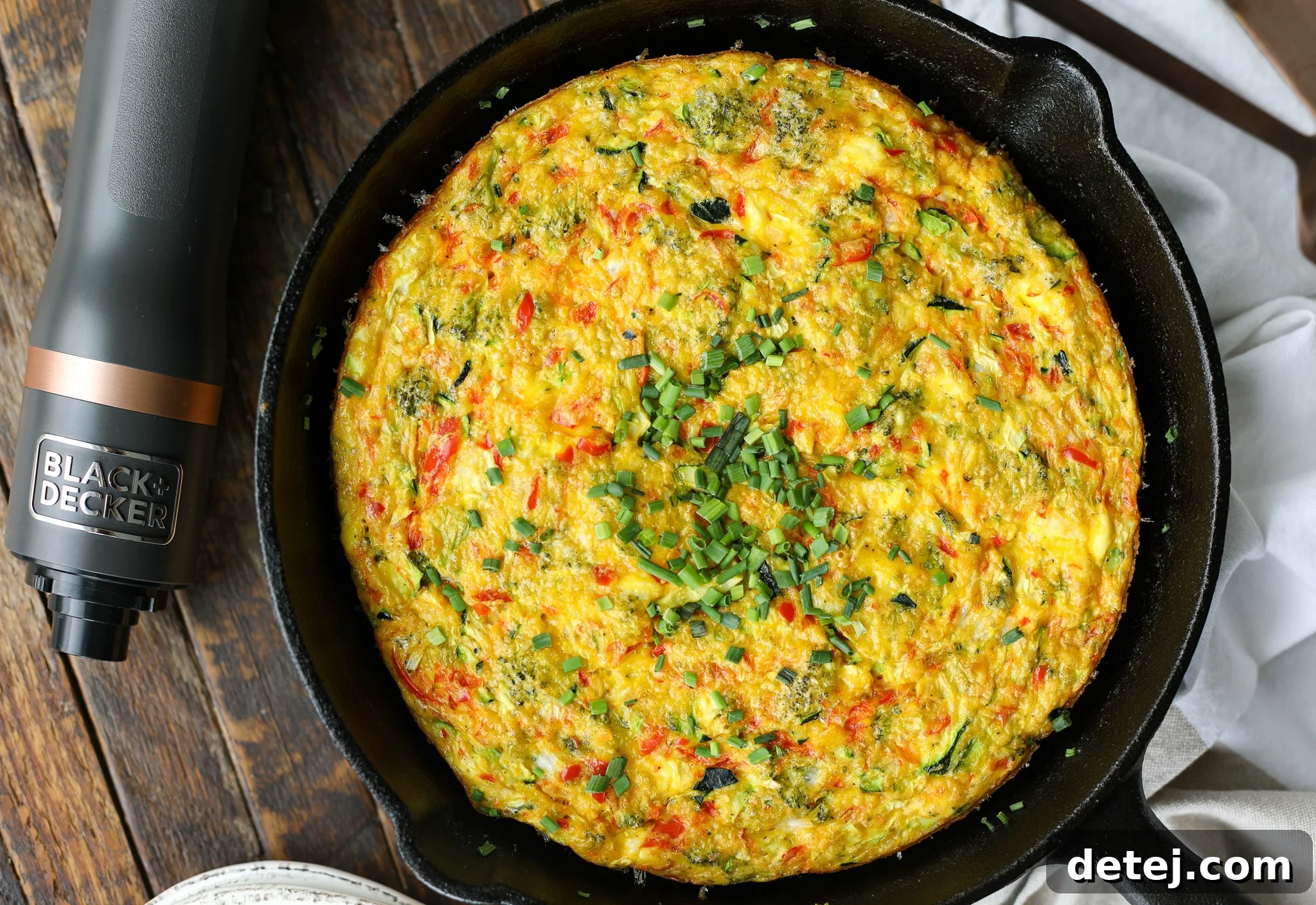
Step-by-Step: How to Create Your High Protein Frittata
Follow these detailed instructions to effortlessly prepare your delicious High Protein Cottage Cheese Frittata. The process is designed to be straightforward, ensuring a perfect result every time.
- Preheat and Prepare the Pan: Begin by preheating your oven to 375°F (190°C). Take your 10-inch cast iron pan and lightly spray its interior with olive oil cooking spray, making sure to cover the bottom and sides evenly. This helps prevent sticking. Set the prepared pan aside to keep it cool.
- Prepare the Egg and Cottage Cheese Base: In a large mixing bowl, combine the 8-10 eggs (depending on their size), ½ cup of 4% whole milk cottage cheese, a pinch of kosher salt, and a dash of freshly ground black pepper. Using your BLACK+DECKER Kitchen Wand fitted with the hand mixer attachment, whisk these ingredients together until they are thoroughly blended and slightly frothy. This aeration is crucial for a light and tender frittata. Once mixed, set this bowl aside.
- Chop the Fresh Vegetables: Now, it’s time to prepare your vibrant vegetables. Trim the tough stems from your ½ cup of fresh broccoli florets. For the ½ cup of zucchini, ½ cup of red bell pepper, and ⅓ cup of sweet onion, remove any ends or cores, then give them a rough chop into small, manageable pieces. To make this step quick and efficient, utilize your BLACK+DECKER Kitchen Wand with the chopping attachment, processing each vegetable individually to ensure consistent sizing for even cooking.
- Sauté the Vegetables: Heat a non-stick pan over medium heat. Spray the pan lightly with olive oil cooking spray. Add all the chopped vegetables – the broccoli florets, zucchini, sweet onion, and red bell pepper – to the hot pan. Sauté them for 3-4 minutes, or until they just begin to soften slightly but still retain a pleasant bite. This step enhances their natural sweetness and helps them cook through evenly in the frittata.
- Cool and Combine Ingredients: Once sautéed, remove the vegetables from the heat and spread them out on a plate or in a clean bowl to allow them to cool down. It’s important that they are cool to the touch before being added to the egg mixture; this prevents the eggs from starting to cook prematurely. Once cooled, add the sautéed vegetables to the large mixing bowl with your prepared egg and cottage cheese mixture.
- Fold in Goat Cheese and Pour into Pan: Gently stir in the ⅓ cup of crumbled goat cheese into the egg and vegetable mixture. The goat cheese will distribute throughout, adding pockets of creamy, tangy flavor. Once everything is thoroughly combined, carefully pour the entire mixture into your prepared, cool 10-inch cast iron pan.
- Bake to Perfection: Transfer the cast iron pan into your preheated 375°F (190°C) oven. Bake for 25-30 minutes, or until the frittata is completely set in the center and the top has turned a beautiful golden brown. You can check for doneness by gently jiggling the pan; the center should have only a slight wobble.
- Cool, Slice, and Serve: Once baked, carefully remove the frittata from the oven and allow it to cool in the pan for 5-10 minutes. This resting period allows the frittata to firm up further and makes for cleaner, more intact slices. Slice your frittata into wedges and serve warm. For an extra touch of flavor and elegance, consider garnishing with fresh chopped chives and a dollop of light sour cream. Enjoy your homemade, high-protein breakfast!
Storage and Reheating: Meal Prep Made Simple
One of the fantastic advantages of this High Protein Cottage Cheese Frittata is its suitability for meal prepping. It holds up beautifully, making your weekday mornings much easier. To store any extra frittata, allow it to cool completely, then transfer slices or the whole frittata into an airtight container. It will keep fresh in the refrigerator for three to four days, retaining its delicious flavor and texture.
Reheating is a breeze! For a quick warm-up, simply place a slice in the microwave and heat until warmed through, typically 30-60 seconds depending on your microwave’s power. If you prefer a slightly crispier exterior and a more “freshly baked” feel, a toaster oven or conventional oven works wonderfully. Just pop a slice in at about 300°F (150°C) for 5-10 minutes, or until heated through. This makes it an ideal grab-and-go breakfast or a convenient light lunch.
Customize Your Frittata: Endless Flavor Combinations
The beauty of a frittata lies in its incredible versatility. While this High Protein Cottage Cheese Frittata recipe is perfectly balanced and delicious on its own, it also serves as an excellent canvas for culinary experimentation. Feel free to adapt it to your taste preferences, dietary needs, or whatever fresh ingredients you happen to have on hand. Here are some inspiring ideas to customize your next frittata creation:
- Vegetable Swaps: The possibilities are truly endless! Consider adding seasonal vegetables like spinach, kale, mushrooms, asparagus, sun-dried tomatoes, or finely diced sweet potatoes. Remember to pre-cook denser vegetables (like sweet potatoes or carrots) until tender before adding them to the egg mixture. Leafy greens like spinach can be wilted quickly in the sauté pan.
- Cheese Alternatives: If goat cheese isn’t your favorite, or if you’re looking for a different flavor profile, feta cheese is an outstanding substitute, offering a similar salty and tangy kick. Other popular options include shredded cheddar, Monterey Jack, Gruyère, mozzarella, or a sprinkle of Parmesan for a nutty, sharp flavor.
- Protein Boosts (Beyond Cottage Cheese): For an even heartier meal, incorporate cooked and crumbled breakfast sausage, crispy bacon bits, diced ham, or shredded cooked chicken. Ensure any meat additions are fully cooked and excess fat is drained before mixing them into the frittata base.
- Fresh Herb Enhancements: Elevate the aromatic notes by stirring in fresh herbs such as chopped parsley, dill, chives (beyond just garnish), basil, or thyme into the egg mixture just before baking. These herbs add a beautiful freshness and complexity.
- Spice It Up: For those who enjoy a little heat, a pinch of red pepper flakes can add a subtle kick. Smoked paprika can introduce a delightful smoky depth, while a dash of garlic powder or onion powder can amplify the savory base.
Don’t hesitate to get creative! The forgiving nature of the frittata allows for a wide range of flavor combinations, ensuring you can enjoy a unique and personalized dish every time you make it.
Frequently Asked Questions About This Cottage Cheese Frittata
This versatile frittata pairs wonderfully with a variety of sides. For a light meal, enjoy it with a simple green salad dressed with a vinaigrette. For a more substantial breakfast or brunch, consider serving it alongside a slice of toasted sourdough bread, some crispy roasted potatoes, or fresh fruit salad.
Yes, absolutely! Feta cheese is an excellent and highly recommended substitute for goat cheese in this frittata. It offers a similar salty, tangy flavor profile and a delightful crumbly texture that melts beautifully when baked. Use an equal amount for a comparable taste experience.
Frittatas are perfect for make-ahead meals! You can prepare and bake the entire frittata a day or two in advance. Once cooled, store it in an airtight container in the refrigerator. Simply reheat individual slices in the microwave or a toaster oven when you’re ready to enjoy.
A rubbery or dry frittata is most commonly a sign of overcooking. Eggs cook relatively quickly, and prolonged exposure to heat can make them tough. Ensure you remove the frittata from the oven as soon as the center is set with a slight jiggle. Additionally, using the “cold pan” method discussed in our pro tips helps prevent the bottom from overcooking and contributes to an overall creamier texture.
Yes, frittatas are incredibly adaptable! Feel free to substitute or add other vegetables based on your preference or what you have on hand. Spinach, mushrooms, asparagus, kale, or cherry tomatoes are all excellent additions. Just be sure to sauté denser vegetables partially before adding them to the egg mixture.
Discover More Easy and Healthy Breakfast Recipes
If you’ve enjoyed the simplicity and deliciousness of this High Protein Cottage Cheese Frittata, you’re in for a treat! We have a collection of other equally easy-to-make and incredibly tasty breakfast recipes that are perfect for any morning, whether you’re rushing out the door or enjoying a leisurely start to your day. Expand your breakfast repertoire and find your next favorite:
- Cheesy Spinach Baked Eggs
- Broccoli Cheddar Egg Bites
- Pesto Baked Eggs
- Easy Baked Eggs

High Protein Cottage Cheese Frittata
Author: Sarah Thomas-Drawbaugh
Yield: 6 slices
Prep Time: 20 minutes
Cook Time: 25 minutes
Total Time: 45 minutes
This High Protein Cottage Cheese Frittata is the perfect way to start your day. The eggs are creamy and light which tastes amazing with the fresh vegetables and crumbled goat cheese. Serve this frittata for brunch or make it for meal prep and enjoy it through the week.
Pin Recipe
Rated 5 stars from 1 review.
Equipment
- 1 BLACK+DECKER Kitchen Wand with hand mixer and chopping attachments
- 1 non-stick skillet
- 1 10-inch cast iron pan
- 1 large mixing bowl
Ingredients
For the Frittata
- 8-10 eggs, large (amount varies based on size)
- ½ cup (120ml) 4% whole milk cottage cheese
- ½ cup (approx. 75g) red bell pepper, cored, chopped or diced small
- ½ cup (approx. 45g) broccoli florets, trimmed stems, chopped small
- ½ cup (approx. 60g) zucchini, ends removed, chopped or diced small
- ⅓ cup (approx. 40g) sweet onion, chopped or diced small
- ⅓ cup (approx. 40g) goat cheese, crumbled
- Kosher salt, to season (start with ¼ tsp)
- Black pepper, to season (start with ⅛ tsp)
Optional Garnishes
- 1 tablespoon fresh chives, finely chopped
- A dollop of light sour cream
Instructions
- Preheat Oven & Prep Pan: Preheat your oven to 375°F (190°C). Lightly spray a 10-inch cast iron pan with olive oil cooking spray to prevent sticking. Set it aside to keep it cool.
- Prepare Egg Mixture: In a large mixing bowl, combine the eggs, whole milk cottage cheese, kosher salt, and black pepper. Using your BLACK+DECKER Kitchen Wand with the hand mixer attachment, whisk thoroughly until well combined and slightly frothy. Set aside.
- Chop Vegetables: Trim the broccoli florets. For the zucchini, sweet onion, and red bell pepper, remove ends and cores, then give them a rough chop. Use your BLACK+DECKER Kitchen Wand with the chopping attachment to dice each vegetable individually for efficiency and uniform size.
- Sauté Vegetables: Heat a non-stick pan over medium heat and spray it with olive oil cooking spray. Add the chopped vegetables (broccoli, zucchini, onion, and red bell pepper). Sauté for 3-4 minutes, or until they begin to soften.
- Cool & Combine: Remove the sautéed vegetables from the heat and allow them to cool down completely to prevent scrambling the eggs. Once cool, add the vegetables to the mixing bowl with the egg/cottage cheese mixture. Gently stir in the crumbled goat cheese until everything is evenly distributed.
- Pour & Bake: Carefully pour the entire frittata mixture into the prepared, cool cast iron pan. Transfer the pan to the preheated oven.
- Bake to Perfection: Bake for 25-30 minutes, or until the eggs are set in the center and the top is golden brown. The center should have a slight jiggle, indicating it’s cooked through without being overdone.
- Rest & Serve: Remove the frittata from the oven and let it cool in the pan for 5-10 minutes before slicing into wedges. Serve warm, optionally garnished with fresh chopped chives and a dollop of light sour cream.
Notes
Leftovers can be stored in an airtight container in the refrigerator for up to four days. Reheat individual slices in the microwave (30-60 seconds) or a toaster oven (5-10 minutes) until warmed through.
Nutrition Facts (per slice)
- Serving Size: 1 slice
- Calories: 145 kcal
- Carbohydrates: 3 g
- Protein: 12 g
- Fat: 9 g
- Saturated Fat: 4 g
- Polyunsaturated Fat: 1 g
- Monounsaturated Fat: 3 g
- Trans Fat: 0.02 g
- Cholesterol: 227 mg
- Sodium: 286 mg
- Potassium: 193 mg
- Fiber: 1 g
- Sugar: 2 g
- Vitamin A: 951 IU
- Vitamin C: 25 mg
- Calcium: 74 mg
- Iron: 1 mg
Course: Breakfast, Brunch
Cuisine: American
Calories: 145 kcal
Author: Sarah Thomas-Drawbaugh