
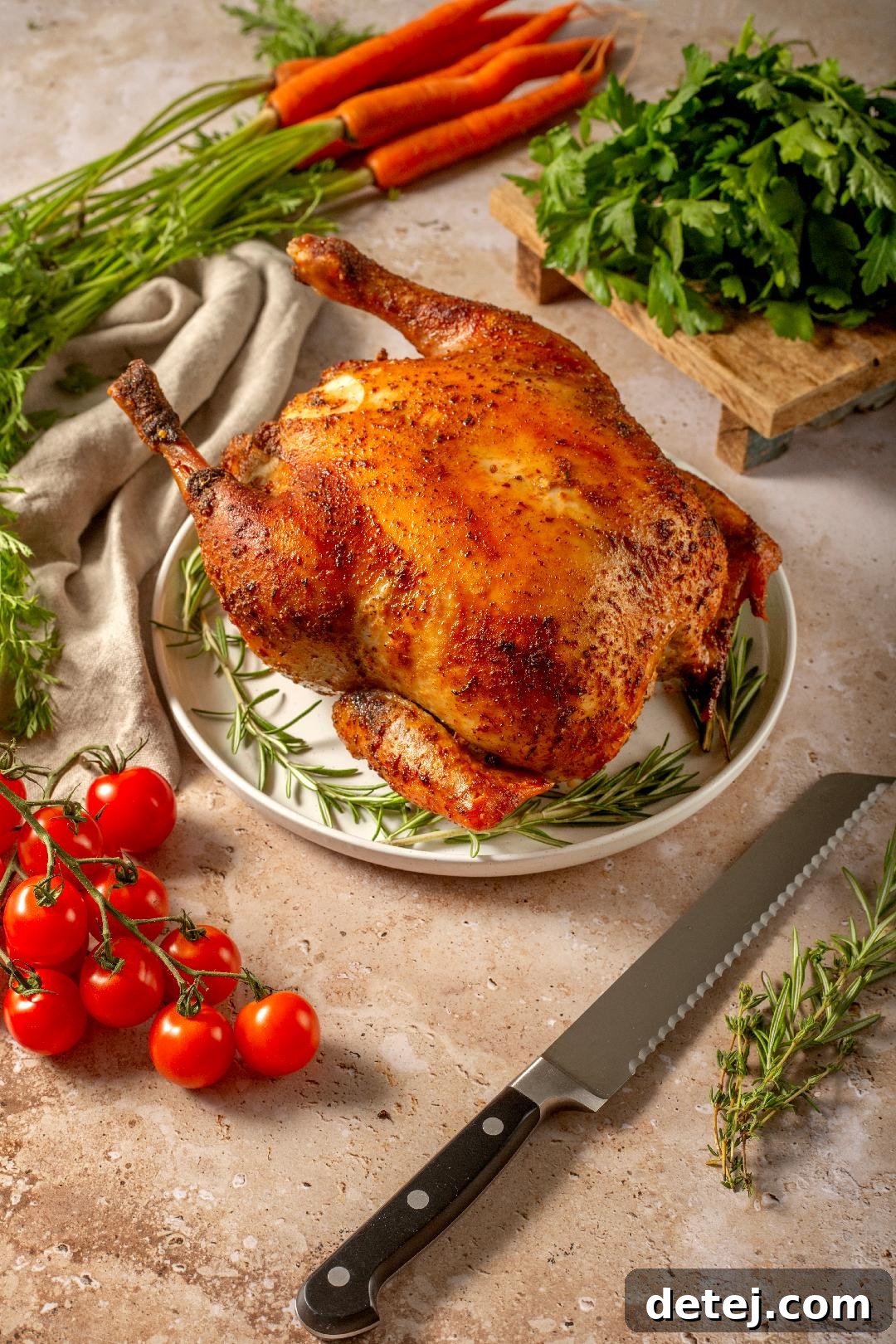
Juicy & Flavorful: Mastering the Art of Whole Roasted Chicken
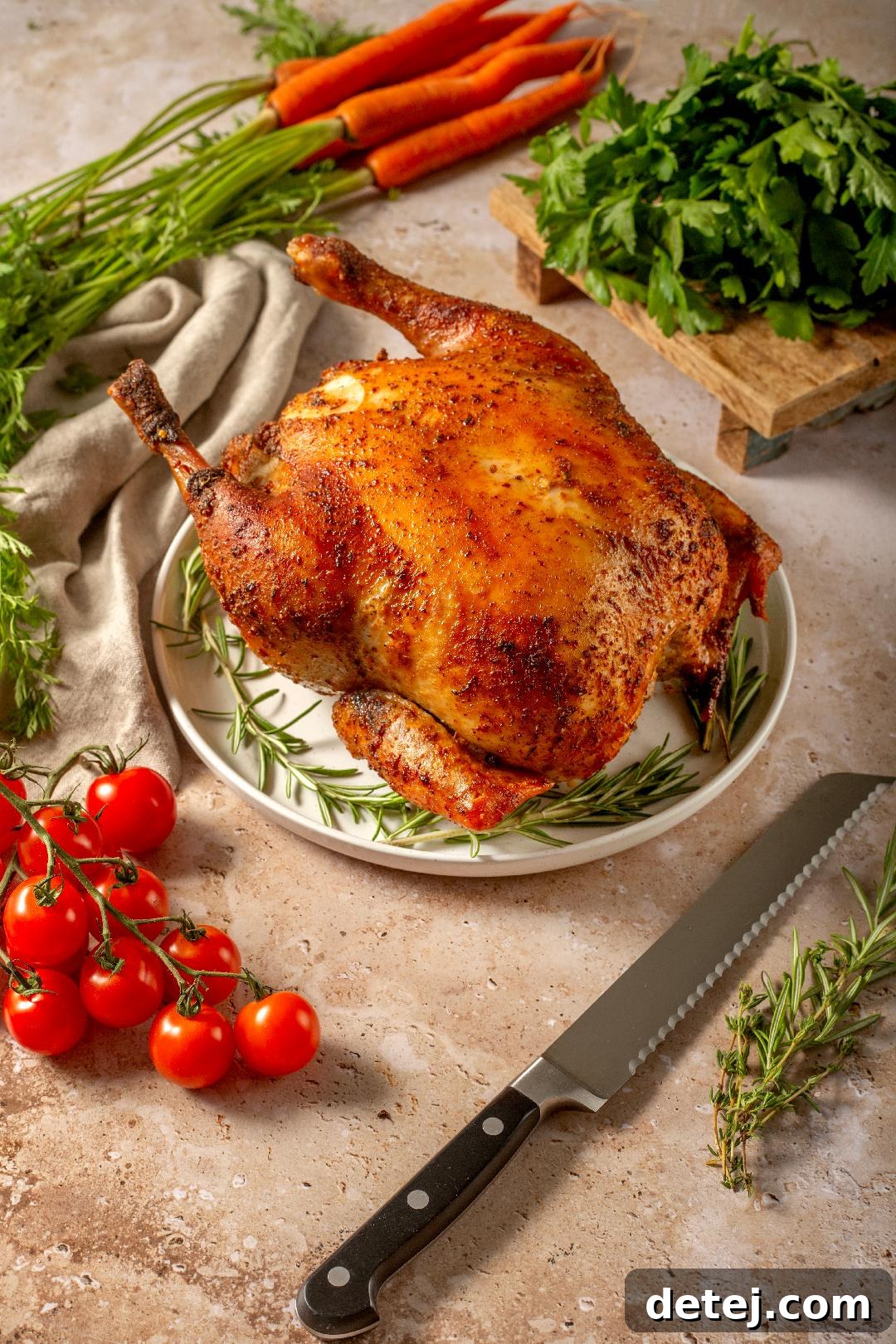
The whole roasted chicken stands as a quintessential culinary masterpiece, a dish revered across cultures for its comforting familiarity and incredible versatility. More than just a meal, it embodies warmth, family, and tradition, often becoming the centerpiece of cherished gatherings. Its inherent simplicity belies the profound depth of flavor it can achieve when prepared with care and attention. This comprehensive guide is designed to transform you into a master of the craft, walking you through every crucial step from selecting the finest bird to achieving that coveted golden, crispy skin and incredibly juicy, tender meat. Join us as we unlock the secrets to a truly unforgettable whole roasted chicken, a dish that will undoubtedly elevate your home cooking and delight every palate at your table.
Key Takeaways for a Perfect Roast:
- **Simplicity & Versatility:** Mastering whole roasted chicken offers an effortless path to flavorful, adaptable meals.
- **Precision Roasting:** Understanding the roasting process, optimal temperatures, and key ingredients is vital for consistently delicious results.
- **Culinary Exploration:** Embracing whole roasted chicken encourages creativity in seasoning, serving, and utilizing leftovers.
Essential Ingredients for an Exceptional Roast Chicken
Crafting a truly memorable roast chicken begins with a thoughtful selection of ingredients. The quality of each component directly influences the final taste and texture, transforming a simple dish into an exquisite culinary experience. Let’s delve into the core elements that ensure a juicy, tender, and deeply flavorful outcome.
Choosing the Right Chicken: The Foundation of Flavor
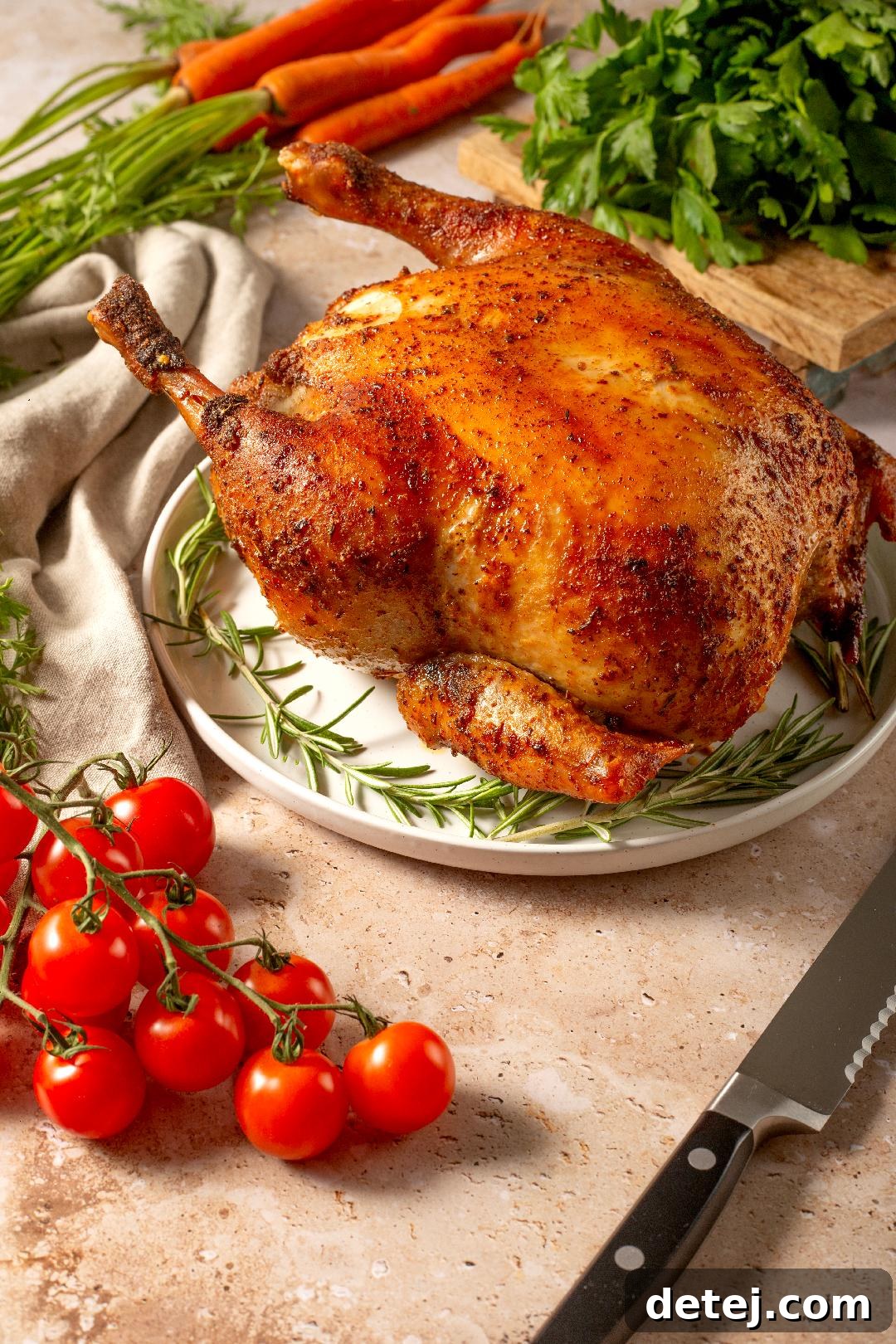
The journey to a perfect roast chicken starts with the bird itself. A high-quality, fresh whole chicken, ideally weighing between 4 to 5 pounds, is paramount. This size is generally ideal for even cooking and ample servings for a family. When selecting your chicken, consider opting for organic or free-range varieties if possible. These chickens often boast a richer, more pronounced flavor profile and superior texture due to their diet and living conditions. Freshness is key; look for a plump bird with smooth, intact skin. The origin and treatment of the chicken significantly impact its succulence and the depth of its natural taste, making this initial selection a foundational step in the art of whole roasted chicken.
The Art of Seasoning: A Symphony of Spices
The right seasoning mix elevates the chicken from good to extraordinary, infusing it with layers of aromatic flavor and contributing to its tenderness. Our carefully curated blend includes:
- **Salt:** More than just a flavor enhancer, salt plays a crucial role in tenderizing the meat and helping the skin crisp up.
- **Paprika:** This vibrant spice adds a subtle smokiness, a touch of sweetness, and a beautiful reddish-golden hue to the chicken’s skin, enhancing its visual appeal.
- **Onion Powder:** It introduces a savory depth and a gentle sweetness that complements the natural chicken flavor without being overpowering.
- **Dried Thyme:** Earthy and aromatic, dried thyme brings a classic herbaceous note that pairs wonderfully with roasted poultry.
- **White Pepper:** Offering a milder, yet distinct, peppery kick than black pepper, it adds warmth without visually disrupting the golden skin.
- **Cayenne Pepper:** For those who enjoy a hint of heat, cayenne pepper provides a gentle warmth that awakens the palate.
- **Black Pepper:** Essential for its classic aromatic heat, black pepper rounds out the spice profile.
- **Garlic Powder:** Infuses the chicken with a rich, savory, and slightly pungent flavor, tying the entire blend together for a deeply satisfying result.
Each spice is carefully chosen to contribute a distinct element, creating a harmonious and well-rounded flavor profile that penetrates the meat during the slow roasting process.
Preparation: Laying the Groundwork for Success
Before the magic of roasting can begin, meticulous preparation of the chicken is essential. This stage is crucial not only for food safety but also for ensuring a deliciously tender and flavorful end product.
Start by thoroughly cleaning the whole chicken. This involves removing any giblets or neck parts from the cavity. Once cleaned, the most vital step for achieving crispy skin is to pat the chicken thoroughly dry with paper towels, both inside and out. Excess moisture on the skin will steam rather than crisp, so this step cannot be overstated. Allow the chicken to sit at room temperature for about 30-60 minutes before roasting. This allows for more even cooking, as a cold bird will cook unevenly and take longer to reach the desired internal temperature.
Butter Vs. Oil: The Crispy Skin Secret
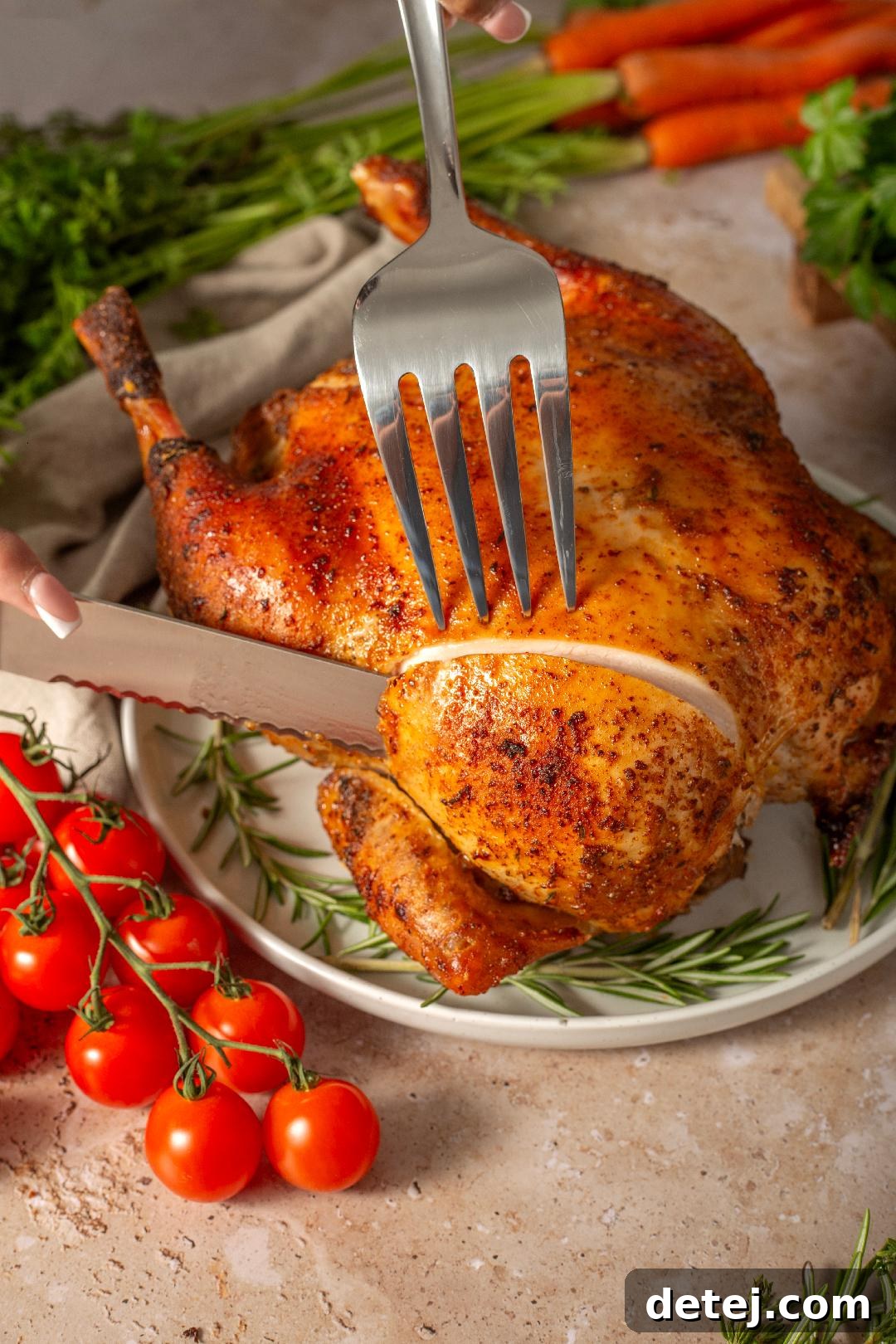
When it comes to achieving that coveted golden, crispy skin and rich flavor, many home cooks face the butter vs. oil dilemma. For a truly superior whole roasted chicken, butter consistently emerges as the preferred choice. Room temperature butter, softened to an easily spreadable consistency, provides an unparalleled ability to perfectly coat the chicken. This creates a barrier that locks in moisture while allowing the skin to caramelize beautifully, developing a deep golden-brown hue and an incredibly rich, buttery taste. While olive oil can also contribute to crispiness, butter offers a depth of flavor and a luxurious mouthfeel that oil simply cannot replicate, making it an indispensable element for an indulgent and satisfying roast chicken.
To Stuff or Not to Stuff: Infusing Aroma and Moisture
The decision to stuff or not to stuff a whole chicken often depends on the desired outcome and complexity. In our recipe, a simple yet highly effective approach is recommended: stuffing the chicken with lemon. This serves a brilliant dual purpose:
- **Subtle Citrus Infusion:** The lemon wedges, when heated, release their aromatic oils and juice, infusing the chicken meat with a delicate, bright citrus flavor that beautifully complements the savory spices without overpowering them.
- **Moisture Retention:** The presence of the lemon inside the cavity creates a steamy environment, helping to keep the chicken moist and tender throughout the long roasting process, especially in the breast area which is prone to drying out.
Unlike more complex bread-based stuffings that can extend cooking times and potentially harbor bacteria if not cooked to a high enough internal temperature, the lemon is easy to work with and ensures food safety. This uncomplicated method aligns perfectly with the goal of a delicious, no-fuss whole roasted chicken, allowing the chicken itself to remain the star of the dish, enhanced by a subtle yet impactful aromatic element. For added depth, you can also include a few sprigs of fresh rosemary or thyme, and a quartered onion or head of garlic inside the cavity alongside the lemon.
The Roasting Process: Patience, Precision, and Flavor
With your chicken prepped and seasoned, it’s time for the most transformative stage: the roast. This process, when executed correctly, yields a chicken that is tender, juicy, and bursting with flavor from every bite.
First, preheat your oven to a gentle 250 degrees Fahrenheit (120°C) – this low-and-slow approach is key to our strategy. Once preheated, position your well-seasoned chicken in a sturdy roasting pan. If using lemon or other aromatics, ensure they are placed inside the cavity. Gently rub the softened, room-temperature butter all over the chicken’s skin, followed by an even sprinkle of your perfectly blended seasoning mix. Ensure every part of the chicken, including underneath the wings and legs, is coated to guarantee a uniform golden-brown crust.
Place the chicken in the preheated oven and begin the slow roasting process. The total roasting time will typically range from 3 to 5 hours, depending on your oven and the exact size of the bird. Patience is a virtue here. Every hour, gently turn the roasting pan 180 degrees. This simple action promotes incredibly even cooking and browning across the entire surface of the chicken. Around the 2-hour mark, begin basting the chicken. Use the savory juices and melted butter accumulating at the bottom of the pan, gently brushing them over the chicken’s skin. This not only keeps the skin moist and flavorful but also contributes to that beautiful, deep golden finish. Continue basting every hour until done.
Optimal Oven Temperature: The “Low and Slow” Advantage
Our recipe champions the “low and slow” cooking method at 250°F (120°C), and for good reason. This gentle heat allows the chicken to cook uniformly from the inside out, preventing the exterior from drying or burning before the interior is fully cooked. The prolonged cooking time at a lower temperature works wonders in breaking down tough connective tissues, resulting in an exceptionally tender and succulent meat texture. Furthermore, this method provides ample time for the aromatic seasoning blend to deeply penetrate the chicken, infusing every fiber with a rich, complex flavor. The slow rendering of fat also contributes to a more flavorful and moist bird, as the fat melts gradually, basting the meat from within. While it requires more patience than high-heat roasting, the superior juiciness, tenderness, and depth of flavor achieved through this low-temperature approach are undeniably worth the wait, transforming a simple chicken into a culinary revelation.
Basting Techniques for Unrivaled Juiciness
Basting is an integral step in achieving a beautifully roasted chicken with both crispy skin and incredibly juicy meat. While the low-and-slow method inherently promotes juiciness, basting provides that extra layer of indulgence and ensures a uniformly golden-brown, flavorful exterior. Starting around two hours into the roasting process, use a baster or a heat-resistant brush to gently spoon or brush the accumulated pan juices over the chicken. These juices, a rich blend of rendered chicken fat, melted butter, and seasoning, not only moisturize the skin but also continuously infuse the outer layers of the meat with their savory goodness. Continue this process every hour. The repeated application of these flavorful liquids contributes significantly to the succulence of the meat, helps to develop a deep, caramelized crust, and amplifies the overall taste of the dish, resulting in a perfectly juicy and flavorful roast chicken that is truly a delight to serve and savor.
Checking Doneness: Temperature Tips for Safety and Succulence
Ensuring your whole roasted chicken is cooked to perfection requires precision. The most reliable method is to use a high-quality meat thermometer. I highly recommend checking the internal temperature in the thickest part of the thigh, away from the bone, as well as in the thickest part of the breast. For a safe and succulent bird, the internal temperature should reach at least 165°F (74°C). However, for a juicier result, you can remove the chicken from the oven when it reaches 160°F (71°C) in the thigh. The residual heat (carryover cooking) will continue to cook the chicken for a few minutes while it rests, typically raising the temperature by another 5-10 degrees to safely reach 165°F (74°C) without overcooking and drying out the meat.
By carefully monitoring the chicken’s internal temperature with a reliable thermometer and understanding the principle of carryover cooking, you can guarantee a safe, perfectly cooked, and incredibly delicious meal for you and your loved ones. This critical step ensures that your roast chicken is not only flavorful but also safe to consume, giving you the confidence to enjoy every tender bite.
Recommended Tools For This Recipe
Nonstick Steel Roaster
Buy Now →
Stainless Steel Baster
Buy Now →
Chef’s Knife
Buy Now →
Meat Thermometer
Buy Now →
Aluminum Foil Sheets
Buy Now →
Post-Roasting Tips: The Secret to Ultimate Juiciness
Once your whole roasted chicken reaches the ideal internal temperature and boasts a beautiful golden-brown skin, the work isn’t quite over. A crucial final step, often overlooked, is allowing the chicken to rest before carving. After removing the chicken from the oven, immediately transfer it to a cutting board and tent it loosely with aluminum foil. This resting period, typically 15-20 minutes for a 4-5 pound bird, is absolutely essential.
During roasting, the heat forces the juices in the meat towards the center. If you carve the chicken immediately, these juices will simply run out, leaving you with dry meat. Resting allows the muscle fibers to relax and reabsorb these precious juices, redistributing them evenly throughout the bird. The result is incredibly tender, moist, and flavorful meat that retains its succulence even after carving. While the chicken rests, you can focus on preparing any accompanying side dishes or gravies, ensuring a perfectly timed and harmonious meal. This simple act of patience transforms a well-cooked chicken into an utterly juicy and flavorful experience that will impress every guest.
Serving Suggestions: Completing Your Culinary Masterpiece
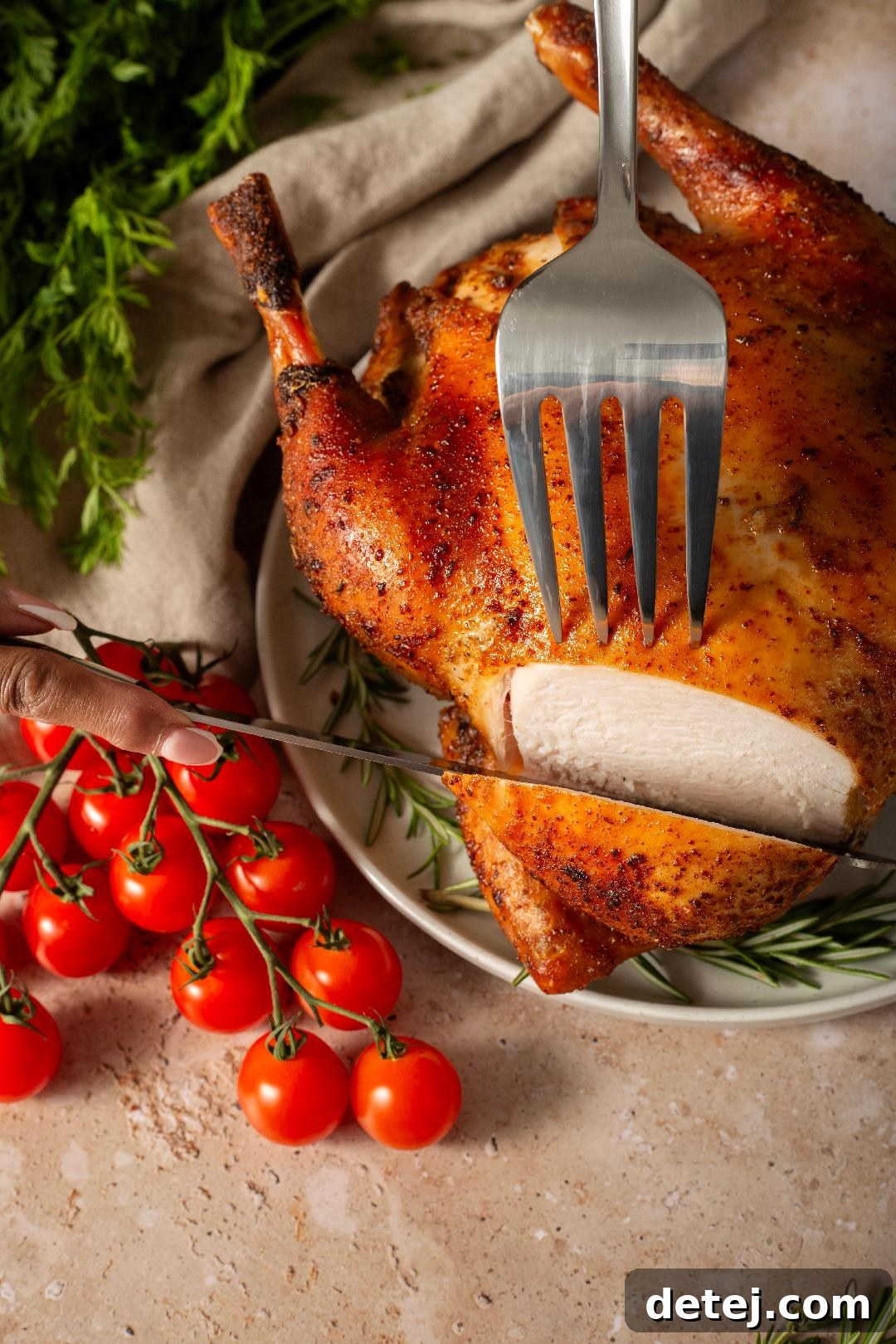
A perfectly roasted chicken deserves an equally impressive entourage of side dishes. The beauty of this classic meal lies in its adaptability, allowing you to pair it with a wide array of flavors and textures to suit any occasion or preference. For a refreshing contrast to the rich savoriness of the chicken, consider a vibrant side of mixed greens dressed with a zesty vinaigrette, perhaps incorporating lemon and fresh herbs to tie into the chicken’s flavor profile. Embrace the comforting and complementary flavors of beautifully roasted vegetables; carrots, Brussels sprouts, parsnips, and onions, tossed with olive oil and herbs, caramelize sweetly in the oven and make an excellent pairing. Mashed potatoes, creamy polenta, or a fluffy quinoa salad with feta and cucumber can add a satisfying heartiness.
For a lighter yet flavorful option, serve your succulent roast chicken with a bright couscous salad tossed with fresh mint, cherry tomatoes, and a lemon-tahini dressing. If you’re feeling adventurous, explore global inspirations; think fragrant saffron rice, a side of Indian-spiced lentils, or even a spicy mango chutney for an exotic twist. Don’t forget a warm, crusty loaf of artisanal bread to soak up those delicious pan juices! The possibilities are endless, allowing you to get creative and tailor the sides to your taste, transforming your roast chicken dinner into a truly personalized feast.
Leftover Ideas: Maximizing Flavor, Minimizing Waste
One of the many benefits of roasting a whole chicken is the delightful promise of delicious leftovers. Far from being a mere afterthought, leftover roasted chicken is a culinary goldmine, offering incredible versatility to create new and exciting meals throughout the week. Embracing these ideas not only minimizes food waste but also provides convenient, flavor-packed solutions for busy days.
For quick and satisfying lunches, transform shredded leftover chicken into a classic chicken salad. Mix it with mayonnaise, celery, and fresh herbs, then serve it on a bed of fresh greens, in a hearty sandwich, or as a protein-rich topping for a vibrant nutrient-packed salad. It also makes a fantastic filling for wraps, quesadillas, or even chicken pitas with a dollop of hummus.
When the evening calls for something warm and comforting, repurpose the flavorful roasted chicken into a hearty soup or stew. The rich, savory essence of the chicken will infuse the broth, creating a deeply satisfying dish that’s perfect for a chilly evening. Alternatively, incorporate the tender meat into a creamy pasta dish. Imagine a decadent chicken Alfredo, a vibrant chicken and vegetable primavera, or even a baked chicken ziti, adding a delightful twist to your weeknight meals.
Beyond traditional uses, leftover roasted chicken lends itself beautifully to various international cuisines. Create Mexican-inspired enchiladas or tacos, or a fragrant chicken curry with coconut milk and spices. Stir-fries, pizzas, and even savory pot pies are also excellent options. By utilizing leftover roasted chicken creatively, you ensure continued enjoyment of this delectable meal, maximizing both flavor and efficiency in your kitchen.
Troubleshooting Common Roasting Issues: Solutions for Success
Even seasoned home cooks can encounter challenges when roasting a whole chicken. Knowing how to troubleshoot common issues can save your meal and ensure a consistently delicious outcome.
**Issue 1: Dry or Tough Chicken.** This is often the most common concern and typically occurs when the chicken is overcooked or cooked at too high a temperature, causing moisture to evaporate too quickly.
**Solution:** The ultimate defense against dry chicken is a reliable meat thermometer. Always remove the chicken from the oven once the thickest part of the thigh reaches 160°F (71°C), knowing that carryover cooking will bring it to the safe 165°F (74°C). Additionally, ensuring the chicken rests for 15-20 minutes after roasting is critical for juice redistribution. If you notice the skin browning too quickly while the internal temperature is still low, loosely tenting the chicken with aluminum foil can help retain moisture and prevent the skin from burning.
**Issue 2: Uneven Cooking.** Some parts of the chicken may be overdone (dry breast) while others are undercooked (reddish thigh meat near the bone).
**Solution:** To promote uniform cooking, consistently turn your roasting pan 180 degrees every hour. This helps expose all sides of the chicken to even heat distribution within the oven. Placing the chicken on a V-rack or wire rack within the roasting pan also significantly helps, allowing hot air to circulate around the entire bird, preventing the bottom from steaming and ensuring a crispier, more evenly cooked result. Another technique is to truss the chicken, tying the legs together and tucking the wings, which creates a more compact shape for even heat penetration.
**Issue 3: Skin Not Crispy.** Despite all efforts, the skin might remain soft or rubbery.
**Solution:** The key to crispy skin is dryness and fat. Ensure you pat the chicken extremely dry with paper towels before seasoning. Using butter or oil (especially butter, as discussed) generously on the skin helps. Some cooks also sprinkle a little baking powder (not baking soda) with the seasoning, which helps wick away moisture and promotes crispiness. Avoiding excessive basting in the last 30-45 minutes of cooking can also help the skin dry out and crisp up.
Why Whole Chicken Recipes Reign Supreme in the Home Kitchen
The enduring popularity of whole chicken recipes, particularly the art of roasting a full bird, isn’t accidental. It offers a multitude of benefits that extend far beyond mere culinary satisfaction, making it a cornerstone of efficient and flavorful home cooking. By opting for a whole chicken, you’re not only tapping into remarkable economic efficiency – often whole chickens are more cost-effective per pound than individual cuts – but also maximizing the nutritional value of your meal. The bones and connective tissues, often overlooked, contribute to rich, savory pan juices that can be transformed into gravies or stocks, enhancing subsequent meals.
Moreover, roasting a whole bird ensures an unparalleled depth of flavor. The meat cooks on the bone, sealing in savory juices and allowing the fat to render slowly, basting the meat from within. This results in incredibly tender and succulent flesh, especially in cuts like the thighs and drumsticks, while the breast meat remains moist. For me, the process embodies a beautiful simplicity. It’s a harmonious dance of flavors and textures that unfolds with every juicy bite, fostering a sense of accomplishment and culinary tradition. Embracing this approach not only simplifies my meal preparation by providing a single, substantial protein source but also brings an unmatched sense of satisfaction. As the comforting aroma of perfectly roasted chicken fills the kitchen, it connects me to generations of home cooks who understood the timeless appeal and practical brilliance of this classic dish.
Making Roasted Chicken a Dinner Staple: A Family Favorite
In the quest for delicious, nourishing, and manageable home-cooked meals, a juicy, flavorful whole roasted chicken consistently stands out as a reliable dinner staple. Its inherent simplicity, combined with its impressive versatility, makes it an ideal centerpiece for family dinners, intimate gatherings, or even as a comforting weeknight treat. With the right recipe and techniques, like those we’ve explored for achieving crispy skin and tender meat, it’s destined to become a regular and eagerly anticipated feature at your table.
As someone deeply passionate about creating satisfying meals, I’ve discovered that whole chicken recipes offer a boundless canvas for culinary creativity. From a straightforward classic roast to more elaborate baked chicken preparations infused with global flavors, the possibilities are as varied as the seasonings you can experiment with. Beyond its primary role as a main course, a perfectly roasted chicken is a meal planner’s best friend. It’s the ultimate answer to the perpetual question, “What’s for dinner?”, providing a generous yield that translates into invaluable leftovers. These can be effortlessly repurposed into quick lunches like sandwiches or salads, or transformed into flavorful stir-fries, soups, or even tacos for subsequent dinners.
Embracing whole roasted chicken as a go-to option has not only streamlined my meal planning but has also infused our family meals with a sense of warmth, abundance, and the pure satisfaction of a truly homemade dish. It’s a testament to the fact that some of the best culinary experiences stem from mastering timeless classics.
Until The Last Bite: Wrapping Up Our Roasted Chicken Journey
Throughout this comprehensive culinary journey, we’ve guided you through every essential step in the art of creating a truly juicy, flavorful whole roasted chicken. From the critical initial selection of the perfect bird to meticulously crafting a balanced seasoning mix and mastering the nuances of the low-and-slow roasting process, each detail plays a pivotal role in achieving this culinary masterpiece. As you embark on your own journey with this classic roast chicken recipe, remember the invaluable virtues of patience, attention to detail, and the joy of hands-on cooking.
Savoring every bite of our Rotisserie-Style Whole Chicken: a delicious feast that brings the family together with every tender, flavorful moment.
Krystel’s Cooking
This crispy roasted chicken is far more than just a meal; it’s a cherished tradition, a unifying centerpiece for countless family dinners, and a testament to the power of simple, honest ingredients. As you savor the very last bite, consider the endless possibilities this versatile dish offers. Dare to experiment with new flavor variations, explore different complementary side dishes, or creatively transform the delectable leftovers into entirely new meals. The culinary journey doesn’t end here; it merely evolves. So, don your apron, step into your kitchen with confidence, and let the irresistible aroma of perfectly roasted chicken fill your home. Here’s to many more delightful chicken dinner ideas and the enduring satisfaction of mastering a timeless classic.

Whole Roasted Chicken
Pin
Rate
Ingredients
- 1 whole small chicken, about 4-5lbs cleaned of giblets etc.
- 4 teaspoons salt
- 2 teaspoons paprika
- 1 teaspoon onion powder
- 1 teaspoon dried thyme
- 1 teaspoon white pepper
- ½ teaspoon cayenne pepper
- ½ teaspoon black pepper
- ½ teaspoon garlic powder
- ¼ cup room temperature butter
Equipment
-
1 roasting pan
-
baster
-
aluminum foil
-
meat thermometer
Instructions
-
Preheat the oven to 250 degrees Fahrenheit (120°C). In a small bowl, mix all the dry seasoning ingredients together and set aside.
-
Rinse your chicken thoroughly under cold water and then pat it completely dry with paper towels, both inside and out. Place the dried chicken in a sturdy roasting pan. (Optional: Stuff the chicken cavity with quartered lemons and fresh herbs for added flavor and moisture.)
-
Rub the room temperature butter generously all over the chicken, ensuring it’s evenly coated. Then, sprinkle the dry seasoning mix evenly over the entire chicken, making sure to cover all surfaces. Place the seasoned chicken into the preheated oven. Roast for 3-5 hours, checking the internal temperature with a meat thermometer to ensure it reaches at least 160°F (71°C) in the thickest part of the thigh, away from the bone.
-
**Chef’s Tip for Even Cooking & Browning:** Every hour, turn the roasting pan 180 degrees for uniform heat distribution. Approximately 2 hours into the roasting process, begin to baste the chicken with the juices accumulated in the bottom of the pan. Gently brush the juices over the chicken’s skin to promote even browning and to keep the skin moist and flavorful. Continue basting every hour until the chicken is done.
-
Once the chicken reaches the target internal temperature, remove it from the oven. Transfer the chicken to a cutting board and tent it loosely with aluminum foil. Allow it to rest for at least 15-20 minutes before carving. This crucial resting period allows the juices to redistribute throughout the meat, resulting in an exceptionally tender and juicy chicken.