
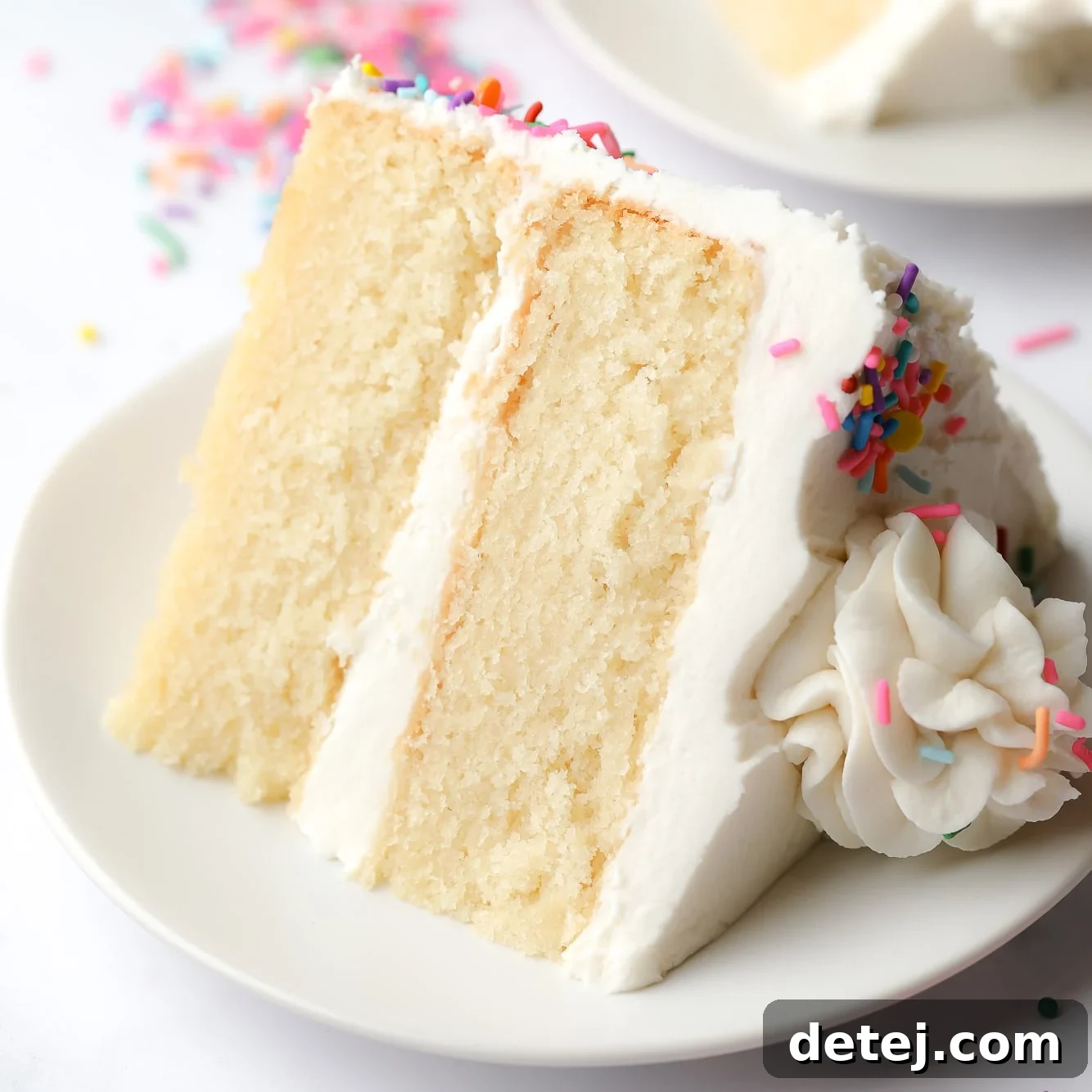
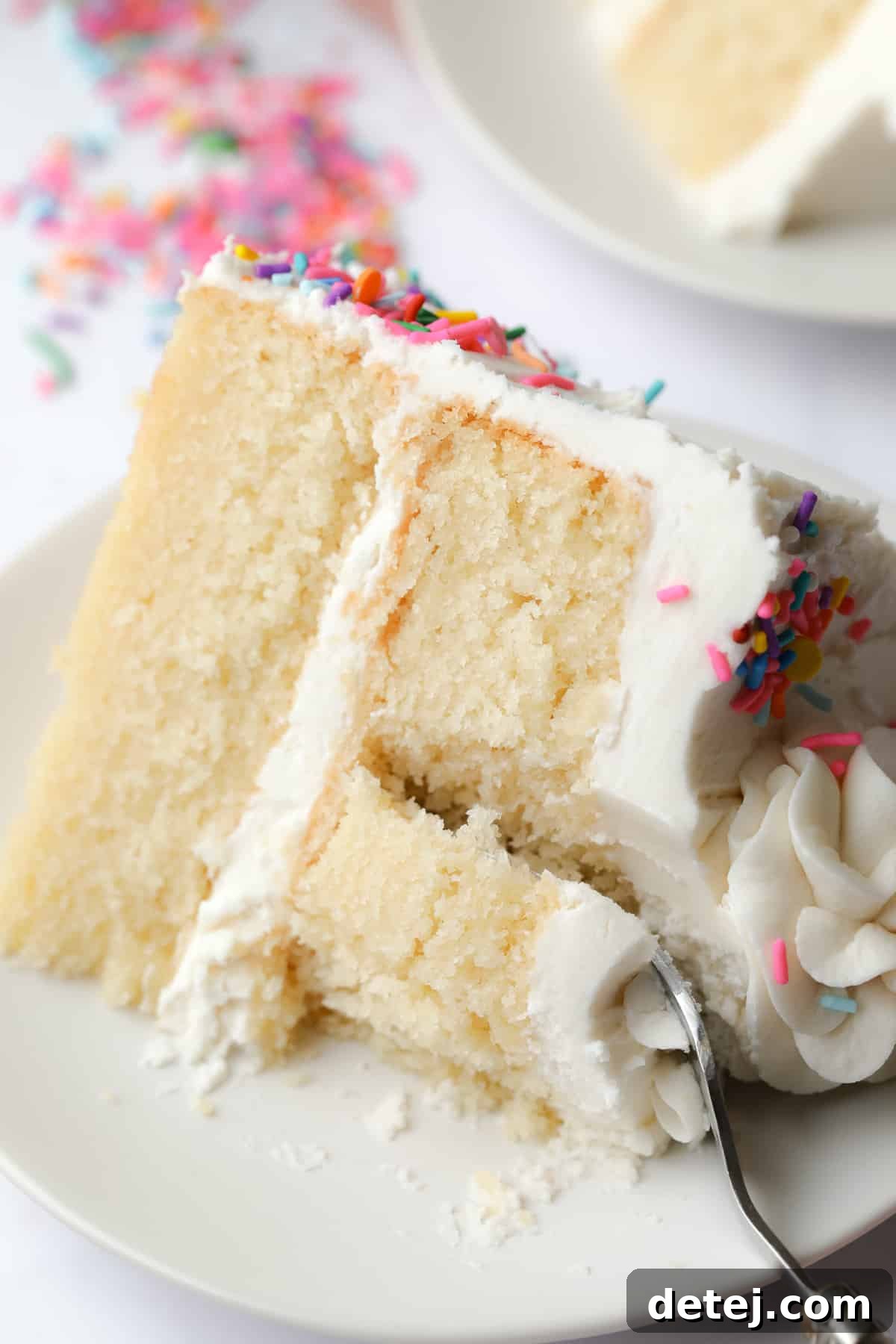
Prepare to fall absolutely head over heels for the most incredible Vegan Vanilla Cake you’ll ever bake! Imagine a cake with an exquisitely moist, fluffy crumb and a rich, decadent vanilla flavor that dances on your palate. This isn’t just a dessert; it’s a celebration in every slice, so perfectly crafted that not a single person will ever guess it’s completely vegan and dairy-free.
Gone are the days of tirelessly searching for that elusive perfect vegan cake recipe. With this show-stopping vanilla masterpiece, alongside my equally acclaimed Vegan Chocolate Cake and Vegan Yellow Cake recipes, you’ll have a repertoire of plant-based baking triumphs always at your fingertips. These recipes are designed to impress even the most discerning palates, ensuring your vegan baking endeavors are met with rave reviews.
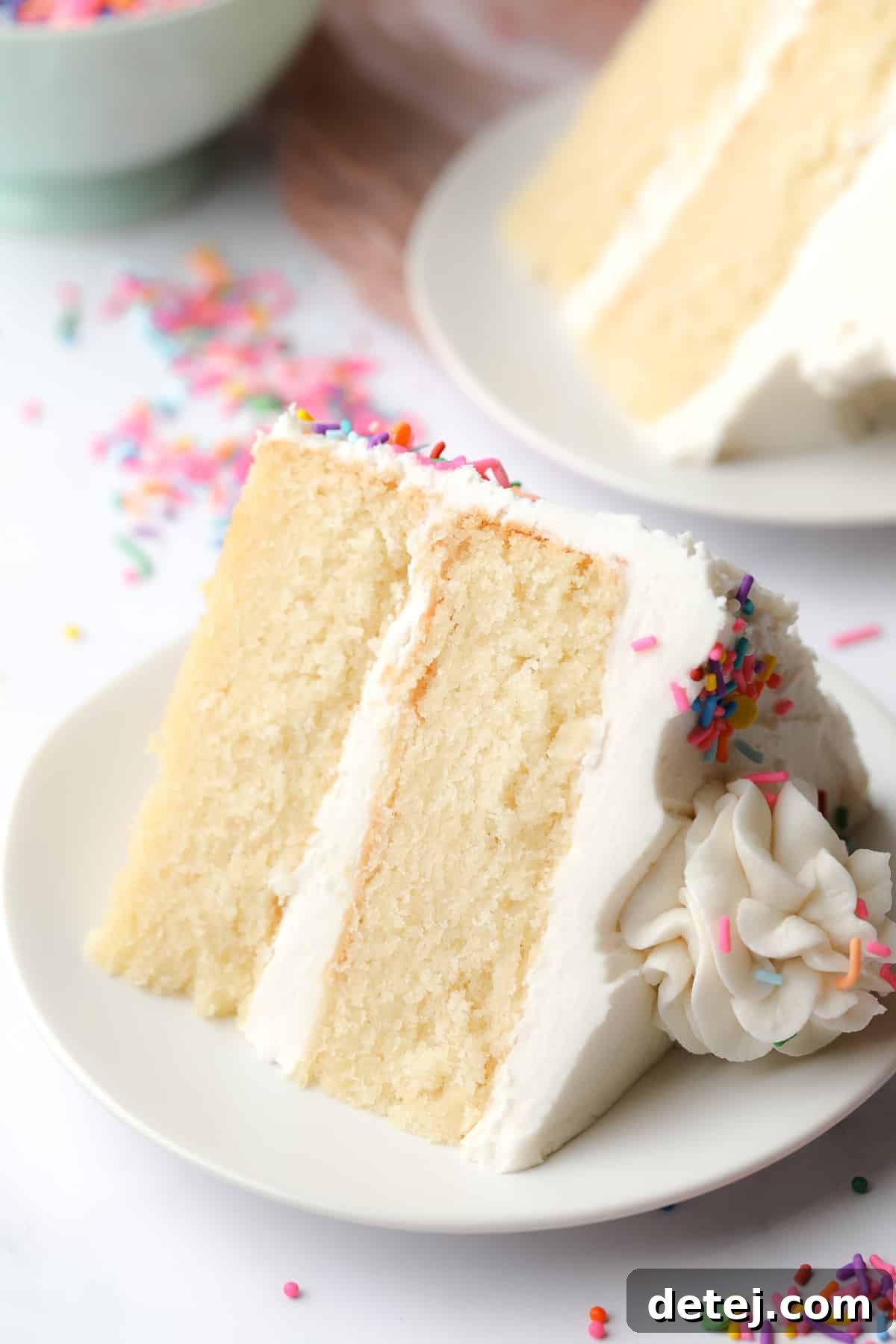
Allow me to introduce you to what many consider the definitive vegan vanilla cake recipe – the only one you’ll ever truly need. My signature Vegan Vanilla Cake transcends ordinary desserts. It promises an extraordinary experience, guaranteed to ‘wow’ every vanilla enthusiast in your life. Each bite delivers a perfect balance of moisture and airy fluffiness, infused with elegant, pure vanilla notes. Best served with my complementary Vanilla Vegan Frosting, it offers just the right amount of sweetness without being overpowering, making it an ideal treat for any occasion.
Don’t just take my word for it; this recipe is a consistently proven favorite, boasting over 200 glowing 5-star reviews from delighted bakers and eaters alike! Here’s a glimpse of what our amazing community is saying about this extraordinary vegan vanilla cake:
“Love this cake recipe!! The best I’ve ever had!! The whole family loves it too.” – Melissa
“Absolutely amazing! Impressed all my non-vegan friends!!” – Brittany
“I have tried many cake recipes and this one is the best by far! It was perfect and the whole family loved it. I’m keeping this one. Thank you so much!” – Lauren
The beauty of this moist and fluffy vegan vanilla cake lies not just in its taste, but also in its versatility. While I adore serving it adorned with a generous scattering of colorful sprinkles, the possibilities for decoration are endless. Imagine it elegantly topped with a medley of fresh berries, a cloud of homemade vegan whipped cream, delicate edible flowers, or any other creative adornments that spark joy. This cake is your perfect companion for any festive occasion – be it a vibrant birthday party, an elegant bridal shower, a heartwarming holiday gathering, or simply a spontaneous get-together. Prepare to watch with satisfaction as guests eagerly gather, all vying for a coveted slice of this irresistible treat!
Why This Is the Best Vegan Vanilla Cake Recipe You’ll Ever Find
There are countless reasons why this particular vegan vanilla cake recipe has garnered such a loyal following and consistently earns top marks. It’s more than just a dessert; it’s a testament to how truly exquisite plant-based baking can be. Here’s what sets it apart:
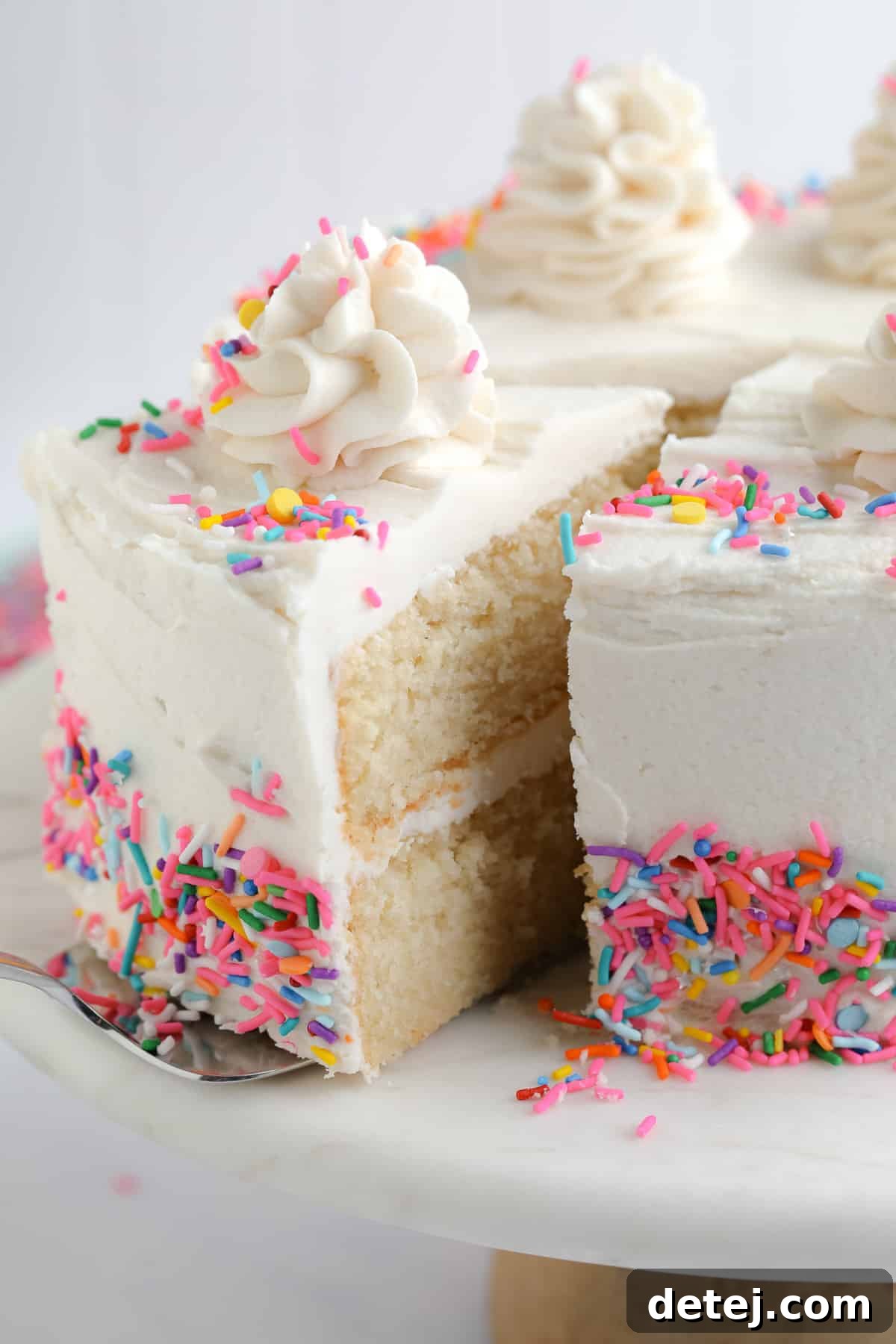
- A Dreamy, Bakery-Style Texture and Flavor: This isn’t just *a* cake; it’s *the* cake you’ve been dreaming about. Each bite reveals a wonderfully moist and ethereal fluffy crumb, reminiscent of gourmet bakery creations. The pure, elegant vanilla flavor is perfectly balanced, never artificial or overwhelming. What makes it truly exceptional is that it achieves this luxurious texture and rich taste entirely without eggs or dairy. Your guests, vegan or not, will be utterly amazed and truly unable to tell the difference, making it a fantastic conversation starter and crowd-pleaser.
- The Magic of Our “Secret” Ingredients: Aquafaba & Cake Flour: The unparalleled delicate and airy texture of this cake can be largely attributed to two stellar, yet simple, “secret” ingredients. First, aquafaba, the humble liquid from a can of chickpeas, performs wonders by providing structure and lightness, much like egg whites, but without any animal products. It whips into a beautiful foam that infuses the batter with air, creating that desirable fluffy crumb. Second, cake flour, with its lower protein content, is key to achieving a tender, fine-crumbed cake that practically melts in your mouth. Together, these ingredients work in harmony to elevate this vanilla cake to professional bakery standards.
- The Ultimate Celebration Cake for Every Occasion: This versatile vegan vanilla cake is truly perfect for any and every occasion. Its classic appeal makes it ideal for decorating with a luscious Vegan Buttercream Frosting and a cascade of sprinkles, ready for joyous birthday parties, elegant baby showers, sophisticated weddings, festive holiday gatherings, or simply to make an ordinary day extraordinary. For those extra special birthday celebrations, you might also adore my super easy and vibrant Vegan Funfetti Cake, which shares the same delightful base!
Crafting Your Masterpiece: How to Make This Irresistible Vegan Vanilla Cake
Baking this exquisite vegan vanilla cake is a wonderfully straightforward process, even for novice bakers. The detailed steps below, accompanied by helpful photos, will guide you through each stage, ensuring a perfect result every time. For the full, printable recipe with precise measurements, simply scroll down to the dedicated recipe card.
Essential Preparation for Perfect Vegan Cake Layers
- Preheat Oven & Prepare Pans: Begin by preheating your oven to a precise 350 degrees Fahrenheit (175°C) and positioning the oven rack in the middle. This consistent heat is crucial for even baking. Next, meticulously grease two 8-inch round cake pans with a neutral oil or vegan butter. For an effortlessly smooth release, line the bottoms of the pans with a round of parchment paper. This simple step prevents sticking and makes transferring your baked cakes a breeze.
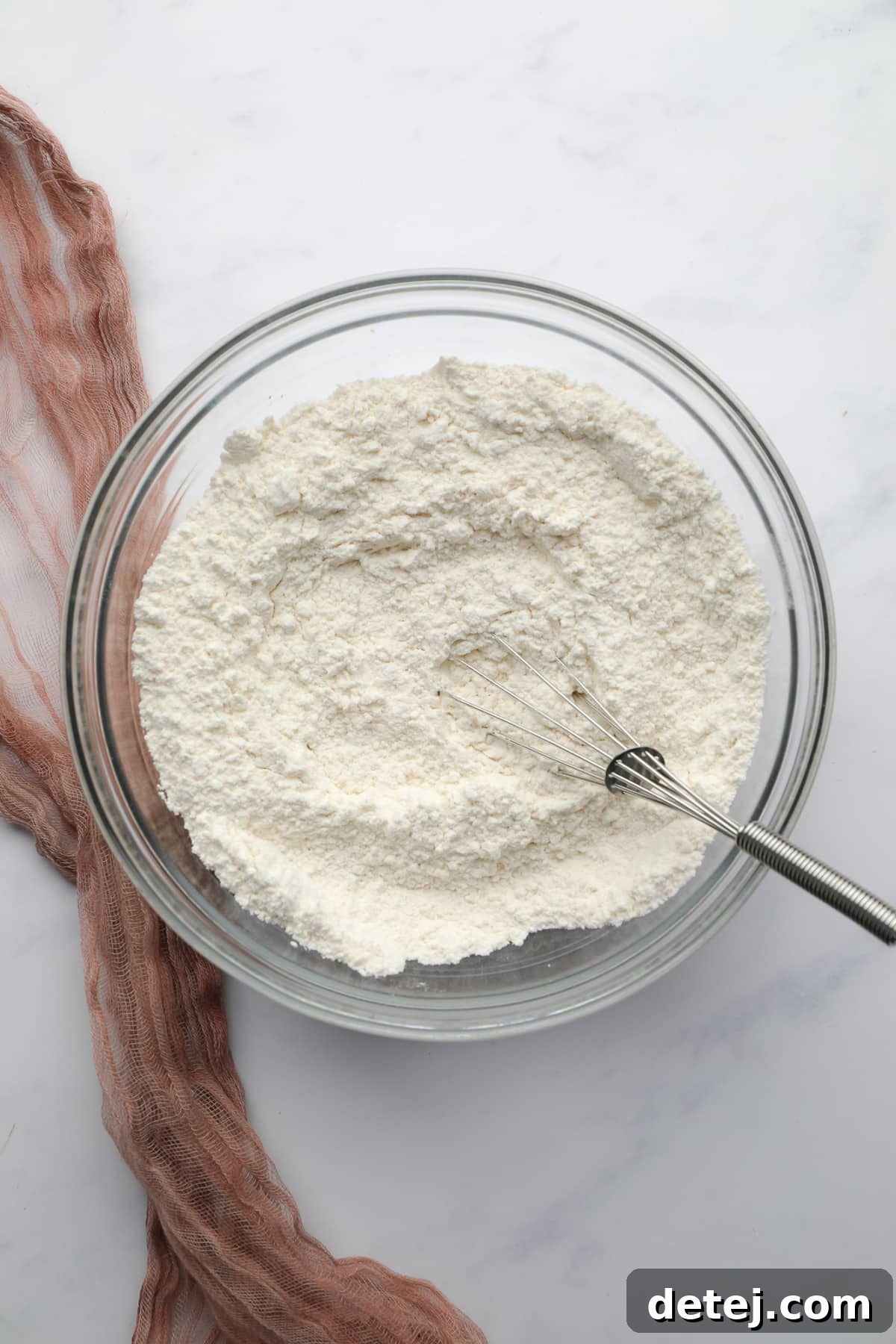
- Combine Dry Ingredients: In a medium-large mixing bowl, thoroughly whisk together the cake flour, baking powder, and salt. Whisking ensures that these dry ingredients are evenly distributed, preventing pockets of leavening agents and creating a uniform crumb. Set this bowl aside for later.
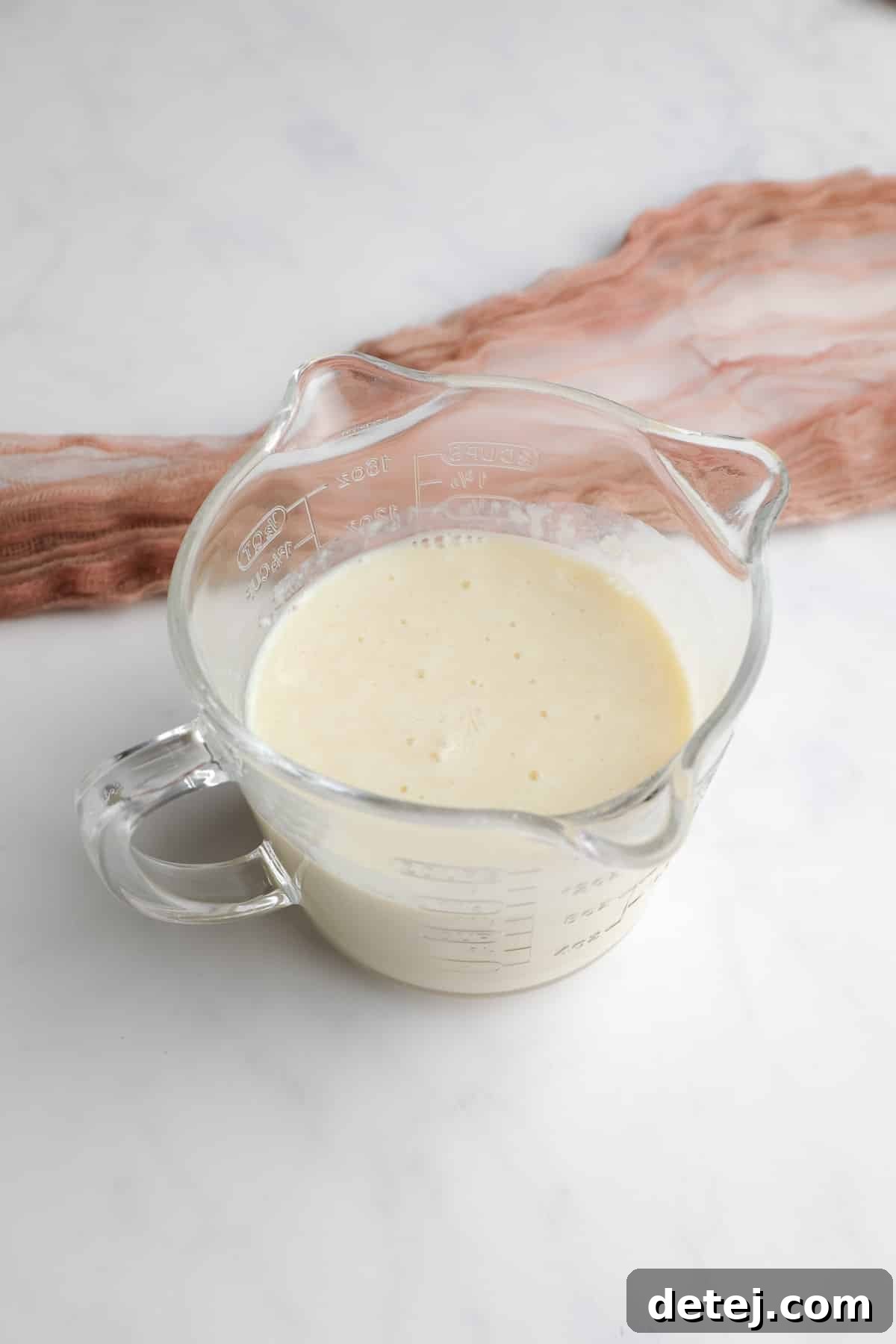
- Prepare Vegan Buttermilk: To create your tangy vegan buttermilk, combine the unsweetened soy milk and apple cider vinegar in a glass measuring cup or a small bowl. Give it a gentle stir and then set it aside for 5-10 minutes. During this time, the acid in the vinegar will curdle the milk, forming a thick, slightly clumpy “buttermilk” that adds incredible moisture and tenderness to the cake.
Creating the Heart of Your Vegan Vanilla Cake
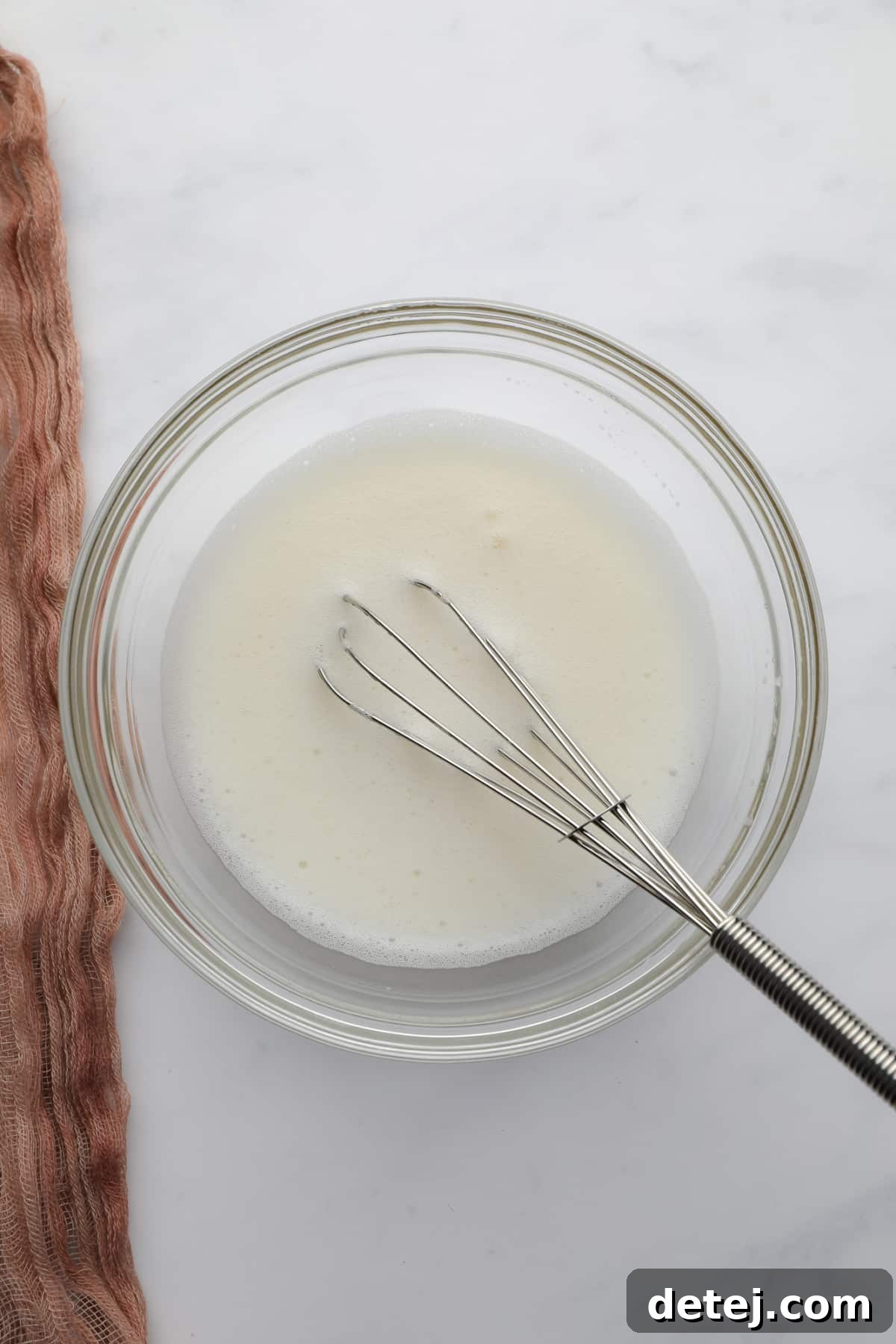
- Whip the Aquafaba (or Use Vegan Yogurt): In a separate small bowl, combine the aquafaba (the liquid from a can of chickpeas) with the cream of tartar. Using a whisk or an electric hand mixer, vigorously whip this mixture until it becomes delightfully foamy and slightly fluffy, typically within about 2 minutes. You’re aiming for a consistency similar to soft peaks, not necessarily stiff ones. This whipped aquafaba is crucial for adding lift and a delicate structure to your cake. As an excellent alternative, if aquafaba isn’t available, simply use 1/2 cup of unsweetened, unflavored vegan yogurt for a similar effect.
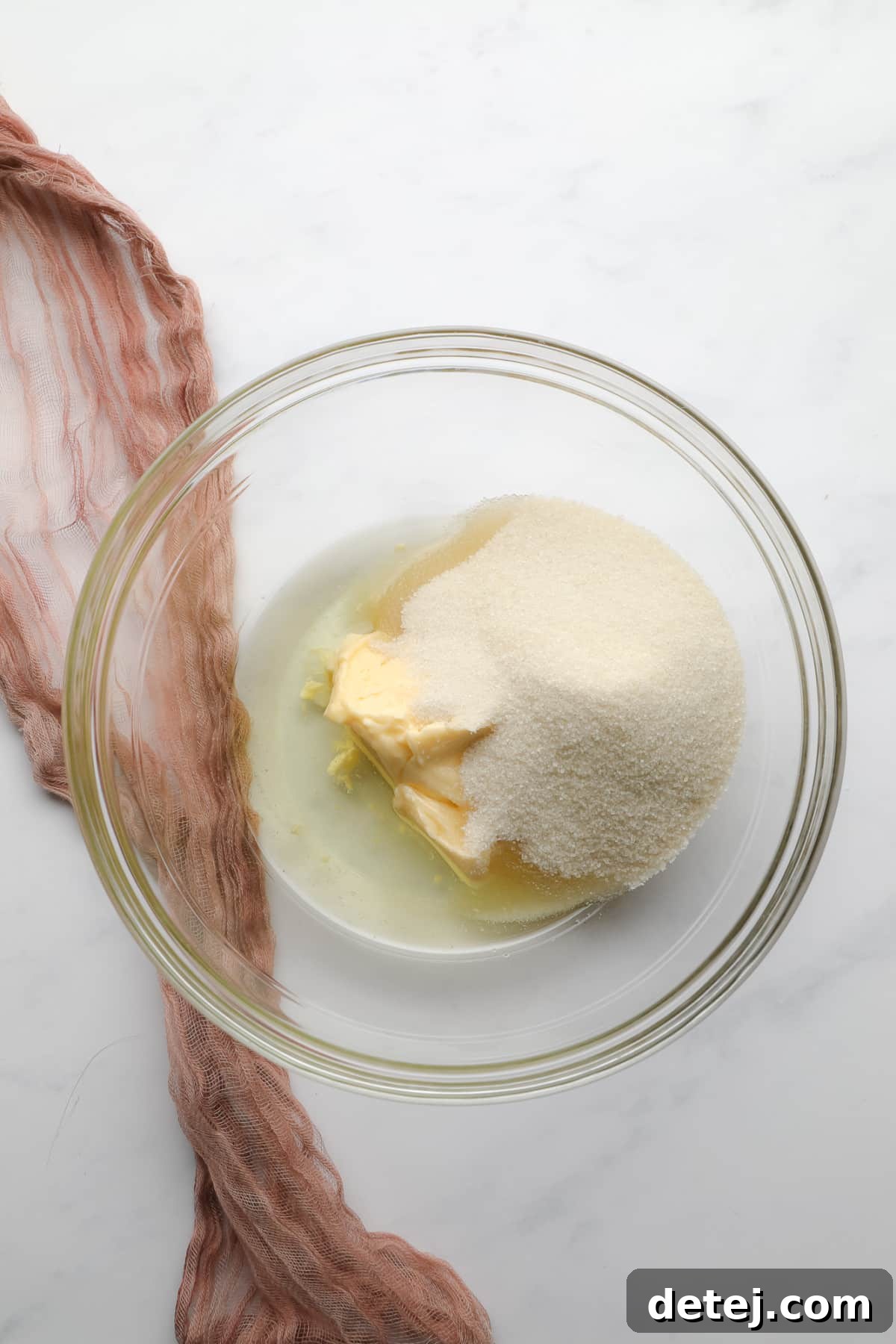
- Cream Fats and Sugar: In a large mixing bowl, using an electric hand mixer (or a stand mixer fitted with a paddle attachment), cream together the softened vegan butter, canola oil, and granulated sugar. Beat this mixture until it becomes light, creamy, and visibly pale, which usually takes about 3 minutes. Remember to scrape down the sides of the bowl frequently to ensure everything is thoroughly incorporated. This creaming process incorporates air, which contributes to the cake’s fluffy texture.
- Incorporate Aquafaba & Vanilla: Now, add the prepared foamy aquafaba mixture to the creamed butter, oil, and sugar. Pour in the vanilla extract, ensuring it’s a good quality extract for the best flavor. Beat again until all these wet ingredients are fully combined, usually about 1 minute. The mixture should be smooth and fragrant.
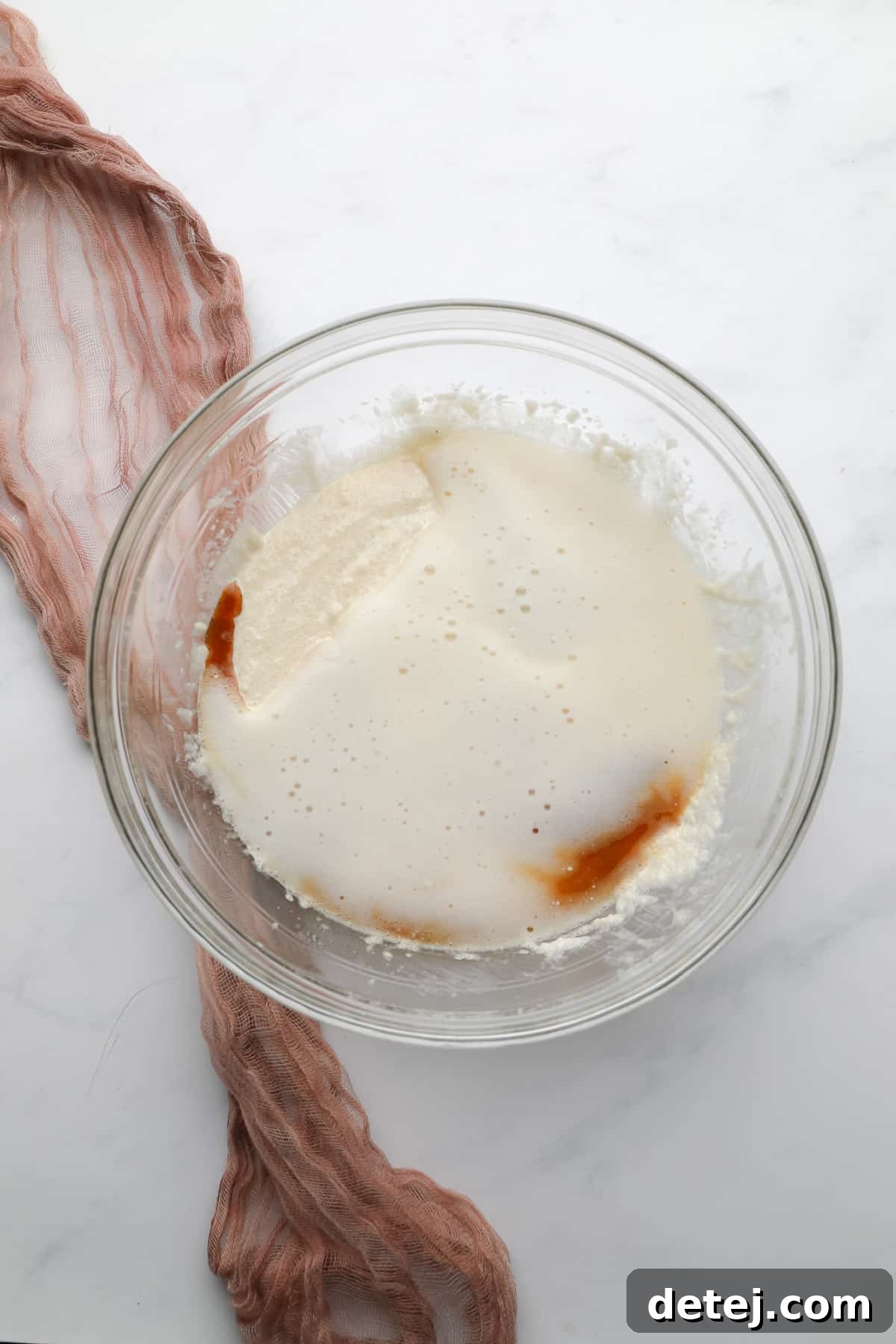
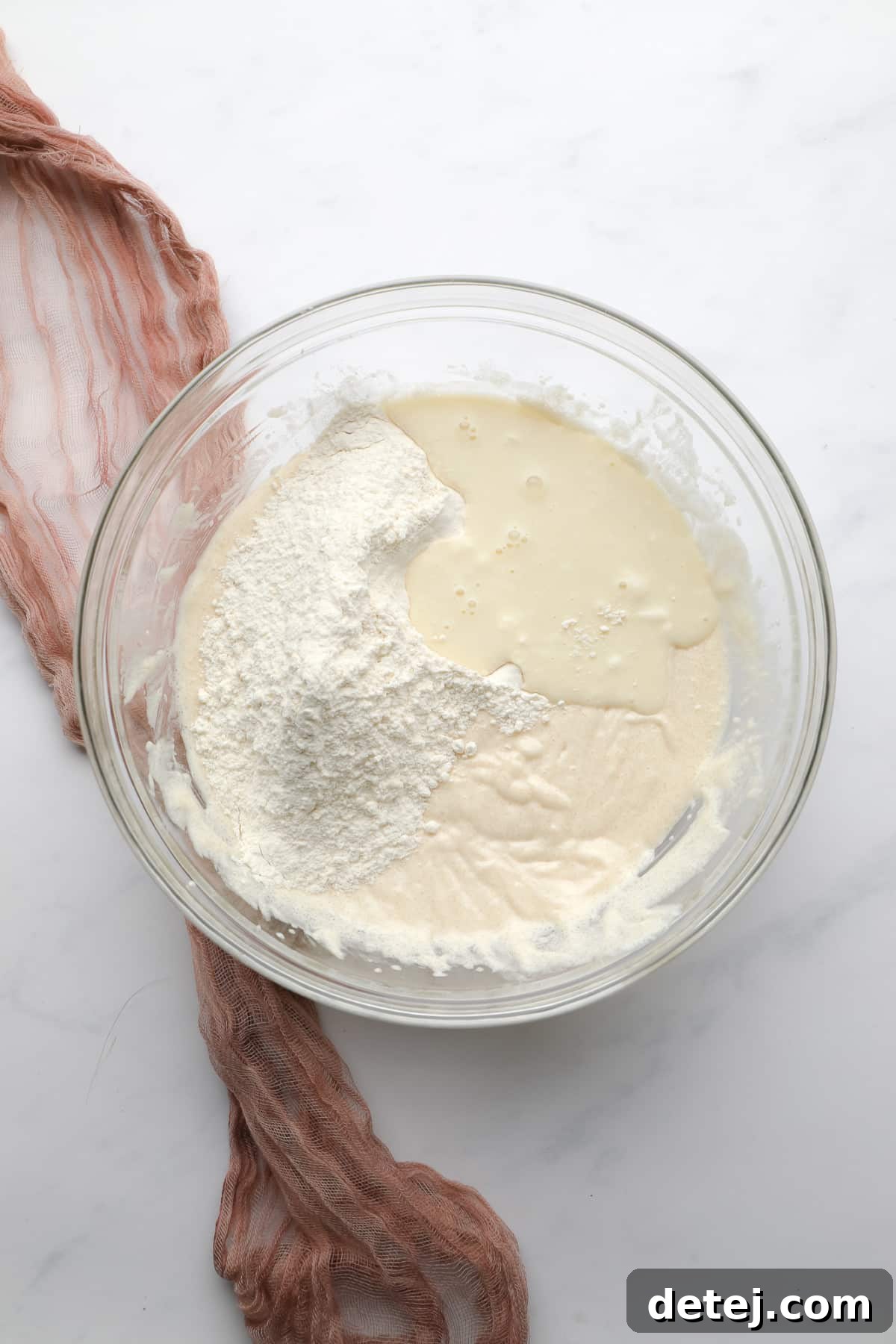
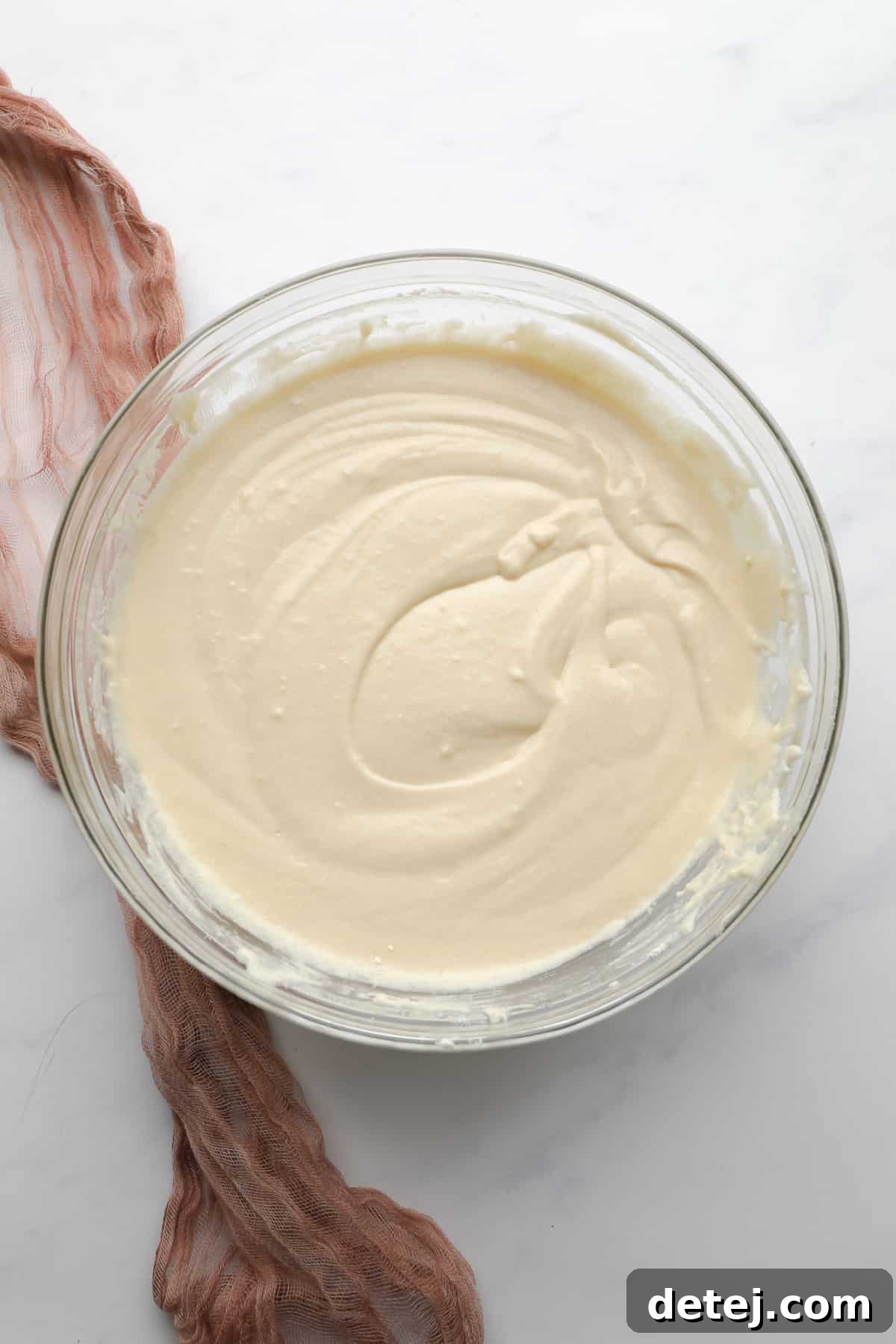
- Alternate Dry & Wet Mixtures: With your mixer set to a low speed, begin adding the dry flour mixture and the vegan buttermilk to the wet ingredients in alternating portions. Start and end with the dry ingredients. Mix just until combined after each addition. The key here is to avoid overmixing the batter! Overmixing develops gluten, leading to a tough, dense cake. A few small lumps are perfectly fine and even desirable; the batter should be mostly smooth after everything has been incorporated.
Bake, Cool, and Frost Your Delicious Vegan Creation
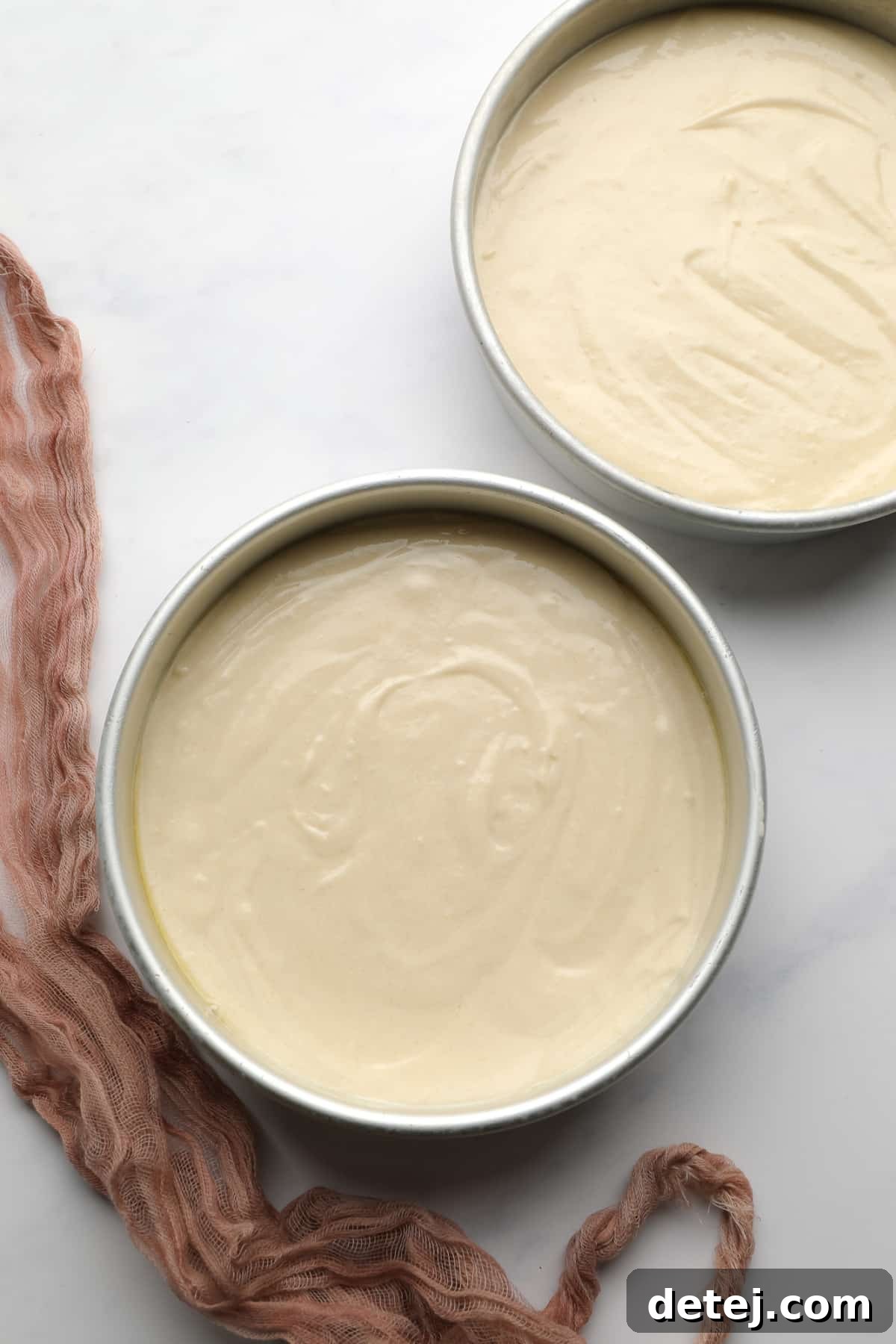
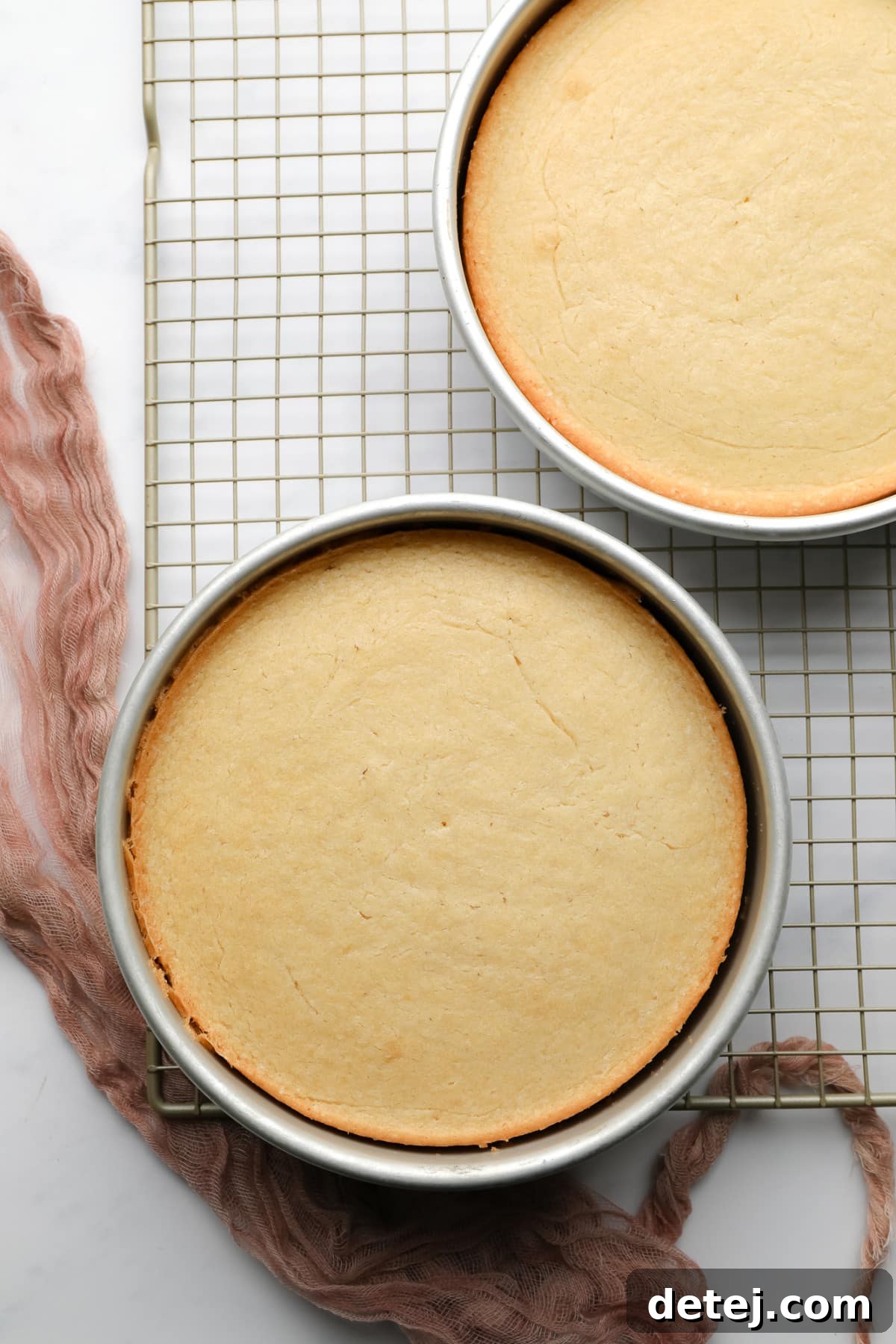
- Bake to Perfection: Divide the prepared cake batter evenly between your two greased and lined 8-inch cake pans. Place them in the preheated oven and bake for approximately 30-35 minutes. You’ll know they’re done when the edges are golden brown, the surface springs back gently when lightly touched, and a toothpick inserted into the center of a cake comes out mostly clean, with only a few moist crumbs attached (no wet batter). These cake layers are designed to bake relatively flat, eliminating the need for trimming the tops, which saves time and effort!
- Cool Completely: Once baked, remove the cakes from the oven and allow them to cool in their pans on a wire rack for about 15 minutes. This initial cooling period helps them firm up and prevents them from breaking. After 15 minutes, carefully invert the cakes onto the wire rack to cool completely. This crucial step cannot be rushed; frosting a warm cake will lead to melted frosting and a messy result. Ensure the cakes are entirely cool to the touch before proceeding.
While your cake layers are cooling, this is the perfect time to prepare your frosting! This vegan vanilla cake pairs beautifully with a variety of frostings. Consider making my classic Vegan Buttercream Frosting for a smooth, sweet finish. For a richer flavor, explore Chocolate Frosting, or a tangy Vegan Cream Cheese Frosting. If you’re feeling adventurous, try a luxurious Swiss Meringue Buttercream (vegan version, of course!). Alternatively, for a lighter, fruit-forward dessert, serve slices with my incredible Vegan Whipped Cream – it tastes remarkably like its dairy counterpart – and fresh seasonal berries.
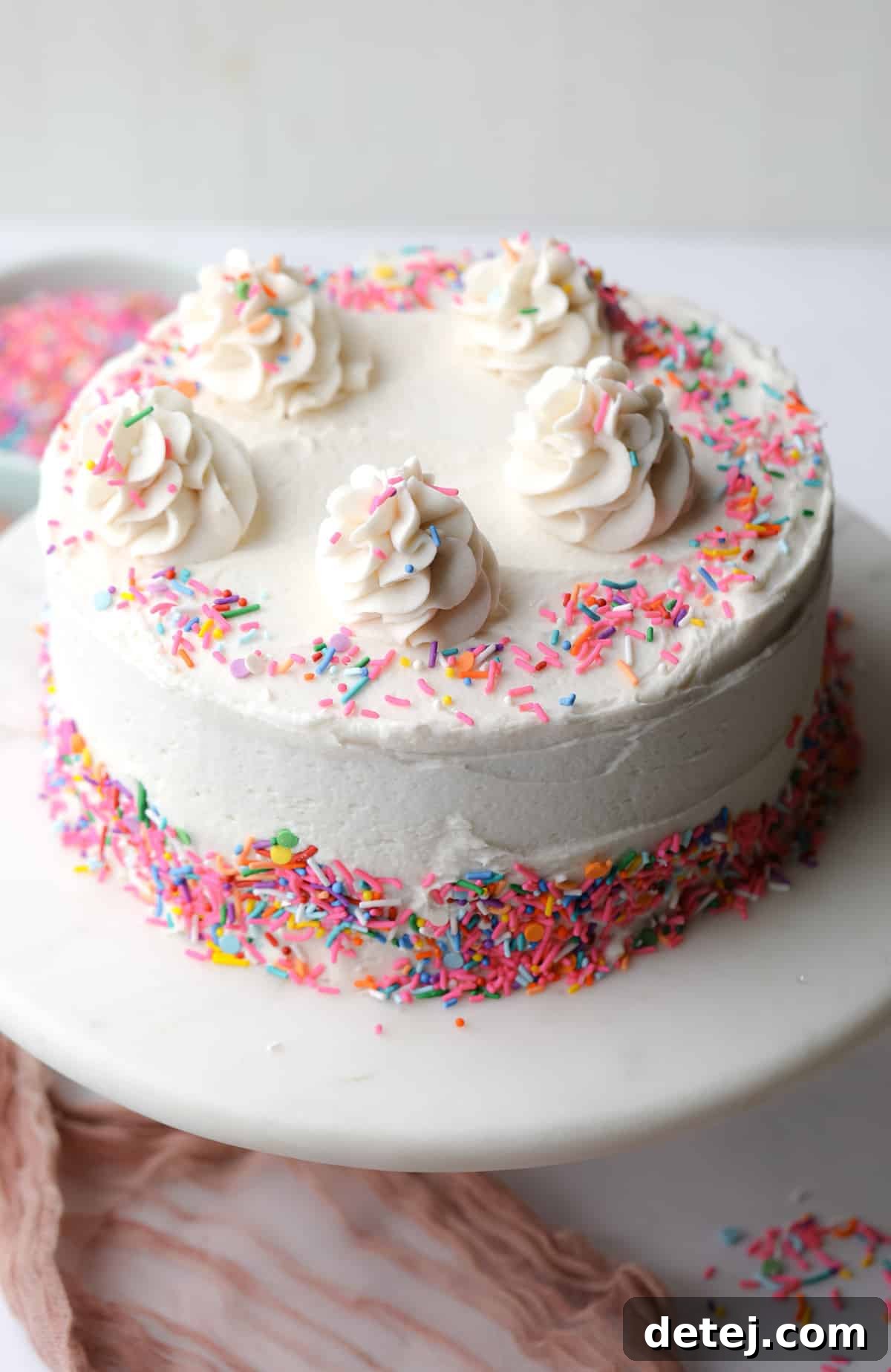
- Frost and Serve: Once the cake layers are completely cooled, it’s time for the fun part: frosting! Generously frost your vanilla cake, stacking the layers smoothly. For an extra touch of festivity and visual appeal, scatter some vegan-friendly sprinkles on top. Then, simply slice into generous portions and prepare to enjoy the delicious reward of your baking efforts!
Expert Tips for Baking the Best Vegan Vanilla Cake
Achieving a perfectly moist and fluffy vegan vanilla cake is easy with a few simple tips. These insights will help you avoid common baking pitfalls and ensure your cake turns out flawlessly every time:
- Room Temperature Ingredients are Key: Just like traditional baking, using room temperature vegan butter and milk is crucial for a smooth, emulsified batter. Cold ingredients can cause the batter to curdle or become lumpy, affecting the final texture. Plan ahead and take them out of the fridge at least an hour before baking.
- Accurate Measurement Matters: Baking is a science, and precision is paramount. Use proper measuring cups for dry ingredients (levelled off with a knife) and liquid measuring cups for wet ingredients. For best results, especially with flour, use a kitchen scale for accurate weight measurements.
- Do Not Overmix: This cannot be stressed enough! Overmixing develops gluten in the flour, which will result in a dense, chewy, and less tender cake. Mix only until the ingredients are just combined. A few small lumps in the batter are completely normal and preferable to an overmixed, tough cake.
- Don’t Peek Too Early: Resist the urge to open the oven door during the first 20-25 minutes of baking. A sudden drop in temperature can cause the cake to collapse in the middle. Trust your oven and the baking time provided.
- Cool Completely Before Frosting: Patience is a virtue when it comes to frosting. Ensure your cake layers are absolutely, 100% cool to the touch before applying any frosting. Attempting to frost a warm cake will only lead to melted, sliding frosting and a frustrating experience.
- Proper Storage for Freshness: For unfrosted cake layers, wrap them tightly in several layers of plastic wrap to prevent air exposure, then store them in the refrigerator for 4 to 5 days, or freeze them for up to 3 months. Once frosted, store the cake in an airtight cake carrier at room temperature for up to 5 days for optimal moisture. While refrigeration can prolong shelf life, it can also dry out frosted cakes more quickly.
- Quality Vanilla Extract: As this is a vanilla cake, the quality of your vanilla extract truly shines through. Opt for pure vanilla extract over imitation for a superior, more authentic flavor profile.
Frequently Asked Questions About Vegan Vanilla Cake
I don’t have cake flour. What can I use instead?
While cake flour is highly recommended for achieving the absolute best tender, fine crumb in this recipe, you certainly can use all-purpose flour as a substitute. The texture might be slightly denser, but it will still be delicious. Alternatively, you can easily make your own homemade cake flour! Simply measure out 3 cups of all-purpose flour, remove 2 tablespoons, and then replace those 2 tablespoons with 2 tablespoons of cornstarch. Sift the mixture together a few times to ensure it’s well combined. This simple trick mimics the lower protein content of commercial cake flour, helping to create a softer cake. For a comprehensive guide, I recommend checking out this Cake Flour Substitute Guide from Sally’s Baking Addiction.
Can this vegan vanilla cake be made gluten-free?
Yes, it’s possible to adapt this recipe to be gluten-free! A high-quality gluten-free all-purpose flour blend, such as Better Batter brand, can be used as a substitute for the cake flour. However, it’s important to note that even the best gluten-free blends will result in a slightly different texture compared to a cake made with wheat flour. The gluten-free version may not be quite as fluffy and light, but it will still be a wonderfully moist and flavorful cake. Ensure your chosen blend is designed for baking and contains xanthan gum, or add a small amount if it doesn’t.
What is aquafaba, and what is its purpose in vegan baking?
Aquafaba is a truly magical ingredient in the world of vegan baking! It is quite simply the viscous liquid, or brine, found in a can of chickpeas (or other legumes like white beans). Don’t discard it – this humble liquid possesses remarkable properties that make it an exceptional egg replacer. When vigorously whipped, aquafaba mimics egg whites by forming stable foams, peaks, and meringues. In this vegan vanilla cake recipe, aquafaba contributes significantly to its light, fluffy, and moist texture. It helps to create structure, traps air for lift, and also provides a crisp white color to the cake, avoiding the slight discoloration that can sometimes occur with other egg replacers like flaxseed or chia eggs. Its versatility is astounding, making it ideal for vegan meringues, mousses, whipped cream, brownies, and so much more. To delve deeper into the wonders of this ingredient, explore my comprehensive guide, Aquafaba 101.
What can I use as a substitute for aquafaba?
If you don’t have aquafaba on hand, don’t worry! Through extensive testing, I’ve found an excellent substitute that works just as wonderfully in this vegan vanilla cake recipe: unsweetened vegan yogurt. For the best results, choose a thicker, higher protein or higher fat variety that is plain and unflavored. The consistency and slight acidity of vegan yogurt closely mimic the beneficial properties of aquafaba. Other potential egg replacers you could experiment with include 2 flax eggs (2 tablespoons ground flaxseed mixed with 6 tablespoons water, allowed to thicken) or a commercial egg replacer like JUST Egg, following their package instructions for the equivalent of two eggs.
Can I bake this vegan vanilla cake in a different sized pan?
Absolutely! This versatile cake batter can be adapted for various pan sizes. The recipe yields enough batter to fill a 9×13 inch rectangular cake pan, a single 10-inch round cake pan, or even a sheet pan for a thinner, larger cake. When using a larger pan, you’ll need to adjust the baking time, typically adding an extra 10 to 15 minutes, or until a toothpick inserted comes out clean. If you opt for two 9-inch round pans instead of 8-inch, keep in mind that the cake layers will be noticeably thinner, and baking time may be slightly reduced. Always monitor for doneness with the toothpick test.
How do you store vegan vanilla cake to keep it fresh?
Proper storage is key to maintaining the deliciousness and moisture of your vegan vanilla cake. For unfrosted cake layers, wrap them tightly in several layers of plastic wrap to prevent air exposure, then store them in the refrigerator for 4 to 5 days, or in the freezer for up to 3 months. When you’re ready to use them, simply thaw at room temperature. For a frosted cake, it’s best kept in an airtight container, such as a specialized cake carrier, at room temperature. This helps to preserve its moisture and prevents it from drying out, which can happen quickly in the fridge for frosted cakes. If a cake carrier isn’t available, you can lightly wrap the frosted cake with plastic wrap, being careful not to disturb the frosting design. At room temperature, a frosted cake will typically remain fresh and delightful for about 5 days.
Unlock More Incredible Vegan Cake Recipes
If you’ve fallen in love with this Vegan Vanilla Cake, you’re in for a treat! My passion lies in crafting vegan cake recipes that not only rival but often surpass their traditional dairy and egg-filled counterparts in taste, texture, and pure enjoyment. Embark on a delightful baking journey and elevate your status to a true vegan cake connoisseur with any of these sensational recipes:
- Vegan Strawberry Cake: A burst of fruity freshness in every bite.
- Vegan Carrot Cake: Rich, spiced, and incredibly moist.
- Vegan Coconut Cake: Tropical paradise in a delicate cake.
- Vegan Lemon Cake: Zesty, bright, and wonderfully refreshing.
- Vegan Hummingbird Cake: A delightful blend of banana, pineapple, and pecans.
And for an even wider selection of plant-based delights, explore my extensive collection of Vegan Cake Recipes. Happy baking, and get ready to impress everyone with your newfound vegan baking prowess!
Vegan Vanilla Cake
With a moist and fluffy crumb and decadent vanilla flavors, you’ll fall head over heels for this Vegan Vanilla Cake recipe. It’s perfect for all kinds of occasions and no one will guess it’s vegan!
Prep Time: 20 mins
Cook Time: 35 mins
Cooling Time: 2 hrs
Total Time: 2 hrs 55 mins
Servings: 16 slices
Rating: 4.91 stars (284 ratings)
Pin Recipe
Ingredients
Dry ingredients
- 3 cups cake flour
- 1 tablespoon baking powder
- 1/2 teaspoon salt
Vegan buttermilk
- 1 1/4 cups unsweetened soy milk
- 2 teaspoons apple cider vinegar
Aquafaba (or sub 1/2 cup vegan yogurt)
- 1/2 cup aquafaba
- 1/4 teaspoon cream of tartar
The rest
- 1/2 cup vegan butter softened to room temperature
- 1/2 cup canola oil
- 1 1/2 cups sugar
- 1 tablespoon vanilla extract
Frosting and sprinkles
- 1 Recipe Vegan Buttercream Frosting
- vegan friendly sprinkles optional
Instructions
Preparation
- Preheat the oven to 350 degrees F and place the rack in the middle of the oven.
- Grease 2 8-inch round cake pans with oil or vegan butter. Place a round of parchment paper on the bottom for easy removal later.
Combine dry ingredients
- In a separate medium sized bowl, whisk together the flour, baking powder and salt. Set aside.
Prepare vegan buttermilk
- Combine the soy milk and apple cider vinegar in a glass measuring cup or small bowl. Stir briefly, then set aside to curdle. This is your buttermilk.
Whip the aquafaba (or use yogurt instead)
- In a small bowl, whisk together the aquafaba and cream of tartar vigorously until foamy, about 2 minutes. You don’t have to whip it into stiff peaks, just get it a bit fluffy and foamy. Set aside.
Finish the cake batter
- Cream fats and sugars: In a large bowl using an electric hand mixer (or a stand mixer with a paddle attachment), cream together the softened vegan butter, canola oil and sugar until creamy and well combined, about 3 minutes, scraping the sides as needed.
- Add aquafaba and vanilla: Add the aquafaba mixture to the bowl with the creamed butter/oil/sugar, along with the vanilla extract. Mix until well combined, about 1 minute.
- Add flour and buttermilk: Alternate adding the flour mixture and vegan buttermilk in 3 parts, mixing until just combined each time. The batter should be fairly smooth (a few lumps are okay), but do not over mix.
Bake, cool and frost
- Pour the cake batter evenly into the prepared pans, and bake for 30-35 minutes, until the edges are golden brown, the surface looks and feels set, and a toothpick comes out mostly clean, with no wet batter. These cakes come out pretty flat, so there is no need to slice off the top like some other recipes.
- Allow the cakes to cool in the pans for 15 minutes, then carefully invert them onto a cooling rack. Allow them to cool completely before frosting.
- Frost with my Vegan Buttercream Frosting, Vegan Cream Cheese Frosting, Chocolate Frosting or even vegan whipped cream and berries. Add some sprinkles for fun, if desired. Enjoy!
Video
Notes
- Cake flour will make the cake much lighter with a fine crumb, but all purpose works fine if you can’t find cake flour. Or make your own cake flour.
- Gluten free? Try substituting a quality gluten free all purpose mix. I like Better Batter brand.
- Soy milk works best because of the protein and fat content, but you can use another milk if needed. Hemp, oat, cashew or almond all work quite well.
- If you can find it, unsweetened high fat or protein yogurt works well in place of the aquafaba.
- For cupcakes, bake for 20-25 minutes until done and fill liners half full.
- For a 9×13 inch cake, bake for 40-50 minutes, until done. Two 9 inch round pans will work, but the cakes will be thinner.
Nutrition
| Nutrition Information | |
|---|---|
| Serving: | 1 serving |
| Calories: | 388 kcal |
| Carbohydrates: | 56 g |
| Protein: | 3 g |
| Fat: | 17 g |
| Saturated Fat: | 3 g |
| Polyunsaturated Fat: | 6 g |
| Monounsaturated Fat: | 8 g |
| Sodium: | 179 mg |
| Potassium: | 143 mg |
| Fiber: | 1 g |
| Sugar: | 37 g |
| Vitamin A: | 309 IU |
| Calcium: | 61 mg |
| Iron: | 0.4 mg |
Course: Dessert
Cuisine: American
Author: Nora Taylor
Did you make this recipe?
Mention @nora_cooks_vegan_ or tag #noracooks!