
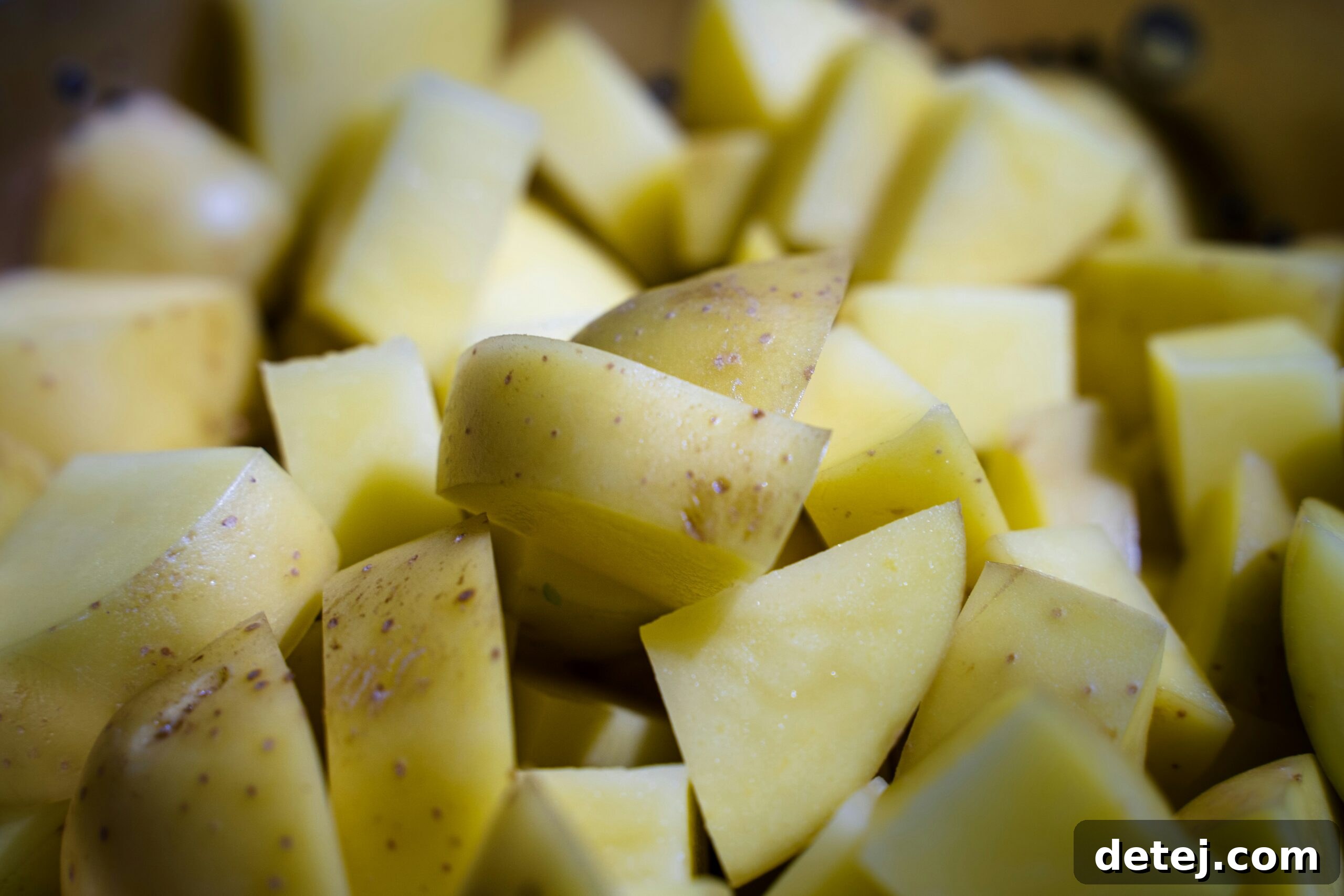
Unveiling the Truth: Are Oxidized Potatoes Safe to Eat? Your Definitive Guide
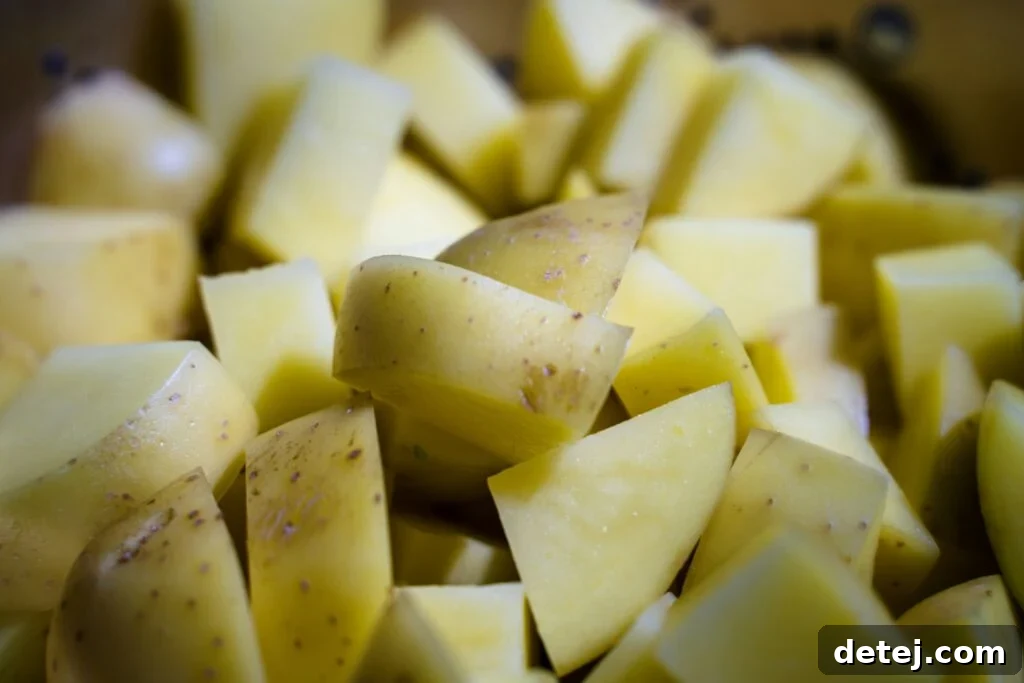
Introduction: The Common Potato Oxidation Dilemma
Few kitchen sights are as universally perplexing as slicing into a fresh, vibrant potato only to return a short while later and find it transformed. Those pristine white interiors have given way to unsettling dark spots or a pervasive brownish tint, leaving many home cooks wondering if their beloved spuds have somehow spoiled. This common culinary conundrum is, in fact, a natural chemical reaction known as oxidation. It involves specific enzymes, most notably polyphenol oxidase, reacting with oxygen when the potato’s internal tissues are exposed to air. While primarily an aesthetic change, this process often sparks questions about the safety and nutritional value of eating oxidized potatoes. This comprehensive guide will delve into the science behind potato browning, address safety concerns, offer practical prevention tips, and even explore how some cultures embrace this natural phenomenon in their cuisine, helping you demystify those brown spots on your potatoes.
Key Takeaways:
- Oxidation Process: The discoloration in potatoes, appearing as dark spots or a brownish tint, is a natural enzymatic reaction, not necessarily a sign of spoilage.
- Safety Reassurance: Oxidized potatoes are generally safe to consume, as the color change is superficial and does not indicate harmful pathogens or a significant loss of nutritional value.
- Chemical Basis: The browning is caused by enzymes like polyphenol oxidase reacting with phenolic compounds in the potato when exposed to oxygen.
- Prevention Strategies: Simple methods like submerging cut potatoes in water or using acidic solutions can effectively slow down or prevent oxidation.
- Culinary Adaptations: In some culinary traditions, slightly oxidized potatoes are intentionally used, adding unique flavors and textures to dishes.
Understanding the Science Behind Potato Oxidation
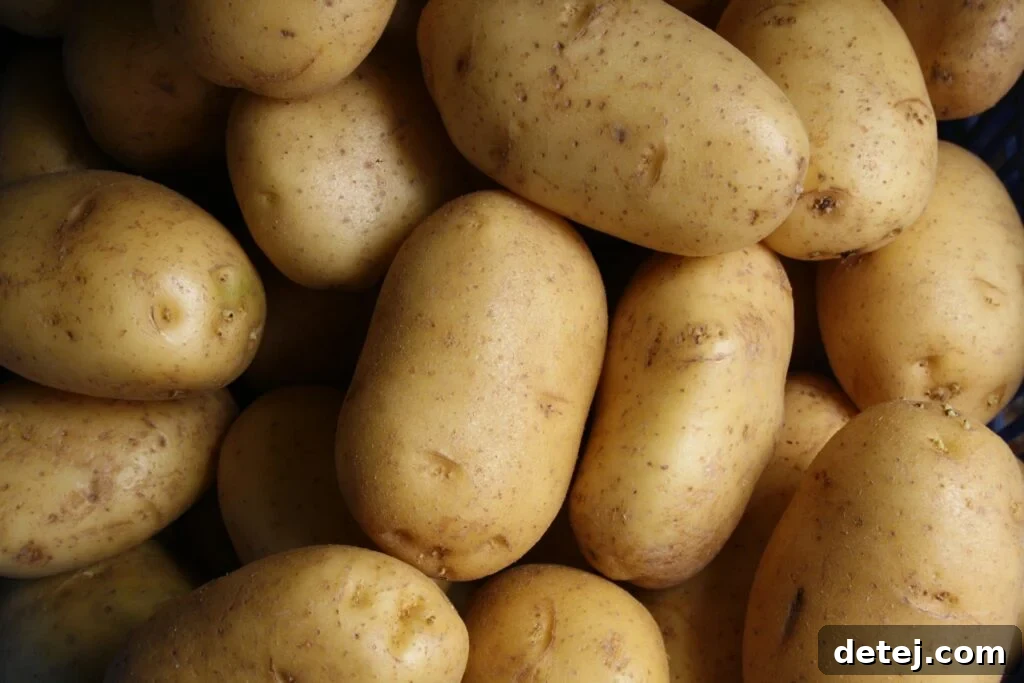
The transformation of a freshly cut potato to a less appealing brownish hue is a classic example of enzymatic browning. This process is initiated the moment the potato’s internal cells are damaged, typically through cutting, peeling, or bruising. Within the potato’s cells are specialized enzymes called polyphenol oxidase (PPO) and naturally occurring chemical compounds known as phenolic substrates. When the potato’s tissue is intact, these enzymes and substrates are kept separate. However, upon exposure to oxygen from the air, such as when you’re preparing potatoes for a meal, the cell walls break down, allowing PPO to come into contact with the phenolic compounds.
This interaction triggers a cascade of reactions where PPO catalyzes the oxidation of phenolic compounds into quinones. These quinones then quickly react with each other, or with amino acids and proteins, to form complex brown pigments called melanins. Melanins are the same compounds responsible for skin and hair color in humans, and they are also what gives many fruits, like apples and bananas, their characteristic brown discoloration after being cut. This enzymatic browning is a protective mechanism for the plant, often acting as a barrier against pests and pathogens. Different potato varieties, from robust Idaho russets grown in nutrient-rich volcanic soil to delicate new potatoes, contain varying levels of these enzymes and phenolic compounds, leading to differences in how quickly and intensely they oxidize. Therefore, the appearance of these dark spots or a grayish tint is not an indication of spoilage but rather a testament to the potato’s natural biological processes, a fact often highlighted by agricultural experts like the Idaho Potato Commission.
Are Brown Spots on Potatoes a Cause for Health Concern?
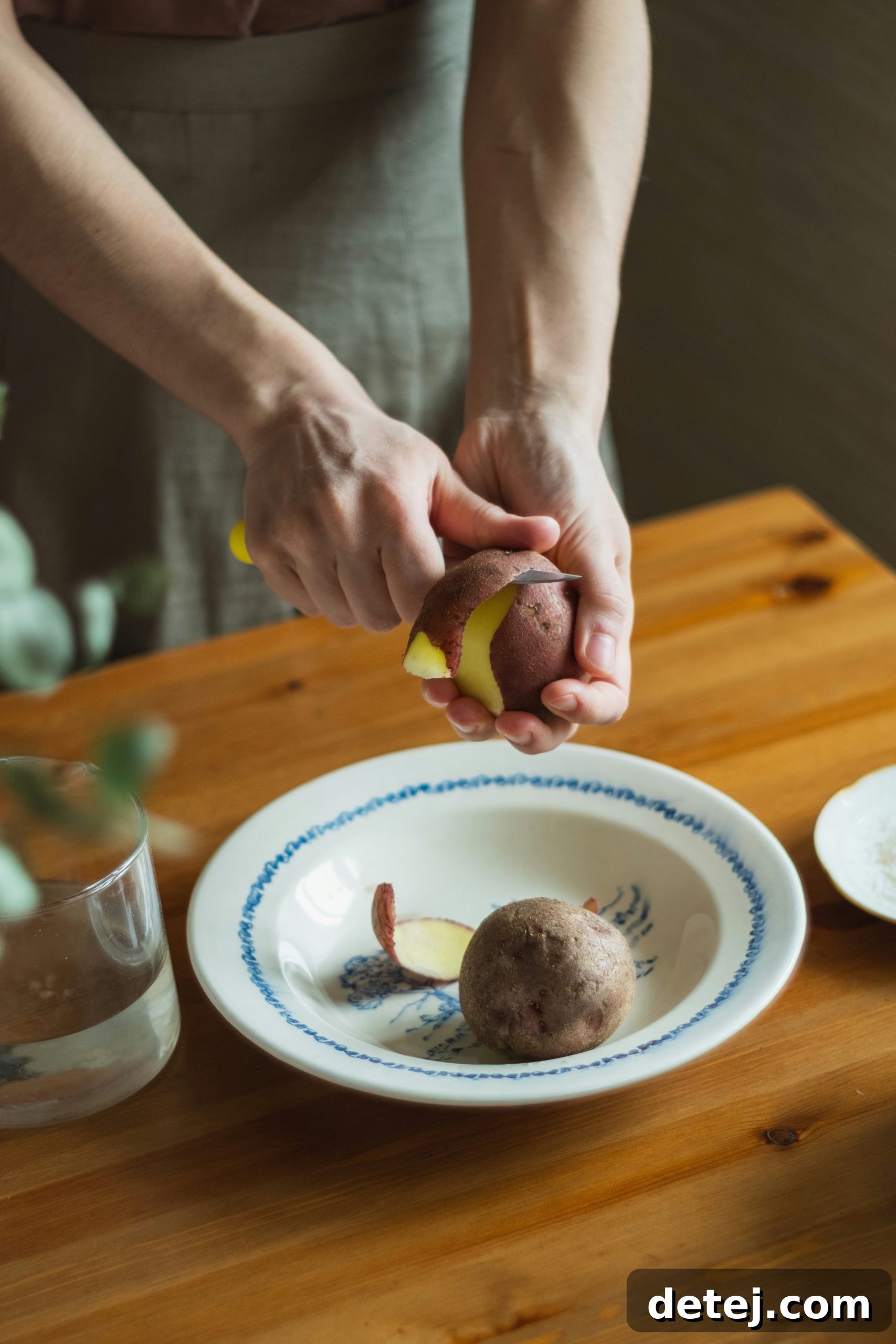
When our culinary creations take on an unexpected brownish tint, it’s only natural for questions about food safety to arise. Many home cooks, upon seeing those distinctive dark spots or a general discoloration on their beloved potatoes, might instinctively assume the potatoes have gone bad. However, it’s crucial to understand that the oxidation process leading to these changes is fundamentally different from spoilage caused by bacteria or mold. As discussed, potato oxidation is a superficial enzymatic reaction, primarily affecting the color and, sometimes, slightly altering the texture on the immediate surface. It does not introduce harmful bacteria, toxins, or pathogens that could lead to foodborne illness.
Extensive research and culinary wisdom confirm that eating oxidized potatoes poses no significant health risks. The discoloration is a cosmetic issue, not a sign of a compromised food item. Unlike spoiled food, which often presents with off-odors, slimy textures, or visible mold growth, oxidized potatoes typically maintain their firm texture and natural earthy scent. While the aesthetic might be less appealing, the nutritional value of an oxidized potato remains largely intact. There is no significant loss of vitamins, minerals, or carbohydrates. So, rest assured, those brown-tinged potatoes are perfectly safe for your dinner table; there’s no need for an emergency room dash or a trip to the compost bin unless other, clear signs of spoilage are present.
Prevention is Better Than Cure: Keeping Potatoes Fresh
While oxidized potatoes are perfectly safe to eat, their discolored appearance can be unappetizing. Fortunately, there are several simple yet effective strategies to prevent or significantly slow down the enzymatic browning process, ensuring your potatoes remain visually appealing for longer. These methods primarily focus on limiting the potato’s exposure to oxygen or inhibiting the activity of the polyphenol oxidase enzyme:
- Submerge in Water: The simplest and most common method is to place cut potatoes in a bowl of cold water immediately after slicing. This creates a physical barrier, preventing oxygen from reaching the potato’s surface and initiating the browning reaction. You can keep potatoes submerged in water for several hours, or even overnight, in the refrigerator without significant quality loss. However, avoid soaking for excessively long periods (over 24 hours), as this can leach out water-soluble vitamins and affect texture.
- Acidic Solutions: Adding a small amount of an acidic agent, such as lemon juice, white vinegar, or even ascorbic acid (Vitamin C powder), to the soaking water significantly enhances its anti-browning effect. Acids work by lowering the pH level on the potato’s surface, which inhibits the activity of the PPO enzyme. A tablespoon of lemon juice or vinegar per quart of water is usually sufficient. This method not only prevents browning but can also subtly enhance the potato’s flavor.
- Blanching: For longer-term prevention, especially if you plan to freeze potatoes, blanching is an excellent option. Blanching involves briefly boiling the cut potatoes for a few minutes, then quickly cooling them in ice water. The heat denatures (deactivates) the PPO enzymes, permanently stopping the browning process.
- Vacuum Sealing: If you have a vacuum sealer, this can be an effective way to remove oxygen from around cut potatoes, thereby preventing oxidation. This method is particularly useful for meal prepping or longer storage in the refrigerator.
- Proper Storage of Whole Potatoes: While not directly preventing browning of cut potatoes, proper storage of whole potatoes minimizes premature spoilage and ensures you start with the freshest possible ingredients. Store whole potatoes in a cool, dark, and dry place (ideally between 45-50°F or 7-10°C) with good ventilation. Avoid refrigerating whole potatoes, as the cold temperature can convert starches into sugars, affecting their taste and texture.
By incorporating these tips into your food preparation routine, you can keep your precious potatoes looking pristine, ready for any culinary adventure from fluffy mashed potatoes to crispy roasted wedges.
Culinary Creations: Embracing Oxidation in the Kitchen
While much effort is often directed towards preventing potato oxidation, it’s fascinating to discover that some culinary traditions actually embrace or even intentionally utilize this natural color change. Instead of viewing brown spots as a culinary mishap, these practices transform them into a unique characteristic that adds depth to dishes. Take, for instance, certain types of dumplings, particularly in Eastern European cuisine, often referred to as ‘gray dumplings’ or ‘potato dumplings.’ These recipes sometimes call for grated raw potatoes to be left exposed to air for a short period, allowing a slight oxidation to occur. This subtle browning contributes to a distinctive grayish hue and can subtly influence the texture and flavor profile of the final dish, creating a more earthy or rustic quality that is highly prized.
This approach invites us to reconsider our perception of food aesthetics. Oxidation doesn’t always have to be the enemy; it can be an unexpected ally in creating unique culinary experiences. It encourages home cooks to be more experimental and less rigid about the visual perfection of ingredients. The slight browning on chopped potatoes might not be ideal for a pristine potato salad, but it could be perfectly acceptable, or even desirable, for a hearty stew, a rustic gratin, or a flavorful hash where the overall composition and taste take precedence. Next time you notice your potato pieces developing a brownish tint, instead of discarding them, consider if this natural transformation could add an interesting dimension to your dish. It’s an invitation to explore and innovate, recognizing that sometimes, the most authentic flavors come from embracing natural processes rather than fighting against them. A bowl of slightly oxidized potatoes might just become the secret ingredient for your next culinary triumph, proving that there’s a unique charm in every spud, regardless of its shade.
A Silver Lining in Every Spud: Nutritional Value and Peace of Mind
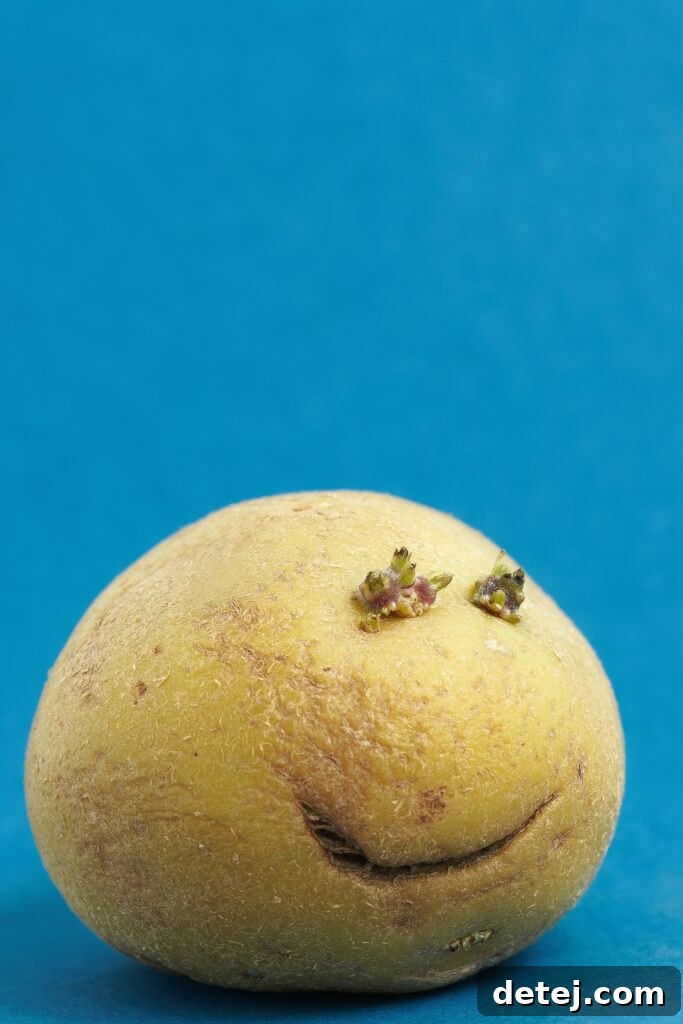
After all the discussion about the science of enzymatic browning and various prevention methods, the most significant takeaway remains the reassurance about the safety and sustained quality of oxidized potatoes. It’s entirely understandable for a noticeable change in color to cause hesitation, especially in a kitchen where freshness and appeal are highly valued. Many of us have meticulously inspected every slice, wondering if that slight brown tinge would affect the much-anticipated creamy hash browns or the next-day brunch.
However, armed with insights from reputable sources like the University of Idaho and the Idaho Potato Commission, we can confidently affirm that the aesthetic shift from creamy white to a brownish hue does not diminish the potato’s fundamental goodness. While the appearance might undergo a cosmetic alteration due to the natural enzymatic reaction, the core essence – its flavor, texture after cooking, and, crucially, its nutritional value – remains largely unaltered. Potatoes are a fantastic source of Vitamin C, B6, potassium, and dietary fiber, and this nutritional profile is not significantly compromised by superficial oxidation. So, whether you are diligently submerging freshly cut potatoes in a bowl of cold water to preserve their pristine look, or contemplating the perfect sprinkle of citric acid for your potato salad, remember this: a little discoloration from enzymatic browning does not subtract from the deliciousness, versatility, or health benefits these humble root vegetables bring to our plates. Embrace the knowledge that your potatoes, even with a few brown spots, are still precious and ready to be transformed into wonderful meals.
Bringing It All Together: Embracing the Natural Potato
In conclusion, the journey through the world of oxidized potatoes reveals a comforting truth: those brown spots are not a culinary crisis but rather a natural, harmless phenomenon. From understanding the intricate dance between polyphenol oxidase and oxygen to mastering simple prevention techniques like a quick water bath with a dash of lemon juice, we can confidently navigate the challenges of potato browning. More than just managing appearances, this exploration encourages us to appreciate the inherent nature of our food. Embracing the slight discoloration, and perhaps even experimenting with it in dishes like “gray dumplings” that celebrate the potato’s natural reactions, adds a layer of authenticity and creativity to our cooking.
Let’s not allow a mere color change to cloud our judgment or diminish our love for one of the most versatile and nourishing vegetables available. Every kind of potato, whether peeled or unpeeled, white or sweet, offers a wealth of culinary possibilities and nutritional benefits. The presence of a little ascorbic acid or a slightly brownish tint on its surface is simply a testament to its natural composition and interaction with its environment. Indeed, in every spud, there’s a silver lining – a promise of comfort, incredible taste, and countless satisfying meals. So, next time you encounter an oxidized potato, approach it with confidence and creativity. After all, a little oxidation is merely a conversation starter among friends in the kitchen, not a reason to bid farewell to our cherished root vegetables.