
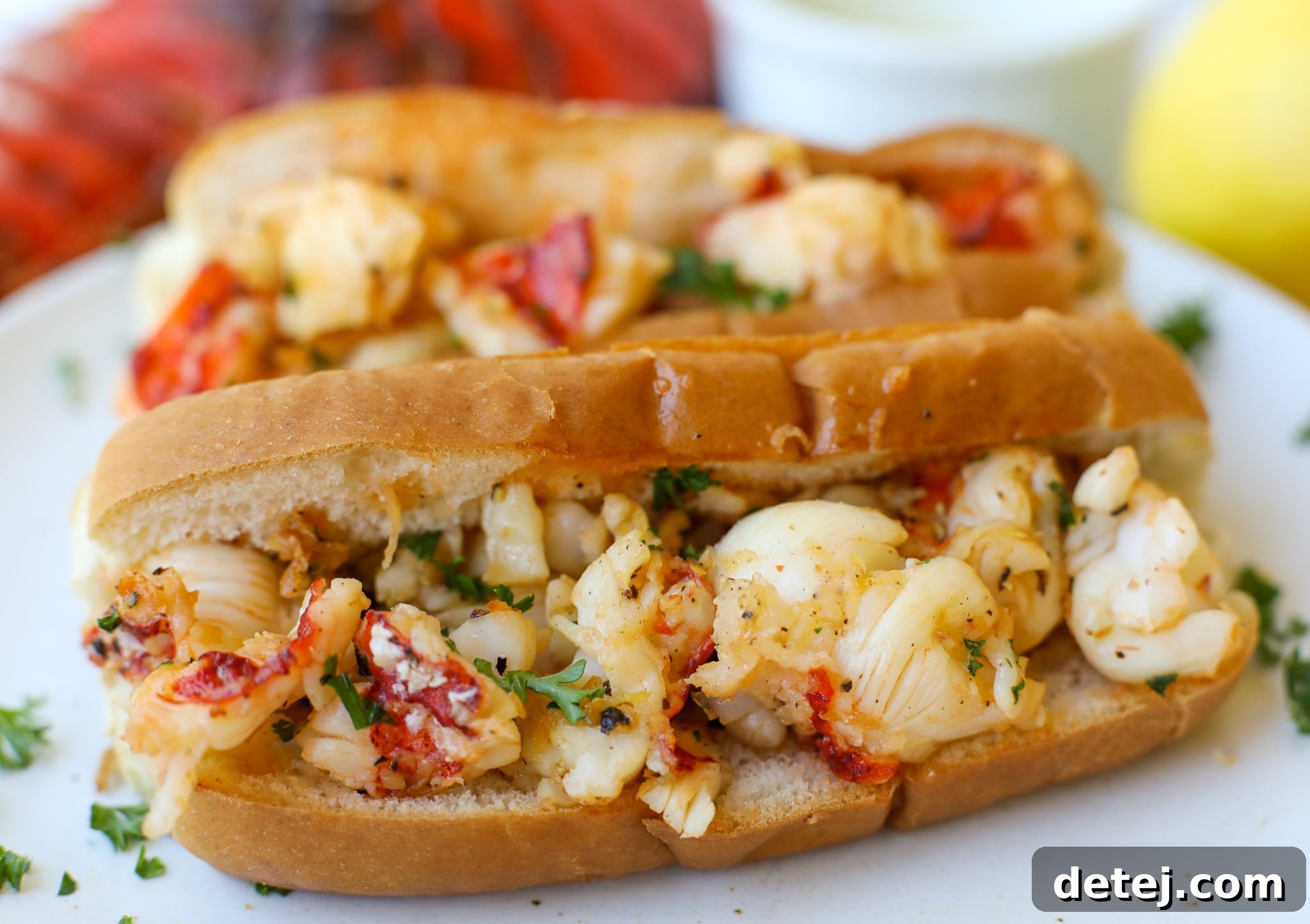
Welcome to the ultimate guide for crafting the Best Lobster Roll Recipe right in your own kitchen! This iconic New England delicacy is more than just a meal; it’s a culinary experience that perfectly encapsulates the essence of summer. Imagine succulent lobster meat, bathed in rich garlic butter, nestled in a perfectly toasted, buttery hotdog bun. It’s a dish that evokes seaside charm and gourmet pleasure, yet is surprisingly simple to master in under 30 minutes, making it ideal for everything from casual weeknight dinners to impressive cookouts and special gatherings.
For me, the arrival of summer signals the much-anticipated return of lobster rolls. My friends and family eagerly request them for any get-together, and I’m always delighted to oblige. The beauty of this recipe lies in its deceptive simplicity. While the results are undoubtedly impressive and elegant, the actual preparation is incredibly quick and straightforward. With just a few fresh ingredients and a minimal time commitment, you can bring the authentic flavors of the East Coast directly to your table.
Pairing these divine lobster rolls with complementary sides elevates the meal to an unforgettable summer feast. Imagine serving them alongside a creamy, tangy Easy Potato Salad, a comforting yet fresh Summer Vegetable Macaroni and Cheese, or perhaps a crisp coleslaw. These combinations create a harmonious balance of flavors and textures, ensuring a truly perfect warm-weather dining experience that will have everyone coming back for more.
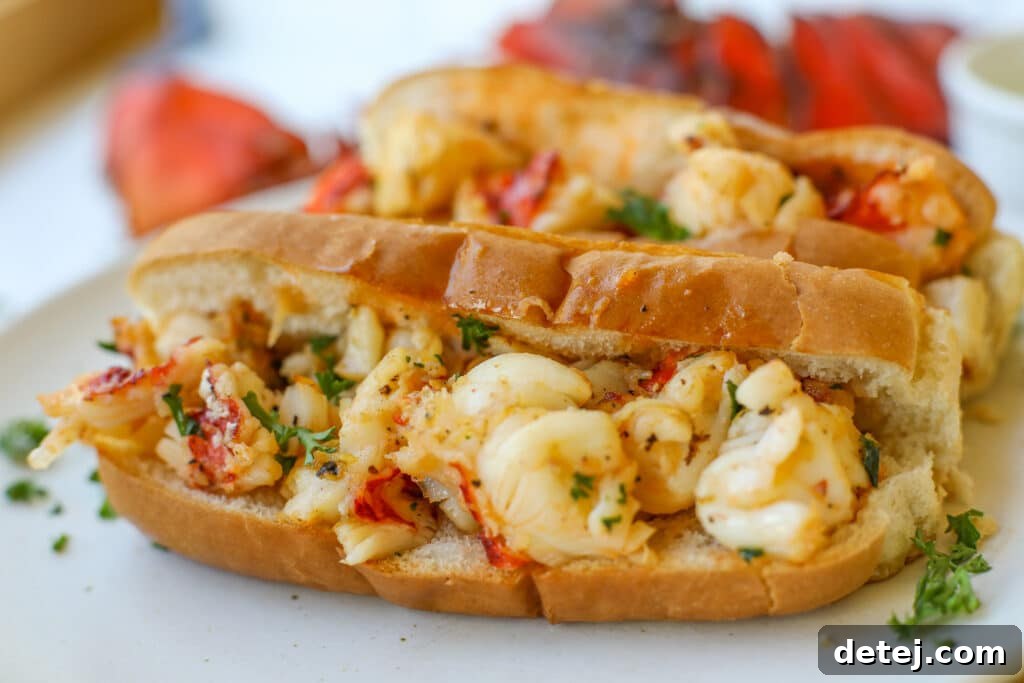
What Defines a Lobster Roll?
At its core, a lobster roll is a quintessential New England seafood sandwich, celebrated for its luxurious simplicity. It typically features succulent pieces of lobster meat, either hot or cold, nestled within a grilled or toasted bun, often a split-top hotdog bun. The magic, however, lies in its regional variations and the preparation of the lobster itself.
Historically, lobster rolls emerged as a way for coastal communities to enjoy their abundant local catches. While the concept is simple, the quality of the lobster is paramount. Freshly cooked lobster, tender and sweet, is the star. Depending on where you are in New England, you’ll encounter two primary styles that dictate the flavor profile and serving temperature:
- Cold Lobster Rolls: These are most famously associated with Maine. The lobster meat is lightly dressed with a mayonnaise-based mixture, which often includes finely chopped celery, chives, or a hint of tarragon for freshness and texture. The mixture is then gently folded and served chilled in a toasted bun, allowing the creamy dressing to complement the sweet lobster without overpowering it.
- Hot Lobster Rolls: Predominantly found in Connecticut, this style skips the mayonnaise entirely. Instead, the lobster meat is warmed through and coated in melted butter, sometimes infused with garlic or lemon. Served warm, this approach allows the rich, buttery flavor to melt into the lobster, creating a comforting and incredibly flavorful sandwich.
Each style offers a unique culinary experience, beloved by purists and casual diners alike. For many, the choice between hot and cold is a matter of deeply personal preference, often rooted in tradition or a beloved first encounter with the dish. The beauty of making them at home is the freedom to explore both, or, as we will in this recipe, perfect one to your exact liking.
Maine vs. Connecticut Lobster Rolls: A Classic Dilemma
The debate between Maine and Connecticut-style lobster rolls is a passionate one, central to New England’s culinary identity. Both are delicious, but they offer distinctly different experiences. Understanding these differences is key to appreciating the nuanced world of lobster rolls and deciding which style best suits your palate.
Maine Lobster Rolls are characterized by their cool, refreshing nature. The lobster meat, often chilled, is tossed in a delicate mayonnaise dressing. This dressing is typically minimalistic, designed to enhance the lobster’s natural sweetness rather than mask it. Common additions include a touch of mayonnaise, sometimes mixed with finely diced celery for a subtle crunch, and a sprinkle of fresh herbs like tarragon or chives, which add a bright, aromatic note. The cold preparation allows the flavors of the sea to shine through, offering a lighter, more salad-like experience. It’s often served in a lightly toasted, buttered bun, providing a pleasant contrast in temperature and texture.
In contrast, Connecticut Lobster Rolls embrace warmth and richness. Here, mayonnaise is conspicuously absent. Instead, freshly cooked lobster meat is gently warmed and bathed in copious amounts of melted butter. This butter is often infused with savory elements like garlic, lemon zest, or a hint of cayenne pepper, which beautifully complement the lobster’s sweetness. The warm, butter-drenched lobster is then loaded into a perfectly toasted bun, creating a comforting and indulgent sandwich. The butter acts as a rich, savory blanket, enhancing the lobster’s inherent flavors and contributing to a luxurious mouthfeel.
Both versions hold a special place in the hearts of seafood lovers. The Maine style offers a fresh, vibrant, and tangy profile, ideal for hot summer days. The Connecticut style, with its warm, buttery embrace, provides a comforting and intensely savory experience. While both are undeniably delicious, for this recipe, we’re leaning into the Connecticut tradition. My personal preference for the warm, garlic-infused butter truly highlights the lobster’s tender texture and sweet flavor, creating an unparalleled taste sensation that I find utterly irresistible.
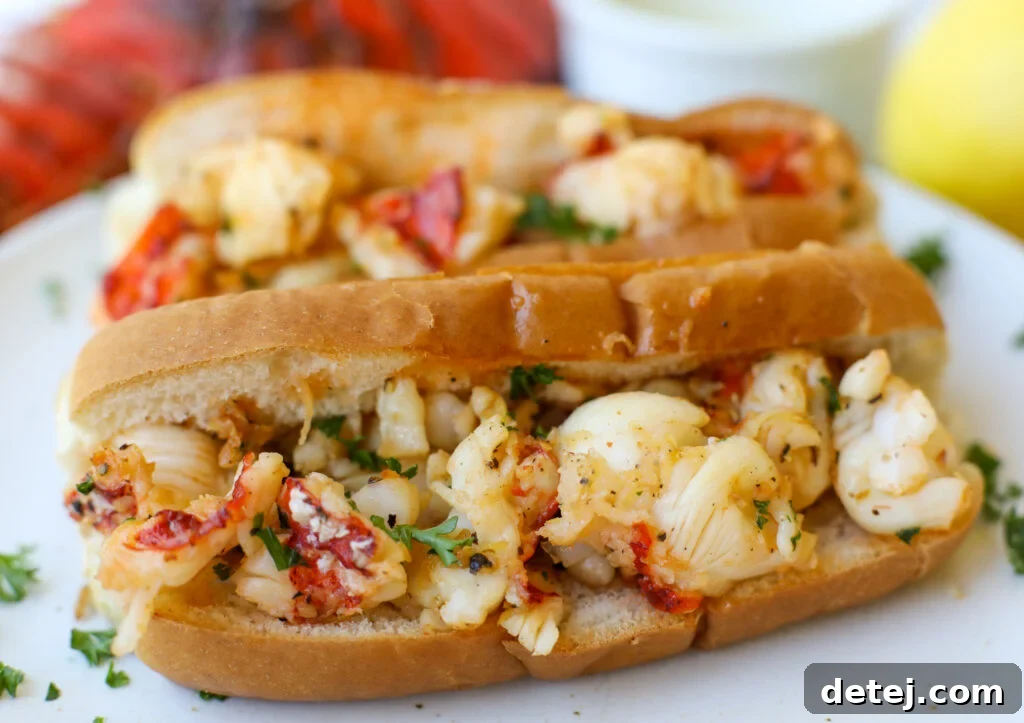
Essential Ingredients for the Perfect Lobster Roll
Creating the ultimate lobster roll hinges on a few high-quality, carefully chosen ingredients. Each component plays a crucial role in building the layered flavors and textures that make this dish so beloved. Here’s a detailed look at what you’ll need and why each element matters:
- Fresh Lobster Meat: This is, without a doubt, the star of the show. For this recipe, you’ll need approximately 12 ounces of fresh lobster meat, which typically comes from two 6-ounce lobster tails. While whole lobsters offer a mix of claw, knuckle, and tail meat, tails are often preferred for rolls due to their firm, sweet flesh and ease of preparation. Opt for live lobsters if possible for the freshest taste, or pre-cooked, flash-frozen tails from a reputable supplier. The fresher the lobster, the sweeter and more tender your rolls will be.
- Unsalted Butter (or Clarified Butter): Butter is the lifeblood of a Connecticut-style lobster roll. I highly recommend using unsalted butter to control the overall seasoning of the dish. Even better, consider using clarified butter (also known as drawn butter). Clarified butter has its milk solids removed, which means it has a higher smoke point. This allows you to cook the lobster gently in the butter without the risk of the milk solids burning and imparting a bitter taste. It also provides a pure, rich buttery flavor that truly elevates the lobster.
- Fresh Garlic: Minced fresh garlic cloves are essential for infusing the butter with a subtle, aromatic sweetness and a delicate pungent flavor. Avoid garlic powder; fresh garlic provides a depth and complexity that cannot be replicated. Aim for a fine mince to distribute the flavor evenly without overwhelming the delicate lobster.
- Lemon (Juice and Zest): Lemon is a crucial counterpart to the rich butter and sweet lobster. We use both the zest and freshly squeezed juice to deliver a bright, refreshing, and tangy citrus note. The zest, added to the butter, releases aromatic oils, while the juice, added at the end, provides a fresh burst of acidity that cuts through the richness and brightens all the flavors.
- Italian Parsley: Used primarily as a garnish, fresh Italian parsley adds a vibrant touch of herbaceousness and a pop of color. Its clean, slightly peppery flavor complements seafood beautifully. If Italian parsley isn’t available or if you prefer a different profile, fresh cilantro can also work, offering a bolder, more distinctive aromatic twist.
- Kosher Salt: A fundamental seasoning, kosher salt enhances the natural flavors of the lobster and balances the richness of the butter and acidity of the lemon. Always adjust to taste, adding a pinch at a time to ensure you don’t over-season the delicate lobster meat.
- Split-Top Hotdog Buns: The choice of bun is surprisingly critical. Split-top hotdog buns, often called “New England style” buns, are traditionally used for lobster rolls. Their flat sides make them ideal for toasting in butter, creating a golden, crispy exterior that holds its shape and prevents the filling from spilling. If you can’t find split-top buns, regular hotdog buns can be used, but you’ll need to carefully slice them lengthwise down the middle.
With these high-quality ingredients at hand, you’re well on your way to creating lobster rolls that taste like they came straight from the shores of Connecticut.
Step-by-Step Guide to Crafting the Best Lobster Roll Recipe
Making the perfect lobster roll is a delightful culinary journey, combining simple steps with incredible flavors. Follow these detailed instructions to create a masterpiece that will impress every time:
- Prepare the Lobster Tails: Begin by bringing a large pot of lightly salted water to a rolling boil on your stovetop. Carefully add the lobster tails to the boiling water. Cook them for approximately 8-10 minutes, or until their shells turn a vibrant, bright red color. The cooking time may vary slightly depending on the size of your tails, so keep a close eye on them. Once cooked, use tongs to remove the tails from the water and transfer them to a bowl or cutting board. To speed up the cooling process, you can run them under cold water for a minute or two. This also helps stop the cooking and makes handling easier.
- Extract and Prepare the Meat: Once the lobster tails are cool enough to handle, gently crack the shells along the underside or use kitchen shears to cut through them. Carefully remove all the meat from the shells, being mindful to extract every succulent piece. Place the retrieved meat on a clean cutting board and slice it into bite-sized chunks, typically about ½ to ¾ inch pieces. This ensures an even distribution of lobster in each bite and makes the rolls easier to eat.
- Infuse the Garlic Butter: In a sauté pan, melt 2-3 tablespoons of unsalted butter (or clarified butter, if using) over medium-low heat. Add the minced garlic and lemon zest to the melting butter. Sauté gently for 2-3 minutes, allowing the garlic to become fragrant and the lemon zest to release its aromatic oils into the butter. Be very careful not to let the butter brown or the garlic burn, as this can impart a bitter flavor. The goal is to infuse the butter with these delicious aromatics.
- Toss and Warm the Lobster: Add the prepared bite-sized lobster meat, along with 1 tablespoon of freshly squeezed lemon juice and a generous pinch of kosher salt, to the sauté pan with the garlic butter. Toss everything together gently until the lobster meat is thoroughly coated in the fragrant butter mixture. Continue to cook for another 3-4 minutes over medium-low heat, stirring occasionally. This step warms the lobster through and, if desired, can create a slightly crispy exterior on some of the pieces, adding a delightful texture. Once warmed and coated, turn off the heat and set the pan aside while you prepare the buns.
- Toast the Buns to Perfection: Butter the exterior flat sides of your split-top hotdog buns generously. Place the buttered buns onto a separate, clean pan or griddle over medium heat. Toast them until they are golden brown and lightly crispy, about 1-2 minutes per side. This creates a sturdy, flavorful base for your lobster filling and adds an essential textural element to the roll. Keep a close watch to prevent burning.
- Assemble and Serve: Once the buns are perfectly toasted, spoon the warm, buttery lobster mixture generously into each split-top bun. Aim for about 6 ounces of lobster meat per bun for a satisfying serving. Garnish with a sprinkle of fresh Italian parsley or cilantro for an added burst of color and herbaceous flavor. Serve your homemade lobster rolls immediately while they are still warm, perhaps with an extra lemon wedge on the side for squeezing. Enjoy this ultimate taste of summer!
Tips for Success: Mastering Your Lobster Rolls
Achieving lobster roll perfection is within reach with a few expert tips. These insights will help you navigate common challenges and elevate your homemade creation to gourmet status.
- Choosing the Best Lobster: The quality of your lobster is paramount. For the sweetest, most tender meat, aim for live lobsters if you have access and are comfortable cooking them. If not, high-quality frozen lobster tails are a fantastic alternative. Look for tails that are firm, bright, and come from a reputable seafood provider. Freshness makes all the difference!
- Don’t Overcook the Lobster: Lobster meat cooks quickly and can become rubbery if overdone. As soon as the shells turn bright red and the meat is opaque, it’s ready. The 8-10 minute boiling time is a general guideline; smaller tails might cook faster, larger ones might take a little longer. Pay attention to the color change and firmness of the meat.
- Perfecting the Garlic Butter: The key to a great Connecticut-style roll is the infused butter. Keep the heat on medium-low when sautéing the garlic and lemon zest to avoid burning. You want to gently infuse the butter, not fry the aromatics. Clarified butter is excellent here as it reduces the risk of burning milk solids.
- Toasting the Buns: Don’t skip buttering and toasting the buns! This step is crucial for both flavor and structure. A perfectly golden-brown, crispy bun provides a wonderful contrast to the tender lobster and prevents the bun from becoming soggy. Split-top buns are traditional because their flat sides toast beautifully.
- Seasoning is Key: While lobster is naturally sweet, a pinch of kosher salt enhances its flavor. Taste your lobster-butter mixture before filling the buns and adjust seasoning as needed. A final squeeze of fresh lemon juice just before serving brightens everything.
- Serve Immediately: Lobster rolls are best enjoyed fresh and warm. While you can prepare the lobster meat ahead of time, assembling the sandwiches right before serving ensures the buns are perfectly toasted and the lobster is at its optimal temperature and texture.
- Experiment with Herbs: While Italian parsley is classic, consider other fresh herbs like chives for a mild oniony flavor or a very small amount of fresh tarragon for an anise-like note, especially if you want to subtly bridge the gap between Maine and Connecticut styles.
By keeping these tips in mind, you’ll be well on your way to making lobster rolls that are consistently delicious and truly unforgettable.
Frequently Asked Questions About Lobster Rolls
Here are some common questions to help you perfect your lobster roll experience:
Why use unsalted butter or clarified butter?
Using unsalted butter gives you complete control over the salt content in your dish. Lobster is naturally briny, so adding salted butter could lead to an overly salty roll. Clarified butter, or “drawn butter,” is even better. It’s butter that has had its milk solids and water removed, leaving behind pure butterfat. This means clarified butter has a higher smoke point, preventing the milk solids from burning at higher temperatures, which can impart a bitter flavor. It ensures a cleaner, richer, and more authentic buttery taste that truly lets the lobster shine.
How should I serve these delicious lobster rolls?
Lobster rolls are incredibly versatile and pair wonderfully with a variety of sides, especially those that complement a summer meal. Classic companions include crispy potato chips or golden fries. For a lighter touch, consider a fresh sautéed spring vegetable salad, a refreshing grilled zucchini ribbon salad, or a vibrant coleslaw. Heartier options like baked beans or corn on the cob also make excellent pairings. The key is to choose sides that enhance, rather than compete with, the delicate flavor of the lobster.
Can I use pre-cooked lobster meat for this recipe?
Absolutely! While freshly cooked lobster often offers the best texture and flavor, using good quality pre-cooked lobster meat is a convenient shortcut that works very well. If using pre-cooked meat, simply add it to the sauté pan with the garlic butter and allow it to warm through for just a few minutes, tossing gently to coat. The crucial thing is to be careful not to overcook it, as pre-cooked lobster can become rubbery quickly when reheated. Keep the heat low and warm it just until it’s heated through.
Can I make this lobster roll recipe ahead of time?
While the assembled sandwiches are best enjoyed immediately due to the toasted bun and warm lobster, the lobster meat mixture can be prepared ahead of time. Once cooked and tossed in the butter, store any leftover lobster meat in an airtight container in the refrigerator for 3-4 days. This makes meal prep easier for a future gathering. When you’re ready to serve, simply reheat the lobster meat gently in a skillet with a touch of fresh butter until warmed through. Then, toast your buns fresh and assemble for the best experience.
Where can I source high-quality lobster?
The best sources for fresh lobster are local fish markets, especially if you live near the coast. Many reputable online seafood purveyors also offer fresh or flash-frozen lobster tails and meat that can be delivered directly to your door. Look for sustainable sourcing practices and positive customer reviews. Freshness is key for the best taste!
What kind of buns are best for lobster rolls?
The traditional choice is a New England-style split-top hotdog bun. These buns have flat sides, which are perfect for buttering and toasting in a pan or on a griddle until golden brown and crispy. This creates a sturdy base that holds the generous filling without falling apart and adds a delicious buttery crunch. If you can’t find split-top buns, you can carefully slice regular hotdog buns lengthwise along the top, almost but not quite all the way through, to create a similar effect.
How to Store and Reheat Lobster Rolls
While lobster rolls are undeniably at their peak when served fresh and warm, you might find yourself with delicious leftovers. Proper storage and reheating are key to enjoying them again without sacrificing quality.
Storing Leftovers:
It is generally not recommended to store assembled lobster rolls. The toasted bun will lose its crispness and can become soggy, and the lobster meat’s texture is best fresh. Instead, store any leftover lobster meat separately from the buns. Place the butter-coated lobster meat in an airtight container and refrigerate it promptly. It will keep well for three to four days.
Creative Uses for Leftover Lobster Meat:
Don’t let any precious lobster go to waste! Leftover lobster meat can be repurposed into a variety of delicious dishes:
- Salads: Toss it with fresh greens, a light vinaigrette, and other vegetables for a gourmet salad.
- Sandwiches or Wraps: Use it as a filling for other sandwiches or wraps, perhaps with a touch of avocado or crisp lettuce.
- Pasta Dishes: Stir it into a creamy pasta sauce or a light lemon-garlic pasta for an elegant meal.
- Tacos or Quesadillas: Add a luxurious touch to your next taco night or quesadilla with chunks of warmed lobster.
Reheating Leftover Lobster Meat:
To reheat, the best method is to gently warm the lobster meat in a skillet over low heat with a touch of fresh butter. This helps it retain moisture and flavor. Stir frequently until it is just warmed through. Avoid microwaving at all costs! Microwaves tend to cook unevenly and can quickly turn delicate lobster meat into a rubbery, unpleasant texture. Patience and low heat are your allies here.
Should you be craving more delicious sandwich ideas after mastering your lobster rolls, consider trying my Spicy Italian Sandwich for another flavorful creation.

The Best Lobster Roll Recipe
Pin Recipe
Average Rating: 5 from 1 vote
Leave a Review »
Equipment
- 1 large pasta pot to cook lobsters
- 1 sauté pan
Ingredients
- 12 ounces lobster meat (from two 6-ounce tails)
- 2-3 tablespoons unsalted butter (option to use clarified butter)
- 2 teaspoons garlic, minced (about 2 cloves)
- 2 teaspoons lemon zest
- 1 tablespoon fresh squeezed lemon juice
- 1 tablespoon chopped fresh Italian parsley (or cilantro)
- Kosher salt, to taste
- 2 split-top hotdog buns, buttered and toasted in a pan
Instructions
- Boil water and add the lobster tails. Cook until the tails are bright red in color, about 8-10 minutes depending on size. Remove the tails from the water using tongs and let the lobster cool. You can even run it under cold water to help it cool off more quickly. Gently crack the shells and remove the meat, then cut the meat into bite-sized pieces.
- In a sauté pan, add the butter, minced garlic, and lemon zest. Sauté over medium-low heat for a few minutes. You do not want the butter to brown, so keep a close watch.
- Next, add the cubed and cooked lobster meat, fresh lemon juice, and a pinch of kosher salt. Toss everything together until the lobster is coated in the butter, lemon zest & juice, garlic, and salt. I like my lobster meat to be a little crispy on the outside, so I let it sauté in the pan for a few minutes. Since the meat is already cooked, this will come together very quickly. Turn off the heat and set aside.
- Butter the sides of your split-top hotdog buns and let them brown in a pan until toasted. Once toasted on the outside, load in the warm lobster meat. Serve with a slice of fresh lemon and enjoy! You can also add some fresh chopped parsley or fresh chopped cilantro for some extra flavor!
Notes
I don’t recommend storing the assembled sandwiches, but the lobster meat will keep well. Store any leftovers in an airtight container in the refrigerator for 3-4 days. Add the leftover meat to salads, sandwiches, or wraps.
Reheat in a skillet with a touch of butter just until warmed through. Microwaving can cause the lobster to become rubbery!