
Mastering Steak Doneness: A Comprehensive Guide to Perfect Cooking Levels
Introduction to Steak Doneness
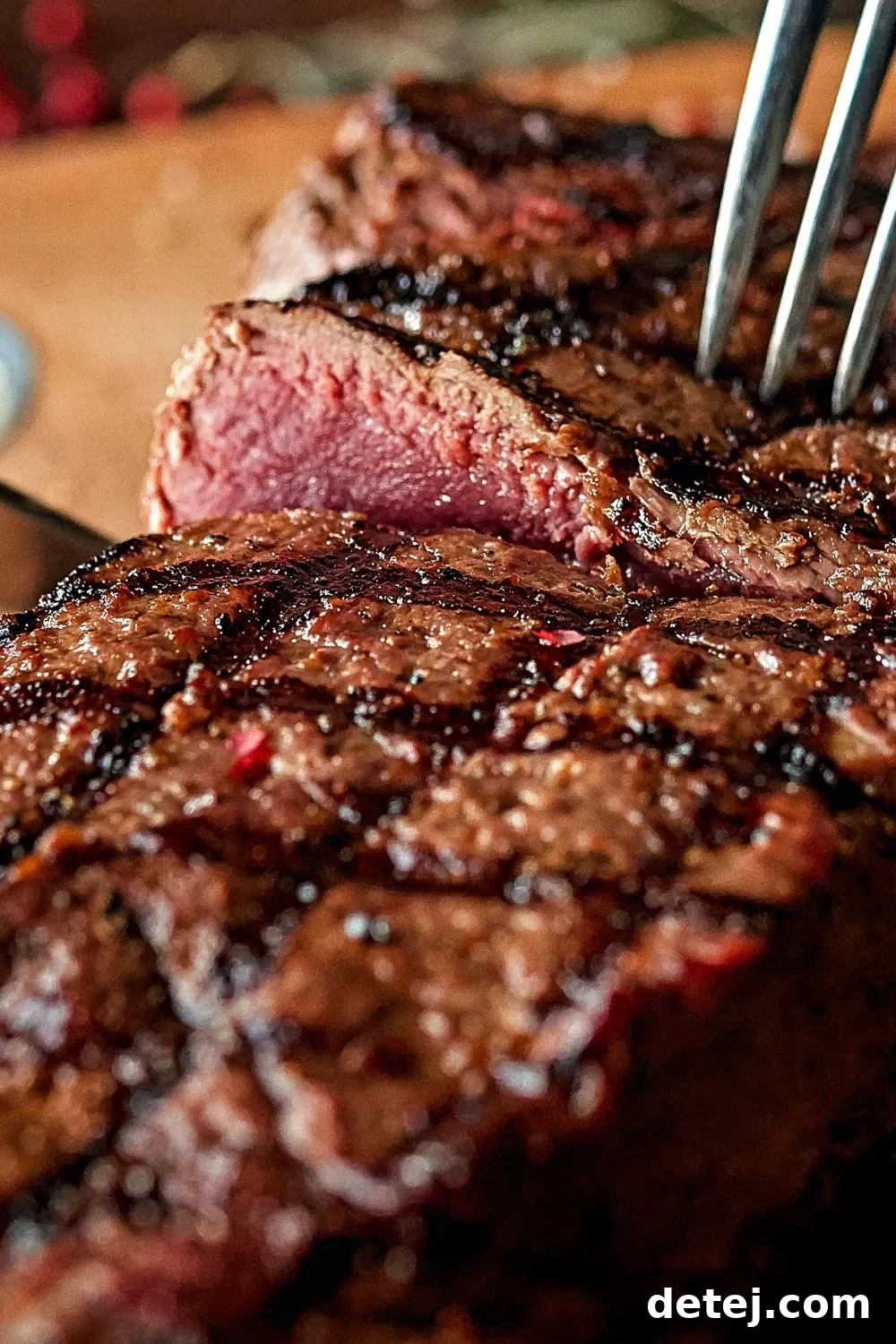
The culinary journey of cooking a steak is often considered an art form, a delicate balance of science and intuition. Achieving the perfect steak doneness, from the vibrant, cool center of a blue-rare cut to the uniformly firm texture of a well-done masterpiece, fundamentally transforms the eating experience. Each level of doneness, precisely controlled by internal temperature and the cook’s mastery of high heat and timing, profoundly influences the meat’s texture, tenderness, and flavor profile. It’s a fascinating process where the muscle fibers undergo changes, affecting how juicy and palatable the final product becomes. For me, the true joy lies not just in savoring the perfectly cooked steak but in the methodical steps that lead to it: preparing the cut of steak, using a reliable meat thermometer, allowing the steak to rest appropriately, and observing the free-running juices that signal readiness for consumption. This guide will navigate you through each stage, ensuring you gain the confidence to cook steak to your exact preference every time.
Key Takeaways for Achieving Steak Perfection:
- Precision in Doneness: A deep understanding of each doneness level is paramount for consistently crafting an exceptional steak experience.
- Flavor and Texture Impact: The cooking level profoundly dictates the steak’s flavor and texture, ranging from the delicate chew of rare beef to the robust satisfaction of a well-cooked cut.
- Personalization is Key: Ultimately, discovering your ideal steak doneness involves adventurous experimentation and a keen awareness of your personal taste and desired mouthfeel.
- Essential Tools: A quality meat thermometer and a heavy iron skillet are indispensable for achieving consistent, restaurant-quality results at home.
The Fundamentals of Cooking a Flawless Steak
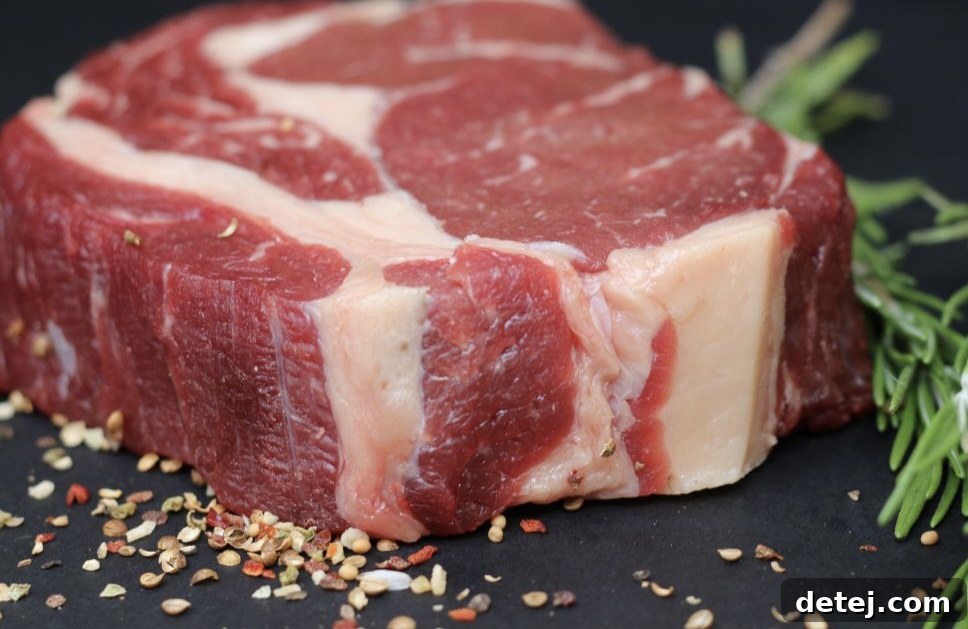
I’ve discovered that commencing with a steak brought to room temperature is absolutely pivotal for an even cook. This seemingly simple task is a game-changer, allowing the muscle fibers to relax and ensuring the steak cooks uniformly from edge to center. This preparation also permits the meat to more effectively absorb seasonings like salt and black pepper, enhancing the overall flavor profile.
Next, using high heat has consistently been my strategy for developing that coveted, hard-to-replicate sear. An iron skillet, preheated until it’s screaming hot, sears the cut of steak rapidly. This intense heat initiates the Maillard reaction, creating a rich, caramelized crust that locks in the delicious free-running juices. This approach has consistently produced steaks with exceptional texture and flavor. Crucially, a reliable meat thermometer becomes an indispensable tool at this stage. It offers the only definitive way to measure the internal temperature of the steak accurately. Gone are the days of guessing whether my thick sirloin or delicate fillet steak had reached the correct temperature; this device guarantees precision, helping me avoid the disappointment of serving an undercooked or overcooked steak.
These foundational practices — bringing the steak to room temperature, employing high heat for searing, and meticulously verifying the internal temperature with a meat thermometer — are the bedrock upon which prime steak delight is built. Each step contributes significantly to a truly memorable culinary outcome, transforming a simple task into an act of culinary mastery.
Blue Rare Steak: An Exploration of Minimalist Rarity
Blue rare steaks captivate enthusiasts with their distinctive characteristics: a cool, strikingly bright red center, a hallmark of their minimal exposure to high heat. This elusive level of doneness is achieved when the cut of steak has merely kissed the pan, ensuring the internal temperature rises only marginally. With a precise meat thermometer, one aims for a reading that indicates the meat is barely warmed through, preserving the muscle fibers in an almost raw, exceptionally tender state. This particular doneness appeals to a select group of epicureans who revel in the primal texture of meat, akin to raw beef, and appreciate the abundant free-running juices—a clear testament to a steak that has barely encountered the heat. For these connoisseurs, the allure of blue rare steaks extends beyond taste; it’s about the pure, almost untouched texture, offering a cherished experience for anyone who prefers their red meat as close to its natural, unadulterated state as possible. It’s a bold choice that truly highlights the inherent quality of the beef.
Medium-Rare: The Connoisseur’s Choice for Steak Perfection
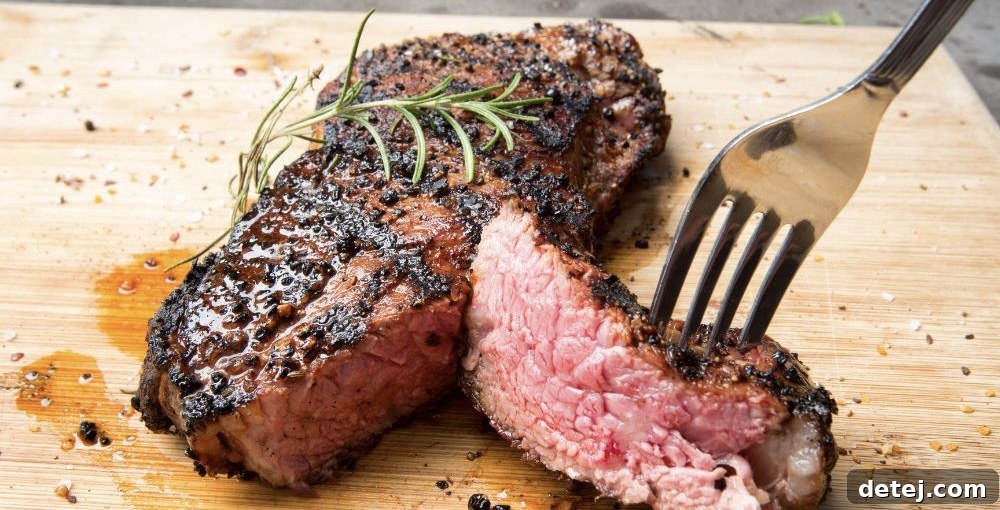
Among steak aficionados, medium-rare is frequently hailed as the prime level of doneness, and for compelling reasons. Achieving the perfect medium-rare steak involves cooking it to an internal temperature typically ranging from 130°F to 135°F (54-57°C). At this precise temperature, the muscle fibers undergo optimal softening, yielding a steak that boasts a warm, bright red center. This core is not only incredibly juicy but also bursting with the steak’s inherent, rich flavors. The texture at medium-rare strikes a sublime balance: it is exquisitely tender without being overly chewy, allowing the true character and quality of the cut, be it a succulent fillet steak, a robust thick sirloin steak, or a richly marbled ribeye, to truly shine through. This doneness level truly honors the integrity of the meat.
What distinguishes medium-rare steaks isn’t merely their ideal internal temperature, but also their remarkable versatility, aligning beautifully with a wide spectrum of personal preferences. Whether one employs a searing hot iron skillet to achieve a magnificent crust or patiently allows the steak to rest post-cooking to ensure an even redistribution of those precious free-running juices, medium-rare offers an unparalleled culinary experience. I highly recommend that aspiring steak masters consider experimenting with this level of doneness as a foundational step in their journey to mastering the art of cooking steak. Its inviting texture, vibrant appearance, and the way it celebrates the natural fibers and flavor of the meat can transform even a seemingly simple cooking task into an utterly delightful and profound culinary exploration. It’s a gateway to understanding the profound impact of precise temperature control on steak quality.
Going Medium: A Widely Appreciated Balance of Flavor and Texture
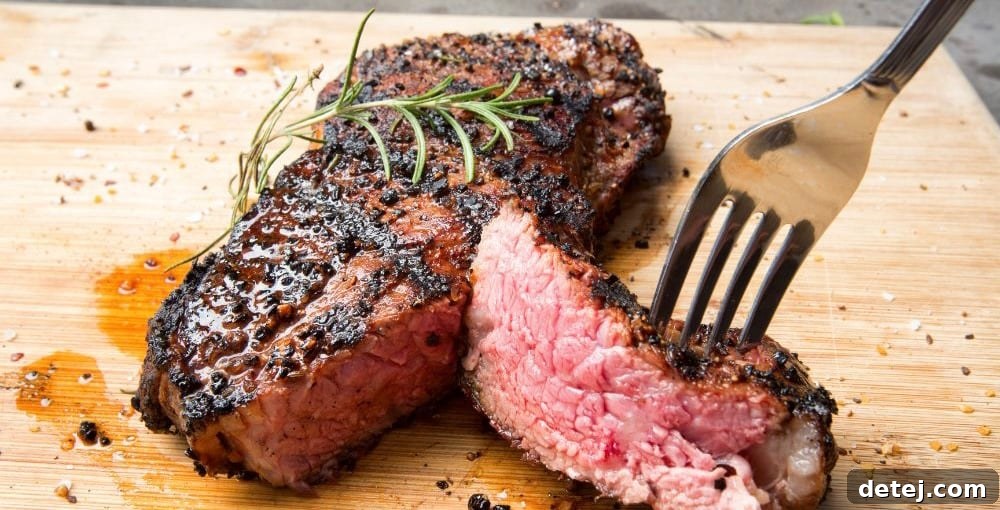
Through my culinary explorations, I’ve consistently observed that opting for a medium steak strikes an excellent balance, satisfying a broad array of palates. This level of doneness ensures the internal temperature reaches a sweet spot, where the muscle fibers have sufficiently relaxed and tenderized, yet a pleasing hint of pink remains visible in the very center. While achieving this precise medium doneness might not be as straightforward as it seems, the reward—a steak that’s both tender and juicy—is truly gratifying.
Medium steaks have earned widespread popularity due to their ability to cater to diverse preferences, serving as an ideal middle ground. A cut of steak cooked to the internal temperature recommended by any trustworthy meat thermometer will offer a texture that is neither excessively tough nor overly soft. The fibers of the meat are tender and fully cooked, yet retaining enough moisture to produce free-running juices that eloquently hint at the steak’s rich, inherent flavors. This doneness provides a comforting familiarity without sacrificing quality.
To consistently nail the perfect medium steak, always begin with your steak at room temperature. Employ high heat to sear both sides vigorously, creating that desirable crust and locking in the flavors. Following this, I make it a practice to let my steak rest for a crucial period, ensuring the juices redistribute evenly throughout the meat. During this resting phase, an instant-read thermometer is indispensable for confirming it has reached the ideal internal temperature of 135-140°F (57-60°C). This meticulous approach is the best way to guarantee that each and every bite is as succulent and flavorful as the last, delivering a consistent and delightful eating experience.
Why Many Prefer Medium-Well and Well-Done Steaks
A significant portion of steak lovers gravitate towards medium-well and well-done steaks, driven by a variety of valid reasons that extend beyond mere culinary preference. For some, safety concerns are paramount; they find reassurance in knowing their steak has reached a higher internal temperature, effectively minimizing any perceived risks associated with undercooked meats. This peace of mind is a strong motivator.
For others, the distinct texture of a well-done steak is precisely what they crave. It offers a firmer, chewier mouthfeel, a delightful divergence from the more tender and yielding textures of medium-rare levels. This preference for a more substantial chew can be deeply ingrained. Furthermore, a steak that has spent more time on the iron skillet develops a unique array of flavors. The prolonged exposure to heat intensifies the Maillard reaction, resulting in a richer, slightly charred taste that appeals greatly to those who associate this deeper flavor profile with culinary satisfaction. It’s undeniably a personal preference, one deeply rooted in an individual’s unique palate and textural desires.
While the decision to order a steak well-done might occasionally spark good-natured debates among steak enthusiasts, it’s vital to appreciate that the true art of enjoying steak lies in celebrating the diversity of its preparation. Understanding and respecting that personal choice invites us to embrace a broader culinary perspective. After all, the rewarding journey to discovering one’s perfect steak, whether it’s a tender fillet steak, a hearty thick sirloin, or any other cut, encompasses exploring all levels of doneness, appreciating the vast spectrum of textures, and recognizing the profound impact of precise temperature control on the final dish.
Essential Cooking Techniques for Every Steak Doneness Level
Mastering the art of cooking steak demands more than just knowing internal temperatures; it requires familiarity with a variety of techniques expertly tailored to each level of doneness. Developing a rich, caramelized crust through searing on high heat is, for example, absolutely essential for cuts like a thick sirloin steak or a tender filet mignon. I consistently recommend utilizing a heavy iron skillet for achieving that perfect, flavor-rich sear. Equally crucial is the preparation step of allowing your steak to reach room temperature before it ever touches the pan; this simple act guarantees a more even cook throughout the meat.
- For Blue Rare Steaks: A very swift, high-heat sear on each side, often for only 60-90 seconds per side, is sufficient. The goal is to warm the exterior while maintaining a cool, bright red interior that remains almost raw. This method is cherished by those who seek to experience the purest, most natural flavors and textures of quality red meat.
- For Medium-Rare Steaks: These benefit from slightly longer cooking times than blue rare, typically 2-3 minutes per side on high heat, followed by a potential finish in the oven for thicker cuts. I rely heavily on an instant-read thermometer to ensure the internal temperature precisely hits the 130°F to 135°F (54-57°C) sweet spot, guaranteeing a tender interior brimming with free-running juices.
- For Medium Steaks: Patience and attention to temperature are key. After searing for 3-4 minutes per side, the steak should reach an internal temperature of 135-140°F (57-60°C). Crucially, allowing the steak to rest post-cooking for 5-10 minutes is paramount. This allows the juices to redistribute properly, making each bite incredibly succulent and flavorful.
- For Medium-Well and Well-Done Steaks: These levels necessitate a more controlled, often lower and slower cooking approach after an initial sear to prevent the meat from drying out. Searing for 3-5 minutes per side, then transferring to a preheated oven (275-300°F/135-150°C) until an internal temperature of 145-150°F (63-65°C) for medium-well or 155°F+ (68°C+) for well-done is reached. This method helps preserve the texture of the fibers and prevents an overly tough result.
Regardless of your preferred doneness, finishing your steak with a sprinkle of sea salt and freshly cracked black pepper, and allowing your expertly cooked steak to rest before slicing and serving, can significantly elevate the entire dining experience. With consistent experimentation and the application of these refined techniques, discovering your personal version of the perfect steak becomes not just a simple task, but a deeply satisfying culinary achievement.
Finding Your Favorite Steak Doneness: It’s All About Experimentation
My culinary journey has taught me that the path to discovering your preferred steak doneness is as much an adventure of exploration as it is a matter of taste. You might begin by searing a thick sirloin steak on high heat, meticulously aiming for a perfect medium-rare, only to find that a richly marbled well-done fillet steak, cooked slowly to retain its intrinsic juices, truly resonates with your palate. The intricate texture of the meat – whether it’s the vibrant, bright red center of a rare steak or the uniformly cooked brown of a well-done one – plays a profoundly significant role in shaping our individual culinary preferences. It’s truly fascinating how a seemingly simple task, like cooking a steak, can unfold into a vast world of possible answers and delightful discoveries.
For me, the introduction of an instant-read thermometer into my kitchen was nothing short of a game-changer. It provided an unerring guide, leading me precisely through the correct internal temperature for each level of doneness, from the barely warmed blue rare steaks to the thoroughly cooked, deeply flavorful well-done cuts, especially those with heavy marbling. While the classic “ring finger trick” (pressing on the steak to gauge its doneness by comparing its firmness to the muscle fibers in your hand) became a skill I was eager to master, the thermometer offered unparalleled accuracy. Ultimately, steak is far more than just raw beef subjected to heat; it is a profound culinary craft, demanding both skill and understanding.
Discovering your own steak nirvana encourages fearless experimentation.
Krystel’s Cooking
Indeed, embarking on the quest to discover your own unique steak nirvana actively encourages fearless experimentation. So, take out your trusty iron skillet, season that savory hanger steak or that tender piece of filet mignon with a delicate balance of salt and freshly ground black pepper, and enthusiastically begin your culinary journey. Every moment of allowing your steak to rest, every subtle adjustment to cooking time, and every strategic choice regarding high temperatures used, brings you incrementally closer to identifying your prime steak preference. It’s a rewarding path, richly marked by succulent bites and an abundance of free-running juices—a noble quest for the perfect steak that profoundly resonates with your deepest personal preference. Embrace this delicious exploration wholeheartedly; for the true joy and ultimate satisfaction lie in unveiling your very own, perfectly crafted steak masterpiece.