
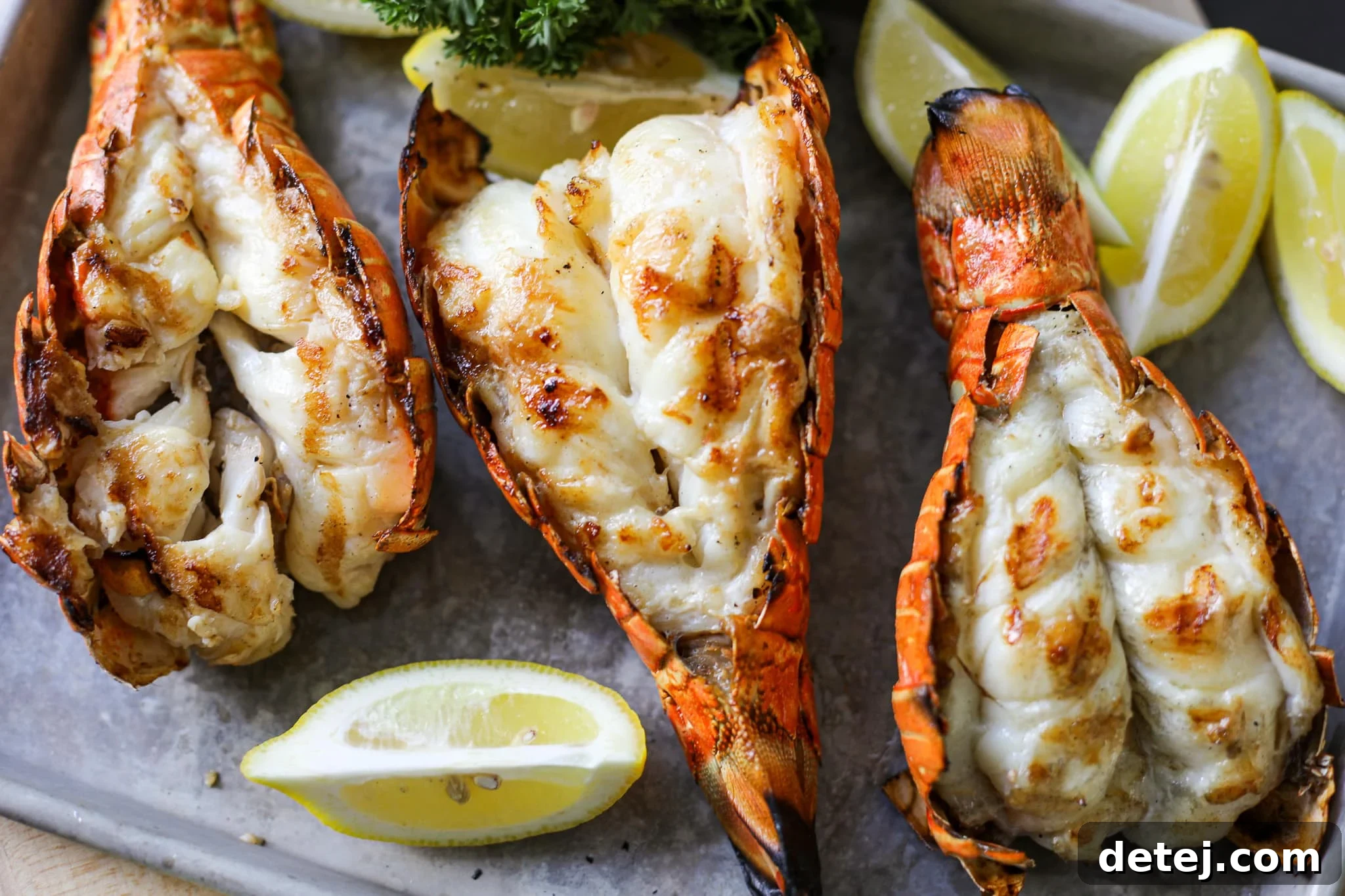
Welcome to the ultimate guide for mastering the art of grilling lobster tails at home. This comprehensive Grilled Lobster Tail Recipe promises to transform your ordinary meal into an extraordinary culinary experience. Imagine succulent, tender lobster meat, kissed by the smoky char of the grill, creating a dish that is both easy to prepare and incredibly impressive. Forget expensive restaurant bills; with our step-by-step instructions, you can achieve perfectly grilled lobster tails that are bursting with flavor and elegance, right in your backyard.
Whether you’re celebrating a special occasion, hosting a summer barbecue, or simply craving a luxurious treat, this recipe will equip you with all the knowledge and techniques needed to grill lobster like a seasoned chef. We’ll delve into everything from selecting the best lobster tails and preparing them for the grill, to the secrets of clarified butter and achieving that ideal smoky finish. Get ready to impress your family and friends with a dish that looks as spectacular as it tastes, offering a gourmet experience without the gourmet effort.
Why You’ll Love This Recipe
Grilling lobster tails might seem daunting, but this recipe makes it incredibly approachable, yielding truly spectacular results. Here’s why you’ll want to make this dish again and again:
- Unbelievably Juicy and Tender: We guide you through the precise steps to ensure your lobster meat remains succulent and tender, never rubbery. The direct heat of the grill locks in moisture, creating a melt-in-your-mouth texture that will delight your palate.
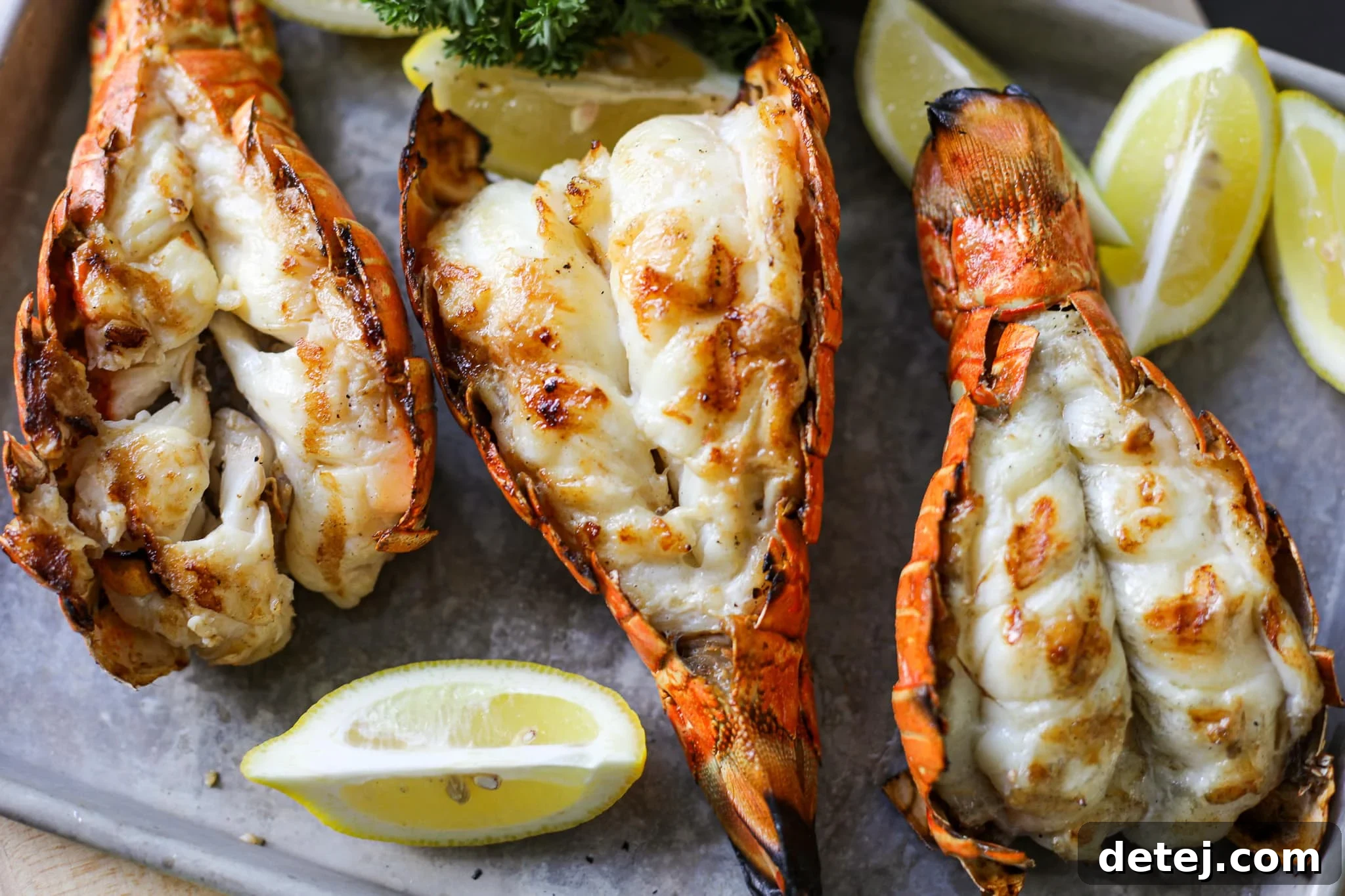
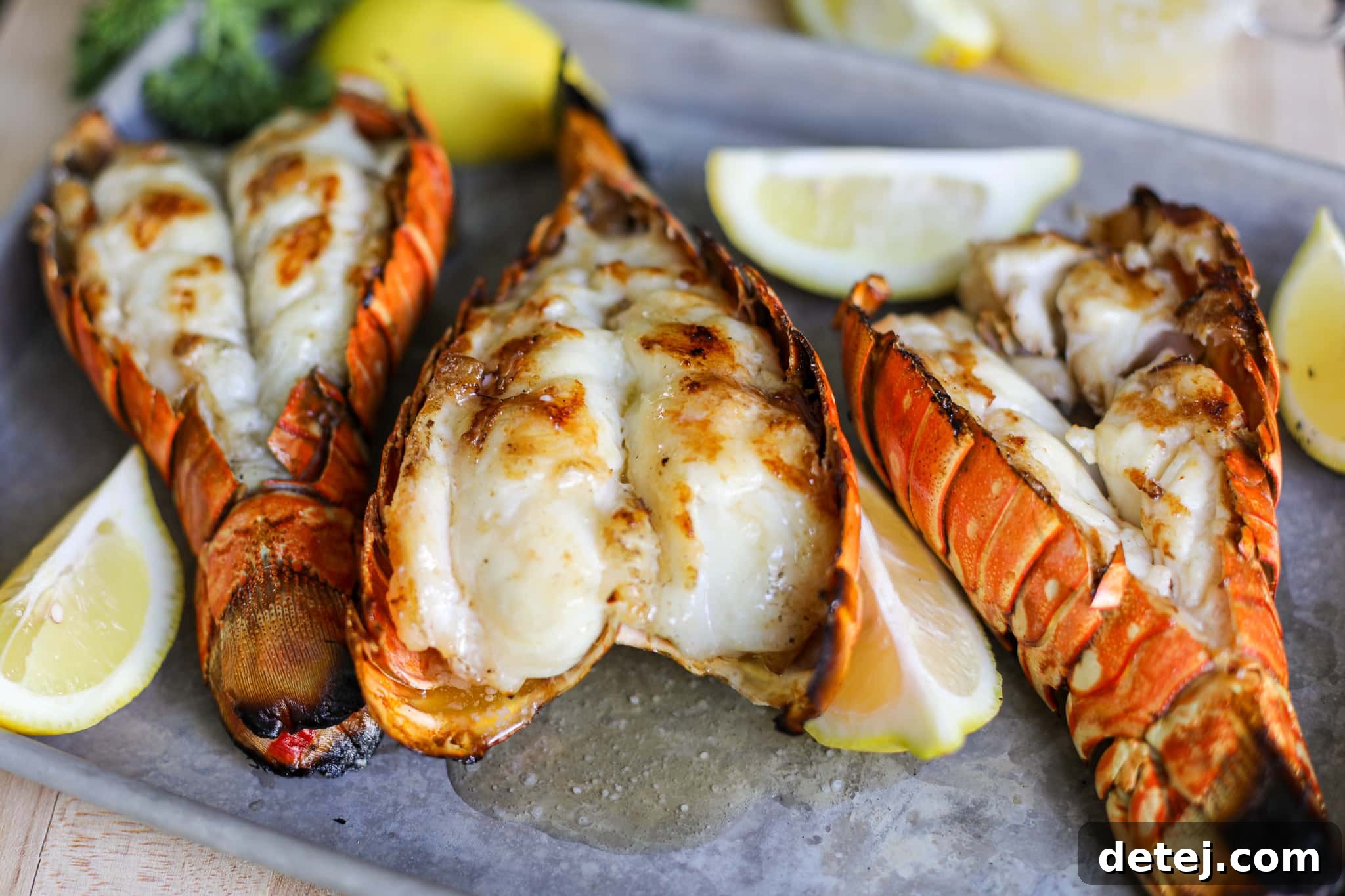
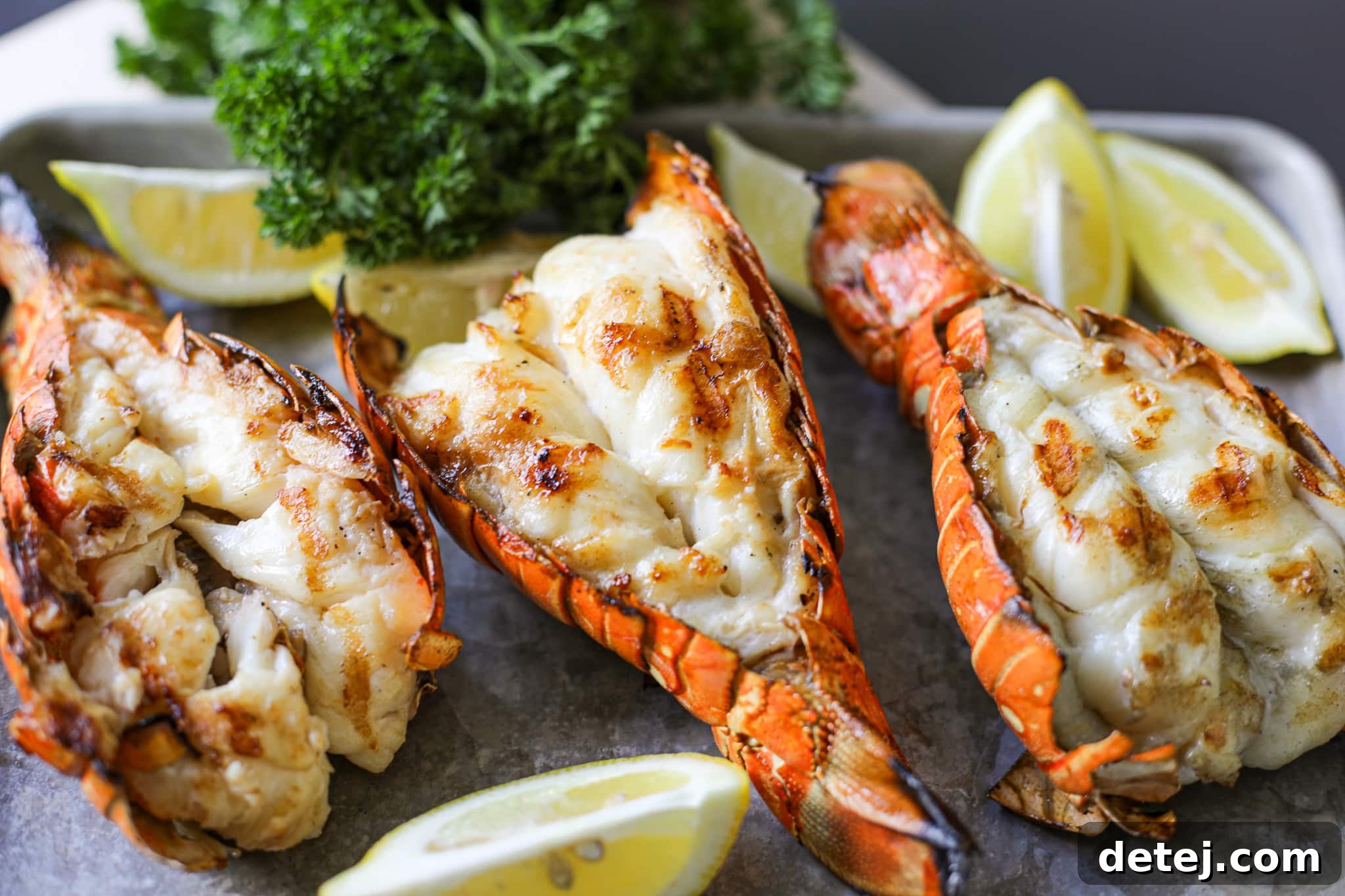
- Impressive Presentation: A plate of beautifully grilled lobster tails is a showstopper. Their vibrant color and elegant butterflied presentation make them a focal point at any dinner party or gathering, guaranteeing appreciative gasps from your guests.
- Surprisingly Simple to Master: Despite its gourmet appeal, grilling lobster is far less complicated than you might think. Our clear, concise instructions break down each step, making it easy for even novice grillers to achieve professional-level results.
- Versatile and Flavorful: The natural sweetness of lobster pairs perfectly with the smoky char from the grill. Drizzled with clarified butter and a squeeze of fresh lemon, the flavors are bright, rich, and utterly irresistible. You can also customize the seasoning to your liking.
- A Healthier Indulgence: Grilling is a fantastic way to prepare lobster, requiring minimal added fats while maximizing flavor. It’s a naturally lean protein, offering a luxurious meal that can still fit into a balanced diet.
Choosing the Best Lobster Tails
The quality of your grilled lobster tails begins with the selection of the lobster itself. Knowing what to look for can make a significant difference in the final taste and texture of your dish.
- Cold Water vs. Warm Water Lobster: For grilling, cold-water lobster tails (from regions like Maine, Canada, or South Africa) are generally preferred. They tend to have firmer, sweeter meat compared to warm-water varieties, which can sometimes be tougher.
- Size Matters: This recipe suggests 9-ounce lobster tails, which are a great size for grilling as they cook evenly and offer a generous portion. You can use larger or smaller tails, but always remember that size will impact your cooking time. Smaller tails (around 4-6 ounces) cook faster, while larger ones (10-12+ ounces) require more time and care to prevent drying out. For consistency, try to choose tails of similar size if you’re cooking multiple.
- Fresh vs. Frozen: While fresh lobster is always ideal, high-quality frozen lobster tails are an excellent and often more accessible option. Look for individually quick-frozen (IQF) tails that are still frozen solid and show no signs of freezer burn or discoloration. Avoid tails that appear dry or have any strong, unpleasant odors. Thaw frozen lobster tails slowly in the refrigerator overnight for the best results, or use our quick-thawing method if time is short.
- Appearance: Look for tails that are firm to the touch, with a bright red or orange shell (if precooked) or a dark, healthy appearance (if raw). The meat should be translucent and firm, not mushy or discolored.
Key Ingredients for Grilled Lobster Tail Recipe
Simplicity is key when working with high-quality ingredients like lobster. Our recipe focuses on enhancing, not overpowering, the delicate flavor of the shellfish.
- Lobster Tails: As mentioned, three 9-ounce tails are a great starting point. Adjust quantity and cooking time based on your needs and tail size.
- Avocado Oil: Chosen for its high smoke point and neutral flavor, avocado oil is perfect for brushing the lobster meat before grilling and lubricating the grill grates. This prevents sticking and helps create a beautiful sear without imparting unwanted flavors. Olive oil can also be used, but avocado oil is generally better for high heat.
- Seasoning: A simple pinch of kosher salt is often all you need to highlight the lobster’s natural sweetness. However, feel free to experiment with a light dusting of paprika for color and subtle warmth, garlic powder for an aromatic touch, or classic Old Bay seasoning for a more traditional seafood flavor profile. Apply seasoning after brushing with oil to help it adhere.
- Clarified Butter: This is a non-negotiable for true grilled lobster perfection. Clarified butter, also known as drawn butter, is pure butterfat with the milk solids and water removed. This makes it less prone to burning on the grill and delivers an incredibly rich, nutty flavor that complements lobster like no other. We’ll show you how to make it below!
- Fresh Herbs: Finely chopped fresh parsley adds a vibrant pop of color and a fresh, herbaceous note that brightens the rich lobster. Other herbs like chives or tarragon can also be lovely additions.
- Lemon: Freshly sliced lemon wedges are essential. A squeeze of lemon juice over the finished lobster cuts through the richness of the butter and enhances the overall flavor, making each bite even more satisfying.
Making Clarified Butter: A Simple Guide
Clarified butter is a secret weapon for grilling and sautéing, particularly with delicate proteins like lobster. It’s essentially pure butterfat, meaning the milk solids and water have been removed. This process eliminates components that would typically burn at high temperatures, allowing for a higher smoke point and a clean, rich flavor. Here’s how to make it:
- Melt Gently: Place one stick of salted butter in a small saucepan over very low heat. The key is to melt it slowly and gently, without stirring.
- Simmer and Separate: Allow the butter to simmer for approximately 10 minutes. During this time, you’ll observe the butter separating into three distinct layers: foam will rise to the top, the clear yellow butterfat will settle in the middle, and milky white solids will sink to the bottom.
- Skim and Stand: Once the butter is fully melted and the solids have clearly separated, remove the saucepan from the heat. Let it stand for about 5 minutes. This allows the separation to become even more pronounced. Using a small ladle or spoon, carefully skim off any foam that has collected on the surface.
- Pour and Enjoy: Slowly and carefully pour the clear, golden-yellow liquid (the clarified butter) into a separate heatproof bowl or ramekin, leaving behind the milk solids that have settled at the bottom of the pan. The beautiful, golden liquid is now your drawn butter, ready to lavish your grilled lobster. You’ll divide this for basting during grilling and for serving as a dipping sauce.
Step-by-Step Guide: How to Grill Lobster Tails
Follow these detailed steps to achieve perfectly grilled, succulent lobster tails every time. Precision in preparation and grilling technique will make all the difference.
Prepare the Lobster Tails
Proper preparation of the lobster tails is crucial for even cooking and an appealing presentation. This butterfly cut exposes the meat beautifully and allows it to cook directly on the grill.
Step 1: Trim Excess Meat. Begin by trimming any small, stringy pieces of meat that might be hanging from the top of the lobster tail. This meat can sometimes have an unpleasant texture or flavor after grilling due to increased exposure to elements during handling.
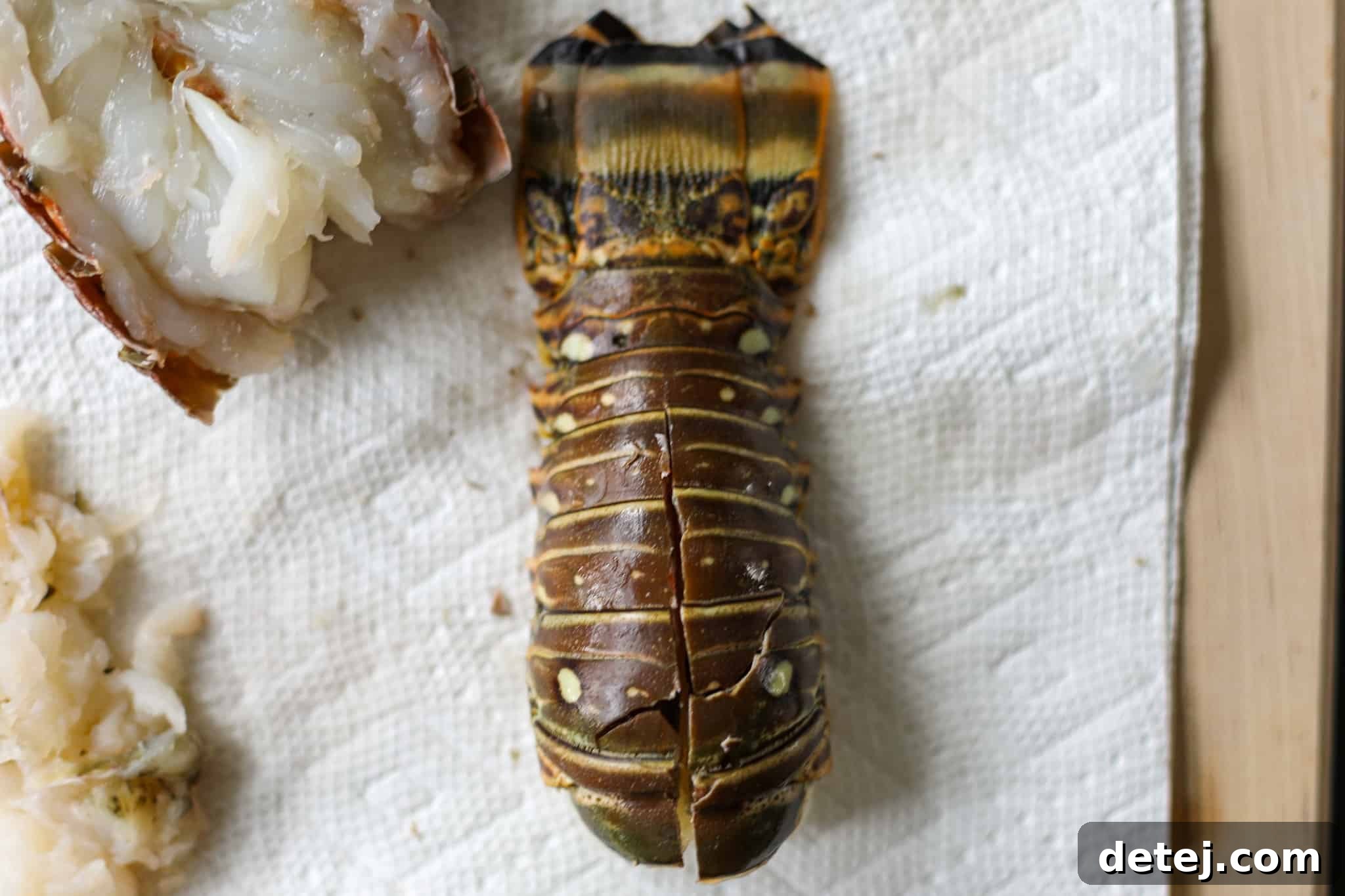
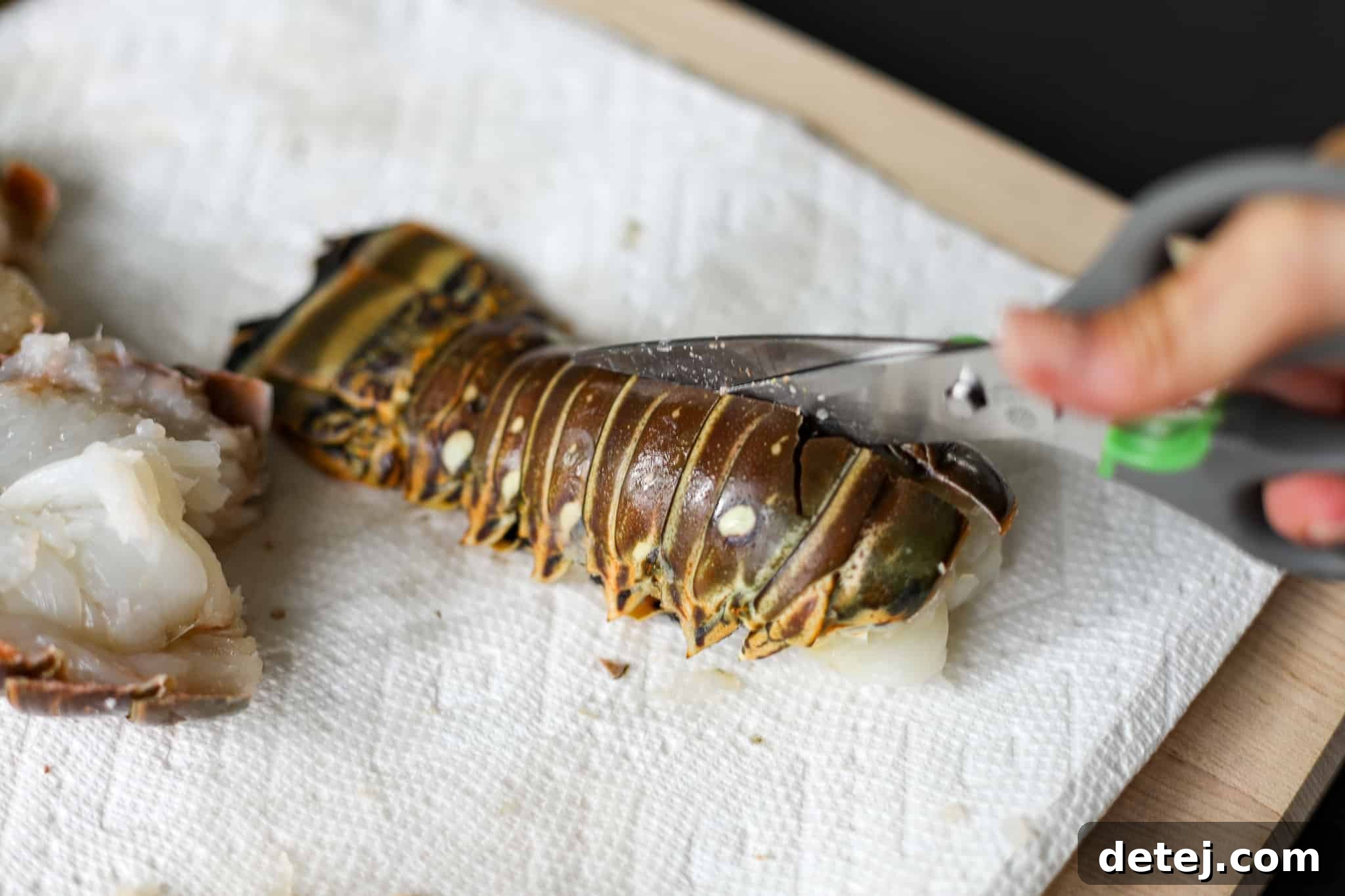
Step 2: Cut the Shell. Using a sturdy pair of kitchen shears, carefully cut through the top of the lobster shell lengthwise, starting from the thickest part near the body and stopping just before you reach the tail fan. Be careful not to cut through the bottom shell or the tail fan itself, as these will hold the butterflied meat in place.
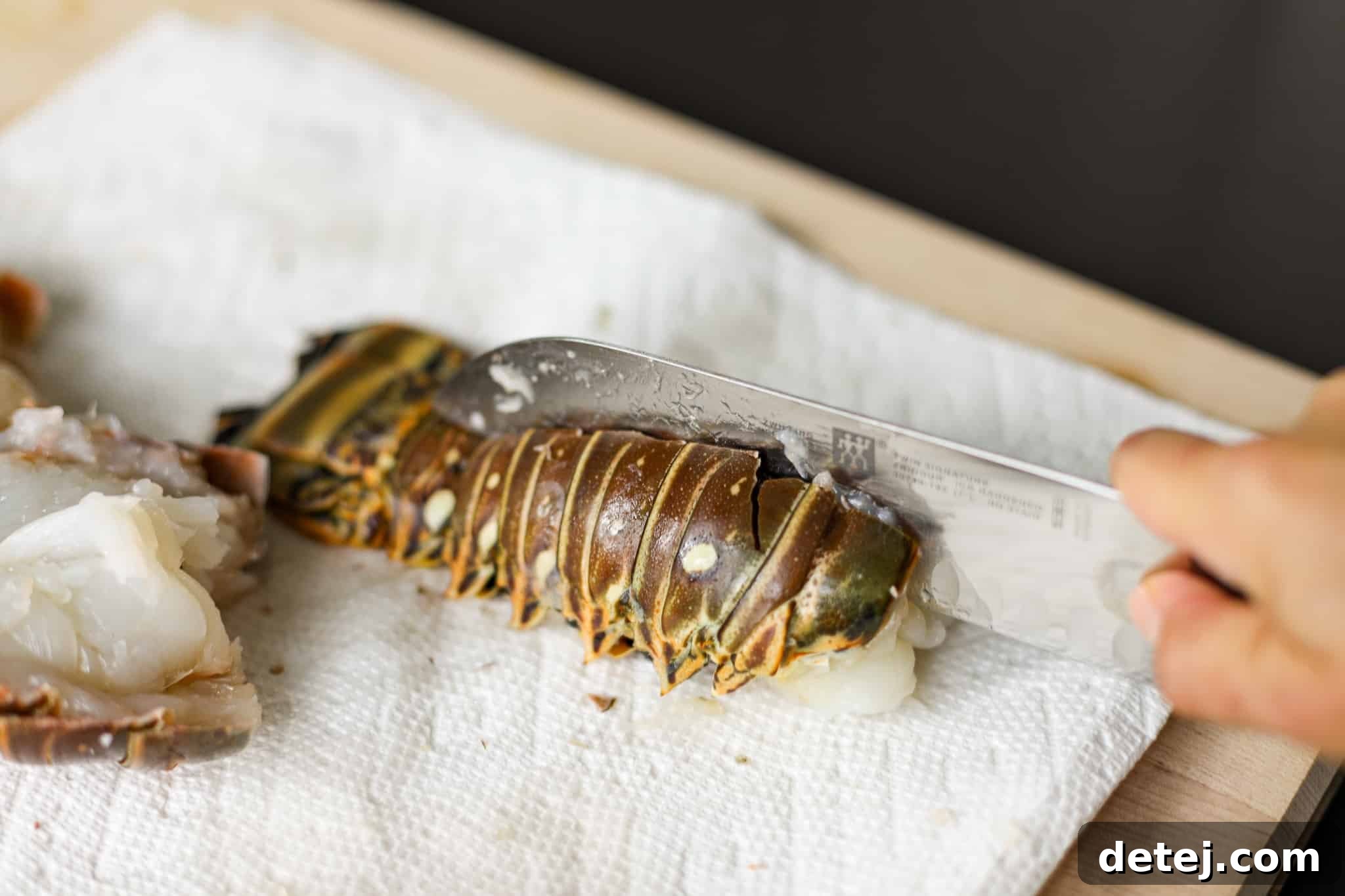
Step 3: Butterfly the Meat. With a sharp knife, carefully slice the lobster meat down the center, following the line you cut in the shell. Again, be sure not to cut all the way through the bottom shell or the tail fan. The goal is to separate the meat into two halves while keeping it attached at the tail end.
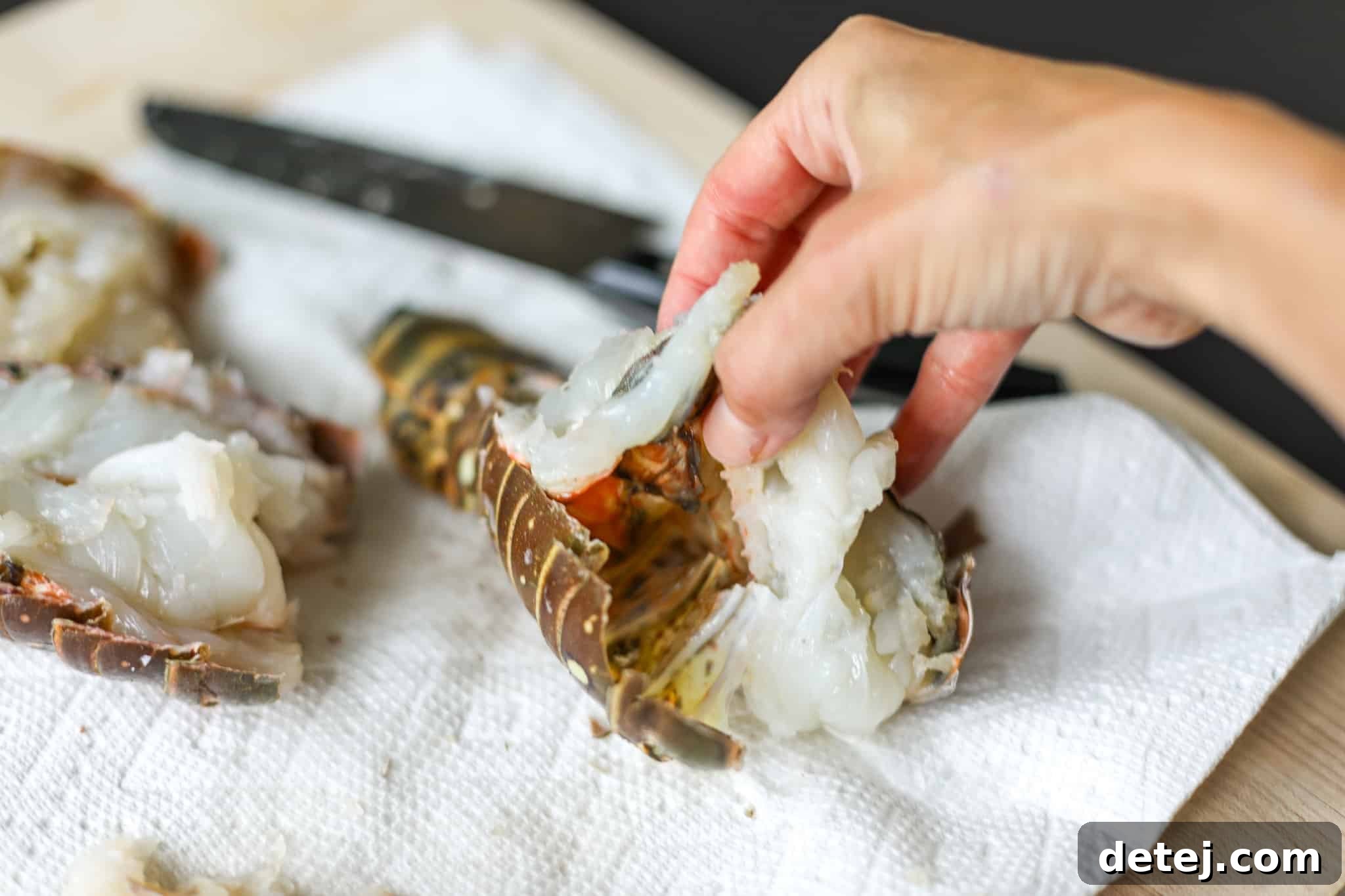
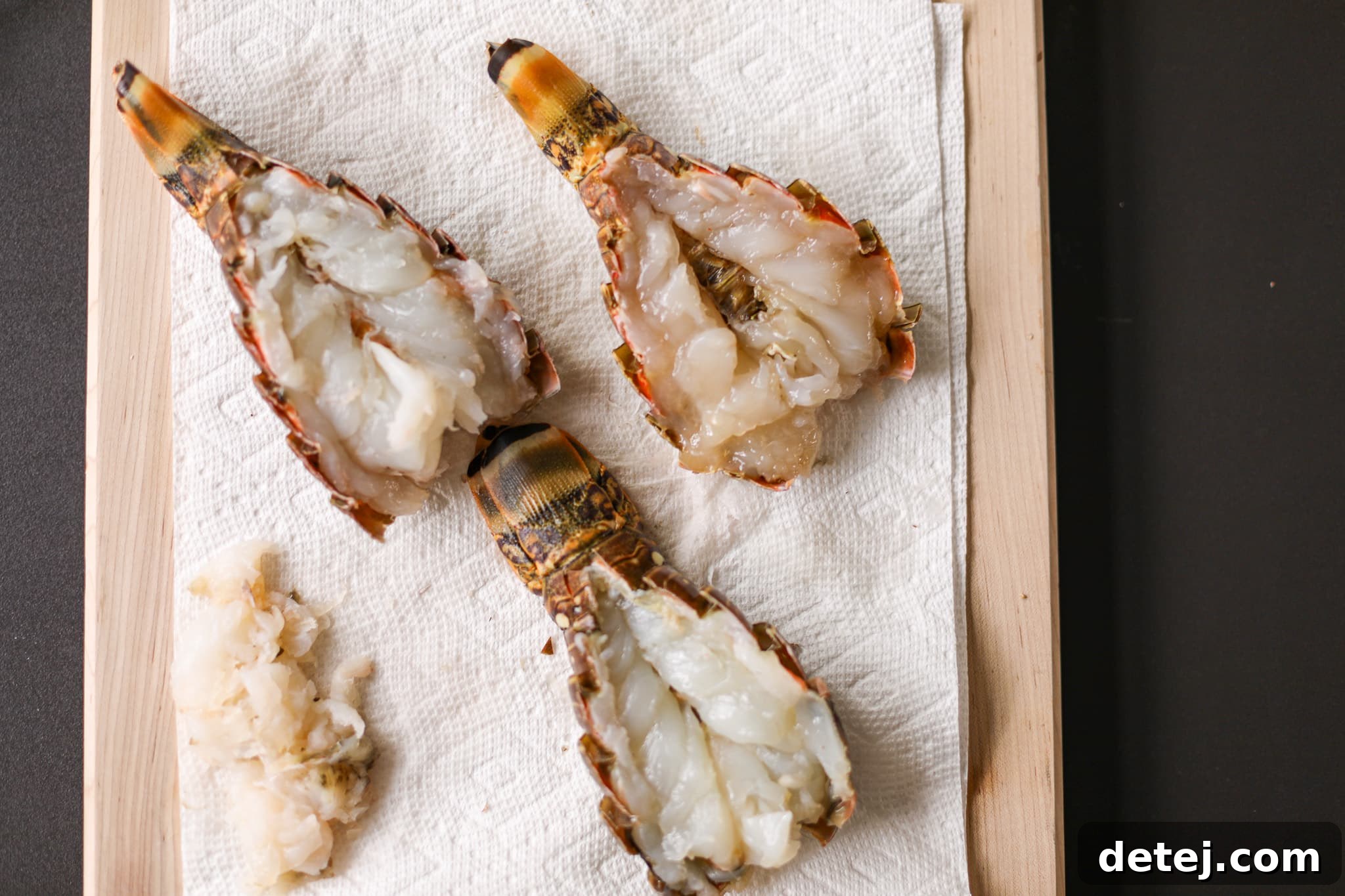
Step 4: Release and Position the Meat. Gently spread the two halves of the shell apart where you made the cut. Carefully work your fingers under the lobster meat to release it from the bottom shell, pushing it upwards through the slit. Leave a small portion of the meat attached at the very end of the tail fan to keep it together. Once released, nestle the lobster meat back onto the top of the shell. This creates a beautiful presentation and allows for even grilling.
Step 5: Oil and Season. Lightly brush the exposed lobster meat with avocado oil. This helps prevent sticking and promotes a nice sear. Season generously with a pinch of kosher salt, and any additional seasonings you prefer, such as paprika or garlic powder.
Prepare Your Grill for Perfection
Setting up your grill correctly is just as important as preparing the lobster. This ensures even cooking, prevents sticking, and helps avoid flare-ups.
- Preheat the Grill: Preheat your gas grill to a medium-high temperature, aiming for 375-400 degrees Fahrenheit. A properly preheated grill ensures immediate searing and even cooking.
- Clean the Grates: Before adding any food, thoroughly brush your grill grates to remove any residual food particles from previous cooking. Clean grates are essential to prevent the lobster from sticking and to avoid any unwanted burnt flavors transferring to your delicate seafood. Dirty grates can also cause unsightly black marks on the lobster meat.
- Lubricate the Grates: This is a crucial step! Lubricate half of your clean grill grates with avocado oil just before placing the lobster tails on. The best and safest way to do this is to tightly roll a clean, old towel, dip it in avocado oil, and use metal tongs to carefully rub the oiled towel across the hot grates. This ensures thorough lubrication and helps remove any fine grit.
- Set Up Two Heat Zones: To manage potential flare-ups and allow for different cooking intensities, create two zones on your grill. The side you just oiled will be for direct, higher heat cooking. Cover the other half of the grill with aluminum foil. This foil-covered side will serve as an indirect heat zone, perfect for finishing the lobster and preventing burning once basted with butter.
Grilling the Lobster to Perfection
Now for the exciting part! Grilling lobster tails requires careful attention to timing and temperature to achieve that ideal tenderness and flavor.
- Initial Sear (Meat Side Down): Carefully place the prepared lobster tails onto the preheated, avocado oil-lubricated grill grates, meat side down. Be vigilant, as the avocado oil can sometimes cause a slight flare-up.
- First Cook: Grill the lobster tails, meat side down, for 6-8 minutes. The cooking time will vary depending on the size of your tails and the exact temperature of your grill. Keep an eye on them; if the meat starts to darken too quickly, reduce the grill heat slightly. You’re looking for a beautiful char and a gradual change in color from translucent to opaque white on the cooked side.
- Flip and Transfer to Foil: Using your metal tongs, carefully flip the lobster tails over. They should release easily from the grates. Immediately transfer them to the side of the grill that is covered with aluminum foil (the indirect heat zone). A pro tip for flipping: grasp the tails firmly from the tail fan/bottom portion to prevent any meat from tearing.
- Baste and Finish Cooking: Once the tails are shell-side down on the foil, generously brush the exposed lobster meat with half of your melted clarified butter. The foil acts as a protective barrier, preventing the butter from dripping directly onto the flames and causing large flare-ups that could burn the lobster. Continue grilling for an additional 5-6 minutes, or until the lobster meat is fully cooked through.
- Check for Doneness: The lobster is cooked when the meat is opaque white throughout, with no translucent or grayish areas. An instant-read thermometer inserted into the thickest part of the meat should register 140-145 degrees Fahrenheit (60-63 degrees Celsius).
- Rest and Serve: Once cooked, remove the lobster tails from the grill. Let them rest for a minute or two before serving. Serve immediately with the remaining clarified butter for dipping, fresh lemon wedges, and a sprinkle of freshly chopped parsley for garnish.
Storing and Reheating Leftover Lobster
While grilled lobster is best enjoyed fresh off the grill, sometimes you might have leftovers. Here’s how to store and reheat them properly to maintain quality:
- Storage: Allow any leftover grilled lobster tails to cool completely before storing. Once cool, place them in an airtight container and refrigerate for up to 2-3 days. Storing lobster properly is crucial for food safety and flavor.
- Reheating: Reheating lobster can be tricky, as it tends to become rubbery if overcooked.
- Nonstick Skillet: The best method for reheating is gently in a nonstick skillet over low to medium-low heat. Add a tiny bit of butter or water to create steam, cover the skillet, and heat just until warmed through, about 3-5 minutes.
- Oven: You can also gently reheat lobster in an oven. Preheat your oven to 250°F (120°C). Place the lobster tails on a baking sheet, add a splash of water or broth to the pan, cover tightly with foil, and heat for 5-10 minutes, or until just warmed.
- Microwave (Use with Caution): The microwave can cause lobster meat to become rubbery very quickly. If you must use it, heat in short 15-20 second bursts on a low power setting, checking frequently, and stopping as soon as it’s warm. This method is generally not recommended for optimal texture.
What to Serve with Your Grilled Lobster Tails
Grilled lobster tails are a luxurious main course that pair beautifully with a variety of side dishes. Here are some fantastic suggestions to complete your meal:
- Light & Fresh Sides: These options offer a refreshing contrast to the rich lobster and butter.
- Greek Pasta Salad: A vibrant, tangy salad with pasta, vegetables, and feta.
- Zucchini Salad: A crisp and refreshing salad, perfect for summer.
- Sautéed Vegetable Salad: A medley of seasonal vegetables, lightly cooked and seasoned.
- Simple Garden Salad: Tossed with a light vinaigrette.
- Heartier Options: For a more substantial meal, these sides are excellent choices.
- Lebanese Rice with Orzo: A flavorful and comforting rice dish.
- Greek Lemon Potatoes: Crispy, tangy, and absolutely delicious.
- Baked Potatoes or Sweet Potatoes: Simple, satisfying, and a great vehicle for extra butter.
- Creamy Risotto: A classic pairing for a truly indulgent meal.
- Fruity Accents:
- Fresh Fruit Salsa: Adds a sweet and tangy burst of flavor, especially with a hint of spice.
Frequently Asked Questions
Here are answers to some common questions about grilling lobster tails, ensuring you feel confident in the kitchen.
Absolutely! While kosher salt is fundamental, a touch of paprika adds a lovely color and subtle earthiness. Garlic powder infuses an aromatic depth, and Old Bay seasoning offers a classic, zesty seafood flavor. Add your preferred seasoning after basting the tails with avocado oil, ensuring it adheres well to the meat.
Yes, it’s very easy to overcook lobster meat, which results in a tough, rubbery, and less flavorful texture. The key is to cook it just until opaque white throughout. However, it’s always better to be slightly overcooked than undercooked, as undercooked lobster is unappetizing and potentially unsafe to eat.
For perfectly cooked lobster, the internal temperature should reach between 140-145 degrees Fahrenheit (60-63 degrees Celsius) when measured with an instant-read thermometer in the thickest part of the meat.
When properly cooked, lobster meat will turn completely opaque white. There should be no gray, translucent, or jelly-like areas remaining in the center.
Once thawed, lobster meat is highly perishable. It is best to cook and consume it within 24-36 hours for the freshest taste and optimal food safety.
The safest and best method is to place the frozen lobster tails in a sealed plastic bag in the refrigerator for 24 hours. This slow thawing helps maintain texture. If you’re short on time, you can submerge the sealed bag in a bowl of cold water, changing the water every 20-30 minutes until the lobster is fully thawed. Ensure the lobster remains fully submerged to prevent any food safety issues.
Absolutely! To elevate your clarified butter, you can infuse it with aromatics. Add lightly crushed whole garlic cloves or a few sprigs of fresh thyme or rosemary to the butter as it simmers. Just be sure to remove the garlic cloves and herbs before basting the lobster or serving the melted butter for dipping.
A good pair of sturdy kitchen shears is highly recommended for easily and safely cutting through the tough lobster shell. They offer better control and precision than a knife.
Leftover lobster meat is a versatile ingredient! It’s delicious added to creamy soups like bisque, tossed into fresh salads for a luxurious touch, or transformed into decadent lobster rolls. You can also use it in pasta dishes or seafood quesadillas.
A gas grill offers excellent temperature control, making it ideal for precision cooking like lobster. Charcoal grills can also be used, providing an even smokier flavor, but require more attention to temperature management. Either way, setting up direct and indirect heat zones is key.
Other Grilling Recipes to Explore
If you’ve enjoyed the experience of grilling lobster, expand your outdoor cooking repertoire with these other delicious grilling recipes:
- Grilled Balsamic Chicken with Toasted Pine Nut and Cherry Salad
- Grilled Cilantro Lime Chicken with Mango Salsa
- Grilled Chicken Blackberry Salad
- Juicy Grilled Whole Chicken
Perfectly Grilled Lobster Tail Recipe
Sarah Thomas-Drawbaugh
3 tails
25
15
40
Pin Recipe
No ratings yet. Leave a Review »
Equipment
- 1 gas grill
- 2 baking trays
- 2 sheets foil
- 1 metal tongs
- 1 kitchen shears
- 1 sharp knife
- 1 saucepan
Ingredients
- 3 lobster tails, roughly 9 ounces each
- 1.5 tablespoons avocado oil, plus more for the grill grates
- Pinch kosher salt (or to taste)
- 1 stick butter, clarified and divided; use half for basting and half for dipping
- 1 tablespoon parsley, freshly chopped
- 3 lemons, cut into wedges
Instructions
How to Make Clarified Butter
- Melt salted butter in a small saucepan over low heat, without stirring. Let the butter simmer for roughly 10 minutes, or until it is fully melted and milk solids separate from the fat.
- Remove from heat and let stand 5 minutes. Skim off any foam using a small ladle or spoon. Slowly pour off clear yellow liquid, leaving behind the residue of milk solids that has settled to the bottom of the pan. The golden liquid butter is now drawn and ready for the lobster.
How to Make Grilled Lobster Tail Recipe
Prepare the Lobster Tails
- Trim any excess meat that is hanging from the top of the lobster tail. This meat can have an unpleasant flavor.
- Once the meat is trimmed, use kitchen shears to cut through the top of the shell lengthwise, stopping right before the tail fan.
- Grab a sharp knife and slice the lobster meat in half lengthwise, leaving the tail fan and a small portion of the tail intact.
- Spread the lobster shell open at the slit. Carefully release the lobster meat from the shell about ¾ of the way up. Leave a small portion of the tail and the tail fan intact. Once the meat is gently released, nestle it back into the shell.
- Brush the exposed lobster meat with avocado oil and season it with a pinch of kosher salt.
Prepare the Grill
- Preheat the grill to 375-400 degrees Fahrenheit.
- Brush the grill grates, ensuring they are clean. Dirty grates can cause the lobster meat to turn black and taste bad.
- Lubricate half of the grill grates with avocado oil directly before adding the lobster tails. Add foil to the second half of the grill. So, one side should have avocado oiled grates (direct heat) and the other side should have foil (indirect heat).
- The best way to lubricate the grill grates is to tightly roll a clean towel, dip it in avocado oil, and use metal tongs to rub the grates. This also helps remove any grit from previous cooking.
Grill the Lobster
- Place the prepared lobster tails onto the hot, oiled grill grates, meat side down. Be careful as the avocado oil can flare up.
- Cook for 6-8 minutes, meat side down. Cooking time will vary based on tail size and grill temperature. If tails are getting too dark, turn down the heat.
- Using tongs, carefully flip the tails over and place them on the side of the grill that has the foil. They should easily release from the grates. Pro Tip: Grab the tails from the tail fan/bottom area to flip them over.
- Once the tails are right side up on the foil (shell on the foil), brush them with half of the melted clarified butter. Grill for an additional 5-6 minutes, or until the tails are fully cooked through (internal temperature 140-145°F).
- Once cooked through, remove them from the grill. Serve immediately with the reserved clarified butter, lemon wedges, and a sprinkle of freshly chopped parsley.
Notes
Nutrition
Calories: 142kcal,
Carbohydrates: 10g,
Protein: 12g,
Fat: 8g,
Saturated Fat: 1g,
Polyunsaturated Fat: 1g,
Monounsaturated Fat: 5g,
Trans Fat: 0.01g,
Cholesterol: 80mg,
Sodium: 271mg,
Potassium: 283mg,
Fiber: 3g,
Sugar: 3g,
Vitamin A: 139IU,
Vitamin C: 59mg,
Calcium: 83mg,
Iron: 1mg
Main Course
American
142
Sarah Thomas-Drawbaugh