
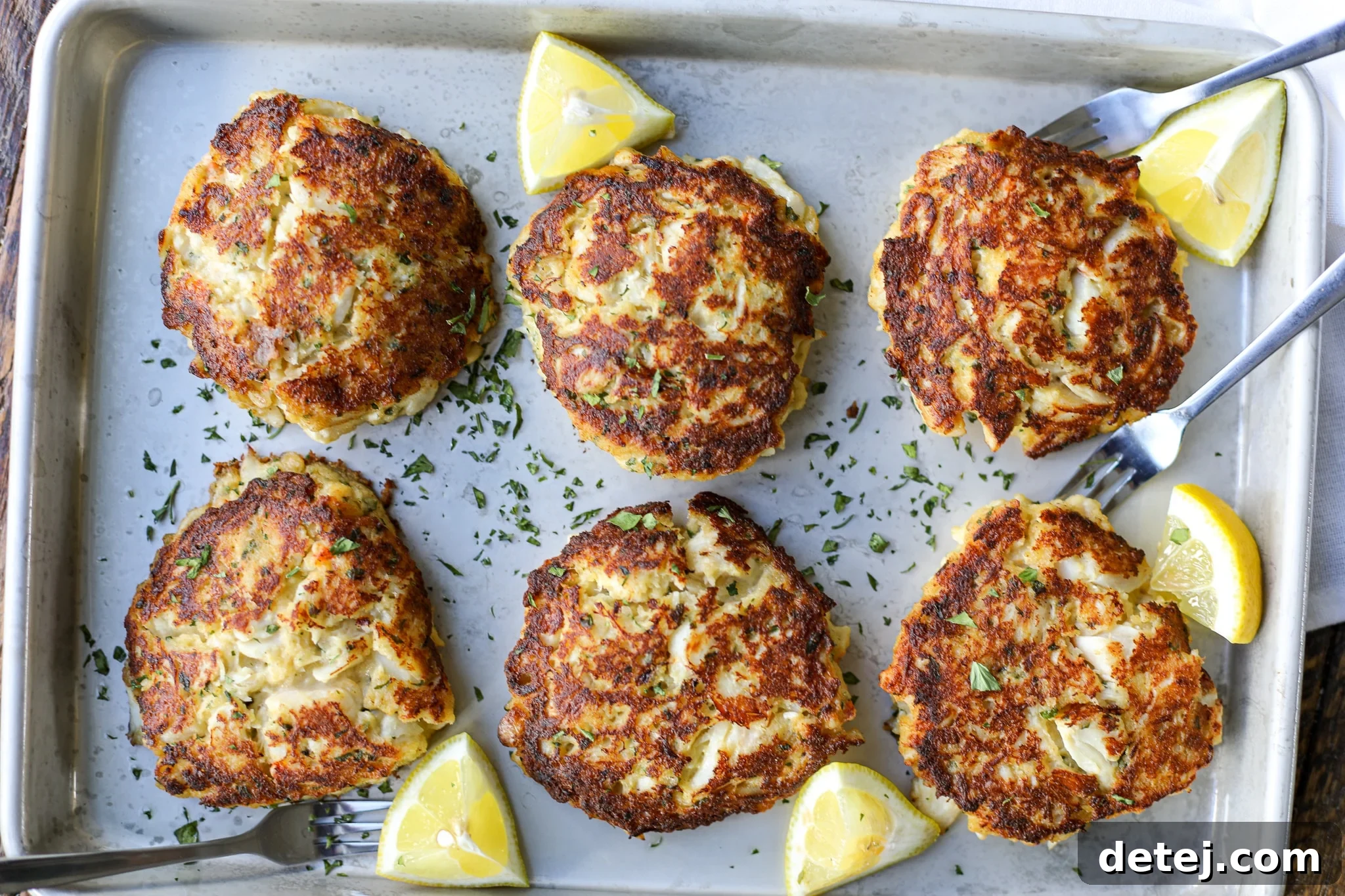
Classic Crab Cakes: The Ultimate Guide to Perfectly Pan-Fried & Oven-Baked Delights
Prepare to fall in love with this ultimate Classic Crab Cakes recipe, destined to become a cherished family favorite. Whether you’re planning a holiday feast, a special celebratory dinner, or simply craving an extraordinary seafood experience, these crab cakes promise to deliver. Our recipe champions the exquisite natural sweetness of fresh crab, utilizing a generous combination of succulent jumbo lump and regular lump crab meat. The secret lies in a minimal filler approach, allowing the delicate flavor and tender texture of the crab to truly shine through, resulting in what many call the tastiest crab cake recipe you’ll ever make.
Beyond their incredible taste, these crab cakes offer remarkable versatility in how they can be enjoyed. Serve them elegantly with a vibrant remoulade, a zesty tartar sauce, or simply a wedge of fresh lemon for a bright, clean finish. For a more casual yet equally delectable option, nestle them into buttery toasted slider buns to create mouth-watering crab cake sandwiches. No matter your presentation, a perfectly chilled glass of crisp chardonnay or a sparkling white wine makes for an impeccable pairing, elevating your meal to a truly gourmet experience.
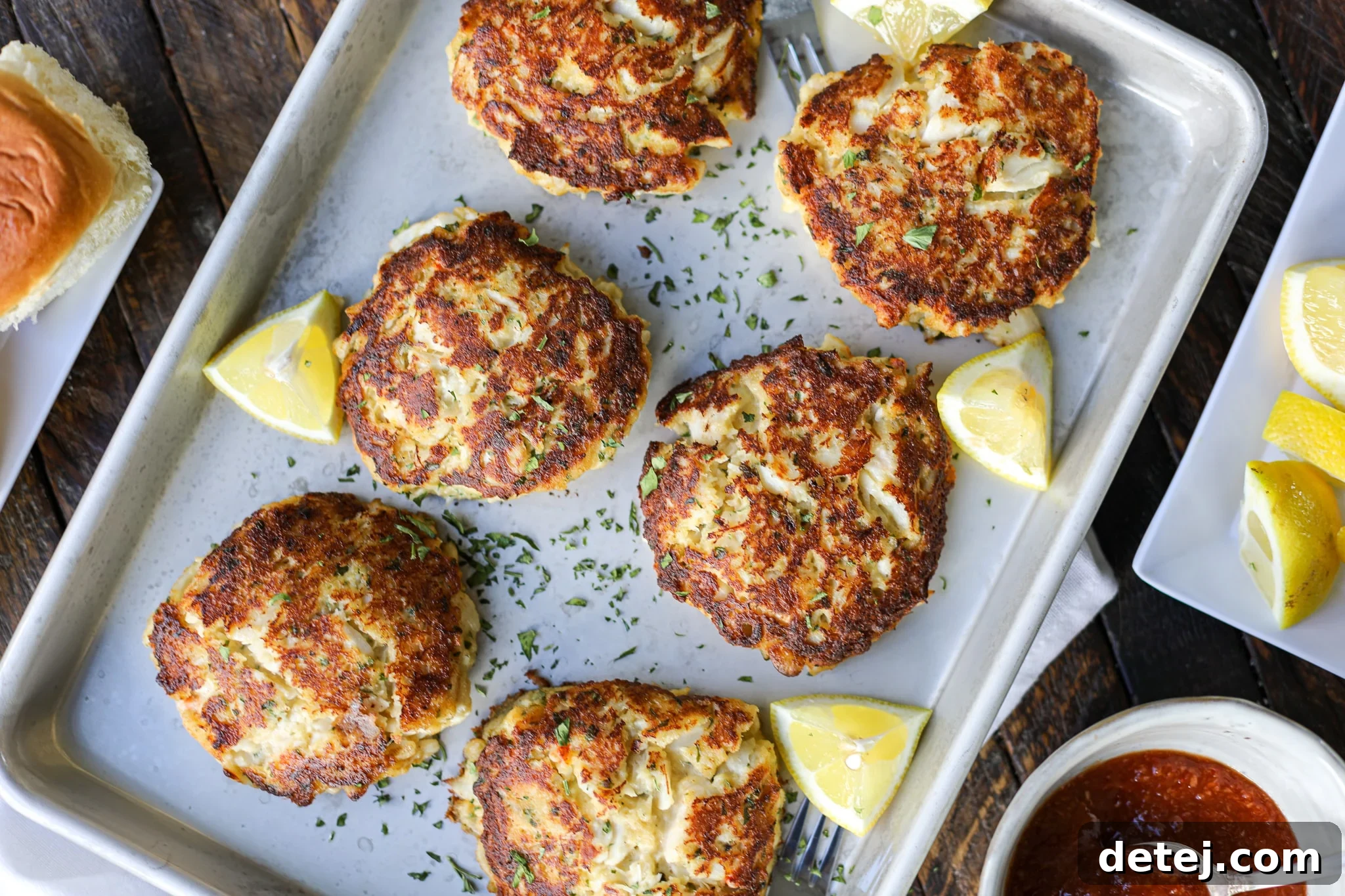
Why These Classic Crab Cakes Will Be Your New Favorite
Our classic crab cake recipe stands out for several compelling reasons, promising to elevate your culinary repertoire and impress even the most discerning palates. Here’s why you’ll absolutely adore making and enjoying them:
Effortlessly Delicious: Easy to Make
Despite their sophisticated appearance and gourmet taste, these crab cakes are surprisingly simple to prepare. We’ve streamlined the process to ensure that even novice cooks can achieve perfect results. The steps are straightforward, focusing on gentle mixing and minimal fuss, allowing the quality of the ingredients to shine. You don’t need to be a culinary expert to create a dish that tastes like it came from a five-star restaurant.
Impressive Elegance: A Dish That Dazzles
There’s something inherently impressive about serving homemade crab cakes. They instantly elevate any meal, making ordinary occasions feel extraordinary. Whether presented as an elegant appetizer at a dinner party or as the star of a special occasion entrée, these crab cakes are guaranteed to draw compliments. Their golden crust and tender interior exude culinary confidence, making you look like a seasoned chef without the stress.
Culinary Creativity: Incredibly Versatile
This recipe offers fantastic flexibility, allowing you to tailor it to your preferences or the needs of your gathering. You can craft elegant, full-sized crab cakes perfect for a main course, or shape them into charming mini crab cakes for delightful appetizers at a cocktail party. Their versatile nature also extends to serving options, as they pair beautifully with a wide array of sauces, sides, and even work wonderfully as a decadent sandwich filling. The possibilities are truly endless, ensuring these crab cakes fit seamlessly into any menu.
Minimal Filler, Maximum Flavor: Pure Crab Goodness
At the heart of an exceptional crab cake is, of course, the crab itself. Our recipe prioritizes premium quality crab meat with a minimal amount of binder. This philosophy ensures that every bite is bursting with the sweet, succulent flavor and delicate texture of the crab, rather than being overwhelmed by breading. We recommend a blend of jumbo lump and lump crab meat for the best balance of impressive presentation and rich taste, allowing the true essence of the sea to take center stage.
Unveiling the Key Ingredients for Exceptional Crab Cakes
The secret to truly outstanding crab cakes lies in the quality of your ingredients and how they come together. Each component in this recipe plays a crucial role in achieving that perfect balance of flavor and texture.
The Star: Choosing Your Crab Meat
For a truly luxurious experience, we highly recommend a combination of jumbo lump crab meat and lump crab meat. Jumbo lump consists of large, pristine pieces from the swimming fins, offering an impressive visual appeal and a delicate, sweet flavor. Lump crab meat, made of slightly smaller, broken pieces from the body, still provides excellent texture and taste, contributing to the overall richness. This blend ensures a varied texture in every bite, with substantial chunks of crab.
If jumbo lump is unavailable, using all lump crab meat is a perfectly fine alternative. However, be aware of other options like backfin or claw meat, which can alter the final product. Backfin crab meat comprises smaller flakes and pieces, which will result in a finer texture and a slightly less defined crab flavor. Claw meat, while more economical, has a stronger, sweeter, and sometimes brinier flavor with a darker hue, which will distinctly change the taste profile of your crab cakes. Always ensure your crab meat is well-drained to prevent a watery mixture that could lead to crumbly cakes.
The Binder: Fresh vs. Panko Breadcrumbs
Our recipe calls for fresh breadcrumbs, which are key to achieving a light, airy texture with minimal filler. To make your own, simply remove the crusts from fresh or slightly stale white bread. Discard the crusts, then add the soft center of the bread to a food processor. Pulse until the bread breaks down into small, fluffy pieces. This yields wonderfully light and tender breadcrumbs that absorb just the right amount of moisture and contribute a subtle, fresh taste.
Alternatively, panko breadcrumbs can be used for an even crispier exterior, though you will need a slightly smaller quantity (typically 1 to 1¼ cups instead of 1½ to 1¾ cups fresh breadcrumbs). Panko is drier and coarser than fresh breadcrumbs, so adjusting the amount is important to maintain the desired consistency of the crab cake mixture.
The Flavor Foundation: Our Signature Dressing
The dressing is what binds our crab cakes together and infuses them with a complex, savory flavor profile. In a large mixing bowl, combine high-quality mayonnaise, which provides richness and moisture, with tangy Dijon mustard for a subtle kick. Freshly squeezed lemon juice brightens the entire mixture, cutting through the richness of the crab. A few dashes of Worcestershire sauce add a layer of umami depth, while eggs act as an essential binder. The aromatic combination of onion powder, garlic powder, and dried parsley provides a savory backbone. Finally, kosher salt and freshly cracked black pepper season the mixture to perfection, enhancing all the individual flavors. Whisking these ingredients thoroughly ensures a homogenous and flavorful base for your crab cakes.
Pro Tips for Crafting Flawless Crab Cakes
Achieving crab cake perfection involves more than just good ingredients; it also requires attention to technique. These expert tips will help you create crab cakes that are firm, flavorful, and exquisitely tender.
The Essential Chill Time
This is arguably the most crucial step for preventing your crab cakes from falling apart during cooking. After you’ve prepared the crab cake mixture, it is absolutely vital to cover it tightly and refrigerate it for a minimum of 30 minutes, or ideally, an hour. This chilling period allows the breadcrumbs and other binders to fully absorb the moisture from the dressing and the crab meat, firming up the mixture. This “setting up” process creates a more cohesive patty that holds its shape beautifully when exposed to heat, ensuring a sturdy crab cake that doesn’t crumble in the pan or oven. Furthermore, chilling allows the flavors to meld and deepen, resulting in a more harmonious and delicious end product.
For ultimate convenience, you can even prepare the crab cake mixture up to 24 hours in advance. Just ensure it’s kept well-covered and refrigerated until you’re ready to form and cook the patties. This makes them an excellent make-ahead option for entertaining.
Forming the Perfect Patties
When it’s time to form your crab cakes, handle the mixture gently. The goal is to create uniform patties without compacting the crab meat too much, which can lead to a dense texture. Use an ice cream scoop or measuring cup for consistent portioning, then lightly shape them into discs about 1 to 1.5 inches thick. If pan-frying, a slightly flatter patty will help ensure even cooking through the center. For oven-baking, thicker patties work well as they won’t dry out as quickly. Remember, the less you handle the crab meat, the better its delicate texture will be preserved.
The Art of Gentle Mixing
When combining the crab meat with the dressing and breadcrumbs, resist the urge to vigorously stir or mash the ingredients. The aim is to fold everything together very gently. Use a spatula or your hands to lightly incorporate the components, being especially careful not to break apart the precious jumbo lump crab pieces. Overmixing can shred the crab, leading to a pasty texture rather than distinct, succulent chunks. This gentle approach ensures your crab cakes retain their impressive texture and mouthfeel.
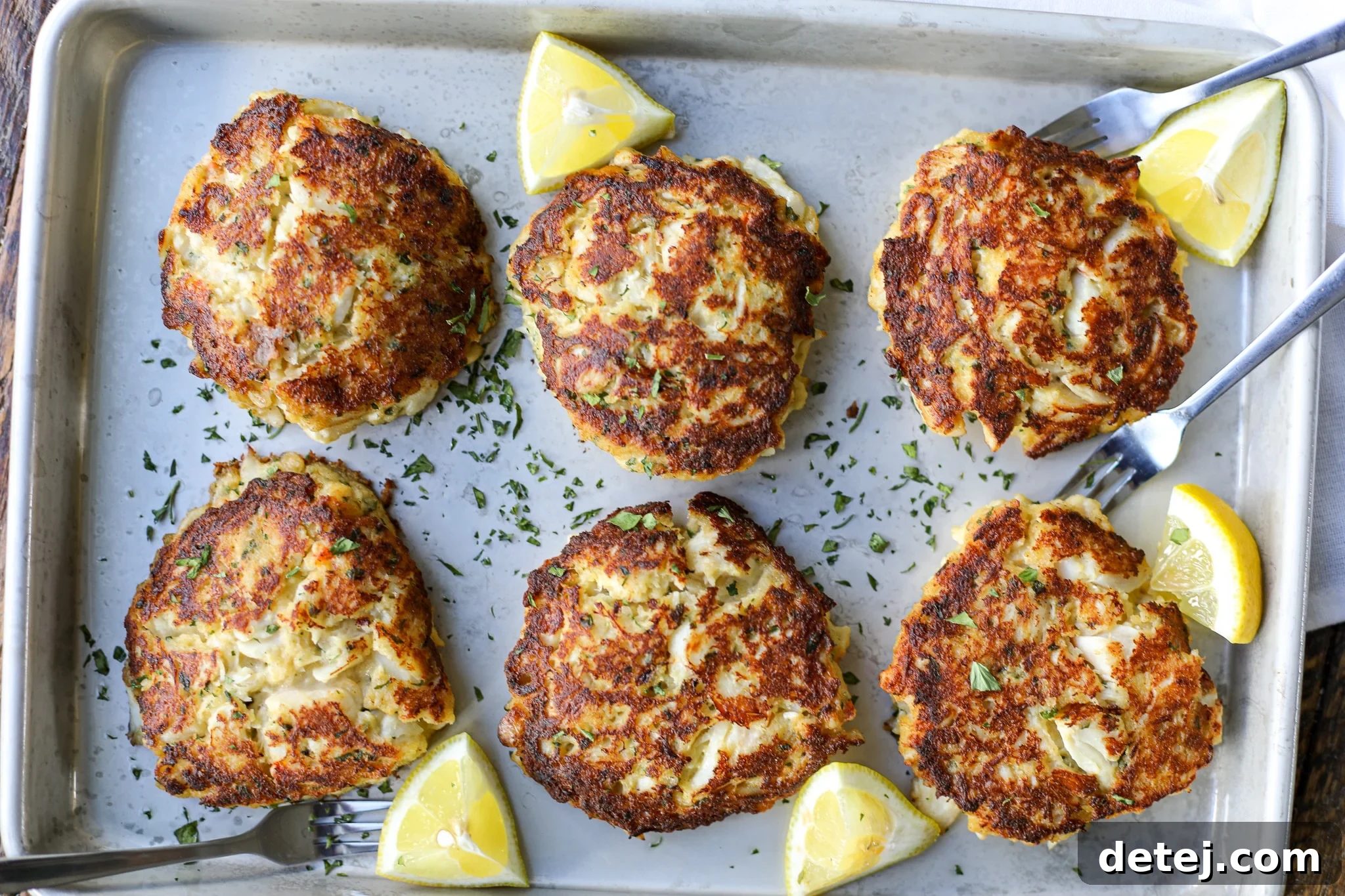
Mastering the Cook: Pan Frying vs. Oven Baking
Once your crab cake mixture is perfectly chilled and your patties are formed, it’s time to cook them. You have two excellent methods to choose from, each offering a slightly different result. Both techniques aim for a delicious golden crust and a thoroughly heated interior.
Pan Frying for Golden Perfection
Pan frying is a popular method that yields a beautifully golden-brown, crispy exterior and a moist, tender interior. It’s my personal favorite for achieving that irresistible crunchy crust. To pan fry:
- Preparation: Lightly flatten your crab cake patties slightly before frying. This helps ensure that the heat penetrates evenly through to the center, cooking the crab cake thoroughly without overcooking the outside.
- Heat and Fat: Heat an 11-inch nonstick skillet over medium-low heat. Add a generous amount of butter or a neutral oil with a high smoke point, such as grapeseed or avocado oil, to coat the bottom of the pan. Butter will impart a richer flavor, while oil will provide a cleaner crisp.
- Frying Process: Once the butter is melted and slightly foamy, or the oil is shimmering, carefully place the crab cake patties into the skillet. Avoid overcrowding the pan to maintain consistent heat. Fry for approximately 3-5 minutes per side. The goal is a deep golden brown crust.
- Heat Management: Keep a close eye on the browning. If the crab cakes start to get too dark too quickly, reduce the heat to low. Larger crab cakes will naturally require a longer cooking time to ensure they are heated through.
- Doneness: The internal temperature should reach 160°F (71°C) for food safety. The exterior will be visibly crispy and golden.
Oven Baking for a Lighter Touch
Oven baking offers a fantastic alternative to pan frying, resulting in a slightly lighter crab cake that’s still wonderfully flavorful and beautifully browned. This method is great for cooking a larger batch simultaneously and reduces the need for constant supervision. To oven bake:
- Preheat: Preheat your oven to 400°F (200°C).
- Tray Preparation: Spray a baking tray with nonstick cooking spray, or line it with parchment paper for easy cleanup and to prevent sticking.
- Arrangement: Carefully place your formed crab cake patties on the prepared baking tray, ensuring there’s a little space between each for even heat circulation.
- Baking Time: Bake for approximately 13-15 minutes. The baking time might need to be adjusted for larger or smaller crab cakes.
- Even Browning (Optional Flip): While baking, keep an eye on the bottom of the cakes to ensure they don’t get excessively crispy or dark. You have the option to gently flip them halfway through the baking time (around the 7-8 minute mark) to ensure even browning on both sides.
- Doneness: For safe consumption, the internal temperature of the crab cakes should reach 160°F (71°C). Use a meat thermometer to confirm. The exterior will be light golden and firm to the touch.
How to Make Classic Crab Cakes: Step-by-Step
Follow these simple steps to prepare your classic crab cakes, ensuring they are perfectly mixed and ready for cooking.
- Prepare Breadcrumbs: If making fresh breadcrumbs, remove the crust from 8-10 slices of white bread. Buzz the bread in a food processor until fine crumbs form. You will need approximately 1½ – 1¾ cups total. Set aside. If using panko, measure out 1 – 1¼ cups.
- Whisk the Dressing: In a large mixing bowl, combine the mayonnaise, Dijon mustard, Worcestershire sauce, fresh squeezed lemon juice, eggs, kosher salt, cracked black pepper, onion powder, garlic powder, and dried parsley. Whisk all ingredients vigorously until well combined and smooth.
- Combine Gently: Add the thoroughly drained jumbo lump and lump crab meat to the prepared dressing. Very gently fold everything together, taking care not to break apart the delicate jumbo lump crab pieces. The goal is to coat the crab without mashing it.
- Fold in Breadcrumbs: Next, gently fold in your fresh or panko breadcrumbs until just combined. Be careful not to overmix.
- Chill the Mixture: Cover the bowl containing the crab cake mixture and refrigerate for a minimum of 30 minutes. This crucial step allows the mixture to firm up, preventing the crab cakes from falling apart during cooking and enhancing their flavor.
- Form Patties: Once chilled, gently form the mixture into uniform patties, about 1 to 1.5 inches thick.
Your crab cake patties are now ready for your chosen cooking method – pan frying or oven baking, as detailed in the “Mastering the Cook” section above.
Serving Suggestions & Perfect Pairings
Classic crab cakes are incredibly versatile and can be the star of various meals. Here are some ideas to make your crab cake experience even more memorable:
Irresistible Sauces
- Creamy Remoulade: A classic choice, offering a tangy, slightly spicy counterpoint to the sweet crab.
- Zesty Tartar Sauce: The dill and capers in a good tartar sauce complement seafood beautifully.
- Bright Lemon Wedges: A simple squeeze of fresh lemon juice enhances the crab’s natural flavors, adding a vibrant acidity.
- Spicy Cocktail Sauce: For those who prefer a bit of heat, a horseradish-infused cocktail sauce provides a delightful kick.
Versatile Presentations
- Elegant Appetizer: Serve mini crab cakes with a dollop of sauce for a sophisticated starter.
- Gourmet Main Course: Pair larger crab cakes with elegant sides for a memorable dinner.
- Delicious Crab Cake Sandwiches: Place a cooked crab cake on a buttery toasted brioche bun or slider bun with lettuce, tomato, and your favorite sauce for a hearty meal.
Ideal Drink Pairings
A crisp white wine is the perfect companion to the richness of crab. Consider:
- Chardonnay (unoaked or lightly oaked): Its buttery notes complement the crab without overpowering it.
- Sauvignon Blanc: Offers a refreshing acidity and citrus notes.
- Pinot Grigio/Gris: Light and crisp, a wonderful palate cleanser.
- Sparkling Wine or Champagne: Bubbles always add a touch of festivity and cut through richness.
Complementary Side Dishes
- Air Fryer Green Beans Almondine: A healthy, vibrant green vegetable.
- Lebanese Orzo Rice: A flavorful and comforting carb option.
- Easy Potato Salad: A classic side that works well with seafood.
- Roasted Asparagus: Simple and elegant, with a delicate flavor.
- Fresh Corn Salad: Especially in summer, a sweet and crunchy addition.
- Creamy Coleslaw: A cool, tangy contrast to the warm crab cakes.
- Simple Green Salad with Vinaigrette: A light and refreshing choice.
Storing & Freezing Your Delicious Crab Cakes
Planning ahead or managing leftovers is easy with these storage tips, ensuring you can enjoy your classic crab cakes long after they’re made.
Refrigeration
- Cooked Crab Cakes: Store any leftover cooked crab cakes in an airtight container in the refrigerator for up to four days. To reheat, gently warm them in a hot pan on the stove over medium-low heat until heated through and crispy, or use a microwave for a quicker (though less crispy) option.
- Uncooked Crab Cake Mixture/Patties: The prepared, uncooked crab cake mixture or formed patties can be stored in an airtight container in the refrigerator for up to 24 hours before cooking. This is a great make-ahead option for entertaining.
Freezing for Later Enjoyment
You can freeze both cooked and uncooked crab cakes, though freezing uncooked crab cakes is often preferred as they tend to maintain a better texture upon thawing and cooking.
- Freezing Uncooked Crab Cakes: Form your patties as usual. Place them on a baking sheet lined with parchment paper, ensuring they don’t touch. Freeze for 1-2 hours until solid. Once frozen, transfer the crab cakes to a freezer-safe airtight container or heavy-duty freezer bags, separating layers with parchment paper to prevent sticking. They will last for up to 2-3 months. When ready to cook, thaw them in the refrigerator overnight before pan-frying or baking as directed.
- Freezing Cooked Crab Cakes: Allow cooked crab cakes to cool completely. Arrange them on a parchment-lined baking sheet and freeze until solid. Transfer to a freezer-safe container or bag, separating with parchment. They can be frozen for up to 1-2 months. Thaw in the refrigerator and reheat gently in an oven or skillet for best results.
Frequently Asked Questions
Yes, absolutely! While we love the combination of jumbo lump and regular lump for varied texture and presentation, using all lump crab meat will still result in delicious, flavorful crab cakes. The key is to ensure it’s fresh and well-drained.
These crab cakes pair wonderfully with a variety of sauces. Classic choices include a creamy remoulade, a zesty tartar sauce, or a spicy cocktail sauce. For a simpler approach, a squeeze of fresh lemon juice or a sprinkle of chopped fresh parsley can highlight the crab’s natural sweetness beautifully.
For a complete meal, consider serving your crab cakes with light and fresh sides. Great options include a crisp green salad, roasted asparagus, steamed green beans (like Air Fryer Green Beans Almondine), Lebanese Orzo Rice, or a creamy Easy Potato Salad. For summer, a fresh corn salad or coleslaw also works wonderfully.
The most important step is chilling the mixture for at least 30 minutes (or up to 24 hours) before cooking. This allows the binders to set and helps the patties hold their shape. Additionally, avoid overmixing the crab meat and handle the patties gently when forming and cooking.
Yes, absolutely! You can prepare the crab cake mixture up to 24 hours in advance. Simply cover it tightly and refrigerate until you’re ready to form the patties and cook them. This makes these crab cakes perfect for meal prepping or entertaining.
For best results, reheat cooked crab cakes in a hot pan on the stove over medium-low heat until they are warmed through and the exterior regains some crispness. You can also warm them in an oven at 300°F (150°C) for about 10-15 minutes. While the microwave works for quick reheating, it may soften the crust.
Explore More Seafood Delights
- Spicy Crab Cakes
- Ahi Tuna Poke Recipe
- Four Ingredient Salmon Burgers
- Linguini with Crab

Classic Crab Cakes
Sarah Thomas-Drawbaugh
Yield:
12
crab cakes
1 hour
20 minutes
1 hour
18 minutes
Pin Recipe
Leave a Review »
Equipment
-
1 food processor for breadcrumbs -
1 mixing bowl -
1 baking tray if baking -
1 nonstick skillet if pan frying
Ingredients
-
16 ounces jumbo lump crab meat, drain liquid -
16 ounces lump crab meat, drain liquid -
½ cup mayonnaise -
1 tablespoon lemon juice, fresh squeezed -
4 teaspoons Dijon mustard -
2 medium eggs -
3-4 shakes Worcestershire sauce -
2-3 teaspoons dried parsley -
1 teaspoon kosher salt, use less if you’re using table salt, roughly a ½ teaspoon -
¾ teaspoon garlic powder -
½ teaspoon onion powder -
few turns cracked black pepper -
1½ – 1¾ cups fresh breadcrumbs , or 1 – 1¼ cup panko breadcrumbs
Instructions
-
Remove the crust from 8-10 slices of white bread. Buzz the bread in a food processor to form fresh breadcrumbs. You’ll need 1½ -1¾ cups total. Set aside.
If you’re using panko breadcrumbs instead you’ll need 1 – 1¼ cups.
-
In a large mixing bowl combine, mayonnaise, Dijon mustard, Worcestershire sauce, fresh squeezed lemon juice, egg, kosher salt, cracked black pepper, onion powder, garlic powder, and dried parsley. Whisk well.
-
Add the drained crab meat, (option to add a touch of the crab juice if you like a stronger crab flavor) and gently fold everything together trying to not break the jumbo lump crab meat.
Next, gently fold in the breadcrumbs. Cover and refrigerate for a minimum of 30 minutes.
Pan Frying
-
Form the patties. Heat an 11-inch nonstick skillet over medium / low heat. Add butter or a neutral oil. Once hot, begin pan frying the crab cakes. Cook for 3-5 minutes per side until golden brown and crispy. If they get too brown, reduce the heat to medium / low. Larger crab cakes may require more cooking time. Ensure internal temperature reaches 160°F (71°C).
Oven Baking
-
Preheat the oven to 400 degrees (200°C). Spray a baking tray with nonstick cooking spray or line with parchment paper. Form the patties.
-
Add the crab cakes to the tray and bake for 13-15 minutes. Larger crab cakes may require more time.
You want the internal temperature to reach 160 degrees Fahrenheit (71°C) to ensure doneness. Option to flip halfway to prevent any one side from getting too brown.
Notes
You can also freeze your cooked or uncooked crab cakes. It’s generally better to freeze uncooked crab cakes as they will last longer and maintain a better texture when cooked after thawing.
Nutrition
Calories: 152kcal,
Carbohydrates: 2g,
Protein: 15g,
Fat: 9g,
Saturated Fat: 1g,
Polyunsaturated Fat: 4g,
Monounsaturated Fat: 2g,
Trans Fat: 0.02g,
Cholesterol: 67mg,
Sodium: 937mg,
Potassium: 182mg,
Fiber: 0.2g,
Sugar: 0.4g,
Vitamin A: 69IU,
Vitamin C: 6mg,
Calcium: 47mg,
Iron: 1mg
Main Course
American
152
Sarah Thomas-Drawbaugh