
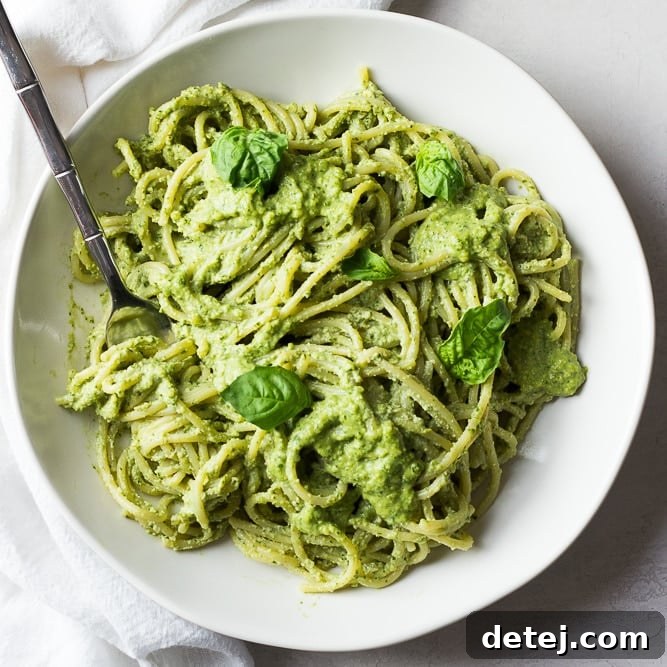
Unlock the secret to crafting the most irresistible vegan pesto with just 5 simple ingredients! This versatile sauce is effortlessly customizable and perfect for tossing with cooked pasta, serving as a vibrant dip, or transforming your homemade pesto pizza. Plus, it freezes beautifully, ensuring you always have a batch ready for your culinary adventures.
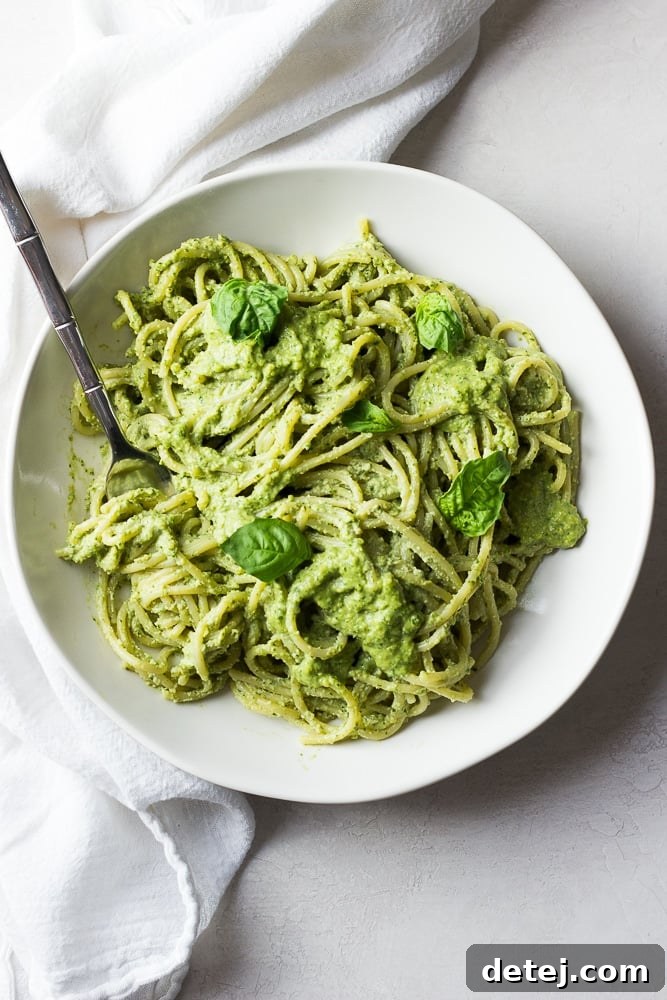
The Ultimate 5-Ingredient Vegan Pesto: Your Go-To Plant-Based Sauce
If there’s one recipe that deserves a permanent spot in your culinary repertoire, it’s this incredibly simple vegan pesto. Especially during the summer months when fresh basil is abundant and bursting with flavor, this vibrant green sauce becomes an indispensable kitchen staple. More than just a condiment, this homemade vegan pesto is a culinary chameleon, ready to elevate an array of dishes with its herbaceous, fresh, and savory notes.
Beyond its classic pairing with pasta, pesto is a phenomenal way to enhance pizza, add a gourmet touch to roasted vegetables, or serve as a delectable dip for entertaining. Imagine it alongside crispy potato wedges or fresh zucchini fritters – the possibilities are truly endless. The best part? You only need a handful of accessible ingredients to bring this magic to life in your own kitchen.
This exceptional vegan version thoughtfully omits traditional dairy and even the often-expensive pine nuts, proving that you don’t need animal products to achieve extraordinary flavor. For those seeking a lighter touch, it can be made with just water, while a splash of olive oil lends a richer, smoother texture. My special secret to achieving that irresistible cheesy, buttery depth? A clever blend of cashews and nutritional yeast, transforming this pesto into an unforgettable plant-based delight. This combination not only delivers on taste but also makes it a much more budget-friendly option compared to versions made with costly pine nuts and parmesan.
One of the many benefits of this recipe is its freezer-friendly nature. Prepare a larger batch and freeze it for months, ensuring you always have a flavorful boost ready for quick weeknight dinners. Drizzle it over elegant Cauliflower Steaks, toss it into a hearty Kale Salad, or keep it on hand for effortless dips at last-minute gatherings. Once you experience the ease and incredible flavor of this recipe, it’s bound to become your new favorite go-to pesto!
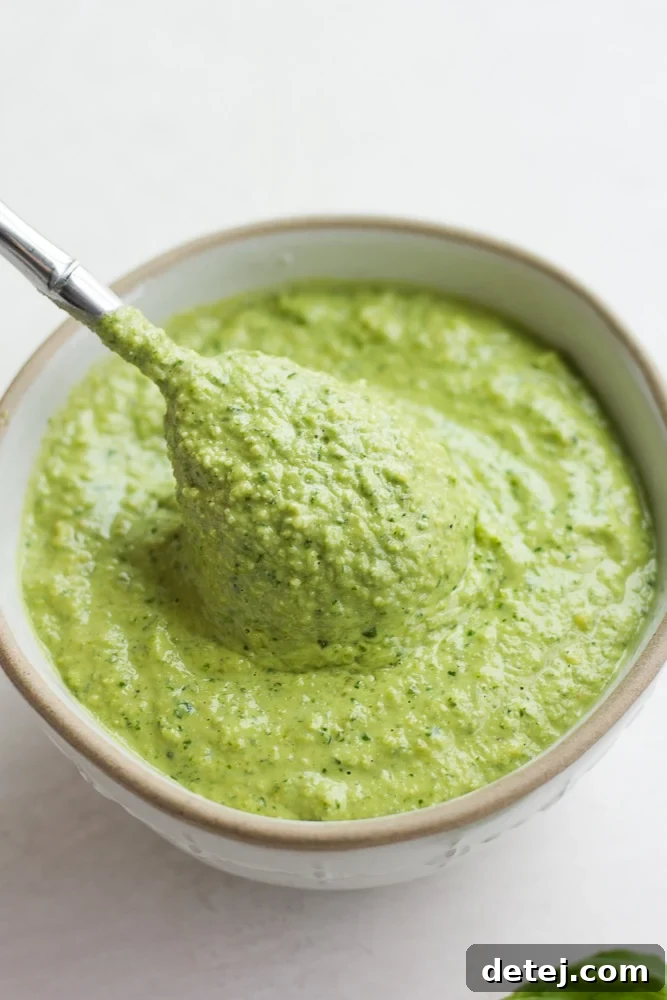
Is Pesto Vegan Friendly? Understanding Traditional vs. Plant-Based
Traditionally, classic pesto Genovese is not vegan due to its inclusion of Parmesan cheese. The standard recipe typically calls for fresh basil, garlic, pine nuts, olive oil, and a generous amount of Parmesan. However, adapting this beloved sauce to be entirely plant-based is remarkably simple and doesn’t compromise on flavor. By making a few smart ingredient swaps, you can create a vegan pesto that’s just as, if not more, delicious and versatile than its dairy-laden counterpart.
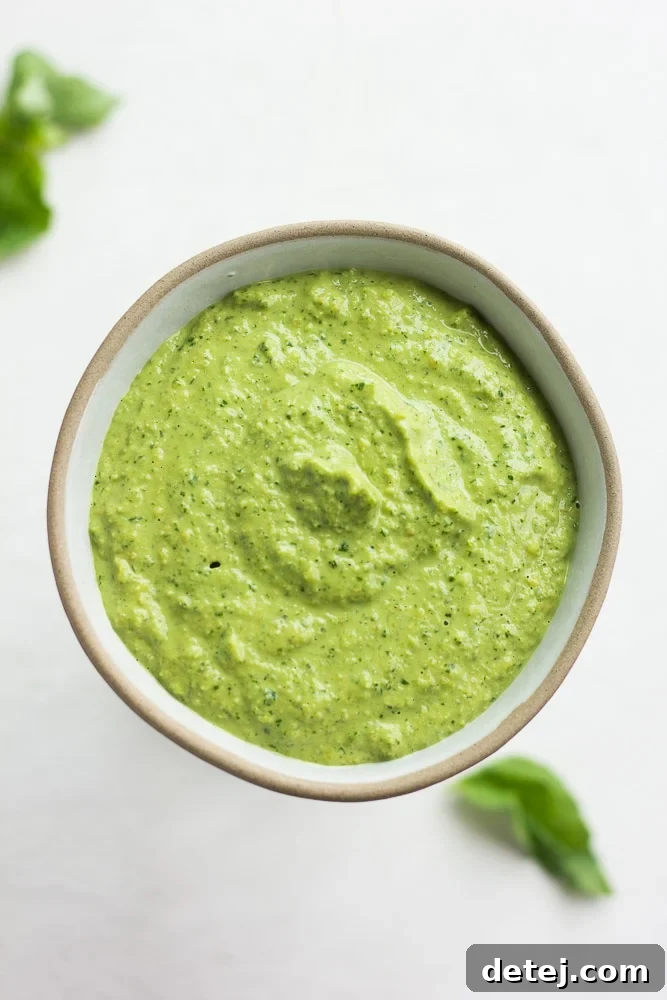
My preferred method for crafting a truly exceptional vegan pesto involves replacing the Parmesan cheese with nutritional yeast and swapping pine nuts for raw cashews. Nutritional yeast is a staple in vegan cooking, renowned for imparting a savory, umami-rich, and distinctly “cheesy” flavor. When combined with cashews, which blend into an incredibly creamy, buttery base, it creates a profile that perfectly complements the zesty lemon juice and aromatic fresh herbs. This thoughtful substitution not only makes the pesto dairy-free and accessible to more dietary needs but also makes it significantly more budget-friendly, as pine nuts can often be quite expensive.
How Do You Make Simple Vegan Pesto? A Step-by-Step Guide
Making this vegan pesto couldn’t be easier, requiring minimal effort for maximum flavor payoff. The entire process takes just minutes in a food processor, transforming simple ingredients into a gourmet sauce. Here’s how to achieve that smooth, creamy perfection:
- **Gather Your Ingredients:** Ensure you have all your fresh basil, garlic cloves, cashews (or chosen nuts/seeds), nutritional yeast, lemon juice, salt, and your liquid components (water and optional olive oil).
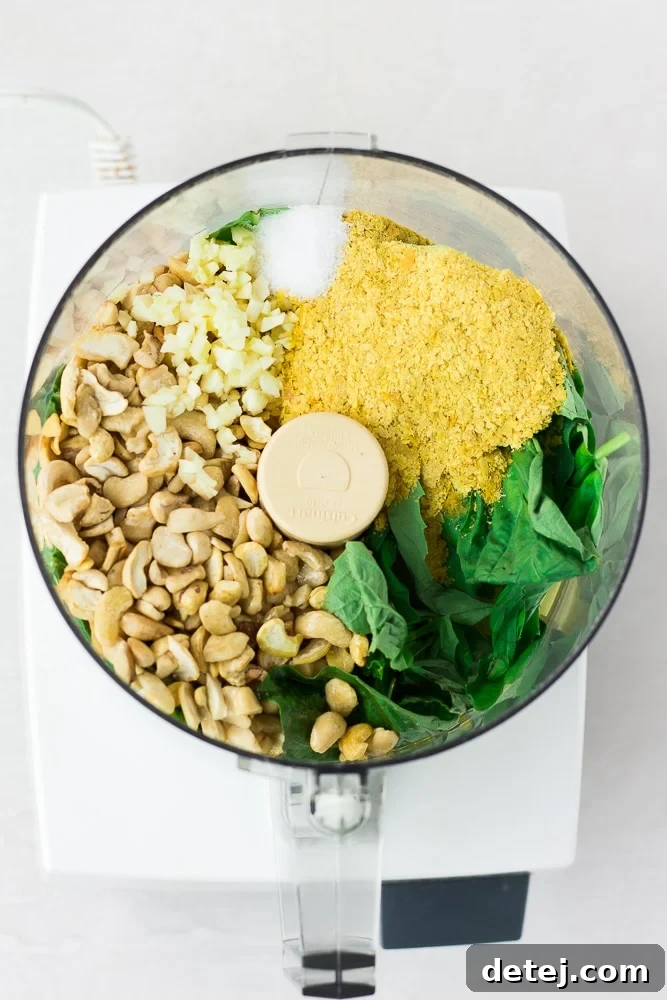
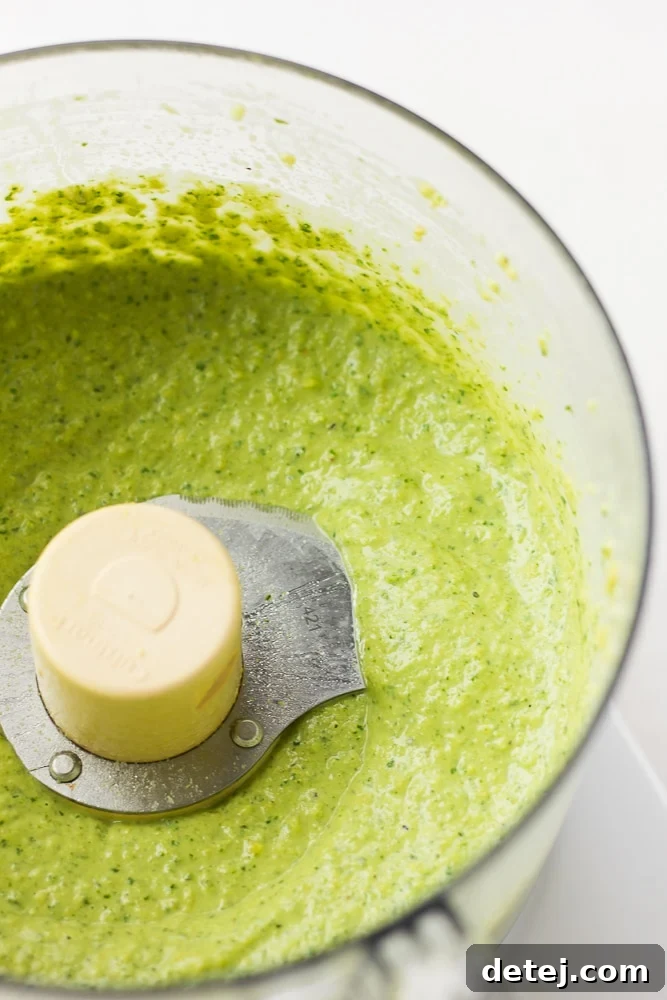
- **Load the Food Processor:** Add all the core ingredients – cashews (or pine nuts, walnuts, sunflower seeds), peeled garlic cloves, fresh basil, nutritional yeast, fresh lemon juice, salt, and the initial ¼ cup of water. If you’re using olive oil for a richer flavor and smoother consistency, add ¼ cup of that too.
- **Blend to Perfection:** Secure the lid on your food processor and process the mixture. Start with short pulses, then blend continuously until the pesto reaches a beautifully smooth and creamy consistency.
- **Adjust Consistency:** While blending, keep an eye on the texture. If the pesto appears too thick or chunky, gradually add more water, one tablespoon at a time, until you achieve your desired pourable yet rich consistency. Remember, if you’re omitting olive oil, you’ll likely need an additional ¼ cup of water to reach the perfect texture.
That’s it! In just a few easy steps, you’ll have a batch of incredible homemade vegan pesto ready to elevate any meal.
Expert Tips & Versatile Substitutions for Your Vegan Pesto
Crafting the perfect vegan pesto is incredibly straightforward, but a few expert tips can help you achieve optimal flavor and texture. Plus, knowing how to make easy substitutions ensures this recipe works for everyone, regardless of dietary preferences or ingredient availability.
- Achieving Vibrant Green Color: For the brightest green pesto, add the basil leaves last to the food processor after the other ingredients have begun to break down. Over-processing basil or blending it for too long can introduce heat and cause oxidation, leading to a duller color. A quick pulse at the end is all it needs.
- Pesto Thickness in the Refrigerator: It’s natural for your pesto to thicken slightly once refrigerated. To restore its creamy consistency when you’re ready to use it, simply stir in a small amount of water or a drizzle of olive oil, a teaspoon at a time, until it reaches your desired texture.
- Preventing Browning: Pesto is prone to browning on the surface due to oxidation, which doesn’t affect taste but can be unappetizing. To keep it looking fresh longer, make sure to add olive oil to the recipe. If storing in the refrigerator, press a layer of plastic wrap directly onto the surface of the pesto before sealing the container. This creates a barrier against air.
- Nut-Free Pesto Options: If you have a cashew allergy or prefer a nut-free version, this recipe is highly adaptable. Excellent substitutes for cashews include sunflower seeds or pepitas (pumpkin seeds). These seeds provide a similar creamy texture and subtle flavor when blended.
- Making Pesto Without Nutritional Yeast: While nutritional yeast is key for that cheesy flavor, you can still make a delicious pesto without it. If omitting, I strongly recommend sticking with cashews (or pine nuts) as your base. Their inherent creaminess and rich flavor will help compensate for the absence of the “cheesy” notes from the nutritional yeast.
- Alternatives for Cashew Allergies: Beyond sunflower seeds and pepitas, traditional pine nuts are an obvious choice. Raw slivered almonds can also work, offering a slightly different but pleasant nutty profile. Always ensure the nuts/seeds are raw for the best blending and flavor.
- The Role of Olive Oil: While you can make this recipe oil-free (using more water for consistency), incorporating ¼ cup of olive oil significantly enhances the pesto’s smoothness, richness, and overall mouthfeel. It also acts as a natural preservative for the basil, helping maintain its vibrant color and fresh taste. Choose a good quality extra virgin olive oil for the best results.
- Salt Adjustment: Always taste your pesto before serving. The amount of salt needed can vary based on personal preference and the natural saltiness of other ingredients. Start with ½ teaspoon and add more in small increments if desired.
What Goes Well with Versatile Vegan Pesto? Endless Culinary Creations!
Once you’ve whipped up a batch of this fantastic vegan pesto, you’ll discover its incredible versatility across countless dishes. Here are some of our favorite ways to enjoy it:
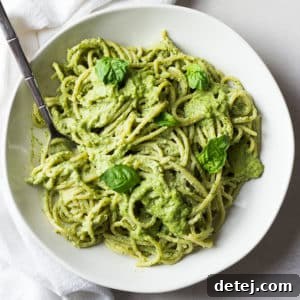
- Classic Vegan Pesto Pasta: This is the ultimate quick and satisfying meal. Simply boil your favorite pasta (linguine, fusilli, penne, or spaghetti all work beautifully) according to package instructions. Drain, reserving about ½ cup of pasta water. Toss the hot pasta immediately with your fresh vegan pesto. Add a splash of the reserved pasta water as needed to create a silky, emulsified sauce that perfectly coats every strand. Finish with a sprinkle of vegan parmesan and a few fresh basil leaves for garnish.
- Pesto Pizza Base: Ditch the traditional tomato sauce and spread a generous layer of vegan pesto on your pizza crust for an aromatic and unique flavor profile. Top with your favorite vegan cheeses, vegetables, and plant-based protein for an unforgettable pesto pizza.
- Dips & Spreads: Serve it as a vibrant dip with crunchy raw vegetables (carrots, celery, bell peppers), pita chips, crackers, or crusty bread. It’s also fantastic as a spread in sandwiches, wraps, or even on toast with avocado. Try it in a vegan egg salad sandwich for an extra burst of flavor.
- Salad Dressing: Thin out the pesto with a little extra water or a dash of apple cider vinegar to create a rich, herbaceous salad dressing. It’s particularly good on green salads, grain bowls, or roasted vegetable salads.
- Stuffed Shells & Lasagna: Mix pesto into a vegan ricotta filling for jumbo shells or lasagna, adding an incredible depth of flavor that will impress even the most discerning palates.
- Marinade for Tofu & Tempeh: Use pesto as a marinade for grilled or baked tofu, tempeh, or seitan. Its potent flavors infuse quickly, creating deliciously seasoned plant-based proteins.
- Roasted & Grilled Vegetables: Toss freshly roasted or grilled vegetables (like asparagus, broccoli, zucchini, or potatoes) with a spoonful of pesto while they’re still warm. The heat helps the pesto coat evenly and release its aromas.
- Flavor Boost for Soups & Stews: Stir a dollop of pesto into a bowl of vegetable soup or a hearty bean stew just before serving. It adds a fresh, gourmet finish.
I highly recommend always having a batch of this versatile vegan pesto ready in your fridge or freezer. It’s the ultimate secret weapon for effortlessly elevating all your meals, transforming ordinary dishes into extraordinary culinary experiences!
Frequently Asked Questions About Vegan Pesto
Here are answers to some common questions about making and storing your homemade vegan pesto:
- How long does vegan pesto last? Freshly made vegan pesto will store beautifully in a sealed airtight container in the refrigerator for up to 1 week. To prevent the surface from browning due to oxidation, press a layer of plastic wrap directly onto the top of the pesto before sealing the container. Alternatively, you can pour a thin layer of olive oil over the top to create a protective barrier.
- Can you freeze vegan pesto? Absolutely! Pesto freezes exceptionally well, allowing you to enjoy fresh flavors for months. It will maintain its quality in the freezer for up to 6 months. A popular method is to freeze fresh batches in ice cube trays. Once frozen solid, pop the pesto cubes out and transfer them to a freezer-safe ziplock bag or container. This makes it incredibly convenient to thaw and use small portions as needed for individual meals or quick flavor boosts.
- Do I need to soak the cashews? Soaking cashews is recommended if you don’t have a high-speed blender or food processor. Soaking them in hot water for at least 15-30 minutes (or cold water for 2-4 hours) will soften them significantly, resulting in an even creamier and smoother pesto. If you have a powerful appliance, soaking might not be strictly necessary, but it still helps achieve the silkiest texture.
- Can I make this pesto oil-free? Yes, you can! This recipe is easily adaptable to be oil-free. Simply omit the olive oil and compensate by adding more water, usually an extra ¼ cup or more, until you reach your desired consistency. The flavor will still be fantastic, just with a slightly lighter texture.
- Why is my pesto bitter? There are a few reasons pesto can turn bitter. Over-processing basil can make it bitter as it breaks down too much of the chlorophyll. Using old, wilted basil or basil that hasn’t been properly washed can also contribute to bitterness. Ensure your basil is fresh and vibrant, and avoid over-blending.
- Can I use other greens instead of basil? While basil is traditional, this recipe is incredibly versatile. You can experiment with other leafy greens like kale (blanching it first can reduce bitterness), spinach, or arugula for different flavor profiles. You might adjust the lemon juice or garlic to balance the new flavors.
Want More Easy Vegan Sauces to Elevate Your Meals?
If you loved this vegan pesto, you’re in for a treat! Exploring the world of homemade vegan sauces can transform your cooking. Here are some other incredible plant-based sauce recipes you might enjoy:
- Creamy Vegan Alfredo Sauce
- Rich Vegan Cheese Sauce
- Quick and Easy Vegan Barbecue Sauce
- Zesty Vegan Tartar Sauce
4.95 stars (51 ratings)
Simple Vegan Pesto
Learn how to make the most incredible vegan pesto with just 5 ingredients! Easily customize it to your liking, and stir into cooked pasta, use as a dip or make pesto pizza. It freezes beautifully, too!
Prep: 5 mins Total: 5 mins Servings: 6 servings
Print Recipe | Pin Recipe
Ingredients
For the Pesto
- 3/4 cup raw cashews (or pine nuts, walnuts, sunflower seeds)
- 3 cloves garlic
- 2 cups fresh basil, packed
- 4 tablespoons nutritional yeast
- 2 tablespoons fresh lemon juice
- 1/2 teaspoon salt
- 1/4 cup olive oil (omit for oil-free)
- 1/4 cup water, plus more as needed
For Pesto Pasta
- 8 ounces uncooked pasta of choice
Instructions
-
To a food processor, add the cashews, garlic, basil, nutritional yeast, lemon juice, salt, olive oil (if using) and 1/4 cup water. Process until smooth, adding more water as needed for a thinner consistency. If not using the oil, you will likely need an extra 1/4 cup water.
-
If serving with pasta, cook the noodles according to package instructions, then toss with the pesto, adding more water or olive oil as needed until it coats the noodles well.
-
Store in the refrigerator for up to 1 week. Pesto also freezes well for up to 6 months. I freeze it in an ice cube tray, then pop the cubes out and stick them in a ziplock freezer bag or container.
Video
Watch the step-by-step video tutorial to see how easy it is to make this incredible vegan pesto!
Notes
- This vegan pesto pairs wonderfully with any type of pasta, as a vibrant base for pizza, a delightful dip with vegetables or pita chips, a refreshing salad dressing (when thinned with water), or simply spread on a sandwich.
- Pesto naturally thickens in the refrigerator. To achieve your desired consistency each time you use it, simply thin it out with a little water or olive oil.
- For those with cashew allergies, feel free to substitute with pine nuts, pepitas, sunflower seeds, or raw slivered almonds.
- Feel free to customize your pesto! Swap basil for kale or arugula, and consider using walnuts instead of cashews for a unique flavor twist. This recipe is incredibly versatile.
Nutrition
Serving: 1of 6 servings | Calories: 193kcal | Carbohydrates: 8g | Protein: 6g | Fat: 16g | Saturated Fat: 3g | Sodium: 197mg | Potassium: 241mg | Fiber: 2g | Sugar: 1g | Vitamin A: 422IU | Vitamin C: 4mg | Calcium: 23mg | Iron: 2mg
Course: Entree, Side Dish
Cuisine: Italian
Author: Nora Taylor
Did you make this recipe?Mention @nora_cooks_vegan_ or tag #noracooks!
*This recipe was originally published in April 2019 and has been meticulously updated with slightly altered ingredient amounts, after years of testing, to ensure an even better outcome. Additionally, we’ve included comprehensive substitution options for those with cashew allergies, making this recipe accessible and enjoyable for everyone.