

Easy One-Pot Vegan Biryani: Your Flavorful Takeout-Inspired Feast
Craving the rich, aromatic flavors of biryani but intimidated by the traditional, multi-step process? Look no further! This Easy Vegan Biryani recipe is a game-changer, bringing the vibrant taste of South Asia to your kitchen with minimal effort. Imagine a single pot filled with perfectly cooked basmati rice, tender vegetables, hearty chickpeas, and an explosion of fragrant Indian spices, all ready in about 30 minutes. This simplified, plant-based version doesn’t compromise on flavor, making it the ultimate weeknight dinner solution or a show-stopping dish for a takeout-inspired feast without the fuss.
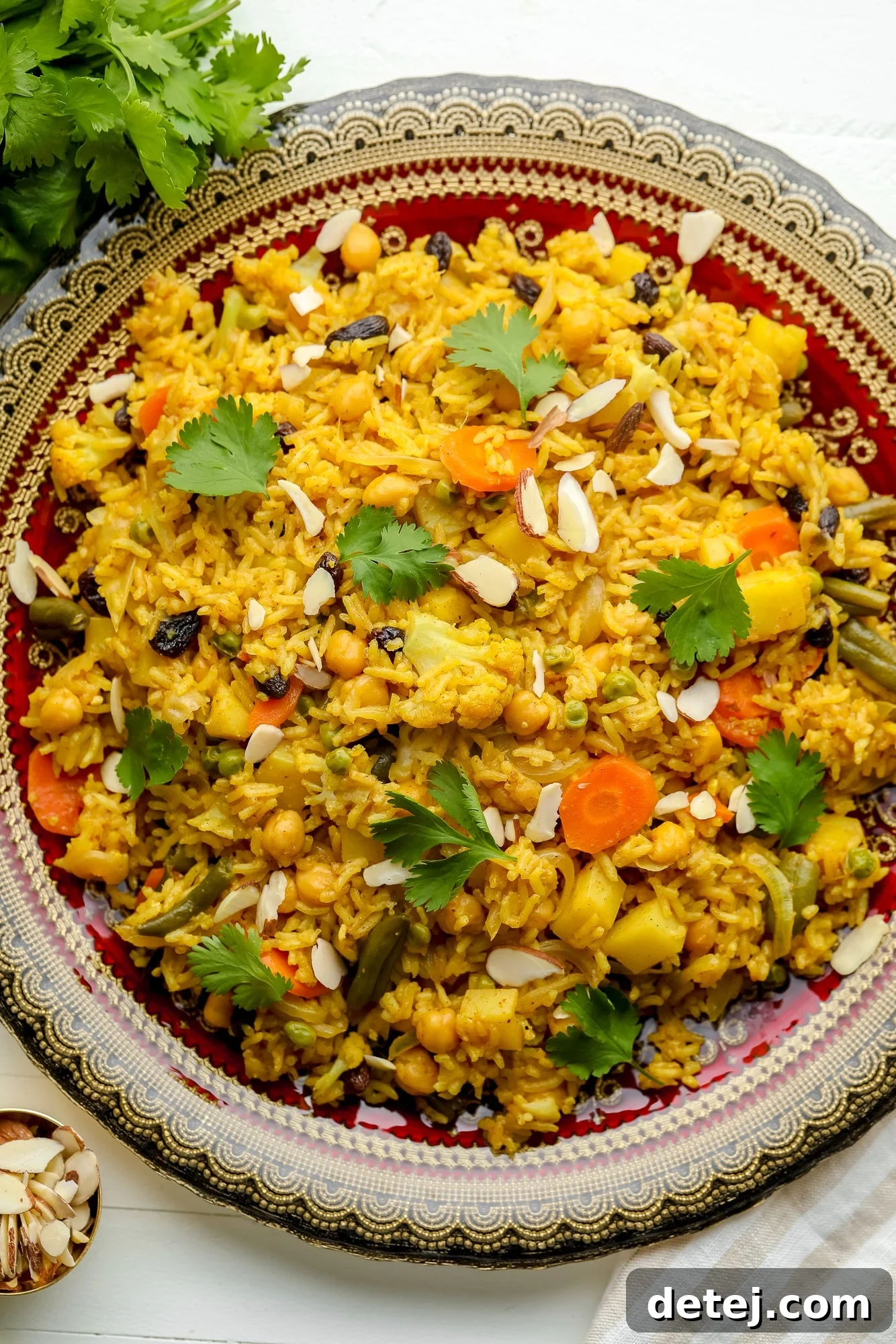
Discover the Magic of Quick and Easy Vegan Biryani
This virtually hands-off, one-pot Easy Vegan Biryani recipe is an absolute must-try for dinner. It’s a beautifully streamlined and entirely vegan rendition of the classic South Asian dish, yet it retains all the captivating fragrance and aromatic depth that makes traditional biryani so beloved. Prepare to impress yourself and your family as you uncover why this flavorful rice dish is consistently one of the most popular takeout options globally.
Traditional biryani, while undeniably delicious, often involves an intricate dance of culinary steps: marinating proteins, parboiling rice separately, slow-caramelizing onions to perfection, and infusing milk with saffron. This easy vegan biryani liberates you from that complexity. Instead, it offers a straightforward, accessible approach that’s perfect for both seasoned home cooks and beginners. We’ve packed it with a delightful medley of fresh and frozen vegetables, wholesome chickpeas, and an expertly balanced blend of Indian spices, all uniting with fluffy basmati rice in a single pot. The result? A stunning, full-flavored meal that’s ready to enjoy in roughly 30 minutes, transforming your weeknight dinners into an exciting culinary journey or elevating your casual gatherings into a memorable, takeout-inspired celebration.
What Exactly is Biryani? A Culinary Journey
Biryani is far more than just a mixed rice dish; it’s a celebrated culinary art form originating from South Asia, with profound popularity stretching across Afghanistan, Iran, India, and Pakistan. Its history is as rich and layered as its flavors, often attributed to the Mughal Empire, where it evolved from Persian pilafs into the complex, aromatic dish we know today. While the specific ingredients and flavor profiles can vary dramatically from one region to another – reflecting local produce, spice preferences, and cooking techniques – most biryani recipes share core elements: exquisitely seasoned rice, a harmonious blend of spices, fragrant aromatics like ginger and garlic, and typically, some form of meat (such as chicken, lamb, or goat).
The hallmark of biryani lies in its deeply layered flavors and the vibrant, complex notes imparted by its unique spice combinations, making it an undeniable favorite for celebratory feasts and everyday takeout alike. The traditional method of preparation is known for its meticulousness, involving stages such as marinating meat for hours, partially cooking rice to achieve individual grains, patiently browning onions to a rich golden hue, and sometimes, preparing saffron-infused milk to impart a delicate aroma and color. Our easy vegan biryani, while a departure from this historical tradition in its simplicity, respectfully captures the essence of biryani’s appeal. It skillfully bypasses the extensive time commitment and multiple steps, utilizing readily available ingredients and a convenient one-pot cooking method. This allows you to experience the core flavors and textures of biryani without the need for an elaborate culinary undertaking, making authentic-tasting Indian-inspired cuisine accessible to everyone.
Why You’ll Love This Easy Vegan Biryani Recipe
This isn’t just another recipe; it’s your new go-to for a satisfying, flavorful, and incredibly convenient meal. Here’s why this Easy Vegan Biryani will become a staple in your kitchen:
- Effortlessly One-Pot: Say goodbye to multiple dirty dishes! Everything cooks together in a single pot, making cleanup a breeze. This design is perfect for busy weeknights when time is precious.
- Speedy Satisfaction: From start to finish, this dish comes together in just about 30 minutes of active cooking time. Prep takes a little extra, but the overall time commitment is minimal for such a richly flavored meal.
- Bursting with Flavor: Despite its simplicity, this biryani is incredibly aromatic and deeply flavorful. A thoughtfully selected blend of Indian spices ensures every spoonful is a delight for your taste buds.
- Wholesomely Plant-Based: Packed with nutrient-rich vegetables and protein-rich chickpeas, this recipe is naturally vegan and incredibly satisfying. It’s a fantastic way to enjoy a hearty, healthy meal without meat.
- Highly Customizable: While we provide a fantastic vegetable medley, this recipe is incredibly flexible. Feel free to swap in your favorite seasonal vegetables or whatever you have on hand.
- Perfect for Meal Prep: This biryani tastes even better the next day! It stores wonderfully in the refrigerator, making it an ideal candidate for meal prepping healthy, delicious lunches or dinners throughout the week.
- Budget-Friendly: Made with common pantry staples and affordable fresh or frozen vegetables, this recipe is kind to your wallet without sacrificing quality or taste.
Essential Ingredients for Your Vegan Biryani (and Smart Substitutions)
Crafting this flavorful vegan biryani relies on a balanced combination of fresh aromatics, vibrant vegetables, and a strategic array of spices. Each ingredient plays a crucial role in building the dish’s signature depth and aroma. Here’s what you’ll need, along with helpful substitution ideas:
- Basmati Rice – This long-grain aromatic rice is the quintessential choice for biryani due to its fluffy texture and fragrant quality when cooked. Its slender grains remain separate, preventing a sticky outcome. If basmati isn’t available, other long-grain rice varieties like Jasmine or Sella Basmati can work, though they might alter the texture slightly. Always rinse your rice thoroughly until the water runs clear to remove excess starch, which is key for fluffy grains.
- Onion, Ginger, and Garlic – These three aromatics form the foundational flavor base of virtually all Indian cuisine, and biryani is no exception. They are sautéed to release their potent, sweet, and pungent notes, creating a rich aromatic canvas for the spices. A medium red or yellow onion works best. Use fresh ginger and garlic for the most impactful flavor; pre-minced versions can be used in a pinch but often lack the same vibrancy.
- Vegetable Medley – The beauty of a vegan biryani lies in its versatility with vegetables. You can confidently use either fresh or frozen vegetables, making this recipe convenient any time of year. My preferred blend includes a colorful mix of carrots (for sweetness and color), cauliflower (for a robust texture that absorbs flavor well), peas (for pops of sweetness), and green beans (for a tender-crisp element). Feel free to get creative here: broccoli florets, bell peppers, zucchini, mushrooms, or even spinach (added at the end) would all be delicious additions.
- Potatoes – While not always a standard inclusion in every biryani variant, potatoes add a wonderful heartiness and satisfying texture. They soak up the spices beautifully, becoming incredibly flavorful. I typically use Yukon gold potatoes for their creamy texture, but Russet potatoes (which will be starchier) or red potatoes (which hold their shape well) are excellent alternatives. Ensure they are chopped into small, uniform pieces to cook evenly alongside the rice.
- Chickpeas – These versatile legumes are a fantastic plant-based protein source and add a lovely nutty flavor and satisfying chewiness to the biryani. Use canned chickpeas, drained and rinsed thoroughly. They absorb the curry flavors wonderfully, making them an integral part of this vegan version.
- Raisins – This is an optional but highly recommended addition. Golden or regular raisins introduce a subtle sweetness that beautifully contrasts with the savory, spicy notes of the biryani, adding another layer of complexity to each bite. If you’re not a fan of sweet elements in savory dishes, feel free to omit them.
- Spices – This carefully curated blend is the heart and soul of the biryani’s robust and aromatic profile. Each spice contributes uniquely:
- Garam Masala: A warming blend of ground spices, typically including cinnamon, cardamom, cloves, cumin, and black pepper. It provides the signature warmth and complexity.
- Turmeric: Gives the biryani its beautiful golden hue and adds an earthy, slightly bitter undertone.
- Coriander: Ground coriander seeds offer a citrusy, slightly sweet, and earthy flavor.
- Cumin: Ground cumin provides a warm, nutty, and slightly bitter depth.
- Cayenne Pepper: Adds a gentle kick of heat. Adjust the amount to suit your spice preference.
- Ground Cinnamon: A touch of cinnamon stick or ground cinnamon is crucial for that classic biryani aroma and sweet-spicy depth.
It’s highly advised not to substitute or omit any of these spices, as they are collectively responsible for the rich, authentic flavor profile of this dish.
- Vegetable Broth – Using vegetable broth instead of just water infuses an extra layer of savory depth into the rice and vegetables. Opt for a low-sodium variety to better control the overall seasoning.
- Salt and Pepper – Essential seasonings to enhance all the other flavors. Adjust to taste.
- Water – A small amount is used initially to help deglaze the pan and prevent aromatics from burning before the main liquids are added.
- Olive Oil – For sautéing the aromatics and vegetables, creating a flavorful base. Other neutral oils like avocado oil or sunflower oil can also be used.
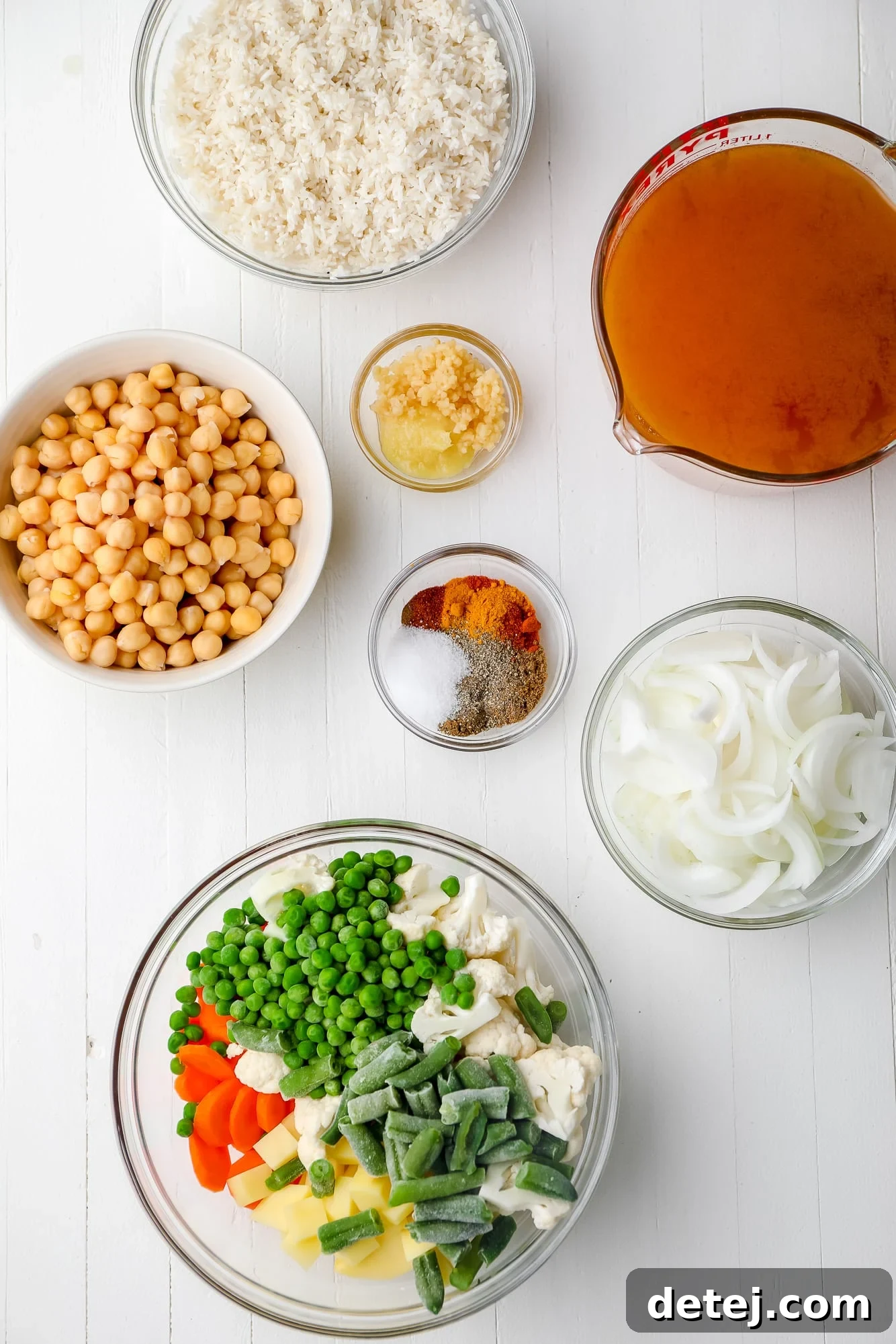
Step-by-Step Guide: How to Make Easy Vegan Biryani
Creating this delicious one-pot vegan biryani is remarkably simple. Follow these detailed steps to achieve a perfectly cooked, flavorful meal:
- Preparation is Key (Mise en Place): Before you begin cooking, ensure all your ingredients are prepped. Chop the onion, mince the ginger and garlic, peel and slice the carrot and potatoes, measure out your spices, drain and rinse the chickpeas. Having everything ready will make the cooking process smooth and enjoyable.
- Sauté the Aromatics: Heat the olive oil in a large, heavy-bottomed skillet or Dutch oven over medium-high heat. Add the thinly sliced onion and sauté, stirring frequently, for about 5 minutes until it becomes soft, translucent, and just begins to turn golden. This step is crucial for building a sweet and savory base.
- Infuse with Ginger and Garlic: Add the minced fresh ginger and garlic to the skillet. Continue to sauté for another minute, stirring constantly, until they become wonderfully fragrant. Be careful not to burn them, as this can make the dish bitter.
- Deglaze and Add Vegetables: Pour in the 1/4 cup of water and give it a good stir. This helps to deglaze the pan, picking up any flavorful browned bits. Immediately add your prepared vegetables (carrots, potatoes, cauliflower, peas, green beans), chickpeas, and the optional raisins. Stir everything together well, ensuring the aromatics are distributed evenly among the vegetables.
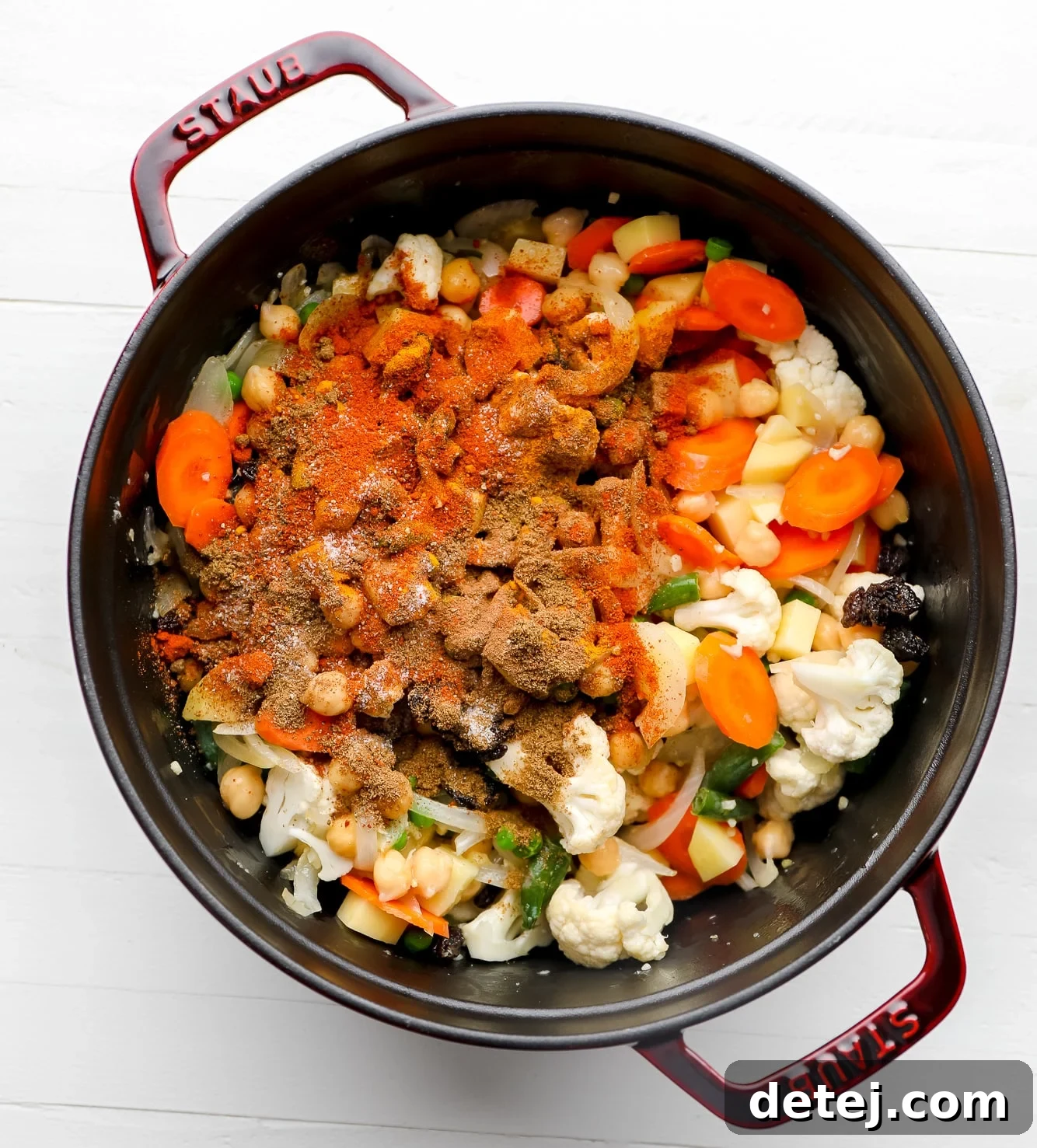
- Spice it Up: Now, add the entire spice blend: garam masala, turmeric, coriander, cumin, cayenne pepper, ground cinnamon, salt, and black pepper. Stir thoroughly, coating all the vegetables and chickpeas with the aromatic spices. Let this cook for another 1-2 minutes, allowing the spices to toast slightly and release their full aroma.
- Add Liquids and Rice: Pour in the vegetable broth and add the thoroughly rinsed basmati rice. Give the mixture a gentle stir to combine everything evenly. Avoid over-stirring at this stage.
- Simmer to Perfection: Bring the liquid to a rolling boil over medium-high heat. Once boiling, immediately reduce the heat to medium-low, cover the skillet tightly with a lid, and let it simmer for 15-20 minutes. Do not lift the lid during this time! The goal is for the rice to absorb all the liquid and become tender and fluffy.

- Rest and Fluff: Once the cooking time is up, turn off the heat but keep the lid on. Let the biryani rest undisturbed for another 5 minutes. This crucial step allows the rice to steam further, become perfectly fluffy, and prevents it from being mushy. After resting, remove the lid and gently fluff the rice with a fork to separate the grains and integrate all the delicious ingredients.
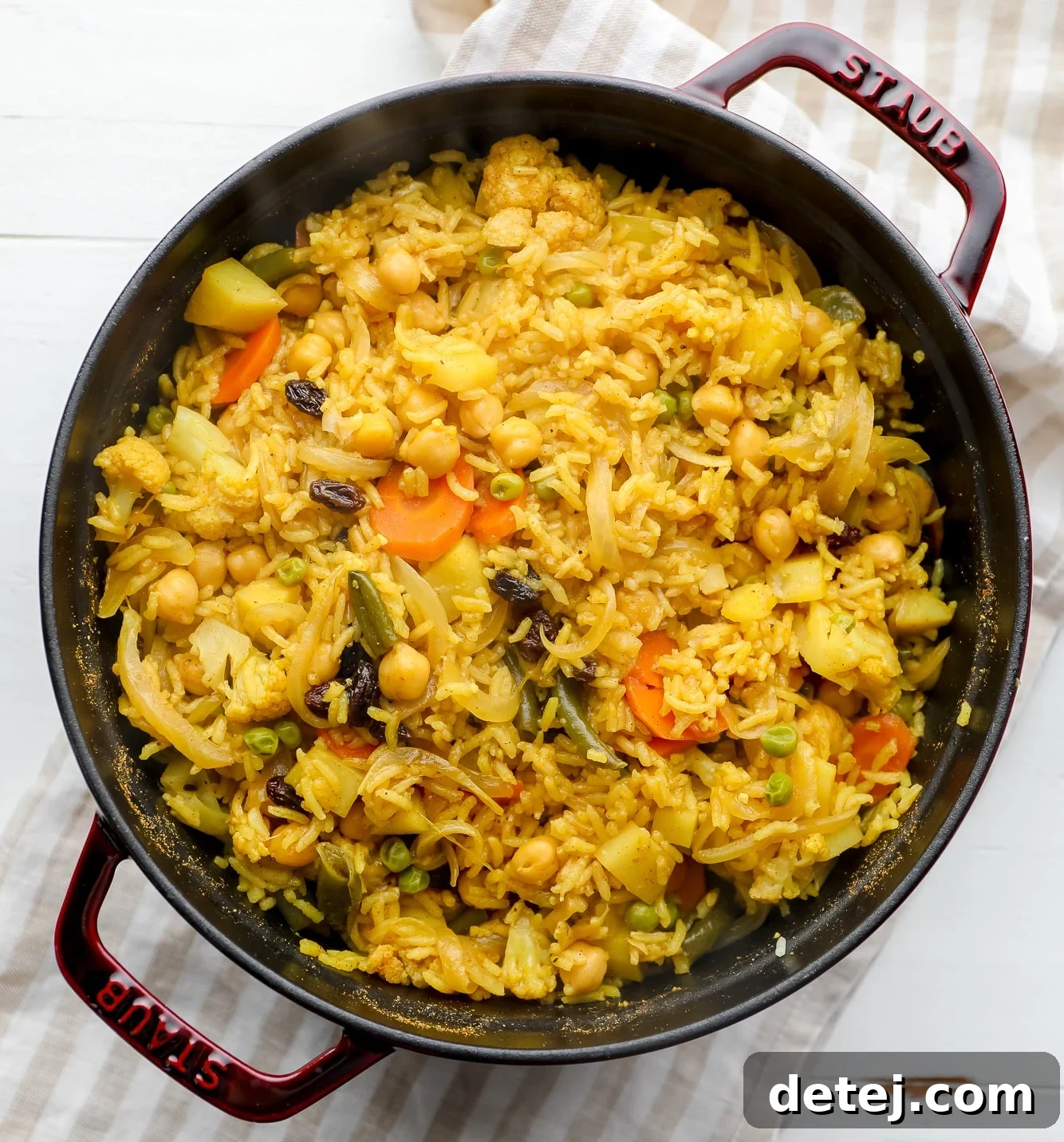
- Serve and Garnish: Spoon the biryani onto plates. For an extra touch of freshness and texture, garnish with fresh chopped cilantro and a sprinkle of sliced almonds (if desired). Serve immediately and savor every fragrant bite!
Expert Tips for the Best Vegan Biryani
Achieving a restaurant-quality biryani at home, even with a simplified recipe, is all about paying attention to a few key details:
- Rinse Your Rice Religiously: This is perhaps the most important tip for fluffy biryani. Rinse the basmati rice under cold running water until the water runs completely clear. This removes excess starch, preventing the rice from becoming sticky or clumpy.
- Don’t Over-Stir: Once you’ve added the rice and liquid, stir just enough to combine. Excessive stirring can break the rice grains, leading to a gummy texture. After covering, resist the urge to peek or stir until the cooking time is complete.
- Tight-Fitting Lid is Essential: A good seal on your pot traps the steam, which is vital for the rice to cook evenly and absorb all the liquid properly. If your lid isn’t tight, you can place a piece of foil between the pot and the lid for a better seal.
- Resting is Non-Negotiable: The 5-minute resting period after cooking allows the steam to redistribute, finishing the cooking process and ensuring each grain of rice is perfectly tender and separate. Don’t skip this step!
- Adjust Spice Levels: The cayenne pepper provides a mild to medium heat. If you prefer a spicier biryani, you can increase the amount or add a finely chopped green chili with the ginger and garlic. For a milder version, reduce or omit the cayenne.
- Fresh Aromatics Make a Difference: While powdered ginger and garlic can be used, fresh minced ginger and garlic offer a far superior, brighter, and more potent flavor that truly elevates the dish.
- Taste and Adjust: Always taste before serving. You might find it needs a tiny bit more salt, especially if using unsalted vegetable broth.
Storage and Meal Prep Made Easy
This Easy Vegan Biryani is an excellent candidate for meal prepping, as its flavors tend to meld and deepen overnight, making it even more delicious the next day.
- Refrigeration: Allow any leftover biryani to cool completely to room temperature before transferring it to an airtight container. It will keep beautifully in the refrigerator for up to 5 days, making it perfect for grab-and-go lunches or quick dinners.
- Freezing: For longer storage, vegan biryani freezes exceptionally well. Portion cooled biryani into freezer-safe containers or bags, removing as much air as possible. It can be frozen for up to 3 months. Thaw overnight in the refrigerator before reheating.
- Reheating: To reheat, sprinkle a tablespoon or two of water or vegetable broth over the biryani to help re-moisturize the rice. Reheat gently in a microwave or on the stovetop over low heat, covered, until warmed through. Avoid overheating, which can dry out the rice.
Serving Suggestions for Your Vegan Biryani Feast
While this vegan biryani is a complete and satisfying meal on its own, pairing it with traditional Indian accompaniments can elevate your dining experience to a truly authentic feast. These additions provide a wonderful contrast in flavors and textures, enhancing every bite.
- Vegan Raita: A cooling and refreshing cucumber and mint yogurt sauce is an absolute must-have alongside biryani. Its creamy, tangy profile provides a perfect counterpoint to the rich, spicy flavors of the biryani, cleansing the palate and adding a delightful freshness.
- Vegan Naan Bread: Warm, soft, and slightly chewy vegan naan bread is ideal for scooping up every last bit of the fragrant rice and tender vegetables. It’s a wonderful alternative to utensils and allows you to truly savor the beautiful flavors and textures of the dish.
- Simple Side Salad: A crisp green salad with a light vinaigrette can add a refreshing crunch and contrast, offering a fresh element to your meal.
- Chutneys and Pickles: Offer a selection of your favorite mango chutney or spicy lime pickle for an extra burst of tangy, sweet, or spicy flavor.
If you’re planning a full vegan Indian-inspired takeout night at home, consider pairing this biryani with other fantastic dishes. My personal recommendations to create an unforgettable spread include:
- Red Lentil Dahl: A comforting and protein-packed lentil stew that’s both nutritious and incredibly flavorful.
- Vegan Tikka Masala: Creamy, rich, and deeply spiced, this plant-based version of a classic is always a crowd-pleaser.
- Roasted Curried Cauliflower: Tender, caramelized cauliflower florets coated in aromatic spices, offering a delightful texture and flavor contrast.

Frequently Asked Questions (FAQ)
- Can I use brown rice instead of basmati?
While technically possible, brown rice has a longer cooking time and requires more liquid, so the recipe would need significant adjustments. For the best biryani texture and flavor, basmati rice is highly recommended. - How can I make this biryani spicier?
To add more heat, increase the amount of cayenne pepper, or add one or two finely chopped green chilies (like serrano or jalapeño) when you sauté the ginger and garlic. - What other vegetables can I add?
This recipe is very flexible! Feel free to add or substitute other vegetables like bell peppers, zucchini, mushrooms, spinach (stir in at the very end), sweet potatoes, or broccoli florets. Adjust cooking times as needed for softer vegetables. - Is this recipe gluten-free?
Yes, this recipe is naturally gluten-free, provided your vegetable broth is certified gluten-free. All other ingredients are typically gluten-free. - Can I add more plant-based protein?
Absolutely! You could stir in some pan-fried tofu cubes or tempeh pieces along with the vegetables for an extra protein boost. Lentils (other than red dahl on the side) could also be incorporated, but they may affect liquid ratios.
Craving More Vegan Indian-Inspired Recipes?
If you’ve fallen in love with the vibrant flavors of this vegan biryani, there’s a whole world of delicious plant-based Indian-inspired cuisine waiting to be explored. Here are some more fantastic recipes to add to your culinary repertoire:
- Roasted Eggplant Curry with Chickpeas
- Vegan Butter Chicken
- Easy Vegetable Korma
- Chickpea Tikka Masala
Recipe Card: Easy Vegan Biryani

This Easy Vegan Biryani is an ultra-flavorful rice dish made in one pot with vegetables and Indian spices. This simplified version substitutes the effort, but not the flavor!
Prep time: 20 minutes | Cook time: 30 minutes | Total time: 50 minutes
Yields: 8 servings
Course: Main | Cuisine: Indian-inspired | Author: Nora Taylor
Ingredients
Onion, Ginger, and Garlic
- 2 tablespoons olive oil
- 1 medium red or yellow onion, thinly sliced
- 1 tablespoon minced fresh ginger
- 5 cloves garlic, minced
- 1/4 cup water
Vegetables
- 1 medium carrot, peeled and sliced diagonally
- 1 Yukon gold potato, peeled and chopped small
- 1 cup cauliflower florets
- 1/2 cup frozen green peas
- 1/2 cup frozen green beans
- 15 ounce can chickpeas, drained and rinsed
- 1/2 cup golden or regular raisins, optional
Spices
- 2 teaspoons garam masala
- 1/2 teaspoon ground turmeric
- 1 teaspoon coriander
- 1 teaspoon ground cumin
- 1/4 teaspoon cayenne pepper
- 1/2 teaspoon ground cinnamon
- 1 1/2 teaspoons salt
- 1/2 teaspoon ground black pepper
Broth and Rice
- 4 cups vegetable broth
- 2 cups basmati rice, rinsed well
Instructions
- First, prepare all your ingredients. Chop all the vegetables, drain the beans, and add all spices to a small bowl. This “mise en place” will make cooking a breeze.
- Warm the olive oil over medium-high heat in a large skillet or Dutch oven. Add the onion and cook until translucent, stirring frequently for about 5 minutes.
- Add the ginger and garlic and sauté for 1 minute, until fragrant.
- Add the water and stir so the garlic and ginger don’t burn. Add the vegetables, chickpeas, and raisins (if using) and stir well to combine.
- Now add the spices (garam masala, turmeric, coriander, cumin, cayenne pepper, cinnamon), salt, and pepper. Stir well, coating all the vegetables evenly with the spice mixture.
- Pour in the vegetable broth and add the thoroughly rinsed basmati rice. Stir gently to combine everything, then bring the mixture to a boil.
- Once boiling, cover the pot tightly with a lid and immediately turn the heat down to medium-low. Let it cook for 15-20 minutes, or until the rice is tender and has absorbed all of the liquid. Do not lift the lid during this time.
- Fluff the rice gently with a fork. Re-cover the pan and let it sit for another 5 minutes off the heat. This step helps the rice become perfectly fluffy.
- Serve with chopped cilantro and sliced almonds, if desired. Enjoy! For a complete meal, serve with a side of vegan raita and naan bread.
Notes
- Leftovers will keep for up to 5 days in a covered container in the refrigerator, making this dish perfect for meal prep. It can also be frozen for up to 3 months.
Nutrition Information (per serving)
Serving: 1 of 8 servings | Calories: 278 kcal | Carbohydrates: 52g | Protein: 7g | Fat: 5g | Saturated Fat: 1g | Polyunsaturated Fat: 1g | Monounsaturated Fat: 3g | Sodium: 1007mg | Potassium: 324mg | Fiber: 4g | Sugar: 3g | Vitamin A: 1677IU | Vitamin C: 17mg | Calcium: 47mg | Iron: 2mg
Did you make this recipe? Mention @nora_cooks_vegan_ or tag #noracooks! We’d love to see your creations.