
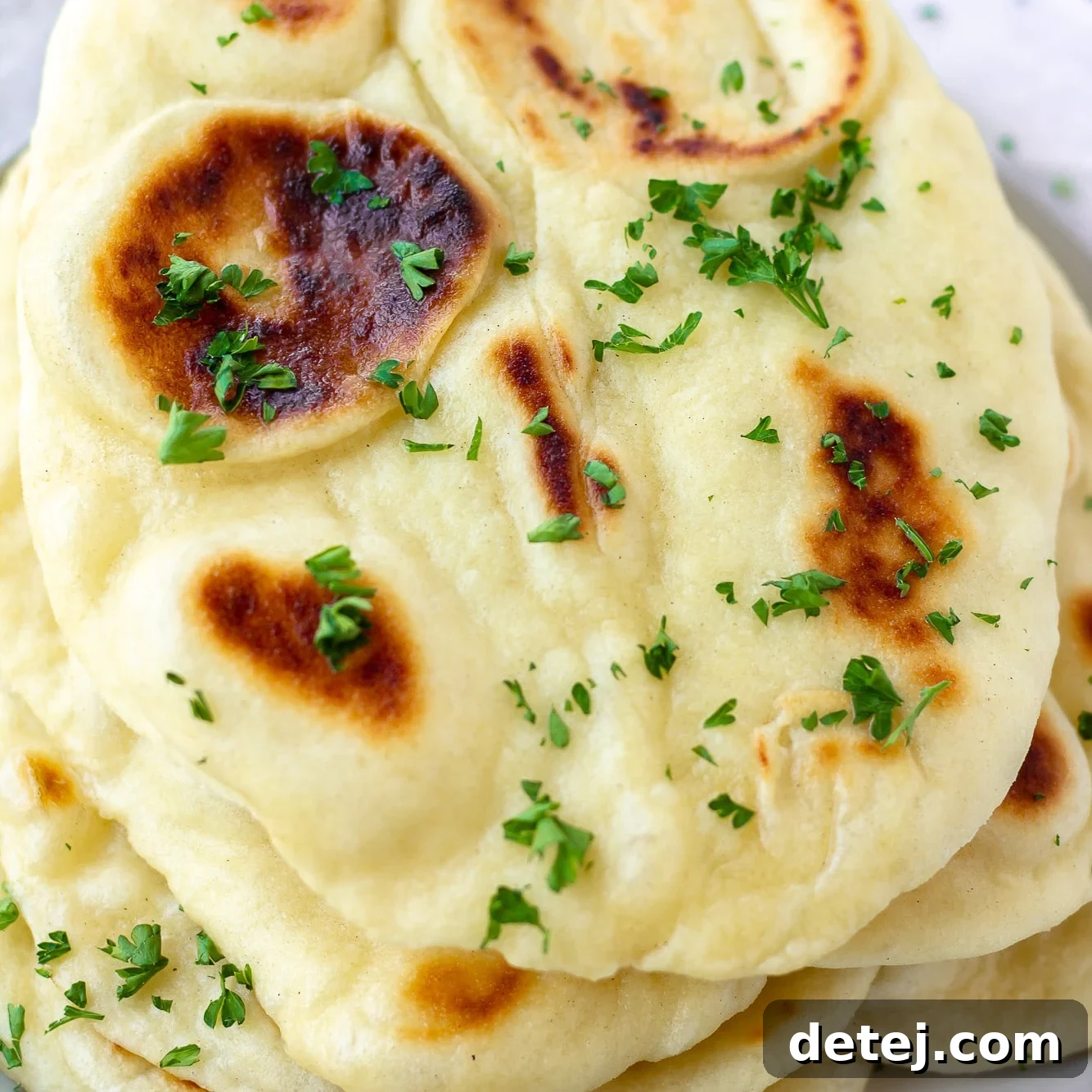
Master the Art of Vegan Naan: Your Ultimate Guide to Soft, Fluffy Indian Flatbread
Embark on a culinary adventure from the comfort of your kitchen and discover the joy of baking your own homemade vegan naan. This comprehensive guide will walk you through creating an Easy Vegan Naan Recipe, using just a handful of simple ingredients to produce the softest, fluffiest Indian flatbread imaginable. Perfect for scooping up rich curries, hearty dals, and spicy chana masalas, this dairy-free and egg-free naan will become an indispensable staple in your plant-based cooking repertoire.
Imagine warm, pillowy naan, fresh from the skillet, ready to soak up every last drop of your favorite Indian-inspired dishes. This recipe pairs exceptionally well with a variety of meals, including delectable Tofu Palak Paneer, a convenient One Pan Tofu Curry, the flavorful Chickpea Tikka Masala, and many more vibrant Indian-inspired meals. Get ready to elevate your dining experience!

The Quest for Perfect Vegan Naan: Why Homemade is Best
Finding truly vegan naan at a conventional grocery store can often feel like a treasure hunt with no guarantee of success. Many commercial brands, and even some restaurant versions, traditionally incorporate ingredients like yogurt, milk, eggs, or ghee (clarified butter), making them unsuitable for a vegan diet. This can be incredibly frustrating when you’re craving that essential soft flatbread to complete your Indian meal.
Fortunately, this Easy Vegan Naan recipe offers a delightful and surprisingly simple solution. Made from scratch with just 8 everyday ingredients, it eliminates the guesswork and ensures a completely plant-based outcome. You won’t have to compromise on taste or texture; this homemade version rivals the best naan you’d find in an authentic Indian restaurant.
Crafting your own naan at home means enjoying it at its peak freshness – warm, chewy, and irresistibly soft, with a distinct elasticity that’s perfect for tearing and scooping. There’s a unique satisfaction in pulling apart a piece of naan you’ve made yourself, using it as an edible utensil for your curry or tikka masala. It transforms a simple dinner into a more engaging and authentic experience, far more enjoyable than reaching for a fork or spoon!
What is Naan? A Culinary Journey Through Indian Flatbread
Naan is a beloved type of leavened flatbread, deeply rooted in the culinary traditions of India, Central Asia, and the Middle East. Its name, derived from the Persian word for bread, reflects its historical journey and widespread appeal across various cultures. While often associated with Indian cuisine, variations of naan can be found in many regions, each with its own unique twist.
Traditionally, naan dough is prepared with flour, water, yeast, and often dairy ingredients like yogurt or milk, which contribute to its distinctive texture and subtle tang. The magic truly happens when the dough is cooked in a tandoor oven—a cylindrical clay oven heated to extremely high temperatures. In a tandoor, individual pieces of dough are slapped onto the inner walls, where they quickly cook, puffing up and developing those characteristic charred spots. This rapid, high-heat cooking process results in naan that is wonderfully crisp on the outside, incredibly pillowy and soft on the inside, and remarkably pliable, making it ideal for tearing and scooping up savory dishes.
Our vegan naan recipe captures this essence, offering a similar chewy, soft texture and delightful bubbly char, even without a traditional tandoor. It’s a versatile bread, designed to complement the rich, aromatic flavors of Indian cuisine and beyond.
Essential Ingredients for Your Vegan Naan: Simplicity Meets Flavor
One of the beauties of this vegan naan recipe is its reliance on simple, accessible ingredients. You likely have most of these in your pantry already, making it easy to whip up a batch whenever the craving strikes. Here’s a look at the core components and their roles in creating perfect vegan naan:
- Instant Yeast: This is our leavening agent, responsible for the fluffy, airy texture of the naan. Instant yeast is convenient as it can often be mixed directly with dry ingredients, though we’ll activate it first with warm water and sugar to ensure it’s lively.
- Warm Water: Crucial for activating the yeast. The water should be around bath temperature (105-115°F or 40-46°C) – too hot will kill the yeast, too cold won’t activate it.
- Granulated Sugar: A small amount of sugar acts as food for the yeast, helping it to activate and multiply, leading to a better rise and contributing to the naan’s golden-brown crust.
- All-Purpose Flour: The foundation of our dough, providing structure. While this recipe uses all-purpose flour, you can experiment with bread flour for a chewier texture or a quality gluten-free blend (like Bob’s Red Mill 1:1) if dietary restrictions require.
- Salt: Essential for flavor, balancing the sweetness, and controlling yeast activity.
- Baking Powder: While yeast provides the primary leavening, a touch of baking powder gives an extra boost, contributing to those desirable large bubbles and overall fluffiness, especially helpful when not using a tandoor.
- Coconut Cream or Plain Non-Dairy Yogurt: This is a key vegan substitute for traditional dairy. Coconut cream (the thick, white part from a can of full-fat coconut milk) or a plain, unsweetened non-dairy yogurt (soy, almond, or coconut-based) adds richness, moisture, and a slight tang, resulting in a wonderfully tender and supple naan. You can omit it in a pinch, but it significantly enhances the texture.
- Olive Oil: Contributes to the dough’s softness, flexibility, and helps prevent it from drying out, while also adding a subtle depth of flavor.
- Optional Toppings: Melted vegan butter for brushing, minced garlic, or fresh herbs like cilantro or parsley for a burst of extra flavor.
Step-by-Step: Crafting Your Own Fluffy Vegan Naan
Creating homemade vegan naan is a rewarding process, and with these detailed instructions, you’ll be enjoying fresh, warm flatbread in no time. Let’s get started!
Preparation Steps:
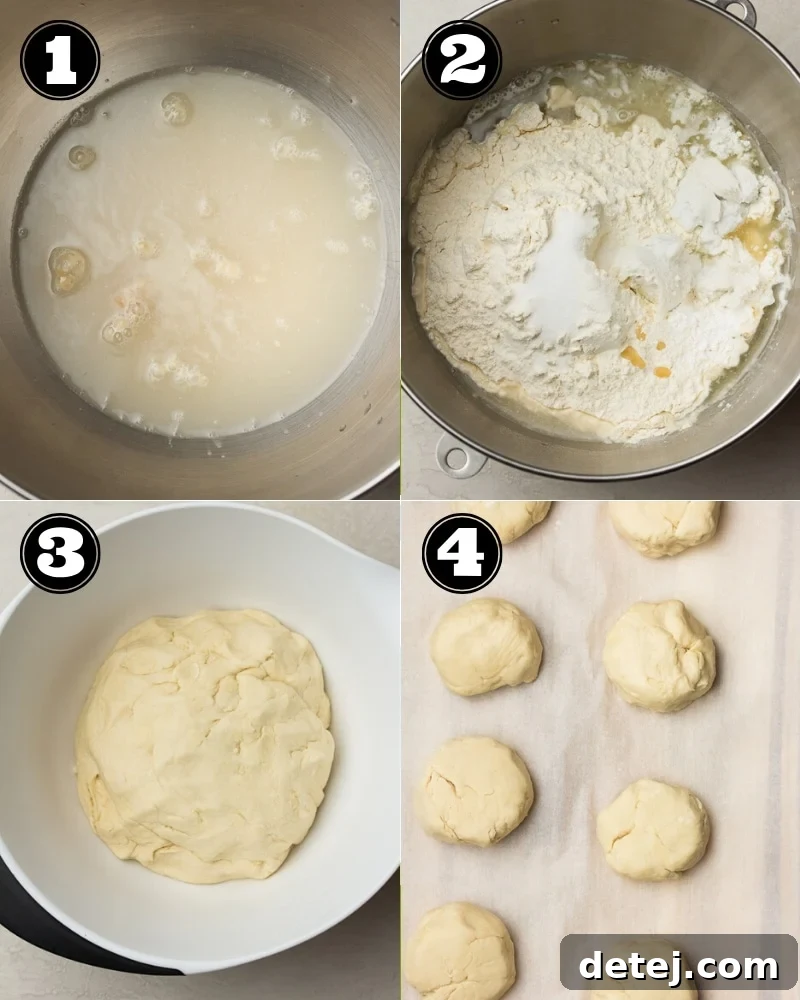
- Activate the Yeast: In a large mixing bowl, combine the instant yeast and granulated sugar. Pour the warm water over the mixture. The water should feel comfortably warm to the touch, similar to bath water – ideally between 105-115°F (40-46°C). Gently stir and then set the bowl aside for 5-10 minutes. You’ll know your yeast is active and healthy when a frothy layer forms on top. If no foam or bubbles appear, your yeast may be old or the water temperature was off; it’s best to discard and start again with fresh yeast.
- Combine Dry Ingredients: Once your yeast mixture is frothy, add the all-purpose flour, salt, baking powder, coconut cream (or non-dairy yogurt), and olive oil to the same bowl.
- Form the Dough: Begin stirring the ingredients with a wooden spoon or a sturdy spatula. As the dough comes together and becomes shaggy and difficult to stir, transfer it to a lightly floured surface (your kitchen countertop works perfectly).
- Knead the Dough: Knead the dough for approximately 2-3 minutes. Use a gentle push-and-fold motion until the dough transforms into a smooth, soft, and elastic ball. Avoid over-kneading, as this can make the naan tough. If the dough feels too sticky, add a very small amount of extra flour, a teaspoon at a time, until it’s manageable but still soft.
- First Rise (Optional but Recommended): Place the kneaded dough ball back into the large bowl. Cover the bowl with a clean kitchen towel or plastic wrap and set it aside in a warm place to rise. Allow it to rest for about 30 minutes, or until it has noticeably doubled in size. This rising period develops flavor and enhances the naan’s airy texture.
- Quick Option for Busy Days: If you’re short on time, you can absolutely skip the rising step after kneading. The naan will still be quite delicious and fluffy, though perhaps with a slightly less developed flavor and a marginally denser crumb.
- Divide the Dough: After the rise (or immediately after kneading if skipping the rise), gently flatten the dough on your countertop. Divide the dough into 8 equal pieces. These will be your individual naan portions.
Cooking Steps:
- Prepare Your Pan: Heat a large, heavy-bottomed skillet over medium heat. A cast iron skillet is highly recommended for its even heat distribution and ability to achieve a beautiful char, mimicking a tandoor. Allow it to heat thoroughly for several minutes.
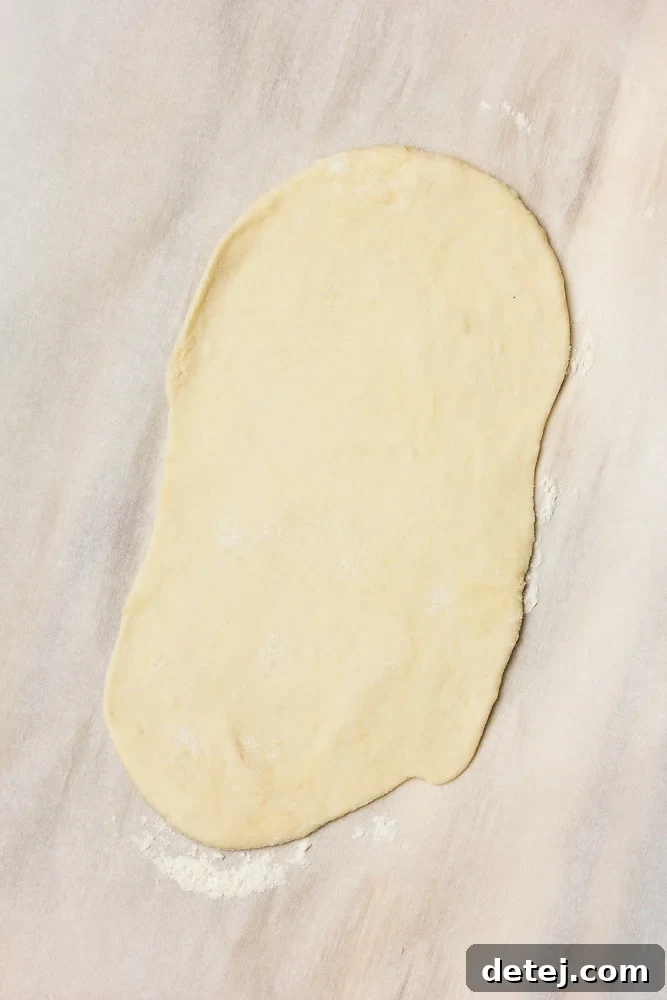
- Shape the Naan: While the pan heats, take one piece of dough. On a lightly floured surface, use your hands or a rolling pin to flatten and stretch it into a circle or an oval shape, aiming for a thickness of about 1/4 inch. If you plan to make garlic naan, gently press a small amount of minced garlic onto one side of the dough at this stage.
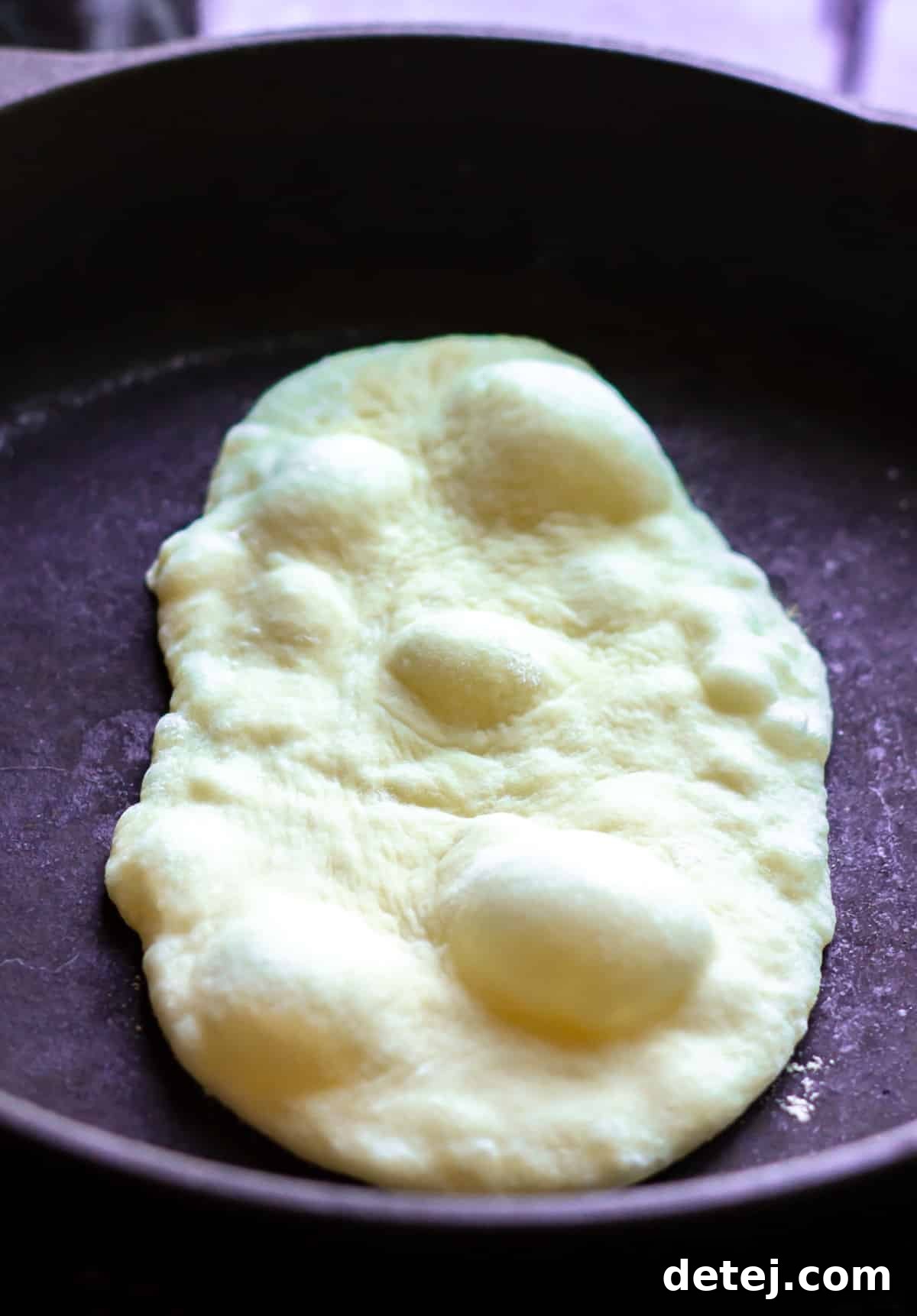
- Cook the First Side: Carefully place the shaped dough into the preheated dry skillet. Cook for 1-2 minutes, or until large bubbles begin to appear on the surface and the bottom of the naan is golden brown with some charring.
- Cook the Second Side: Flip the naan and cook for another 1-2 minutes, or until that side is also golden brown and cooked through.
- Repeat: Remove the cooked naan from the pan and immediately place it on a plate. Cover it with a clean kitchen towel or wrap it loosely in aluminum foil to keep it warm and soft while you cook the remaining pieces.
- Serve and Enjoy: Serve the warm naan plain, or for an extra touch of indulgence, brush it with melted vegan butter and sprinkle with fresh chopped herbs like parsley or cilantro. Pair it with your favorite Indian-inspired recipes for a truly satisfying meal!
Tips for Naan Perfection: Achieving Restaurant-Quality at Home
While the recipe is straightforward, a few key tips can elevate your homemade vegan naan from good to extraordinary:
Yeast is Key: Warm Water and Freshness
Always ensure your yeast is fresh and active. The “froth test” in the first step is crucial. If your yeast doesn’t foam, it’s dead, and your naan won’t rise. Also, be mindful of water temperature; it should be warm, not hot, to avoid killing the yeast. This small detail makes a huge difference in the final texture.
Don’t Over-Flour or Over-Knead: Softness is the Goal
When kneading, resist the urge to add too much extra flour. A slightly sticky dough is often a sign of a well-hydrated dough that will result in softer naan. Likewise, knead just enough to make the dough smooth and elastic (2-3 minutes is usually sufficient). Over-kneading can develop too much gluten, leading to a tough, rubbery texture instead of a pillowy one.
Hot Pan, Quick Cook: The Secret to Bubbles
A properly heated skillet is vital. The high heat cooks the naan quickly, causing the moisture inside the dough to rapidly turn into steam, which creates those signature large bubbles and the soft, airy pockets. If your pan isn’t hot enough, the naan will cook slowly and dry out, resulting in a flat, dense texture. Cast iron is ideal for its heat retention and even cooking.
Keep it Warm: Serving Fresh
Naan is best served warm and fresh. As you cook each piece, stack them and cover them with a clean kitchen towel or foil. This traps the steam and warmth, keeping the naan soft and pliable until all pieces are cooked and ready to be enjoyed.
Creative Ways to Enjoy Your Vegan Naan: Beyond the Curry Bowl
While naan is traditionally the perfect companion for a wide array of Indian curries, kormas, and dals, its soft and pliable nature makes it incredibly versatile for countless other culinary applications. Don’t limit yourself to Indian dishes; let your creativity flow!
- Fantastic for Wraps: Thanks to its inherent softness and flexibility, vegan naan makes an excellent base for savory wraps. Spread a generous layer of hummus or your favorite vegan spread, then fill it with crispy falafel, a flavorful curry tofu salad, grilled vegetables, fresh greens, or even spiced roasted chickpeas. Roll it up and enjoy a satisfying and portable meal.
- Easy Personal Pizzas: Transform your naan into a quick and delicious individual pizza crust. Simply top a piece of cooked (or partially cooked) naan with your favorite pizza sauce, sprinkle with shredded vegan cheese, add some vegan pepperoni or your choice of vegetables, and bake or broil until the cheese is melted and bubbly. It’s a fantastic weeknight meal!
- Perfect for Dips: Forget pita bread! Tear warm naan into pieces and use it as a scoop for creamy dips like hummus, a rich vegan spinach artichoke dip, baba ganoush, or any other dip you fancy. The soft texture and slight chewiness of naan make it a superior dipping vehicle.
- Garlic Naan & Herb Naan: Easily customize your naan. For garlic naan, gently press 1 or 2 minced garlic cloves onto one side of the dough before cooking. Alternatively, brush the freshly cooked pieces with melted vegan garlic butter as soon as they come off the pan. For herb naan, sprinkle fresh chopped cilantro or parsley onto the dough before cooking, or mix it into the dough itself.
- Sweet Variations: While often savory, naan can also be enjoyed with sweet toppings. Brush with melted vegan butter and sprinkle with cinnamon sugar, or drizzle with maple syrup for a delightful treat.
- Enjoy it Plain: Sometimes, the simplest pleasures are the best. A warm piece of freshly baked vegan naan, perhaps lightly brushed with melted vegan butter, is heavenly on its own. It’s too delicious to resist!
Frequently Asked Questions About Vegan Naan
Is traditional naan vegan?
Traditionally, no, naan is not vegan. Most traditional recipes and commercial naan varieties include dairy products such as yogurt or milk, and sometimes eggs. It’s also commonly brushed with ghee (clarified butter) or regular butter. This is why making your own vegan version or seeking out specialized vegan brands is often necessary for those following a plant-based diet.
Is this recipe gluten-free?
No, this particular recipe, as written, is not gluten-free because it uses all-purpose flour. However, you can likely adapt it. I haven’t personally tested this specific recipe with gluten-free flour, but many readers have had success using a high-quality 1:1 gluten-free all-purpose flour blend, such as Bob’s Red Mill 1:1 Baking Flour. Be aware that the texture might be slightly different, potentially less elastic, but it should still yield a delicious flatbread.
What can I use instead of coconut cream?
Coconut cream is fantastic for richness and tenderness, but if you don’t have it, you have a couple of options. You can replace it with an equal amount of plain, unsweetened non-dairy yogurt (soy, almond, or coconut-based). Ensure it’s thick and not too watery. Alternatively, you can simply omit the coconut cream or yogurt. I’ve made the naan without it in a pinch, and while it might be slightly less rich and fluffy, it will still be soft and delicious.
How do you make vegan garlic naan?
There are two excellent ways to make vegan garlic naan. You can either press 1 or 2 minced garlic cloves directly into each piece of naan dough as you are shaping it, before cooking. This allows the garlic flavor to meld during cooking. Or, for a more intense garlic flavor, brush the freshly cooked naan pieces generously with melted vegan garlic butter (vegan butter infused with minced garlic) as soon as they come off the pan.
Can I make the dough ahead of time?
Absolutely! Preparing the dough in advance is a great time-saver. After you’ve kneaded the dough and placed it in a covered bowl, instead of letting it rise at room temperature, transfer it to the refrigerator. The cold temperature will slow down the yeast activity, allowing the dough to chill for up to 2 days. When you’re ready to make your naan, take the chilled dough out of the fridge and let it rest on the kitchen counter for about 30 minutes to come closer to room temperature. This will make it much easier to handle and shape.
How long does naan last? Can I freeze naan?
For the absolute best taste and texture, freshly cooked, warm naan is unparalleled. The pieces tend to dry out quickly, so it’s ideal to enjoy the bread the same day it’s made. However, any leftovers can be stored. At room temperature, wrapped tightly in plastic wrap or an airtight container, naan will keep for up to 2 days. In the refrigerator, it will last 3 to 4 days. For longer storage, naan freezes wonderfully. Wrap individual pieces tightly in plastic wrap, then an additional layer of aluminum foil, and store in a freezer-safe bag for up to 2 months. To reheat, thaw at room temperature, then warm gently in a skillet, oven, or microwave until soft.
What is the best pan to cook naan in?
A heavy-bottomed pan is crucial for achieving the best results. A cast iron skillet is highly recommended because it retains and distributes heat exceptionally well, mimicking the high heat of a tandoor oven. This helps the naan cook quickly, puff up with beautiful bubbles, and develop a slight char. If you don’t have cast iron, a good quality non-stick pan or stainless steel skillet will work, but ensure it’s adequately preheated.

Easy Vegan Naan Recipe
Learn how to make vegan naan from scratch! This Easy Vegan Naan Recipe is made with 8 simple ingredients and gives you soft and fluffy Indian flatbread that’s perfect for serving with your favorite Indian-inspired dishes, from curry to dal to chana masala.
Prep Time: 40 minutes
Cook Time: 20 minutes
Total Time: 1 hour
Servings: 8 servings
Average Rating: 4.91 stars (135 ratings)
Ingredients
- 1 teaspoon instant yeast
- 3/4 cup warm water
- 1 teaspoon granulated sugar
- 2 cups all-purpose flour
- 1 teaspoon salt
- 3/4 teaspoon baking powder
- 3 tablespoons coconut cream (or plain non-dairy yogurt)
- 2 tablespoons olive oil
- Optional: melted vegan butter for serving, minced garlic, or fresh herbs (cilantro or parsley)
Instructions
- Add the yeast and sugar to a large bowl, then pour the warm water on top (ensure it’s bath temperature, not too hot, to avoid killing the yeast). Let sit for a few minutes until it becomes frothy on top.
- Now, add the flour, salt, baking powder, coconut cream, and olive oil to the yeast mixture. Stir with a wooden spoon until the dough becomes shaggy and difficult to mix.
- Transfer the dough ball onto a lightly floured surface (such as your countertop). Knead the dough for about 2-3 minutes until it forms a smooth and soft ball. If it’s too sticky to handle, add a tiny bit more flour.
- Place the dough in a large bowl, cover it with a tea towel, and let it rise for about 30 minutes in a warm spot. If you’re in a hurry, you can skip this rising step; the naan will still turn out quite good!
- After rising, gently flatten the dough and divide it into 8 equal pieces.
- Heat a large, heavy-bottomed pan (a cast iron skillet is preferred) over medium heat until thoroughly hot. Take one piece of dough and roll it on a lightly floured surface into a circle or oval shape, approximately 1/4 inch thick. If making garlic naan, gently press a little minced garlic onto one side of the dough at this point.
- Place the dough onto the preheated pan. Cook until large bubbles form on the surface and the bottom is golden brown with some charring (about 1-2 minutes). Flip and cook for another 1-2 minutes until the other side is also golden brown.
- Repeat this process with the remaining pieces of dough. As each piece finishes cooking, place it on a plate and cover it with a towel or wrap in foil to keep it warm until all pieces are ready to serve. Serve plain, or brush with melted vegan butter and sprinkle with fresh herbs like cilantro or parsley. Enjoy!
Watch How It’s Made! (Video Guide)

Important Recipe Notes
- Coconut Cream: To get coconut cream, open a can of full-fat coconut milk or coconut cream and scoop out 3 tablespoons of the thick, white creamy part from the top. As an alternative, you can substitute with plain, unsweetened non-dairy yogurt (soy, almond, or coconut-based). If you find yourself without either, you can omit it, and the naan will still be soft and tasty, though perhaps slightly less rich.
- Gluten-Free Option: This recipe has not been thoroughly tested with gluten-free flour. However, it would likely work with a good quality gluten-free all-purpose flour blend, such as Bob’s Red Mill 1:1. Expect a slightly different texture, possibly less elastic.
- Active Dry Yeast: If you only have regular active dry yeast instead of instant yeast, you can still use it. The only adjustment is that you will need to allow the dough to rise for a longer period, typically 1 to 1.5 hours, for the yeast to fully activate and for the dough to double in size.
Nutritional Information (Per Serving)
The following nutritional values are approximate per serving (1 piece of naan):
- Calories: 170 kcal
- Carbohydrates: 26g
- Protein: 4g
- Fat: 6g
- Saturated Fat: 2g
- Sodium: 294mg
- Potassium: 104mg
- Fiber: 1g
- Sugar: 1g
- Vitamin C: 1mg
- Calcium: 21mg
- Iron: 2mg
Course: Side Dish
Cuisine: Indian
Author: Nora Taylor
Did you make this recipe?
Mention @nora_cooks_vegan_ or tag #noracooks!