
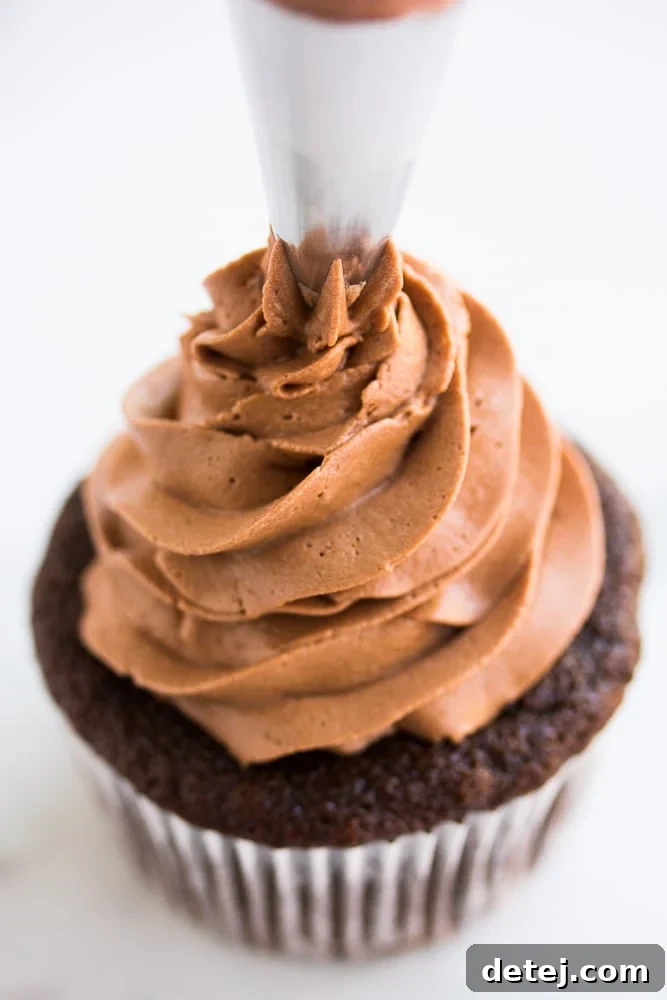
Simply the BEST Vegan Chocolate Frosting! It’s buttery, chocolatey, and perfect for piping with NO shortening aftertaste.
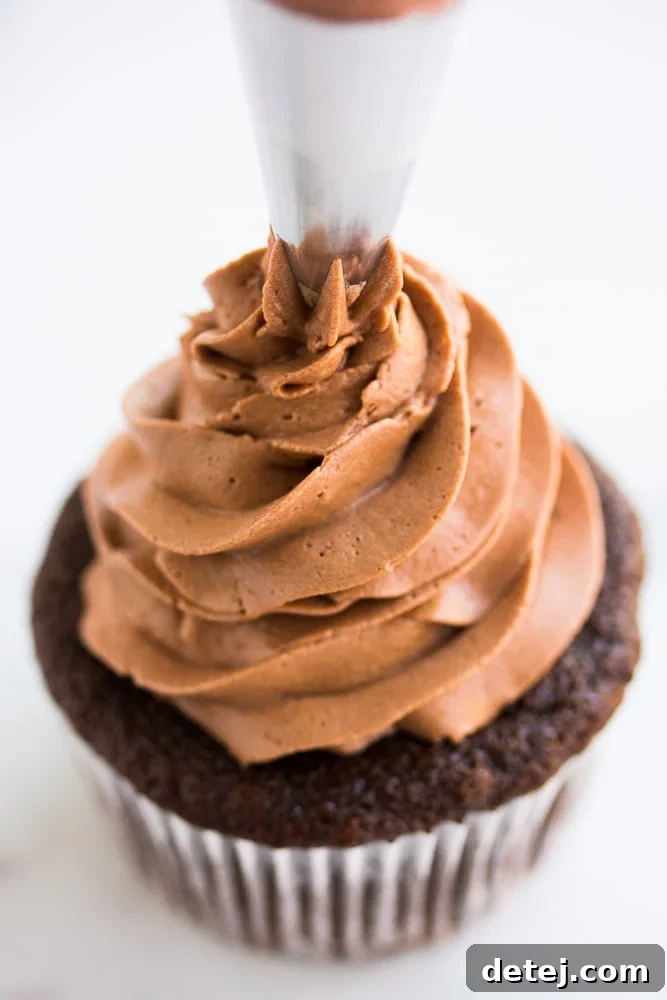
The Ultimate Guide to Making the BEST Vegan Chocolate Frosting
Welcome to the ultimate guide for creating the most decadent, silky-smooth, and absolutely irresistible vegan chocolate frosting! If you’ve been searching for a dairy-free frosting that genuinely tastes like a classic buttercream – rich, chocolatey, and wonderfully buttery without any hint of a shortening aftertaste – your search ends here. This isn’t just a recipe; it’s a perfected method designed to deliver consistent, show-stopping results every single time. Whether you’re a seasoned vegan baker or simply exploring plant-based options, this easy recipe will quickly become your go-to for all your frosting needs, from elegant cakes to delightful cupcakes and beyond.
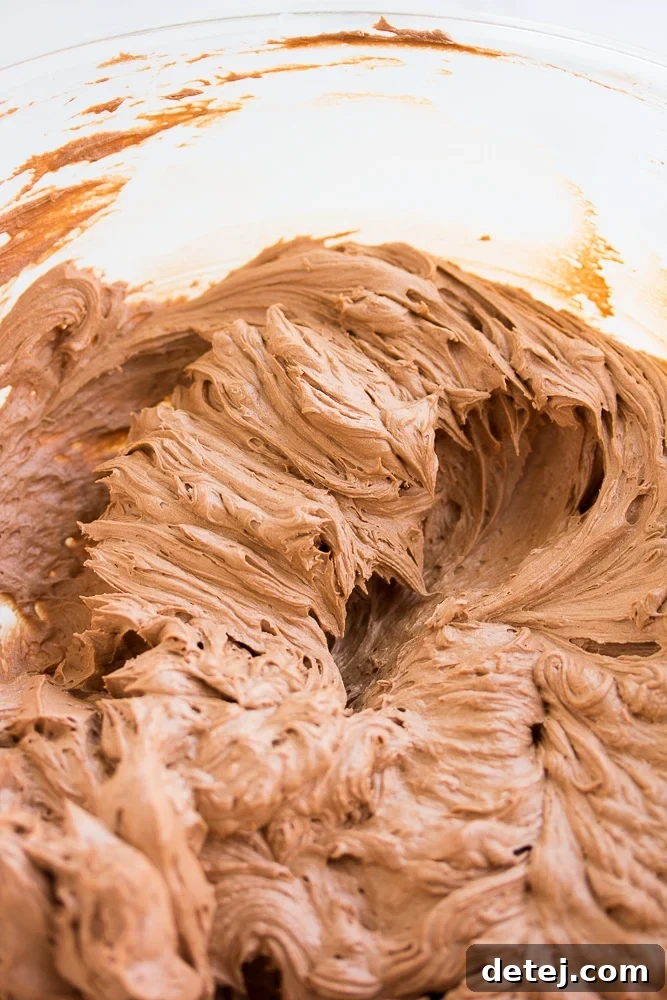
Forget gritty textures or oily finishes. Our vegan chocolate frosting is incredibly smooth, boasts a deep chocolate flavor, and achieves that coveted creamy consistency that’s ideal for both spreading effortlessly and piping intricate designs. It’s truly a game-changer for anyone looking to enjoy delicious desserts free from dairy, making it perfect for those with allergies, dietary restrictions, or anyone who simply prefers a compassionate choice without compromising on taste.
Why Choose Vegan Chocolate Frosting?
Opting for vegan chocolate frosting goes beyond just dietary choices; it’s about enjoying a dessert that’s both delicious and consciously made. Traditional buttercreams rely heavily on dairy butter, which can be an issue for individuals with lactose intolerance, milk allergies, or those following a vegan lifestyle. Our recipe provides a fantastic alternative, ensuring everyone can indulge in rich, chocolatey goodness.
Beyond the dietary benefits, many find that well-made vegan frostings can be lighter yet equally satisfying. This particular recipe uses high-quality vegan butter to mimic the beloved texture and flavor of traditional buttercream, but without the heaviness sometimes associated with it. It’s a compassionate choice that supports animal welfare and can often be a more sustainable option. Plus, when you make it yourself, you control the ingredients, opting for organic and high-quality components for the best flavor and peace of mind.
Mastering the Ingredients for Perfect Vegan Frosting
Creating extraordinary vegan chocolate frosting begins with understanding the role of each ingredient. While the list is simple, each component contributes significantly to the final taste and texture. We’ll break down why these specific ingredients are chosen and what makes them work magic in this recipe.
The Role of Vegan Butter: Softening is Key!
The foundation of this luscious frosting is good quality vegan butter. We highly recommend using vegan butter sticks (like Earth Balance baking sticks) over tub varieties if possible, as they tend to have a firmer consistency that mimics dairy butter more closely, leading to a more stable and pipeable frosting. The absolute most crucial step with vegan butter is ensuring it’s properly softened to room temperature, but *not* melted. If your butter is too cold, it won’t cream properly, resulting in a lumpy frosting. If it’s even slightly melted, your frosting will be too thin and won’t hold its shape, making it impossible to pipe.
To achieve the ideal consistency, leave butter sticks out for 15-30 minutes, or measure out tub butter (1 cup equals 16 tablespoons) into your mixing bowl and let it sit for 10-15 minutes. Resist the urge to microwave, but if time is truly a factor, use extreme caution: microwave in 10-second bursts, checking constantly, to ensure it softens without melting into a liquid.
Choosing Your Cocoa Powder: Natural vs. Dutch-Processed
The type of cocoa powder you use significantly impacts the chocolate flavor and color of your frosting. Both natural unsweetened cocoa powder and Dutch-processed cocoa powder will work beautifully in this recipe, offering slightly different results:
- Natural Unsweetened Cocoa Powder: This is lighter in color and has a more acidic, sometimes fruitier, chocolate flavor. It reacts with baking soda in recipes (though not relevant here as there’s no leavening).
- Dutch-Processed Cocoa Powder: This cocoa has been treated with an alkali to reduce its acidity, resulting in a darker color and a smoother, mellower, and less bitter chocolate flavor. Many prefer it for frostings for its deep hue and rich taste.
Feel free to use your preferred type; just ensure it’s unsweetened to control the overall sweetness of the frosting.
Sweetness and Texture: Powdered Sugar Explained
Powdered sugar, also known as confectioners’ sugar or icing sugar, is essential for achieving the smooth, fine texture of buttercream. Granulated sugar would result in a grainy frosting. When selecting powdered sugar for a vegan recipe, it’s important to note that some brands use bone char in their refining process. To ensure your frosting is entirely vegan, opt for organic powdered sugar, which is typically processed without bone char.
The Finishing Touches: Vanilla Extract and Non-Dairy Milk
Pure vanilla extract enhances the chocolate flavor, adding depth and warmth. Don’t skimp on quality here; a good vanilla can make a noticeable difference. For the liquid component, unsweetened soy milk is recommended for its neutral flavor and creamy texture, which contributes to a rich frosting. However, feel free to substitute with other unsweetened non-dairy milks like almond, cashew, hemp, or oat milk. Just ensure they are unsweetened to prevent your frosting from becoming overly sweet or altering the chocolate flavor.
Step-by-Step: How to Make Irresistible Vegan Chocolate Frosting
Crafting this incredible vegan chocolate frosting is surprisingly quick and simple, taking only about 5 minutes of active preparation time. Follow these steps closely to ensure a perfect batch every time!
Step 1: Achieving the Perfect Vegan Butter Consistency
This initial step is the most critical. Your vegan butter must be at the ideal room temperature – soft enough to yield to gentle pressure but not at all melted. If using vegan butter sticks, simply leave them on your counter for 15-30 minutes. For tub vegan butter, measure out 1 cup (16 tablespoons) into your mixing bowl and let it sit for 10-15 minutes. Avoid the microwave if possible, as even a few seconds too long can melt it, making your frosting watery and difficult to work with. If you must use a microwave, do so in very short 10-second intervals, checking meticulously after each burst.
Step 2: Whipping to Creamy Perfection
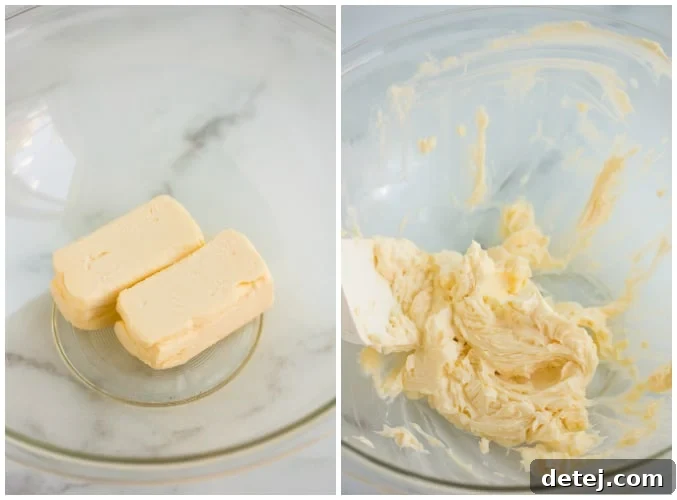
Once your vegan butter has reached the perfect softened state, transfer it to a large mixing bowl. Using a hand mixer (or a stand mixer fitted with the whisk attachment), beat the butter on medium speed for approximately 2 minutes. The goal here is to whip air into the butter, making it lighter in color and wonderfully creamy. This aeration is key to achieving a fluffy, airy frosting texture.
Step 3: Combining Dry and Wet Ingredients
Now it’s time to introduce the other components. If your cocoa powder tends to be clumpy, sift it directly into the bowl with the whipped butter to prevent any lumps in your final frosting. Add the powdered sugar, pure vanilla extract, and unsweetened soy milk to the bowl. Begin mixing on the lowest speed for about 30 seconds. This initial low speed helps to incorporate the dry ingredients without creating a “sugar cloud” in your kitchen!
Step 4: Final Beat for Fluffiness
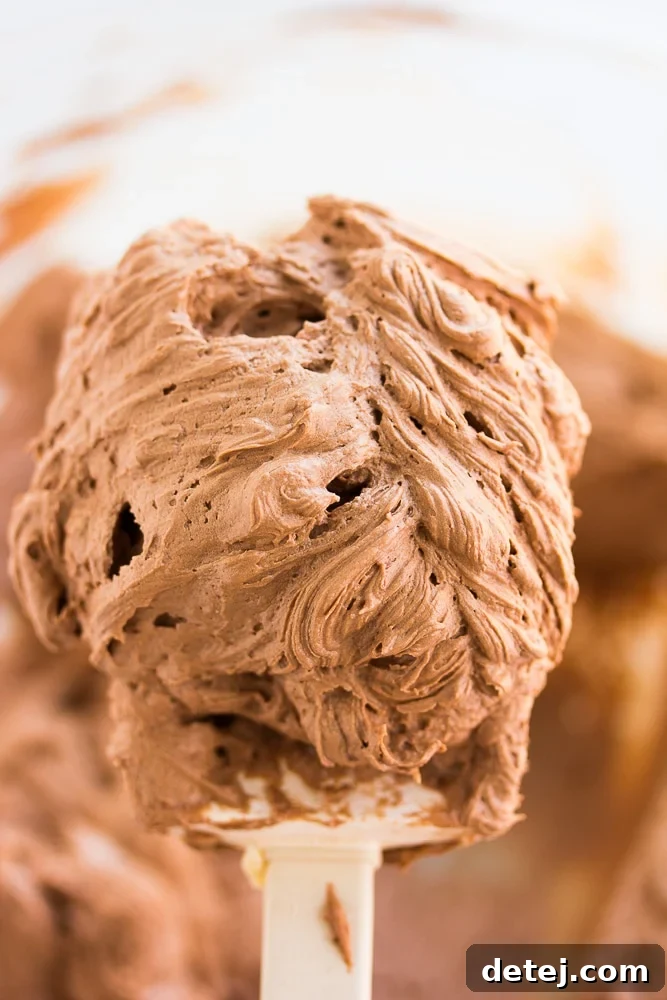
After the initial low-speed mix, increase your mixer speed to high. Continue beating for another 2-3 minutes. During this stage, the ingredients will fully combine, and the frosting will transform into a light, fluffy, and smooth consistency. The extra beating time at high speed helps to whip more air into the frosting, ensuring it’s light and easy to spread or pipe.
Tips & Tricks for the Fluffiest Vegan Chocolate Frosting
Even with a straightforward recipe, a few expert tips can elevate your frosting from good to truly exceptional. Here are some insights to help you achieve the best possible results:
Adjusting Consistency Like a Pro
The perfect frosting consistency can vary depending on its intended use (spreading, piping, or intricate decorating).
- If your frosting seems too thick: Add unsweetened non-dairy milk one tablespoon at a time, beating well after each addition until your desired spreadable consistency is reached. It’s always easier to add more liquid than to remove it.
- If your frosting seems too thin: Gradually add 1/4 cup more powdered sugar, beating until it thickens. Repeat as necessary. This is also a good trick if your butter was slightly too soft to begin with.
The Importance of Sifting
Sifting your cocoa powder is a small step that makes a big difference. Cocoa powder can often contain small lumps that, if not broken up, will result in a grainy or inconsistent frosting texture. A fine-mesh strainer or a dedicated sifter works perfectly. While sifting powdered sugar isn’t always strictly necessary, especially if it’s fresh, it can further ensure a super-smooth frosting, so consider it for truly professional results.
Ensuring it’s Truly Vegan: Ingredient Spotlight
For those strictly adhering to a vegan diet, vigilance with ingredients is key. As mentioned, always choose organic powdered sugar to avoid potential bone char processing. Also, double-check the labels of your vegan butter and cocoa powder to ensure they are certified vegan and free from any hidden animal products. Most major brands of unsweetened cocoa powder are naturally vegan, but it’s always good practice to confirm.
Understanding Yields and Scaling the Recipe
This recipe yields enough frosting to generously cover approximately 12-18 cupcakes (depending on your frosting style) or one standard 9×13 inch sheet cake. It’s also typically sufficient for an 8 or 9-inch double-layer cake. However, if you prefer a very thick layer of frosting, plan on extensive piping or decorating, or are making a taller triple-layer cake, it’s always best to double or even triple the recipe to ensure you have plenty. Running out of frosting mid-decoration is a baker’s nightmare!
Creative Ways to Enjoy Your Vegan Chocolate Frosting
While this delightful frosting is undeniably perfect for cupcakes and cakes, its versatility extends far beyond! Don’t limit yourself; explore these delicious ways to incorporate it into other sweet treats:
- The Best Vegan Chocolate Cake: A classic pairing, this frosting elevates any chocolate cake to a masterpiece.
- Vegan Vanilla Cake: For a delicious contrast, pipe it onto a delicate vanilla cake for a delightful “black and white” treat.
- Vegan Chocolate Cupcakes: Stay tuned for our upcoming recipe, but rest assured, this frosting is their perfect companion.
- Cookie Sandwiches: Spread generously between two soft vegan chocolate chip cookies or your favorite shortbread for an irresistible sandwich cookie.
- Brownie Topping: Take your vegan brownies to the next level by slathering them with a thick layer of this creamy chocolate frosting – a truly decadent indulgence.
- Fudge Base: Mix in some chopped nuts and chill it for a quick and easy no-bake fudge.
- Dipping Sauce: Serve it alongside fresh fruit, pretzel sticks, or graham crackers for a fun dessert dip.
- Dessert Cups: Layer it with crumbled cookies, fresh berries, and vegan whipped cream for elegant parfait-style dessert cups.
Make-Ahead & Storage Solutions for Your Vegan Frosting
One of the many conveniences of this vegan chocolate frosting is its excellent make-ahead and storage capabilities. This allows you to prepare components of your dessert in advance, saving time and reducing stress on baking day.
- Refrigeration: You can prepare the frosting up to 1 week in advance. Simply transfer it to an airtight container and store it in the refrigerator. When you’re ready to use it, remove it from the fridge and allow it to come to room temperature for at least an hour. Once softened, give it a good stir with a spatula or, even better, re-beat it with your mixer for a minute or two until it’s light and fluffy again. This helps restore its creamy texture after chilling.
- Freezing: For longer storage, this frosting freezes beautifully. Place it in a freezer-safe, airtight container and store it for up to 2-3 months. To use frozen frosting, transfer it to the refrigerator to thaw overnight. Once thawed, let it come to room temperature, then re-beat it until smooth and fluffy, just as you would with refrigerated frosting.
Troubleshooting Common Vegan Frosting Issues
Even with the best instructions, baking can sometimes present challenges. Here are a few common issues you might encounter with vegan frosting and how to fix them:
- Frosting is Oily or Separated: This usually happens if the vegan butter was too warm or melted during the initial whipping stage. If it looks oily or separated, try chilling the entire bowl (with the frosting and mixing bowl) in the refrigerator for 15-20 minutes, then re-beat it on high speed. The chilling helps solidify the fat, allowing it to emulsify properly.
- Frosting is Grainy: This is almost always due to not sifting the cocoa powder or powdered sugar, or not beating the frosting long enough. If it’s already mixed, there’s not much you can do to remove graininess, but for future batches, ensure you sift your dry ingredients.
- Frosting is Too Stiff: If your frosting is too difficult to spread or pipe, it might be too cold or you might have added too much powdered sugar. Gradually add 1 tablespoon of non-dairy milk at a time, beating well after each addition, until it reaches the desired consistency.
- Frosting is Too Soft/Runny: This is the opposite of too stiff and usually means the butter was too warm, or not enough powdered sugar was added. Add 1/4 cup of powdered sugar at a time, beating on high speed until it stiffens up. If it’s still too soft, a brief chill in the fridge (15-20 minutes) can help firm it up before re-beating.
Vegan Chocolate Frosting Recipe Card
This is simply the BEST Vegan Chocolate Frosting! It’s wonderfully buttery, intensely chocolatey, and features a perfect texture for piping, all without any unpleasant shortening aftertaste.
Prep Time: 5 mins
Total Time: 5 mins
Servings: 10 servings
Course: Dessert
Cuisine: American
Author: Nora Taylor
Ingredients
- 1 cup vegan butter, softened to room temperature (Earth Balance brand sticks preferred)
- 3/4 cup unsweetened cocoa powder (natural or Dutch processed)
- 3 1/2 cups powdered sugar
- 2 teaspoons pure vanilla extract
- 3 tablespoons unsweetened soy milk (or other non-dairy milk)
Instructions
- Soften the vegan butter: If using baking sticks, allow them to sit at room temperature for 15-30 minutes. If using tub vegan butter, measure out 16 tablespoons (which equals 1 cup) and place it in your mixing bowl for 10-15 minutes until perfectly softened. It’s crucial that the butter is softened but not melted. If you must use a microwave, do so in 10-second increments, being extremely careful not to melt it, as melted butter will make your frosting difficult to work with.
- With a hand mixer (or a stand mixer with a whisk attachment), beat the softened vegan butter on medium speed for approximately 2 minutes until it becomes light and creamy.
- Sift the cocoa powder into the bowl with the butter (especially if it’s clumpy). Then, add the powdered sugar, vanilla extract, and soy milk. Begin beating on low speed for about 30 seconds to combine the ingredients without splashing.
- Increase the mixer speed to high and continue to beat for 2-3 minutes, until the frosting is fully combined, smooth, and delightfully fluffy.
- Adjust consistency if needed: If the frosting appears too thick, add an additional tablespoon of non-dairy milk at a time, beating until the desired consistency is achieved. If it’s too thin, incorporate an extra 1/4 cup of powdered sugar and beat until it thickens sufficiently.
- Use the frosting immediately for best results. To store, place it in an airtight container and refrigerate for up to 1 week. Before using refrigerated frosting, let it come to room temperature, then mix it well or re-beat it with your mixer until smooth and fluffy. This frosting can also be frozen for 2-3 months; thaw in the refrigerator before re-beating.
Notes
- This recipe provides enough frosting for about 12-18 cupcakes (depending on how generously they are frosted) or one 9×13 inch sheet cake. It’s also suitable for an 8 or 9-inch double-layer cake. However, if you desire a very thick layer of frosting or plan extensive decorating, consider doubling the recipe. For a triple-layer cake, tripling the recipe is recommended to ensure ample supply.
- For consistent results, I typically use Earth Balance brand vegan butter, whether the baking sticks or the tub variety. While other brands like Miyoko’s are also highly rated, I haven’t personally tested them in this specific frosting recipe. Different brands can have varying fat content and consistency, which might slightly alter the outcome.
- The soy milk can be easily substituted with any other unsweetened non-dairy milk, such as almond, cashew, hemp, or coconut milk. The key is to ensure it is unsweetened to maintain the frosting’s balance of flavor.
- The provided nutrition information is an estimate for approximately 1/18th of the entire frosting batch, which is roughly equivalent to the amount used on one generously frosted cupcake.
Nutrition
Serving: 1 serving | Calories: 314 kcal | Carbohydrates: 46g | Protein: 1g | Fat: 16g | Saturated Fat: 4g | Sodium: 150mg | Potassium: 110mg | Fiber: 2g | Sugar: 41g | Vitamin A: 872 IU | Calcium: 14mg | Iron: 1mg
Frequently Asked Questions About Vegan Chocolate Frosting
Q: Can I use coconut oil instead of vegan butter?
A: While coconut oil can be used in some vegan frostings, it’s not recommended for this recipe as a direct substitute for vegan butter. Coconut oil has a different melting point and fat composition, which can result in a frosting with a vastly different texture – often too firm when cold and too runny when warm. Vegan butter is formulated to mimic dairy butter’s properties, providing the stability and creaminess needed for a classic buttercream.
Q: How can I make my frosting darker?
A: To achieve a darker chocolate frosting, use Dutch-processed cocoa powder, which naturally has a deeper color. You can also add a tiny amount of black cocoa powder (available at specialty baking stores) for an intense, almost black color, but use sparingly as it can alter the flavor significantly. Another trick is to dissolve a teaspoon of instant espresso powder in the non-dairy milk before adding it; this deepens the chocolate flavor and color without making it taste like coffee.
Q: My frosting is too sweet. How can I fix it?
A: If your frosting is overly sweet, you can try adding a pinch of salt to balance the flavors, or a bit more unsweetened cocoa powder to enhance the bitterness of the chocolate. For future batches, you might consider reducing the amount of powdered sugar slightly, or increasing the cocoa powder. Remember that taste preferences vary, so adjust to your liking.
Q: Can I add other flavors to this chocolate frosting?
A: Absolutely! This versatile base is perfect for experimentation. Consider adding a few drops of peppermint extract for mint chocolate frosting, a teaspoon of instant espresso powder for mocha frosting, a dash of orange zest for chocolate orange, or even a tablespoon of peanut butter for a chocolate peanut butter delight. Always add flavorings gradually and taste as you go.
Q: Is this frosting suitable for hot weather?
A: Like most buttercreams, this vegan chocolate frosting can become very soft in warm environments. While it holds up better than some pure shortening-based frostings due to the vegan butter, it’s still best enjoyed and stored in a cool place. If you’re decorating in hot weather, work quickly and consider chilling your cake or cupcakes periodically to help the frosting set. For outdoor events in extreme heat, a shortening-based frosting might be more stable, but this recipe is designed for flavor over extreme heat resistance.
There you have it – everything you need to know to create the most divine vegan chocolate frosting that will impress even the most discerning palates. This recipe is a testament to the fact that going dairy-free doesn’t mean sacrificing flavor or texture. Get ready to bake, decorate, and enjoy the rich, buttery, and deeply chocolatey goodness that is this ultimate vegan chocolate buttercream. Happy baking!
Did you make this recipe? Share your creations!
Mention @nora_cooks_vegan_ or tag #noracooks!