
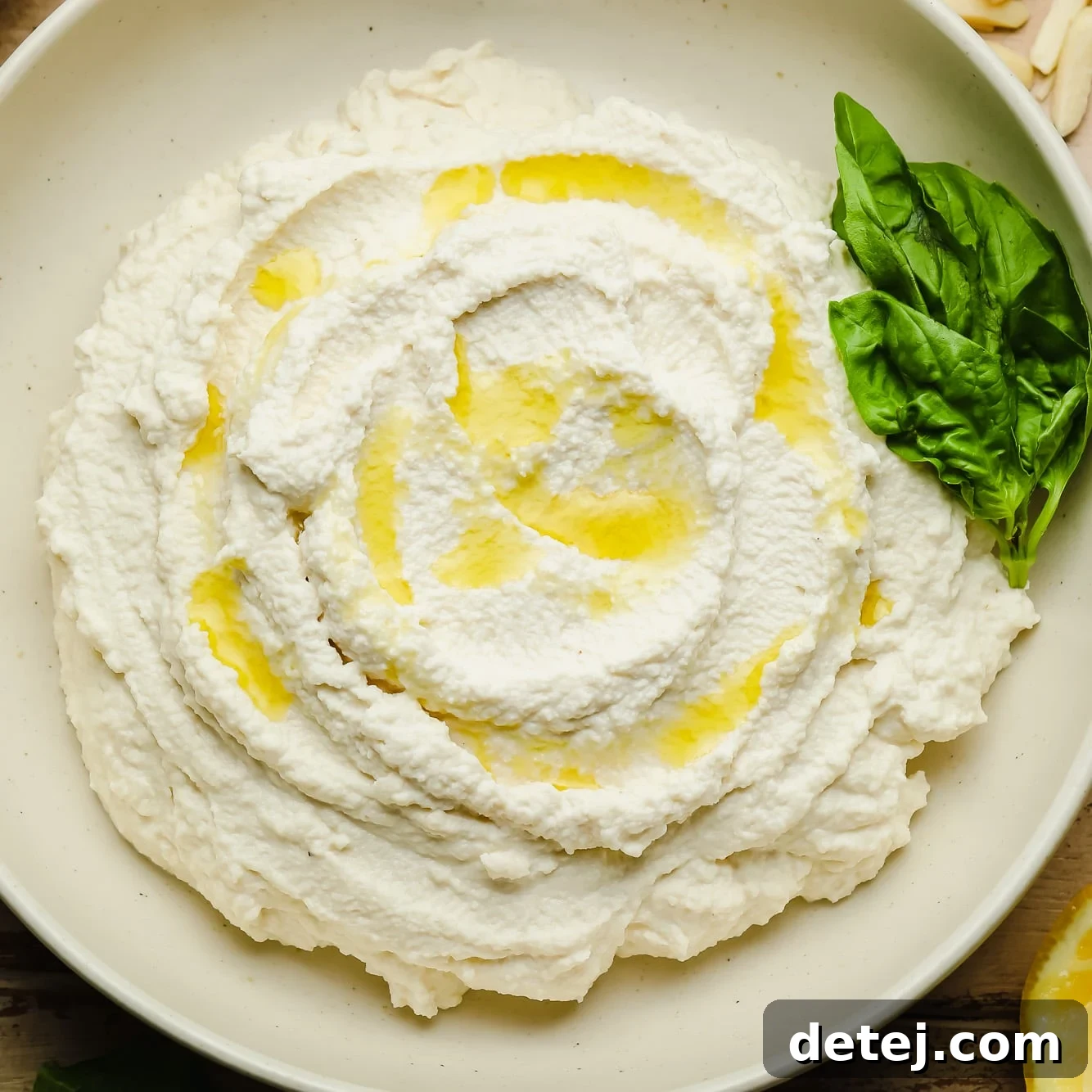
The Ultimate Homemade Vegan Ricotta: Creamy, Fluffy & Versatile
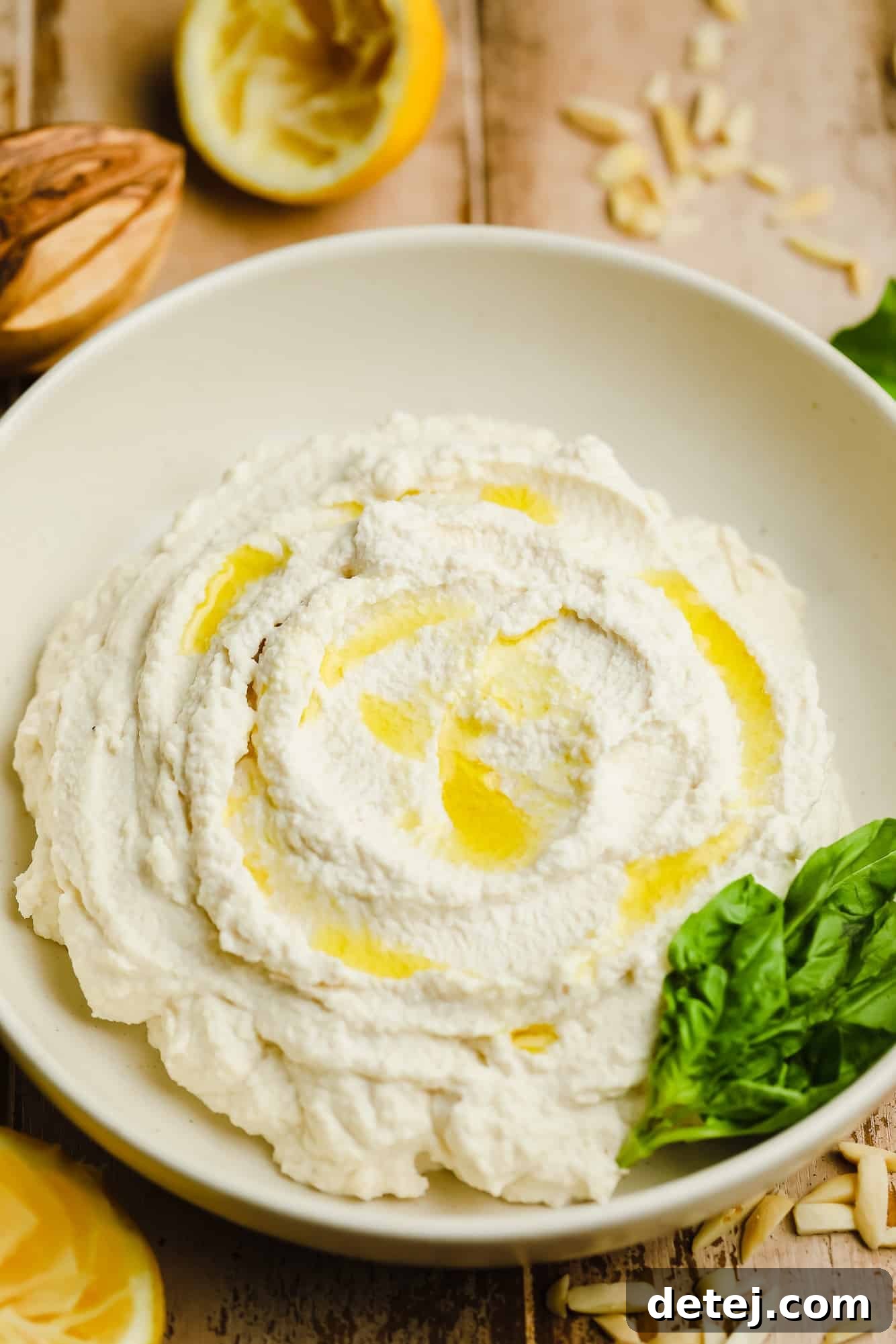
Discover the secret to making the most incredible homemade vegan ricotta that will revolutionize your plant-based kitchen! This ultra-versatile recipe delivers a fluffy, creamy, and undeniably luxurious texture, mirroring its dairy counterpart with remarkable precision. Whether you’re assembling a rich lasagna, crafting gourmet pizzas, or simply seeking a delightful snack, this easy-to-follow recipe, made with just 5 simple ingredients in a blender, promises exceptional results every time. Prepare to elevate your meals and impress your taste buds with this plant-powered sensation.
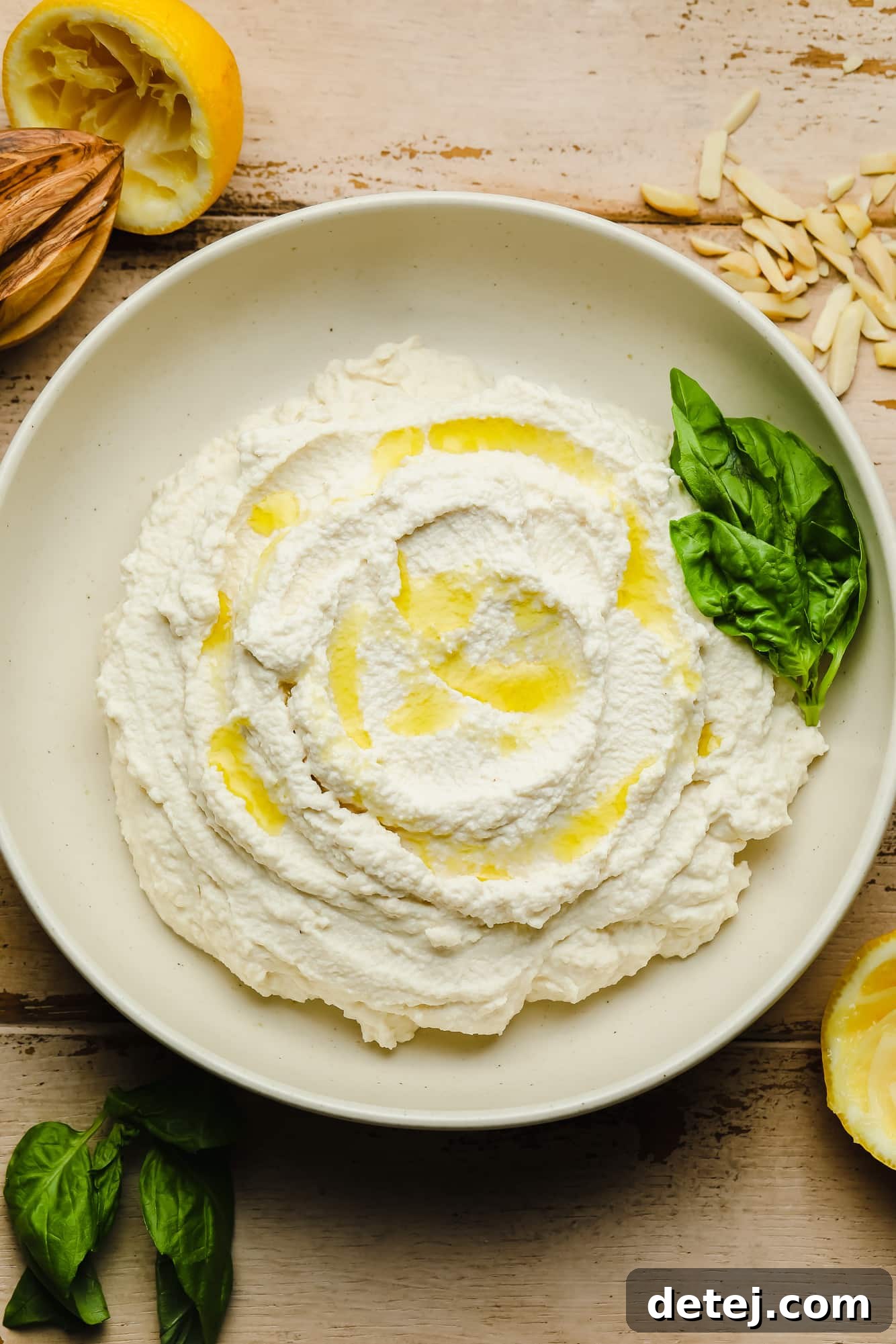
Why This Homemade Vegan Ricotta Reigns Supreme
Prepare to be amazed by what we confidently declare the best vegan ricotta recipe you’ll ever encounter. It’s not just another plant-based alternative; it’s a culinary revelation that stands shoulder-to-shoulder with traditional ricotta in terms of flavor and texture. What sets this recipe apart is its ability to deliver an impossibly creamy, light, and silky-smooth consistency, proving that dairy-free can indeed be delicious and decadent. Crafted from a base of carefully blended nuts, this ricotta captures the mild, slightly sweet, and utterly satisfying essence that makes ricotta cheese so beloved.
Beyond its incredible taste and texture, the simplicity of this recipe is truly remarkable. With only five core ingredients and the power of your blender, you can whip up a batch of this luscious nut cheese in mere minutes. This makes it an ideal choice for busy weeknights, last-minute meal preparations, or when you simply crave a fresh, wholesome, and homemade addition to your dishes. Forget store-bought alternatives that often fall short; this homemade version offers unparalleled freshness and a depth of flavor that packaged options simply cannot match. It’s a game-changer for anyone exploring vegan cuisine or seeking healthier, dairy-free options.
The Secret to Silky Smoothness: Almonds and Cashews
The heart of our exceptional vegan ricotta lies in its ingenious base: raw slivered almonds or raw cashews. These nuts are not just healthy; they possess a unique creaminess when blended, transforming into a rich, luxurious texture reminiscent of traditional ricotta. The natural fats and proteins in almonds and cashews provide the perfect foundation, creating a mild-flavored cheese that is both light and satisfyingly fluffy. Unlike many other plant-based cheese recipes that require extensive soaking, this recipe simplifies the process, allowing for quicker preparation without compromising on the final result.
By combining these power-packed nuts with a few other essential ingredients, we unlock a world of culinary possibilities. This versatile nut cheese becomes an indispensable component in countless recipes, from classic Italian comfort foods to innovative modern dishes. Imagine layers of this creamy ricotta nestled within a hearty Vegan Lasagna, or generously stuffed into savory Vegan Stuffed Shells. Its subtle flavor profile means it complements a wide array of ingredients without overpowering them, making it a true kitchen staple for any plant-based enthusiast.
Essential Ingredients for Your Vegan Ricotta
Crafting the perfect vegan ricotta requires just a handful of straightforward ingredients. Each component plays a vital role in achieving that coveted creamy texture and balanced flavor profile. Here’s a closer look at what you’ll need and some valuable substitution insights:
- Raw Slivered Almonds: These are the star of our vegan ricotta. Slivered almonds are ideal because their skins have been removed, preventing any unwanted brown flecks or slightly bitter notes in your final product. When blended, they create an incredibly smooth and creamy base. If slivered almonds are hard to find, raw cashews make an excellent alternative, offering a similarly rich and neutral flavor. However, it’s crucial to avoid raw whole almonds, as their skins will compromise the aesthetic and texture.
- Fresh Lemon Juice: This brightens the flavor considerably and provides a subtle tang that mimics the acidity found in traditional ricotta. Always opt for freshly squeezed lemon juice over bottled varieties for the best, most vibrant taste. The fresh acidity also helps to “curdle” the plant milk formed by the nuts, contributing to the authentic ricotta texture.
- Garlic Powder: A touch of garlic powder introduces a savory depth without being overpowering, giving the ricotta a lovely baseline flavor. For those who prefer fresh ingredients, a small clove of minced fresh garlic can be used instead. If you plan to use your vegan ricotta in sweet applications, such as desserts or breakfast dishes, feel free to omit the garlic entirely for a neutral base.
- Salt: Essential for enhancing all the other flavors, salt brings balance and makes the ricotta truly shine. Adjust the amount to your personal preference, tasting as you go to ensure it’s perfectly seasoned. We recommend starting with the specified amount and adding more if needed.
- Water: The key to achieving that wonderfully silky-smooth and fluffy consistency. Water is added gradually to transform the nuts into a rich, spreadable cheese. Start with about ½ cup of water, blending well, then incrementally add more, up to 1½ cups, until your ricotta reaches the desired creamy, luxurious texture. The goal is smooth and rich, not thin or watery.
This simple yet powerful combination of ingredients comes together to create a vegan ricotta that is not only delicious but also remarkably similar to its dairy counterpart.
Crafting Your Creamy Vegan Ricotta: A Step-by-Step Guide
Making this delightful vegan ricotta is surprisingly simple, primarily thanks to the efficiency of a high-powered blender. Follow these steps to achieve that perfect fluffy and creamy consistency:
- Quick Soak the Almonds: Begin by placing your raw slivered almonds (or cashews) in a bowl. Bring a few cups of water to a boil, using a tea kettle or saucepan. Once boiling, pour the hot water over the almonds, ensuring they are fully submerged. Let them soak for a minimum of 5 minutes. While you can extend this soak up to an hour, even a short hot soak helps to soften the nuts significantly, making them easier to blend into a smooth consistency. This step is crucial for achieving the desired texture.
- Prepare for Blending: After soaking, carefully drain the almonds, discarding the soaking water. Transfer the softened nuts directly into a high-powered blender. This type of blender (like a Vitamix) is essential for pulverizing the almonds into an ultra-fine, silky smooth paste.
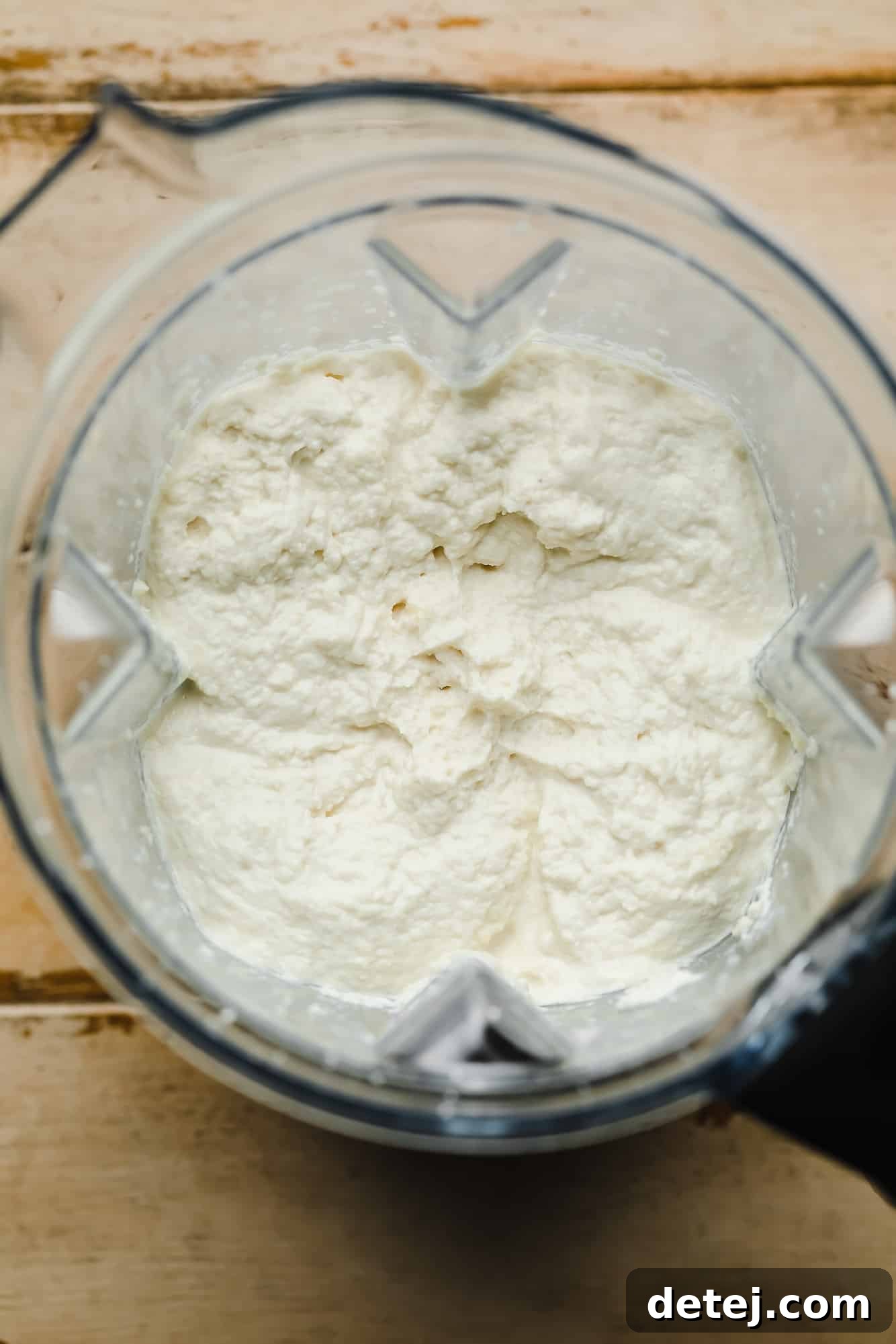
- Initial Blend: Add the fresh lemon juice, garlic powder (if using), and salt to the blender with the almonds. Start with ¾ cup of fresh water. Secure the lid and begin blending on a low speed, gradually increasing to high. You’ll need to stop occasionally to scrape down the sides of the blender with a spatula, pushing any unblended nuts back towards the blades. This ensures a uniform blend.
- Achieve Silky Smoothness: Continue blending, adding the remaining water (up to an additional ¾ cup) incrementally, a tablespoon or two at a time, until the mixture transforms into a luxuriously smooth, fluffy, and creamy ricotta. The total amount of water needed can vary slightly depending on your blender and the desired thickness. Aim for a consistency that is rich and spreadable, yet not overly thick or gritty. The key here is patience and thorough blending to break down every last piece of nut.
- Optional Flavor Boost: Once your vegan ricotta has reached its ideal texture, you can personalize its flavor. Stir in a teaspoon each of dried oregano and basil for a classic Italian herbaceous note, or incorporate a handful of fresh basil for a bright, aromatic touch. Feel free to experiment with other herbs like dill or chives, or even a pinch of red pepper flakes for a subtle kick.
- Serve and Enjoy: Your homemade vegan ricotta is now ready to be used! Serve it immediately in your favorite dishes or store it for later. It’s perfect for everything from layering in Vegan Lasagna and Vegan Stuffed Shells to dolloping onto a freshly baked pizza.
Remember, a high-powered blender is your best friend for this recipe. While a food processor can technically work, it typically won’t yield the same level of silky smoothness and fluffiness, often leaving a slightly grainier texture. Investing in a good blender will truly make all the difference in achieving the best vegan ricotta.
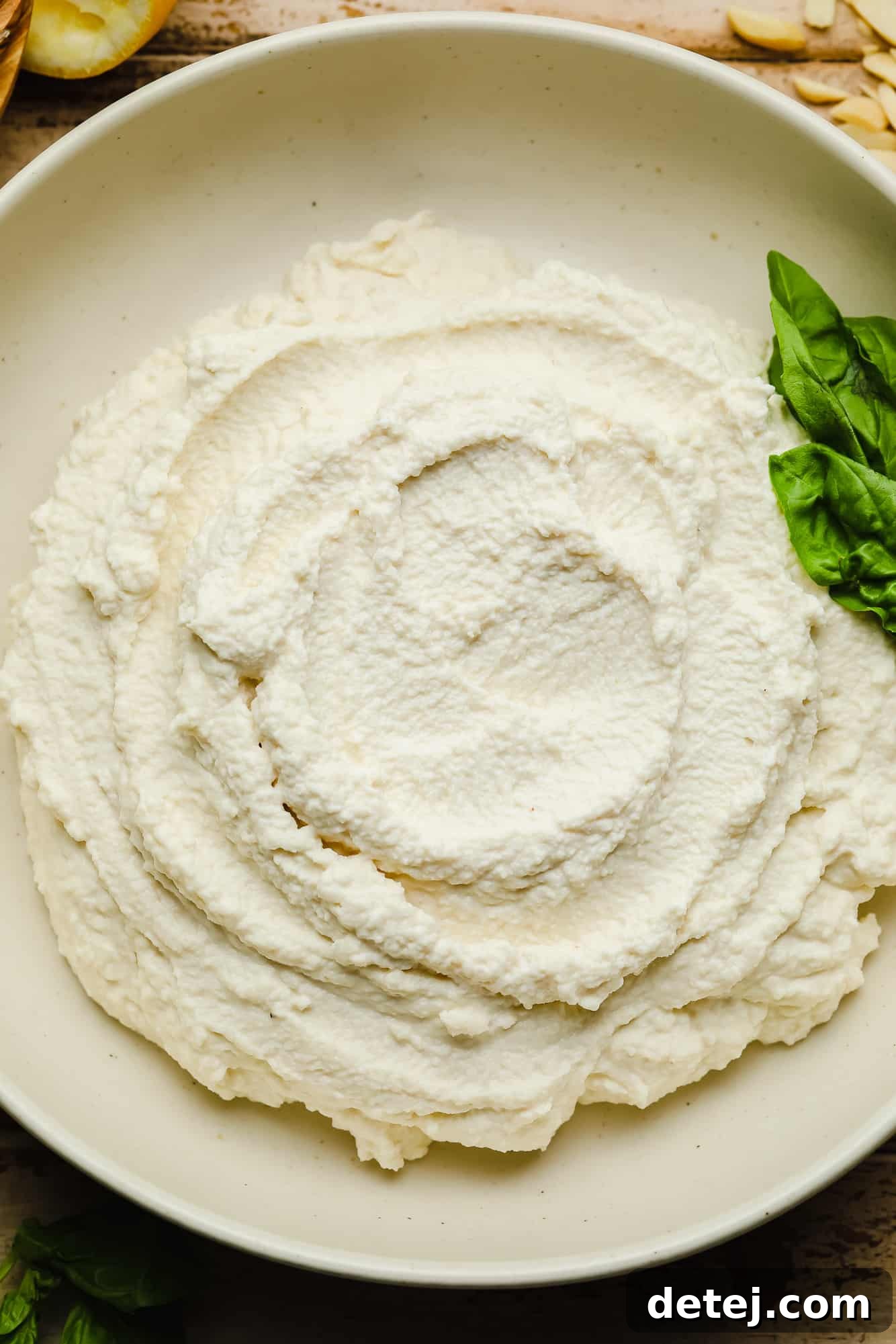
Unleash the Versatility: Creative Ways to Enjoy Vegan Ricotta
One of the most remarkable qualities of this homemade vegan ricotta is its incredible versatility. Its mild, creamy profile makes it an ideal ingredient for both savory and sweet dishes, easily replacing dairy ricotta in almost any application. Here are numerous ways to incorporate this delicious plant-based cheese into your culinary repertoire, elevating everyday meals and creating memorable dishes:
- Classic Lasagna: This ricotta is a non-negotiable component for an authentic Vegan Lasagna. Layer it generously between pasta sheets, rich tomato sauce, and your favorite vegetables for a comforting and hearty meal that even non-vegans will adore.
- Stuffed Pasta Dishes: Transform simple pasta into a gourmet experience. Use it to fill jumbo pasta shells for Vegan Stuffed Shells, or incorporate it into ravioli or manicotti for a truly indulgent main course.
- Creamy Pasta Sauce: Stir a dollop of vegan ricotta into hot cooked pasta noodles with a splash of pasta water, lemon zest, spinach pesto, roasted vegetables, green peas, or wilted spinach for an instant creamy, luscious sauce. It’s also fantastic in baked pasta dishes, adding richness and moisture.
- Pizzas and Flatbreads: Elevate your homemade vegan pizza by dolloping spoonfuls of ricotta over the sauce and toppings before baking. It adds a creamy counterpoint to the robust flavors and a delightful textural contrast. Try it on flatbreads with fresh figs, balsamic glaze, and arugula for a sophisticated appetizer.
- Savory Crostini & Bruschetta: Spread a generous layer of vegan ricotta on toasted baguette slices. Top with roasted cherry tomatoes, caramelized onions, fresh basil, or a drizzle of balsamic reduction for an elegant appetizer or light lunch.
- Breakfast & Brunch Toast: Make breakfast feel extra special. Spread the creamy cheese over a piece of toast, then top with avocado slices, sun-dried tomatoes, sliced heirloom tomatoes, or fresh basil. For a sweet version, omit the garlic from the ricotta, then top with fresh berries, a drizzle of maple syrup, or a spoonful of jam.
- Grain Bowls & Salads: Add a creamy element to your favorite grain bowl or hearty salad. A scoop of vegan ricotta can bind ingredients together, adding moisture and a rich texture that makes the meal more satisfying.
- Stuffed Vegetables: Use it as a delectable filling for stuffed bell peppers, zucchini boats, or even mushrooms. Mix it with breadcrumbs, herbs, and other vegetables before baking for a wholesome and flavorful dish.
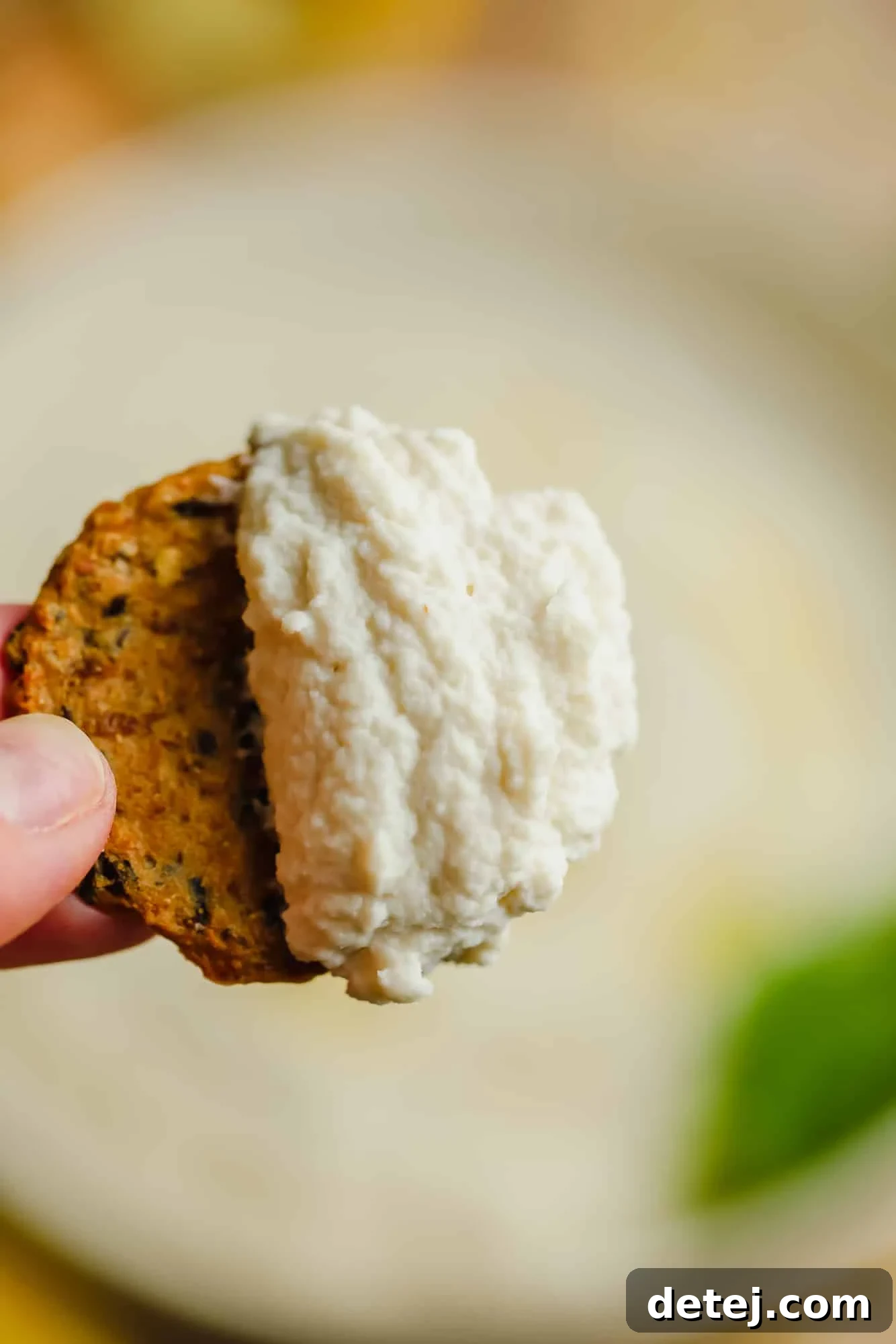
- Dipping & Spreading: Enjoy this versatile cheese as a simple snack. Serve it with an assortment of crackers, warm pita bread, or fresh crudités like carrot sticks, cucumber slices, and bell pepper strips. For an enhanced experience, drizzle with extra virgin olive oil, sprinkle with fresh herbs, or add a dollop of homemade vegan pesto sauce.
- Sweet Indulgences: For dessert applications, prepare the ricotta without garlic (or substitute a tiny bit of sugar). Use it as a decadent filling for vegan cannolis, a creamy topping for pancakes or French toast with fresh fruit and maple syrup, or as a dip for fresh berries and fruit platters. Imagine it spread on toast with peach slices and a balsamic reduction—simply divine!
The possibilities are truly endless once you master this basic vegan ricotta recipe. Let your creativity guide you!
Frequently Asked Questions About Vegan Ricotta
- Can you make this recipe in a food processor?
- While a food processor can technically be used, we highly recommend a high-powered blender for superior results. A food processor might leave the ricotta with a slightly grainy texture, preventing it from reaching that ultra-silky, fluffy consistency that makes this recipe so special. A powerful blender truly pulverizes the nuts, yielding a much smoother and creamier vegan cheese every time, which is key to achieving the best possible ricotta experience.
- Can it be made without nuts?
- Absolutely! If you have a nut allergy or prefer a nut-free option, you can successfully make this vegan ricotta using a block of firm tofu as a substitute for the almonds or cashews. When using tofu, adjust the amount of water carefully, adding just enough to achieve a smooth blend without making the mixture too thin. The texture will be slightly different but still wonderfully creamy and versatile.
- How do you store the leftovers?
- Storing your homemade vegan ricotta is easy. Simply transfer any leftovers to an airtight container and keep it in the refrigerator. It will stay fresh and delicious for up to 5 days, making it perfect for meal prepping or enjoying throughout the week.
- Can you freeze vegan ricotta?
- Yes, vegan ricotta freezes exceptionally well! This is a great tip if you’ve made a large batch or want to prepare ahead. Place it in a freezer-safe, airtight container and it will maintain its quality for approximately 1 month. When you’re ready to use it, simply let it thaw in the refrigerator overnight before incorporating it into your recipes.
Craving More Delicious Vegan Cheese Recipes?
If you’ve fallen in love with this vegan ricotta, you’re in for a treat! The world of plant-based cheeses is vast and incredibly flavorful. Explore these other fantastic dairy-free cheese alternatives to expand your culinary horizons:
- Stretchy Vegan Mozzarella
- Vegan Feta Cheese
- Vegan Mascarpone
- Shreddable Vegan Mozzarella
- Vegan Cheddar Cheese
- Vegan Cream Cheese
Vegan Ricotta
This ultra-versatile homemade Vegan Ricotta is perfect for lasagna, pizza, snacking, and more! It’s just as fluffy and creamy as the real thing and easy to make in a blender with 5 ingredients.
Prep time: 10 mins | Total time: 10 mins | Yields: 8 servings
Ingredients
- 2 cups raw slivered almonds (or raw cashews)
- 2 tablespoons fresh lemon juice
- ½ teaspoon garlic powder (optional, omit for sweet recipes)
- ¾ teaspoon salt (or to taste)
- ¾ – 1½ cups water
Instructions
- Quick Soak the Almonds: Bring a few cups of water to a boil. Place the raw slivered almonds in a measuring cup or bowl and pour the boiling hot water over them to cover completely. Let them soak for 5 minutes, or up to an hour. This softens the nuts for optimal blending.
- Blend Ingredients: Drain the almonds and discard the soaking water. Transfer the softened almonds to a high-powered blender. Add the lemon juice, garlic powder (if using), salt, and ¾ cup of fresh water.
- Achieve Creamy Texture: Blend until very smooth, stopping as needed to scrape down the sides of the blender. Continue blending, gradually adding up to another ¾ cup of water, a tablespoon at a time, until the mixture becomes silky-smooth and fluffy, with no grittiness. The final consistency should be rich and creamy, not watery.
- Optional Flavor Enhancements: If desired, stir in a teaspoon each of dried oregano and basil, or a handful of fresh basil for an herbaceous touch.
- Serve: Your homemade vegan ricotta is now ready to be used in your favorite dishes like Vegan Lasagna, Vegan Stuffed Shells, or dolloped on pizza before baking. Enjoy!
Notes
- For best results, raw slivered almonds are recommended, but raw cashews also work well. Avoid raw whole almonds due to their skins.
- If you have a nut allergy, substitute a block of firm tofu for the nuts, adding water only as needed to achieve a smooth consistency.
- A high-powered blender is crucial for achieving a super smooth and creamy ricotta. A food processor might result in a slightly grainier texture.
- Freshly squeezed lemon juice yields a brighter flavor compared to bottled varieties.
- Omit garlic powder if you plan to use the ricotta in sweet recipes, such as for pancakes or desserts.
- Store leftovers in a covered container in the refrigerator for up to 5 days.
- This vegan ricotta freezes well for about 1 month. Thaw in the refrigerator before use.
Nutrition Information (Approximate per serving)
Serving: 1 of 8 servings | Calories: 157 kcal | Carbohydrates: 6g | Protein: 6g | Fat: 13g | Saturated Fat: 1g | Sodium: 219mg | Potassium: 190mg | Fiber: 3g | Sugar: 1g | Vitamin C: 1mg | Calcium: 71mg | Iron: 1mg
Course: Side Dish, Snack
Cuisine: Italian
Author: Nora Taylor
Did you make this recipe? Mention @nora_cooks_vegan_ or tag #noracooks!