

The Ultimate Guide: Can Coffee Grounds Really Deter Squirrels from Your Garden?
Introduction: Reclaiming Your Garden from the Squirrel Dilemma

For many passionate gardeners, the joy of nurturing a vibrant outdoor space often comes with an unwelcome challenge: squirrels. These industrious, yet often destructive, creatures can quickly transform thriving vegetable patches and meticulously arranged flower beds into their personal foraging grounds. Their relentless burrowing, seed pilfering, and plant nibbling can be incredibly disheartening, making the quest for an effective, humane, and natural deterrent a top priority for countless homeowners.
In this ongoing battle for garden serenity, various remedies are often discussed, but one intriguing solution frequently surfaces: coffee grounds. The idea of repurposing the leftover remnants from our morning brew to safeguard our precious plants feels both sustainable and remarkably simple. Could this common household item truly be the secret weapon against persistent garden squirrels? This comprehensive guide delves into the efficacy of coffee grounds as a squirrel repellent, exploring how they work, the best application methods, potential challenges, and additional benefits for your garden, ultimately helping you cultivate a peaceful, squirrel-free sanctuary. Join us as we uncover whether coffee grounds truly hold the key to deterring these clever critters.
Key Insights You’ll Discover:
- Coffee grounds present a viable, natural, and eco-friendly option for deterring squirrels from attacking your garden and bird feeders.
- Optimizing the repellent effect involves understanding various application techniques and adapting to different weather conditions.
- Beyond deterrence, coffee grounds offer significant benefits for soil health and overall garden vitality, acting as a natural fertilizer and mild pest control.
- A multi-faceted approach, integrating coffee grounds with other deterrents, often yields the most successful and sustainable results in garden protection.
Unveiling the Repellent Potential of Coffee Grounds
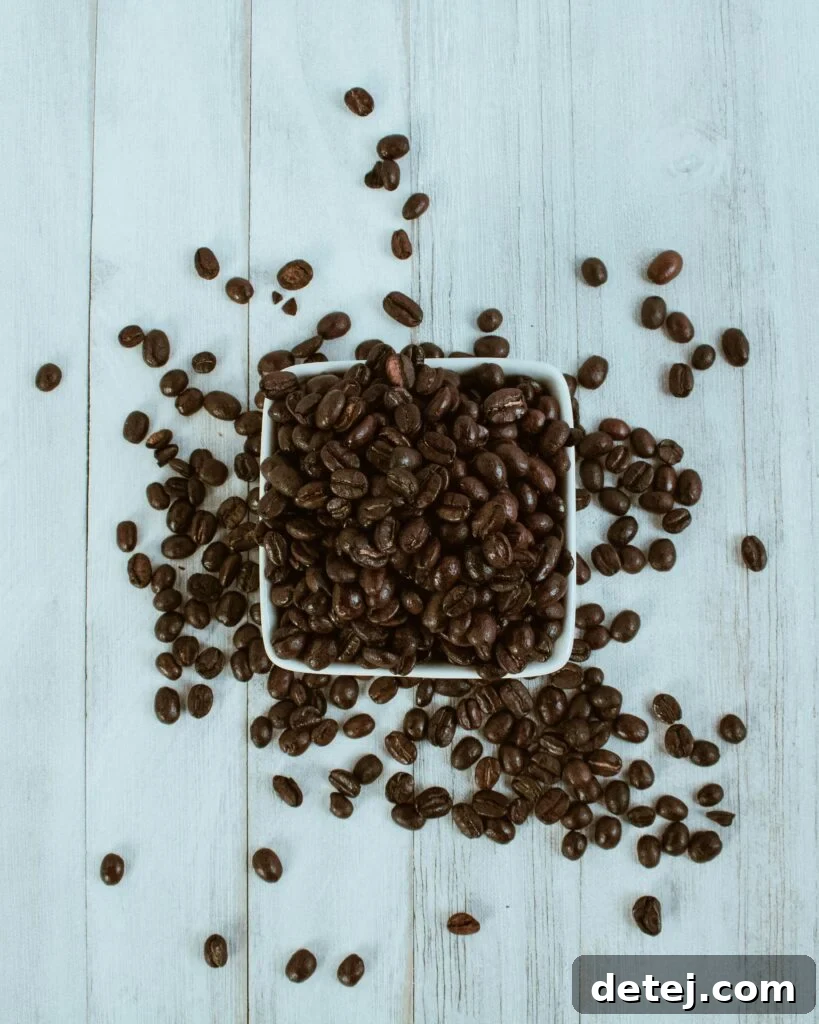
The potent aroma of coffee, a cherished scent for many of us, surprisingly proves to be a significant turn-off for squirrels. Unlike humans who appreciate its rich fragrance, these small mammals possess an incredibly sensitive sense of smell, which they primarily use for locating food sources and detecting predators. The intense, pungent odor emitted by coffee grounds is not only unfamiliar but often perceived as an irritating and overpowering scent, prompting them to steer clear of areas where it’s present.
Beyond just the strong smell, the repellent power of coffee grounds lies in their unique chemical composition. These discarded brew remnants contain various compounds, including caffeine and certain acidic elements, that squirrels tend to detest. Caffeine, a natural stimulant, can be unappealing or even disruptive to small animals, while the specific acidity found in coffee grounds creates an environment that is generally unfavorable to them. When applied strategically around vulnerable garden areas, coffee grounds effectively establish an olfactory barrier, signaling to squirrels that this is not a safe or desirable place for them to forage. This natural aversion makes coffee grounds a promising and eco-conscious method for discouraging these persistent garden visitors.
Strategic Application Methods for Optimal Squirrel Deterrence
Implementing coffee grounds effectively requires a thoughtful approach. Through practical application, gardeners have discovered various methods to maximize their repellent qualities and protect vulnerable areas. One of the most straightforward techniques involves simply scattering the grounds.
For general garden protection, a thin, even layer of used coffee grounds can be lightly sprinkled directly onto the soil surface around plants, vegetable beds, and flower borders. The goal is to create a consistent scent barrier without smothering young seedlings or compacting the soil excessively. This method not only deters squirrels but also gently enriches the soil, as discussed later.
When targeting specific problem areas, such as newly planted bulbs or emerging spring shoots, a slightly denser application can be beneficial. Consider creating a perimeter around these spots. Many gardeners also find success in sourcing additional used coffee grounds from local coffee shops, which are often happy to provide them for free, promoting a sustainable, community-minded approach to pest control.
However, the effectiveness of this natural barrier is intrinsically linked to consistent maintenance, particularly in the face of varying weather conditions. Regular reapplication, especially after heavy rainfall or strong winds, is crucial to sustain the strong odor that squirrels find so off-putting. Without this regular refresh, the deterrent effect will quickly diminish, leaving your garden vulnerable once more. It’s a simple solution, yet one that demands consistent attention to maintain its efficacy and ensure your garden remains a squirrel-free zone.
Fresh vs. Used Coffee Grounds: A Gardener’s Choice
A common point of discussion among gardeners using coffee grounds revolves around whether fresh or used grounds offer superior repellent properties. Both types possess distinct characteristics that influence their effectiveness, availability, and overall impact on your garden ecosystem.
Fresh coffee grounds, straight from the grinder, undeniably boast a more robust and intense aroma due to their higher concentration of volatile organic compounds and caffeine. This potent scent makes them a formidable initial deterrent, capable of sending a strong “keep out” message to even the most determined squirrels. However, fresh grounds also have a higher nitrogen content and can be more acidic, which, if applied in excess, might not be suitable for all plants. Their availability is also limited to what you brew daily, making large-scale or frequent application challenging for most home gardeners.
Used coffee grounds, on the other hand, while less intensely aromatic than their fresh counterparts, are far more abundant for regular coffee drinkers and easily accessible from local cafes. Their milder scent is still sufficient to deter squirrels, and their chemical composition is less potent, making them safer for a wider range of plants. They break down more readily, contributing valuable organic matter and nutrients to the soil without drastically altering its pH. For ongoing, sustainable squirrel deterrence and soil improvement, used grounds often prove to be the more practical and eco-friendly choice, balancing effectiveness with widespread applicability.
Protecting Your Bird Feeders from Pesky Squirrels
Bird feeders are a common target for squirrels, who are notorious for raiding them and depriving feathered friends of their meals. While coffee grounds offer a natural line of defense, their application around bird feeders requires careful consideration and often benefits from a multi-pronged approach.
Initially, scattering a one-inch layer of coffee grounds in a circle around the base of your bird feeder can indeed create an immediate deterrent. The strong, unfamiliar scent can make squirrels hesitant to approach, at least for a while. However, as experienced gardeners know, squirrels are intelligent and persistent. Their initial caution might wear off, especially if the grounds are dispersed or diluted by weather.
The primary challenge with using coffee grounds solely for bird feeder protection is their vulnerability to the elements. Heavy rainfall will quickly wash away the grounds, neutralizing their repellent effect. Strong winds can scatter them, rendering your efforts futile. This necessitates constant reapplication, which can become impractical and time-consuming, particularly if you have multiple feeders or live in an area with unpredictable weather.
For more robust bird feeder protection, consider combining coffee grounds with physical barriers. Squirrel baffles, placed strategically on poles, can prevent climbing. Metal cages around feeders can allow small birds to access seeds while keeping squirrels out. While coffee grounds offer a natural, temporary solution and contribute positively to the surrounding soil, their long-term effectiveness for bird feeder defense often requires integration with more durable, physical deterrents. This balanced strategy ensures your bird feeders remain a safe haven for birds, not a squirrel buffet.
The Influence of Weather Conditions on Coffee Ground Effectiveness
The unpredictable nature of weather conditions significantly impacts the efficacy of coffee grounds as a squirrel deterrent. Gardeners quickly learn that their meticulously scattered barriers can vanish or lose potency with changes in the forecast, demanding adaptability and consistency.
Heavy rainfall stands as one of the primary adversaries. A significant downpour can rapidly wash away coffee grounds from the soil surface, diluting their potent scent and rendering them largely ineffective. This leaves garden beds and bird feeders exposed, giving clever squirrels a clear path back to their favorite snacks. Similarly, strong winds can easily scatter dry coffee grounds, displacing them from targeted areas and reducing the concentration of the repellent aroma where it’s most needed.
To counteract these environmental challenges, strategic application and regular maintenance become paramount. During periods of anticipated rain or high winds, applying a slightly thicker layer of grounds can offer a more resilient barrier. Mixing coffee grounds into the topsoil or under a layer of mulch can also help anchor them in place, slowing their dispersal by wind and rain. For bird feeder protection, ensuring grounds are refreshed more frequently, perhaps even daily during inclement weather, is essential.
Furthermore, consider incorporating physical barriers, such as chicken wire cages around young plants or baffles on bird feeder poles, as a backup method. This integrated approach, combining the natural repellent properties of coffee grounds with structural defenses, creates a more robust and lasting defense system against persistent small rodents like squirrels. Adapting your strategy to harmonize with nature’s rhythm, rather than fighting against it, is the most effective way to maintain peace in your vegetable gardens and protect against these cheeky, persistent creatures.
Harmonizing Coffee Grounds with Your Garden’s Flora: Plant Considerations
While coffee grounds offer compelling benefits for deterring squirrels and enhancing soil, it’s crucial to understand their interaction with different plant types. The slightly acidic nature of coffee grounds can be a boon for some plants, but a detriment to others.
Acid-loving plants are often the biggest beneficiaries. Species like blueberries, azaleas, rhododendrons, hydrangeas (which can even change color with increased soil acidity), and many types of ferns thrive in acidic soil conditions. For these plants, incorporating used coffee grounds can provide a gentle, natural boost of acidity, mimicking their preferred growing environment and potentially leading to more vigorous growth and vibrant blooms. Tomatoes, carrots, and radishes are also known to tolerate, and sometimes appreciate, slightly acidic soil.
However, not all garden residents share this preference. Plants that prefer alkaline or neutral soil conditions, such as lavender, most varieties of orchids, honeysuckle, and many legumes, might not respond well to an increase in soil acidity. Excessive application of coffee grounds around these plants could potentially alter the soil pH beyond their optimal range, leading to nutrient deficiencies or stunted growth. It’s always a good practice to understand the specific soil pH requirements of your garden plants before widespread application.
A balanced approach involves targeted application. Instead of universally scattering coffee grounds, focus on areas around acid-loving plants or specific problem spots where squirrel activity is high. For other areas, consider mixing the grounds with compost or a balanced soil amendment to dilute their acidic effect. Regular soil testing can also provide valuable insights into your garden’s pH levels, allowing you to make informed decisions and ensure that your squirrel-deterring efforts don’t inadvertently harm your cherished plants. This thoughtful strategy underscores the importance of tuning into the unique needs of each plant in your quest for a thriving, squirrel-free garden.
Beyond Deterrence: Multifaceted Benefits of Coffee Grounds in Your Garden
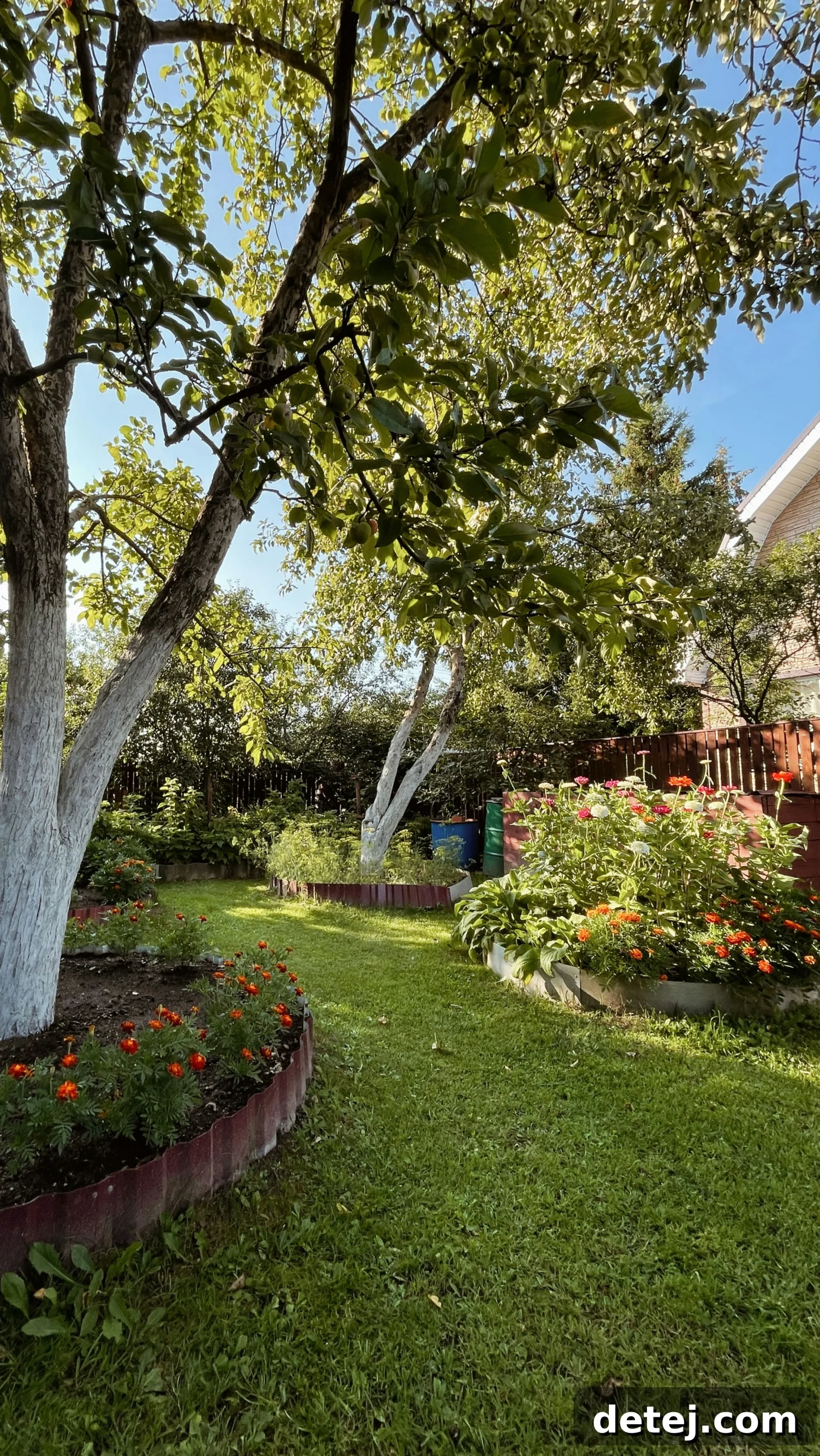
The utility of coffee grounds in the garden extends far beyond merely keeping pesky squirrels at bay. These seemingly simple kitchen byproducts are a powerhouse of benefits, transforming your garden into a more resilient and vibrant ecosystem in several remarkable ways.
Firstly, coffee grounds act as an effective, natural deterrent against a broader spectrum of garden pests. Beyond squirrels, their strong odor and slightly abrasive texture are often unappealing to slugs, snails, and even ants, providing a chemical-free defense system for your plants. This significantly reduces the reliance on harsh synthetic pesticides, fostering a healthier environment for beneficial insects and local wildlife, including the birds you wish to attract.
Secondly, coffee grounds are an excellent source of organic matter, significantly enhancing soil quality and fertility. As they decompose, they release essential nutrients, most notably nitrogen, which is crucial for vigorous plant growth, especially leafy greens. They also improve soil structure, promoting better drainage in heavy clay soils and increasing water retention in sandy soils. This improved aeration and nutrient availability contribute to a robust root system and overall plant vitality.
Furthermore, coffee grounds can attract earthworms, nature’s diligent tillers. Earthworms love to feast on decomposing organic matter, and as they burrow, they aerate the soil, improve drainage, and create channels for water and nutrients to reach plant roots. Their castings also enrich the soil with valuable minerals, acting as a slow-release natural fertilizer. The slightly acidic nature of coffee grounds is also particularly beneficial for acid-loving plants, giving them a much-appreciated nutritional boost.
Embracing coffee grounds in your gardening routine is a prime example of sustainable practice and waste reduction. It repurposes what would otherwise be landfill waste into a valuable resource, fostering a truly eco-friendly approach. This holistic method demonstrates how simple, natural solutions can have a profound, positive impact on the health, beauty, and sustainability of your outdoor spaces, creating a thriving habitat for desirable wildlife while gently discouraging unwanted visitors.
Exploring Alternative and Complementary Squirrel Deterrent Methods
While coffee grounds offer a promising natural solution, the tenacity of squirrels sometimes calls for a broader, multi-faceted approach. Diversifying your deterrent strategies can significantly enhance your garden’s defenses against these clever critters. Many gardeners find that combining several methods yields the most sustainable and effective results.
One popular alternative involves utilizing the strong, irritating properties of spicy repellents. Sprinkling cayenne pepper, red pepper flakes, or even hot sauce (diluted in water and sprayed) around garden beds and on specific plants can deter squirrels and other small mammals. Squirrels dislike the burning sensation, which discourages them from nibbling. Ensure reapplication after rain and be mindful when handling to avoid eye irritation.
Decoy predators can also play a psychological role. Placing realistic statues of owls, hawks, or snakes strategically throughout the garden can initially make squirrels wary. The key is to move these decoys frequently, as squirrels quickly learn that stationary predators pose no real threat. Regular movement helps maintain the illusion of an active predator, keeping them guessing and on edge.
For a high-tech solution, ultrasonic repellents are an option. These devices emit high-frequency sound waves that are imperceptible to humans but irritating to squirrels and other garden pests. While their effectiveness can vary and they often come with a higher price tag, they offer a discreet and humane way to create an unpleasant zone for unwanted visitors. Placement and ensuring battery life or power supply are crucial for consistent performance.
Physical barriers remain one of the most reliable methods. Netting draped over fruit trees or berry bushes, chicken wire fences around vegetable patches, or robust cages protecting vulnerable plants can effectively block squirrels from accessing their targets. For bird feeders, specialized baffles or squirrel-proof feeders are invaluable tools that physically prevent squirrels from reaching the seeds. Additionally, planting repellent plants like mint, marigolds, or daffodils (which contain alkaloids toxic to squirrels) around the perimeter of your garden can add another layer of natural defense.
Ultimately, the best way to keep squirrels at bay often involves an integrated pest management strategy. By rotating and combining different deterrents, you create an unpredictable and consistently unwelcome environment for squirrels, making your garden a less appealing place for their foraging activities.
Cultivating Peace in Your Garden: A Comprehensive Conclusion
The journey to protect a cherished garden from the industrious efforts of squirrels is a common narrative among green-thumbed enthusiasts. What began as a hopeful experiment with the strong scent of coffee grounds evolved into a profound understanding of natural, sustainable garden management. Indeed, the initial skepticism gives way to genuine surprise when these dark, aromatic granules successfully transform garden beds into no-go zones for those pesky, burrowing critters.
The effectiveness of coffee grounds as a natural squirrel deterrent is undeniable, provided one understands its nuances. My own experience, and that of many others, indicates that squirrels do indeed give a wide berth to areas treated with coffee grounds, significantly reducing instances of dug-up bulbs, pilfered seeds, and nibbled greens. Beyond mere deterrence, the added benefit of enriched soil and a reduction in other common garden pests underscores the multifaceted value of this simple, eco-friendly solution. Repurposing old coffee grounds, often sourced abundantly from local coffee shops, becomes not just a method of pest control but a ritual of sustainable living, boosting the garden’s habitat without resorting to harmful chemicals.
However, this natural approach, like all forms of gardening, is not without its need for adaptation and consistent care. The impact of weather conditions, particularly heavy rainfall, can swiftly diminish the efficacy of coffee grounds, washing away the aromatic barrier and leaving vulnerable areas exposed. This necessitates regular reapplication and a strategic understanding of where and when to deploy this fragrant defense. Furthermore, the slightly acidic nature of coffee grounds, while beneficial for acid-loving plants, requires careful consideration to avoid upsetting the delicate pH balance for other, more sensitive garden dwellers. This learning curve reinforces the importance of diligent garden observation, targeted application, and consistent maintenance to ensure long-term success.
My garden has always been a source of immense pride and tranquility, a verdant sanctuary where nature thrived, until the arrival of the squirrels.
A Passionate Gardener
So, can coffee grounds truly keep squirrels away? The answer is a resounding yes, provided you approach it with patience, consistency, and an adaptable spirit. This journey of discovery is more than just about deterring unwelcome garden guests; it’s a testament to the power of natural methods and a bolster for our commitment to sustainable, humane gardening practices. As we continue to spread a thin layer of grounds around our newly planted treasures, we invite you to experiment within your own green spaces. Perhaps, together, we can uncover even more natural repellents and cultivate beautiful, thriving gardens that are a true labor of love, free from the persistent challenges of garden pests.