
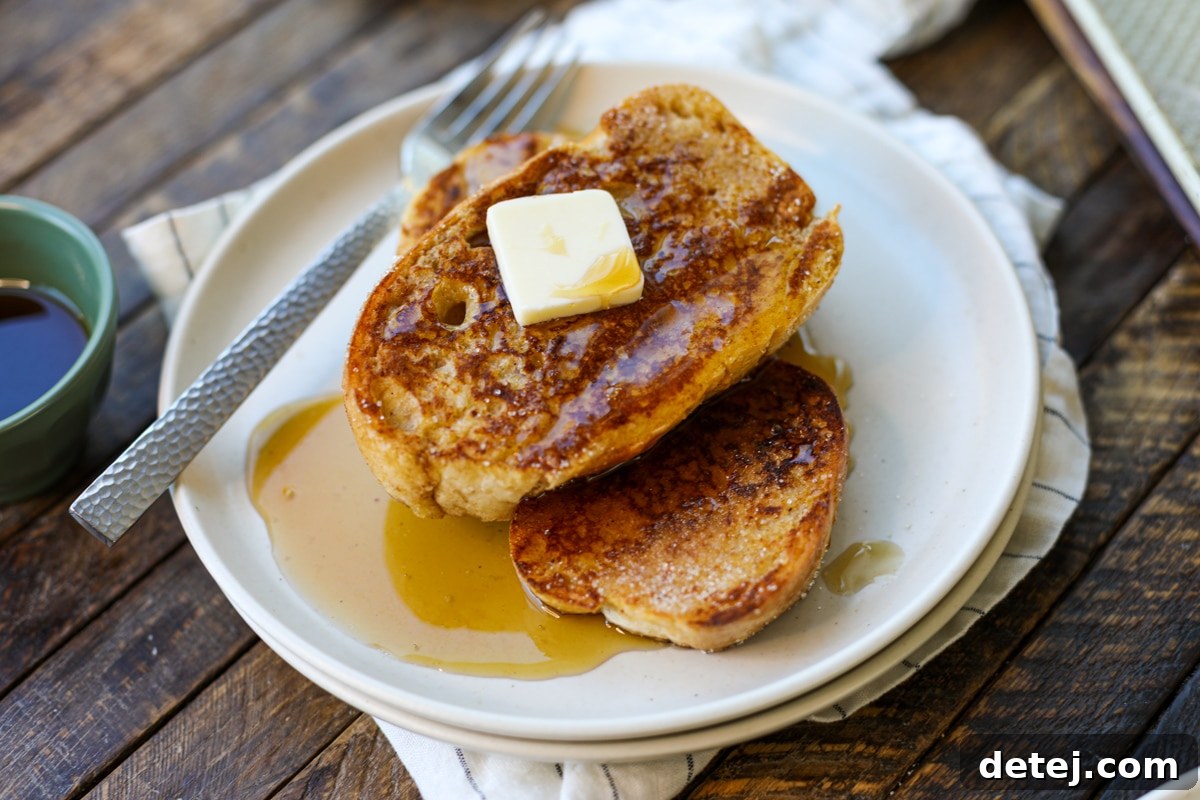
There’s an undeniable charm to a classic breakfast, and few dishes evoke as much warmth and nostalgia as a perfectly prepared French Toast. This isn’t just any French toast; this is the Old School French Toast your grandparents might have made, perfected with simple ingredients and time-honored techniques. Imagine: each bite offering a delightful contrast between gloriously crispy, golden-brown edges and a luxuriously soft, fluffy center. This isn’t just breakfast; it’s an experience, a culinary hug that will make you fall deeply in love with mornings again.
Crafted from a handful of everyday staples you likely already have in your pantry, this iconic breakfast recipe is incredibly versatile. Whether you’re looking for a quick, satisfying weekday start or planning an elaborate Sunday brunch spread, this French toast delivers. Its robust flavors and satisfying textures make it a true showstopper for any occasion. Prepare a big batch to easily freeze and enjoy throughout the week, or savor it fresh off the griddle with your favorite toppings. It’s the kind of dish that brings smiles to faces and warmth to hearts, making it an instant family favorite.
If you’re a connoisseur of sweet breakfasts and delightful morning treats, be sure to explore some of our other cherished recipes. You might adore our Fluffy Pumpkin Pancakes, which offer a seasonal twist with comforting spices and rich chocolate chips, or perhaps these decadent Cinnamon Roll Waffles with Vanilla Glaze, transforming a beloved pastry into a crispy waffle delight. Each recipe promises to elevate your breakfast game, but for timeless perfection, our Old School French Toast remains an unparalleled classic.
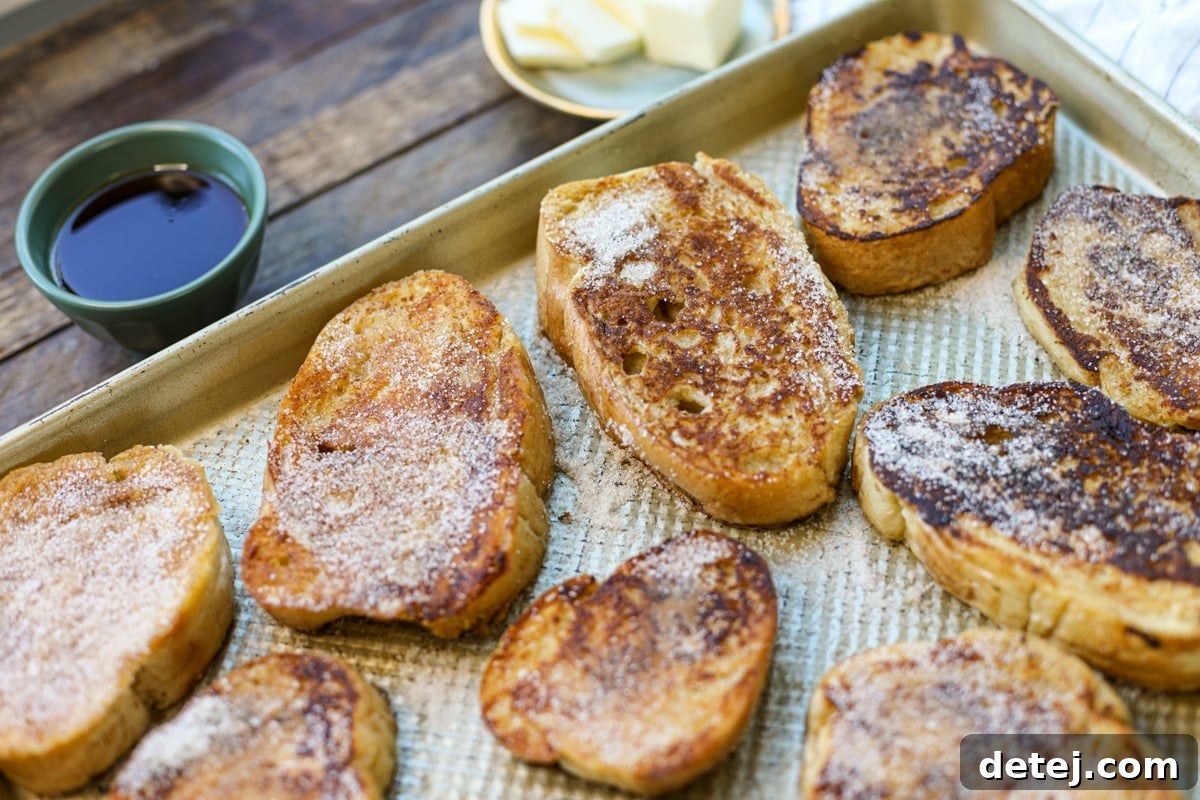
Why You’ll Love This Old School French Toast Recipe
- Perfectly Balanced Sweetness & Unforgettable Flavor: This French toast strikes the ideal balance of sweetness, enhanced by the subtle warmth of cinnamon and nutmeg. It’s rich without being cloying, allowing the natural flavor of the egg-coated bread to shine through. The incredible texture combination – those irresistible crispy, caramelized edges giving way to a soft, custardy interior – is what makes this recipe truly stand out and become a beloved classic.
- Remarkably Easy to Prepare: You don’t need to be a gourmet chef to whip up this impressive breakfast. With just a handful of straightforward ingredients and a simple cooking process, even novice cooks can achieve flawless results. It’s perfect for those busy mornings or when you want something special without a lot of fuss. The steps are intuitive and quick, leading to a delicious meal in no time.
- A Guaranteed Family Favorite: There’s something universally appealing about French toast, and this traditional recipe is no exception. Its comforting taste and familiar aroma are sure to gather everyone around the breakfast table. It’s a wonderful dish to prepare for weekend family breakfasts, holiday brunches, or simply as a delightful treat that everyone, from kids to adults, will eagerly request again and again. It’s designed to be shared and enjoyed together.
- Versatile for Any Occasion: Whether you’re hosting a celebratory brunch, looking for a quick weekday meal, or seeking a comforting dessert, this Old School French Toast fits the bill. It’s incredibly adaptable, allowing for a wide array of toppings and variations to suit any taste or dietary preference. Its simplicity means it can be dressed up or down, making it suitable for any time you crave something sweet and satisfying.
- A Touch of Nostalgia: This recipe captures the essence of French toast as it was traditionally made, reminiscent of comforting childhood breakfasts. It bypasses modern complexities, focusing on pure, unadulterated flavor and texture that harks back to simpler times. It’s more than just a meal; it’s a taste of cherished memories and a tradition worth preserving and sharing.
Essential Ingredients for Classic French Toast
Creating truly exceptional Old School French Toast relies on selecting the right ingredients. Each component plays a vital role in achieving that perfect balance of crispy exterior and soft, flavorful interior. Here’s a detailed look at what you’ll need:
- Bread: The Foundation of Flavor and Texture
For the absolute best French toast, you’ll want to prioritize thick-cut, slightly stale bread. Stale bread is crucial because it acts like a sponge, effectively absorbing the egg custard without becoming soggy and falling apart when cooked. If your bread is too fresh, it will quickly turn mushy. Our top recommendation is a robust loaf of Italian bread, sliced about 3/4 to 1 inch thick. You can leave the slices out overnight to firm up naturally. Other fantastic choices include brioche, challah, sourdough, or even Texas toast. The thicker slices ensure a substantial, satisfying bite that can hold up to the rich egg mixture and the pan-frying process. - Fat: The Key to Golden Crispiness
A generous amount of melted butter is the preferred fat for this recipe. Butter not only imparts an incredibly rich, nutty flavor that complements the sweet custard but also helps achieve that coveted golden-brown, crispy crust. Ensure your pan is thoroughly coated with melted butter before adding each slice of French toast. Don’t be shy – a little extra butter can make all the difference in achieving a beautifully caramelized exterior. For a slight variation, you could combine butter with a neutral oil (like canola or vegetable oil) to raise the smoke point and prevent the butter from burning too quickly, while still retaining much of its flavor. - Egg Mixture: The Heart of the Custard
This is where the magic happens, transforming ordinary bread into a delectable treat. Our signature egg mixture is a blend of:- Eggs: Use 2-3 large eggs, depending on their size and the desired richness of your custard. Eggs provide the structure and richness, binding the other ingredients together and creating that iconic custardy texture.
- 2% Milk (or Whole Milk): Milk thins the batter slightly and adds creaminess, ensuring the bread soaks evenly and remains moist inside. Whole milk will yield a richer French toast, but 2% works beautifully for a lighter option without sacrificing flavor. You could also experiment with heavy cream for an ultra-indulgent version, or even plant-based milks like almond or oat for a dairy-free alternative.
- Light Brown Sugar: The Secret Ingredient! This is the game-changer. Unlike granulated sugar, light brown sugar contains molasses, which contributes a deeper, more complex sweetness and aids in caramelization, giving your French toast those wonderfully crisp, slightly chewy edges and a beautiful golden hue. It’s the secret to that classic “old school” taste.
- Vanilla Extract: A touch of pure vanilla extract elevates the overall flavor profile, adding a warm, aromatic note that enhances the sweetness and spice. Don’t skip this; it’s essential for a well-rounded taste.
- Ground Cinnamon & Nutmeg: These warming spices are indispensable for authentic French toast flavor. Cinnamon provides a comforting sweetness, while nutmeg adds a subtle, earthy depth that makes the dish feel truly special and gourmet. Adjust the amounts to your personal preference, but these spices are key to creating a truly delicious egg coating.
By understanding the role of each ingredient and selecting them thoughtfully, you’re well on your way to crafting the best Old School French Toast you’ve ever tasted.
Creative Variations and Serving Suggestions
While our Old School French Toast recipe is perfect in its classic form, it also serves as an excellent canvas for creative culinary exploration. Here are some fantastic ways to personalize your French toast and impress your guests:
Elevate with Toppings Galore: The beauty of French toast lies in its versatility with toppings. Don’t limit yourself to just maple syrup! Consider these delightful additions to transform each serving:
- Fresh Fruit Medley: Berries (strawberries, blueberries, raspberries), sliced bananas, peaches, or even caramelized apples can add a burst of freshness, natural sweetness, and vibrant color.
- Maple Syrup & Honey: A classic for a reason! High-quality pure maple syrup is a must, or a drizzle of local honey for a different kind of sweetness.
- Whipped Cream or Ice Cream: A dollop of freshly whipped cream adds richness and indulgence. For a truly decadent dessert-for-breakfast experience, a scoop of vanilla bean ice cream is surprisingly delightful when paired with warm French toast.
- Chopped Toasted Nuts: Almonds, walnuts, pecans, or hazelnuts add a satisfying crunch and nutty depth. Toast them lightly beforehand to bring out their full flavor.
- Chocolate Chips or Shavings: For the chocolate lovers, sprinkle on some mini chocolate chips while the toast is still warm, or garnish with elegant chocolate shavings.
- Powdered Sugar & Cinnamon Dust: A simple dusting of powdered sugar and a light sprinkle of cinnamon is an elegant finish that enhances flavor and presentation.
- Fruit Compotes or Jams: Homemade berry compote, cherry pie filling, or your favorite fruit jam can add a sweet and tangy dimension.
- Lemon Zest: A delicate sprinkle of fresh lemon zest can brighten the flavors and add an unexpected citrusy note.
Transform into a Decadent Sandwich: For a truly fun and unique breakfast or brunch twist, turn your French toast into a delightful sandwich. The combination of sweet and savory textures is incredibly satisfying:
- Peanut Butter and Jelly French Toast: Spread creamy or crunchy peanut butter and your favorite fruit jelly between two slices of French toast. The warm, slightly melted peanut butter and fruit jam create an irresistible gooey center. You can even dip the assembled sandwich back into the egg mixture for a second coating before a final quick fry for extra indulgence.
- Nutella and Banana: A rich and creamy Nutella spread with sliced bananas makes for an incredibly decadent and satisfying sandwich that feels like a dessert.
- Sweet Cream Cheese and Berries: Mix cream cheese with a little powdered sugar and vanilla, then spread it between French toast slices and add fresh berries.
Explore Different Bread Options: While Italian bread is a top choice, don’t hesitate to experiment with other thick, sturdy breads:
- Challah Bread: Its rich, slightly sweet, and eggy texture makes for an incredibly tender French toast.
- Brioche: Known for its buttery richness, brioche French toast is wonderfully soft and luxurious.
- Sourdough Bread: For a tangy contrast to the sweet custard, sourdough offers a unique flavor profile that some find irresistible.
- Cinnamon Swirl Bread: For an extra layer of spice and sweetness, using cinnamon swirl bread can be a delightful shortcut.
By embracing these variations, you can keep your French toast experience exciting and tailored to your cravings, ensuring that this classic dish never gets old!
Mastering Old School French Toast: Expert Tips and Secrets
Achieving that picture-perfect French toast – with its golden, crispy exterior and moist, custardy interior – involves a few key techniques and a secret ingredient that elevate it from good to truly unforgettable. These expert tips, honed over generations, will ensure your Old School French Toast is nothing short of perfection every single time.
- The Unsung Hero: Light Brown Sugar. This is the secret ingredient that sets this French toast apart from all the others. Growing up, my mom always added light brown sugar to her recipe, and for good reason. The molasses in brown sugar doesn’t just add a deeper, richer, and more complex sweetness; it also helps the bread caramelize beautifully in the pan. This results in those irresistible, slightly chewy, crisp edges and a gorgeous golden-brown finish that granulated sugar simply can’t achieve. Once you experience the difference, I’m absolutely certain you’ll never go back to plain sugar in your French toast batter.
- The Essential Role of Stale Bread. When prepping this recipe, make it a priority to use stale bread. This isn’t merely a suggestion; it’s a fundamental step that dictates the success of your French toast. Why stale? Fresh bread, with its higher moisture content, tends to absorb too much of the egg mixture too quickly, leading to a soggy, mushy result that falls apart in the pan. Stale bread, on the other hand, is firmer and has lost some of its moisture, allowing it to soak up the custard evenly and thoroughly without disintegrating. It maintains its structural integrity, giving you that ideal crispy exterior and a wonderfully tender, not wet, interior.
- Choosing and Preparing Your Bread: A Detailed Approach.
- Type of Bread: As mentioned, Italian bread is excellent due to its sturdy texture and mild flavor. However, brioche or challah bread are also fantastic choices if you’re looking for a richer, more indulgent French toast. Their slightly sweet and eggy nature complements the custard beautifully.
- Slicing Thickness: Aim for slices that are approximately 3/4 to 1 inch thick. This thickness is crucial because it provides enough surface area for the crispy crust while leaving plenty of bread to soak up the custard and remain fluffy inside. Thinner slices can quickly become too dense or burn easily.
- Achieving Staleness: If you don’t have naturally stale bread, you can make it. Slice your chosen loaf and lay the slices out on a wire rack on your counter overnight. This allows them to air dry and become perfectly firm. If you’re short on time, you can also gently toast the slices in a low oven (around 250°F / 120°C) for 10-15 minutes, flipping halfway, until they are slightly dry but not colored.
- The “Quick Dip” Technique: Avoid the Soggy Trap. This is perhaps one of the most critical techniques for achieving optimal French toast texture. Some recipes suggest letting the bread soak in the egg mixture for an extended period, but I strongly advise against this for traditional French toast. Extended soaking often results in French toast that is overly custardy, bordering on mushy, with a lack of satisfying crispy edges. Personally, I advocate for a quick dip:
- Immediately before adding a slice to your hot, buttered pan, give it a swift dip into the egg mixture.
- Ensure both sides are evenly coated – just a few seconds per side is plenty. The goal is to coat, not saturate.
- Then, transfer it directly to the pan.
Do not dip all your bread slices first and then proceed to cook them one by one. This will allow the first-dipped slices to become oversaturated and soggy while they wait. Instead, dip each piece as you go, transferring it immediately to the hot pan. This rapid process is key to preventing sogginess and guarantees a beautifully crisp exterior with a soft, flavorful interior.
- Optimal Pan Temperature for Perfect Searing. Preheat your skillet over medium-high heat. A hot pan is essential for achieving a quick sear and golden-brown crust without overcooking the inside. If the pan isn’t hot enough, the bread will sit and absorb more fat, becoming greasy and soft. If it’s too hot, the exterior will burn before the inside is cooked through. A drop of water should sizzle and evaporate immediately when the pan is ready.
- Don’t Overcrowd the Pan. Cook French toast in batches, leaving enough space between each slice in the pan. Overcrowding lowers the pan temperature and leads to steaming rather than searing, preventing that desirable crispy texture.
By integrating these expert insights into your French toast making, you’ll consistently create a breakfast that is not only delicious but also boasts that perfect, classic Old School texture and flavor every time.
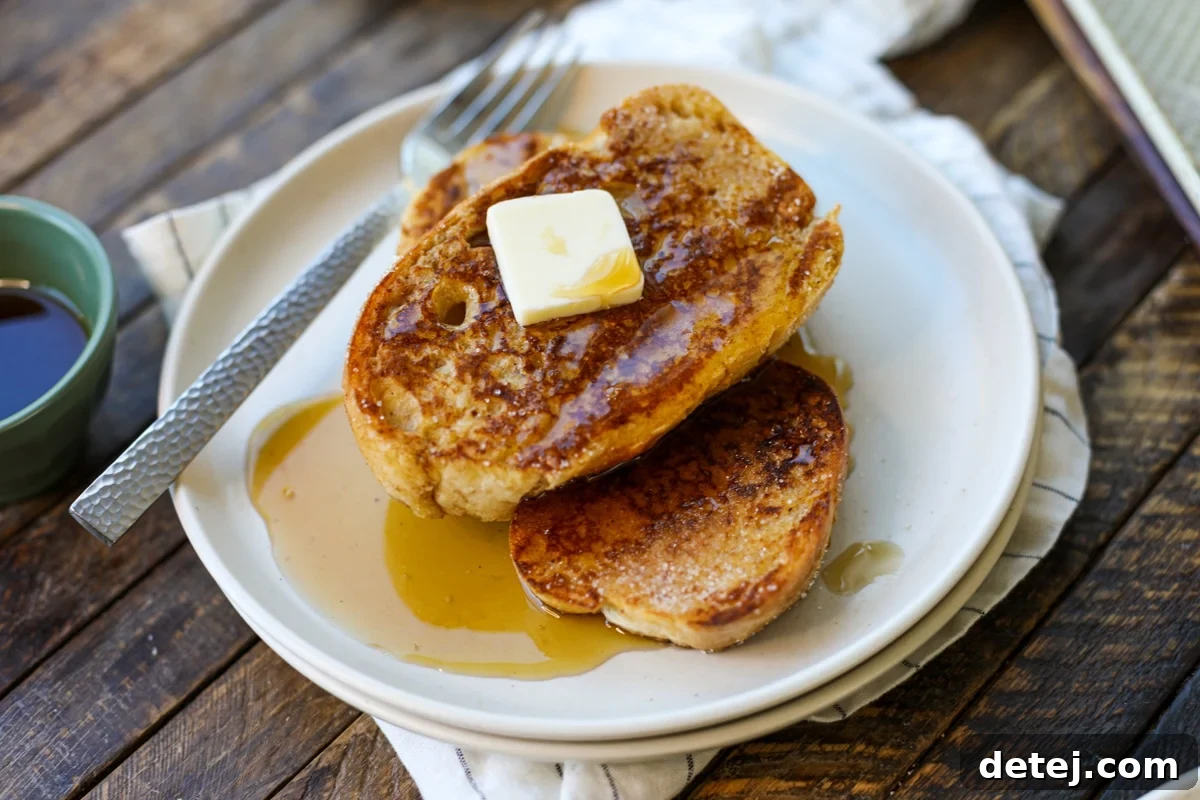
Step-by-Step Guide: How to Make the Best French Toast
Crafting this delicious Old School French Toast is a straightforward process, but following these steps carefully will ensure a perfect result every time. Get ready to enjoy a breakfast that’s truly a cut above the rest!
Prepare the Luscious Custard Mixture
- Gather Your Tools: Start by selecting a large mixing bowl that is wide enough to comfortably dip your bread slices. A whisk will also be essential for combining your ingredients thoroughly.
- Combine the Base: In your large mixing bowl, crack the eggs. Add the milk (2% or whole milk works best for richness), the crucial light brown sugar (remember our secret ingredient!), the warming ground cinnamon, a dash of nutmeg, and the aromatic vanilla extract.
- Whisk to Perfection: Using your whisk, vigorously combine all these wet ingredients. Whisk until the mixture is smooth, uniformly colored, and the brown sugar has completely dissolved. You want a consistent, creamy custard ready to embrace your bread. There should be no streaks of egg white or undissolved sugar visible. This ensures every bite of French toast will have an even flavor.
Pan-Fry to Golden-Brown Perfection
- Heat the Skillet: Place a large skillet (cast iron or a heavy-bottomed non-stick pan works wonderfully) over medium-high heat on your stovetop. Allow it to heat up for a few minutes. You’ll know it’s ready when a few drops of water sizzle and evaporate instantly.
- Add the Butter: Once the skillet is hot, add 1-2 tablespoons of butter. Allow it to melt and swirl it around, ensuring the entire cooking surface of the pan is well coated. The butter should be shimmering but not smoking. You’ll add more butter as needed between batches to maintain an even coating and prevent sticking.
- The Quick Dip & Cook: Now for the most crucial part – the dipping and cooking.
- Take one slice of your prepared stale bread.
- Quickly dip it into the egg mixture. Ensure both sides are thoroughly coated, but do not let it soak. A rapid dip, just enough to moisten the surface, is key to preventing sogginess.
- Immediately transfer the dipped bread slice from the bowl directly to the hot, buttered skillet. Leave sufficient space around each slice if cooking multiple pieces at once to ensure even cooking.
- Sear and Flip: Pan-fry the toast for approximately 1-2 minutes per side. Look for a beautiful golden-brown color and crispy edges. The exact cooking time will vary depending on your stove and pan, so keep a close eye on it. Use a spatula to gently lift a corner and check for the desired color before flipping.
- Repeat and Serve: Continue this dipping and frying process with the remaining bread slices, adding more butter to the pan as needed for each new batch. Serve your Old School French Toast immediately while it’s hot and fresh, piled high with your favorite toppings. Enjoy the fruits of your labor!
Storage and Reheating Recommendations
- Immediate Enjoyment is Best: French toast is truly at its peak when served hot and fresh directly from the pan. The crispy exterior and warm, tender interior are best experienced right away.
- Storing Leftovers (Refrigerator): If you happen to have any leftovers, allow them to cool completely before storing. Place the cooled French toast in an airtight container and refrigerate for up to three to four days.
- Reheating Leftovers:
- Microwave: For a quick reheat, place slices in the microwave for 30-60 seconds, or until warmed through. Be aware that the microwave tends to soften the toast, so it won’t be as crispy as fresh.
- Toaster Oven/Oven: For best results in regaining some crispness, reheat French toast in a toaster oven or conventional oven at 350°F (175°C) for 5-10 minutes, or until heated through and edges are slightly crisp again.
- Skillet: Reheat in a lightly buttered skillet over medium heat for a few minutes per side until warmed and slightly re-crisped.
- Freezing Leftovers for Future Delights: French toast freezes remarkably well, making it perfect for meal prep!
- Preparation: Allow the cooked French toast slices to cool completely.
- Prevent Sticking: Layer the slices in an airtight freezer-safe bag or container, placing a piece of parchment paper between each slice to prevent them from sticking together.
- Freezing Time: Store in the freezer for up to 1-2 months for optimal freshness.
- Reheating from Frozen: You can reheat frozen French toast directly from the freezer. Place slices in a toaster oven or conventional oven at 375°F (190°C) for 10-15 minutes, or until heated through and golden. You can also lightly toast them in a conventional toaster, though this might require multiple cycles.
Frequently Asked Questions About French Toast
A: While French toast is always best enjoyed immediately, hot from the pan for optimal crispness and warmth, you can certainly prepare it ahead of time. Allow the cooked slices to cool completely, then store them in an airtight container in the refrigerator for up to 3-4 days. For best reheating, use an oven or toaster oven to help restore some of that crispy texture, rather than a microwave which can make it softer. You can also prepare the egg custard mixture a day in advance and store it covered in the refrigerator; just give it a good whisk before dipping your bread.
A: For serving a crowd, a large stovetop griddle pan is your best friend. A griddle allows you to cook multiple slices simultaneously without overcrowding, significantly speeding up the process. I highly recommend investing in a good quality griddle; the one I have from Our Place is fantastic for fitting many slices at once. To keep cooked French toast warm while you finish the batch, preheat your oven to its lowest setting (around 200°F / 95°C) and place the finished slices on a baking sheet in a single layer. Cover loosely with foil to prevent drying out.
A: The best bread is always a slightly stale, thick-cut loaf. Italian bread is an excellent choice for its sturdy texture and neutral flavor, allowing the custard to shine. Brioche and challah are also top contenders, offering a richer, sweeter, and more tender result due to their higher egg and butter content. Texas toast, sourdough, or even a good quality white sandwich bread (thick-sliced and stale) can work wonderfully. The key is thickness (3/4 to 1 inch) and staleness to prevent sogginess.
A: Preventing soggy French toast comes down to two main factors: stale bread and a quick dip. Firstly, always use stale bread as it absorbs the custard without becoming mushy. If your bread is fresh, lightly toast it in the oven beforehand. Secondly, when dipping, ensure it’s a quick, even coating on both sides—just enough to moisten, not saturate. Don’t let the bread sit in the custard for too long, and cook each piece immediately after dipping. A hot, well-greased pan also helps achieve that essential crispy crust.
A: Absolutely! While 2% or whole milk provides a classic richness, you can easily substitute it with your favorite plant-based milk. Almond milk, oat milk, or soy milk work very well and will still provide a creamy texture to the custard. For a completely dairy-free version, ensure you also use a plant-based butter alternative (like vegan butter sticks or coconut oil) for pan-frying.
A: The “Old School” designation refers to the traditional, no-fuss approach that emphasizes classic flavors and textures. It focuses on using simple, quality ingredients, particularly the use of light brown sugar for its caramelizing properties and the crucial technique of using stale, thick-cut bread with a quick dip. It avoids overly elaborate additions, instead highlighting the perfect balance of a crispy, golden exterior and a soft, custardy interior that generations have loved.
More Irresistible Breakfast Recipes to Consider Trying
If you’ve enjoyed perfecting this classic Old School French Toast, you’ll love exploring other delightful ways to start your day. Here are a few more breakfast recipes from our collection that are sure to become new favorites:
- Cinnamon Crunch Pancake Muffins: All the flavor of cinnamon crunch pancakes in a convenient, grab-and-go muffin form. Perfect for busy mornings!
- Cinnamon Sugar French Toast Sticks: A fun, kid-friendly twist on French toast, these sticks are easy to dip and make for a playful breakfast or snack.
- Cinnamon Bun Waffles: Transform the sweet, gooey goodness of cinnamon buns into crispy, tender waffles, complete with a delicious glaze.
- Baked French Toast Breakfast Casserole: Ideal for feeding a crowd or for make-ahead breakfasts, this casserole bakes up beautifully with all the flavors of traditional French toast in a convenient pan.
Each of these recipes brings its own unique charm to the breakfast table, offering variety and deliciousness to your morning routine. Happy cooking!
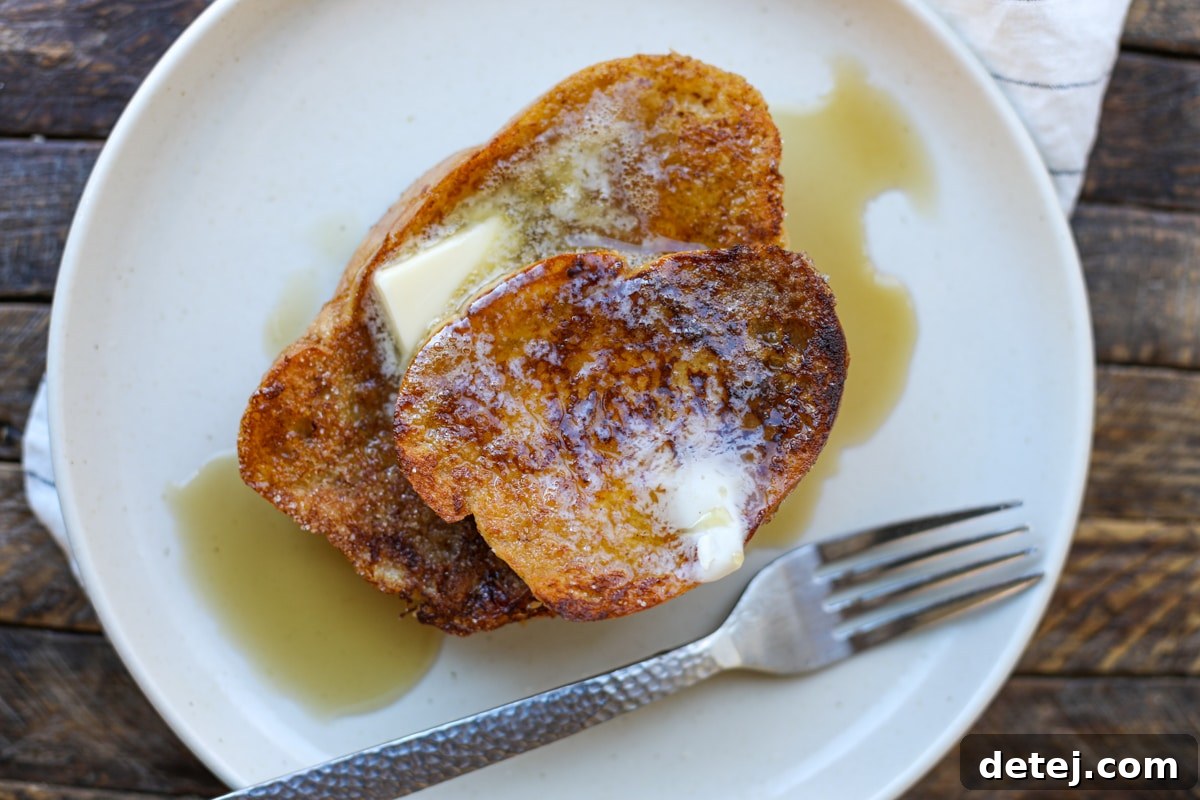

Old School French Toast
Pin Recipe
Leave a Review »
Equipment
-
1 large skillet or griddle
-
1 large mixing bowl
Ingredients
- 12-14 slices Italian bread, stale, cut into 3/4 -1 inch thick slices (or use brioche/challah)
- 2-3 tablespoons unsalted butter, melted in the pan, use more as needed for each batch
- 3 large eggs, for a richer custard
- 1 cup 2% milk, or whole milk (can substitute with plant-based milk)
- 3 tablespoons light brown sugar, packed for best results
- 1 teaspoon pure vanilla extract
- 1 teaspoon ground cinnamon
- ¼ teaspoon ground nutmeg
- Optional toppings: maple syrup, fresh berries, powdered sugar, whipped cream, or toasted nuts
Instructions
Combine the Wet Ingredients
-
In a large, shallow mixing bowl (wide enough to comfortably dip your bread), combine the eggs, milk, light brown sugar, cinnamon, nutmeg, and vanilla extract. Whisk thoroughly until all ingredients are well combined and the sugar is dissolved, creating a smooth, consistent custard mixture.
Pan Fry the Toast to Golden Perfection
-
Heat a large skillet or griddle over medium-high heat. Add 1-2 tablespoons of butter and allow it to melt and coat the entire cooking surface. The butter should be shimmering and fragrant, but not smoking.
-
Take one slice of stale bread and quickly dip it into the egg mixture, ensuring both sides are evenly coated but not oversaturated. Immediately transfer the dipped bread slice to the hot, buttered pan. Cook in batches, being careful not to overcrowd the pan.
-
Pan-fry the French toast until it is beautifully golden brown and crispy on both sides, which typically takes about 1-2 minutes per side. Add more butter to the pan as needed between batches. Serve the Old School French Toast hot, garnished with your favorite toppings like maple syrup, fresh berries, or a dusting of powdered sugar. Enjoy!
Notes
Storage: Allow any leftover French toast to cool completely. Store it in an airtight container in the refrigerator for up to 3-4 days. Reheat gently in a microwave, toaster oven, or a lightly buttered skillet until warmed through.
Freezing Instructions: Cooked French toast freezes wonderfully! Once completely cooled, place slices in an airtight, freezer-safe bag or container, separating each piece with parchment paper to prevent sticking. Freeze for up to 1-2 months. Reheat directly from frozen in a toaster oven or conventional oven (at 375°F/190°C for 10-15 minutes) until heated through and edges are slightly crisp.