
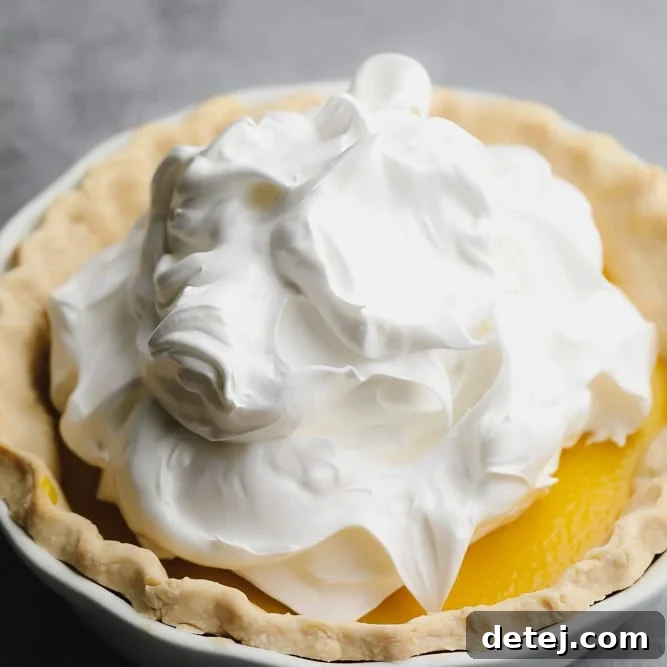
Unlock the secrets of aquafaba, the revolutionary vegan egg substitute that’s transforming plant-based cooking and baking! Discover what it is, delve into the science behind its incredible properties, learn how to master its use in various recipes, and get expert tips for whipping up perfect vegan meringues and much more.
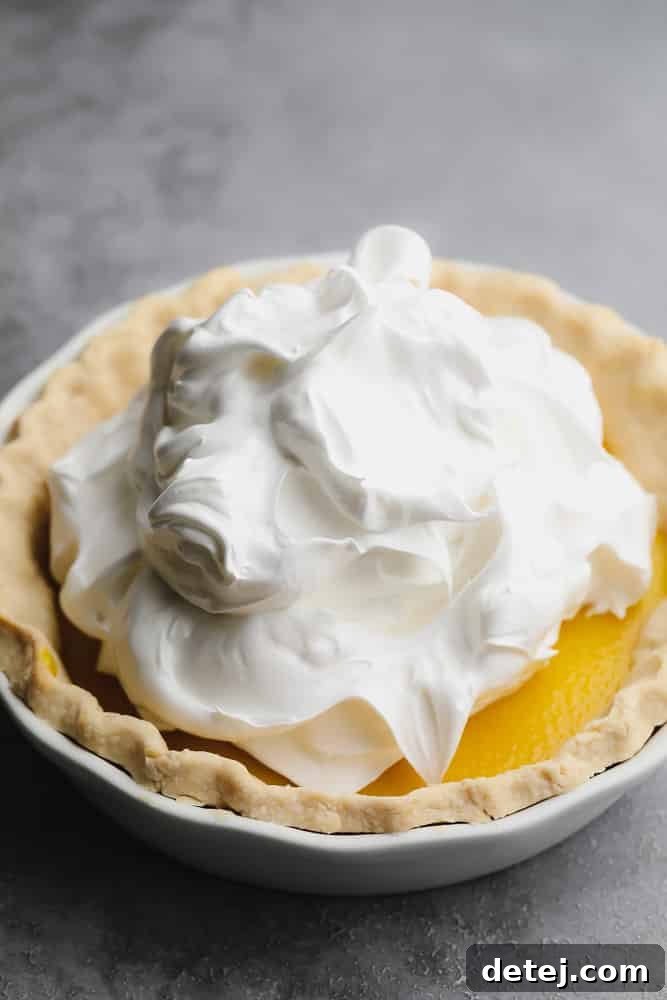
What is Aquafaba? The Culinary Game-Changer You Didn’t Know You Needed
Aquafaba is nothing short of a culinary marvel, and it’s likely something you’ve been pouring down the drain for years without realizing its potential. Simply put, aquafaba is the viscous liquid found in a can of chickpeas (or other legumes, though chickpeas are preferred). Its name, derived from the Latin words for “water” (aqua) and “bean” (faba), perfectly encapsulates its essence. This unassuming brine possesses remarkable properties incredibly similar to egg whites, making it the ultimate, most versatile, and often surprising vegan egg substitute.
The concept of using bean water in your baking, especially for delicate desserts, might initially strike some as peculiar. After all, isn’t that just… bean juice? We understand the skepticism! However, consider the alternative: raw egg whites, which many find unappetizing or have concerns about due to salmonella risks. Aquafaba offers a compelling, plant-based solution free from these worries. While fresh aquafaba might carry a faint “beaniness” upon opening the can, this subtle aroma and any hint of flavor completely vanish once the liquid is whipped, baked, or incorporated into a recipe. The transformation is truly astonishing – you’ll create dishes so light and fluffy, no one will ever suspect their secret vegan ingredient.
Unlike other common vegan egg replacers like flaxseed or chia “eggs,” which can leave behind noticeable flakes or a slightly denser texture, aquafaba disappears into your recipes, contributing only its incredible functional benefits. It provides structure, emulsification, and aeration, mimicking the complex proteins in egg whites with astonishing precision. This makes it invaluable for everything from airy meringues and rich mousses to binding agents in cakes and brownies, opening up a world of possibilities for plant-based chefs and home bakers alike.
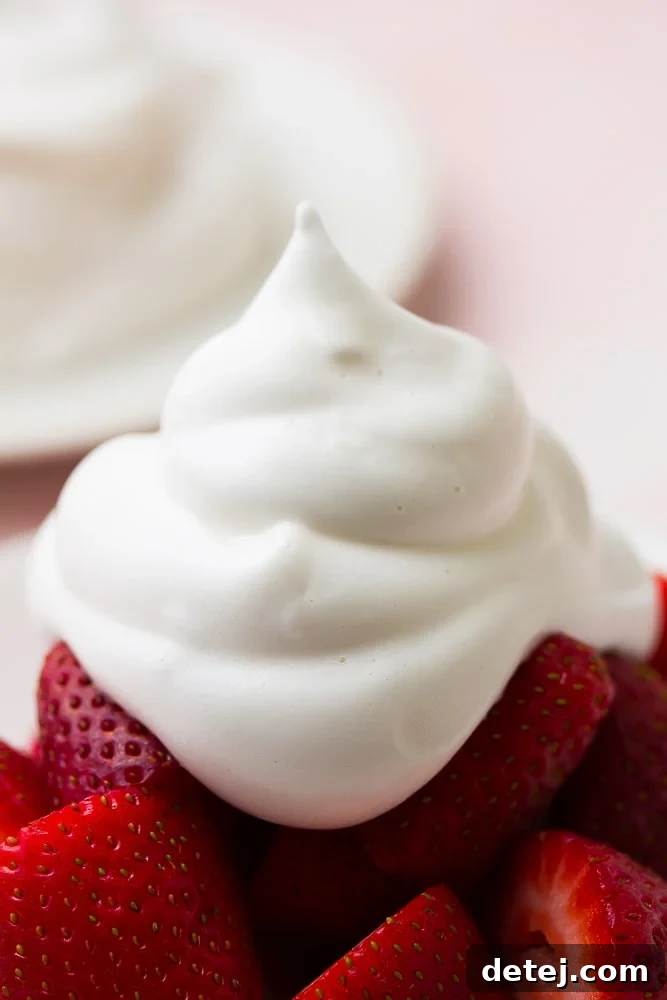
Mastering Aquafaba: How to Substitute It for Eggs in Your Favorite Recipes
One of the most common questions about aquafaba revolves around its substitution ratios for eggs. While aquafaba’s properties are similar to eggs, it’s not always a one-to-one swap, and some experimentation can lead to truly remarkable results. However, a general guideline serves as an excellent starting point for most recipes, making it easy for you to dive into plant-based baking with confidence.
General Substitution Guidelines:
- For 1 whole egg: Use approximately 3 tablespoons of aquafaba. This works well for recipes where eggs provide both binding and a bit of moisture/leavening, such as cakes, muffins, and some cookies.
- For 1 egg white: Use about 2 tablespoons of aquafaba. This ratio is particularly effective in recipes that rely on the foaming and aerating properties of egg whites, like meringues, mousses, and some lighter cakes.
It’s important to remember that baking, especially with innovative ingredients like aquafaba, is often an art as much as a science. These ratios are a good foundation, but slight adjustments based on the specific recipe and the desired outcome may be necessary. For instance, in recipes where a dense, fudgy texture is desired (like certain brownies), you might find a slightly lower amount of aquafaba yields better results. Conversely, for maximum lift and airiness in sponges, you might stick rigorously to the egg white substitution.
Aquafaba truly shines in a variety of dessert recipes where eggs traditionally play a crucial role in structure, binding, and aeration. It excels in:
- Cakes and Cupcakes: Providing structure, moisture, and a tender crumb without the need for traditional eggs.
- Brownies: Contributing to that sought-after fudgy texture and acting as an excellent binder.
- Cookies: Helping to bind ingredients and achieve the perfect chewiness or crispness, depending on the recipe.
- Meringue Pies and Cookies: This is arguably where aquafaba performs its most impressive feat, whipping into stable, glossy peaks identical to traditional meringue. (Scroll down for a simple meringue recipe!)
- Mousses and Whipped Creams: Creating light, airy, and stable foams that melt in your mouth.
- Mayonnaise and Aioli: Emulsifying oil and acid to create creamy, stable sauces.
As you become more familiar with aquafaba, you’ll develop an intuitive sense for its capabilities. Don’t be afraid to experiment, especially with your favorite tried-and-true recipes. Start with the recommended substitution amounts and observe the results, adjusting as needed for perfection.
Frequently Asked Questions About Aquafaba
As a relatively new star in the culinary world, aquafaba naturally comes with a host of questions. Here, we address the most common inquiries to help you confidently incorporate this amazing ingredient into your kitchen.
Absolutely! Aquafaba freezes remarkably well, making it an excellent ingredient for meal prep and minimizing food waste. When you open a can of chickpeas for savory dishes like my Chickpea Tikka Masala or Chickpea Curry, simply drain the liquid and pour it into an ice cube tray. Once frozen solid, transfer the cubes to an airtight container or freezer bag. Each cube typically holds 1-2 tablespoons, making it easy to thaw just the amount you need. To use, thaw the frozen aquafaba in the refrigerator overnight or at room temperature for a few hours. It will return to its liquid state and can be used exactly like fresh aquafaba.
Once drained from the can, aquafaba should be stored in a sealed, airtight container in the refrigerator. It typically maintains its quality for about 2-3 days. Beyond this period, it’s best to freeze it to preserve its freshness and functionality. Always check for any off-smells or signs of spoilage before use, though this is rare within the recommended storage time.
The liquid from homemade chickpeas can be used, but it requires a bit more preparation and attention to achieve consistent results. For optimal performance, allow the cooked chickpeas to cool completely in their cooking water for at least half an hour, or even longer. This allows more of the starches and proteins to leach into the liquid. Often, homemade aquafaba is thinner than canned aquafaba and may need to be reduced. To do this, simmer the liquid gently on the stovetop until it thickens to a consistency similar to egg whites. This reduction concentrates the solids, improving its whipping capabilities. For reliability and ease, canned chickpea water is generally preferred due to its consistent viscosity and concentration.
In most cases, the difference between using aquafaba from salted versus unsalted canned chickpeas is negligible in the final product. The amount of salt transferred from the brine to your recipe is typically too small to significantly alter the flavor, especially in sweet dishes. I personally use both interchangeably without any noticeable impact. However, if you are particularly sensitive to salt, or if your recipe calls for a very precise balance of flavors (such as in delicate meringues), opting for unsalted canned chickpeas provides a slightly safer bet and more control over the sodium content of your dish.
While the concept of aquafaba applies to the liquid from other legumes, chickpea aquafaba is overwhelmingly the preferred choice due to its superior and more consistent performance. The liquid from other beans like black beans or pinto beans tends to be less viscous, richer in color, and contains different ratios of starches and proteins, which can lead to less predictable whipping and binding results. Additionally, the darker color of black bean or pinto bean liquid would be undesirable for light-colored applications like meringues, whipped creams, or white cakes. For best results and the most reliable outcome, always stick to the liquid from canned chickpeas.
The ideal aquafaba for whipping or binding should have a consistency similar to raw egg whites – slightly thick and gelatinous. If your liquid appears very thin and watery, it might not whip up effectively. This can happen with certain brands of chickpeas or if you’re using homemade aquafaba. Fortunately, it’s an easy fix! You can reduce the liquid by gently simmering it in a small saucepan over low heat. As it simmers, the water will evaporate, concentrating the starches and proteins and thickening the aquafaba. Keep a close eye on it, stirring occasionally, and remove it from the heat once it reaches the desired egg-white-like viscosity. Be careful not to reduce it too much, as it will thicken further as it cools. Allow it to cool completely before using. In my experience, with most quality canned chickpeas, this step is rarely necessary.
Aquafaba is very low in calories, protein, and other nutrients, primarily consisting of water, starches, and some soluble proteins from the chickpeas. While it’s not a significant source of nutrition itself, its value lies in its ability to replace eggs, often a source of cholesterol, in vegan and allergen-friendly diets. It allows for the creation of delicious dishes that might otherwise be off-limits for those avoiding eggs, making it a healthy tool in a broader plant-based diet context.
To successfully whip aquafaba, particularly for meringues or whipped cream, you’ll need an electric mixer. A stand mixer with a whisk attachment is ideal, as it allows for hands-free whipping and consistent speed. However, a good quality hand mixer will also work perfectly fine, though it might take a bit more effort and time. The most crucial factor, regardless of the mixer type, is to ensure your mixing bowl and whisk attachments are immaculately clean and completely grease-free. Any trace of oil can prevent aquafaba from whipping up properly.
The Magic of Aquafaba Meringue: Your Guide to Vegan Perfection
Perhaps the most celebrated and impressive application of chickpea liquid is its ability to transform into stunning vegan meringue. This feat alone solidified aquafaba’s reputation as a game-changer in plant-based baking. Whether you dream of crowning a luscious lemon meringue pie, crafting delicate meringue cookies, or adding a light, airy touch to any dessert, aquafaba makes it possible. The process is surprisingly straightforward, yielding results that are virtually indistinguishable from traditional egg-white meringues.
Simple Aquafaba Meringue: Step-by-Step Instructions
Creating a basic, yet incredibly stable and delicious, aquafaba meringue requires just a few ingredients and a little patience. Follow these steps for perfect results every time:
- Gather Your Ingredients & Equipment: You’ll need 1/2 cup of high-quality aquafaba liquid (preferably chilled for better whipping), 1/4 teaspoon of cream of tartar, and 3/4 cup of granulated sugar. Crucially, ensure your mixing bowl and whisk attachments are impeccably clean and completely free of any grease or oil. Even a tiny speck can prevent the aquafaba from whipping properly.
- Initial Whip: Pour the 1/2 cup of aquafaba liquid and 1/4 teaspoon of cream of tartar into your large, clean mixing bowl. The cream of tartar acts as a stabilizer, helping the aquafaba to whip faster and maintain its structure. Begin beating on high speed with an electric mixer (stand mixer or hand mixer). At first, the liquid will appear frothy, then gradually begin to lighten and increase in volume.
- Soft Peaks: Continue beating until soft peaks form. This means when you lift the whisk, the peaks will stand up but gently curl over at the tip. At this stage, the aquafaba will resemble a fluffy cloud.
- Gradual Sugar Addition: With the mixer still running on high, slowly begin to add the 3/4 cup of sugar, a tablespoon at a time. This gradual addition is key to dissolving the sugar thoroughly and creating a stable, glossy meringue. Do not dump all the sugar in at once.
- Stiff Peaks: Continue beating for several more minutes after all the sugar has been incorporated. The mixture will become incredibly thick, white, and glossy. You’ll know it’s ready when you lift the whisk, and the peaks stand up firmly and hold their shape without drooping. If using a stand mixer, you should be able to turn the bowl upside down without the meringue falling out (exercise caution and try this only when you are very confident in your meringue’s stiffness!).
And that’s it! You now have a beautiful, stable aquafaba meringue ready for your culinary creations. Use it immediately to top pies, pipe meringue cookies, or fold into mousses. For meringue cookies, pipe onto a parchment-lined baking sheet and bake at a low temperature (around 200-225°F or 95-110°C) for an extended period (1-2 hours) until crisp and dry, then cool completely in the oven with the door ajar.
Tips for Meringue Success:
- Cleanliness is Key: Reiterate – no grease, no oil!
- Chill Aquafaba: Some bakers find chilled aquafaba whips better.
- Patience: It can take 8-15 minutes to reach stiff peaks, depending on your mixer and aquafaba quality. Don’t rush it.
- Sugar Type: Fine granulated sugar dissolves best.
- Taste Test: Once whipped, taste it! It should be sweet with absolutely no bean flavor.
Unlock Culinary Creativity: Amazing Recipes That Use Aquafaba
Aquafaba’s incredible versatility extends across a vast array of recipes, proving itself indispensable for plant-based cooking and baking. From delicate pastries to rich desserts, this vegan wonder ingredient brings a lightness, structure, and binding power that once seemed impossible without eggs. Here are some fantastic recipes that are elevated and made utterly incredible with the help of aquafaba, alongside other popular uses you might want to explore:
- Vegan Whipped Cream: Say goodbye to heavy coconut cream! Aquafaba whips into a light, airy, and stable whipped topping that’s perfect for desserts, fruits, and hot beverages.
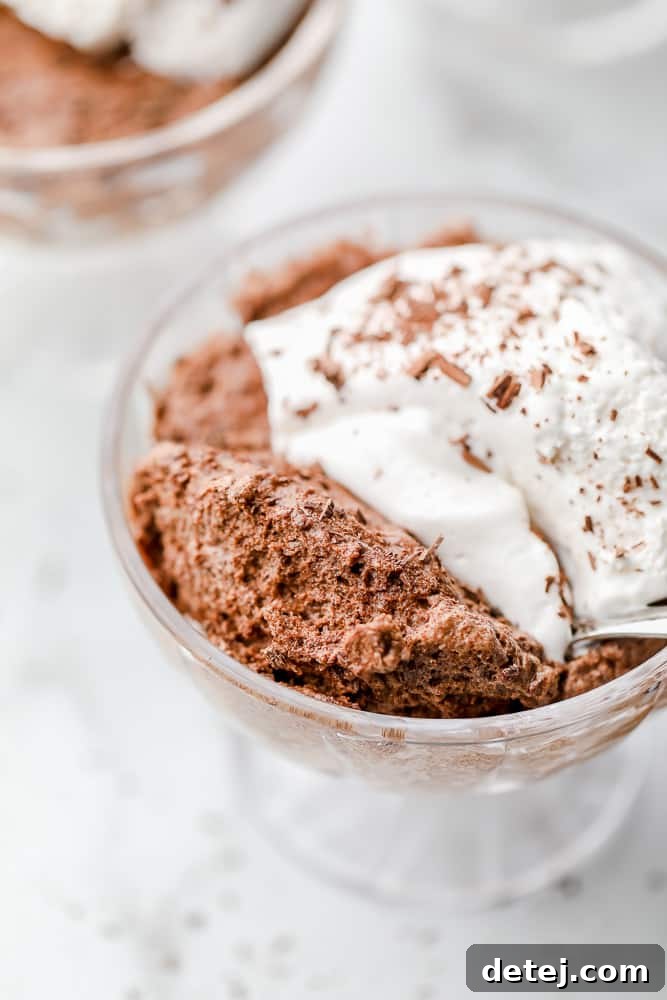
- Vegan Chocolate Mousse: Achieve a rich, decadent, and incredibly airy chocolate mousse with the help of whipped aquafaba, which provides the classic light-as-air texture without any dairy or eggs.
- Vegan Lemon Meringue Pie: Experience the nostalgic tang of lemon curd beautifully contrasted by a towering, sweet, and perfectly toasted aquafaba meringue.
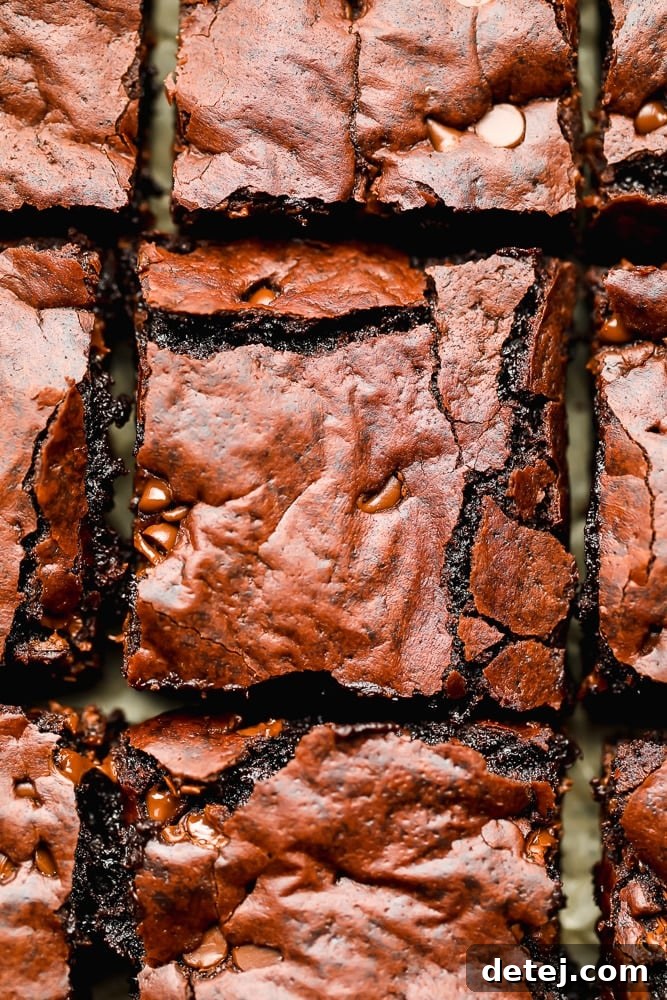
- Ultra Fudgy Crackle Top Eggless Brownies: Aquafaba acts as a superb binder and contributes to the signature crackled top and irresistibly fudgy texture of these brownies, proving you don’t need eggs for perfection.
- Vegan Meringues: Light, crisp, and melt-in-your-mouth meringue cookies are a breeze with aquafaba, offering a guilt-free indulgence for any sweet tooth.
- Vegan Lemon Blueberry Lavender Cake: Aquafaba adds a delicate structure and moistness to cakes, ensuring a tender crumb that beautifully complements complex flavors like lemon, blueberry, and lavender.
- Vegan Swiss Meringue Buttercream: This stable, silky-smooth, and pipeable buttercream is a triumph for decorators, using aquafaba to create a professional-grade frosting that holds its shape beautifully.
- Vegan Lemon Cake: For a bright, zesty, and fluffy cake, aquafaba helps achieve that desirable light texture and tender crumb without any dairy or eggs.
- Vegan Eclairs and Cream Puffs: Aquafaba can be used in choux pastry to provide the necessary lift and structure, allowing you to create classic French pastries that are entirely plant-based.
- Vegan Coconut Macaroons: These chewy, sweet, and delightfully textured cookies benefit from aquafaba’s binding properties, ensuring a perfect macaroon every time.
- Vegan Vanilla Cake: The ultimate classic, made perfectly moist and tender with aquafaba, demonstrating its ability to deliver on fundamental baking principles.
- Grain Free Granola: Aquafaba can act as a binding agent, helping to create crunchy clusters in granola without relying on eggs or excessive oils.
- Vegan Mayonnaise: Achieve perfectly emulsified, rich, and creamy mayonnaise that rivals its traditional counterpart, making sandwiches and salads a vegan dream.
- Vegan Marshmallows: Enjoy fluffy, sweet, and gelatin-free marshmallows for s’mores, hot cocoa, or snacking, thanks to aquafaba’s remarkable ability to create stable foams.
- Pavlova: The iconic meringue-based dessert, complete with a crisp shell and soft, marshmallowy interior, becomes entirely plant-based and equally stunning with aquafaba.
As you can see, the culinary applications for aquafaba are virtually limitless. It empowers home bakers and professional chefs alike to recreate beloved classics and invent new plant-based delights. Experiment with these recipes, and you’ll quickly discover why aquafaba has earned its place as a truly indispensable ingredient in modern vegan cuisine.
Tips for Optimal Aquafaba Success
To ensure you get the best out of your aquafaba, keep these key tips in mind:
- Start with Quality Aquafaba: Opt for chickpea aquafaba from good quality canned chickpeas. The liquid should already be somewhat viscous, not watery.
- Chill for Better Whipping: While not strictly necessary, many find that chilled aquafaba whips up faster and achieves better volume, especially for meringues and whipped creams.
- Cleanliness is Paramount: Any trace of grease or oil on your mixing bowl or whisk attachments can prevent aquafaba from whipping properly. Ensure all equipment is impeccably clean and dry.
- Gradual Sugar Addition: When making meringues, always add sugar slowly, a tablespoon at a time, allowing it to dissolve properly into the whipped aquafaba. This creates a more stable and glossy meringue.
- Don’t Overbeat (But it’s Harder to Do): While egg whites can be overbeaten and become dry, aquafaba is much more forgiving. However, stop once stiff, glossy peaks are achieved to maintain the best texture.
- Experiment with Stabilizers: Cream of tartar (as used in the meringue recipe) is a common stabilizer. A touch of lemon juice or vinegar can also help in some applications.
The Broader Impact: Why Aquafaba Matters
Beyond its incredible culinary applications, aquafaba represents a significant step forward in sustainable and inclusive eating. Its rise in popularity highlights several important benefits:
- Reduced Food Waste: By repurposing the liquid from canned chickpeas, aquafaba helps minimize food waste, turning a typically discarded byproduct into a valuable ingredient.
- Accessibility for All: For those with egg allergies or dietary restrictions, aquafaba offers a safe and effective way to enjoy classic dishes they might otherwise miss out on.
- Cost-Effective: Utilizing a “waste” product makes aquafaba an incredibly budget-friendly alternative to commercial egg replacers, especially beneficial for frequent plant-based bakers.
- Environmental Benefits: Supporting plant-based diets inherently reduces the environmental impact associated with animal agriculture. Aquafaba makes this transition easier and more delicious.
From humble chickpea brine to a groundbreaking ingredient, aquafaba continues to inspire innovation in kitchens worldwide. So next time you open a can of chickpeas, don’t pour that liquid down the drain! Save it, experiment with it, and prepare to be amazed by the delicious possibilities it unlocks. Happy baking!