
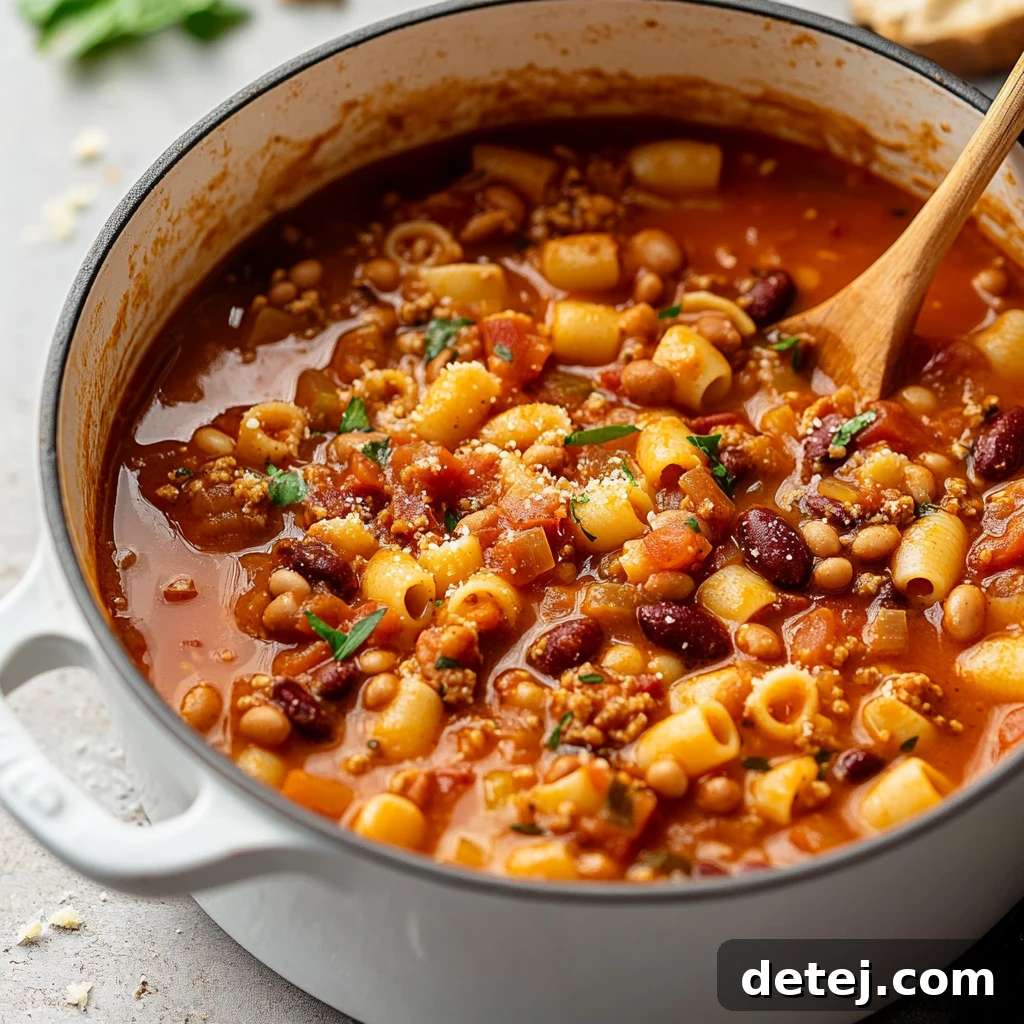
Hearty & Homely: Mastering Easy Pasta e Fagioli for Ultimate Comfort
Discover the Enduring Comfort of Homemade Pasta e Fagioli
Step into the warm embrace of my kitchen, where today we celebrate the timeless Italian classic, Pasta e Fagioli. More than just a soup, this beloved dish is a culinary hug, a symbol of rustic Italian home cooking passed down through generations. Imagine a generous bowl overflowing with tender, small pasta, creamy, hearty beans, and a deeply flavorful tomato-based broth, all harmonizing to create a symphony of tastes that truly warms you from the inside out. It’s a testament to the idea that the simplest ingredients, when thoughtfully combined, can yield the most profoundly satisfying meals.
Often referred to as “pasta and beans,” Pasta e Fagioli embodies the spirit of cucina povera – the ingenious Italian tradition of making delicious food from humble staples. It’s a dish born out of necessity but perfected into an art form, cherished for its affordability, nourishing qualities, and incredible flavor. While traditional recipes can sometimes be elaborate, this article is dedicated to an easy, streamlined approach that preserves all the authentic flavors without demanding hours in the kitchen. Perfect for a busy weeknight yet impressive enough for a cozy weekend meal, this recipe ensures that everyone, from novice cooks to seasoned chefs, can achieve a delicious, soul-satisfying bowl of Pasta e Fagioli that the entire family will adore. Prepare to transform simple pantry items into a heartwarming masterpiece.
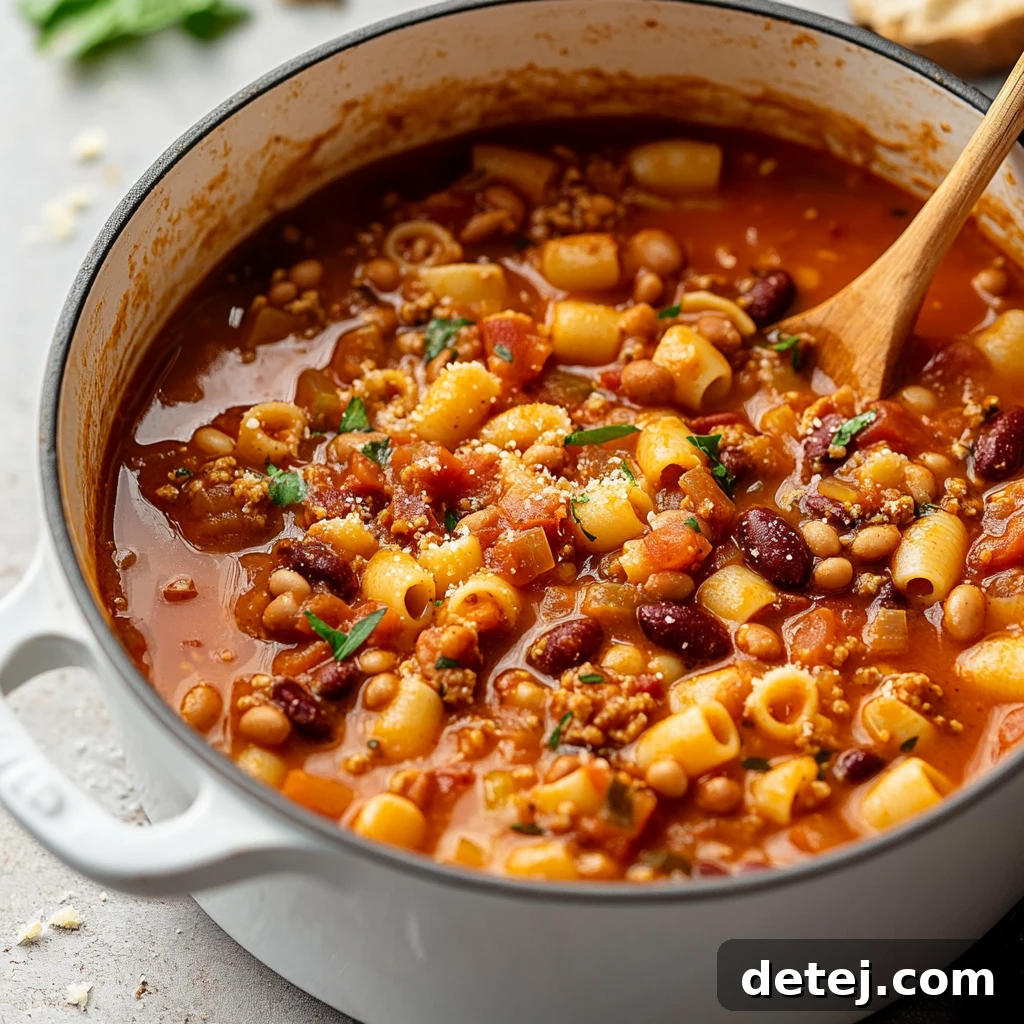
Essential Ingredients for Your Authentic Pasta e Fagioli
The secret to any extraordinary dish lies in its ingredients. For our hearty Pasta e Fagioli, we rely on a collection of simple, accessible, and often inexpensive pantry staples that, when combined, create a depth of flavor that belies their humble origins. Each component plays a crucial role in building the rich tapestry of this Italian soup.
- Pasta: The Perfect Bite. The choice of pasta is paramount for Pasta e Fagioli. Small pasta shapes are traditional and ideal, as they integrate seamlessly with the beans and broth, ensuring a satisfying spoonful every time. While ditalini, meaning “small thimbles,” is the classic choice, its tiny tubes are perfect for absorbing the flavorful broth. Other excellent options include small shells, elbow macaroni, or even broken spaghetti, all of which contribute to the soup’s hearty texture without overwhelming the other ingredients. Aim for pasta that holds its shape well and offers a delightful chew when cooked to al dente perfection.
- Beans: The Heart of the Dish. Beans are the “fagioli” in Pasta e Fagioli, providing a creamy texture, essential protein, and earthy flavor. Cannellini beans, also known as white kidney beans, are exceptionally creamy and a popular choice for their mild taste. Navy beans or great northern beans offer a similar creamy consistency. For a bolder, slightly sweeter flavor and a touch of color, red kidney beans are also a fantastic addition. Using a combination of two types can add complexity. Whether you opt for canned beans for convenience (remembering to rinse and drain them thoroughly to reduce sodium) or dried beans prepared from scratch, they are indispensable for this comforting soup.
- Tomatoes: The Rich, Flavorful Base. Tomatoes form the soul of the broth, providing both acidity and sweetness. A combination of diced tomatoes (for texture and rustic appeal) and crushed tomatoes (for a smoother, richer base) is often ideal. They contribute significantly to the soup’s vibrant color and robust, comforting flavor. Good quality canned tomatoes can make all the difference here, so choose a brand you trust for their rich, ripe flavor.
- Broth: The Foundation of Flavor. The liquid base of your soup is critical. Vegetable broth is an excellent choice for a lighter, vegetarian version, while chicken broth or beef broth adds a deeper, more savory umami profile, especially when paired with ground meat. Opt for low-sodium varieties to allow you more control over the seasoning of your final dish. Homemade broth will always offer the most profound flavor, but high-quality store-bought options are perfectly acceptable for an easy weeknight meal.
- Aromatic Essentials & Seasonings: The Flavor Builders. Don’t underestimate the power of these humble ingredients:
- Olive Oil: The cornerstone of Italian cooking, used for sautéing the aromatics and browning the meat, lending a fruity, rich undertone.
- Onions, Carrots, Celery (Mirepoix/Soffritto): This classic aromatic trio is the foundation of countless soups and stews. Sautéing them slowly builds a sweet, savory base, deepening the overall flavor.
- Garlic: A generous amount of minced garlic adds pungent, aromatic depth that is quintessential to Italian cuisine.
- Italian Seasoning: A convenient blend of dried herbs like oregano, basil, rosemary, and thyme, providing a cohesive Italian flavor profile.
- Dried Basil & Oregano: Enhancing the Italian flavor, these herbs add classic herbaceous notes.
- Red Pepper Flakes: A touch of red pepper flakes offers a subtle warmth and gentle heat, awakening the palate without making the soup overly spicy. Adjust to your preference.
- Red Wine Vinegar: Our secret weapon! A small dash brightens the entire dish, cutting through the richness and adding a lovely acidic tang that elevates all the other flavors.
- Sugar: A pinch helps to balance the acidity of the tomatoes, creating a well-rounded flavor.
- Salt & Pepper: Fundamental for seasoning, these are adjusted at various stages to ensure the soup is perfectly balanced.
With these pantry heroes at the ready, you’re well on your way to crafting a homemade Pasta e Fagioli that tastes like it simmered all day, but with a fraction of the effort.
Crafting the Perfect Foundation: Preparing Your Soup Pot
The vessel you choose for your Pasta e Fagioli is more than just a pot; it’s where the magic begins. For a soup of this caliber, I consistently reach for my robust Dutch oven. Its heavy bottom and thick walls ensure superior heat distribution, preventing hot spots and allowing for even cooking, which is crucial for building layered flavors. The ample size and depth are perfect for simmering a hearty batch of soup, allowing all the ingredients to meld beautifully without overcrowding. If you don’t have a Dutch oven, a large, heavy-bottomed stockpot will also work wonderfully.
The first step involves browning the ground beef, an absolute non-negotiable for adding a profound depth of richness and savory notes to our soup. On medium-high heat, the beef sizzles and develops a beautiful caramelized crust – this is the Maillard reaction at work, creating hundreds of new flavor compounds. Resist the urge to constantly stir; allowing the meat to develop a good sear on one side before breaking it up is key to achieving those irresistible browned bits. These flavorful morsels that stick to the bottom of the pot, known as fond, are packed with concentrated savory goodness. While some recipes call for draining the fat, I often prefer to leave a little, as it contributes to the richness and helps carry the fat-soluble flavors throughout the soup. This initial browning process isn’t just about cooking the meat; it’s about laying the cornerstone of flavor that will define your Pasta e Fagioli.
The Aromatic Orchestra: Sautéing Vegetables and Infusing Seasonings
Once the fragrant aroma of browned ground beef fills the kitchen, it’s time to introduce the aromatic foundation of our soup: the vegetables. This stage feels akin to a conductor bringing in the different sections of an orchestra, each adding its unique voice to the overall composition. Into the pot go the finely chopped onions, carrots, and celery – the classic Italian soffritto or French mirepoix. Sautéing these vegetables slowly over medium heat, stirring occasionally, is paramount. This gentle cooking process allows them to soften beautifully, release their natural sugars, and develop a sweet, mellow base that is absolutely essential for a rich, well-rounded soup. The vegetables shouldn’t brown aggressively; rather, they should become translucent and tender, lending their subtle sweetness to the savory beef fat.
Next, the star aromatics join the ensemble: minced garlic. Its pungent, warm fragrance quickly permeates the mixture, but be careful not to burn it – garlic cooks fast and burnt garlic can turn bitter. After a minute or two, the dried seasonings are stirred in: Italian seasoning, a hint of red pepper flakes for a gentle warmth, dried basil, and dried oregano. Toasting these dried herbs and spices briefly in the hot oil and vegetable mixture helps to wake up their essential oils, intensifying their aromatic qualities and embedding their flavors deeply into the very core of the soup. A good pinch of salt is also added at this stage, not just for taste, but to help draw out moisture from the vegetables, further concentrating their flavors. This careful layering of vegetables and seasonings is what transforms simple ingredients into a complex, deeply satisfying, and truly homemade Pasta e Fagioli.
Unifying the Flavors: Broth, Tomatoes, and the Bright Touch of Vinegar
Now, we reach a pivotal moment where all the individual flavors begin to coalesce, creating the rich, comforting broth that is the hallmark of Pasta e Fagioli. This step is all about layering liquids, allowing them to simmer and marry into a harmonious whole. We start by pouring in a generous splash of low-sodium chicken or beef broth. This liquid acts as the primary vehicle, hydrating the vegetables and initiating the extraction of flavors from every component in the pot. The broth’s savory depth immediately enhances the browned beef and sautéed aromatics.
Following the broth, the vibrant tomatoes take center stage: the diced tomatoes contribute a rustic texture and fresh tomato flavor, while the crushed tomatoes dissolve into the broth, creating a thicker, richer consistency that beautifully coats the other ingredients. Stirring them in, you can already begin to visualize the hearty, inviting color of your soup. And then, for that unexpected but absolutely essential touch, we introduce a dash of red wine vinegar. This isn’t just a casual addition; it’s a secret ingredient that provides a crucial layer of brightness and acidity. In a rich, savory soup like Pasta e Fagioli, a touch of acid acts as a counterpoint, cutting through the richness, preventing the flavors from becoming heavy or flat, and making all the other ingredients pop. It’s the culinary equivalent of a squeeze of lemon over grilled fish – it elevates and enlivens. A pinch of sugar is also added to balance the acidity of the tomatoes and vinegar, ensuring a perfectly rounded flavor profile. As these liquids gently simmer, mingling with the savory beef, sweet vegetables, and aromatic herbs, a deeply satisfying aroma will fill your kitchen, promising a truly spectacular bowl of comfort.
The Grand Finale: Incorporating Pasta for Perfect Al Dente Texture
The moment has arrived to introduce the star of the show – the pasta! This is when our hearty stew transforms fully into the beloved Italian soup, Pasta e Fagioli. The choice of pasta is crucial for the overall texture and feel of the dish. As discussed earlier, ditalini pasta, with its small, tubular shape, is the traditional favorite, perfectly suited to scooping up with the beans and broth. Small shells or elbow macaroni are also excellent alternatives, offering a similar delightful chew. The key here is to add the pasta to the simmering soup base only after all the other flavors have had ample time to meld and deepen – usually after a good 15-20 minutes of simmering. This ensures that the pasta cooks directly in the flavorful broth, absorbing all those wonderful tastes and becoming an integral part of the soup.
Achieving that perfect al dente texture – firm to the bite yet cooked through – is paramount. Undercooked pasta is hard, while overcooked pasta becomes mushy and loses its appeal. I recommend following the cooking time on your pasta package as a guide, but always taste test frequently as it simmers in the soup. Typically, for small pasta shapes, this will be around 10-15 minutes. Stir the soup occasionally during this phase to prevent the pasta from sticking to the bottom of the pot. Keep the lid slightly ajar to allow steam to escape and prevent boiling over. The pasta will continue to absorb liquid and soften even after the heat is off, so err on the side of slightly al dente rather than perfectly soft. This careful attention to pasta texture is what truly elevates a good Pasta e Fagioli to a memorable one. Remember, if you anticipate having leftovers, consider cooking the pasta separately and adding it to individual servings. This clever trick prevents the pasta from becoming overly soft or absorbing all the precious broth during storage and reheating, ensuring every bowl, fresh or leftover, is a delightful experience.
The Art of Enjoyment: Serving and Elevating Your Pasta e Fagioli
After the wonderful aromas have wafted through your home and the soup has simmered to hearty perfection, it’s time for the most rewarding part: serving and savoring your homemade Pasta e Fagioli. Presentation and thoughtful garnishes can truly elevate a simple meal into an unforgettable culinary experience, turning a bowl of soup into a comforting feast for all the senses. Here’s how to put the finishing touches on your masterpiece:
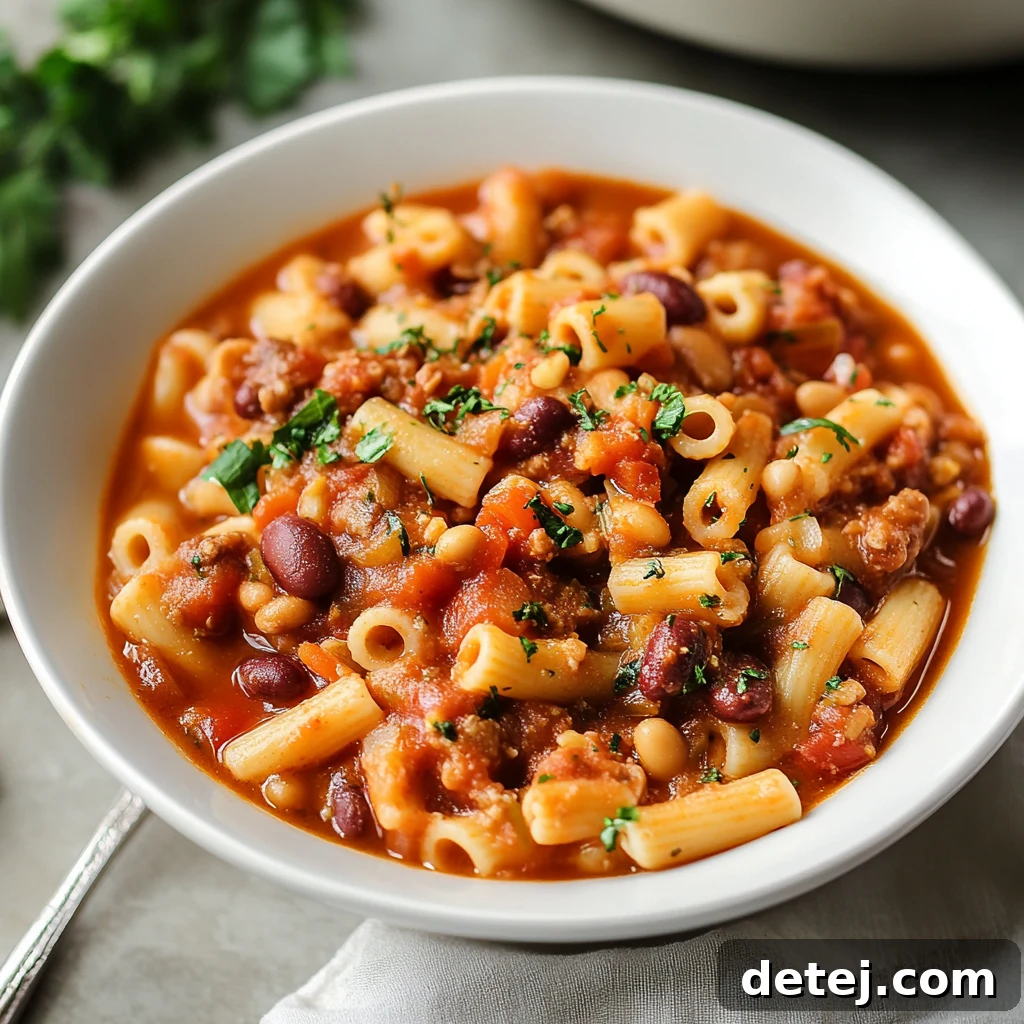
- A Generous Shower of Parmesan Cheese: This is non-negotiable! A liberal grating of fresh Parmesan cheese over each serving is essential. As it gently melts into the hot soup, Parmesan contributes a rich, salty, and umami depth that perfectly complements the savory broth and creamy beans. For an even more authentic touch, consider using Parmigiano-Reggiano. The nutty, sharp notes are simply sublime.
- The Essential Accompaniment: Crusty Bread: A warm, crusty loaf of Italian bread or a fresh baguette is the ideal companion to Pasta e Fagioli. Its sturdy texture is perfect for dipping into the rich, flavorful broth, soaking up every last drop of goodness. The contrast between the soft, hearty soup and the crunchy, chewy bread creates a delightful textural experience.
- Infusing Extra Flavor with a Parmesan Rind: For those who love to maximize flavor, don’t discard your Parmesan rinds! Tossing a rind into the soup during the simmering process is a brilliant chef’s trick. The rind will slowly melt and infuse the entire soup with an incredible depth of salty, cheesy, umami flavor that is truly transformative. Just remember to remove it before serving.
- A Burst of Freshness: Fresh Herbs: A sprinkle of freshly chopped parsley before serving adds a vibrant pop of color and a bright, herbaceous note that lifts the entire dish. Parsley provides a refreshing counterpoint to the richness of the soup. For an extra layer of aroma, a few fresh basil leaves torn over the top can also be wonderful. These fresh elements are not merely for decoration; they enhance the overall flavor profile significantly.
Presenting your Pasta e Fagioli with these thoughtful finishing touches transforms it from a simple meal into a memorable culinary event, celebrating the heart and soul of Italian home cooking. Buon appetito!
Maximizing Enjoyment: Storing and Reheating Your Pasta e Fagioli
One of the many joys of cooking a hearty soup like Pasta e Fagioli is the delightful promise of leftovers. Often, soups taste even better the next day as the flavors have more time to meld and deepen. However, to ensure your reheated soup is just as delicious as the fresh batch, a few smart storage and reheating tips are crucial.
- Smart Storage Solutions: As soon as your soup has cooled sufficiently (within two hours of cooking), transfer it into airtight containers. This prevents spoilage and preserves the vibrant flavors. Store it in the refrigerator for up to 3-4 days. For longer storage, Pasta e Fagioli freezes beautifully for up to 2-3 months. If freezing, make sure to leave some headspace in your container as liquids expand when frozen.
- The Pasta Dilemma (and its Solution): This is the most critical aspect when it comes to leftovers. Pasta, especially small shapes like ditalini, will continue to absorb liquid as it sits in the soup. This can result in mushy pasta and a significantly thicker, less brothy soup upon reheating. The best strategy for optimal leftover texture is to cook the pasta separately. Prepare a fresh batch of al dente pasta for each individual serving you plan to enjoy. Simply cook the desired amount of pasta in a separate pot of salted boiling water, drain it, and add it directly to a reheated portion of soup. This ensures perfectly textured pasta every single time.
- Reheating for Perfection:
- Stovetop Method (Recommended): For best results, reheat your Pasta e Fagioli in a pot over low to medium-low heat. Stir frequently to ensure even heating and prevent sticking. If the soup has thickened considerably, you might need to add a splash of extra broth (chicken, vegetable, or even water) to reach your desired consistency. Bring it to a gentle simmer, just enough to heat through without aggressively boiling.
- Microwave Method: While convenient, the microwave can sometimes heat unevenly. Reheat individual portions in microwave-safe bowls, stirring halfway through the process. Be mindful of potential splashing as the soup heats.
By following these simple guidelines, you can extend the life of your delicious homemade Pasta e Fagioli, enjoying its comforting warmth and rich flavors for days to come without compromising on quality or texture.
A Culinary Journey: Embracing the Simplicity and Versatility of Homemade Soup
As we conclude our journey through the heartwarming world of Pasta e Fagioli, it’s worth reflecting on the true essence of homemade cooking. Beyond precise measurements and step-by-step instructions, cooking is an art form, a creative outlet, and an adventure. It invites us to experiment, to improvise, and most importantly, to infuse each dish with our personal touch and love. Pasta e Fagioli, with its rustic charm and forgiving nature, is the perfect canvas for such culinary exploration.
Don’t hesitate to make this recipe truly your own. Have you considered swapping out the ground beef for spicy Italian sausage for an extra kick, or perhaps creating a robust vegetarian version by using vegetable broth and adding sautéed mushrooms or zucchini? The types of beans can also be varied – perhaps experimenting with black beans for a different earthy note, or even heirloom varieties for unique flavors. For those with a slow cooker, adapting this recipe for a long, gentle simmer can deepen the flavors even further, perfect for a busy day when you want a warm meal waiting for you. And if you saved that precious parmesan cheese rind, remember to toss it into the pot during the long simmer – it’s a game-changer for umami depth, to be removed before serving.
Every spoonful of this hearty Italian soup is a reminder of the simple pleasures that come from preparing food with care and attention. It’s a dish that nourishes not just the body, but the soul, bringing warmth and comfort to your table. So, embrace the simplicity of the ingredients, relish in the process of building flavors, and savor the satisfaction of creating a meal that feels like a loving embrace. Your homemade Pasta e Fagioli is more than just a recipe; it’s your personal masterpiece, ready to be shared and enjoyed.
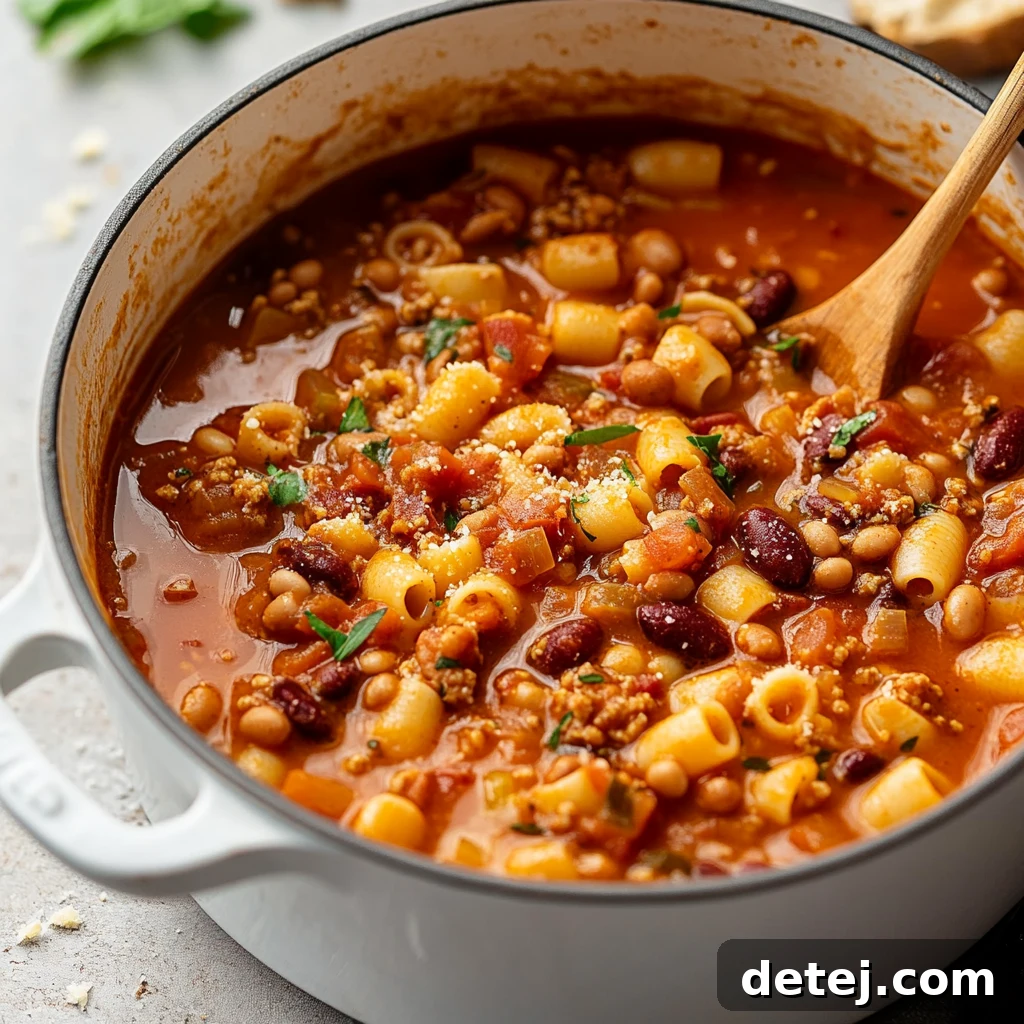
Easy Pasta e Fagioli
Ingredients
- 1 lb ground beef
- 4 cups chicken broth
- 3/4 cup uncooked ditalini pasta
- 1 14 oz can crushed tomatoes
- 1 14 oz can red kidney beans drained
- 1 14 oz can cannellini beans or great northern beans drained
- 1 14 oz can diced tomatoes with juices
- 3 sticks celery chopped finely
- 1 medium onion chopped
- 2 medium carrots peeled & chopped finely
- 2 teaspoons minced garlic
- 1/2 tablespoon red wine vinegar
- 1/2 teaspoon Italian seasoning
- 1/2 tablespoon sugar
- 1 teaspoon dried basil
- 1 teaspoon dried oregano
- 1/4 teaspoon crushed red pepper flakes (optional, or add more to taste)
- Salt (to taste)
- Pepper (to taste)
Instructions
-
In a large soup pot or Dutch oven, brown the ground beef over medium-high heat, breaking it apart with a spoon until fully cooked. You may choose to drain excess fat if desired, though a little fat adds to the richness.
-
Add the chopped onion, celery, carrots, and minced garlic to the pot. Sauté for 8-10 minutes over medium heat, stirring occasionally, until the vegetables soften and become fragrant.
-
Stir in the diced tomatoes (with their juices), crushed tomatoes, drained red kidney beans, drained cannellini (or great northern) beans, chicken broth, red wine vinegar, sugar, Italian seasoning, dried oregano, dried basil, and crushed red pepper flakes. Increase the heat to high and bring the mixture to a boil.
-
Once boiling, reduce the heat to low, cover partially, and let the soup simmer for 15-20 minutes, allowing the flavors to meld beautifully.
-
Add the ditalini pasta to the simmering soup. Continue to simmer, keeping the lid slightly ajar, for another 10-15 minutes, or until the pasta is tender and cooked al dente. Stir occasionally to prevent sticking. If you anticipate having leftovers, consider cooking the pasta separately and adding it to individual servings as needed to maintain optimal texture. If cooking pasta separately, let the soup simmer for an additional 15 minutes to fully develop its flavors before serving.
-
Taste the soup and adjust seasonings with salt and pepper as needed to achieve your preferred flavor balance.