
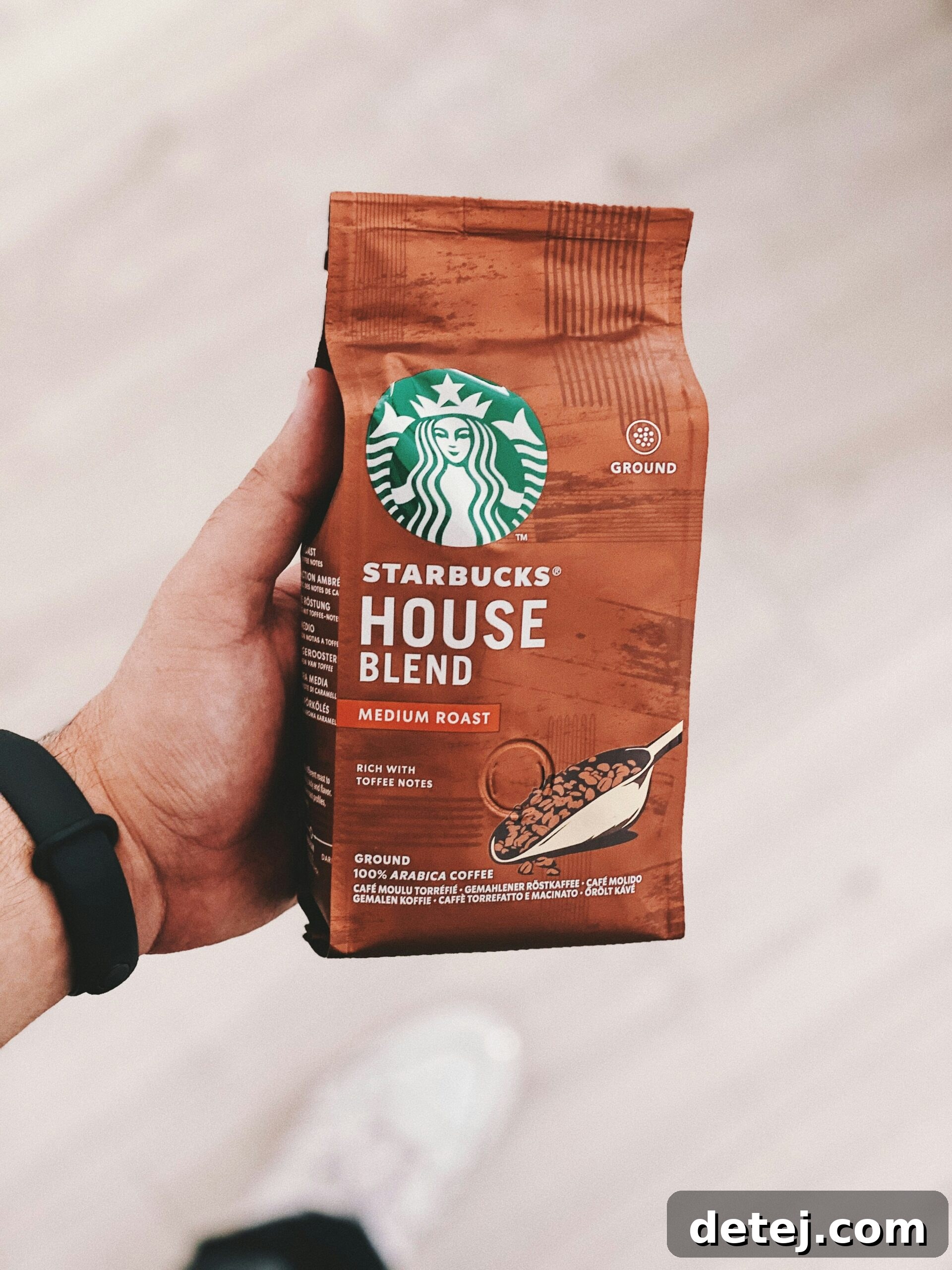
Unveiling the Truth: Navigating Coffee Bag Recycling for a Sustainable Brew
Hey there, fellow coffee enthusiasts and sustainability advocates! Have you ever found yourself gazing at an empty coffee bag, a fleeting moment of joy from your morning ritual, followed by a pang of eco-guilt? You’re not alone. The journey of coffee packaging, from protecting those precious beans to its final disposal, is often more convoluted than we might imagine. While our love for a fresh cup of coffee is simple, the reality of recycling coffee bags is anything but. These seemingly innocuous pouches, designed to preserve the exquisite aroma and flavor of your favorite brew, are typically a complex cocktail of materials. From multi-layered plastic coffee bags reinforced with aluminum foil to kraft paper pouches concealing subtle plastic linings, this intricate construction ensures freshness but creates a significant recycling challenge. Most standard recycling facilities are equipped to process single-material items, making our beloved, hybrid coffee bags incompatible with conventional curbside programs. Adding another layer of complexity, recycling regulations are not universal; they vary significantly by local municipality, further complicating our earnest efforts toward sustainable living.
Key Takeaways for Coffee Bag Sustainability:
- Mixed-Material Composition: Coffee bags are engineered with various materials, including plastics, aluminum, and sometimes paper, making them difficult to recycle through common residential programs due to the challenge of separation.
- Varied Local Recycling Policies: The rules for what can and cannot be recycled differ drastically by location, requiring consumers to actively research local guidelines for proper disposal of coffee packaging.
- Innovation is Key: Achieving genuine sustainability in coffee packaging demands ongoing innovation from coffee roasters and brands, moving towards easily recyclable, compostable, or reusable solutions.
- Consumer Action Matters: Understanding the nuances of coffee bag disposal and actively seeking sustainable options empowers consumers to significantly reduce their environmental footprint.
Unraveling the Complexities: Why Coffee Bags Are So Hard to Recycle
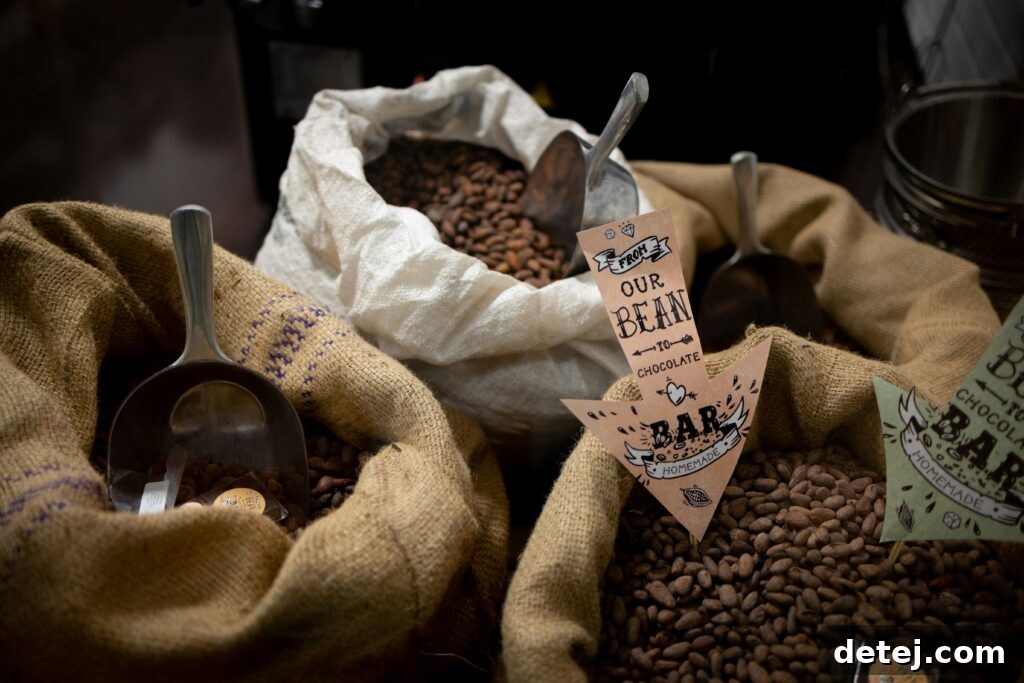
As a fervent coffee enthusiast, it’s genuinely disheartening to confront the numerous hurdles that prevent us from simply tossing our empty coffee bags into the recycling bin with a clear conscience. At the heart of the issue lies the pervasive use of mixed materials. To safeguard the delicate aromas and rich flavors of our coffee beans, manufacturers employ sophisticated multi-layer packaging. These layers often combine different types of plastics, such as polyethylene (PE) or polyethylene terephthalate (PET), with a thin but potent layer of aluminum foil. The foil acts as an exceptional barrier against oxygen, moisture, and light – critical elements that degrade coffee quality – but its fusion with plastic creates a composite material that standard recycling machinery struggles to separate efficiently. This inherent difficulty in isolating the individual components makes the recycling process economically unfeasible for many facilities.
Beyond the structural complexity, contamination presents another significant challenge. Even the smallest residue of coffee grounds or oils left inside an “empty” bag can compromise an entire batch of recyclable materials. These organic contaminants can degrade the quality of recycled plastics or papers, leading to their rejection at processing plants and ultimately sending them to landfills. Proper cleaning, though often recommended, is not always practical for consumers and can also waste water, posing its own environmental considerations.
Furthermore, the convenient features we’ve come to expect often spell doom for recyclability. Those seemingly innocuous tin ties, used to reseal bags, are made of metal embedded in plastic, requiring manual separation before recycling. The one-way degassing valves, crucial for allowing CO2 to escape from freshly roasted beans while preventing oxygen entry, are typically small, multi-material components (plastic spring, metal casing) that are nearly impossible to remove or recycle separately. Even zippers and other closures often consist of different plastics or even metals, making the entire package non-recyclable. Some “eco-friendly” options featuring PLA packaging (polylactic acid, derived from corn starch) add another layer of complexity. While biodegradable, PLA often requires specific industrial composting conditions to break down, conditions not readily available in many residential composting facilities or standard landfills. These critical nuances, from composite materials to accessory components and the specific requirements of bioplastics, highlight the intricate dilemma consumers face when striving for true environmental responsibility in their daily coffee habit.
What to Do with Your Empty Coffee Bags: A Practical Disposal Guide
So, you’ve just enjoyed your last scoop of freshly ground coffee, and you’re holding that empty bag, a small conundrum in your hand. The question naturally arises: “What now?” Disposing of coffee bags isn’t as straightforward as tossing a soda can into the blue bin, but there are increasingly viable options available. Your first and most crucial step should always be to check with your local recycling facility. Recycling programs operate with diverse capabilities and different rules regarding the types of materials they can process. Many conventional curbside recycling programs are simply not equipped to handle empty coffee bags made from mixed materials, such as laminates of plastic and aluminum, meaning they often won’t be accepted in your standard recycling bin.
However, this doesn’t mean all hope is lost! A growing number of innovative coffee roasters and environmental organizations are stepping up to offer more sustainable end-of-life solutions for these challenging packages. Companies like TerraCycle have established specialized recycling programs designed to collect and process traditionally hard-to-recycle items, including coffee bags. Through their initiatives, you can often send in your empty bags directly, ensuring they are properly recycled into new products. A significant bonus for many TerraCycle programs is the opportunity to earn points that can then be donated to a charitable organization of your choice, transforming your recycling efforts into a positive community contribution.
Another increasingly popular and environmentally conscious alternative is opting for compostable coffee bags. These bags are designed to break down into organic matter, returning nutrients to the soil. However, it’s essential to understand that “compostable” doesn’t always mean “home compostable.” Many require the specific high-heat and microbial conditions found in industrial composting facilities to fully decompose. Always look for certifications (like BPI or TÜV Austria’s “OK Compost HOME”) on the packaging to determine if it’s suitable for your home compost bin or if it needs to be sent to a commercial composting facility. Before discarding any coffee bag, taking a moment to explore these eco-friendly alternatives is a small but powerful step. Your dedication to proper disposal directly contributes to minimizing waste and supporting a healthier planet.
Brewing a Greener Future: Breakthroughs in Sustainable Coffee Packaging
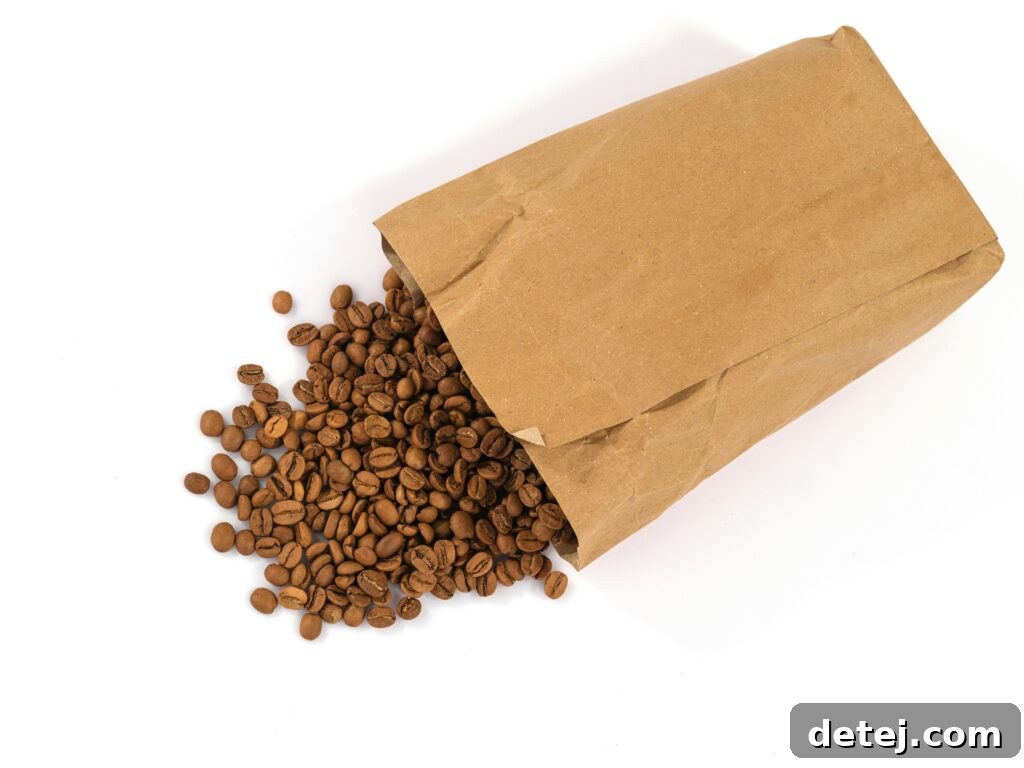
I’ve always believed that the perfect cup of coffee begins long before the beans are brewed – it starts with responsible sourcing and, crucially, with the packaging itself. In my continuous quest to lighten our collective environmental footprint, I’ve been fascinated by the incredible innovations emerging from coffee roasters and brands dedicated to sustainability. The landscape of coffee packaging is undergoing a significant transformation, with creative and eco-conscious solutions continually brewing.
One of the most significant strides has been the rise of compostable coffee bags. Moving beyond conventional plastics, these bags are often crafted from bioplastics such as polylactic acid (PLA), derived from fermented plant starches like corn, or other plant-based polymers like PHA (polyhydroxyalkanoates) and cellulose-based films. When disposed of correctly in industrial composting facilities, these materials can break down into natural components, enriching the soil rather than accumulating in landfills. This represents a substantial win for Mother Earth, diverting waste and promoting a circular economy. It’s crucial, however, for consumers to check for appropriate certifications (e.g., BPI Certified Compostable) and understand the specific composting requirements, as not all “compostable” bags are suitable for home composting.
Another exciting development is the advent of truly recyclable coffee bags. For years, the multi-layered design made recycling impossible. Now, pioneering brands are developing mono-material packaging, meaning the entire bag is made from a single type of plastic, typically polyethylene (PE). This innovation allows these bags to be collected and processed within existing recycling streams, particularly through store drop-off programs for plastic films in many regions. By simplifying the material composition, these bags can be reprocessed into new plastic products, significantly reducing the demand for virgin materials and extending the lifecycle of plastics. Furthermore, some brands are exploring recycled content within their packaging, integrating post-consumer recycled (PCR) plastics to further close the loop.
Beyond these material innovations, the concept of reusable packaging is gaining traction. This includes encouraging consumers to buy coffee beans in bulk using their own refillable containers, or brands offering sturdy, returnable packaging systems. This approach represents the pinnacle of waste reduction by eliminating single-use packaging altogether. What truly excites me is witnessing coffee roasters and brands wholeheartedly embracing these solutions, demonstrating that a truly sustainable coffee experience is not just an aspiration but a tangible reality. From cutting-edge compostable films to mono-material recyclable options and robust reusable systems, the commitment to environmentally friendly packaging is no longer just about preserving coffee freshness—it’s about ensuring our planet remains just as vibrant and healthy for generations to come.
Empowering Your Brew: Actionable Steps for a Lower Coffee Footprint
Hey there, fellow coffee lovers! I’m here to share not just a sip, but a whole pot of sustainability wisdom with you, because our daily coffee ritual holds immense power for positive environmental change. Did you know that your choices, from the beans you buy to the way you dispose of the packaging, can collectively make a massive dent in our global environmental footprint? It’s true! Teaming up with sustainable coffee brands is a powerful first step. Actively seek out coffee roasters who prioritize eco-conscious practices, not just in their sourcing but crucially in their packaging – opting for those who utilize recyclable coffee bags or, even better, certified compostable coffee bags.
Beyond brand selection, actively engaging with specialized recycling programs is key. Signing up for a TerraCycle account, for instance, can transform your daily brew into a meaningful act of environmental stewardship. By consciously collecting and depositing your empty coffee bags through such programs, you’re not just ensuring they don’t end up in a landfill; you’re often contributing to a charitable cause as well, creating a ripple effect of good. But your impact doesn’t stop there. Consider these additional actionable steps:
- Embrace Bulk Buying: If available, purchase your coffee beans from bulk bins at local stores, using your own reusable containers. This eliminates single-use packaging entirely.
- Utilize Reusable Containers: Beyond bulk buying, store your coffee grounds or whole beans in airtight, reusable containers at home. For coffee on the go, a reusable travel mug is a simple yet effective way to reduce waste.
- Understand Compostability: If you choose compostable bags, differentiate between industrial and home compostable options and ensure you have access to the correct facilities for proper breakdown.
- Educate and Advocate: Share your knowledge with friends and family. Encourage local recycling centers to expand their capabilities and urge your favorite coffee brands to adopt more sustainable packaging solutions.
- Reduce Coffee Waste: Brew only what you need to minimize leftover coffee, and consider composting used coffee grounds or repurposing them for gardening or cleaning.
So, my friends, as we cherish the incredible freshness of the coffee and the comforting ritual it provides, let’s commit to making our coffee habit a shining beacon of environmental responsibility. Every conscious choice, no matter how small, adds up to a monumental difference for our planet.
Sipping Towards a Sustainable Tomorrow: A Concluding Perspective

As we conclude our journey through the complex yet hopeful landscape of coffee bag recycling and sustainability, we’ve brewed an aromatic blend of insights and actionable sustainable solutions. As devoted coffee lovers, our shared passion for that perfect cup presents a unique and powerful opportunity to positively influence the environmental impact of our beloved coffee beans. Each conscious decision, from carefully selecting brands that prioritize compostable coffee bags or truly recyclable options to actively participating in specialized recycling programs, sends a resounding message and ripples positive change across our blue planet.
It’s the sum of these small sips—choosing products packaged in compostable materials, enthusiastically supporting coffee roasters who are pioneering truly sustainable coffee bags, and dedicating ourselves to minimizing overall packaging waste—that collectively brews a powerful wave of conservation. By embracing these practices, we contribute to a circular economy, reduce landfill burden, and conserve valuable resources. Together, let’s cherish each cup, not just for the exquisite taste of good coffee, but for the profound promise of a greener, more sustainable tomorrow that our responsible choices help to cultivate. Our daily coffee habit can indeed be a catalyst for meaningful environmental stewardship.
If you’re interested in more cool things that coffee can do check out my blog on coffee grounds!