
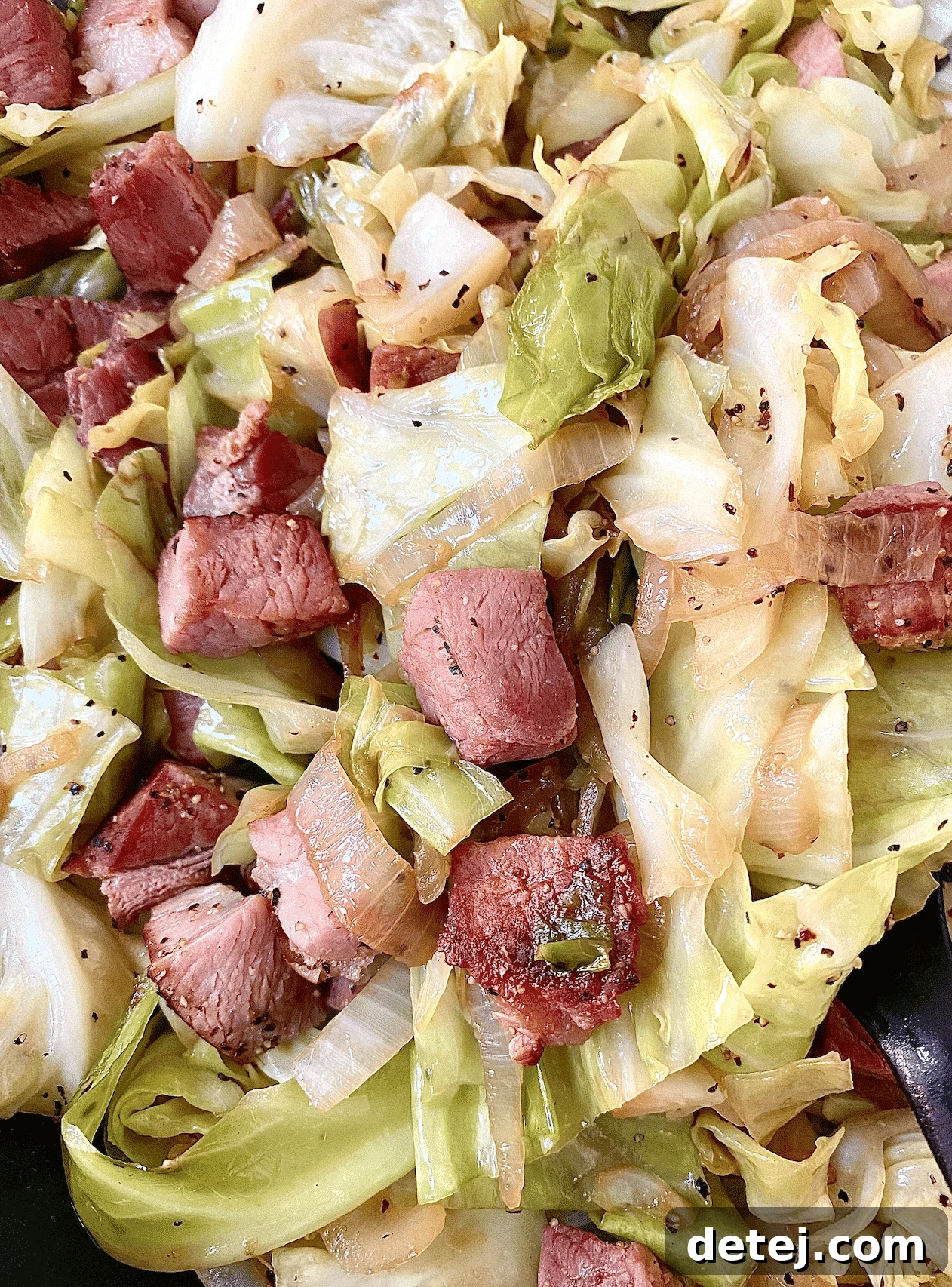
Transform your post-holiday leftovers into a delightful and satisfying meal with this incredibly easy Ham and Cabbage recipe. Whether you’re looking to repurpose that festive glazed ham or simply craving a quick, comforting dish, this recipe is your answer. Crafted with just a handful of staple ingredients, it comes together in under 20 minutes, making it an ideal choice for busy weeknights or whenever you need a flavorful meal in a flash. Forget complicated steps and lengthy cooking times – this simple ham and cabbage creation is packed with savory goodness and minimal fuss. Get ready to add a new favorite to your culinary rotation!
Why You’ll Love This Ham and Cabbage Recipe
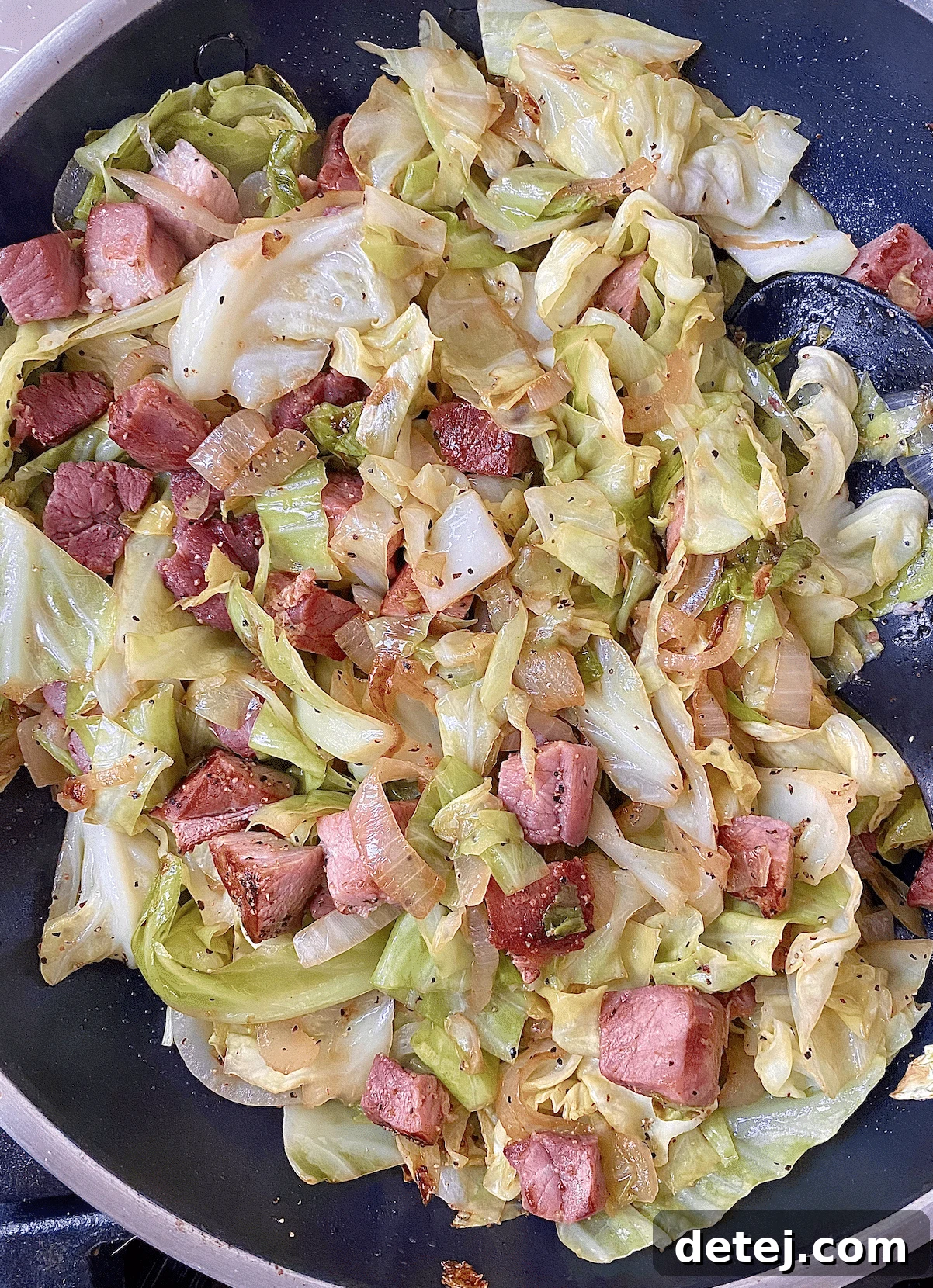
This Ham and Cabbage dish isn’t just a meal; it’s a culinary experience designed for convenience, flavor, and satisfaction. There are countless reasons why this recipe will quickly become a go-to in your kitchen:
Remarkably Quick to Prepare: In today’s fast-paced world, time is a precious commodity. This recipe understands that, requiring only a few simple ingredients and coming together in less than 20 minutes from start to finish. It’s perfect for those busy weeknights when you need a wholesome, homemade meal without spending hours in the kitchen.
The Ultimate Leftover Solution: Ever find yourself with an abundance of leftover ham after holidays like Easter, Christmas, or even Thanksgiving? This recipe offers a brilliant and delicious way to reinvent those leftovers, transforming them into a completely new and exciting dish. It’s a fantastic way to minimize food waste and maximize flavor.
Effortlessly Easy: Simplicity is key. You only need one large pan to create this entire dish, cutting down significantly on cleanup. The steps are straightforward and require no advanced cooking skills, making it accessible for home cooks of all experience levels.
Wholesome and Nutritious: Featuring lean ham and nutrient-dense cabbage, this meal offers a balanced blend of protein and vegetables. Cabbage is packed with vitamins and fiber, contributing to a healthy and satisfying meal without being heavy.
Budget-Friendly: Utilizing leftover ham significantly reduces the cost of this meal. Paired with inexpensive ingredients like cabbage and onion, this recipe is a fantastic option for stretching your grocery budget without sacrificing taste or quality.
Rich in Flavor: Despite its simplicity, the combination of savory ham, sweet caramelized onions, and tender cabbage, enhanced by a touch of butter and black pepper, creates a deeply comforting and flavorful experience that will have everyone asking for seconds.
Essential Ingredients for Ham and Cabbage
This delicious Ham and Cabbage dish relies on a minimal list of fresh, high-quality ingredients to deliver maximum flavor. Here’s a detailed look at what you’ll need and some tips for each:
- Butter: For this ham and cabbage recipe, we recommend using unsalted butter to control the overall saltiness of the dish, especially since ham is often quite salty. Butter not only helps to sauté the ingredients beautifully but also imparts a rich, savory flavor. If you prefer, or are looking for a dairy-free option, good quality olive oil or avocado oil can be used as a substitute, though the flavor profile will be slightly different.
- Ham: The star of this dish is definitely the ham. It’s crucial to use cooked, whole ham (like leftover holiday ham, a ham steak, or a pre-cooked smoked ham portion) and not deli ham. Deli ham has a different texture and salt content that won’t hold up well in this recipe. Simply cube your leftover ham into bite-sized pieces. Adding the cubed ham to the pan with the melted butter allows it to get slightly crispy and develop a wonderful browned exterior, enhancing its flavor and texture.
- Onion: Yellow or sweet onion is ideal for this recipe. Their natural sweetness perfectly complements the savory ham and slightly bitter cabbage. Peel the onion and slice it into half-moons or dice it, depending on your preference. When added to the pan with the butter and ham, the onions will soften and lightly caramelize, adding a layer of depth and sweetness to the dish.
- Cabbage: A small to medium head of green cabbage works best. Before cooking, wash your cabbage thoroughly and ensure it’s dry to prevent steaming rather than sautéing. Core the cabbage and remove any tough, hard pieces. Then, slice it into easy-to-eat bite-sized pieces. You want the cabbage to be tender-crisp, not mushy, so be mindful of cooking time.
- Seasoning: A few generous turns of freshly cracked black pepper are essential to brighten the flavors. When it comes to salt, exercise caution. Since ham is inherently salty, you’ll likely need little to no added salt. It’s always best to taste the dish before adding any kosher salt. If you do add salt, start with just a pinch and adjust to your preference. Consider adding a touch of garlic powder or onion powder for extra depth, or a small pinch of red pepper flakes if you enjoy a subtle heat.
- Optional Enhancements: For an even richer flavor, a splash of chicken broth or vegetable broth can be added once the cabbage is in, helping it to tenderize and creating a light sauce. A teaspoon of apple cider vinegar at the end can also add a bright, tangy finish that cuts through the richness.
Creative Variations to Try
While the classic Ham and Cabbage dish is delightful on its own, its simplicity makes it incredibly versatile. Don’t hesitate to experiment with these variations to suit your taste or whatever ingredients you have on hand:
- Add a Hearty Twist: Incorporate cooked potatoes, diced carrots, or bell peppers to make the dish even more substantial. Add potatoes and carrots at the same time as the onion to ensure they cook through, while bell peppers can be added with the cabbage for a slight crunch.
- Make it a Comforting Soup: Transform this skillet meal into a warm, inviting soup. After the ham, onions, and cabbage are cooked, add diced cooked potatoes (or raw diced potatoes, cooking them until tender) and several cups of chicken or vegetable broth. Simmer until all vegetables are tender, and adjust seasonings.
- Spice it Up: For those who enjoy a little heat, add a pinch or two of red pepper flakes with the onions, or a dash of hot sauce just before serving.
- Creamy Indulgence: Stir in a tablespoon or two of cream cheese, a splash of heavy cream, or a drizzle of half-and-half at the very end of cooking for a richer, creamier texture.
- Breakfast for Dinner: Elevate this dish by topping each serving with a freshly poached or fried egg. The runny yolk will add a luxurious richness that’s perfect for any meal of the day.
- Cheesy Goodness: Just before serving, sprinkle a handful of shredded cheddar, Monterey Jack, or Gruyere cheese over the hot ham and cabbage. Cover the pan for a minute or two until the cheese is melted and bubbly.
- Herbaceous Boost: Fresh herbs like parsley, thyme, or dill can add a wonderful aromatic touch. Stir in a tablespoon of freshly chopped herbs just before serving.
- Tangy Finish: A quick splash of apple cider vinegar or a squeeze of fresh lemon juice at the end can cut through the richness and brighten all the flavors.
- Smoky Depth: If your ham isn’t particularly smoky, a pinch of smoked paprika can add a beautiful depth of flavor.
How to Make the Perfect Ham and Cabbage
Creating this savory Ham and Cabbage dish is incredibly simple, requiring minimal effort for maximum flavor. Follow these straightforward steps for a delicious meal:
- Prepare Your Skillet: Grab a large, nonstick skillet or a heavy-bottomed pan. Place it over medium-high heat. Once the pan is hot, add the butter. Allow it to melt completely and just begin to sizzle, coating the bottom of the pan evenly.
- Brown the Ham: Add the cubed ham to the hot skillet. Spread it out into a single layer as much as possible to ensure even browning. Let the ham cook for 3-5 minutes, stirring occasionally, until it starts to develop a light crispness and a golden-brown color on the edges. This step enhances the ham’s flavor and texture significantly.
- Sauté the Onions: Next, add the sliced or diced onion to the pan with the ham. Continue to sauté, stirring frequently, for about 5-7 minutes. You want the onions to soften, become translucent, and begin to lightly caramelize, releasing their natural sweetness into the dish.
- Cook the Cabbage: Add the cored and sliced cabbage to the skillet. It might seem like a lot of cabbage at first, but it will quickly wilt down as it cooks. Stir well to combine all the ingredients. Continue to cook, stirring occasionally, for another 5-8 minutes, or until the cabbage is fork-tender but still retains a slight bite. Avoid overcooking, as soggy cabbage can detract from the dish.
- Season and Serve: Once the cabbage reaches your desired tenderness, remove the skillet from the heat. Season generously with freshly cracked black pepper. Taste the dish and, if absolutely necessary, add a small pinch of kosher salt. Remember, ham is often quite salty, so be cautious. Serve the Ham and Cabbage immediately while hot for the best flavor and texture.
Expert Tips for Success
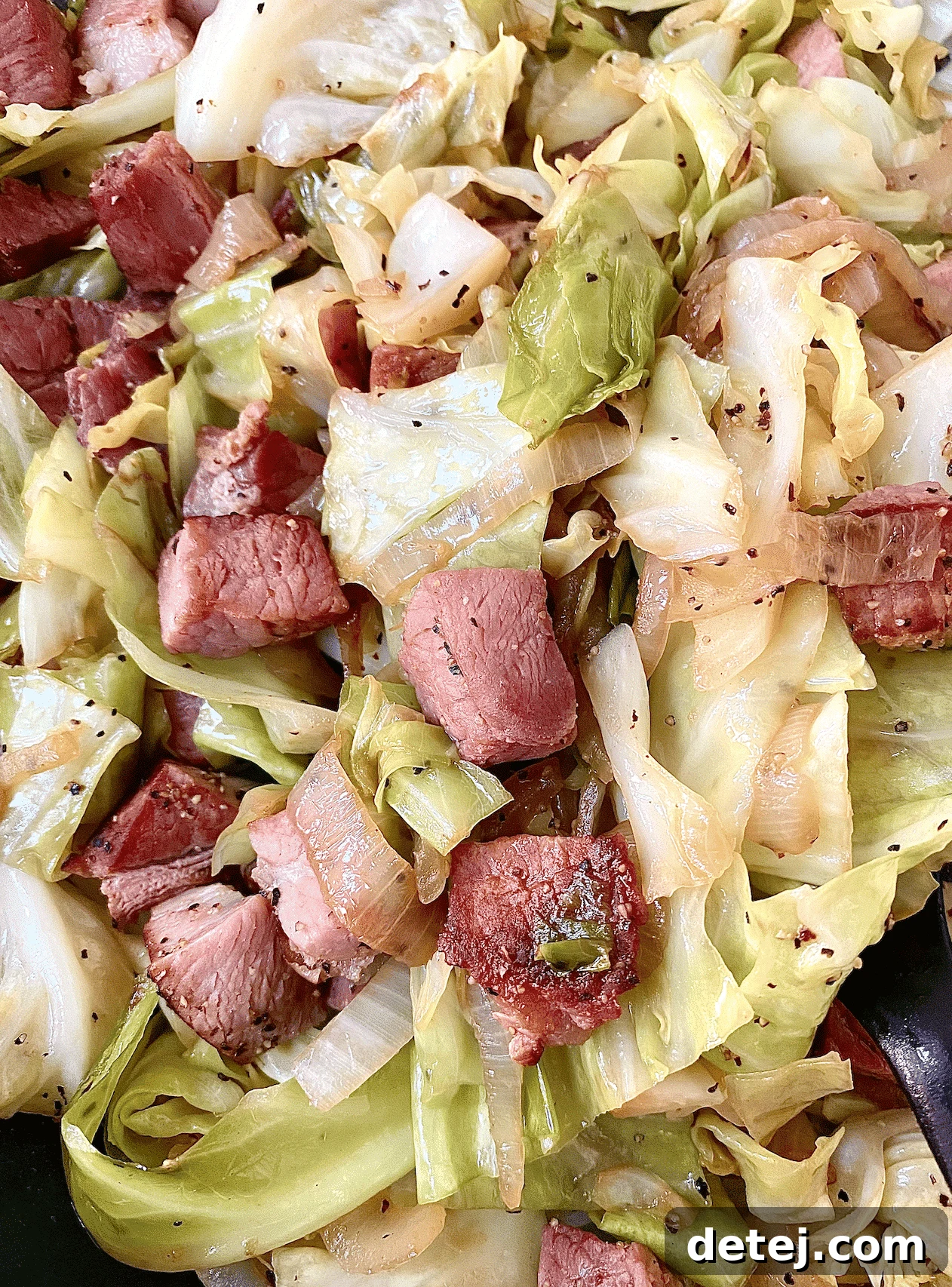
Achieving the perfect Ham and Cabbage dish is easy with a few simple techniques. Keep these tips in mind to ensure your meal is always delicious:
- Don’t Overcrowd the Pan: When browning the ham and sautéing the onions, ensure you’re using a large enough skillet. Overcrowding can steam the ingredients instead of browning them, leading to a less flavorful outcome. If necessary, cook the ham in two batches.
- Mind the Ham’s Saltiness: Leftover holiday hams are often brined and can be very salty. Always taste your ham before seasoning the dish, and add salt sparingly at the very end if needed. Freshly cracked black pepper is usually sufficient.
- Perfect Cabbage Texture: Cabbage cooks down quickly. Stir-fry it until it’s tender but still has a slight crunch. Overcooked cabbage can become mushy and lose its vibrant flavor.
- High-Quality Ingredients: While simple, the quality of your ingredients makes a difference. Fresh cabbage and good quality leftover ham will yield the best results.
- Uniform Cuts: Cut your ham and cabbage into roughly similar bite-sized pieces to ensure even cooking and a consistent texture in every forkful.
- Heat Control: Maintain a medium-high heat. This allows the ham to brown properly and the onions to caramelize without burning, and helps the cabbage wilt efficiently.
Serving Suggestions
This versatile Ham and Cabbage dish can be a standalone meal or part of a larger spread. Here are some delicious ideas to pair it with:
- Classic Comfort: Serve alongside a generous portion of creamy mashed potatoes or fluffy rice to soak up all the savory juices.
- Southern Charm: A slice of warm cornbread or crusty bread is perfect for dipping and adds a comforting touch.
- Light and Fresh: Balance the richness with a crisp green salad tossed in a light vinaigrette.
- Heartier Options: Consider adding a side of roasted root vegetables like carrots or parsnips for extra substance and flavor.
- Breakfast Twist: Don’t forget the breakfast option! Top with a fried or poached egg for a unique and satisfying brunch or dinner.
Storage and Reheating
Proper storage ensures your delicious Ham and Cabbage leftovers remain fresh and enjoyable. While best served immediately, this dish can be stored and reheated with great results:
Refrigeration: Allow any leftover Ham and Cabbage to cool completely to room temperature (within two hours of cooking). Transfer it to an airtight container and store it in the refrigerator for up to three to four days. This prevents bacteria growth and maintains freshness.
Freezing (Not Recommended for Best Texture): While technically possible, freezing ham and cabbage is generally not recommended as the cabbage can become very soft and watery upon thawing, compromising the texture. If you must freeze, ensure it’s in an airtight, freezer-safe container for up to 1-2 months. Thaw overnight in the refrigerator before reheating.
Reheating in the Microwave: For quick reheating, place individual portions in a microwave-safe dish. Cover loosely and microwave on high for 1-2 minutes, stirring halfway through, until heated through. Be careful not to overcook the cabbage, as it can get mushy.
Reheating on the Stovetop: The best method for reheating is on the stovetop. Place the leftovers in a skillet over medium heat with a tablespoon of water or broth. Cover and cook, stirring occasionally, until heated through. This helps to re-tenderize the cabbage and maintain a better texture than microwaving.
Frequently Asked Questions About Ham and Cabbage
Here are answers to some common questions about making this quick and tasty ham and cabbage dish:
No, deli ham is not suitable for this recipe. You need cooked, whole ham, such as leftover holiday ham, a ham steak, or pre-cooked smoked ham. Deli ham has a different texture and typically higher water content, which will result in a less satisfying dish.
While you can prep ingredients ahead (like dicing ham and slicing cabbage), the dish itself is best enjoyed immediately after cooking. Cabbage can become soggy and lose its ideal texture if it sits for too long after being cooked, so we recommend cooking just before serving.
Green cabbage is the most common and recommended type for this recipe due to its mild flavor and good texture when cooked. Savoy cabbage can also be used for a slightly softer texture and more delicate flavor. Avoid red cabbage as its color can bleed into the other ingredients.
Absolutely! Adding diced potatoes is a popular variation that makes the dish even heartier. Add the diced raw potatoes to the pan with the onions, allowing them to cook and soften before adding the cabbage. This ensures they are fully cooked and tender.
Yes, this Ham and Cabbage recipe can be a very healthy and balanced meal. It’s rich in protein from the ham and packed with vitamins and fiber from the cabbage. To make it even healthier, use a lean cut of ham and consider using olive oil instead of butter, or reduce the amount of butter. Always be mindful of the sodium content from the ham.
The core seasoning is black pepper. You can experiment with other spices like garlic powder, onion powder, a pinch of paprika, or even a dash of dried thyme or bay leaf (removed before serving) to add more complexity. Always taste and adjust as you go, especially with salt, due to the ham’s inherent saltiness.
No problem! You can purchase a pre-cooked ham steak or a small portion of smoked ham from your local grocery store. Simply cube it according to the recipe instructions. You can also substitute with smoked sausage or bacon for a different flavor profile, adjusting cooking times as needed.
The key is to not overcook it. Cabbage wilts relatively quickly. Cook it until it’s just fork-tender, still retaining a slight crispness. High heat and regular stirring will help it cook evenly without becoming too soft.
Other Quick and Easy Recipes to Consider Trying
- Chicken Sausage Foil Packets
- Steak Bites with Garlic Butter
- Turkish Beef Bowls
Ham and Cabbage
Sarah Thomas-Drawbaugh
4
servings
10 mins
10 mins
20 mins
Pin Recipe
Equipment
- 1 large, nonstick skillet
Ingredients
- 2 tablespoons butter (or olive oil)
- 2-3 cups cooked ham, cubed (leftover holiday ham is perfect)
- 1 large onion, sliced or diced (yellow or sweet onion recommended)
- 1 small head of green cabbage, cored and sliced into bite-sized pieces
- Few turns freshly cracked black pepper
- Pinch of kosher salt (optional, to taste – ham is often salty)
Instructions
-
Grab a large nonstick skillet and place it over medium-high heat. Add the butter and allow it to melt completely.
-
Once melted, add the cubed ham. Let it begin to lightly brown and get slightly crispy on the edges for about 3-5 minutes, stirring occasionally.
-
Next, add the sliced or diced onion to the pan. Sauté the onions with the ham until they are tender, translucent, and lightly browned, about 5-7 minutes.
-
Then, add the prepared cabbage to the skillet. Stir everything together. Cook, stirring occasionally, for another 5-8 minutes, or until the cabbage is fork-tender but still has a slight bite. Avoid overcooking.
-
Remove from heat. Season generously with freshly cracked black pepper. Taste and add a pinch of kosher salt if needed, keeping in mind the ham is often salty. Serve hot immediately.
Notes
Nutrition Information
Calories: 366kcal,
Carbohydrates: 14g,
Protein: 25g,
Fat: 24g,
Saturated Fat: 10g,
Polyunsaturated Fat: 2g,
Monounsaturated Fat: 10g,
Trans Fat: 1g,
Cholesterol: 80mg,
Sodium: 1330mg,
Potassium: 664mg,
Fiber: 5g,
Sugar: 7g,
Vitamin A: 352IU,
Vitamin C: 68mg,
Calcium: 90mg,
Iron: 2mg
Main Course
American
366
Sarah Thomas-Drawbaugh