
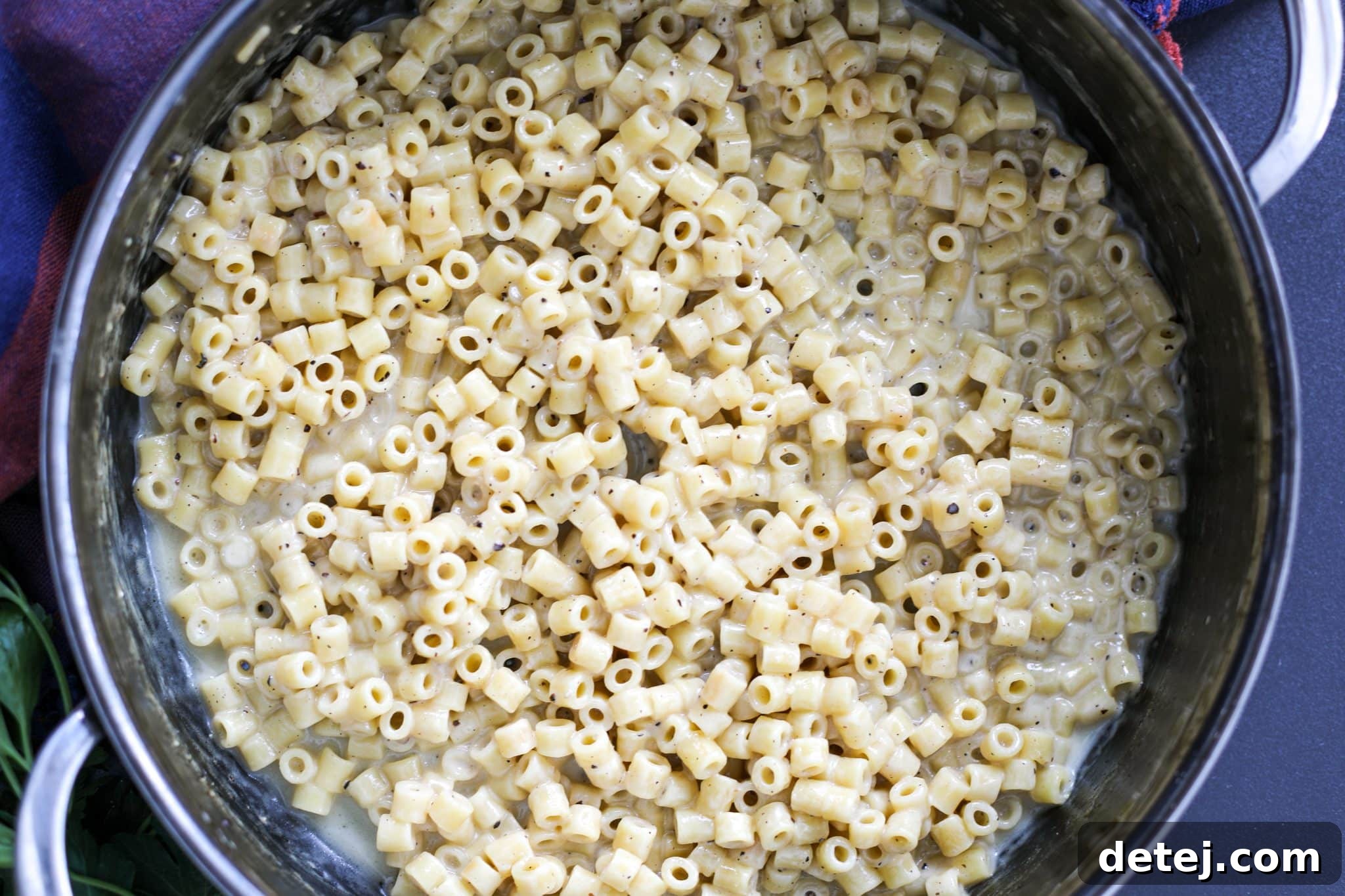
One Pan Creamy Cacio e Pepe Ditalini Pasta: An Effortless Weeknight Delight
Prepare to transform your weeknight dinners with this incredible One Pan Creamy Cacio e Pepe Ditalini Pasta recipe. It’s a delightful and comforting twist on the traditional Cacio e Pepe, reimagined with the charming ditalini pasta that has taken the internet by storm. Forget complicated techniques and endless clean-up; this dish delivers an intensely cheesy, peppery, and irresistibly creamy sauce that perfectly coats every tender piece of pasta, all made in a single pan. While not strictly traditional, this version promises a taste experience that is both sophisticated and incredibly satisfying.
If you’re a fan of easy yet utterly delicious pasta dishes, you absolutely must add this to your repertoire. For more delightful and simple pasta inspirations, explore my Cheesy Pea Ditalini Pasta or the incredibly popular Marry Me Ditalini with Sausage Pasta.
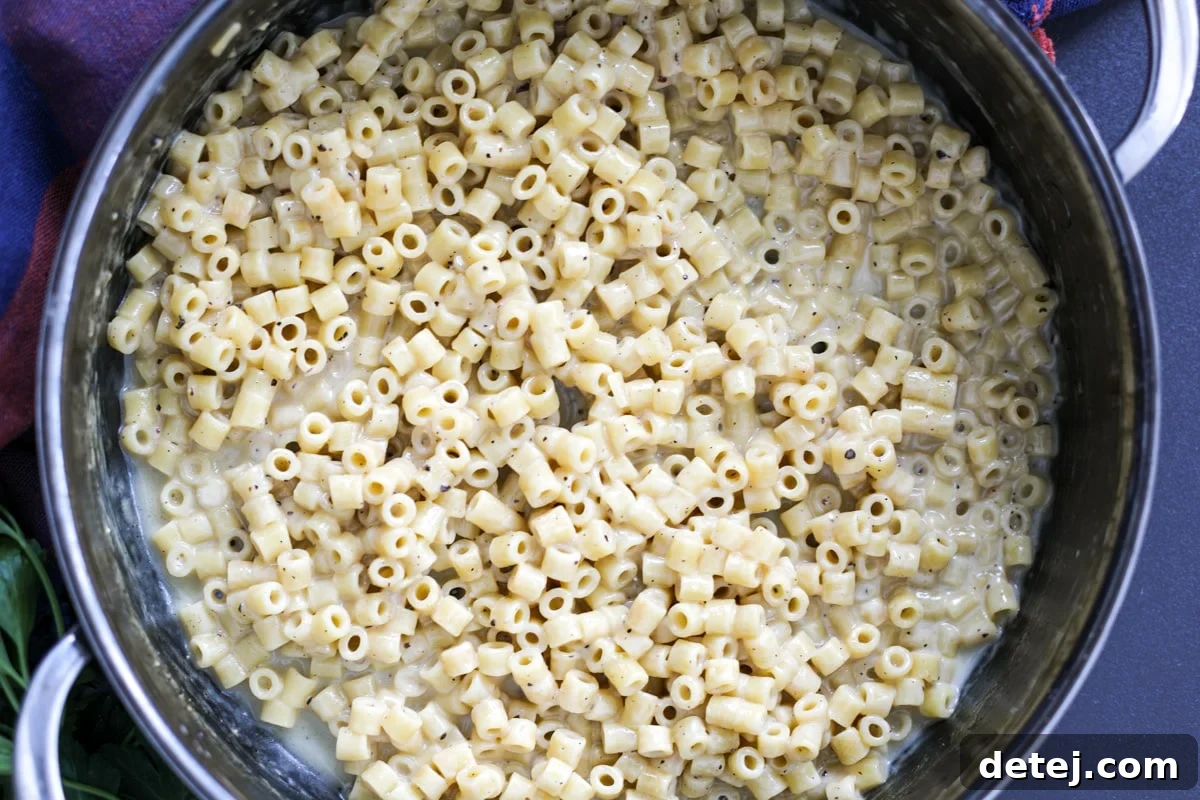
Why You’ll Love This Recipe: More Than Just a Meal
This One Pan Creamy Cacio e Pepe Ditalini Pasta isn’t just another pasta dish; it’s a culinary experience designed for maximum flavor with minimal effort. Here’s why it’s destined to become a staple in your kitchen:
- Unbeatable One-Pan Convenience: Imagine creating a gourmet-level pasta dish from start to finish using just one pan. This recipe makes that dream a reality. No more juggling multiple pots and pans, no more straining pasta water, and significantly less cleanup. It’s the ultimate solution for busy weeknights when you crave something extraordinary without the fuss. This single-pan approach locks in flavors, ensuring every component contributes to a cohesive and delicious outcome.
- Explosion of Creamy, Peppery Flavor: While it takes a delicious detour from the strict rules of traditional Cacio e Pepe, this creamy rendition doesn’t skimp on flavor. The freshly cracked black pepper is bloomed to release its aromatic intensity, which then intertwines with rich, savory chicken broth, luxurious heavy cream, and the sharp, salty notes of Parmesan cheese. The result is a sauce that is deeply satisfying, perfectly balanced, and utterly addictive. It’s a comforting hug in a bowl, designed to please even the most discerning palates.
- Effortlessly Elevated Dining: This recipe proves that you don’t need hours in the kitchen or complex techniques to create an elevated dish. With simple, readily available ingredients and straightforward steps, you can produce a pasta that looks and tastes like it came from a high-end Italian restaurant. It’s perfect for impressing guests, enjoying a romantic dinner, or simply treating yourself to something special after a long day, all without breaking a sweat.
- Ditalini: The Fun-Sized Flavor Carrier: There’s a special joy in eating ditalini pasta. Its small, tube-like shape isn’t just visually appealing; it’s incredibly functional. Each tiny ditalini acts as a miniature vessel, perfectly capturing and holding the luscious, creamy Cacio e Pepe sauce within its hollow center. This ensures that every bite is bursting with flavor and delightful texture, making it a particularly fun and satisfying pasta shape to enjoy.
- Quick from Pantry to Plate: In just about 25 minutes, you can have a piping hot, incredibly flavorful meal on the table. This makes it an ideal choice for those evenings when time is of the essence but you refuse to compromise on taste or quality. A quick prep time of 10 minutes and a cook time of 15 minutes mean you can spend less time cooking and more time savoring.
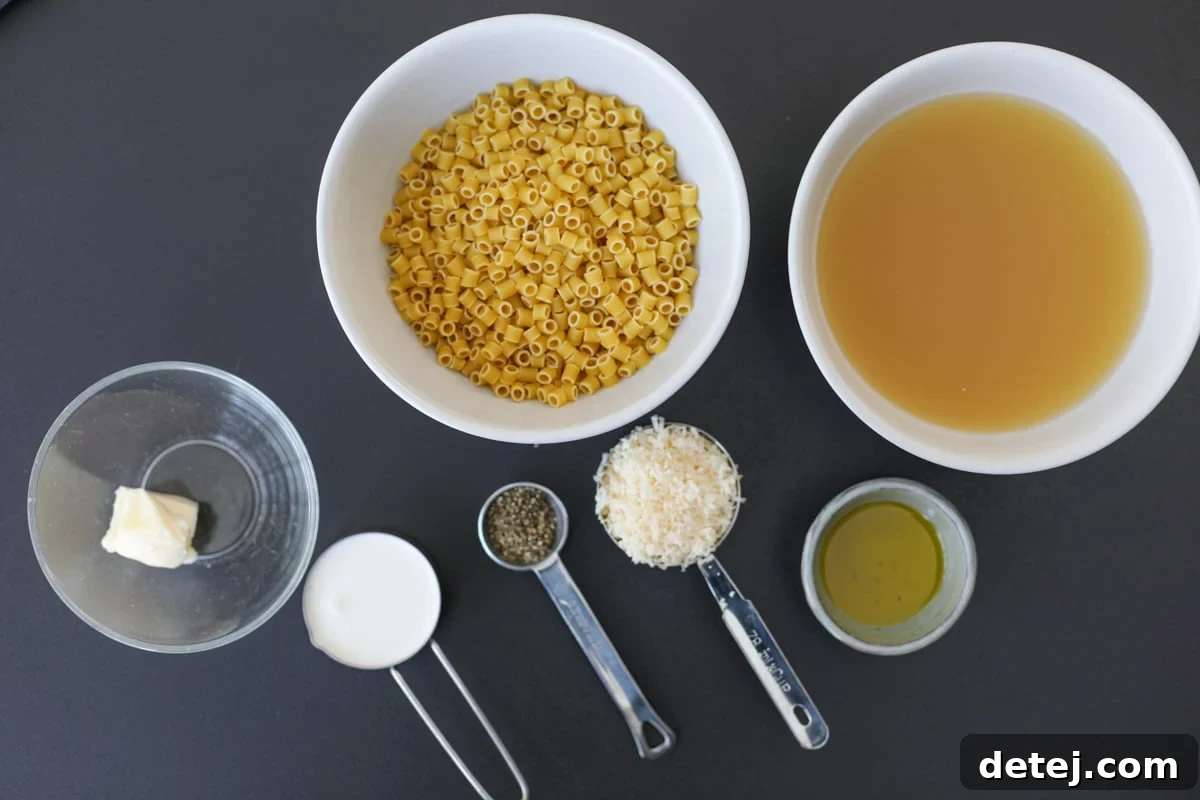
Recipe Ingredients: The Simple Stars of the Show
The beauty of this creamy Cacio e Pepe ditalini pasta lies in its minimal yet impactful ingredient list. Each component plays a crucial role in building the dish’s signature flavor and texture. Opt for quality ingredients to ensure the best possible outcome.
- Olive Oil: A tablespoon of good quality extra virgin olive oil provides the initial fat for sautéing and blooming the pepper. It forms the aromatic foundation of our sauce, adding a subtle fruity depth. You can opt for avocado oil as an alternative if preferred, but olive oil’s distinct flavor is a classic pairing.
- Cracked Black Pepper: This is half of the “pepe” in Cacio e Pepe, so don’t skimp on quality. Freshly cracked black pepper is essential here, providing a far more potent and aromatic flavor than pre-ground pepper. The act of “blooming” the pepper in hot oil early in the cooking process releases its complex, pungent oils, intensifying its presence in the final dish. Aim for 1.5 teaspoons for a noticeable kick.
- Ditalini Pasta: The star pasta shape! You’ll need 8 ounces of dry ditalini pasta. Its small, short tube shape is perfect for clinging to the creamy sauce, ensuring every bite is rich and flavorful. If ditalini isn’t available, other small pasta shapes like elbow macaroni, small shells, or orzo can be used as a substitute, though the texture and sauce-holding ability will vary slightly.
- Chicken Broth: This recipe calls for 2 ¼ cups of regular chicken broth, plus an extra splash if needed to achieve the perfect pasta consistency. The broth serves a dual purpose: it cooks the pasta directly in the pan, absorbing its savory essence, and contributes a significant depth of flavor to the sauce that pasta water alone might not achieve in a one-pan method. Using regular broth over low-sodium is highly recommended for maximum flavor, as the salt content helps build the overall profile of the dish.
- Heavy Cream: For that irresistible creaminess, ⅓ cup of heavy cream is key. It adds a luxurious body and velvety texture to the sauce, transforming it from traditional Roman simplicity to a richer, more indulgent experience. While half-and-half can be used as a lighter alternative, heavy cream is strongly recommended for the best texture and mouthfeel.
- Butter: Two tablespoons of cold unsalted butter are incorporated at the end of the cooking process. Adding cold butter helps emulsify the sauce, making it incredibly smooth and glossy, while also enriching the flavor and adding a lovely sheen. It’s a classic chef’s trick for achieving restaurant-quality sauces.
- Freshly Grated Parmesan Cheese: The other half of “cacio” (cheese). You’ll need ⅓ cup of freshly grated Parmesan cheese. The emphasis here is on “freshly grated.” Pre-grated cheeses often contain anti-caking agents that prevent them from melting smoothly, leading to a grainy or clumpy sauce. Freshly grated Parmesan melts beautifully, creating a silky-smooth, cheesy coating for the pasta. While traditional Cacio e Pepe uses Pecorino Romano, Parmesan offers a more widely accessible and slightly milder, nuttier flavor that pairs wonderfully with the creamy elements in this adaptation.
Traditional Cacio e Pepe vs. My One-Pan Creamy Cacio e Pepe: A Delicious Evolution
Cacio e Pepe is one of Rome’s most iconic and beloved pasta dishes, revered for its elegant simplicity and the harmonious interplay of just a few core ingredients. The name itself, “cacio e pepe,” literally translates to “cheese and pepper.” Traditionally, this minimalist masterpiece is crafted using only four elements: a robust, finely grated Pecorino Romano cheese, freshly ground black pepper, al dente pasta (often tonnarelli or spaghetti), and the starchy, emulsifying power of reserved pasta cooking water. The magic lies in creating a velvety sauce by vigorously whisking the cheese, pepper, and pasta water until it forms a creamy emulsion, with no added fats or dairy beyond the cheese itself.
However, my One-Pan Creamy Cacio e Pepe Ditalini Pasta offers a contemporary, home-cook friendly adaptation that prioritizes convenience and a slightly richer texture, departing from strict tradition for a different kind of deliciousness. The goal here is a truly one-pan experience without sacrificing the essence of a cheesy, peppery pasta.
Here’s how my version lovingly deviates and why:
- Introduction of Fats (Olive Oil and Butter): Traditional Cacio e Pepe relies solely on the fats and starches from the cheese and pasta water for its texture. In my recipe, I start by blooming the cracked black pepper in a touch of olive oil. This step is crucial for coaxing out the pepper’s full fragrant and pungent notes, intensifying its flavor significantly—a technique that enhances the “pepe” aspect beautifully. Additionally, cold butter is whisked into the sauce at the end. This isn’t traditional, but it serves to emulsify the sauce, creating an exceptionally silky-smooth finish and adding a layer of rich, buttery flavor that makes the dish incredibly indulgent.
- Cooking with Chicken Broth, Not Just Pasta Water: The traditional method calls for carefully measured pasta water, which contains starches vital for emulsification. In a one-pan dish where pasta is cooked directly in the sauce, we don’t have separate pasta water. Instead, I deglaze the pan with chicken broth and use the broth as the primary liquid for cooking the ditalini. The chicken broth not only ensures the pasta cooks to perfection but also infuses every strand with a savory depth that elevates the overall flavor profile beyond what plain water could offer. This contributes to the richness and complexity of the creamy sauce.
- The Addition of Heavy Cream: This is arguably the most significant departure from tradition and the source of the “creamy” designation in the recipe title. Traditional Cacio e Pepe achieves its creaminess through expert emulsification of cheese and starchy pasta water. My recipe explicitly adds heavy cream to the sauce. This addition guarantees a consistently luscious, velvety texture that is incredibly comforting and appeals to those who adore a richer, more unctuous pasta dish. While purists might raise an eyebrow, the result is undeniably delicious and incredibly satisfying for many palates.
- Parmesan Cheese over Pecorino Romano: The authentic Cacio e Pepe demands Pecorino Romano cheese, a sharp, salty sheep’s milk cheese. However, I opt for freshly grated Parmesan cheese in this recipe. My reasoning is twofold: quality Pecorino Romano can sometimes be harder to source locally, and Parmesan, with its nutty, slightly milder profile, is more readily available and offers a flavor that complements the creamy, one-pan style of this dish wonderfully. Always choose freshly grated for superior melting and flavor.
In essence, this One Pan Creamy Cacio e Pepe Ditalini Pasta is a culinary embrace of the spirit of Cacio e Pepe – showcasing cheese and pepper – while adapting the methodology to suit modern convenience and a desire for a luxurious, creamy texture. It’s a testament to how classic flavors can be respectfully reimagined to create new, equally beloved dishes.
Expert Tips for This Recipe: Mastering Your One-Pan Pasta
Achieving the perfect creamy Cacio e Pepe Ditalini is all about attention to a few key details. These expert tips will help ensure your dish turns out flawlessly every time:
- Choose Regular Chicken Broth for Max Flavor: Opt for regular chicken broth instead of low-sodium. The higher salt content and richer flavor of regular broth will significantly enhance the overall savory depth of your sauce. Low-sodium alternatives simply won’t provide the same robust foundation that this dish thrives on. This is crucial for building a complex flavor profile in a one-pan method.
- Master Pasta Al Dente and Sauce Consistency: Keep a close eye on your pasta as it cooks. If the broth starts to dry up before your ditalini reaches a perfect al dente (tender yet firm to the bite), don’t hesitate to add an extra splash of broth or even a bit of water. Similarly, if your sauce thickens too much after adding the cheese, a small amount of warm broth can help loosen it to the desired creamy consistency. The goal is a velvety sauce that coats the pasta, not a thick paste.
- Always Use High-Quality, Freshly Grated Cheese: This is perhaps the most critical tip for any cheese-based pasta sauce. Pre-grated Parmesan often contains anti-caking agents like cellulose, which prevent the cheese from melting smoothly and can result in a grainy or clumpy texture. Investing in a block of good quality Parmesan cheese and grating it just before use will yield a far superior, incredibly smooth, and lusciously melted sauce with a fresher, more vibrant flavor.
- Don’t Skip Blooming the Pepper: That initial step of heating the cracked black pepper in olive oil is not just for show. This process, known as “blooming,” gently toasts the pepper, releasing its volatile oils and intensifying its aroma and flavor. This ensures the “pepe” truly shines through in your Cacio e Pepe, providing that signature spicy warmth.
- Serve Immediately for Best Results: While leftovers are certainly delicious, Cacio e Pepe is best enjoyed fresh off the stove. The sauce, especially one that relies on cheese and reduced liquids, can continue to thicken and seize up as it cools. For the ultimate experience, serve it piping hot as soon as it’s ready, allowing you to savor its perfect creamy texture and vibrant flavors.
- Stir Constantly When Adding Cheese: When you’re ready to incorporate the freshly grated Parmesan, reduce the heat to low and add it gradually, stirring constantly. This gentle heat and continuous movement help the cheese melt evenly and emulsify into the sauce without clumping or becoming oily. Patience and a whisk are your best friends here.
How to Make: Step-by-Step Guide to Perfection
Creating this one-pan creamy Cacio e Pepe Ditalini Pasta is surprisingly simple. Follow these straightforward steps to achieve a dish that’s bursting with flavor and comforting appeal.
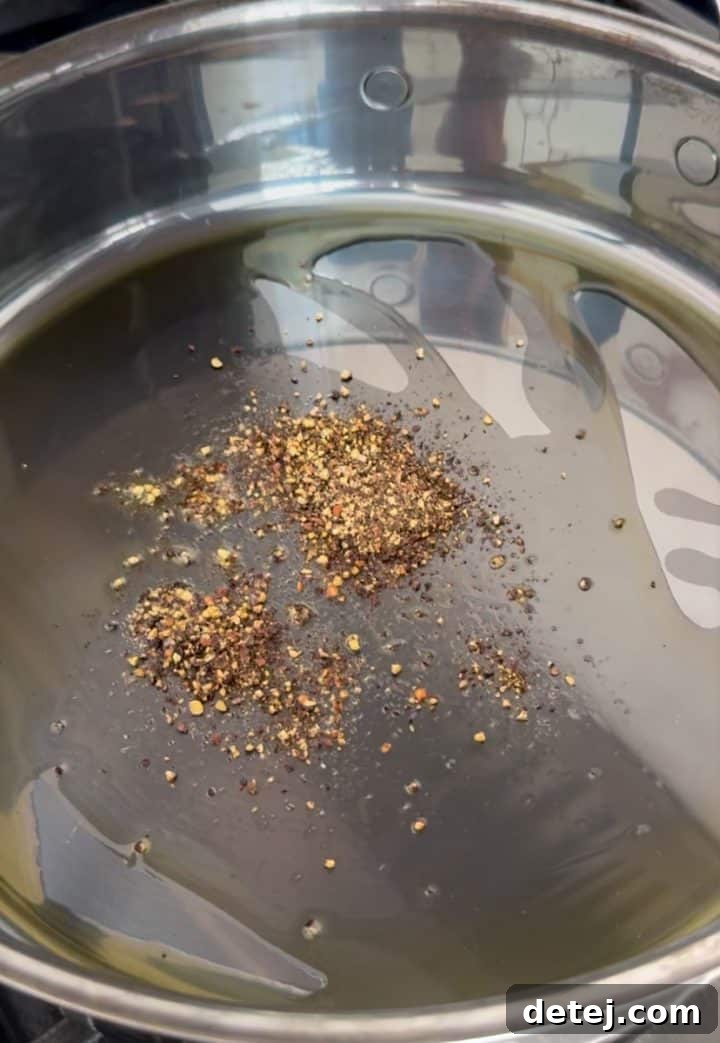
Step 1: Bloom the Pepper. Begin by heating a large sauté pan or a shallow Dutch oven over medium-high heat. Add the olive oil. Once the oil is shimmering and hot, add the freshly cracked black pepper. Stir it around in the hot oil for approximately 20-30 seconds, allowing the pepper to “bloom” and become wonderfully fragrant. This step is essential for releasing its full aromatic potential.
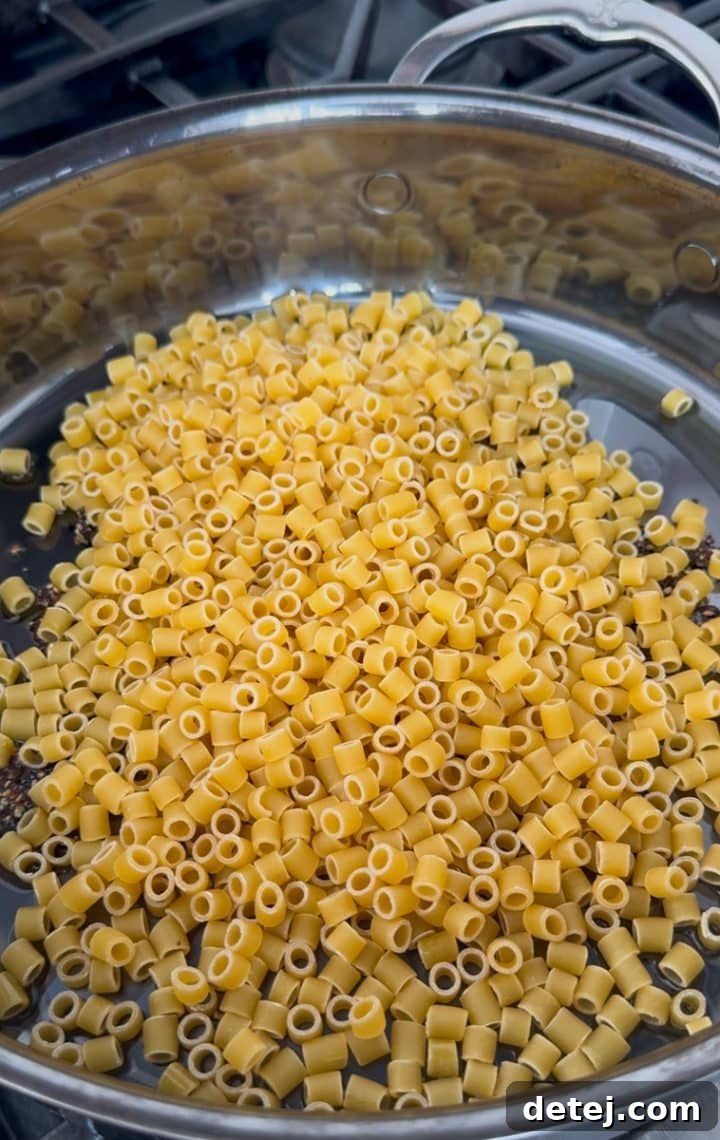
Step 2: Sauté the Pasta. Immediately after blooming the pepper, add the dry ditalini pasta to the pan. Sauté the pasta for about 30-60 seconds, stirring continuously. This brief toasting helps develop a nutty flavor in the pasta before it’s cooked in the liquid.
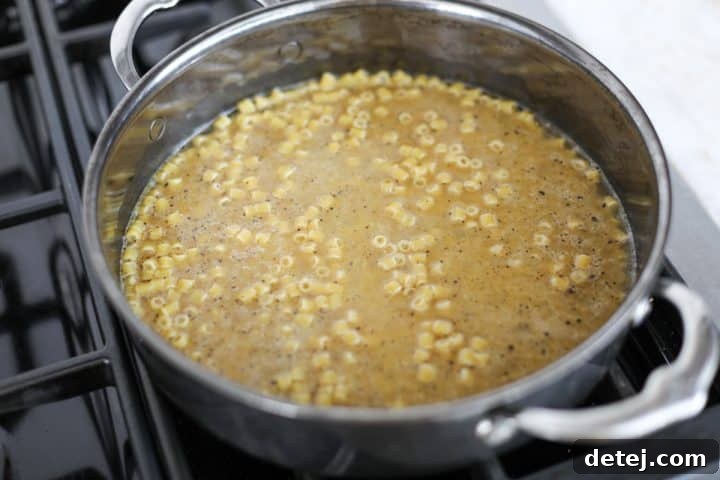
Step 3: Cook the Pasta in Broth. Pour the chicken broth into the pan with the pasta and pepper. Bring the mixture to a gentle boil. Reduce the heat to medium-low and let the pasta simmer, stirring occasionally, until it begins to soften. This will typically take around 7-8 minutes, but keep an eye on it to ensure it doesn’t dry out too quickly.
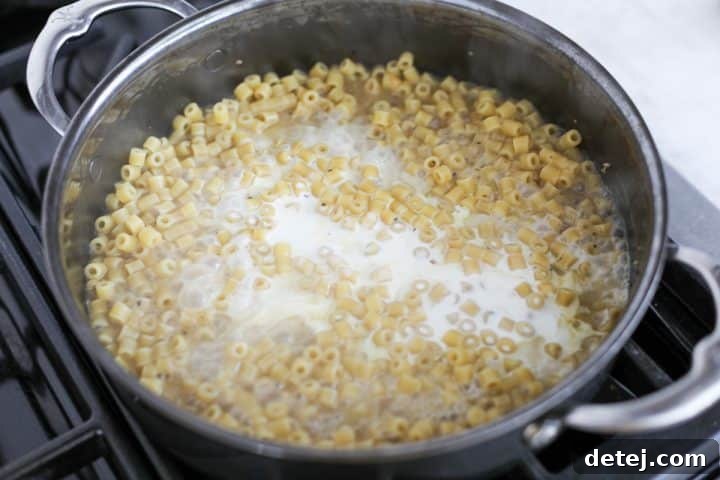
Step 4: Add the Cream. Once the pasta has softened to your desired al dente consistency and has absorbed most of the broth, stir in the heavy cream. Continue to simmer gently, allowing the cream to warm through and begin to meld with the sauce base.
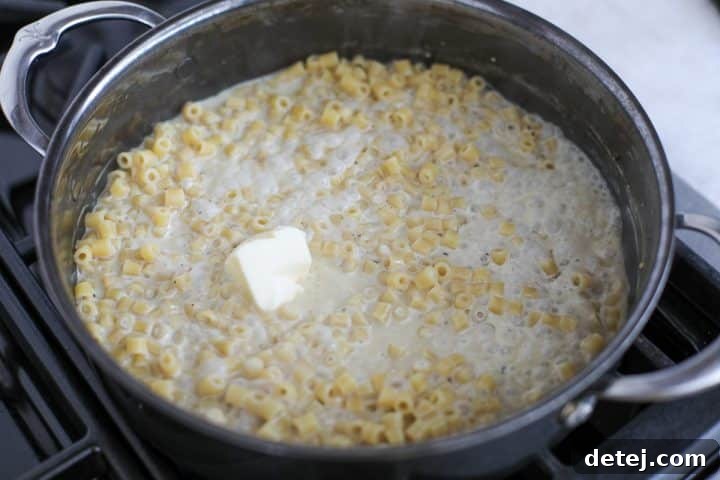
Step 5: Reduce and Add Butter. Let the sauce continue to reduce by about one-quarter of its volume. This will concentrate the flavors and thicken the sauce slightly. Then, remove the pan from the heat and stir in the cold butter until it is completely melted and emulsified, giving the sauce a beautiful, glossy finish.
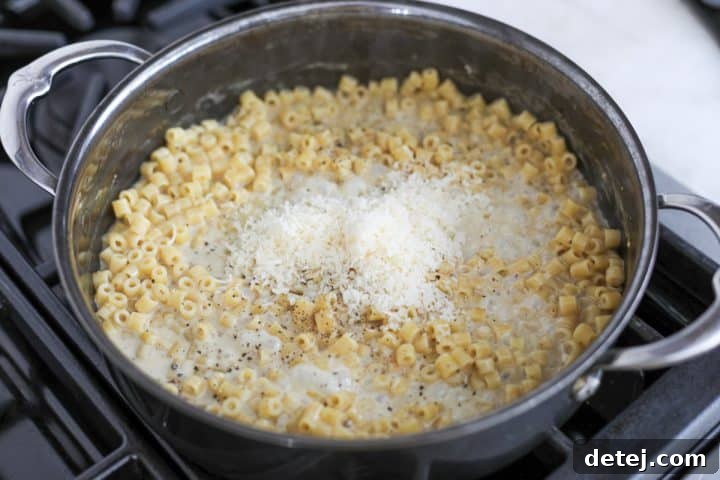
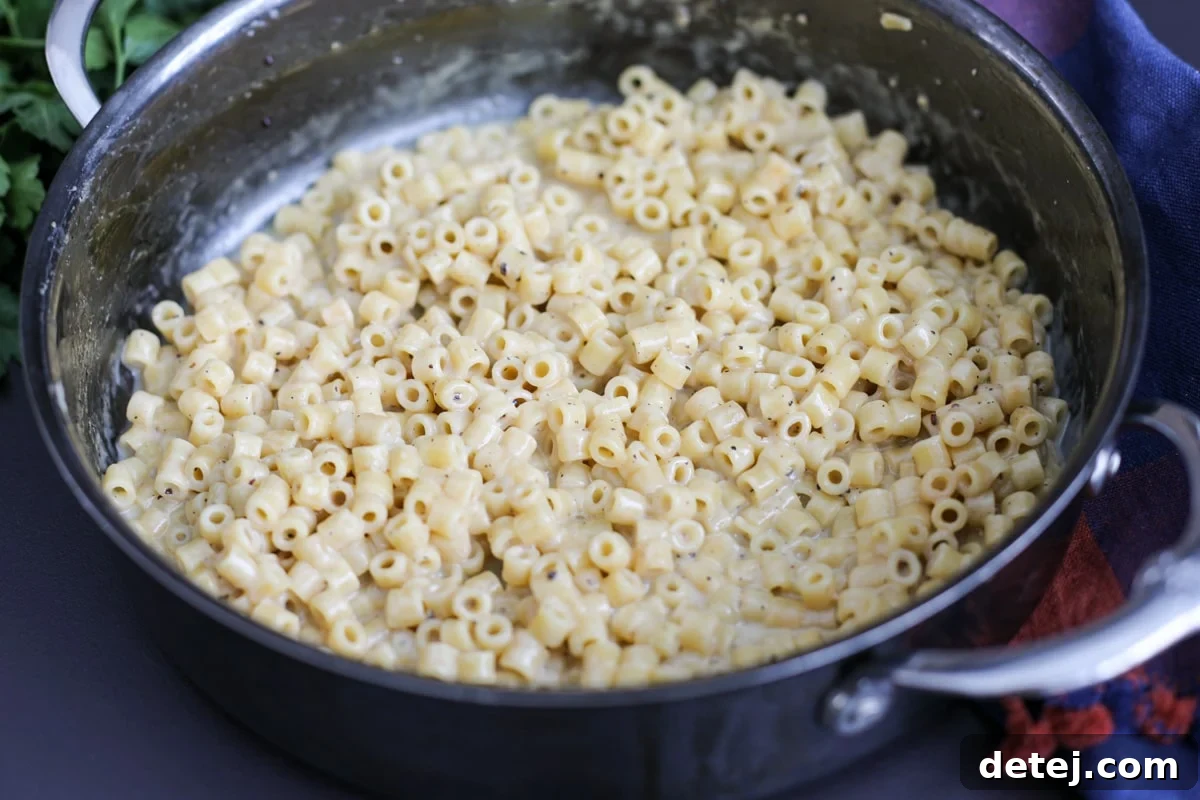
Step 6: Incorporate Cheese and Serve. Once the butter is melted, reduce the heat to very low. Add the freshly grated Parmesan cheese, stirring continuously until it is fully incorporated and the sauce is smooth and creamy. Serve immediately, perhaps with a final sprinkle of fresh black pepper or extra Parmesan. Enjoy this delicious one-pan delight!
Storage and Reheating Tips
This One Pan Creamy Cacio e Pepe Ditalini Pasta is truly at its best when enjoyed immediately after preparation, when the sauce is at its creamiest and the pasta perfectly al dente. However, if you find yourself with leftovers, they can be stored and reheated with a few simple tricks to maintain their deliciousness.
Store any remaining pasta in an airtight container in the refrigerator for up to three to four days. When you’re ready to reheat, the sauce will likely have thickened considerably or “seized up.” To bring it back to a desirable consistency, reheat it gently:
- Stovetop Method: Transfer the pasta to a pan over medium-low heat. Add a splash (1-2 tablespoons) of chicken broth or even a little water, stirring constantly. Continue to stir gently as the pasta warms through, adding more broth as needed until the sauce becomes creamy and coats the pasta once again.
- Microwave Method: Place the pasta in a microwave-safe dish. Add a small splash of broth or water. Heat in 30-second intervals, stirring well after each interval, until warmed through and the sauce has loosened. Be careful not to overheat, which can make the sauce greasy.
Adding that touch of broth is key to rehydrating the sauce and restoring its original luscious texture, ensuring your leftovers are just as enjoyable as the fresh batch.
Frequently Asked Questions (FAQs)
Is this a traditional Cacio e Pepe pasta recipe?
No, this creamy one-pan version is a deliberate adaptation that takes inspiration from the classic Roman dish but introduces elements like heavy cream, chicken broth, and butter for a richer, more convenient, and distinctly creamy outcome. While it captures the essence of cheese and pepper, it is not prepared using traditional methods.
Can I make this ahead of time?
For the absolute best taste and texture, this creamy pasta is best enjoyed immediately after it’s made. The sauce tends to thicken and “seize up” over time as it cools and sits. While you can store and reheat leftovers (as detailed in our storage tips), the fresh dish will always have the most optimal creaminess.
What can I serve this with?
This creamy Cacio e Pepe Ditalini pasta is hearty enough to be a meal on its own, but it also pairs beautifully with a simple green salad or a side of crusty bread. For an added boost of protein, consider serving it alongside my Juicy Pan Roasted Chicken Breasts or some sautéed shrimp.
Can I use a different type of pasta?
While ditalini is fantastic for this recipe because its small shape holds the creamy sauce wonderfully, you can certainly experiment with other small pasta shapes like elbow macaroni, orzo, or even small shells. Just ensure they are similar in size to ditalini for consistent cooking times and sauce adherence. Larger pasta shapes might require adjustments to the cooking liquid and time.
Is this recipe vegetarian?
As written, the recipe uses chicken broth, making it not vegetarian. However, you can easily make it vegetarian by substituting the chicken broth with vegetable broth. The rest of the ingredients (pasta, cheese, cream, butter, oil, pepper) are typically vegetarian-friendly.
Other Delicious Pasta Recipes to Consider Trying
If you loved the simplicity and flavor of this one-pan pasta, you’ll surely enjoy these other fantastic pasta recipes from my collection:
- Peach Caprese Pasta Salad
- Linguini with Crab
- Shrimp Pasta with Roasted Red Pepper Sauce
- Chicken Enchilada Pasta
- Creamy Baked Pesto Pasta with Chicken Meatballs
Creamy Cacio e Pepe Ditalini Pasta (One Pan)
Author: Sarah Thomas-Drawbaugh
Yield: 4 servings
Prep Time: 10 mins
Cook Time: 15 mins
Total Time: 25 mins
Stop what you’re doing and make this one pan Creamy Cacio e Pepe Ditalini Pasta recipe. It’s a fun twist on the viral ditalini pasta recipe that has been floating around the internet, offering maximum flavor with minimal effort.
Pin Recipe
Leave a Review »
Equipment
- 1 large sauté pan or shallow Dutch oven
Ingredients
- 8 ounces ditalini pasta
- 1 tablespoon olive oil
- 1.5 teaspoons freshly cracked black pepper
- 2 ¼ cups chicken broth, plus a splash more if needed
- ⅓ cup heavy cream
- 2 tablespoons cold unsalted butter
- ⅓ cup freshly grated Parmesan cheese
Instructions
- Heat a large sauté pan or shallow Dutch oven over medium-high heat. Add the olive oil. Once hot and shimmering, add the freshly cracked black pepper. Stir and cook for approximately 20-30 seconds until the pepper becomes fragrant and aromatic.
- Add the dry ditalini pasta to the pan and sauté for 30-60 seconds, stirring continuously. Then, pour in the chicken broth. Bring the mixture to a light boil, then reduce the heat to medium-low. Let the pasta simmer, stirring occasionally, until it begins to soften and most of the broth is absorbed (roughly 7-8 minutes). If the liquid dries out before the pasta is al dente, add an extra splash of broth.
- Once the pasta is softened, stir in the heavy cream. Let the sauce continue to reduce by about one-quarter of its volume to concentrate the flavors. Remove the pan from the heat and add the cold butter, stirring until it is completely melted and emulsified into the sauce, creating a glossy finish.
- Reduce the heat to very low. Add the freshly grated Parmesan cheese, stirring constantly until it is fully incorporated and the sauce is smooth and creamy. Serve immediately and enjoy your delicious one-pan pasta!
Notes
For best results, serve this pasta immediately. If you have leftovers, store them in an airtight container in the refrigerator for three to four days. To reheat, warm gently on the stovetop or in the microwave, adding a splash of chicken broth to help reconstitute the sauce and restore its creamy texture.
Nutrition Information
All nutritional values are estimates based on a single serving (1/4 of the entire dish).
- Serving: 1 serving (approx. 1/4 of dish)
- Calories: 415kcal
- Carbohydrates: 45g
- Protein: 14g
- Fat: 20g
- Saturated Fat: 10g
- Polyunsaturated Fat: 1g
- Monounsaturated Fat: 7g
- Trans Fat: 0.2g
- Cholesterol: 43mg
- Sodium: 227mg
- Potassium: 279mg
- Fiber: 2g
- Sugar: 2g
- Vitamin A: 536IU
- Vitamin C: 0.1mg
- Calcium: 134mg
- Iron: 1mg
Course: Main Course
Cuisine: American (Modern Italian-inspired)
Calories: 415
Author: Sarah Thomas-Drawbaugh