
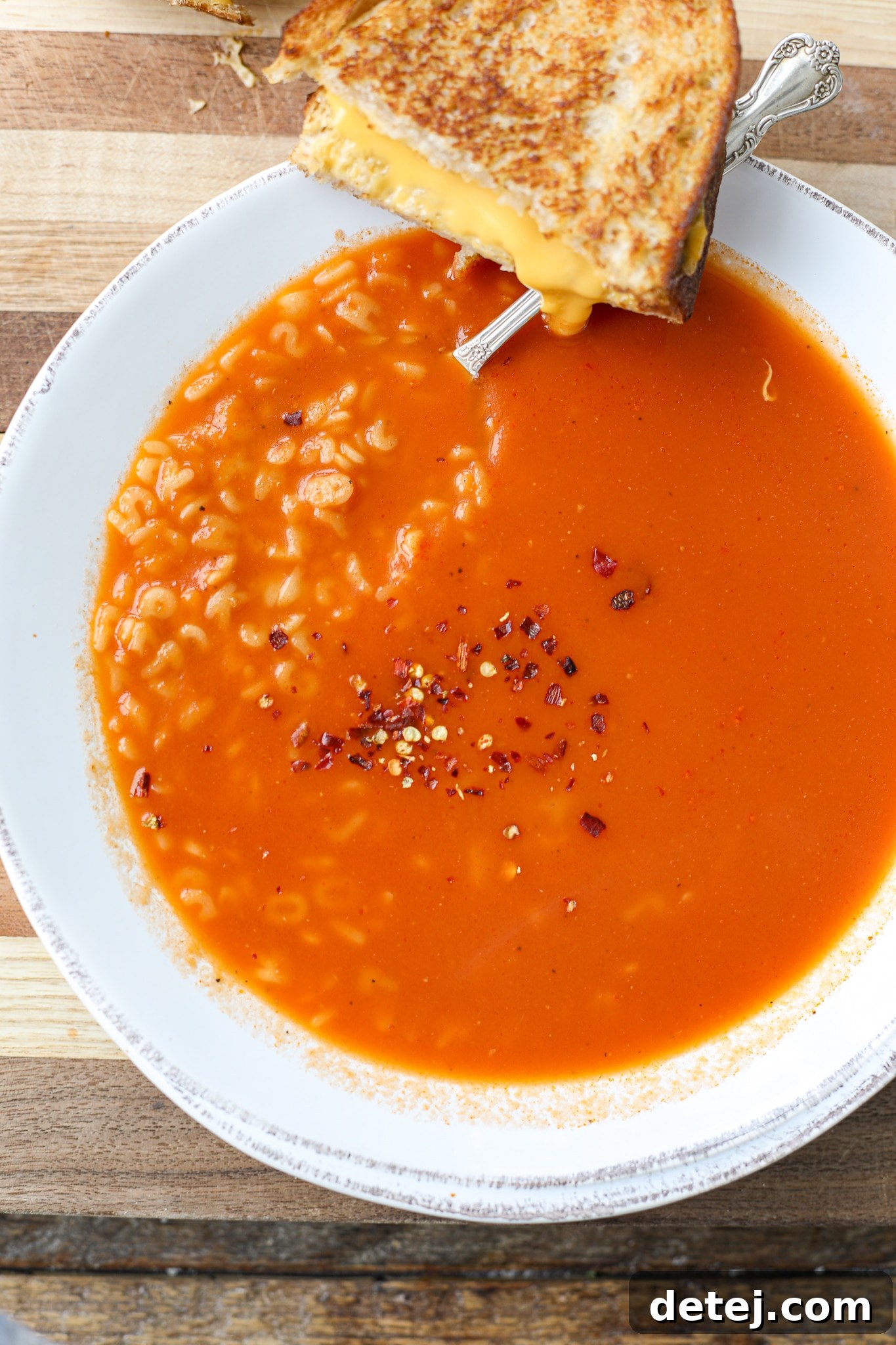
Welcome to the ultimate guide for crafting a truly exceptional alphabet soup recipe! This isn’t just any soup; it’s a heartwarming bowl of nostalgia, a quick and easy solution for busy weeknights, and a guaranteed family favorite that brings smiles to faces young and old. With just a handful of simple, high-quality ingredients, you can whip up a comforting meal that’s both delicious and surprisingly satisfying. Whether you pair it with a classic grilled cheese sandwich, a slice of crusty artisan bread, or enjoy it on its own, this homemade alphabet soup promises to be a delightful culinary experience you’ll want to revisit again and again.
For many, alphabet soup evokes cherished memories of childhood, perhaps from a grandparent’s kitchen. I distinctly remember my grandmother’s special touch when making this soup. She believed in a little secret ingredient – or rather, a secret technique – that elevated her alphabet soup above all others. Before adding the tiny pasta letters to the simmering broth, she would gently sauté them in a pan until they achieved a beautiful, light golden-brown hue. “Frying the pasta first adds a depth of flavor and a lovely texture,” she’d always say, and she was absolutely right. This simple step infuses the pasta with a subtle nutty undertone and prevents it from becoming mushy, ensuring each letter retains its perfect bite. While you could certainly boil the pasta separately and add it cooked, I wholeheartedly recommend trying my grandmother’s method; it truly makes all the difference and transforms a simple soup into something extraordinary.
Beyond its nostalgic appeal, homemade alphabet soup offers incredible versatility. It’s a blank canvas ready to embrace your favorite additions, from tender vegetables to lean proteins, making it a wholesome and customizable meal. This recipe focuses on creating a rich, flavorful broth as its base, ensuring that every spoonful is packed with a comforting, savory taste. It’s perfect for a chilly evening, a quick lunch, or when you need a gentle, nourishing meal. Let’s dive into the details of how to create this beloved classic, filled with flavor, simplicity, and a touch of grandma’s wisdom.
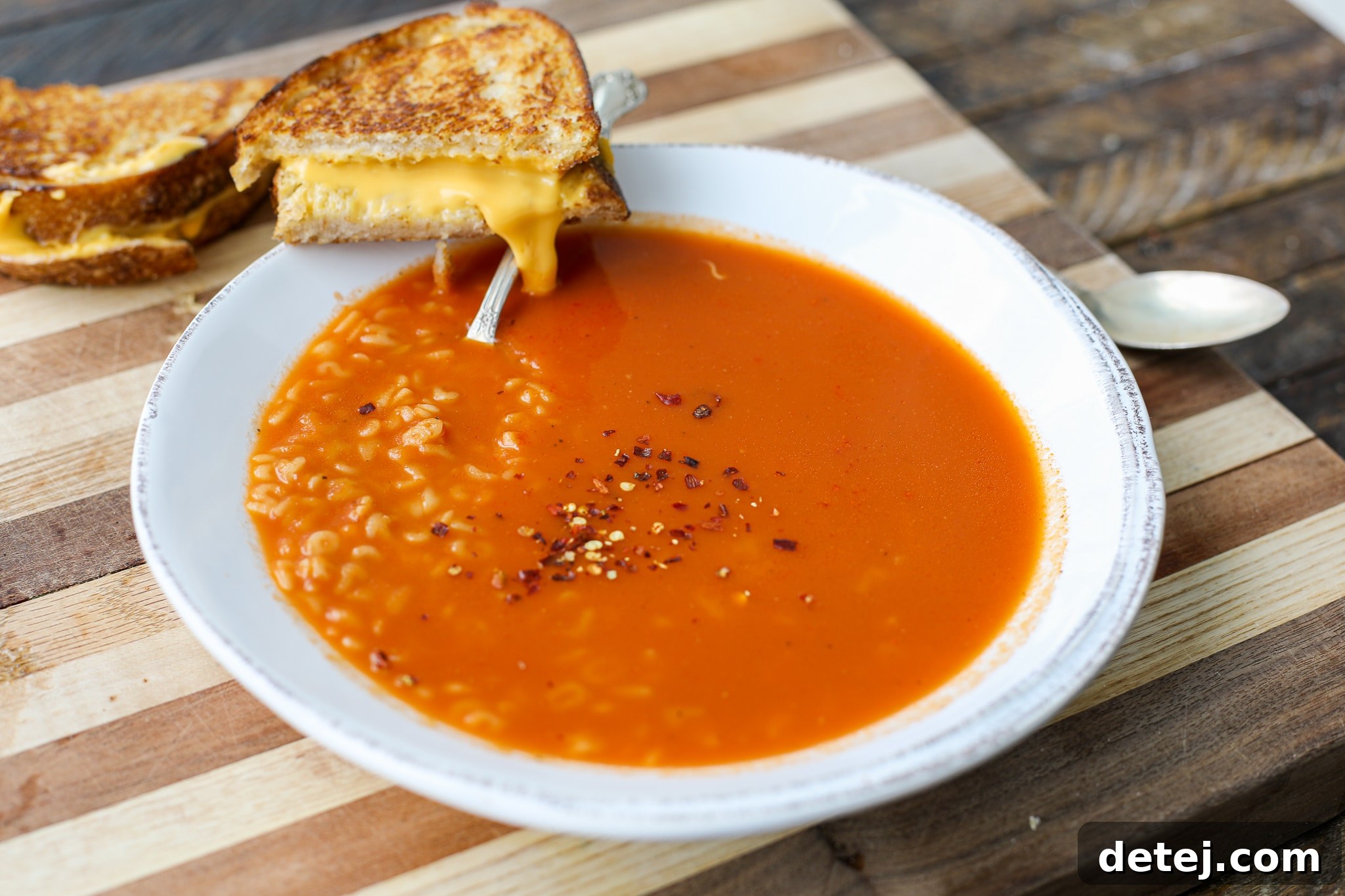
Recipe Ingredients: Crafting the Perfect Broth
Creating a truly flavorful alphabet soup begins with selecting the right ingredients. Each component plays a vital role in building the soup’s robust taste profile, from the rich aromatics to the hearty broth. Here’s a detailed look at what you’ll need and why each element is crucial for achieving the best results in your homemade alphabet soup.
- Olive Oil: The foundation of our flavor building. High-quality extra virgin olive oil is preferred for sautéing, as it imparts a wonderful richness and serves as the perfect medium for cooking our aromatics. It helps to develop the initial layers of flavor that will permeate the entire soup.
- Aromatics (Diced Onion & Minced Garlic): These are the backbone of almost any delicious soup. Diced onion provides a sweet, savory base when caramelized, while minced garlic adds a pungent depth and warmth. Together, they create an aromatic foundation that makes the broth incredibly inviting. Don’t rush this step; properly sautéing these until translucent and slightly browned is key to unlocking their full flavor potential.
- High-Quality Whole Peeled Tomatoes: The secret to a rich, vibrant tomato base. Using whole peeled tomatoes, especially premium varieties like San Marzano, ensures a naturally sweet and less acidic tomato flavor. When blended, they create a smooth, luscious texture for the broth. Avoid using diced or crushed tomatoes if possible, as whole peeled tomatoes often offer superior flavor and texture when pureed from scratch.
- Seasoning (Kosher Salt & Cracked Black Pepper): These essential seasonings enhance and balance all the other flavors in the soup. Kosher salt provides a clean, pure saltiness, while freshly cracked black pepper adds a subtle spice and aromatic kick. Remember to season in layers, tasting as you go, to achieve perfect balance.
- Broth (Chicken Bone Broth or Chicken Broth): The liquid heart of your soup. Chicken bone broth is an excellent choice for added protein, collagen, and a deeper, more nourishing flavor profile, contributing to a truly “healthyish” meal. If bone broth isn’t available, a good quality regular chicken broth will work beautifully, offering a savory base for the pasta and vegetables. For a vegetarian option, a rich vegetable broth can be easily substituted.
- Water: Used to adjust the consistency of the soup and ensure it’s not overly concentrated. It helps to thin the broth to the perfect slurping consistency and allows the flavors to meld without becoming too intense.
- Alphabet-Shaped Pasta: The star of the show! These small, fun pasta shapes are what give alphabet soup its iconic name and playful character. Their size is ideal for soup, cooking quickly and being easy to eat. Ensure you have enough for a hearty bowl, keeping in mind our special frying technique for enhanced flavor and texture.
By focusing on these foundational ingredients and understanding their contributions, you’ll be well on your way to creating an alphabet soup that’s not only comforting but also incredibly delicious and deeply satisfying.
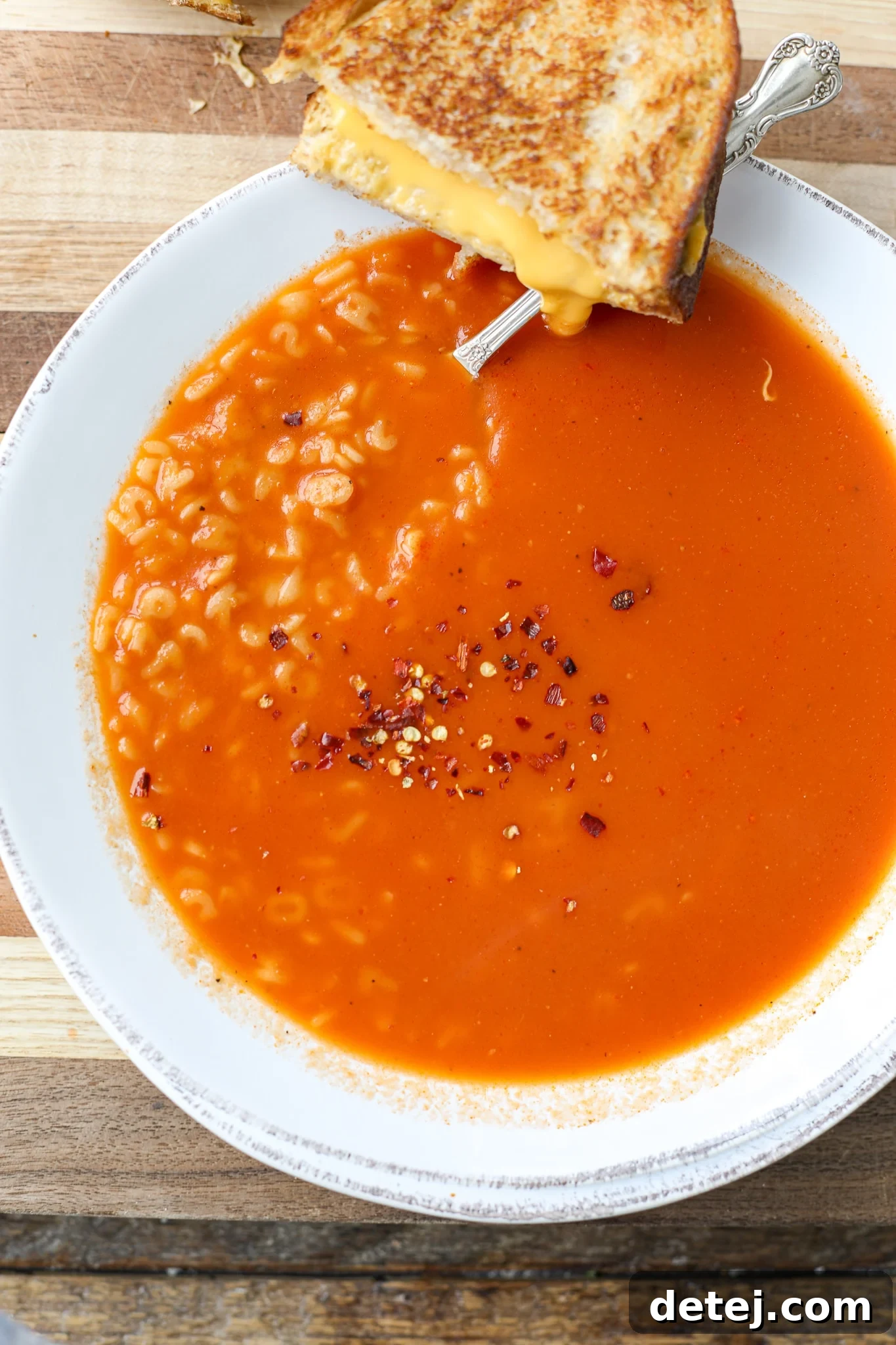
How to Make Alphabet Soup: Step-by-Step Guide
Creating this delicious and comforting alphabet soup is a straightforward process, but paying attention to a few key steps will elevate your results. Follow these instructions carefully to achieve a rich, flavorful broth and perfectly cooked pasta, just like grandma used to make.
- Prepare the Aromatic Base: Begin by taking a sturdy Dutch oven or a large, heavy-bottomed soup pot. Place it over medium heat and add 1 tablespoon of olive oil. Once the oil shimmers, add the diced onion and minced garlic. Sauté these aromatics gently, stirring occasionally, until they become translucent, softened, and just begin to turn a light golden brown. This caramelization process is essential as it coaxes out the natural sweetness and deep, savory flavors from the onion and garlic, forming the foundational layer of your soup’s taste.
- Build the Tomato Broth: Next, carefully pour in the can of whole peeled tomatoes along with their juice. Use a spoon or potato masher to break up the whole tomatoes as they heat, or simply allow them to warm through. Stir everything together well, ensuring the tomatoes combine with the sautéed aromatics. Season generously with kosher salt and freshly cracked black pepper at this stage. Allow the mixture to simmer gently for about 5-7 minutes, giving the flavors a chance to meld.
- Create a Smooth Puree: Once the tomato mixture is heated through and slightly reduced, carefully transfer it to a food processor or a high-speed blender. Process until the mixture is completely smooth, with no noticeable lumps. This step ensures a velvety texture for your soup’s base. Once pureed, pour the smooth tomato base back into your Dutch oven. Add the chicken bone broth (or regular chicken broth) and water. Stir everything thoroughly to combine. Bring the soup to a gentle simmer over medium heat, stirring occasionally to prevent sticking. Let it simmer uncovered for at least 15-20 minutes, allowing the flavors to deepen and marry beautifully.
- The Grandma’s Secret – Frying the Pasta: This is the game-changing step! While your soup base is simmering, grab a separate non-stick skillet. Add the remaining 1 tablespoon of olive oil and place it over medium heat. Once the oil is hot, add the entire package of dry alphabet pasta to the skillet. Sauté the pasta for approximately 2-3 minutes, stirring frequently and vigorously. You’ll notice the pasta starting to change color, turning a light golden brown and developing a slightly toasted aroma. This frying step not only adds a wonderfully nutty flavor but also helps the pasta hold its shape better in the soup, preventing it from becoming overly soft or mushy.
- Combine and Finish: Once your alphabet pasta is beautifully golden brown, immediately add it directly to the hot, simmering soup in the Dutch oven. Stir well to ensure the pasta is fully submerged in the broth. Continue to cook, stirring occasionally, until the pasta is tender to your liking – typically another 8-10 minutes, depending on the pasta’s thickness. As the pasta cooks, it will absorb some of the liquid, and the soup might thicken. Taste the soup and adjust the seasoning with more salt and pepper if needed. If the soup becomes too thick for your preference, simply add a splash more broth or water until you reach your desired consistency. Serve hot and enjoy every comforting spoonful!
Customizing Your Alphabet Soup: Tips & Variations
While classic alphabet soup is undeniably delicious on its own, its simple base makes it incredibly adaptable to various tastes and dietary needs. Here are some ideas to customize your bowl and make it truly your own:
- Add Vegetables: Boost the nutritional value and texture by incorporating finely diced vegetables. Carrots, celery, and peas are classic additions that can be added along with the onion and garlic to sauté, or frozen peas can be stirred in during the last few minutes of cooking. Spinach or kale can be wilted into the hot soup just before serving, providing a fresh, leafy green element.
- Boost with Protein: For a heartier meal, consider adding cooked protein. Shredded cooked chicken (rotisserie chicken works perfectly) can be stirred in at the end to warm through. Small meatballs (beef or turkey), kidney beans, or cannellini beans are also excellent choices for adding substance and protein. Add beans during the simmering phase of the broth, and pre-cooked meatballs can be added with the pasta.
- Spice It Up: If you enjoy a bit of heat, a pinch of red pepper flakes added with the aromatics will introduce a subtle warmth. A dash of smoked paprika can add a deeper, earthier flavor.
- Cheesy Indulgence: Stir in a handful of grated Parmesan cheese or a dollop of cream cheese at the very end for an extra creamy and savory finish. Serve with extra grated cheese on top for a decadent touch.
- Herbal Freshness: Fresh herbs can brighten up the entire dish. Stir in chopped fresh parsley, basil, or chives just before serving. Their vibrant flavors and colors add a delightful finish.
- Make it Vegetarian/Vegan: Easily convert this recipe by substituting chicken broth with a high-quality vegetable broth. Ensure all other ingredients are plant-based. You can add extra vegetables and beans for a robust vegetarian option.
- Different Pasta Shapes: While alphabet pasta is traditional, feel free to use other small pasta shapes like ditalini, small shells, or orzo if you prefer or if alphabet pasta isn’t available. The frying technique works well with any small pasta.
Don’t be afraid to experiment with these suggestions to find your perfect alphabet soup combination. It’s a forgiving recipe that welcomes your personal touch!
Storage Tips for Leftover Soup
One of the best things about homemade soup is that it often tastes even better the next day! Proper storage is key to enjoying your alphabet soup leftovers safely and deliciously. Here’s how to handle any extra servings:
- Refrigeration: Allow the soup to cool completely before transferring it to an airtight container. This is important to prevent bacteria growth and maintain food safety. Once cooled, store the soup in the refrigerator for up to three to four days. The pasta may continue to absorb liquid and soften over time, but the flavor will remain excellent.
- Freezing: Alphabet soup freezes beautifully, making it an excellent option for meal prep. Once completely cooled, pour the soup into freezer-safe containers or heavy-duty freezer bags. Leave a little headspace for expansion if using containers. Label with the date. Frozen alphabet soup can be stored for up to 2-3 months. For best results when freezing, you might consider cooking the pasta separately and adding it fresh when reheating the thawed broth, as pasta can become very soft after freezing and thawing. However, if convenience is key, freezing it all together works fine.
- Reheating: To reheat, simply transfer the desired portion to a saucepan and warm over medium-low heat on the stovetop, stirring occasionally, until heated through. You can also reheat individual servings in the microwave, using short intervals and stirring between each to ensure even heating. If the soup has thickened too much during storage, add a splash of extra broth or water to reach your preferred consistency. Taste and adjust seasoning as needed before serving.
These simple storage tips ensure you can enjoy the comforting flavors of your homemade alphabet soup for days or even weeks to come!
Frequently Asked Questions About Alphabet Soup
Here are some common questions about making and enjoying homemade alphabet soup, with helpful answers to guide you:
Absolutely! This alphabet soup recipe is incredibly versatile. You can easily add a variety of vegetables like diced carrots, celery, zucchini, or spinach for extra nutrition and flavor. For added protein, consider stirring in shredded cooked chicken, small turkey meatballs, or even canned beans like cannellini or kidney beans. Add heartier vegetables with the aromatics, and delicate greens like spinach during the last few minutes of cooking.
Yes, you certainly can! While alphabet pasta is traditional and fun, any small, short-cut pasta will work well. Ditalini, small shells, orzo, or even mini elbow macaroni are excellent substitutes. The key is to use a pasta that is small enough to be easily eaten with a spoon and cooks relatively quickly in the broth. The frying technique described in the recipe will also enhance the flavor and texture of these other pasta shapes.
Yes, absolutely! To make this soup vegetarian or vegan, simply substitute the chicken bone broth (or chicken broth) with a high-quality vegetable broth. Ensure all other ingredients, such as olive oil and seasonings, are vegan-friendly. You can enhance the richness and protein content of the vegan version by adding extra vegetables like mushrooms, zucchini, or bell peppers, and incorporating plant-based proteins like lentils or chickpeas.
Alphabet soup is wonderfully comforting on its own, but it pairs beautifully with several side dishes. A classic grilled cheese sandwich is a quintessential accompaniment. You can also serve it with a fresh green salad, a slice of crusty bread or garlic bread for dipping, or even a simple sandwich. For a lighter meal, a side of fresh fruit can complement the savory soup nicely.
Frying the dry pasta in a little olive oil until lightly golden brown, a tip inherited from my grandmother, significantly enhances the soup. This technique toasts the pasta, giving it a subtle nutty flavor and a firmer texture that resists becoming mushy in the broth. It also helps the pasta absorb the soup’s flavors more effectively, leading to a more satisfying and robust culinary experience. It’s a simple step that makes a big difference!
Other Delicious Soup Recipes to Consider Trying
If you’ve enjoyed the comforting simplicity of this alphabet soup, you’ll be delighted by these other wholesome and flavorful soup recipes. Each offers a unique taste experience, perfect for any season or occasion:
- Easy Vegetable Soup: A vibrant and hearty soup packed with a colorful array of fresh vegetables, simmered in a light yet flavorful broth. It’s perfect for a healthy and satisfying meal, especially when you need to use up leftover produce.
- Garlic Ginger Soup: This aromatic and immune-boosting soup features the warming power of fresh garlic and ginger, creating a deeply fragrant and soothing broth. It’s an excellent choice when you’re feeling under the weather or simply crave a comforting, zesty bowl.
- Cabbage Soup with Orzo Pasta: A surprisingly delicious and nourishing soup that combines tender cabbage with delicate orzo pasta in a savory tomato-infused broth. It’s a light yet satisfying option that’s both flavorful and incredibly easy to make.
Explore these recipes to expand your soup-making repertoire and discover new family favorites!

Alphabet Soup
Sarah Thomas-Drawbaugh
6 servings
15 mins
30 mins
45 mins
This homemade alphabet soup is a perfect blend of comfort and ease, ideal for a quick, delicious, and family-friendly meal. Its simple yet rich flavors make it a beloved classic that warms the soul.
Pin Recipe
No ratings yet. Leave a Review »
Equipment
- 1 large soup pot or Dutch oven
- 1 nonstick skillet
- Food processor or blender (optional, for smoother broth)
Ingredients
- 7 ounces alphabet pasta (gently pan-fry before adding to the broth)
- 2 tablespoons olive oil, divided
- 1 medium sweet onion, diced (about 1 cup)
- 2 teaspoons garlic, minced (about 2 cloves)
- 14 ounces whole peeled tomatoes, with juice (Delallo Foods San Marzano recommended)
- 4 cups chicken bone broth (or quality chicken broth)
- 2 cups water
- Kosher salt, to taste
- Black pepper, to taste
Instructions
- Prepare Aromatics: In a Dutch oven or large soup pot, heat 1 tablespoon olive oil over medium heat. Add the diced onion and minced garlic. Sauté until translucent and lightly browned, about 5-7 minutes.
- Simmer Tomato Base: Add the can of whole peeled tomatoes with juice to the pot. Stir well, breaking up the tomatoes with a spoon. Season with kosher salt and black pepper. Simmer for 5-7 minutes.
- Puree Broth Base: Carefully transfer the tomato mixture to a food processor or blender and process until smooth. Pour the puree back into the Dutch oven. Add the chicken bone broth and water. Bring to a gentle simmer over medium heat, stirring occasionally, and cook for 15-20 minutes to allow flavors to meld.
- Fry Pasta: While the broth simmers, heat the remaining 1 tablespoon olive oil in a non-stick skillet over medium heat. Add the dry alphabet pasta and sauté for 2-3 minutes, stirring frequently, until lightly golden brown.
- Combine & Finish: Add the fried pasta directly to the simmering soup. Cook, stirring occasionally, until the pasta is tender, about 8-10 minutes. If the soup becomes too thick, add more broth or water until desired consistency is reached. Taste and adjust seasoning as needed. Serve hot and enjoy!
Notes
Store any leftover soup in an airtight container in the refrigerator for three to four days. Reheat gently in the microwave or on the stovetop until warmed through. Freezing is also an option for longer storage (up to 2-3 months).
Nutrition
Calories: 204 kcal,
Carbohydrates: 33 g,
Protein: 6 g,
Fat: 6 g,
Saturated Fat: 1 g,
Polyunsaturated Fat: 1 g,
Monounsaturated Fat: 4 g,
Cholesterol: 3 mg,
Sodium: 686 mg,
Potassium: 296 mg,
Fiber: 2 g,
Sugar: 6 g,
Vitamin A: 81 IU,
Vitamin C: 9 mg,
Calcium: 49 mg,
Iron: 1 mg