
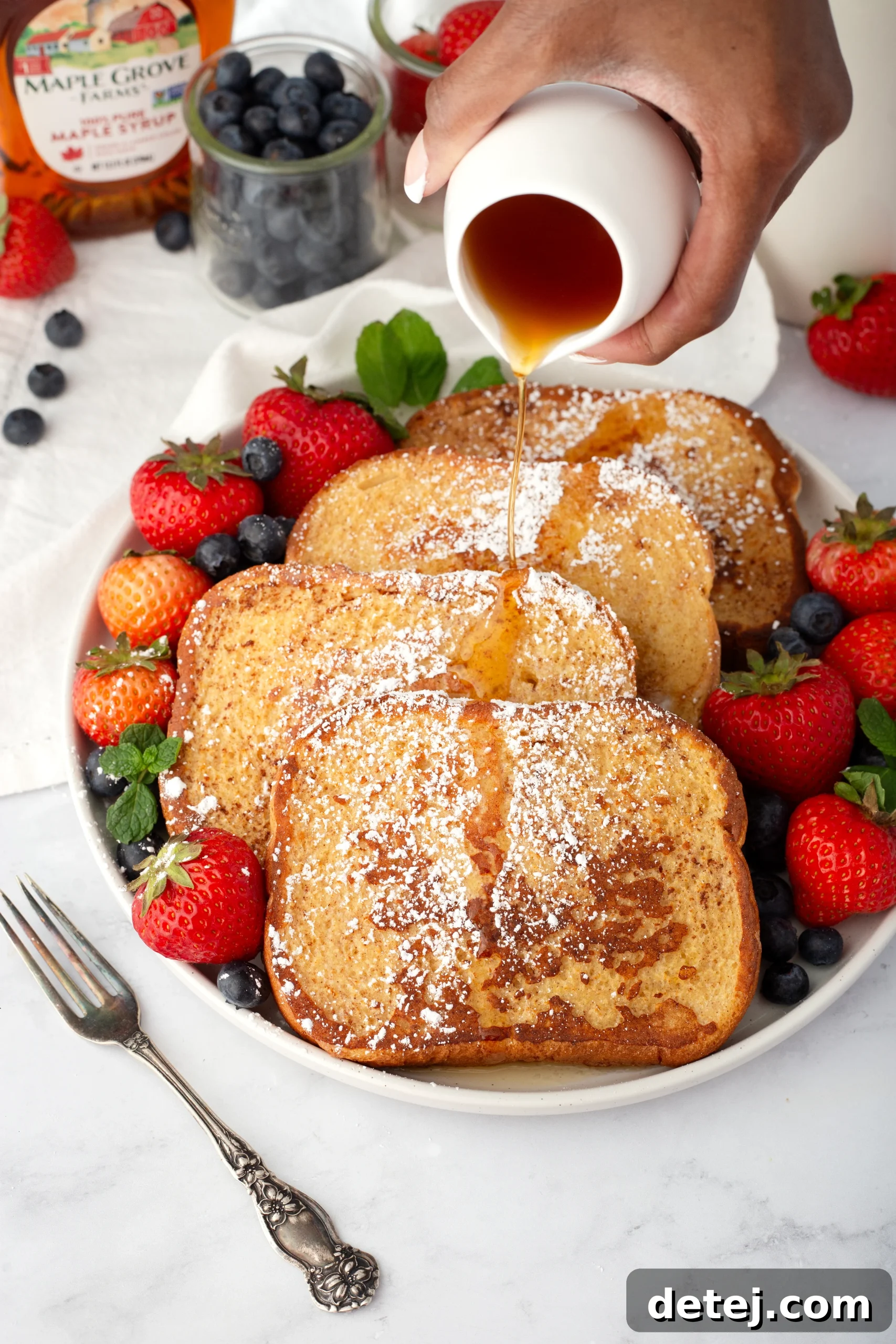
Revamp Your Breakfast Routine with Irresistible French Toast
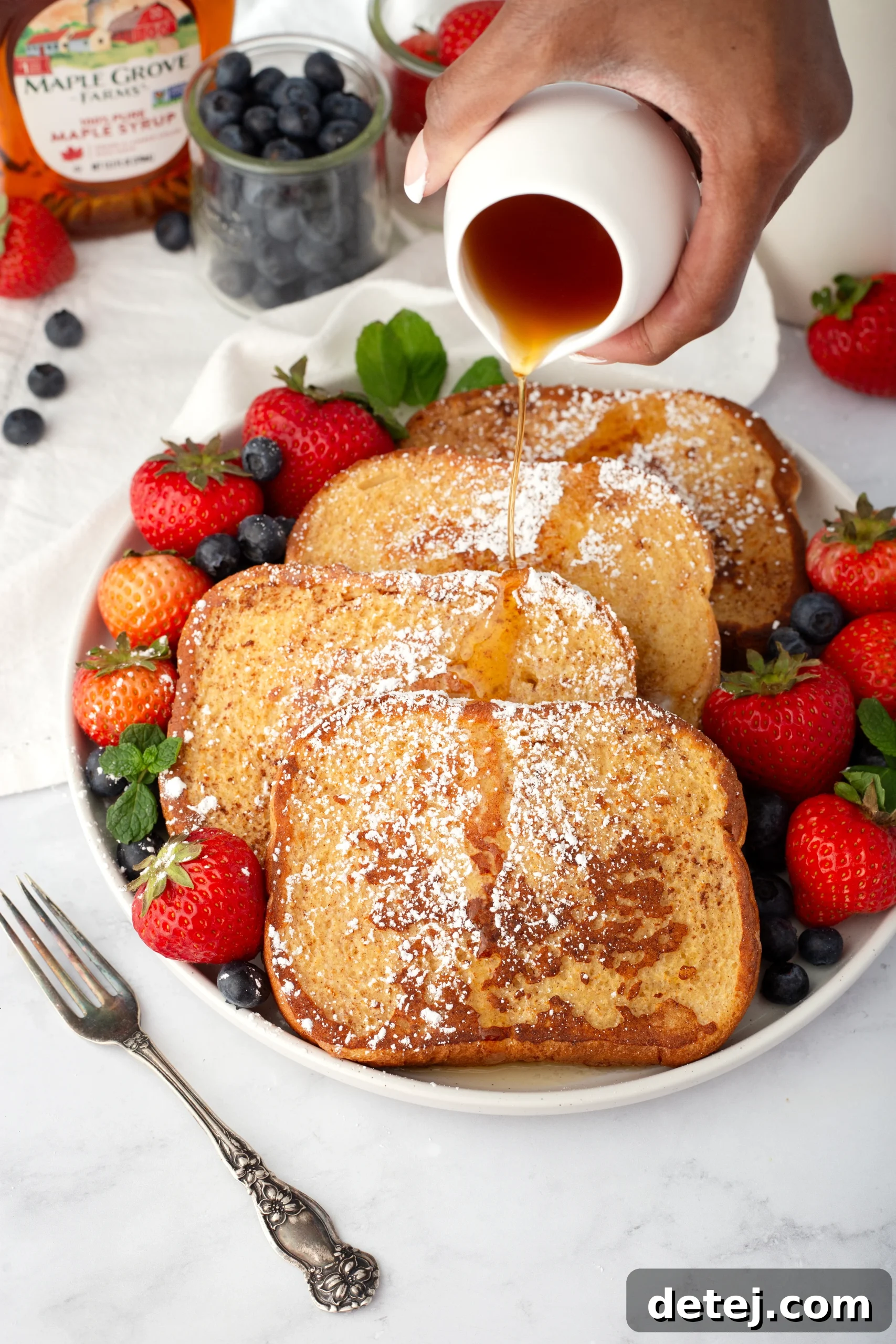
Are your mornings feeling a bit monotonous? Do you find yourself reaching for the same old cereal or oatmeal, wishing for something more exciting to kickstart your day? If your taste buds are yearning for a delightful change, prepare to embark on a culinary journey with the ultimate breakfast indulgence: irresistible French Toast. This isn’t just a meal; it’s an experience, transforming ordinary bread into a golden-brown masterpiece with a custardy interior and a perfectly crisp exterior. French Toast is a timeless classic for a reason – it’s incredibly versatile, satisfyingly sweet, and surprisingly easy to make. Whether you’re a breakfast aficionado eager to elevate your routine or a beginner looking to impress with a delicious homemade dish, this comprehensive guide will equip you with everything you need. We’ll cover the essential ingredients, walk you through step-by-step directions, unveil the secrets to achieving that coveted golden texture, and inspire you with a myriad of mouthwatering topping ideas. Say goodbye to dull mornings and embrace a breakfast revolution with every glorious slice of this beloved dish.
The Essential Ingredients for Truly Flavorful French Toast
Crafting the perfect French Toast begins with a thoughtful selection of ingredients. Each component plays a vital role in achieving that sought-after balance of rich flavor, tender texture, and satisfying golden crispness. Getting these basics right is the foundation for an extraordinary breakfast experience.
Choosing the Right Bread: The Foundation of Excellence. The cornerstone of exceptional French Toast is undoubtedly the bread. While everyday white bread can work in a pinch, elevating your choice makes a significant difference. For a truly luxurious result, consider thicker, denser varieties that can absorb the egg mixture without becoming soggy. Brioche, with its buttery richness, and challah, a slightly sweet and airy egg bread, are top contenders, offering an unparalleled soft, custardy interior. Texas Toast is another excellent option due to its thick slices, while even a day-old baguette or sourdough can introduce interesting textures and subtle tang. Day-old bread is often preferred because it’s slightly drier and can absorb the custard more effectively, preventing a watery final product.
The Custard Base: Eggs and Dairy for Richness. The heart of any French Toast recipe is its rich, creamy custard. Begin with fresh, high-quality eggs, whisked thoroughly until light and frothy. To this, add a splash of full-fat milk or heavy cream. Cream will yield a richer, more decadent French Toast, while milk offers a lighter alternative. For those with dietary restrictions or preferences, unsweetened almond milk, oat milk, or soy milk can be suitable substitutes, though they may alter the final texture slightly. The dairy component helps create that signature custardy center and balances the flavors.
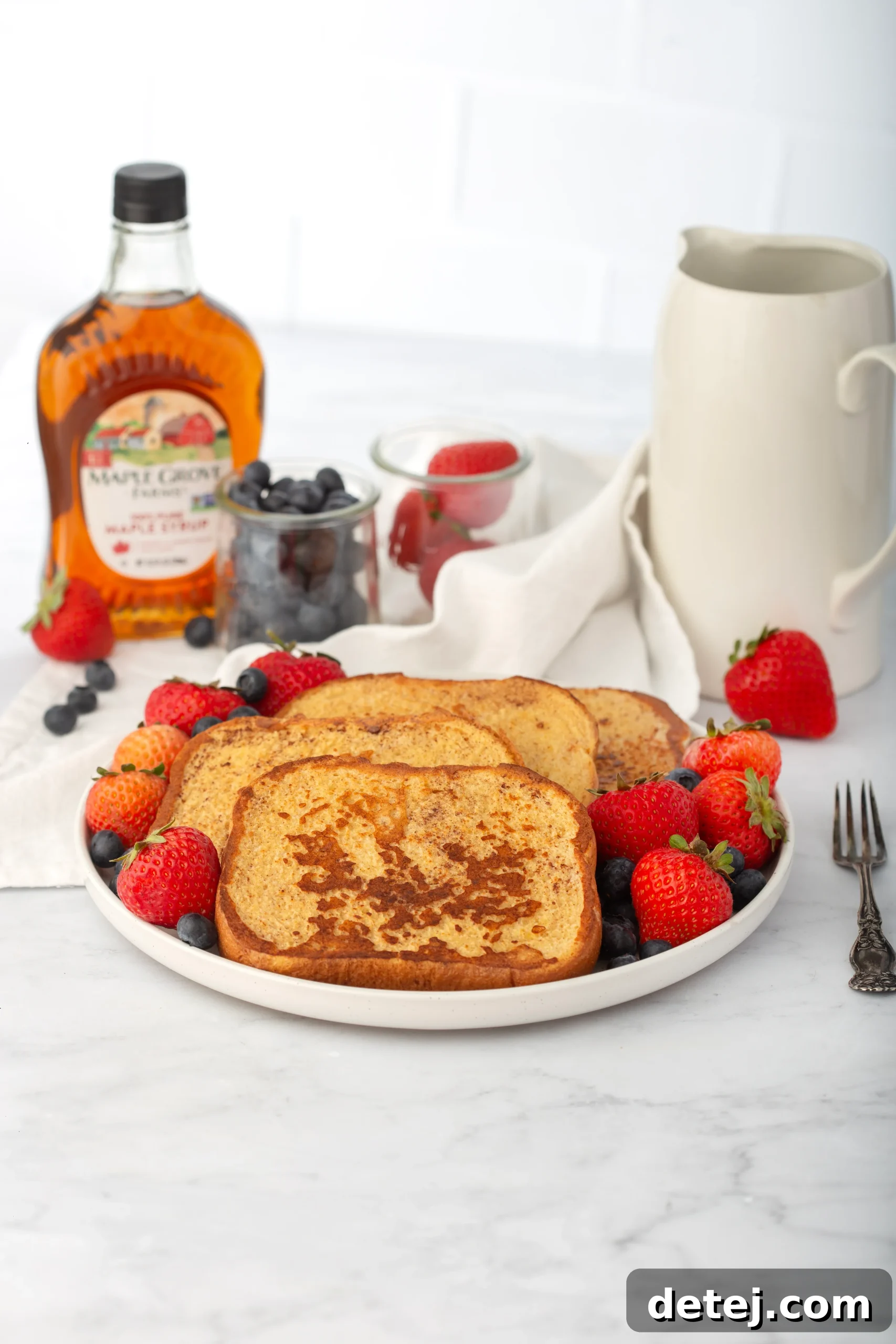
Sweeteners and Spices: The Soul of the Flavor. To infuse your French Toast with warmth and sweetness, vanilla extract is non-negotiable, lending a delightful aroma and deep flavor. Granulated sugar, a traditional choice, sweetens the batter, but don’t hesitate to experiment. A touch of brown sugar can add a hint of caramel, while a spoonful of honey or agave syrup offers natural alternatives. Beyond sweetness, spices are crucial. A generous pinch of ground cinnamon is classic, providing a comforting, aromatic note. Nutmeg, cardamom, or even a tiny dash of ginger can introduce layers of complexity, transforming a simple dish into something truly gourmet. Play with these spices to find your perfect flavor profile.
The Unsung Hero: Butter (or Oil) for Frying. Finally, the fat you use for cooking is essential for achieving that desirable golden-brown and slightly crispy exterior. Unsalted butter is often the preferred choice, imparting a rich, nutty flavor that complements the sweet custard. Ensure your pan is generously buttered before each batch. If you’re concerned about butter burning at higher temperatures, a combination of butter and a neutral cooking oil like canola or vegetable oil can provide the best of both worlds: flavor from the butter and a higher smoke point from the oil, ensuring even cooking and a beautiful finish.
Step-by-Step Directions for Perfectly Prepared French Toast
Achieving French Toast perfection is simpler than you might think, provided you follow a few key steps. This detailed guide will walk you through the process, ensuring every slice you make is golden, fluffy, and utterly delicious. Get ready to master this breakfast staple!
Step 1: Gather and Prepare Your Ingredients. Before you begin, lay out all your ingredients: your chosen bread (brioche or challah are highly recommended for their texture and flavor), fresh eggs, milk (or cream), vanilla extract, ground cinnamon, a pinch of salt, and butter or cooking oil for frying. Using slightly stale, day-old bread is ideal, as its drier texture allows it to absorb the custard more effectively without falling apart. Slice your bread into approximately ¾ to 1-inch thick pieces for the best results.
Step 2: Create the Flavorful Custard Mixture. In a shallow dish – a pie plate or a wide, shallow bowl works best for dipping – whisk together 4 large eggs, ½ cup of milk (or cream for extra richness), 1 tablespoon of vanilla extract, 1 tablespoon of sugar, and 1 teaspoon of ground cinnamon. Add a small pinch of salt, which helps to enhance all the other flavors. Whisk thoroughly until the mixture is completely combined and no streaks of egg yolk or white remain. This ensures an even coating and consistent flavor for every slice.
Step 3: Prepare Your Pan. Place a non-stick skillet or a flat griddle over medium heat. Allow it to heat up gradually. Once warm, add a generous pat of butter (about ½ to 1 tablespoon, depending on the pan size). Let the butter melt and spread evenly across the cooking surface. The butter should sizzle gently but not smoke, indicating the perfect temperature for frying. If using oil, add enough to lightly coat the bottom of the pan.
Step 4: Dip the Bread. This is a crucial step. Take one slice of bread and gently immerse it into the egg mixture. Allow it to soak for about 10-15 seconds per side. The exact soaking time will depend on the type and freshness of your bread. Thicker, denser, or day-old bread can soak longer (up to 20-30 seconds per side), while thinner or very fresh bread needs less time to avoid becoming oversaturated and soggy. The goal is for the bread to absorb enough liquid to become moist and custardy inside, but not so much that it’s dripping wet. Lift the slice and let any excess batter drip off before transferring it to the hot pan.
Step 5: Cook to Golden Perfection. Carefully place the soaked bread slice onto the heated skillet. Avoid overcrowding the pan; cook 1-3 slices at a time, depending on your pan’s size, to ensure even cooking and heat distribution. Cook for approximately 2-4 minutes on each side. The French Toast should develop a beautiful golden-brown crust and appear cooked through. The internal temperature, if checked, should be around 160°F (71°C), ensuring the egg is fully cooked. Use a spatula to gently lift and check the underside before flipping. If it’s browning too quickly, reduce the heat slightly.
Step 6: Keep Warm and Serve. As each batch of French Toast finishes cooking, transfer the slices to a warm plate. To keep them warm while you cook the remaining slices, cover the plate loosely with aluminum foil or a clean kitchen towel. Alternatively, you can place the cooked French Toast on a wire rack set on a baking sheet in a preheated oven set to a low temperature (around 200°F or 95°C). This will keep them warm and prevent them from getting soggy. Once all slices are cooked, serve immediately with your favorite toppings.
Mastering the Golden Brown and Crispy Texture for Flawless French Toast
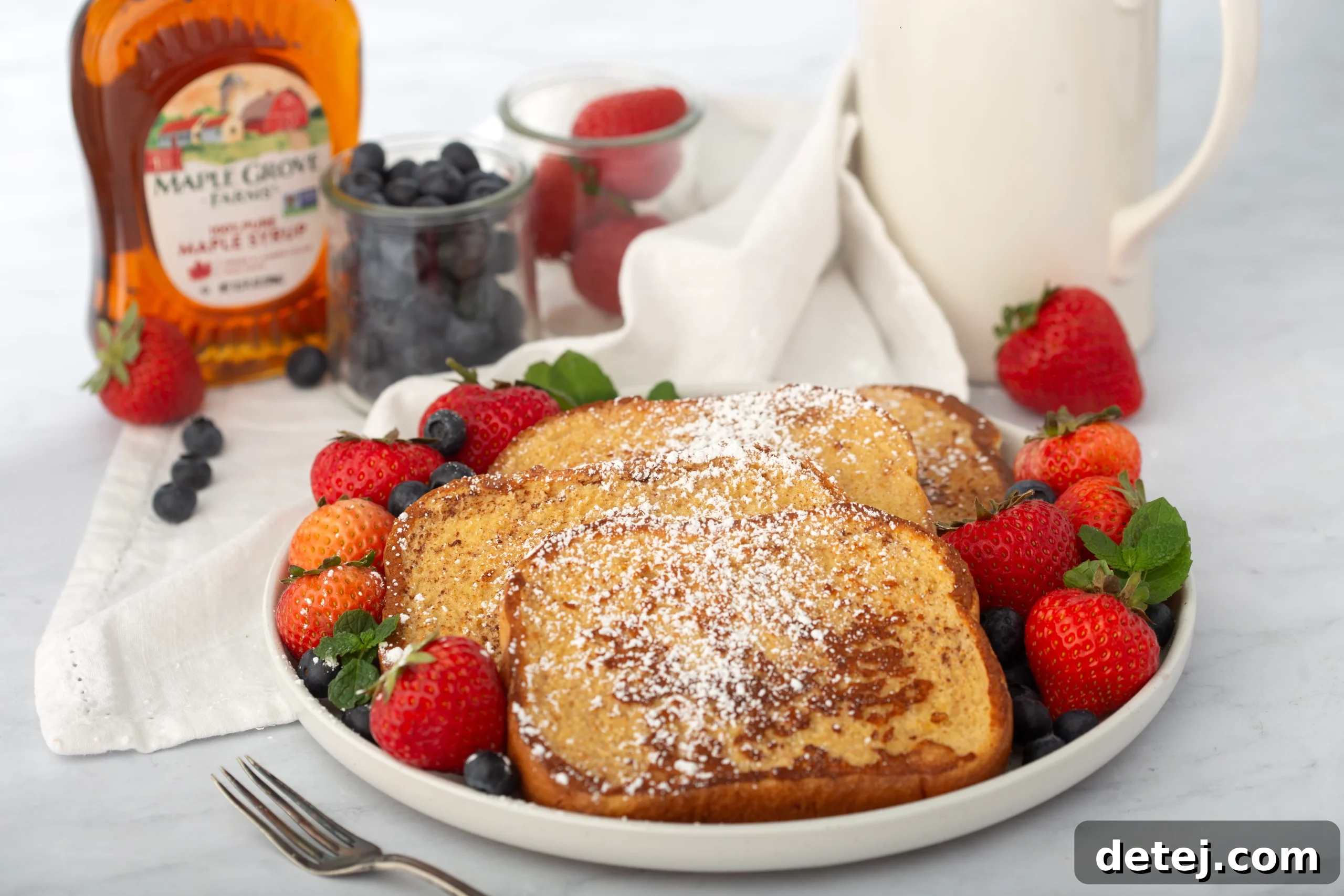
The hallmark of truly exceptional French Toast is its texture: a perfectly golden, slightly crispy exterior giving way to a soft, custardy interior. Achieving this balance requires attention to a few critical details that can elevate your breakfast from good to gourmet. Forget soggy or burnt – let’s unlock the secrets to textural perfection.
The Bread Choice Revisited: Structure for Success. As previously mentioned, the type of bread is paramount. A sturdy bread like brioche, challah, or Texas toast provides the necessary structure to absorb the custard without disintegrating. These breads have a tighter crumb and higher fat content (in the case of brioche and challah), which contributes to a richer flavor and helps maintain their integrity during the soaking and cooking process. Avoid thin, airy sandwich bread, as it tends to become mushy. If your bread is too fresh, lightly toast it or leave it out overnight to dry slightly; this enhances its absorption capabilities.
Batter Consistency: The Golden Ratio. Your custard mixture needs to be just right. It should be thin enough to be absorbed by the bread, but not so watery that it runs off immediately or makes the bread overly saturated. The ratio of eggs to milk/cream is key. Too many eggs can result in an overly dense, egg-forward flavor, while too much milk can lead to a soggy texture. A good starting point is 2 eggs per ½ cup of dairy for about 4 slices of thick bread, ensuring a luscious, well-balanced custard.
The Art of Soaking: Patience is a Virtue. Over-soaking or under-soaking can both lead to undesirable textures. Under-soaked bread will be dry in the middle, while over-soaked bread will be wet, heavy, and difficult to flip without tearing. Aim for an even saturation, allowing the bread to drink in the liquid without becoming waterlogged. Test a small corner with your finger; it should feel moist but still hold its shape. Thicker slices naturally require a longer soak.
Heat Management and Fat for Frying: The Browning Power Duo. This is where the magic happens. A medium heat setting is ideal. Too low, and the bread will absorb too much fat and become greasy and soggy, without developing a crisp crust. Too high, and the outside will burn before the inside is cooked through. Maintain a consistent medium heat, adjusting as needed. The type and amount of fat also contribute significantly. Using butter not only adds flavor but also helps in achieving that beautiful golden-brown color due to its milk solids. A drizzle of neutral oil alongside the butter can help prevent the butter from burning and provide a more even sear, contributing to the desired crispy exterior. Don’t be shy with the fat – enough to lightly coat the pan for each batch is crucial. The fat facilitates the Maillard reaction, the chemical process responsible for that irresistible browning and complex flavors.
Don’t Overcrowd the Pan. Cooking too many slices at once will lower the pan’s temperature, leading to uneven cooking and a less crispy result. Give each slice ample space to breathe and brown properly. This also makes flipping easier and prevents steam from building up, which can hinder crispness. By meticulously following these guidelines, you’ll consistently produce French Toast that boasts a delightful symphony of textures – wonderfully crisp on the outside, and incredibly soft and flavorful on the inside. Now that you’ve mastered the golden brown and crispy texture, it’s time to explore the delicious world of French Toast toppings.
Tools For This Recipe
Buy Now →
Buy Now →
Buy Now →
Top it Off: Exploring Delicious French Toast Toppings
One of the most exciting aspects of French Toast is its incredible versatility when it comes to toppings. A blank canvas of golden goodness, it invites endless creativity, allowing you to tailor your breakfast to any craving. Whether you desire something classically sweet, refreshingly fruity, or even surprisingly savory, the right topping can transform your French Toast into a culinary masterpiece. Let’s explore a world of delicious possibilities.
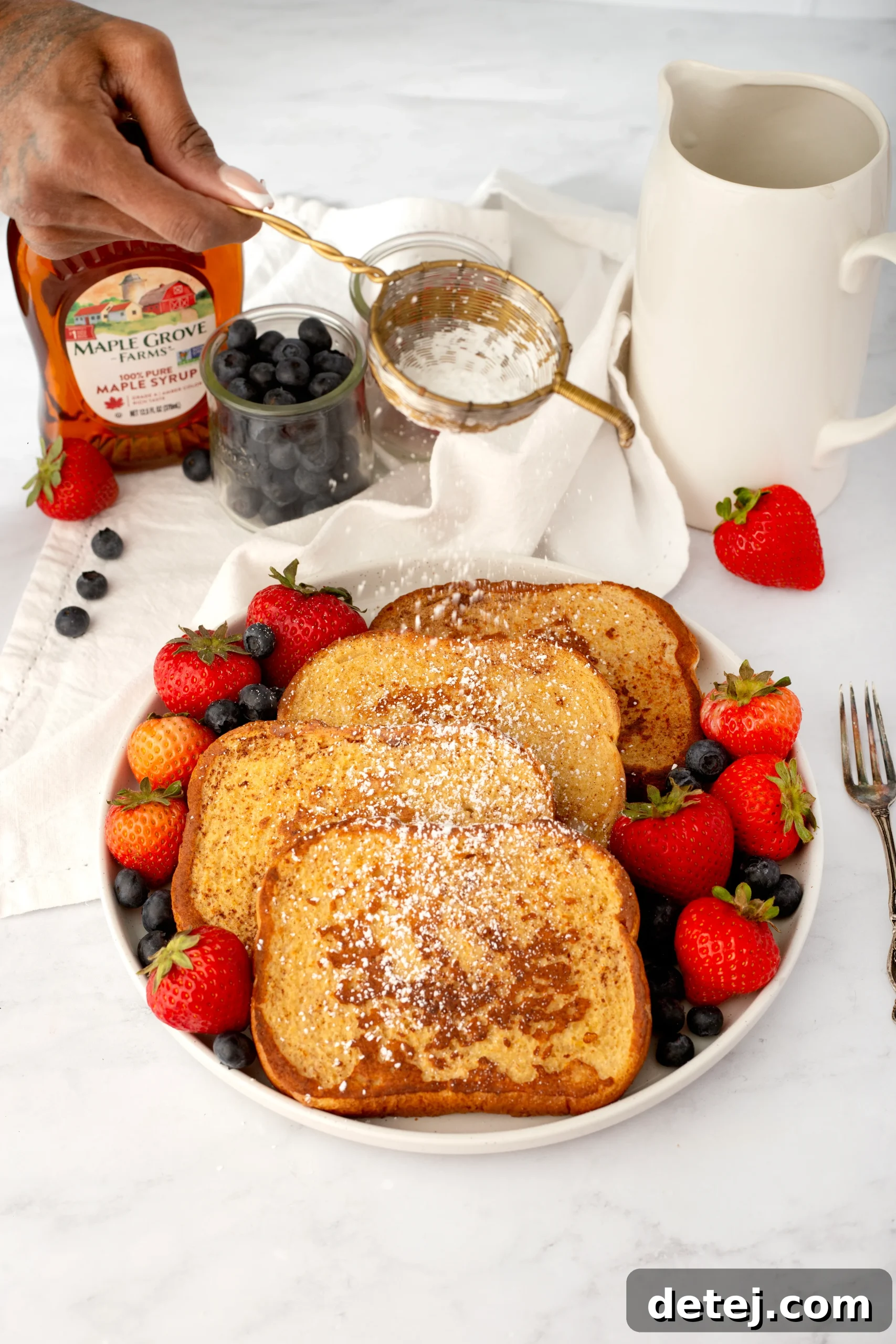
Classic Sweet Indulgences. For the traditionalist, nothing quite beats a generous drizzle of warm, pure maple syrup. Its rich, earthy sweetness is the quintessential companion to buttery French Toast. Consider investing in good quality, Grade A amber or dark maple syrup for the best flavor. A dusting of powdered sugar (confectioners’ sugar) not only adds a delicate sweetness but also creates a beautiful, elegant finish. For a deeper flavor, a spoonful of honey or a swirl of caramel sauce can also provide a wonderful sweet kick.
Fresh and Fruity Enhancements. To add a burst of freshness and vibrant color, fresh fruit is an excellent choice. A medley of seasonal berries – strawberries, blueberries, raspberries, and blackberries – offers a delightful tartness that cuts through the richness of the French Toast. Sliced bananas, especially slightly caramelized ones, add a creamy sweetness, while peaches or apricots provide a juicy, summery touch. Don’t forget about homemade fruit compotes (like apple cinnamon or mixed berry) or fruit sauces, which can introduce a warm, stewed fruit flavor and beautiful texture.
Decadent and Dreamy Delights. Ready to truly indulge? A dollop of freshly whipped cream or a scoop of vanilla bean ice cream melting over warm French Toast creates an unforgettable dessert-for-breakfast experience. For chocolate lovers, a drizzle of chocolate sauce, a spread of Nutella, or even a sprinkle of chocolate chips can satisfy that sweet craving. A sprinkle of chopped nuts like pecans, walnuts, or almonds adds a pleasant crunch and nutty flavor, while toasted coconut flakes can transport your taste buds to a tropical paradise.
Adventurous Savory Twists. While French Toast is primarily known as a sweet dish, a savory approach can be surprisingly delicious and satisfying for the more adventurous palate. Pair your French Toast with crispy bacon or breakfast sausage for a delightful sweet-and-savory contrast. A fried egg, runny yolk intact, can create an incredible sauce for the toast, offering a truly unique breakfast experience. Some even enjoy a sprinkle of fresh herbs like chives or a dash of hot sauce to add an unexpected kick.
The possibilities are truly endless, limited only by your imagination. Feel free to mix and match, create your own signature combinations, and experiment with textures and flavors. With such a vast array of delicious French Toast toppings, every breakfast can be a new and exciting culinary adventure. So grab your spatula, unleash your creativity, and transform your mornings!
French toast: where simplicity meets sweet delight, a symphony of flavor in every fluffy bite.
Krystel’s Cooking
In conclusion, incorporating this irresistible French Toast recipe into your breakfast routine offers an incredible opportunity to transform your mornings from mundane to magnificent. By carefully selecting your ingredients – from the ideal bread to the perfect blend of spices – and diligently following our step-by-step process, you can consistently achieve that coveted golden-brown, crispy exterior and delightfully custardy interior that makes French Toast truly unforgettable. But don’t let your culinary journey end there; embrace the versatility of this classic dish by getting creative with a dazzling array of tantalizing toppings. Whether you prefer the classic sweetness of maple syrup and fresh berries, the decadent richness of whipped cream, or even a bold savory twist, French Toast provides a canvas for endless personalization. So, seize the opportunity to savor a truly decadent experience every morning, starting your day with a burst of flavor that will leave you eager for more. This isn’t just breakfast; it’s a celebration of simple pleasures and exquisite tastes, waiting to be discovered in your own kitchen.
Classic French Toast
Pin
Rate
Ingredients
- 8 slices Brioche bread, you can also use Texas Toast
- 1/2 cup milk
- 4 eggs
- 1 tablespoon vanilla extract
- 1 tablespoon sugar
- 1 teaspoon cinnamon
- butter or cooking oil, for frying
Instructions
-
In a mixing bowl, whisk together the eggs, milk, sugar, vanilla extract, and ground cinnamon until well combined. This creates the flavorful custard mixture for your French toast.
-
Heat a non-stick skillet or frying pan over medium-high heat. Add a small amount of butter or cooking oil to coat the bottom of the pan.
-
Dip one slice of bread into the egg mixture, making sure to coat both sides evenly. Allow any excess mixture to drip back into the bowl.
-
Place the coated bread slice onto the hot skillet. Cook for about 2-3 minutes on each side, or until it turns golden brown and slightly crispy.
-
Repeat the dipping and cooking process for the remaining slices of bread, adding more butter or oil to the pan as needed.
-
Remove the French toast slices from the skillet and place them on a plate.
-
Serve your delicious French toast warm, topped with your favorite toppings such as maple syrup, powdered sugar, fresh fruit, or a dollop of whipped cream.