
Crafting the Ultimate Greek Salad: A Journey to the Heart of the Mediterranean
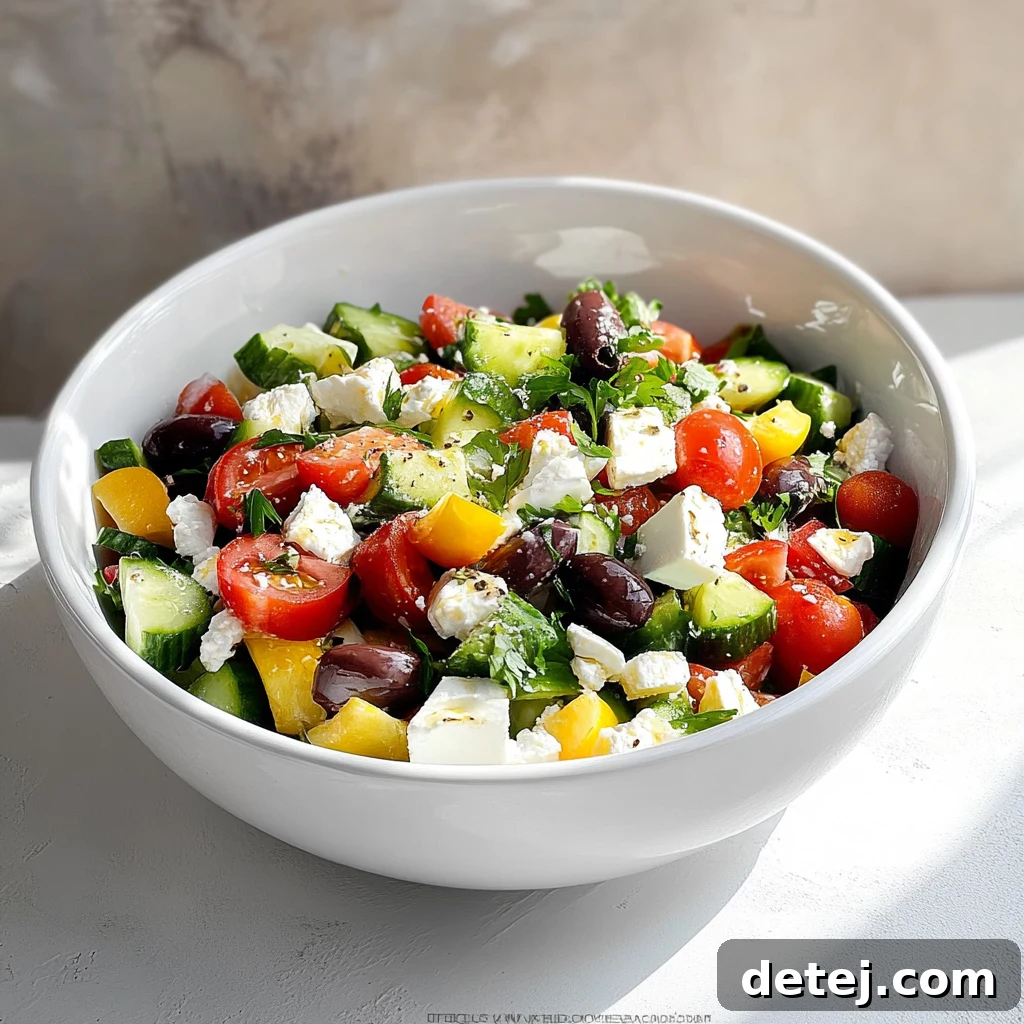
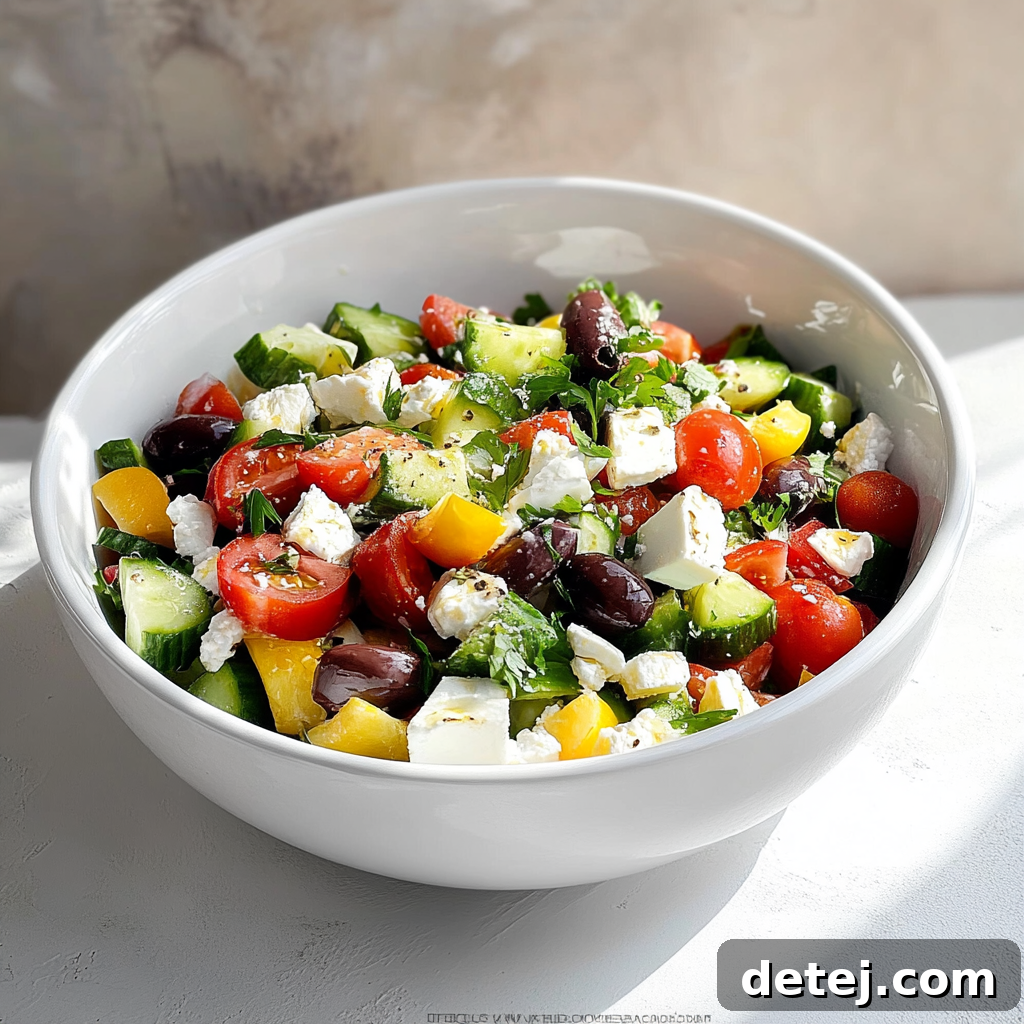
From a young age, my passion for cooking and an insatiable curiosity for diverse flavors led me on many culinary adventures. It wasn’t long before I discovered the vibrant, sun-kissed world of Greek cuisine. Among its many treasures, the Greek salad, affectionately known as Horiatiki, captivated me with its undeniable charm and refreshing simplicity. This wasn’t just any salad; it was a symphony of crisp cucumbers, ripe, juicy tomatoes, sharp red onion, vibrant green bell pepper, the distinct briny punch of Kalamata olives, and generous chunks of tangy authentic Greek feta cheese. What began as a simple kitchen experiment quickly evolved into a profound appreciation for the fresh, wholesome ingredients that define Mediterranean cooking. Each delightful bite transports you straight to the sun-drenched shores of Greece, embodying the very essence of traditional Greek flavors. It’s a perfect blend of fresh veggies, thoughtfully combined and lovingly tossed in a homemade Greek salad dressing, typically a simple yet potent mix of robust extra virgin olive oil, zesty red wine vinegar, and a hint of fresh lemon juice, seasoned with fragrant dried oregano, salt, and black pepper. This truly is the ultimate Greek salad experience, easy to prepare yet rich in flavor and history.
Key Takeaways for Your Ultimate Greek Salad:
- Embrace Authenticity and Simplicity: The magic of an authentic Greek salad lies in its straightforward approach, allowing the natural freshness and quality of each Mediterranean ingredient to shine through.
- A Harmonious Blend of Flavors: Experience a delightful interplay of textures and tastes from crisp cucumbers, succulent tomatoes, the savory tang of feta, and the briny depth of Kalamata olives.
- Homemade Dressing is Paramount: Elevate your salad from good to extraordinary with a simple, perfectly balanced homemade Greek salad dressing that binds all the flavors together.
Unlocking Flavor: The Essential Ingredients for an Authentic Greek Salad
The foundation of any exceptional Greek salad, or Horiatiki, lies entirely in the quality and freshness of its components. Imagine the sensation of biting into a perfectly ripe tomato, followed by the crisp coolness of cucumber, all harmonized by the piquant saltiness of genuine Greek feta. It’s a culinary journey that begins at your local market, meticulously selecting the best nature has to offer. In a dish celebrated for its simplicity, there’s truly nowhere for subpar ingredients to hide. Every element plays a crucial role in creating that sun-drenched Mediterranean experience. Here’s a detailed guide to what you’ll need to craft your ultimate Greek salad:
- Ripe Tomatoes: The heart of the Greek salad. Opt for firm, red, in-season tomatoes such as Roma, grape, or cherry tomatoes. Their natural sweetness and slight acidity are indispensable. Slice larger tomatoes into wedges or halve smaller ones to release their juicy essence.
- Crisp Cucumbers: English cucumbers are often preferred for their thinner skin and fewer seeds, eliminating the need for peeling or seeding. If using standard cucumbers, a quick peel and seed removal will ensure a less watery and more refreshing bite.
- Green Bell Pepper: For that signature crispness and a subtle, slightly bitter counterpoint to the other sweet and salty elements. Chop it into chunky pieces, retaining its delightful crunch.
- Red Onion: A small amount of thinly sliced red onion adds a desirable pungent kick. For those sensitive to its sharpness, a brief soak in cold water can mellow its intensity without sacrificing flavor.
- Kalamata Olives: These dark, almond-shaped olives with their distinctive rich, fruity, and briny flavor are non-negotiable for an authentic Horiatiki. Choose pitted ones for convenience, or unpitted for a truer Greek experience (just warn your guests!).
- Authentic Feta Cheese: This is where tradition truly shines. Seek out genuine Greek feta, made from sheep’s or a combination of sheep’s and goat’s milk, often found in brine. Its crumbly texture and salty, tangy profile are miles apart from cow’s milk varieties. A large block, crumbled just before serving, is ideal.
- Extra Virgin Olive Oil: The liquid gold of the Mediterranean. A high-quality, fruity extra virgin olive oil is not merely a dressing component; it’s a flavor powerhouse that unites all ingredients.
- Dried Greek Oregano: Far more potent and fragrant than common oregano, Greek oregano is the traditional herb that imparts an earthy, aromatic warmth, evoking the Greek landscape.
By prioritizing these fresh, high-quality components, you ensure that every spoonful of your homemade Greek salad is a vibrant, authentic taste of the Mediterranean, brimming with the very best flavors. Trust me, the difference is truly profound.
The Art of the Dressing: Elevating Your Greek Salad
The dressing for an authentic Greek salad is a testament to the philosophy that less is often more. It’s not about overwhelming the fresh ingredients but rather enhancing their natural flavors, providing that perfect balance of tang and zest that lovingly coats every chunky vegetable and crumbly piece of feta. This simple yet profound concoction is what truly brings the Mediterranean essence to life in your bowl, transforming a collection of fresh produce into a cohesive, delicious masterpiece.
You’ll want to begin with a generous pour of the finest extra virgin olive oil you can find. This isn’t just oil; it’s a foundational flavor, carrying a rich, peppery, and often slightly grassy note that evokes the sunny groves of Greece with every pour. Its quality directly impacts the overall taste, so invest in a good one. Next, introduce the crucial element of acidity with a splash of red wine vinegar. This traditional choice provides a sharp, bright tang that complements the sweetness of the tomatoes and the crispness of the peppers, making all the flavors sing in harmony. While balsamic vinegar is a popular choice in other salads, red wine vinegar offers the authentic, vibrant kick essential to Horiatiki.
Now, let’s talk about the guardians of flavor: the herbs and spices. A generous pinch of sea salt and freshly cracked black pepper is fundamental, bringing out the inherent tastes of the vegetables. The star herb, however, is dried Greek oregano. Its robust, slightly peppery, and earthy aroma is iconic in Greek cuisine. A sprinkle of fresh lemon juice can add another layer of brightness, particularly if your tomatoes aren’t as ripe as you’d like, and a whisper of fresh or dried thyme can introduce subtle herbaceous notes. These simple ingredients, when whisked together, create a homemade Greek salad dressing that is light, flavorful, and perfectly balanced, ensuring that what was once just a salad becomes a truly delicious, hearty, and authentic Mediterranean experience. Drizzle it generously over your fresh vegetables and watch as your creation transforms into a dish bursting with the best flavors you can imagine, embodying the taste of Greece in every single bite.
Tools For This Recipe
Cutting Board
Buy Now →
Chef’s Knife
Buy Now →
Mixing Bowl
Buy Now →
Serving Bowls Set
Buy Now →
Step-by-Step Salad Assembly: Crafting Your Horiatiki Masterpiece
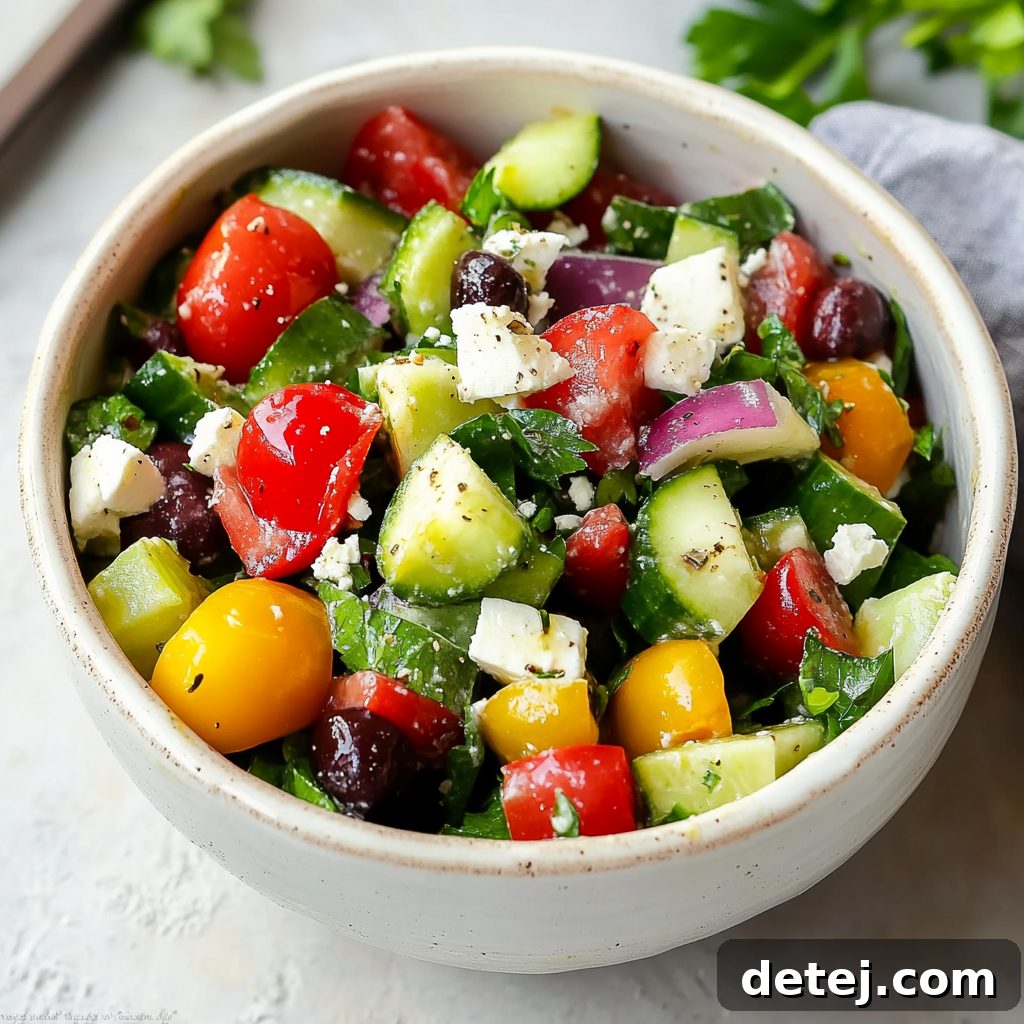
Creating the ultimate Greek salad is a delightful culinary endeavor that combines the freshest ingredients with simple techniques to yield profound flavors. While it may seem straightforward, a mindful approach to assembly ensures every component contributes perfectly to the final symphony of taste. Let’s dive right into making your Horiatiki masterpiece, guaranteeing a salad that is vibrant, authentic, and utterly delicious. Here’s my tried-and-true method for bringing it all together:
- Prepare Your Fresh Vegetables: Begin by washing and preparing all your produce. In a large, spacious mixing bowl, combine your generously chopped English cucumbers, sweet and juicy grape or cherry tomatoes (halved), and vibrant green bell pepper (cut into chunky pieces). Add the thinly sliced red onion, remembering that larger, chunkier cuts are traditional for Greek salad, allowing each vegetable to stand out. Finally, toss in a generous handful of those essential Kalamata olives, adding their distinctive briny depth.
- Introduce the Star Cheese: Now for the crowning glory of the Greek salad – the feta cheese. Take your block of authentic Greek feta and gently crumble it directly over the colorful array of fresh vegetables. The beauty of crumbling it yourself ensures varied textures, from small delicate pieces to larger, more substantial chunks, each bursting with its characteristic salty, tangy flavor that truly sets this salad apart.
- Infuse with Aromatic Herbs: Elevate the salad’s aromatic profile with a sprinkle of fresh herbs. While dried Greek oregano is key for the dressing, a light scattering of fresh Italian parsley and basil (finely chopped) over your veggies and feta introduces bright, verdant notes that enhance the overall freshness. A final dash of freshly ground black pepper adds a subtle warmth and aromatic finish.
- Whisk Together the Perfect Dressing: In a separate small bowl or jar, prepare your homemade Greek salad dressing. Combine a generous amount of high-quality extra virgin olive oil with zesty red wine vinegar. Add a touch of fresh lemon juice for brightness, along with dried Greek oregano, a pinch of sea salt, and black pepper. Whisk vigorously until the ingredients are well combined and slightly emulsified. The simplicity of this dressing is its strength, allowing it to perfectly complement, not overpower, the natural flavors of the fresh ingredients.
- Gently Combine and Serve: Finally, it’s time to bring all these magnificent components together. Pour your freshly whisked dressing evenly over the salad ingredients in the large bowl. Using a gentle hand, carefully toss everything together. The goal is to ensure every piece of vegetable, every olive, and every crumble of feta is beautifully coated and glistening with the dressing, without bruising the delicate tomatoes or cucumbers.
And there you have it, my friends – a truly exquisite Greek salad that promises to transport your senses directly to the sun-drenched tavernas of the Mediterranean. Its fresh, vibrant flavors make it an ideal dish for any hot summer day, a refreshing light lunch, or a spectacular side to a larger meal. This authentic Horiatiki, made with love and the freshest ingredients, is sure to satisfy your cravings for fresh goodness and bring a taste of Greece right into your home. Enjoy every unforgettable bite!
Creative Variations and Hearty Add-ons for Your Greek Salad
While the traditional Horiatiki reigns supreme in its pure, unadulterated form, the beauty of a Greek salad also lies in its versatility. Personalizing your Greek salad can effortlessly transform it from a delightful side dish into a satisfying, full-fledged main course, catering to diverse preferences and cravings. These thoughtful additions blend seamlessly with the crisp cucumbers, juicy tomatoes, tangy feta, and salty Kalamata olives, making your Greek salad not just a meal, but a fulfilling culinary experience that further celebrates the breadth of Mediterranean cuisine.
For those looking to introduce a lean protein and add substance, grilled chicken is an exceptional choice. Marinated simply with lemon juice, dried oregano, olive oil, and garlic, then grilled to perfection, it offers a tender, flavorful complement to the fresh vegetables. Similarly, grilled shrimp or flaky white fish like cod or snapper, prepared with similar Mediterranean seasonings, can elevate the salad into an elegant seafood meal. For a vegetarian protein boost, consider adding a handful of perfectly cooked and cooled chickpeas, which provide a creamy texture and nutty flavor, enhancing the salad’s heartiness without compromising its refreshing quality.
If you crave an extra layer of texture and a touch of indulgence, tossing in a handful of crunchy pita chips or homemade croutons can offer a wonderfully satisfying crunch. These can be easily made by toasting pita bread pieces with olive oil and a sprinkle of herbs. For an even richer flavor profile, consider adding thinly sliced artichoke hearts (marinated or fresh) or a few capers for an additional briny kick. While not strictly traditional for Horiatiki, these “Greek-inspired” additions can enhance the salad’s complexity for a unique twist. Regardless of your additions, the core fresh ingredients ensure that your personalized Greek salad remains a celebration of wholesome, vibrant Mediterranean flavors.
Perfect Pairings: Completing Your Mediterranean Feast
Once you’ve taken the time to craft the ultimate Greek salad, a masterpiece brimming with ripe, juicy tomatoes, crisp cucumbers, sharp red onion, briny Kalamata olives, and generous chunks of tangy feta, selecting the perfect accompaniments is key to elevating your meal into a truly authentic Mediterranean feast. The right pairings not only complement the salad’s vibrant flavors but also transform it into a more comprehensive and satisfying dining experience, echoing the convivial spirit of Greek hospitality.
For beverage pairings, a chilled glass of dry rosé is one of my absolute favorites. Its crispness and subtle fruit notes beautifully complement the freshness and acidity of the salad, making it an ideal choice for a warm summer day or a leisurely lunch. If you prefer white wines, a crisp Greek white like Assyrtiko or a light, unoaked Sauvignon Blanc would also be magnificent, offering bright acidity that harmonizes with the dressing. For those opting for non-alcoholic refreshments, a sparkling water infused with fresh lemon and mint provides a wonderfully invigorating alternative that is just as delightful and refreshing.
When it comes to food, few things pair as exquisitely with a traditional Greek salad as simply prepared grilled meats or seafood. Imagine succulent pieces of grilled chicken souvlaki, marinated in lemon, oregano, and olive oil, or a perfectly flaky grilled fish (such as snapper or sea bass) with a squeeze of fresh lemon. These protein-rich options echo the Mediterranean flavors and provide a satisfying counterpoint to the salad’s freshness. For a richer, yet still Mediterranean, option, grilled halloumi cheese adds a delicious salty, chewy texture. Don’t forget the bread! A crusty loaf of artisanal bread, perfect for soaking up the flavorful olive oil and juices at the bottom of the salad bowl, is an absolute must. For a more casual or on-the-go option, wrapping your Greek salad, perhaps with some added grilled chicken, into warm pita bread creates a handy and utterly delicious Greek salad wrap. Whether you are enjoying a relaxed dinner or a quick, healthy lunch, these thoughtful pairings are sure to transport you to the sunny, culinary-rich shores of Greece, making every meal a celebration.
Making Ahead and Smart Storage Tips for Your Greek Salad
The sheer beauty of a fresh Greek salad, with its perfectly crisp cucumbers, ripe, juicy tomatoes, the distinctive tang of feta, and those indispensable Kalamata olives, always evokes images of a serene, sunny day in the Mediterranean. What makes this delightful dish even more appealing is the ability to prepare it ahead of time, ensuring that every bite remains as refreshing and vibrant as if it had just been assembled. Mastering the art of making and storing your Greek salad properly guarantees you can savor its authentic flavors days after initial preparation. So, allow me to share some of my go-to tips to keep your Horiatiki lively and delicious, even after a day or two in the fridge, making it the perfect light lunch or a stellar side dish for any occasion.
- Keep Your Veggies Crisp and Vibrant: The key to a fantastic make-ahead Greek salad is preventing sogginess, which primarily comes from the dressing and the water released by tomatoes and cucumbers. If you’re prepping your Greek salad in advance, strictly hold off on adding the dressing. Instead, combine your chopped red onion, bell peppers, and cucumbers in a large, airtight container. Store them separately from the halved cherry or grape tomatoes. The tomatoes tend to release moisture, so keeping them in their own small container or adding them just before serving is ideal. This meticulous separation ensures your vegetables remain beautifully vibrant, firm, and crisp, preserving their integrity until mealtime.
- Master the Dressing’s Freshness: Prepare your homemade Greek salad dressing separately and store it in an airtight jar. Whisk together your chosen extra virgin olive oil, red wine vinegar, fresh lemon juice, dried Greek oregano, salt, and pepper. Keeping the dressing apart allows its flavors to meld and intensify, and, more importantly, it prevents the vegetables from becoming prematurely saturated and soft. This approach ensures you get that fresh, zesty zing with every bite, exactly when you want it. The dressing can typically be stored in the refrigerator for up to a week.
- Add Final Touches Just Before Serving: To capture the true essence and perfect texture of an authentic Greek salad, wait to incorporate the Kalamata olives, crumbled feta cheese, and any fresh herbs (like parsley or basil) until you are just about ready to serve. Olives, while sturdy, contribute to the overall saltiness and can bleed their color slightly. Feta, when added too early, can absorb the dressing and lose some of its distinct crumbliness and tangy bite. Fresh herbs are best added last to retain their vibrant color and delicate aroma. These final touches guarantee that your Greek salad tastes its absolute best, providing that perfect, balanced mixture of salty, tangy, and fresh flavors in every single forkful.
Whether you’re planning a light lunch, preparing for a picnic, or searching for the ideal side dish for a hot summer day, following these simple yet effective steps will ensure your Greek salad is as delightful and satisfying on day two (or even three!) as it was the moment you first created it. Embrace these smart storage tips, and trust me, your palate will undoubtedly thank you for the prolonged pleasure!
Savoring the Mediterranean Flair: A Call to Culinary Adventure
Embracing the simplicity and embarking on a journey towards a healthier, more vibrant lifestyle doesn’t have to be a daunting task, especially when you have recipes as delightful, nourishing, and straightforward as the ultimate Greek salad at your fingertips. This culinary masterpiece, with its perfectly crisp cucumbers, sun-ripened, juicy tomatoes, the sharp bite of red onion, the vibrant crunch of green bell pepper, the savory depth of Kalamata olives, and the unmistakable tangy allure of authentic feta cheese, all lovingly dressed in a homemade Greek salad dressing, truly encapsulates not just the exquisite essence of Mediterranean cuisine but also the profound joy and satisfaction of preparing wholesome homemade meals.
Each carefully selected ingredient, from the peak-of-freshness produce to the simple yet incredibly flavorful dressing, blends harmoniously to deliver a meal that is both deeply satisfying and immensely beneficial for your well-being. The Mediterranean diet, celebrated globally for its health advantages, finds its purest expression in dishes like the Horiatiki, proving that healthy eating can be incredibly delicious and easy to achieve. I wholeheartedly encourage you to don your apron, gather these fresh, vibrant ingredients – perhaps from your local farmer’s market for the best quality – and embark on this deliciously healthy culinary adventure right in the comfort of your own kitchen. There’s a unique pleasure in assembling such a fresh and flavorful dish with your own hands, knowing every component contributes to its nutritional value and incredible taste.
Trust me, whether you’re seeking a refreshing escape on a hot summer day, a light yet fulfilling lunch, or the perfect vibrant side dish to complement your favorite grilled proteins during a cozy evening, there’s no better time to craft this perfect Greek salad. Let its bright, bold flavors transport you to the picturesque landscapes of Greece, allowing you to savor the true Mediterranean flair and the countless benefits it offers to your palate and your health, right in your home. This isn’t just a recipe; it’s an invitation to a healthier, more flavorful way of life. Enjoy the journey, and enjoy your sensational Greek salad!
The Best Greek Salad Recipe
A classic Greek salad, or Horiatiki, made with fresh vegetables, salty feta, and Kalamata olives, all tossed in a simple, flavorful dressing. Perfect for a healthy lunch or side dish!
Servings: 4
Prep Time: 10 mins
Author: Krystel
Ingredients
- Dressing:
- 1/3 cup extra virgin olive oil
- 1/3 cup red wine vinegar (or balsamic vinegar, as per original recipe)
- 2 tablespoons water
- 1/4 teaspoon dried basil
- 1/2 teaspoon dried Greek oregano
- 1/4 teaspoon thyme
- 1/2 teaspoon sea salt
- 1/2 teaspoon freshly ground black pepper
- Salad:
- 2 cups grape tomatoes, halved
- 1 red bell pepper, seeds removed and chopped
- 1 yellow bell pepper, seeds removed and chopped
- 1/4 cup red onion, thinly sliced or chopped
- 1 whole English cucumber, chopped
- 1/4 cup fresh Italian parsley, finely chopped
- 1/4 cup fresh basil, finely chopped
- 1 cup Kalamata olives (pitted or unpitted)
- 2/3 cup Feta cheese, crumbled (preferably authentic Greek feta)
Instructions
- For the Dressing: In a small bowl, whisk together the olive oil, red wine vinegar (or balsamic vinegar), water, dried basil, oregano, thyme, salt, and black pepper until fully blended and slightly emulsified. Taste and adjust seasoning as needed.
- For the Salad: In a large bowl, combine the halved grape tomatoes, chopped red and yellow bell peppers, sliced red onion, chopped English cucumber, fresh Italian parsley, and fresh basil.
- Add the Kalamata olives and the crumbled feta cheese to the bowl with the vegetables.
- Pour the prepared dressing over the salad ingredients.
- Gently toss everything together until all vegetables and feta are evenly coated with the dressing.
- Serve immediately for best freshness, or for enhanced flavor, refrigerate the dressed salad for at least 30 minutes to allow the flavors to meld. If making ahead, follow storage tips above and dress just before serving.
Nutrition Information (Approximate per 1 cup serving):
- Serving: 1 cup
- Calories: 341 kcal
- Carbohydrates: 17g
- Protein: 6g
- Fat: 29g
- Saturated Fat: 7g
- Polyunsaturated Fat: 3g
- Monounsaturated Fat: 18g
- Cholesterol: 22mg
- Sodium: 1118mg
- Potassium: 515mg
- Fiber: 4g
- Sugar: 8g
- Vitamin A: 2336IU
- Vitamin C: 111mg
- Calcium: 189mg
- Iron: 2mg
Did you make this recipe?
Please consider leaving a star rating and review below!