

Coffee Grounds vs. Mice: Unveiling the Truth About Eco-Friendly Rodent Solutions
Introduction: Brewing a Natural Approach to Rodent Control
In our modern world, where sustainability and eco-conscious living are more vital than ever, the search for natural alternatives to everyday challenges has become a priority. One such persistent challenge that homeowners universally face is the unwelcome presence of rodents. Driven by a desire to minimize chemical exposure and protect our environment, many are exploring innovative, green solutions for pest management. Among the myriad of suggestions—from the refreshing zest of peppermint oil to the fiery kick of chili peppers—a peculiar contender has emerged: the humble coffee ground.
As a devoted coffee enthusiast, I often ponder the hidden potential within our daily rituals. It begs the question: Can the robust, unmistakable aroma of our morning brew truly deter pesky mice, or is this notion merely an appealing myth we’ve collectively embraced? This article delves deep into this fascinating query, examining the efficacy of coffee grounds as a rodent repellent and exploring other proven eco-friendly methods. We’ll separate fact from fiction, offering practical insights and actionable strategies to help you maintain a rodent-free home naturally. Let’s explore whether the answer to our pest problems has been hiding in our compost bins and cherished coffee routines all along.
Key Insights for Natural Rodent Management:
- Exploring Natural Repellents: A comprehensive look at various eco-friendly methods to keep rodents away.
- The Coffee Grounds Debate: Investigating the effectiveness of coffee grounds as a deterrent for mice.
- Effective Alternatives: Highlighting other organic compounds and proven strategies for pest control.
- Prevention First: Emphasizing cleanliness and structural integrity as primary defense lines.
The Ever-Present Rodent Dilemma: Protecting Our Homes and Health
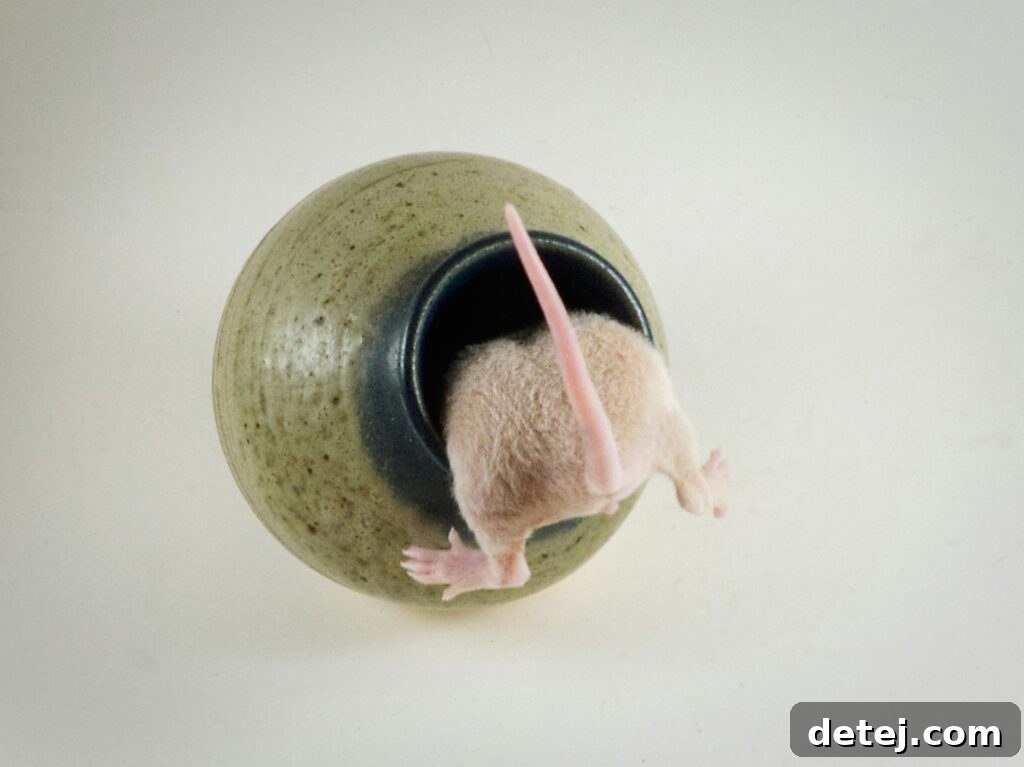
The saga of humans and rodents coexisting is as old as civilization itself. These resilient creatures, particularly mice and rats, are not just a nuisance; they pose significant threats to our health, safety, and property. Beyond the unsettling scurrying sounds in the walls or the tell-tale droppings on the counter, rodents are notorious carriers of various diseases, including Hantavirus, Salmonella, and Leptospirosis, which can be transmitted through their urine, feces, and saliva, contaminating food preparation surfaces and stored goods.
Moreover, their insatiable need to chew can lead to serious structural damage. Rodents frequently gnaw on electrical wires, creating fire hazards, and can compromise plumbing, insulation, and wooden structures. The cumulative damage can be costly and dangerous. Effectively controlling rodent populations is not merely about comfort but about safeguarding our living environments. This urgent need for control, combined with a growing awareness of environmental impact, drives us to seek methods that are both effective and kind to our planet. Hence, the appeal of discovering if common household items, such as coffee grounds, can offer a viable, natural line of defense.
Harnessing the Power of Essential Oils as Natural Rodent Repellents
If you’re grappling with unwanted rodent guests, there’s excellent news that sidesteps the need for harsh chemicals or unsightly traps. Essential oils present a potent, aromatic solution that can naturally deter these critters. Among them, peppermint oil stands out as a highly effective natural rodent repellent. Its intensely strong, mentholated scent, while invigorating to humans, is profoundly irritating to rodents’ sensitive nasal passages, making them avoid areas where it’s present.
To deploy this natural deterrent, simply soak cotton balls with pure peppermint essential oil and strategically place them in known or suspected areas of mouse activity—behind appliances, inside cupboards, near entry points, or in basements and attics. For sustained effectiveness, refresh the cotton balls every few days as the scent diminishes. Beyond peppermint, other essential oils like eucalyptus, tea tree oil, and even citronella can also contribute to a rodent-unfriendly environment. You can also create a DIY spray by mixing a few drops of essential oil with water and a dash of dish soap, then spritzing it around affected areas. This method not only offers a safe and non-toxic alternative but also leaves your home smelling wonderfully fresh and clean.
Understanding Coffee Grounds: More Than Just a Morning Ritual

In the pursuit of a more sustainable lifestyle, the concept of repurposing everyday items has become a passion for many. Used coffee grounds, a byproduct of our cherished morning ritual, epitomize this philosophy. Far from being mere waste, these rich, aromatic granules possess a surprising array of beneficial properties, particularly for the garden. Instead of consigning them to landfills, integrating used coffee grounds into your compost pile significantly enhances its quality, introducing a complex blend of organic matter that enriches the soil. They are a valuable source of nitrogen, potassium, and phosphorus, along with essential micronutrients, making them an excellent natural fertilizer that improves soil structure, aeration, and water retention.
Beyond their role in nurturing lush plant growth, the strong scent and slightly acidic nature of coffee grounds are often rumored to deter various garden pests like slugs and snails. Some gardeners also use them as a barrier to keep cats from digging in flower beds, capitalizing on their distinctive aroma. Thus, the versatility of coffee grounds extends far beyond simply brewing a cup of coffee, transforming them into a valuable resource for both ecological living and garden health, and sparking curiosity about their potential as a pest deterrent.
Coffee Grounds as Rodent Repellent: Separating Myth from Reality
The question of whether coffee grounds effectively repel rodents, particularly mice, is a topic frequently debated in natural pest control circles. Despite the widespread popular belief and occasional anecdotal accounts suggesting that the potent aroma of coffee grounds can send small rodents scurrying, scientific evidence and expert consensus paint a more nuanced picture. While coffee grounds are undoubtedly rich in strong scents and have proven benefits in other areas—such as enriching soil, neutralizing odors, and deterring certain garden pests like slugs and snails—their efficacy against mice is largely unsubstantiated.
Mice, being incredibly adaptable and driven by survival instincts, quickly learn to navigate around or even become accustomed to unfamiliar smells, even strong ones like coffee. While a sudden, intense scent might initially cause them to hesitate, it’s generally not enough to permanently deter an established rodent population or prevent new ones from seeking food and shelter. The idea likely stems from the human perception of coffee’s strong odor, but rodents’ olfactory systems and survival priorities differ. Therefore, while coffee grounds are a fantastic resource for gardening and composting, they are not considered a reliable or effective long-term solution for deterring mice from your home.
Potent Alternative Measures: Organic Compounds for Rodent Deterrence
Given the limitations of coffee grounds against persistent rodent problems, exploring other powerful, organic compounds becomes essential for those committed to eco-friendly pest management. The natural world offers several intriguing alternatives, many of which leverage a rodent’s innate sense of danger or aversion to strong, irritating odors.
One fascinating, albeit unconventional, approach involves using predator scents. The presence of a predator’s scent signals extreme danger to rodents. While obtaining fresh cat urine or snake droppings might be impractical for most, commercial products containing synthesized predator urine are available and can be placed strategically. These act as a potent psychological deterrent, encouraging rodents to seek safer havens elsewhere.
Beyond predator cues, other strong-smelling natural substances can be employed. Cayenne pepper or chili powder, for example, can be sprinkled in areas where mice frequent. The capsaicin irritates their sensitive nasal passages and paws, making the area undesirable. Similarly, strong spices like clove oil or even concentrated garlic powder can create an environment that mice find highly unpleasant. These methods provide a multi-sensory deterrent, combining irritation and a strong odor profile that discourages rodents from settling in your home.
Beyond Repellent: Maximizing the Benefits of Coffee Grounds in Your Home & Garden
While the role of coffee grounds as a primary mouse repellent may be limited, their versatility and environmental benefits are undeniable, making them a valuable component of an eco-conscious household. Far from being mere waste, these used grounds possess transformative properties for both indoor and outdoor spaces.
In the garden, coffee grounds are a superb, natural fertilizer, particularly beneficial for acid-loving plants such as roses, hydrangeas, azaleas, and blueberries. Sprinkling them directly around the base of these plants provides a slow-release source of nitrogen, promoting vigorous growth and vibrant blooms. Incorporating coffee grounds into your compost bin not only enriches the compost with valuable nutrients but also aids in decomposition and reduces food waste. For those battling garden pests, a ring of coffee grounds can act as a physical and olfactory barrier against slugs and snails, offering a gentle, chemical-free deterrent.
Indoors, coffee grounds excel as a natural odor neutralizer. A small bowl of dried grounds in the refrigerator or near garbage bins can absorb stale smells effectively. They can also be repurposed as a gentle abrasive scrub for cleaning stubborn pots and pans, or even as an exfoliating body scrub. Thus, while they may not send mice packing, embracing the broader applications of coffee grounds is a fantastic way to recycle, reduce waste, and enhance your home and garden naturally.
Integrated Rodent Prevention: Strategies Beyond Repellents
The most effective long-term solution to rodent problems lies not solely in repellents but in a comprehensive, proactive approach centered on prevention. This eco-friendly strategy focuses on eliminating what attracts rodents in the first place and blocking their access, creating an environment inhospitable to them. By integrating these simple yet powerful measures into your routine, you can significantly reduce the likelihood of a rodent infestation.
- Emphasize Impeccable Cleanliness: Rodents are primarily driven by the search for food. Meticulous cleanliness, especially in kitchens and dining areas, is paramount. Wipe down counters daily, promptly clean up crumbs and spills, and ensure all food debris is disposed of properly. Regular vacuuming and sweeping can remove crumbs and potential nesting materials.
- Eliminate Accessible Food Sources: Secure all food items, including pet food, in airtight, rodent-proof containers made of glass, metal, or thick plastic. Avoid leaving pet food bowls out overnight. If you have a compost bin, ensure it’s sturdy, sealed, and located a reasonable distance from your home to prevent it from becoming an attractive food source for rodents. Consider using a tumblers or sealed compost systems.
- Seal Entry Points: Conduct a thorough inspection of your home’s exterior and interior for potential entry points. Mice can squeeze through incredibly small gaps (as tiny as a dime-sized hole). Seal cracks in foundations, gaps around utility pipes, vents, and doors with steel wool, caulk, or mesh. Pay attention to garage doors, basements, attics, and crawl spaces.
- Manage Waste Effectively: Use garbage bins with tight-fitting lids, both indoors and outdoors. Regularly empty trash and keep outdoor bins away from the house structure.
- Declutter Storage Areas: Rodents seek harborage in cluttered spaces. Keep basements, attics, garages, and sheds tidy and organized. Stored items should be in sealed containers off the floor, denying rodents nesting sites and hiding places.
- Maintain Your Yard: Keep grass mowed, trim shrubs and tree branches away from your house, and remove any debris piles, firewood stacks, or overgrown vegetation that could provide shelter or pathways for rodents to access your home.
By diligently implementing these preventive measures, you’re not just keeping your home cleaner but also creating a formidable barrier against unwanted rodent intruders, fostering a truly harmonious and pest-free living space.
Professional Pest Control: When Expert Intervention Becomes Necessary
Despite our most diligent efforts with natural deterrents and robust preventive measures, there are instances where a rodent problem can escalate beyond DIY solutions. In such scenarios, recognizing when to enlist the expertise of professional pest control services is crucial for effective and lasting resolution. Severe infestations, persistent activity, or the inability to locate entry points often warrant professional intervention.
Certified pest control professionals possess the specialized knowledge, advanced tools, and comprehensive strategies required to tackle complex rodent problems. They can accurately identify the species of rodent, pinpoint all entry and exit points, and assess the extent of the infestation. Moreover, they can implement integrated pest management (IPM) techniques, which prioritize humane and environmentally responsible methods while ensuring efficacy. This often involves a combination of trapping, baiting (using products unavailable to the public), exclusion techniques, and providing expert advice on long-term prevention. While the thought of involving professional services might seem daunting or counter to an eco-friendly ethos, responsible pest control companies can offer solutions that balance immediate eradication with environmental protection, ensuring the health and safety of your household without unnecessary chemical exposure. The peace of mind and lasting results provided by expert intervention are invaluable.
Living Green with Rodent Challenges: A Sustainable Path Forward
Embracing a sustainable lifestyle requires thoughtful decision-making, especially when confronted with common household challenges like rodent control. The good news is that living green and maintaining a rodent-free home are not mutually exclusive goals; it’s about finding a harmonious balance through conscious choices and consistent effort. Our journey has highlighted that while the allure of coffee grounds as a rodent repellent is strong, their true value lies in enriching our gardens and compost, contributing to a healthier planet.
Instead, the path to natural rodent deterrence is paved with proven alternatives. The crisp, powerful aroma of peppermint oil, eucalyptus oil, or even strategically placed cayenne pepper offers genuinely effective natural repellent properties. Crucially, the foundation of any sustainable rodent management plan is robust prevention—meticulous cleanliness, secure food storage, and diligently sealing all potential entry points. When these proactive steps are consistently applied, the need for more intensive interventions is significantly reduced. This holistic approach empowers you to protect your home from pests while upholding your environmental ethics, proving that a secure, healthy, and green living space is entirely achievable. Every effort, big or small, contributes to a healthier planet and a sanctuary you can truly call your own.
Final Thoughts: A Proactive Blend for a Pest-Free Home
As we conclude our exploration into the effectiveness of coffee grounds against unwelcome rodent guests, it’s clear that our daily brew, while a source of comfort and a boon for the garden, may not be the ultimate mouse deterrent we hoped for. The strong aroma of coffee grounds, while pleasant to us, doesn’t reliably deter persistent rodents. Our journey has underscored the importance of distinguishing between anecdotal remedies and scientifically supported solutions in the realm of natural pest control.
However, this doesn’t diminish the immense value of coffee grounds; they remain an exceptional resource for improving soil quality, enriching compost, and contributing to a more sustainable household. For direct rodent management, our focus should shift towards proven natural alternatives. Potent essential oils like peppermint or eucalyptus, along with strategic use of irritating spices such as cayenne pepper, offer more reliable repellent properties. More importantly, the most effective strategy against rodents is always prevention. Maintaining rigorous cleanliness, securing all food sources, and meticulously sealing entry points are the cornerstones of a truly pest-free environment.
Ultimately, a successful, eco-friendly approach to rodent control is a proactive blend of these strategies. It requires vigilance, consistent effort, and a willingness to adopt methods that truly work, ensuring your home remains a safe haven for your family, not for pests. Here’s to a life enriched by coffee in your cup and peace of mind in a rodent-free home. Good luck on your sustainable pest management journey!
Discover more about natural deterrents: Find out if Coffee Grounds Really Keep The Squirrels Away?