
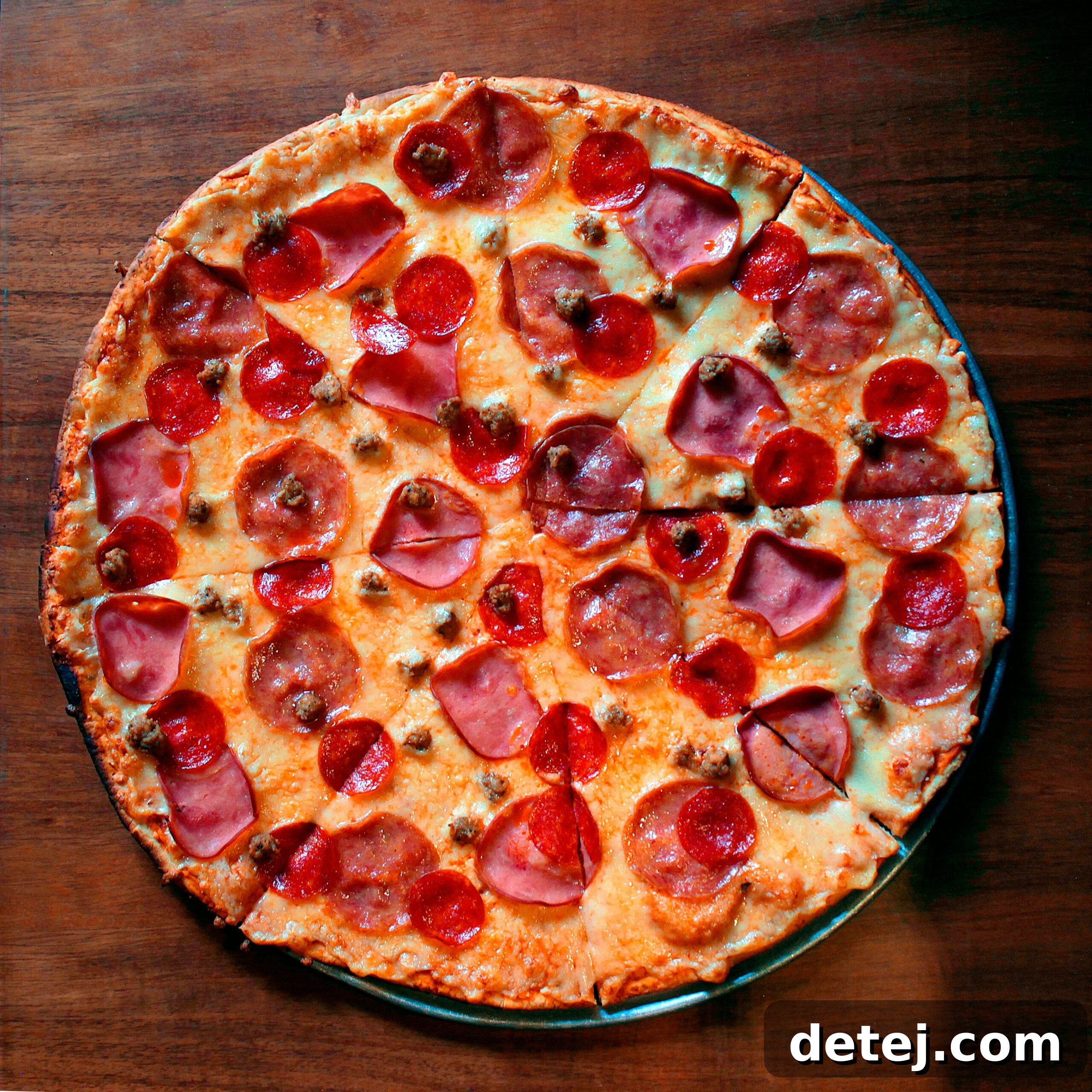
Mastering the Art of Freezing Pizza Hut Pizza: Extend Its Delicious Shelf Life
Introduction: The Culinary Secret to Everlasting Pizza Hut Delight
Pizza Hut has a way of capturing hearts and taste buds, serving up iconic pizzas that are perfect for any occasion – from a casual weeknight dinner to a lively family gathering, or simply as a comforting treat for one. We’ve all been there: our eyes are bigger than our stomachs, and suddenly, we find ourselves with several delicious slices of leftover pizza. While the immediate aftermath of a Pizza Hut feast is always satisfying, the thought of those leftover slices going to waste can be less so. This is precisely where the invaluable art of freezing enters the picture, transforming what could be food waste into a future culinary delight.
Freezing isn’t just for uncooked pizza dough or specialty frozen pizzas; it’s an incredibly effective and often overlooked method for preserving your favorite Pizza Hut masterpieces. Whether you have an entire pizza remaining or just a few individual slices, proper freezing techniques can lock in that perfect blend of savory toppings, rich sauce, and signature crispy crust. This approach ensures that you can savor the authentic taste and texture of a freshly made Pizza Hut pizza days or even weeks later, anytime the craving strikes. It’s a game-changer for convenience, cost-effectiveness, and reducing food waste in your household.

Key Takeaways for Freezing Pizza Hut Pizza:
- Preservation Power: Freezing is an excellent and practical method for preserving leftover Pizza Hut pizza, preventing waste and ensuring future enjoyment.
- Versatile Freezing: Both entire pizzas and individual slices can be successfully frozen, provided you follow specific, tailored preparation steps.
- Quality Retention: Adhering to proper freezing, thawing, and reheating techniques is crucial for maintaining the pizza’s optimal quality, original flavor, and that sought-after crispy crust.
- Optimal Timing: For the best eating experience, plan to consume your frozen Pizza Hut pizza within 1 to 2 months.
- Smart Storage: The right packaging—plastic wrap, aluminum foil, and airtight containers—is essential to protect against freezer burn and maintain texture.
Preparing Your Pizza Hut Masterpiece for Deep Freeze
To successfully preserve the deliciousness of your Pizza Hut pizza, preparation is paramount. The goal is to lock in flavor and texture while preventing common freezer woes like freezer burn. I’ve refined a method that consistently delivers excellent results, ensuring my stored pizza tastes as close to fresh as possible.
The first crucial step is to allow your pizza to cool completely. Attempting to freeze a warm or hot pizza is a common mistake that can lead to condensation, ice crystal formation, and ultimately, a soggy crust upon reheating. Once cooled to room temperature, typically within an hour or two, it’s ready for packaging. This initial cooling phase is vital for food safety, preventing bacteria growth, and ensuring the pizza’s structural integrity.
Next comes the protective wrapping. For individual slices, I start by wrapping each one tightly in plastic wrap. The aim is to create a snug, airtight barrier that prevents any air exposure, which is the primary culprit behind freezer burn. Don’t be shy with the wrap; a double layer can offer extra protection. Following the plastic wrap, I individually wrap each slice again in heavy-duty aluminum foil. This dual-layer approach provides an additional shield against fluctuating freezer temperatures and further minimizes moisture loss, keeping the favorite toppings and cheese perfectly preserved.
If you’re freezing an entire pizza, the process is similar but on a larger scale. Once fully cooled, the whole pizza should be completely covered in plastic wrap, ensuring every inch is sealed. Then, apply a generous layer of aluminum foil around the entire wrapped pizza. For the ultimate protection, especially if space allows, placing the foil-wrapped pizza inside a large, freezer-safe airtight container or a heavy-duty freezer bag is the best option. This multi-layered defense guarantees that the high quality of your Pizza Hut creation—from its crispy crust to its savory ingredients—remains intact until you’re ready to enjoy it again. Proper preparation significantly extends the delicious life of your pizza, turning leftovers into a future convenience.
Precision Freezing: Individual Slices vs. Whole Pizzas
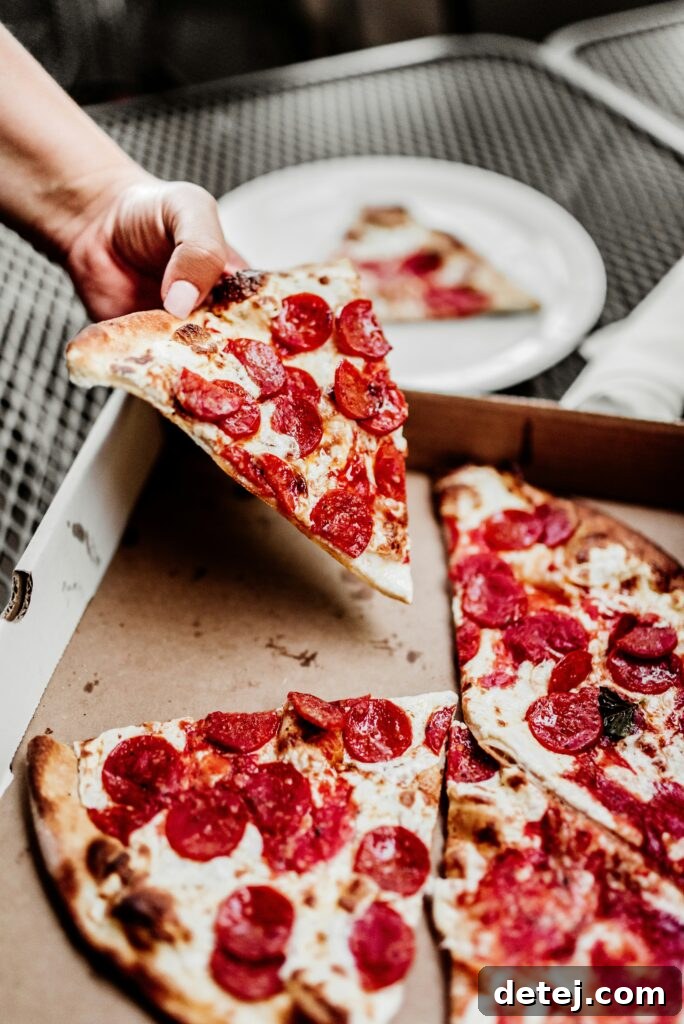
Freezing your Pizza Hut pizza effectively depends on whether you’re storing individual slices or an entire pie. Each approach requires specific steps to ensure maximum preservation of taste and texture. I’ve found that tailored methods yield the best results, preventing soggy crusts and maintaining the integrity of the toppings.
Freezing Individual Slices:
For those times when you only have a few slices left, freezing them individually offers unparalleled convenience for future quick meals or snacks. After ensuring each slice has completely cooled to room temperature, I begin with a flash-freeze step. I lay the slices out in a single layer on a baking sheet lined with parchment paper. This prevents them from sticking together. I place the baking sheet in the freezer for about 15-30 minutes, or until the slices are firm. This slight freeze helps them maintain their shape during the wrapping process.
Once semi-frozen, I individually wrap each slice. First, a tight layer of plastic wrap forms the initial protective barrier, minimizing air exposure to the toppings and crust. Then, I follow with a layer of heavy-duty aluminum foil, which acts as a secondary defense against freezer burn and external odors. Finally, I place these individually wrapped slices into a large freezer bag, squeezing out as much air as possible before sealing. This layered protection is crucial for warding off frost burn and ensuring the texture of the pizza remains perfect. Don’t forget to label the bag with the date!
Freezing a Whole Pizza:
Freezing an entire leftover Pizza Hut pizza is ideal for feeding a small group or for a more substantial future meal. The principle remains the same: complete cooling is non-negotiable to prevent moisture buildup and subsequent ice crystal formation. Once the pizza is at room temperature, I carefully slide a layer of parchment paper beneath it, if it’s still in the original box, or directly onto a large sheet of parchment if it’s loose.
Next, I meticulously wrap the entire pizza. A generous amount of plastic wrap is used to cover the pizza completely, sealing it off from air. Again, ensuring a tight seal around the edges is vital. This is followed by a robust layer of heavy-duty aluminum foil, enveloping the entire wrapped pizza. The foil acts as an additional thermal barrier and protects against physical damage. For ultimate safeguarding, especially if the pizza is large, placing the whole, wrapped pie into an airtight container that fits snugly is the best option. If an appropriate container isn’t available, a heavy-duty freezer bag designed for large items can also work, with all excess air pressed out. These steps ensure that my Pizza Hut favorites always emerge from the freezer tasting fresh, retaining their high quality and the beloved crispy crust.
Maximizing Longevity: The Optimal Shelf Life of Frozen Pizza Hut Pizza
Understanding how long you can safely freeze your favorite Pizza Hut pizza is key to enjoying it at its best. While freezing is an excellent method for extending shelf life and preventing food waste, there’s a sweet spot for optimal quality. My experience suggests that properly frozen individual slices or entire pizzas can comfortably sit in the freezer for 1 to 2 months while maintaining their peak flavor and texture. Beyond this period, the pizza remains safe to eat, but you might notice a gradual decline in quality, particularly in taste and crust crispiness.
Several factors can significantly influence how long your frozen pizza retains its deliciousness:
- Initial Freshness of the Pizza: A pizza that was fresh and well-made to begin with will generally freeze and thaw better than one that was already a day or two old before freezing.
- Quality of Wrapping and Sealing: This is perhaps the most critical factor. Inadequate wrapping, such as not using enough plastic wrap or foil, or leaving air gaps, directly exposes the pizza to the harsh, dry freezer air. This leads to moisture loss and freezer burn. The more airtight your packaging, the longer the pizza will maintain its high quality.
- Freezer Temperature Consistency: A freezer that maintains a consistent temperature of 0°F (-18°C) or lower is ideal. Frequent opening of the freezer door or inconsistent temperatures can lead to partial thawing and refreezing, which degrades food quality faster.
- Type of Pizza and Toppings: While most Pizza Hut pizzas freeze well, some toppings might fare better than others. Pizzas with lots of fresh vegetables or certain dairy products might experience slight texture changes after freezing and thawing compared to a classic pepperoni pizza. Thin-crust pizzas might become slightly more brittle, while deep-dish varieties might retain moisture better.
To assess if your pizza has endured freezer burn, look for tell-tale signs: the presence of excessive ice crystals on the pizza itself, not just the packaging; dry, discolored patches on the crust or toppings; or an overall dull appearance. While freezer-burned pizza is generally safe to eat, its texture will be tougher, and its flavor muted.
To maximize both food safety and quality, I always make sure to use an airtight container or a heavy-duty freezer bag, layering parchment paper between slices to prevent sticking. Crucially, I label every package with the freezing date. This simple habit ensures I can easily track its shelf life and make sure to thaw and enjoy it before the 2-month mark. This guarantees the best flavor and preserves the desired texture of the pizza, ensuring that every re-heated slice feels like a special treat.
The Revival Process: Thawing and Reheating Your Frozen Pizza Hut Delight
Once your Pizza Hut pizza has been carefully frozen, the next challenge is to bring it back to life, mimicking that glorious freshly delivered taste and texture. This revival process requires a thoughtful approach to both thawing and reheating, especially if you’re aiming for that quintessential crispy crust. I’ve discovered a few life-saving tricks that consistently yield delicious results.
Thawing Your Pizza:
The safest and most recommended method for thawing is a gradual transition in the refrigerator. I transfer my frozen slices or the whole pizza, still snugly wrapped in their airtight container or plastic wrap, from the freezer to the refrigerator. This slow thawing process usually takes about 3 to 4 hours for individual slices and anywhere from 6 to 12 hours (or overnight) for an entire pizza. This gentle method helps preserve the pizza’s moisture content and prevents rapid temperature changes that can compromise texture.
While you *can* reheat some thin-crust pizzas directly from frozen, doing so often results in a less evenly cooked pizza with potential hot and cold spots, and can sometimes lead to a chewier rather than crispy crust. For optimal results, especially with thicker crusts, thawing first is highly recommended.
Reheating Your Pizza for Peak Enjoyment:
The method you choose for reheating significantly impacts the final outcome. Here are my go-to techniques:
- The Oven (The Gold Standard): For achieving that perfect crispy crust and evenly melted cheese, the oven is unparalleled.
- Preheat your oven to a blazing 400-425 degrees Fahrenheit (200-220°C).
- Place the thawed pizza slices directly on a baking sheet, or for a whole pizza, directly on the oven rack (with a baking sheet underneath to catch drips).
- Bake for approximately 8-15 minutes for slices, or 15-25 minutes for a whole pizza, depending on its thickness and your desired crispiness. Keep a close eye on it to prevent burning the crust or toppings. The cheese should be bubbly, and the crust golden brown.
- The Skillet/Stovetop (Excellent for Slices): This method is fantastic for individual slices, ensuring a remarkably crispy bottom crust while warming the toppings.
- Place a non-stick skillet over medium heat.
- Add the thawed pizza slice(s) to the dry pan.
- After 2-3 minutes, once the bottom crust starts to crisp, add a few drops of water (about half a teaspoon) to the pan, away from the pizza, and immediately cover with a lid.
- Allow it to steam for another 3-5 minutes. The steam melts the cheese and warms the toppings, while the direct heat keeps the bottom crust wonderfully crisp.
- The Air Fryer (Quick and Crispy): A modern favorite for quick and efficient reheating, especially for slices.
- Preheat your air fryer to 350-375 degrees Fahrenheit (175-190°C).
- Place thawed slices in a single layer in the air fryer basket (avoid overlapping).
- Cook for 5-8 minutes, checking periodically, until the cheese is melted and bubbly and the crust is crisp.
- Toaster Oven: Similar to a conventional oven, but smaller and faster for 1-2 slices. Follow oven instructions, adjusting time accordingly.
- The Microwave (Use with Caution): While the quickest, the microwave often results in a soggy crust due to steam trapped during heating.
- Place a slice on a microwave-safe plate with a paper towel underneath to absorb moisture.
- Heat for 30-60 seconds on medium power. For a slightly better result, place a small glass of water in the microwave with the pizza to introduce some humidity.
Experiment with these methods to find your preferred way to recapture the magic of a freshly delivered Pizza Hut experience. The key is patience during thawing and careful monitoring during reheating to achieve that perfect balance of melted cheese, hot toppings, and a delightfully crispy crust.
Elevate Your Experience: Expert Tips for a “Freshly Delivered” Taste
Bringing your beloved leftover Pizza Hut pizza back to its glory requires more than just basic reheating; it’s about treating it with a little extra care and creativity to achieve that “freshly delivered” sensation. Over the years, I’ve gathered some expert tips that consistently elevate the frozen pizza experience from merely edible to truly delightful.
Beyond Basic Reheating: Enhancing Flavor and Texture
While the reheating methods discussed earlier are crucial, these additional steps can make a significant difference:
- Refresh with Fresh Toppings: Before popping your pizza back in the oven or skillet, consider adding a sprinkle of fresh ingredients. A handful of freshly grated mozzarella or Parmesan cheese can melt beautifully, adding richness and freshness. A scattering of fresh herbs like basil, oregano, or a pinch of red pepper flakes can awaken dormant flavors. A drizzle of high-quality extra virgin olive oil immediately after reheating can also add a luxurious sheen and enhance taste.
- The Sauce Boost: If your pizza’s sauce seems a little dry after its freezer slumber, a tiny dollop of fresh marinara sauce or even a swirl of balsamic glaze (especially good on veggie pizzas) can revive the flavor profile and add a touch of gourmet flair.
- Crisp the Crust Post-Reheat: Even after oven reheating, if your crust isn’t quite as crispy as you’d like, a quick minute or two on a dry, hot skillet can work wonders to achieve that perfect crackle on the bottom.
Common Mistakes to Avoid for Optimal Results:
To ensure your frozen Pizza Hut adventure is always a success, steer clear of these pitfalls:
- Not Cooling Pizza Properly: Freezing warm pizza leads to condensation and ice crystals, which translates to a soggy pizza upon reheating. Always let your pizza cool completely.
- Poor Wrapping Techniques: Skimping on plastic wrap and aluminum foil is a recipe for freezer burn. Invest time in creating airtight seals.
- Overcrowding the Freezer: A densely packed freezer can impede proper air circulation, leading to temperature fluctuations that harm food quality.
- Solely Relying on the Microwave: While quick, the microwave is generally the enemy of a crispy crust. Use it only if convenience is your absolute priority, and even then, employ tricks like a paper towel or a glass of water.
- Reheating Multiple Times: Once thawed and reheated, pizza should ideally be consumed. Repeated thawing and reheating cycles severely degrade quality and can pose food safety risks.
I’ve always found Pizza Hut’s pizza to be a crowd-pleaser!
Krystel’s Cooking
Embracing these little touches not only significantly enhances the quality of your reheated pizza but also makes the act of enjoying leftovers a genuine culinary pleasure. Freezing transforms your Pizza Hut leftovers into a versatile and convenient meal option, ensuring no delicious slice ever goes to waste. With these expert tips, you’re not just reheating pizza; you’re orchestrating a delightful encore performance, making it feel just like a fresh pizza delivery, ready to be enjoyed at your leisure.