
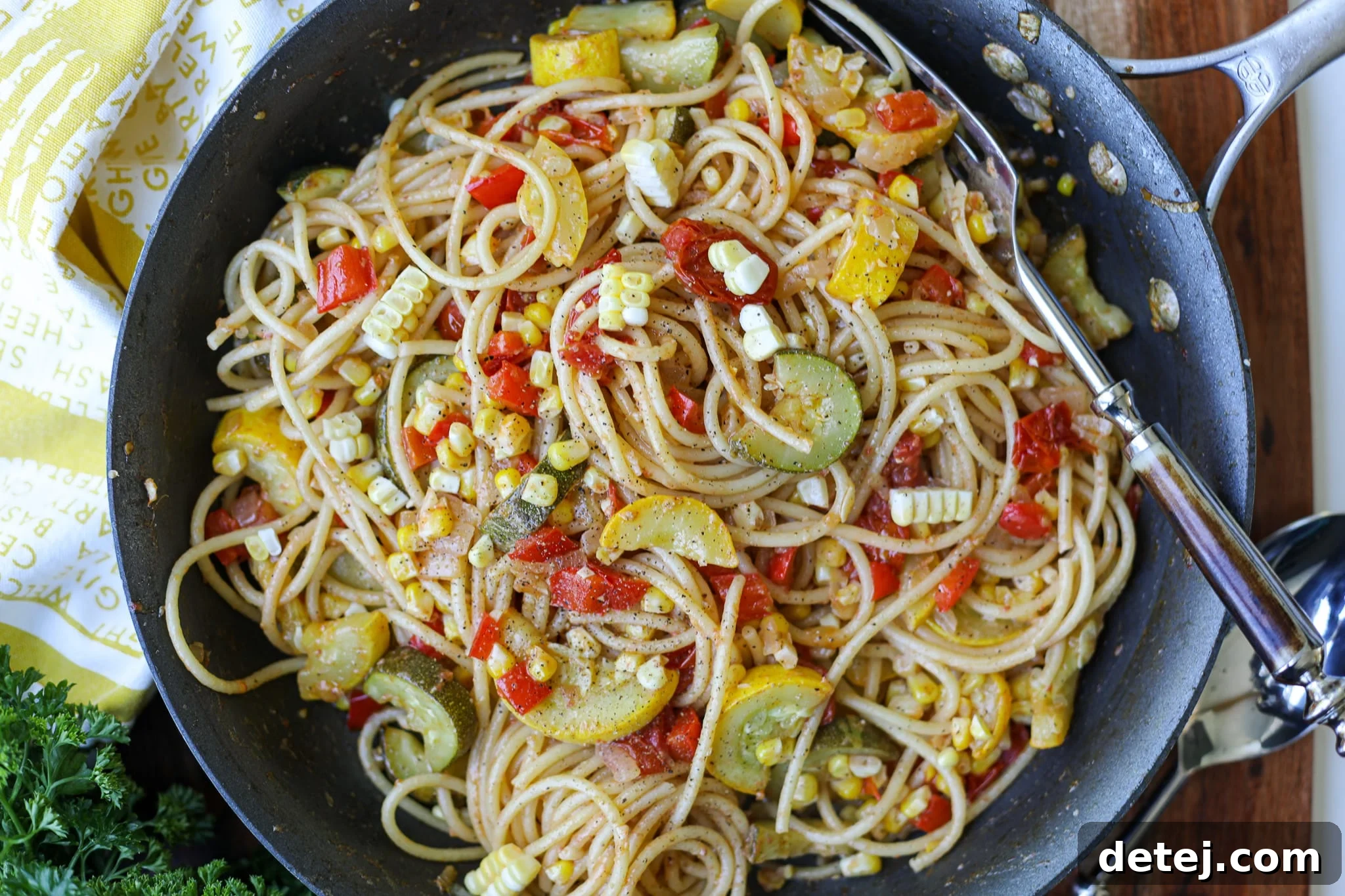
Pasta Primavera is more than just a dish; it’s a celebration of fresh, vibrant vegetables expertly combined with tender pasta for an incredibly satisfying meal. While many traditional recipes might call for a heavy cream sauce, this rendition offers a delightful, lighter alternative. We’ve opted for a bright, zesty sauce infused with fresh lemon and aromatic white wine, allowing the natural flavors of the seasonal produce to truly shine without being overshadowed. This approach creates a meal that feels both indulgent and refreshingly wholesome.
This versatile dish serves as the perfect solution when your refrigerator is overflowing with an abundance of summer vegetables, and you’re looking for a creative and delicious way to use them before they lose their freshness. Imagine sautéing a medley of crisp zucchini, sweet cherry tomatoes, and crunchy bell peppers in a rich blend of butter and olive oil. Combine this colorful harvest with a simple yet elegant sauce, and toss it all generously with perfectly cooked al dente pasta. The result is a simple pasta recipe that’s quick to prepare, incredibly flavorful, and beautifully customizable to whatever fresh ingredients you have on hand. It’s an ideal weeknight dinner that feels gourmet yet requires minimal effort. We’re confident that once you experience this lighter, brighter take on Pasta Primavera, it will become a cherished staple in your culinary repertoire!
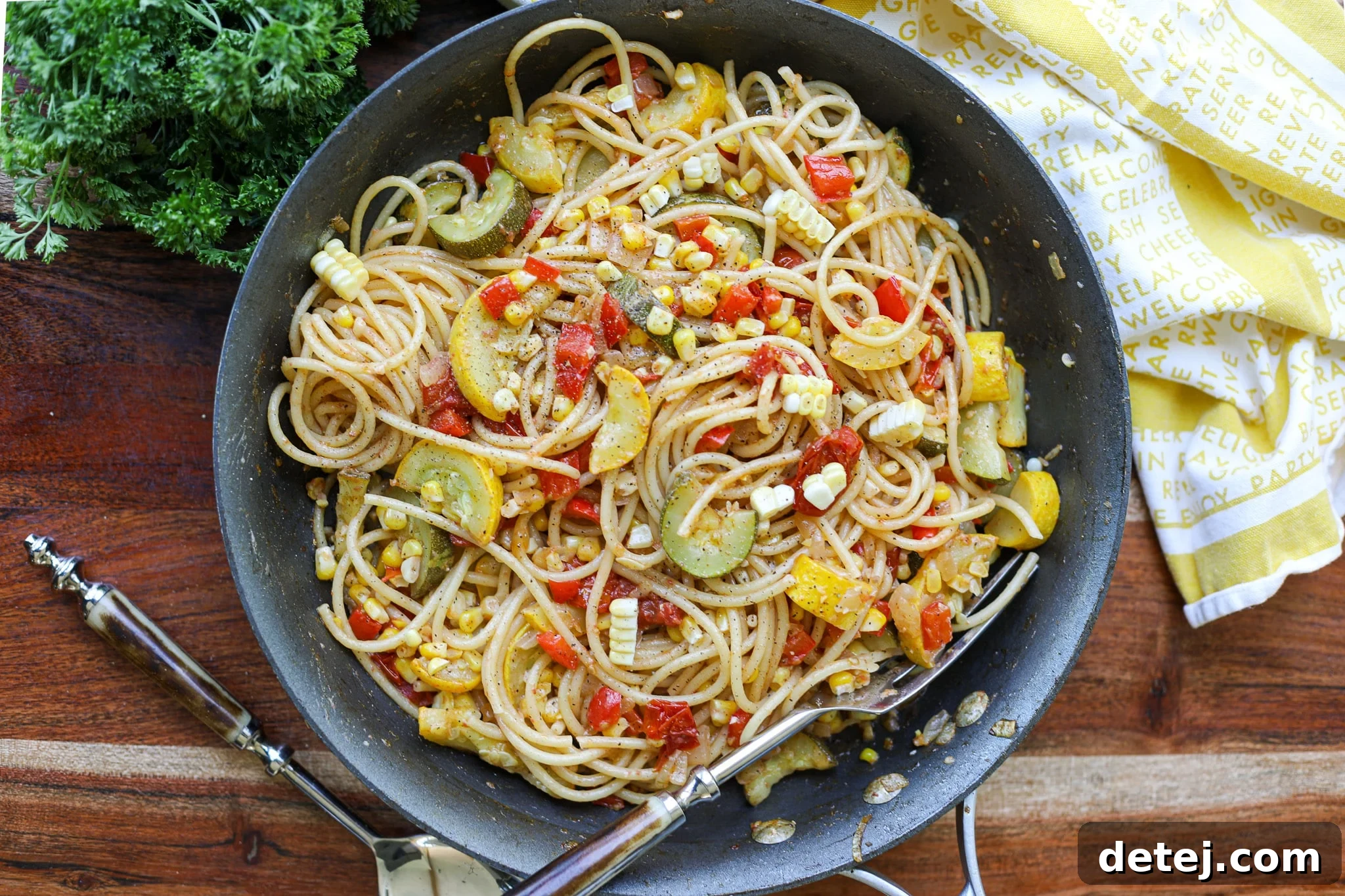
The Ultimate Guide to Fresh & Easy Pasta Primavera
Pasta Primavera, a name meaning “spring pasta,” perfectly encapsulates the essence of this beloved dish. It’s a vibrant symphony of fresh vegetables and pasta, designed to celebrate the bounty of the season. Originating in the 1970s, this dish quickly gained popularity for its light yet satisfying nature, offering a welcome departure from heavier cream-based pasta dishes. Our recipe honors this tradition while introducing a refreshing, dairy-free sauce that accentuates the crispness and sweetness of each vegetable. Instead of relying on rich creams, we build flavor through careful sautéing, a touch of butter and olive oil, and the bright acidity of lemon and white wine. This method ensures that every forkful is bursting with garden-fresh goodness, making it an ideal choice for a healthy, quick, and flavorful meal any night of the week.
Why You’ll Love This Springtime Pasta
This Pasta Primavera isn’t just another pasta dish; it’s a culinary experience designed for ease, versatility, and exceptional taste. Here are several compelling reasons why this recipe is destined to become a new favorite in your kitchen:
- Effortless Preparation: This recipe comes together in under 40 minutes, making it an ideal choice for busy weeknights when you crave a homemade meal without spending hours in the kitchen. The steps are straightforward, perfect for both novice and experienced cooks.
- Endlessly Customizable: One of the greatest joys of Pasta Primavera is its flexibility. You are encouraged to use any vegetables you have on hand or that are in season. This makes it perfect for “emptying the fridge” and preventing food waste, while always ensuring a fresh and unique dish. Feel free to swap, add, or omit vegetables to suit your tastebuds and dietary needs.
- Bursting with Fresh Flavors: By focusing on a lighter lemon and white wine sauce, this dish allows the natural sweetness and distinct textures of each vegetable to shine through. Every bite is a vibrant explosion of garden-fresh taste, far from heavy or greasy.
- Healthier Twist: Unlike many traditional pasta recipes laden with heavy cream, our version offers a significantly lighter profile without compromising on flavor. It’s packed with nutrient-rich vegetables, providing vitamins, minerals, and fiber, making it a wholesome and satisfying choice for a balanced meal.
- Visually Stunning: The medley of colorful vegetables—bright red bell peppers, lush green zucchini, sun-kissed yellow squash, and deep red cherry tomatoes—creates a visually appealing dish that’s as delightful to look at as it is to eat. It’s perfect for impressing guests or simply brightening up your dinner table.
- Vegetarian-Friendly: As a naturally vegetarian dish, it caters to a wide range of dietary preferences. For those seeking a vegan option, simple substitutions like plant-based butter and nutritional yeast for Parmesan can easily transform it.
Essential Ingredients for a Perfect Pasta Primavera
Crafting the perfect Pasta Primavera starts with selecting high-quality, fresh ingredients. Each component plays a vital role in building the layered flavors and textures that make this dish so irresistible. Here’s a detailed look at what you’ll need and why each element is crucial:
The Pasta Choice
For this recipe, we recommend 8 ounces of long-cut pasta. I personally love bucatini for its hollow center, which allows it to brilliantly capture and hold the light sauce and small vegetable pieces in every bite. However, spaghetti or linguini would work beautifully as well. The longer strands elegantly wrap around the tasty veggies, ensuring you get a harmonious blend of flavors and textures with each forkful. Consider the quality of your pasta; a good durum wheat semolina pasta will hold its shape better and provide a superior al dente texture.
Pro Tip for Perfect Pasta: Always remember to generously salt your pasta water. It’s your first opportunity to season the pasta itself, adding depth to the final dish. Cook the pasta precisely to al dente – firm to the bite – to prevent it from becoming mushy when tossed with the sauce. Crucially, before draining, reserve about ¼ to ½ cup of the starchy pasta water. This liquid is a secret weapon; its starch content helps to emulsify the sauce, making it silky and ensuring it clings beautifully to the pasta. After draining, a light drizzle of olive oil on the cooked pasta will prevent it from sticking together while you prepare the vegetables and sauce.
Fats for Flavor
We utilize a combination of both butter and olive oil in this recipe. Butter offers a rich, nutty depth that perfectly complements the vegetables, while olive oil, particularly a good quality extra virgin variety, brings its fruity notes and helps achieve a higher smoking point for sautéing. This blend ensures the vegetables are cooked to perfection, developing a beautifully browned exterior and tender interior, while also forming the base of our exquisite sauce.
Seasonal Vegetable Selection
The heart of Pasta Primavera lies in its vibrant array of vegetables. This recipe calls for a specific mix, but remember, flexibility is key! Feel free to adjust based on what’s fresh and available. Here are the stars of our dish:
- Aromatics: Minced garlic and diced sweet onion lay the foundational flavors, creating a fragrant base that elevates the entire dish. Their sweetness and pungent notes are essential.
- Summer Squashes: Diced zucchini and yellow squash add a delicate sweetness and tender texture. When lightly browned, they offer a satisfying depth of flavor.
- Sweet & Tangy Accents: Bursting cherry tomatoes not only contribute a beautiful pop of color but also release their juicy sweetness and a touch of acidity when cooked, forming a natural part of the sauce.
- Crunchy Delights: Diced red bell pepper provides a lovely crunch, a sweet flavor, and a vibrant splash of color. Grilled corn kernels are a standout addition, offering a smoky sweetness and satisfying texture that differentiates this Primavera. If fresh grilled corn isn’t available, canned or frozen (thawed and lightly pan-seared) can work, but the grilled flavor truly enhances the dish.
Simple Seasoning
To highlight the natural flavors of the produce and pasta, we rely on essential seasonings: kosher salt and freshly ground black pepper. These staples are crucial for balancing and enhancing every component of the dish. Season generously at each stage of cooking for optimal taste.
The Light and Bright Sauce
Our signature sauce is a harmonious blend designed to be light yet flavorful. It’s crafted from dry white wine, freshly squeezed lemon juice, and some of that invaluable reserved pasta water. The white wine adds a subtle acidity and complexity, the lemon juice brightens everything with its tangy zest, and the starchy pasta water binds it all together into a cohesive, glossy coating for the pasta and vegetables. A dry white wine like Sauvignon Blanc or Pinot Grigio works best.
The Finishing Touch: Cheese
Grated Parmesan cheese adds a salty, umami-rich finish that melts into the sauce, providing a creamy texture and depth of flavor. Always opt for high-quality, freshly grated Parmesan for the best results; pre-grated cheeses often contain anti-caking agents that can affect their melting properties and overall taste. A good Parmesan will seamlessly integrate, creating a truly irresistible sauce.
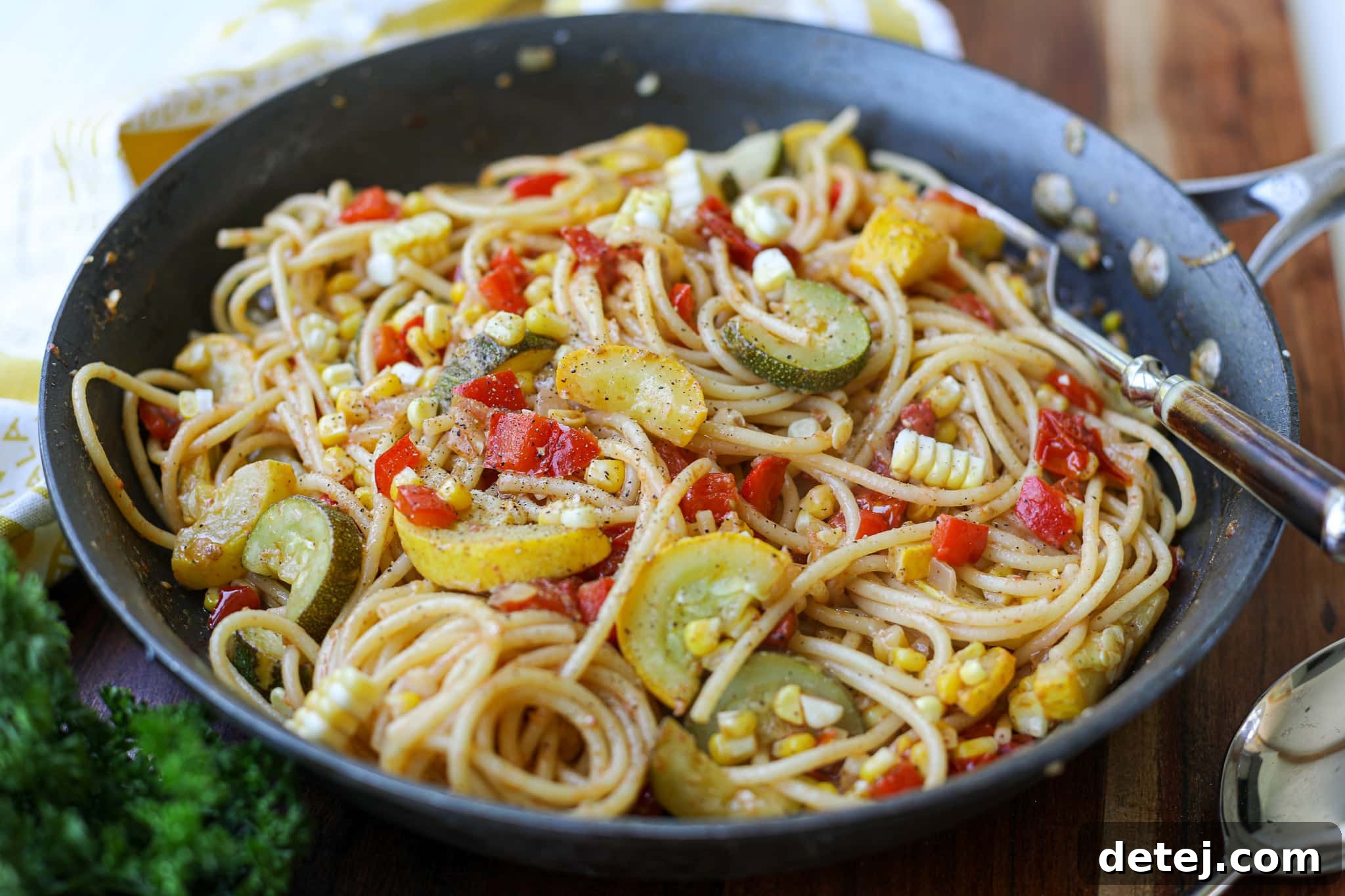
Step-by-Step Guide to Making Your Best Pasta Primavera
Follow these detailed instructions to create a delicious and visually appealing Pasta Primavera that’s sure to impress:
1. Preparing the Pasta Perfectly
Begin by filling a large pot with water and bringing it to a rolling boil. Add a generous amount of kosher salt to the boiling water – it should taste like the ocean. Cook your chosen pasta (bucatini, spaghetti, or linguini are excellent choices) according to the package directions until it reaches a perfect al dente texture. This means it should be firm to the bite, not soft or mushy. Before draining the pasta, remember to scoop out and reserve about ¼ to ½ cup of the starchy pasta water. This liquid is key for creating the sauce later. Once drained, immediately drizzle the cooked pasta with a touch of olive oil and toss gently to prevent the strands from sticking together. Set the pasta aside while you prepare the vibrant vegetables and sauce.
2. Sautéing Your Vibrant Vegetables
In a large sauté pan or skillet, melt the two tablespoons of salted butter with one tablespoon of olive oil over medium heat. Once the butter is melted and shimmering, add the diced sweet onion and minced garlic to the pan. Sauté for about 2-3 minutes, stirring occasionally, until the onions become tender and translucent, and the garlic is fragrant. Be careful not to burn the garlic. Next, add the diced zucchini, yellow squash, cherry tomatoes, and red bell peppers to the pan. Continue to sauté for another 5-7 minutes, or until the vegetables begin to lightly brown and soften, and the cherry tomatoes start to burst, releasing their sweet juices. Season generously with kosher salt and black pepper to enhance their natural flavors.
3. Crafting the Light Lemon-Wine Sauce
To build the sauce, deglaze the pan by pouring in the ¼ cup of dry white wine and two tablespoons of fresh lemon juice. Use a wooden spoon to scrape up any browned bits that may be stuck to the bottom of the pan; these bits are full of flavor! Let the mixture simmer for 1-2 minutes, allowing the alcohol to cook off slightly. Now, add the grilled corn kernels, the cooked al dente pasta, and the ⅓ cup of grated Parmesan cheese to the pan. Pour in some of the reserved pasta water, starting with ¼ cup. Toss everything together thoroughly, ensuring the pasta and vegetables are evenly coated. Continue stirring until the Parmesan cheese melts and a light, glossy sauce has formed, clinging beautifully to all the ingredients. If the sauce appears too thick or the pasta feels “tight,” add more reserved pasta water, one tablespoon at a time, until you reach your desired consistency. Once the sauce is perfect, remove the pan from the stovetop immediately.
4. Serving and Garnish Ideas
Taste the Pasta Primavera and adjust the seasoning with additional salt or pepper if needed. For an extra layer of freshness and aroma, consider topping this delightful dish with a sprinkle of fresh herbs. Chopped basil or parsley are excellent choices, adding a bright, herbaceous note that complements the vegetables and lemon. Serve your Pasta Primavera immediately while it’s hot, allowing you to fully appreciate its vibrant flavors and comforting warmth. This dish is perfect as a standalone meal or can be served alongside grilled chicken or fish for added protein.
Storage and Reheating Tips
Should you find yourself with any delicious leftovers, store them in an airtight container in the refrigerator for up to three to four days. To reheat, simply place the pasta in a microwave-safe dish and warm gently. To help reconstitute the sauce and prevent the pasta from drying out, add a touch of water or vegetable broth before reheating. Stir occasionally to ensure even heating and moisture distribution. While best enjoyed fresh, this pasta reheats surprisingly well!
Frequently Asked Questions About Pasta Primavera
A: For the absolute best flavor and texture, Pasta Primavera is ideally served immediately after preparation. The vegetables retain their crisp-tender texture, and the sauce is at its freshest. While you can prep ingredients ahead of time (chopping vegetables, cooking pasta), assembling and serving fresh yields the best results.
A: Leftover Pasta Primavera can be safely stored in an airtight container in the refrigerator for up to 3-4 days. Be sure to cool it completely before transferring it to the container.
A: If you prefer not to use white wine, you can easily substitute it with an equal amount of vegetable broth or chicken broth. The dish will still be incredibly flavorful, though it might have a slightly less complex acidic note.
A: Absolutely! Pasta Primavera is wonderfully versatile and pairs well with various proteins. Grilled chicken, pan-seared shrimp, baked salmon, or even white beans or chickpeas for a plant-based boost would all be delicious additions. Add cooked protein during the “Make the Sauce” step, or serve it on top.
A: This recipe is already vegetarian. To make it vegan, simply substitute the salted butter with a plant-based butter alternative and omit the Parmesan cheese, or use a good quality dairy-free Parmesan substitute or nutritional yeast for a cheesy flavor.
A: The beauty of Pasta Primavera lies in its flexibility! Feel free to experiment with other seasonal vegetables. Great additions include asparagus spears, snap peas, spinach, broccoli florets, mushrooms, artichoke hearts, or even finely chopped carrots. Just ensure they are cut into similar sizes for even cooking.
More Delicious Pasta Recipes to Explore
If you’re a fan of flavorful pasta dishes and enjoyed the fresh simplicity of this Pasta Primavera, don’t stop here! The world of pasta is vast and exciting. Here are some other delightful recipes from Healthyish Foods to inspire your next meal, each offering a unique taste and experience:
- Creamy Corn and Grated Zucchini Orzo Pasta: Discover a comforting and incredibly creamy orzo dish that’s packed with the sweet essence of corn and the tender texture of fresh grated zucchini, perfect for a cozy meal.
- Pasta with Vodka Sauce: Indulge in a rich and silky vodka sauce pasta, a beloved classic that strikes a perfect balance between tangy tomatoes and creamy indulgence, ideal for a special dinner or comforting treat.
- Cacio e Pepe Ditalini: Experience a cheesy and peppery Roman classic, made even easier and more delightful with ditalini pasta. This simple yet profound dish highlights the beauty of minimal ingredients.
- Peach Caprese Pasta Salad: Enjoy a refreshing and unique twist on the traditional Caprese salad, featuring sweet peaches, fresh mozzarella, aromatic basil, and tender pasta—a perfect summer side or light lunch.
- Linguini with Crab: Immerse yourself in the delicate and luxurious flavors of the sea with this elegant linguini and crab dish, showcasing the sweetness of crab meat in a light, flavorful sauce.
- Shrimp Pasta with Roasted Red Pepper Sauce: Savor a vibrant and savory pasta featuring succulent shrimp enveloped in a smoky, rich roasted red pepper sauce, offering a depth of flavor that’s both comforting and exciting.
- Chicken Enchilada Pasta: Get ready for a delicious fusion dish that brings together the beloved, spicy, and cheesy flavors of chicken enchiladas in a comforting pasta format—a true crowd-pleaser.
- Creamy Baked Pesto Pasta with Chicken Meatballs: Dive into a hearty and satisfying baked pasta dish, rich with vibrant pesto, tender chicken meatballs, and a creamy sauce that bakes to golden perfection.
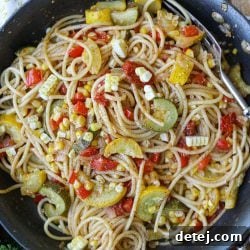
Pasta Primavera
Author: Sarah Thomas-Drawbaugh
Yield: 4 servings
Prep Time: 20 mins
Cook Time: 20 mins
Total Time: 40 mins
Pasta Primavera is an easy dinner recipe made from al dente pasta and cooked vegetables. Perfect when you want a hot pasta dinner on the table fast.
Pin Recipe
Rating: 5 out of 5 stars (from 1 vote)
Leave a Review »
Equipment
- 1 pasta pot
- 1 colander
- 1 large sauté pan
Ingredients
- 8 ounces bucatini pasta, cooked al dente (spaghetti or linguini also work well)
- ¼ – ½ cup reserved pasta water
- 2 tablespoons salted butter
- 1 tablespoon olive oil
- ½ cup sweet onion, diced small
- 2 teaspoons garlic, minced
- ½ cup zucchini, halved and sliced
- ½ cup red bell pepper, diced small
- ½ cup yellow squash, halved and sliced
- 1 cup cherry tomatoes
- ¼ cup dry white wine (e.g., Sauvignon Blanc)
- 2 tablespoons fresh squeezed lemon juice
- 1 cup corn kernels (grilled is preferred for extra flavor)
- ⅓ cup grated parmesan cheese
- Kosher salt, to taste
- Black pepper, to taste
Instructions
-
Make the Pasta
Boil a large pot of salted water. Cook the pasta according to package directions until al dente. Before draining, reserve about ¼ to ½ cup of the starchy pasta water. Drain the pasta and drizzle with a little olive oil to prevent sticking. Set aside.
-
Sauté the Vegetables
In a large sauté pan or skillet, melt butter with olive oil over medium heat. Add the diced sweet onion and minced garlic, sautéing until they become tender and fragrant, about 2-3 minutes. Incorporate the diced zucchini, yellow squash, cherry tomatoes, and red bell peppers. Continue to sauté for 5-7 minutes, or until the vegetables begin to lightly brown and the cherry tomatoes start to burst. Season generously with kosher salt and black pepper.
-
Make the Sauce
Deglaze the pan by pouring in the white wine and fresh lemon juice. Stir and scrape any browned bits from the bottom of the pan. Allow it to simmer for 1-2 minutes until the alcohol cooks off slightly. Add the grilled corn kernels, the cooked al dente pasta, and the grated parmesan cheese to the pan. Pour in some of the reserved pasta water, starting with ¼ cup, and mix everything thoroughly. Stir until the cheese melts and a light, glossy sauce coats the pasta and vegetables. If the sauce appears too thick or “tight,” add more reserved pasta water a tablespoon at a time until desired consistency is reached. Remove from heat.
-
Serve the Pasta
Taste and adjust seasoning if necessary. Optionally, garnish with fresh herbs like chopped basil or parsley for an added burst of freshness. Serve your Pasta Primavera hot and enjoy this delightful, garden-fresh meal.
Video
Notes
This dish is best enjoyed immediately for optimal texture and flavor. Leftovers can be reheated gently with a splash of water or broth to loosen the sauce.
Nutrition
Serving: 1 serving (1/4 of the entire pan)
- Calories: 393 kcal
- Carbohydrates: 56g
- Protein: 12g
- Fat: 13g
- Saturated Fat: 6g
- Polyunsaturated Fat: 1g
- Monounsaturated Fat: 5g
- Trans Fat: 0.2g
- Cholesterol: 22mg
- Sodium: 288mg
- Potassium: 444mg
- Fiber: 4g
- Sugar: 7g
- Vitamin A: 1091 IU
- Vitamin C: 42mg
- Calcium: 107mg
- Iron: 1mg
Course: Main Course
Cuisine: American
Calories: 393
Author: Sarah Thomas-Drawbaugh