
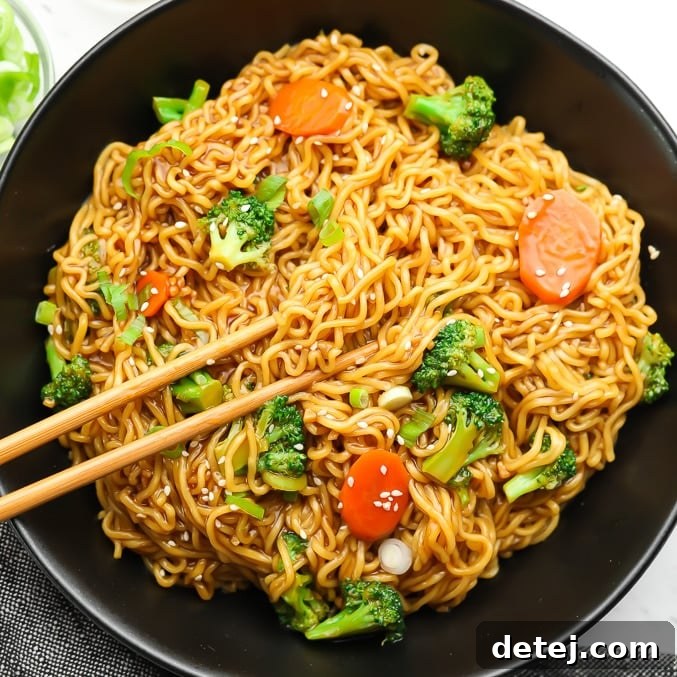
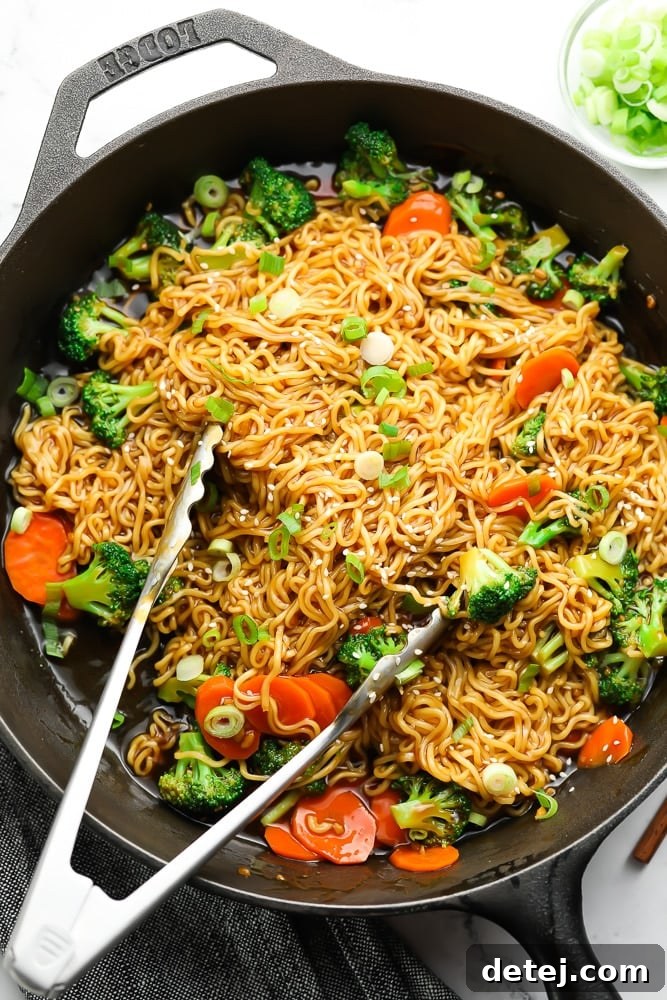
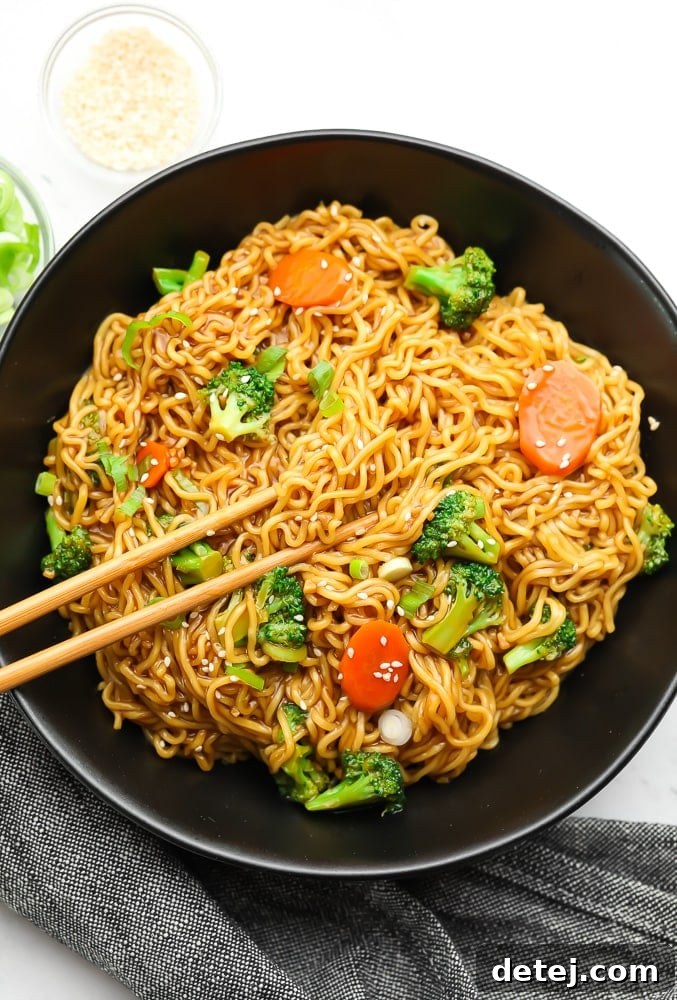
Indulge in the ultimate comfort food with these unbelievably quick and easy Teriyaki Noodles. Crafted in just 30 minutes, this vegan delight features tender ramen noodles and a vibrant medley of vegetables, all generously coated in a luscious, homemade teriyaki sauce. Each forkful promises an irresistible blend of sweet, savory, and umami flavors, making it a perfect weeknight meal that tastes like it came straight from your favorite Asian restaurant.
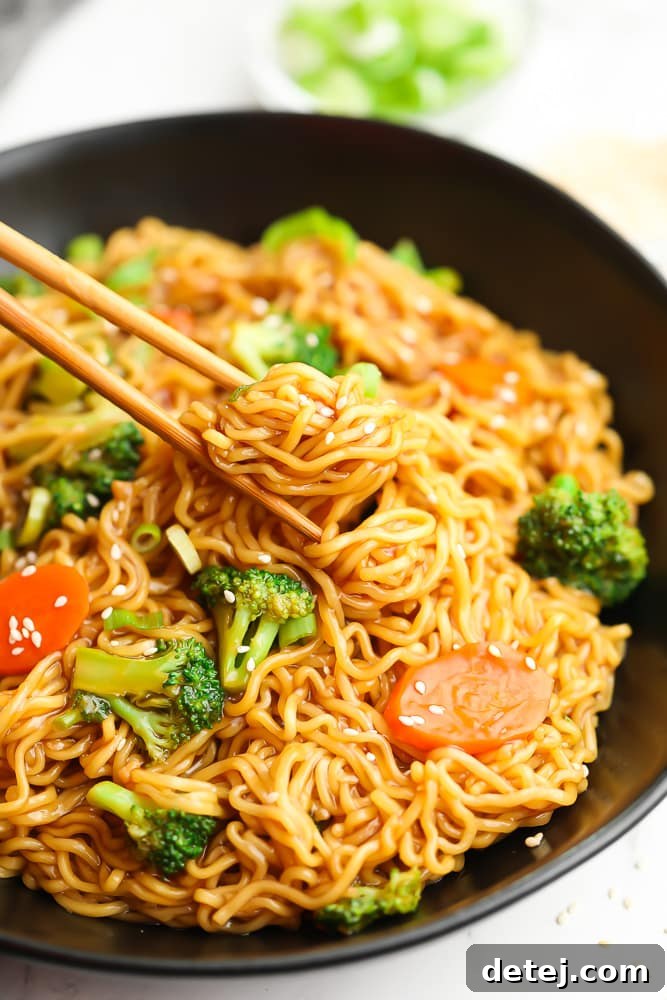
Effortless Vegan Teriyaki Noodles with Fresh Vegetables
Are you searching for a quick, delicious, and deeply satisfying meal that rivals your favorite takeout but can be whipped up in your own kitchen in under half an hour? Look no further than these incredible Vegan Teriyaki Noodles. This isn’t just a simple dish; it’s a culinary experience disguised as a lightning-fast dinner. Imagine perfectly cooked ramen noodles, a vibrant assortment of steamed vegetables, and a rich, savory homemade teriyaki sauce – all coming together on your stovetop to create a warm, comforting bowl of pure flavor.
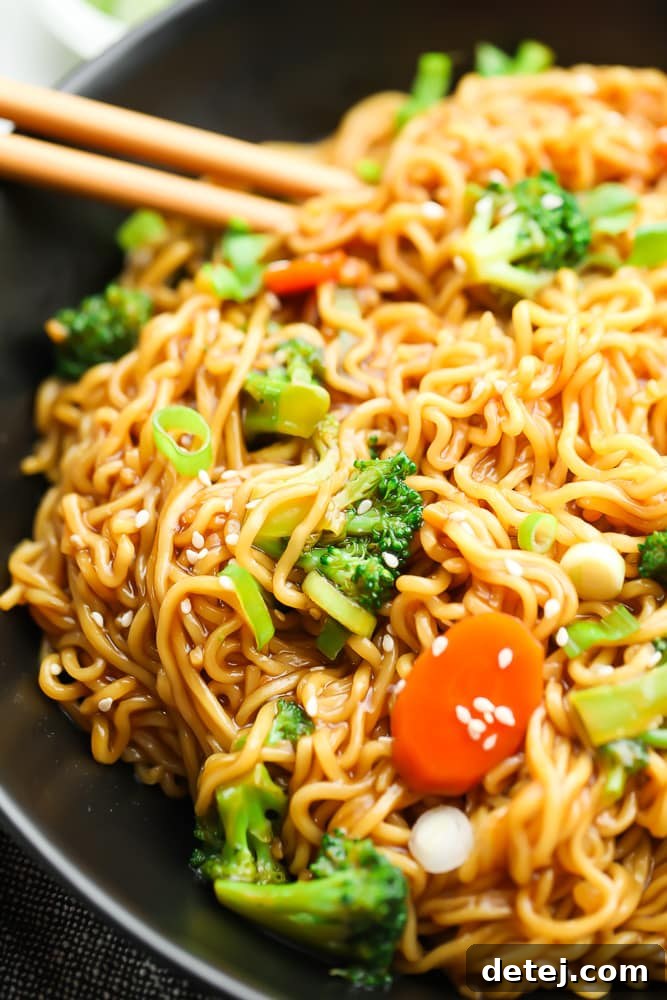
What makes these noodles truly stand out is the exquisite balance of flavors and the sheer ease of preparation. Forget complicated recipes or long lists of exotic ingredients; this dish is designed for busy individuals who refuse to compromise on taste. It’s an ideal solution for a hectic weeknight, a cozy weekend lunch, or whenever you crave something truly special without the fuss. The homemade teriyaki sauce, far superior to anything store-bought, coats every strand of noodle and every crisp vegetable, ensuring a harmonious and utterly addictive taste sensation with every single bite.
Transforming these restaurant-quality noodles into the ultimate comfort food is surprisingly straightforward. Think of the teriyaki-coated noodles as your blank canvas, ready to be adorned with your favorite plant-based proteins, an even wider medley of colorful vegetables, fresh herbs, and an array of enticing toppings. Whether you’re adding crispy air fryer tofu for a delightful crunch, marinated tempeh for an earthy richness, or a sprinkle of toasted sesame seeds for an aromatic finish, there are truly endless possibilities to customize and elevate these vegetarian teriyaki noodles to new heights. They are not just a meal; they are an invitation to culinary creativity and a testament to how easy and rewarding vegan cooking can be.
Essential Ingredients for Perfect Teriyaki Noodles (with Smart Substitutions)
Creating truly outstanding teriyaki noodles begins with a careful selection of ingredients. Our recipe focuses on fresh, accessible components that combine to form an authentic and incredibly flavorful dish. Here’s a detailed look at what you’ll need, along with versatile substitution options to suit your pantry and dietary preferences:
- Soy Sauce: The backbone of our teriyaki sauce. We highly recommend using a low-sodium soy sauce to control the overall saltiness of the dish, allowing the other flavors to shine through without being overpowered. For those adhering to a gluten-free diet, tamari is an excellent, readily available alternative that provides the same depth of flavor without the gluten.
- Rice Vinegar: This essential ingredient adds a subtle tang and bright acidity to the sauce, cutting through the richness and balancing the sweetness. Ensure you use seasoned rice vinegar for a more mellow, well-rounded profile. While there isn’t a direct substitute that offers the same unique flavor, a very small amount of apple cider vinegar could work in a pinch, though the taste will be different.
- Brown Sugar: Provides the characteristic sweetness and helps create that beautiful caramelization in the sauce. Light or dark brown sugar will both work beautifully. If you prefer a refined sugar-free option, pure maple syrup or agave syrup are fantastic liquid sweeteners that integrate seamlessly into the sauce, offering a similar depth of sweetness.
- Sesame Oil: This is a non-negotiable ingredient for authentic teriyaki flavor. Toasted sesame oil, in particular, adds a wonderfully nutty, aromatic complexity that elevates the entire dish. Don’t skip it! A little goes a long way, so use it judiciously.
- Fresh Garlic and Ginger: For the most vibrant and pungent flavor, fresh garlic and ginger are paramount. Minced garlic and freshly grated ginger will infuse your sauce with an unparalleled zest. If fresh isn’t an option, you can substitute with garlic powder (approximately 1 teaspoon) and ground ginger (about ¼ teaspoon), but be aware that the flavor will be less intense.
- Cornstarch: This acts as a thickening agent, giving the teriyaki sauce its signature glossy texture. It’s crucial for achieving that perfect cling to your noodles and vegetables. While we haven’t tested it extensively, arrowroot powder is a common gluten-free alternative that may work similarly for thickening.
- Water: Used to create the cornstarch slurry and to help steam the vegetables, ensuring they cook evenly and remain tender-crisp.
- Noodles: The star of the show! While we love using ramen stir-fry noodles for their texture and ease, this recipe is incredibly versatile. Any long, thin noodle will do. Consider buckwheat soba noodles for a nutty, wholesome option, or rice noodles for a gluten-free choice. Even common pasta varieties like fettuccine, spaghetti, or linguine can be surprisingly delicious in this context, offering a familiar chewiness.
- Vegetables: This recipe is a fantastic opportunity to clean out your fridge! Our go-to combination includes vibrant broccoli florets, sweet sliced carrots, and fresh green onions for a mild oniony bite. However, feel free to use any fresh or frozen vegetables you have on hand. Bell peppers, snap peas, mushrooms, baby corn, edamame, asparagus, or even a pre-mixed stir-fry bag would all be excellent additions. The more colorful, the better!
- Toppings: Elevate your bowl with a variety of toppings that add texture, flavor, and visual appeal. A sprinkle of toasted sesame seeds adds nuttiness, a drizzle of your favorite hot sauce provides a kick, fresh cilantro offers herbaceous freshness, crushed peanuts bring a satisfying crunch, and chili flakes deliver a gentle warmth.
Crafting Your Teriyaki Noodles: A Step-by-Step Guide
Whipping up these delightful Teriyaki Noodles is incredibly straightforward. Follow these easy steps to create a restaurant-worthy meal in your own kitchen:
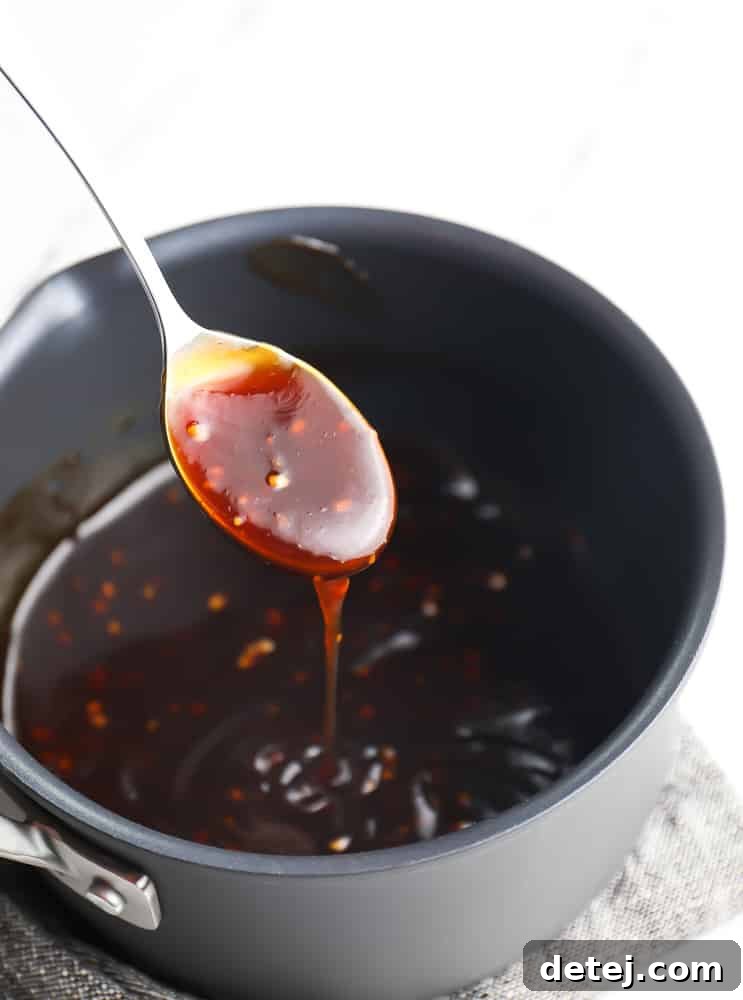
- Prepare the Homemade Teriyaki Sauce: In a medium saucepan, combine the low-sodium soy sauce (or tamari), seasoned rice vinegar, brown sugar (or maple/agave syrup), sesame oil, minced garlic, and grated fresh ginger. Whisk these ingredients together until well combined. Place the saucepan over medium-high heat and bring the mixture to a gentle boil, allowing it to bubble for a minute or two to meld the flavors. In a separate small bowl, whisk together the cornstarch with ¼ cup of cold water until a smooth slurry forms. Slowly pour this cornstarch slurry into the simmering sauce in the saucepan, whisking continuously. Continue stirring until the sauce visibly thickens and achieves a glossy consistency. Once thickened, remove the pot from the heat and set the sauce aside.
- Cook the Noodles to Perfection: Bring a large pot of water to a rolling boil. Add your chosen noodles (ramen, soba, rice, or regular pasta) and cook them according to the package instructions. Cooking times will vary depending on the type and brand of noodle. Aim for al dente, as they will continue to absorb some sauce. Once cooked, drain the noodles thoroughly in a colander and set them aside.
- Steam the Fresh Vegetables: Use the same pot you used for the noodles (no need to wash it!). Add your fresh vegetables, such as broccoli florets and sliced carrots, along with ½ cup of water. Cover the pot with a lid and turn the heat to high. Allow the vegetables to steam for 3-4 minutes, or until they are tender-crisp and most of the water has evaporated. You want them cooked but still with a slight bite. This steaming method helps retain their vibrant color and nutrients.
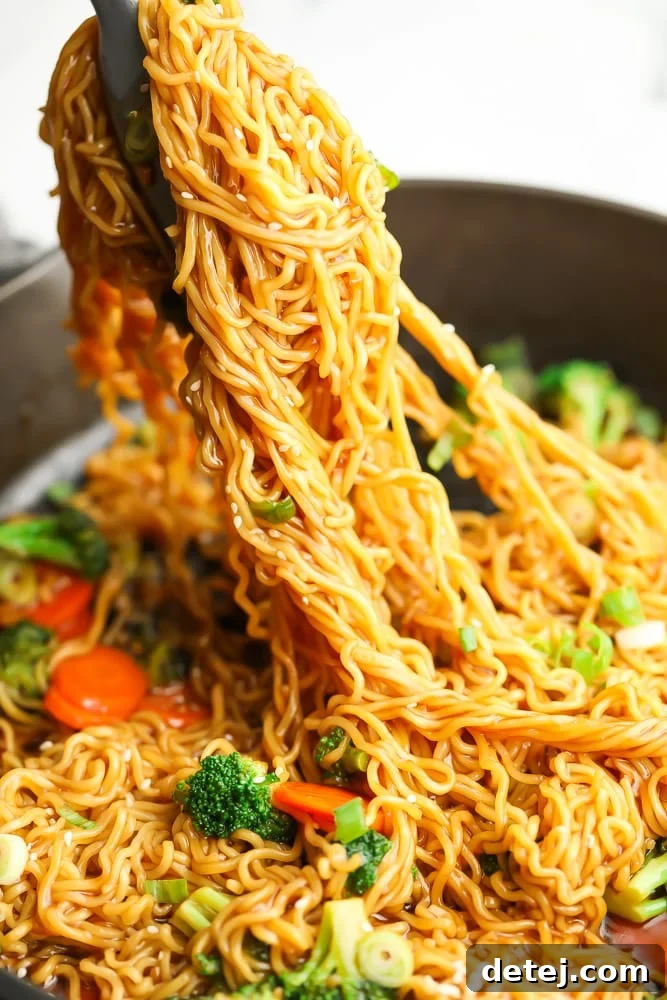
- Combine and Serve: Once the vegetables are perfectly steamed, turn off the heat. Add the cooked and drained noodles directly into the pot with the vegetables. Pour the prepared homemade teriyaki sauce generously over the noodles and vegetables. Using tongs or a large spoon, gently toss and stir everything together until all the noodles and vegetables are thoroughly coated in the luscious sauce.
- Garnish and Enjoy: Transfer the teriyaki noodles to serving bowls. For an added layer of flavor and texture, sprinkle with toasted sesame seeds, a handful of freshly chopped green onions, and a drizzle of your favorite hot sauce, if desired. Serve immediately and savor every comforting, flavorful bite!
Elevate Your Meal: Serving Suggestions & Pro Tips
These Teriyaki Noodles are undeniably satisfying on their own, offering a complete and balanced meal. However, if you’re hosting a dinner or simply want to round out your plate, pairing them with a simple side dish can enhance the experience. Consider these complementary options:
- Protein Powerhouses: Boost the protein content by serving alongside Vegan Beef and Broccoli, crispy Black Pepper Tofu, or even a side of pan-seared Marinated Tofu. These options add substance and make the meal even heartier.
- Fresh and Light: For a refreshing contrast, fresh spring rolls offer a light and crisp element that complements the savory noodles beautifully.
- Classic Pairings: Stick to Asian-inspired classics like a vibrant Curried Cauliflower or a flavorful Vegan Fried Rice. These sides can be prepared simultaneously or ahead of time to make meal prep even easier.
Pro Tip for Ultimate Flavor: Our homemade teriyaki sauce is so good, you’ll want it on everything! Consider making a double or even triple batch of the sauce. Once cooled, bottle it in an airtight container and store it in the fridge for up to a week, or freeze it for longer storage. This versatile flavor booster can transform plain rice, steamed vegetables, or even simple pan-fried tofu into an irresistible meal in minutes. It’s truly your secret weapon for quick and flavorful weeknight dinners, giving dishes like Teriyaki Tofu an unforgettable quality.
Frequently Asked Questions About Vegan Teriyaki Noodles
To help you master this delicious dish and answer any lingering questions, here are some common inquiries:
- What else can you add to teriyaki noodles for extra flavor or substance?
The beauty of teriyaki noodles lies in their versatility. Think of any vegetables you enjoy in a classic vegan stir-fry – they’ll likely work here! Beyond broccoli and carrots, consider adding bell peppers (any color), snap peas, sliced mushrooms, baby corn, water chestnuts, or even edamame for extra protein. For even more filling and satisfying protein, stir in marinated tofu, crumbled tempeh, rehydrated soy curls, or leftover seitan chicken. These additions can transform it from a light meal into a robust, protein-packed dinner.
- Can you make these teriyaki noodles ahead of time for meal prep?
Absolutely! These noodles are a fantastic option for meal prep. The teriyaki sauce can be prepared up to 5-7 days in advance and stored in an airtight container in the refrigerator. The cooked noodles and vegetables, once combined with the sauce, can also be assembled 1 to 2 days before eating. This makes them perfect for quick lunches or dinners throughout the week. Just store them in an airtight container in the fridge.
- How long do cooked teriyaki noodles last in the fridge?
When stored properly in an airtight container, your leftover teriyaki noodles will maintain their deliciousness for up to 3 days in the refrigerator. For best results, allow them to cool completely before transferring them to storage containers to prevent condensation and sogginess.
- Can teriyaki noodles be frozen?
While the homemade teriyaki sauce freezes exceptionally well (making it great for batch cooking!), we generally don’t recommend freezing the assembled noodles and vegetables. Freezing can alter the texture of the noodles, making them mushy, and the vegetables can lose their crispness upon thawing. For the freshest and most enjoyable experience, it’s best to consume the prepared noodles within a few days from the refrigerator.
- Are there specific types of ramen noodles that work best, or can any kind be used?
You can use most types of ramen noodles for this recipe, particularly the instant ramen blocks found in grocery stores. The key is to discard the seasoning packets that come with them, as we’re using our fresh homemade teriyaki sauce. Beyond ramen, thin wheat noodles, soba noodles (buckwheat), or even vermicelli rice noodles are excellent choices and often yield a lighter texture. The main goal is a long, thin noodle that can effectively absorb and carry the sauce.
Explore More Noodle Delights
If you loved these Teriyaki Noodles, you’re in for a treat! Discover more of our favorite vegan noodle recipes that are bursting with flavor and perfect for any occasion:
- Creamy Thai Peanut Noodles
- Hearty Peanut Tempeh Stir Fry
- Easy & Flavorful Drunken Noodles
- Authentic Vegan Pad Thai
Teriyaki Noodles
15
10
25
5 servings
Ingredients
Teriyaki Sauce
- 1/3 cup low sodium soy sauce *tamari for gluten free
- 1/4 cup seasoned rice vinegar
- 1/4 cup brown sugar
- 1 teaspoon sesame oil
- 3 cloves garlic, minced
- 1 tablespoon fresh grated ginger
- 2 tablespoons cornstarch
- 1/4 cup water
The Rest
- 8 ounce Asian stir fry noodles (see Notes for options) *I used ramen stir fry noodles, seasoning packets discarded
- 2 cups broccoli florets
- 1 carrot, peeled and sliced
- 2 green onions, chopped
- sesame seeds + hot sauce, for serving
- Optional: Marinated Tofu *optional for added protein
Instructions
-
Make the Teriyaki sauce: In a small pot, whisk together the soy sauce, rice vinegar, brown sugar, sesame oil, garlic and ginger together over medium-high heat until it starts to bubble. Mix the cornstarch and 1/4 cup water together in a small bowl, and then add to the pot, whisking until the sauce thickens slightly. Remove from heat and set aside.
-
Cook the noodles: Boil the noodles according to package instructions, this will vary depending on the kind of noodle you use. Drain and set aside.
-
Cook the vegetables: In the same pot you used to boil the noodles, add the broccoli, carrot and 1/2 cup of water. Turn the heat to high and cover, steaming for 3-4 minutes, until the vegetables have softened and most of the water is gone.
-
Turn off the heat and add the noodles and sauce to the pot with the vegetables. Stir to coat everything well. Serve sprinkled with sesame seeds, chopped green onions and hot sauce, as desired. Enjoy!
Notes
- Gluten free: To ensure this recipe is gluten free, use gluten free noodles and tamari instead of soy sauce.
- Lower the sodium: If you need to consume less salt, add just a few tablespoons of low sodium soy sauce, and replace the rest with water. You can always add a splash of soy sauce to your bowl as well.
- Noodles: I used Asian ramen type stir fry noodles from packages I found at my local grocery store, and discarded the flavor packets. You could also use rice noodles, vermicelli, soba noodles or buckwheat.
- Mix it up: Use any variety of vegetables you like, such as asparagus, cauliflower, green beans, bell peppers or even a frozen vegetable mix. Or add marinated tofu or tempeh.
Nutrition
Carbohydrates: 49g |
Protein: 7g |
Fat: 8g |
Saturated Fat: 4g |
Sodium: 1200mg |
Potassium: 301mg |
Fiber: 3g |
Sugar: 13g |
Vitamin A: 2313IU |
Vitamin C: 35mg |
Calcium: 53mg |
Iron: 3mg
*This recipe was originally published in July 2017, and has been thoroughly updated as of October 2020 to provide the most comprehensive and delightful cooking experience.