
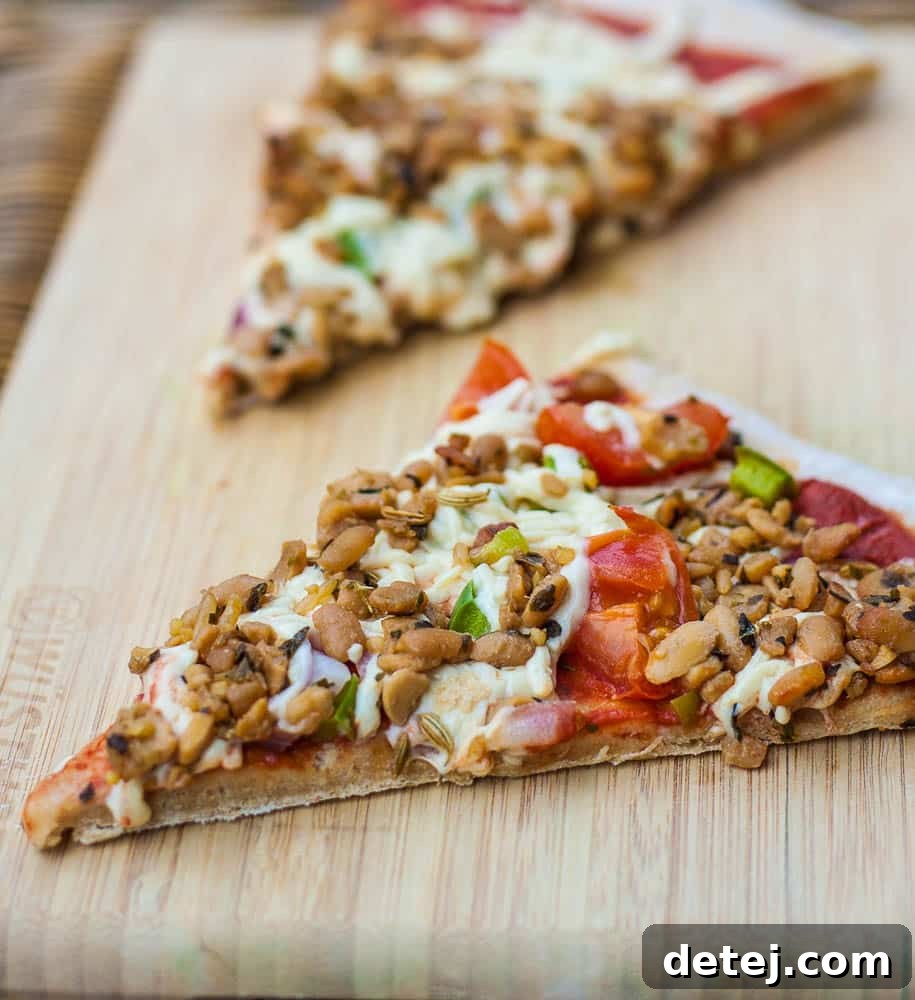
The Ultimate 30-Minute Whole Wheat Oil-Free Vegan Pizza Dough: Your Guide to Healthy Homemade Pizza
Imagine sinking your teeth into a slice of warm, homemade pizza, knowing it’s not only incredibly delicious but also packed with wholesome goodness. This isn’t just any pizza; it’s a revolutionary whole wheat, oil-free, and vegan pizza dough recipe designed to bring the joy of healthy, plant-based pizza to your table in a mere 30 minutes. Forget the heavy, greasy feeling of traditional pizza – this recipe promises a light, satisfying experience without compromising on flavor or texture. Get ready to transform your pizza nights with a crust that’s both quick to prepare and incredibly wholesome.
The Journey to a Better Pizza Crust: Why This Recipe Stands Out
For weeks, I embarked on a mission to create the ultimate pizza dough – one that defied the norms of conventional recipes. Many dough recipes rely heavily on oil, refined white flour, or an abundance of cheese, often leaving you feeling sluggish and unsatisfied. My goal was clear: develop a soft, perfectly chewy crust that was not only 100% whole wheat but also completely oil-free and simple enough for anyone to master. After countless trials and adjustments, I am thrilled to share this perfected recipe that finally hits all the marks. This isn’t just another pizza dough; it’s a labor of love, crafted to deliver a truly guilt-free and enjoyable meal.
Choosing a whole wheat, oil-free, and vegan dough offers a myriad of benefits that extend beyond just taste. Whole wheat flour provides essential fiber, aiding digestion and promoting satiety, which means you’ll feel fuller and more satisfied without overeating. Eliminating oil drastically reduces saturated fat intake, contributing to better heart health and a lighter overall dish. Furthermore, opting for a vegan recipe embraces a compassionate lifestyle while offering a wealth of nutrients found in plant-based ingredients. This dough isn’t just a healthier alternative; it’s a conscious choice for a more vibrant, plant-powered diet.
Transform Your Friday Pizza Night (or Any Night!)
Friday Pizza Night holds a special place in many homes, including ours. Our tradition began with the convenience of store-bought dough, which, while tasty, lacked a whole grain option. We even experimented with pita bread for those super-fast dinner solutions. While these options sufficed, nothing compares to the unparalleled freshness and flavor of a homemade pizza crust. The difference is truly night and day. Crafting your own dough elevates pizza night from a simple meal to a delightful culinary experience, inviting creativity and connection around the kitchen.
The beauty of homemade pizza lies in its endless customization. In our household, preferences vary widely. My children adore their pizzas topped with finely chopped mushrooms, sweet tomatoes, and fresh spinach. My husband and I, on the other hand, love to experiment with a medley of colorful vegetables, sometimes adding savory tempeh sausage crumbles and just a tiny sprinkle of dairy-free cheese for an extra touch of richness. This plant-based approach proves that you don’t need excessive amounts of cheese or meat to create an outstanding pizza. In fact, I genuinely believe this vegan version is just as, if not more, delicious than its traditional counterparts. The best part? You’ll feel fantastic after eating it, unlike the heavy, often regretful feeling associated with the Standard American Diet (SAD) version of pizza.
Mastering Your Homemade Pizza Dough: A Simple Step-by-Step Guide
This pizza dough recipe is remarkably straightforward, designed to demystify the art of homemade bread-making. The process begins with activating your yeast, a crucial step for achieving that perfect rise and airy texture. Simply combine warm water, yeast, and a touch of sugar in a bowl and let it sit for a few minutes. This allows the yeast to bloom, creating a slightly foamy mixture that signals its readiness. Next, you’ll incorporate the flour, nutritional yeast, and salt. Whether you opt for the convenience of a stand mixer fitted with a dough hook or the satisfying experience of kneading by hand, the goal is to achieve a smooth, elastic ball of dough. Five minutes of kneading is all it takes to develop the gluten, ensuring a pliable and workable dough. Finally, divide the dough, roll it out, add your favorite toppings, and bake. In less than an hour, including prep and baking, you’ll be enjoying a healthy, homemade meal that tastes like it took hours.
Yeast Activation: The Foundation of Fluffy Dough
The first step in creating a truly exceptional pizza dough is properly activating your yeast. Use warm water, ideally around 110°F (43°C) – it should feel almost too hot for comfort. This temperature is crucial for waking up the yeast without killing it. Combine the warm water with a tablespoon of sugar, which acts as food for the yeast, and sprinkle in the rapid-rise or instant yeast. Give it a quick whisk, then let it sit undisturbed for about 5 minutes. You’ll know it’s ready when the mixture becomes foamy and slightly puffy, indicating that the yeast is active and eager to work its magic on your dough.
Mixing and Kneading for Perfection
Once your yeast is active, it’s time to build the dough. Add the white whole wheat flour, nutritional yeast, and salt to the yeast mixture. If you’re fortunate enough to own a stand mixer, attach the dough hook and knead on setting 2 for a full 5 minutes. The mixer does all the hard work, effortlessly transforming the ingredients into a smooth, elastic dough. For those who prefer the tactile experience of kneading by hand, begin by mixing all the ingredients with a wooden spoon until a shaggy dough forms. Then, transfer it to a lightly floured surface and knead vigorously for approximately 5 minutes. You’ll notice the dough becoming smoother, more pliable, and less sticky as you work it. Don’t be intimidated by kneading; it’s a simple process that strengthens the dough’s structure and results in a wonderfully chewy crust. If you’re new to kneading, this helpful video demonstrates the technique: How to Knead Dough.
The Magic of White Whole Wheat Flour
Our recipe specifically calls for white whole wheat flour, which is a fantastic choice for pizza dough. Unlike traditional red whole wheat flour, white whole wheat has a milder flavor and a lighter color, making it more appealing to those who might be hesitant about whole grains. However, it retains all the nutritional benefits of whole wheat, including a high fiber content and essential nutrients. This flour provides a tender crumb and a delightful chewiness, ensuring your pizza crust is both wholesome and incredibly palatable.
Nutritional Yeast: The Secret to Umami
Adding nutritional yeast to this pizza dough is a game-changer. Often overlooked, nutritional yeast contributes a savory, cheesy, and umami-rich flavor that enhances the overall taste profile of the crust. This is particularly beneficial in an oil-free and vegan recipe, as it adds depth and complexity without any dairy or unhealthy fats. It complements the other ingredients beautifully, creating a well-rounded and deeply satisfying flavor experience that makes this crust truly special.
Crafting Your Perfect Plant-Based Pizza: Topping Ideas Galore
With your perfectly prepared dough ready, the real fun begins: designing your dream pizza! The possibilities for plant-based toppings are truly endless, allowing for incredible creativity and catering to every palate. For a simple yet flavorful combination, consider a classic trio of vibrant green peppers, thinly sliced red onions, and juicy cherry tomatoes. If you’re looking to introduce more greens, fresh spinach and tender broccoli florets make excellent additions, offering a boost of vitamins and a delightful texture contrast. Sun-dried tomatoes provide an intense burst of concentrated flavor, while earthy mushrooms add a hearty, umami note. Don’t forget the tangy kick of artichoke hearts or the subtle sweetness of zucchini rounds, which soften beautifully when baked.
Beyond the classic vegetables, you can elevate your vegan pizza with exciting protein additions. Crumbled tempeh sausage (stay tuned for an upcoming recipe!) offers a savory, satisfying bite that mimics traditional sausage without any meat. For those who enjoy a hint of creaminess, a light sprinkle of non-dairy cheese, such as Daiya brand, melts wonderfully and rounds out the flavors. Remember, the goal is to pile on a colorful array of fresh, wholesome ingredients. This approach not only makes your pizza more nutritious but also ensures every bite is bursting with incredible flavor and texture. Embrace the abundance of plant-based options and create a pizza that’s uniquely yours!
Baking to Achieve Your Ideal Crust
Achieving the perfect crust texture is all about balancing bake time and temperature. Our dough yields a wonderful crust that’s soft and chewy in the middle, with a delightful crispness on the bottom and edges. To get started, preheat your oven to 425°F (218°C). This high temperature is key for a quick, even bake. Once the dough is topped, bake it for 8 minutes if you prefer a softer, chewier crust that’s still tender. If you lean towards a crispier edge and a firmer base, extend the baking time to 10 minutes. For best results, ensure your baking pans are non-stick; if not, a very light spray of oil can prevent sticking, but use sparingly to maintain the oil-free integrity of the recipe. This short bake time is what makes this a truly 30-minute pizza, from start to finish!

Easiest Whole Wheat Oil Free Pizza
2
pizzas
Pin Recipe
Comment
Save Recipe
Ingredients
- 1 cup warm water, almost too hot for comfort (110 degrees)
- 1 envelope rapid rise or instant yeast (2 1/4 teaspoons)
- 1 tbsp sugar
- 2 3/4 cup white whole wheat flour
- 1/4 cup nutritional yeast
- 1 tsp salt
- pizza sauce, or tomato sauce
- non-dairy cheese, optional (I prefer Daiya brand)
- vegetables of choice – green peppers, red onion, tomatoes, etc.
- tempeh sausage, optional
Instructions
-
Preheat oven to 425 degrees F (218 degrees C).
-
In a large bowl, or the bowl of your standing mixer, quickly whisk together the warm water, yeast, and sugar. Let this mixture sit for 5 minutes; it should become slightly foamy and puff up a bit, indicating the yeast is active.
-
Add the white whole wheat flour, nutritional yeast, and salt to the bowl. If using a standing mixer, attach the dough hook and knead on setting 2 for 5 minutes. If kneading by hand, mix all ingredients with a wooden spoon until combined, then transfer to a lightly floured surface and knead for about 5 minutes until you achieve a smooth, elastic ball of dough.
-
Halve the dough. On a lightly floured surface (your countertop works perfectly), roll out each half of the dough into a relatively thin circle, approximately 11 inches in diameter, or to fit your pizza pans. You should yield two good-sized pizzas from this recipe.
-
If your baking pans are not reliably non-stick, you may need to lightly spray them with a minimal amount of oil to prevent sticking. Transfer the rolled-out dough to your prepared baking pans.
-
Now it’s time to customize! Spread your favorite pizza sauce, arrange your chosen vegetables, and add any other optional toppings like dairy-free cheese or tempeh sausage. Bake the pizzas for 8 minutes for a soft, chewy crust, or extend the baking time to 10 minutes if you prefer a crispier crust.
Notes
- Calorie calculation is for the entire crust only and does not include any added toppings.
Nutrition
Carbohydrates: 129g |
Protein: 30g |
Fat: 4g |
Saturated Fat: 1g |
Sodium: 1176mg |
Potassium: 420mg |
Fiber: 22g |
Sugar: 6g |
Calcium: 110mg |
Iron: 4mg
Nora Taylor
Mention @nora_cooks_vegan_ or tag #noracooks!
Explore More Plant-Based Delights
Now that you’ve mastered this incredibly easy and delicious whole wheat, oil-free, vegan pizza dough, you can truly feel good about every Friday Pizza Night – or any night you crave a satisfying meal! Your homemade plant-based pizzas, crowned with tempeh sausage crumbles, a sprinkle of dairy-free cheese, and your favorite fresh veggies, will be a regular hit. Beyond the topping ideas listed, feel free to experiment with grilled vegetables, fresh herbs like basil or oregano, or even a drizzle of balsamic glaze after baking. The versatility of this dough extends to making calzones, breadsticks, or even savory pinwheels. Enjoy creating and savoring these wholesome meals, and don’t forget to share your creations with us!
If you’re in search of a fantastic gluten-free pizza dough option, I highly recommend checking out the recipe over at Minimalist Baker. It stands out as one of the best gluten-free crusts available, offering a delicious alternative for those with dietary restrictions.
This recipe was thoughtfully adapted from this excellent whole wheat pizza dough recipe, with modifications to make it oil-free and vegan-friendly.