
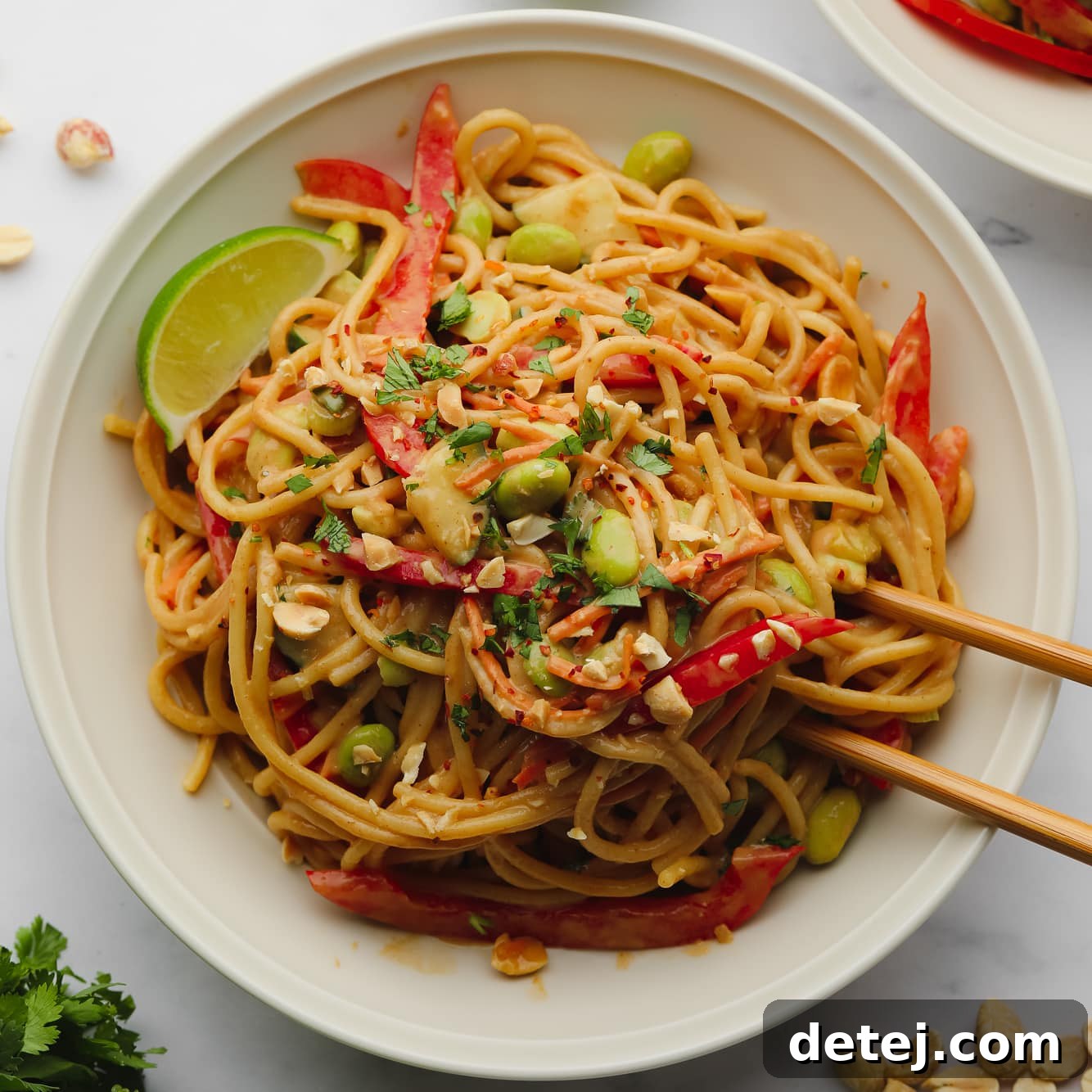
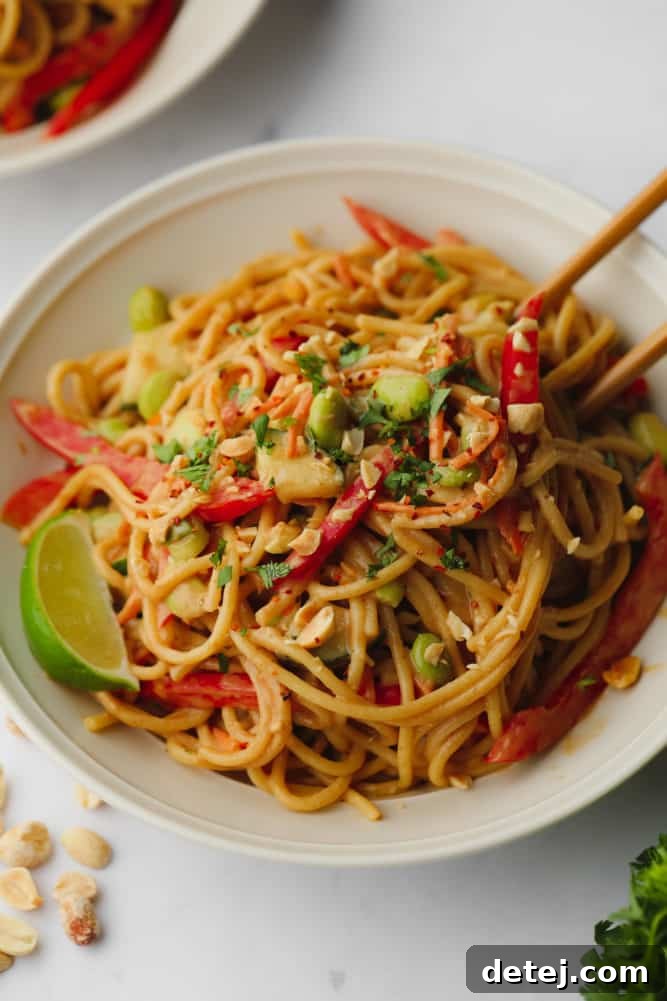
Embark on a culinary journey to Thailand with these incredibly delicious, budget-friendly, and effortlessly easy Thai Peanut Noodles. Crafted for quick weeknight dinners or a satisfying lunch, this recipe delivers maximum flavor in just 15 minutes. Perfectly cooked noodles are generously coated in a rich, creamy peanut sauce and vibrant, crisp vegetables, making for a truly crave-worthy meal that will quickly become a household favorite.
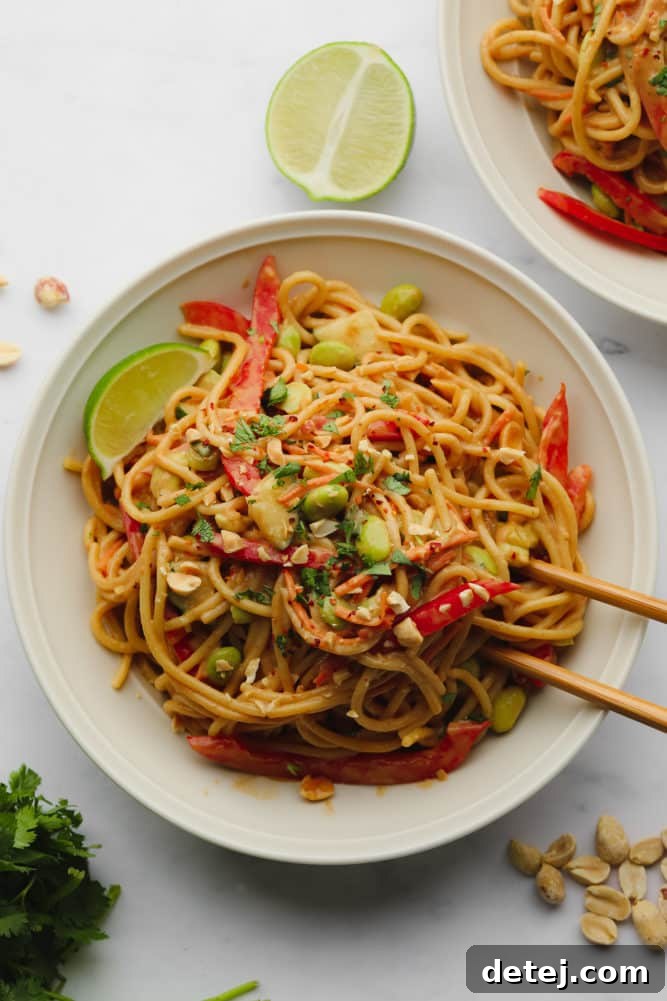
Experience the Ultimate Easy Meal: Thai Peanut Noodles
Allow me to introduce you to a truly exceptional culinary creation that consistently ranks among my all-time favorite easy meals: Thai Peanut Noodles. This recipe masterfully captures the authentic flavors you’d expect from your favorite Thai takeout, yet it’s incredibly simple to prepare right in your own kitchen. Best of all, it’s remarkably affordable, relying on everyday pantry staples like rich peanut butter and versatile pasta. Forget expensive delivery fees and lengthy waits; with this recipe, a sensational meal is just minutes away.
Much like my beloved Teriyaki Noodles and comforting Drunken Noodles, these Peanut Noodles stand out as the quintessential comfort food recipe, perfectly suited for those bustling weeknights when time is of the essence. Beyond their immediate deliciousness, these noodles are a dream for meal prep, making for fantastic leftovers that taste just as good, if not better, the very next day. Their ability to satisfy and simplify your cooking routine makes them an indispensable addition to your recipe repertoire.
Why You’ll Fall in Love with This Thai Peanut Noodles Recipe
There’s a reason why these Thai Peanut Noodles have garnered such a devoted following. Beyond their incredible taste, they offer a host of benefits that make them a standout choice for any home cook:
- Unbeatable Speed: With a prep and cook time of merely 15 minutes, this recipe is a lifesaver on hectic days. It’s faster than ordering takeout and incredibly satisfying.
- Budget-Friendly: Utilizing common and affordable ingredients like pasta, peanut butter, and fresh vegetables, this dish proves that gourmet flavors don’t have to come with a hefty price tag.
- Incredibly Versatile: This recipe is a canvas for your culinary creativity. Easily adapt the vegetables, protein, and spice level to suit your preferences and what you have on hand.
- Health-Conscious & Plant-Based: Packed with nutrient-rich vegetables and plant-based protein, these noodles offer a wholesome and satisfying meal that aligns perfectly with a healthy, vegan lifestyle.
- Irresistible Flavor Profile: The harmonious blend of sweet, savory, tangy, and subtly spicy notes in the homemade peanut sauce is simply addictive. It’s a flavor explosion that will keep you coming back for more.
- Effortless Meal Prep: These noodles store beautifully in the refrigerator for several days, making them an ideal candidate for meal prepping. Enjoy delicious and healthy lunches or dinners throughout the week with minimal effort.
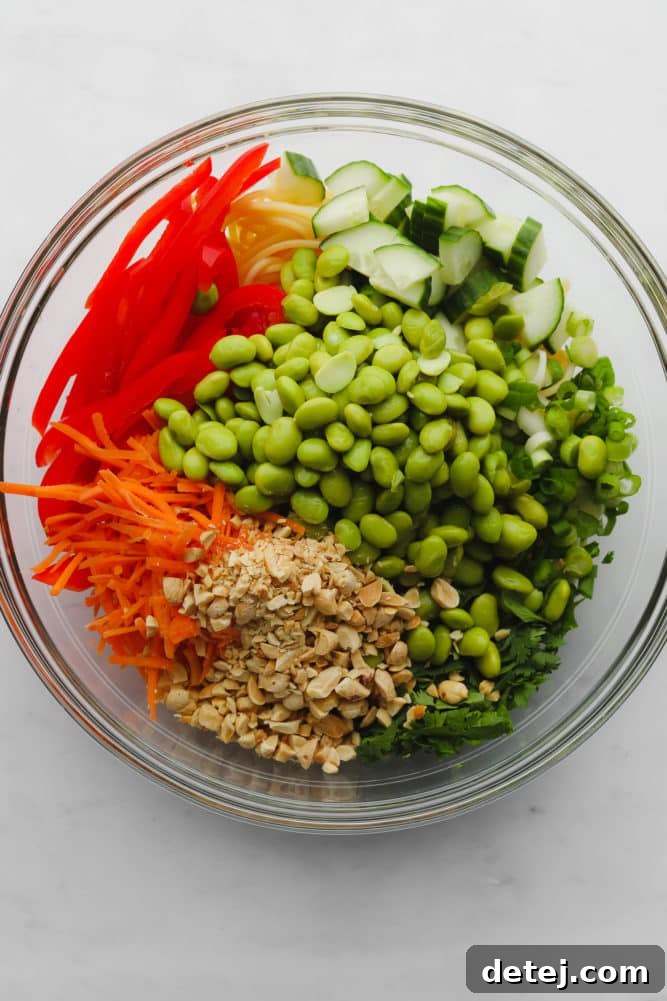
For an even simpler preparation, don’t hesitate to minimize the variety of vegetables or opt for convenient pre-chopped mixes available at most grocery stores. While I personally adore the vibrant color and dynamic flavors that a diverse array of fresh veggies brings to this dish, I typically combine crunchy red bell pepper, crisp cucumbers, thinly sliced red cabbage, finely shredded carrots, and fragrant green onions. This combination not only enhances the visual appeal but also adds a delightful textural contrast.
One of my favorite additions, shelled edamame, is a game-changer. It requires absolutely no prep and delivers a significant protein boost, transforming this delicious side into a complete and robust meal. If you’re looking to further enhance the protein content and add more substance, consider incorporating some crispy Air Fryer Tofu, flavorful Peanut Tofu, or savory Marinated Tempeh. Of course, integrating these options will require a bit more effort and preparation time, but the added depth and nutrition are often well worth it.
Essential Ingredients for Perfect Thai Peanut Noodles (with Smart Substitutions)
Crafting these delectable Thai Peanut Noodles starts with a careful selection of fresh ingredients and pantry staples. Here’s a detailed look at what you’ll need, along with convenient substitutions to suit your dietary needs and preferences:
- Creamy Peanut Sauce: This is the heart of the dish, providing its signature flavor.
- Natural Peanut Butter: Opt for a smooth, natural peanut butter with no added sugar for the best consistency and purest flavor. Crunchy peanut butter works too if you prefer a little texture.
- Water: To achieve the perfect pourable consistency for your sauce. You can also use vegetable broth for an added layer of flavor.
- Soy Sauce (or Tamari): Low sodium soy sauce is ideal for flavor without excessive salt. For a gluten-free version, use tamari.
- Fresh Garlic: Minced garlic adds a pungent, aromatic depth. Don’t skimp on this! Garlic powder can be used in a pinch, but fresh is always best.
- Lime Juice (or Rice Vinegar): Freshly squeezed lime juice provides a bright, zesty acidity that balances the richness of the peanut butter. Rice vinegar can be used as an effective substitute for a similar tang.
- Agave (or Brown Sugar): A touch of sweetness is crucial to balance the savory and sour elements. Agave nectar offers a neutral sweetness, while brown sugar lends a subtle caramel note. Maple syrup is another great vegan alternative.
- Sriracha Hot Sauce: For that signature Thai-inspired kick! Adjust the amount to your preferred spice level. If you don’t have Sriracha, a dash of chili garlic sauce or a pinch of red pepper flakes can provide heat.
- Your Choice of Noodles: The foundation of this dish.
- I personally love using spaghetti for its familiar texture and ability to cling to the sauce, but I’ve also had fantastic results with rice noodles. Any long, spaghetti-type noodle will generally work well. If you require a gluten-free option, ensure you use gluten-free pasta and cook it according to the package instructions for optimal results.
- Nutritious Edamame: A fantastic plant-based protein.
- Shelled edamame is my go-to for adding protein and a pleasant slightly sweet flavor without any extra cooking steps. If edamame isn’t available, you can substitute it with other cooked proteins like Marinated Tofu, a plant-based Vegan Chicken alternative, or any other protein you enjoy.
- Colorful and Crunchy Vegetables: The fresh crunch and vibrant hues are essential.
- My preferred mix includes crisp cucumbers, finely shredded carrots, vibrant red bell peppers (seeded and thinly sliced), aromatic green onions, and fresh cilantro for garnish. The key is to use vegetables that are enjoyable raw or require minimal cooking. Feel free to vary the vegetables based on what you have and what you love. Sliced red cabbage offers a beautiful color and crunch, while baby bok choy or baby spinach can be gently wilted by the warm noodles for a softer texture. Avoid vegetables that need extensive cooking if you’re sticking to the 15-minute goal.
- Crunchy Chopped Peanuts: For textural contrast and nutty flavor.
- These are highly recommended for an extra layer of texture and nutty goodness. However, if you have a peanut allergy or simply prefer to omit them, the dish will still be delicious. Toasted sesame seeds can also be a nice addition for crunch and aroma.
Your Simple Guide to Making Easy Thai Peanut Noodles
The beauty of this recipe lies in its sheer simplicity. In just a few straightforward steps, you’ll have a restaurant-quality meal on your table. Follow these instructions for a perfect batch every time:
- Prepare Your Peanut Sauce: In a small to medium-sized bowl, combine all the peanut sauce ingredients – natural peanut butter, water, soy sauce (or tamari), minced garlic, fresh lime juice (or rice vinegar), agave (or brown sugar), and Sriracha hot sauce. Whisk vigorously until the mixture is completely smooth and creamy. Set this flavorful sauce aside.
- Cook the Noodles to Perfection: Bring a pot of salted water to a rolling boil. Add your chosen noodles (spaghetti, rice noodles, or gluten-free pasta) and cook them according to the package directions until they are al dente. This typically takes about 8-10 minutes for spaghetti, or less for thinner rice noodles. Once cooked, drain the noodles thoroughly in a colander.
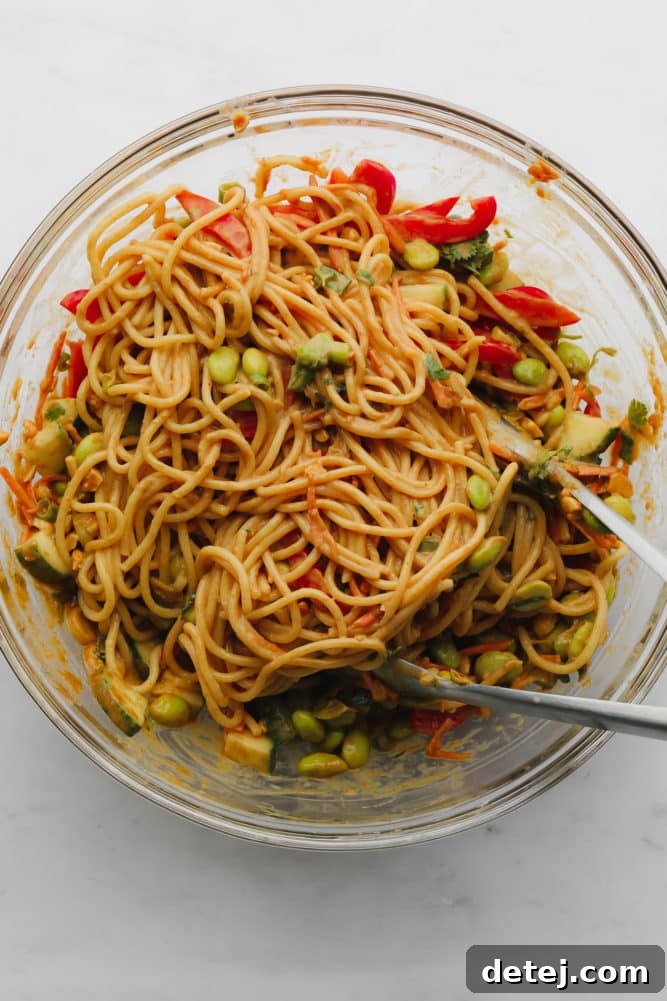
- Assemble and Toss: Transfer the warm, drained noodles to a large mixing bowl. Add the shelled edamame, all your prepared fresh vegetables (cucumbers, shredded carrots, red bell pepper, green onions, cilantro), and the chopped peanuts. Pour the silky smooth peanut sauce generously over all the ingredients. Using tongs or two large spoons, toss everything together until the noodles and vegetables are thoroughly coated in the sauce. Serve immediately, garnished with an extra sprinkle of red chili flakes for heat, toasted sesame seeds for crunch, and a handful of fresh cilantro, if desired. Enjoy the vibrant flavors and textures!
Tips for Success & Customization
While this recipe is incredibly forgiving, a few tips can elevate your Thai Peanut Noodles from good to absolutely fantastic:
- Noodle Choice Matters: Long, thin noodles like spaghetti, linguine, or fettuccine work wonderfully as they absorb the sauce beautifully. Rice noodles offer a lighter, more authentic Thai texture. Ensure you cook them just until al dente to prevent them from becoming mushy once tossed with the sauce.
- Achieving Sauce Perfection: If your peanut butter sauce seems too thick, gradually add a tablespoon or two of hot water (or vegetable broth) until it reaches your desired consistency – a thick but pourable sauce that generously coats the noodles.
- Spice Level Your Way: Don’t be shy about adjusting the Sriracha. Start with the recommended amount and add more gradually, tasting as you go, until you hit your ideal level of heat.
- Prep Ahead: To make this truly a 15-minute meal, you can chop all your vegetables in advance. Store them in airtight containers in the refrigerator, and they’ll be ready to go when you are. The peanut sauce can also be made a day or two ahead.
- Get Creative with Veggies: Almost any crunchy, quick-prep vegetable will work. Consider adding thinly sliced bell peppers of different colors, snap peas, shredded cabbage, bean sprouts, or even thinly sliced mango for a touch of sweetness.
- Garnish for Impact: Fresh cilantro, chopped peanuts, a wedge of lime, or a sprinkle of toasted sesame seeds aren’t just for looks; they add fresh flavor, texture, and brightness that truly complete the dish.
Serving Suggestions & Storage
These Thai Peanut Noodles are a complete meal on their own, thanks to the protein from edamame and the abundance of vegetables. However, they also pair beautifully with other Thai-inspired dishes or a simple fresh salad. For an extra touch, serve with fresh lime wedges on the side, allowing each diner to add a burst of citrusy brightness to their bowl.
Storing Leftovers: Leftover Thai Peanut Noodles should be stored in an airtight container in the refrigerator for up to 3-4 days. The flavors tend to meld and deepen overnight, making them an excellent choice for packed lunches. If the sauce seems a bit thick after refrigeration, you can loosen it with a tiny splash of water or lime juice before serving.
Freezing: I do not recommend freezing the assembled noodles, as the pasta and vegetables can become mushy upon thawing. However, the peanut sauce can be frozen separately in an airtight container for up to 2-3 months. Thaw in the refrigerator overnight and whisk well before using.
Frequently Asked Questions About Thai Peanut Noodles
- How can I make these peanut noodles extra spicy?
If you’re a fan of fiery flavors like I am, it’s incredibly easy to dial up the heat. Simply increase the amount of Sriracha hot sauce in the peanut sauce to your desired taste. For an even more intense kick, sprinkle extra red chili flakes over your finished dish before serving.
- How do I ensure the recipe is 100% gluten-free?
Making this recipe gluten-free is straightforward. The two main components to check are the soy sauce and the noodles. Ensure you use gluten-free tamari instead of regular soy sauce, and select a certified gluten-free pasta (such as rice noodles, brown rice spaghetti, or corn pasta) and cook it according to its package instructions.
- What is the best type of peanut butter to use for the sauce?
For the smoothest and most authentic sauce, I recommend using a natural, creamy peanut butter that contains only peanuts and maybe a little salt. Avoid highly processed peanut butter with added sugars or oils, as these can alter the texture and flavor of the sauce. If you prefer a little crunch, a natural crunchy peanut butter works too!
- Can I prepare this dish ahead of time for meal prep?
Absolutely! This recipe is fantastic for meal prep. You can chop all the vegetables and make the peanut sauce a day or two in advance, storing them separately in airtight containers in the refrigerator. Cook the noodles just before serving, or cook them ahead and store them separately, adding a tiny bit of oil to prevent sticking. Then, simply combine everything when you’re ready to eat.
- What are some alternative proteins I can add?
While edamame offers excellent protein, you can boost it further! Cooked and crumbled tempeh, pan-fried or baked tofu (especially marinated and crispy), or even plant-based chicken strips would all be delicious additions. For a non-vegan option, cooked shrimp or chicken breast would also work well.
- How long will the leftovers last in the refrigerator?
These delicious Thai Peanut Noodles will last for approximately 3 to 4 days when stored in a covered, airtight container in the refrigerator. They make for a convenient and flavorful lunch the following day!
- Can I freeze these noodles for later?
I typically do not recommend freezing the assembled noodles, as cooked pasta and fresh vegetables can become overly soft and watery when thawed. However, the peanut sauce itself freezes beautifully. You can prepare a larger batch of the sauce and freeze it in portions for up to two months. Thaw it in the refrigerator overnight and give it a good whisk before tossing with freshly cooked noodles and vegetables.
Recipe Card: Thai Peanut Noodles
Summary
These Thai Peanut Noodles are affordable, easy, and ready to eat in just 15 minutes. Cooked noodles are tossed with a simple, creamy peanut sauce and fresh, crisp vegetables for a truly crave-worthy meal!
- Prep Time: 15 mins
- Total Time: 15 mins
- Servings: 5 servings
Ingredients
Peanut Sauce
- 1/2 cup natural peanut butter
- 1/2 cup water
- 1/4 cup low sodium soy sauce (or tamari for gluten-free)
- 2 cloves garlic, minced
- 2 tablespoons fresh lime juice (or rice vinegar)
- 3 tablespoons agave (or brown sugar)
- 1 teaspoon Sriracha hot sauce
The Rest
- 8 ounces spaghetti noodles (or rice noodles)
- 1 cup shelled edamame
- 1/2 cup chopped cucumbers (see Notes for options)
- 1 cup shredded carrots
- 1 red bell pepper, seeded and thinly sliced
- 2 green onions, chopped
- 1/4 cup chopped cilantro
- 1/4 cup chopped peanuts
Instructions
- Make the Peanut Sauce: In a small/medium bowl, whisk together all sauce ingredients until smooth. Set aside.
- Prepare the Noodles: Cook your noodles of choice according to the package instructions, then drain thoroughly.
- Combine: To a large bowl, add the cooked noodles, along with the edamame, prepared vegetables, and chopped peanuts. Pour in the peanut sauce and stir well to combine all ingredients evenly. Serve immediately with lime wedges, additional hot sauce, more chopped peanuts, and fresh cilantro, as desired. Enjoy!
Notes
- Gluten-Free: To make this recipe completely gluten-free, ensure you use gluten-free tamari and gluten-free noodles.
- This recipe works beautifully with various noodle types, including regular spaghetti, whole wheat spaghetti, gluten-free pasta, or traditional rice noodles. For a unique twist, you can even substitute the noodles with cooked quinoa for a “peanut quinoa” bowl.
- Feel free to customize the vegetables to your liking. Omit any you don’t enjoy and add in your favorites, keeping in mind that crunchy, raw or quickly-cooked vegetables work best for this fast recipe.
- These peanut noodles will keep well in an airtight container in the refrigerator for 3-4 days. Freezing the assembled dish is not recommended due to texture changes in the noodles and fresh vegetables.
Nutrition Information
Serving: 1 serving | Calories: 471kcal | Carbohydrates: 60g | Protein: 19g | Fat: 19g | Saturated Fat: 4g | Polyunsaturated Fat: 5g | Monounsaturated Fat: 9g | Sodium: 619mg | Potassium: 662mg | Fiber: 7g | Sugar: 16g | Vitamin A: 5138IU | Vitamin C: 40mg | Calcium: 73mg | Iron: 3mg
Course: Main Course
Cuisine: Thai
Author: Nora Taylor
Explore More Thai-Inspired Delights!
If you loved the vibrant flavors of these Thai Peanut Noodles, you’re in for a treat! Discover more incredible Thai-inspired recipes that are easy to make and bursting with authentic taste:
- Hearty Thai Red Curry
- Fragrant Thai Green Curry
- Authentic Vegan Pad Thai
- Creamy Butternut Squash Curry
Each of these recipes offers a unique taste of Thai cuisine, making it easy to expand your culinary horizons from the comfort of your kitchen. Enjoy exploring new flavors!