
Embarking on the journey of introducing solid foods to your baby is an exciting milestone, often filled with questions and various approaches. For many years, the conventional method of spoon-feeding pureed baby food was the gold standard. I remember those days fondly when my twins, now nine years old, were infants. I dedicated countless hours to preparing homemade purees, from cooking and blending to meticulous straining. Each meal was a ritual of spoon-feeding those carefully prepared mashes into their eager mouths. It was a perfectly acceptable and enjoyable experience, one that fostered precious memories. At that time, the concept of Baby-Led Weaning (BLW) was largely unfamiliar to me.
However, when my youngest son, now almost two, reached the crucial six-month mark, I naturally anticipated following the same pureed path. Yet, to my surprise, he had other plans. Every attempt to offer him pureed food was met with firm rejection. Those convenient baby food pouches? Not a chance! He consistently gravitated towards the food on our family’s plates, demonstrating a clear preference for what we were eating. He simply wanted no part of traditional “baby food.”

This led me down a fascinating path of research, where I discovered the world of Baby-Led Weaning. More accurately described as baby self-directed feeding, BLW empowers infants to take control of their eating experience from the very beginning. Initially, the thought of choking was a significant concern, but as I observed my son, it became evident that he possessed an innate ability to manage food safely. With a cautious and gradual approach, I embraced this method, and the results were truly remarkable. He has been confidently feeding himself ever since, developing into an exceptionally adventurous and healthy eater.
While I can’t definitively link it, I’ve noticed a significant difference in his eating habits compared to my older son. My eldest struggled considerably with the transition from smooth purees to textured table foods, developing a pronounced pickiness once the purees were gone. He adored pureed blueberries, squash, peas, and broccoli, yet refused to touch their whole food counterparts. This stark contrast solidified my belief in the benefits of BLW for fostering a positive relationship with food and promoting adventurous eating from an early age.
What is Baby-Led Weaning (BLW) all about?
Baby-Led Weaning (BLW) is a dynamic approach to introducing solids that empowers infants to feed themselves with appropriately sized and textured table foods from the start. Instead of spoon-feeding purees, babies are offered soft, graspable pieces of food and encouraged to explore, self-regulate, and participate in family mealtimes. This method aligns perfectly with a baby’s natural developmental stages, allowing them to hone crucial motor skills and fostering a healthy, intuitive relationship with food.
- Promotes Self-Discovery: Babies have the freedom to explore various textures, tastes, and smells at their own pace. They learn to self-regulate their intake, eating only what they need and stopping when satisfied, which is vital for developing healthy hunger and satiety cues.
- Develops Essential Skills: By picking up and manipulating food, babies naturally develop fine motor skills, hand-eye coordination, and chewing abilities. This hands-on experience strengthens their oral motor muscles, which can even aid in speech development.
- Encourages Family Meals: BLW allows infants to join family mealtimes from the outset, observing and mimicking their caregivers. This integration promotes social interaction and establishes positive eating habits within a supportive environment.
- Can Be Messy (But Worth It!): Let’s be honest, BLW can be incredibly messy! Expect food on the highchair, the floor, and sometimes even the walls for the first few months. However, this mess is part of the learning process—it’s how babies explore and learn about food. Investing in a good splat mat and reusable bibs can help manage the cleanup. The long-term benefits of an independent and adventurous eater far outweigh the temporary mess.
Despite the growing popularity of BLW, finding comprehensive, plant-based guidance and recipes can still be a challenge. When I started with my youngest, I read “Baby-Led Weaning: The Essential Guide,” which was helpful but lacked specific insights for a vegan or predominantly plant-based approach. Most resources tend to focus on omnivorous diets, making it difficult for plant-based families to confidently navigate this exciting stage while ensuring their baby receives all necessary nutrients. This gap motivated me to compile my own experiences and tips, focusing on nutrient-dense, plant-based options that are perfect for babies starting their BLW journey.
Top 10 Plant-Based Foods for Baby-Led Weaning
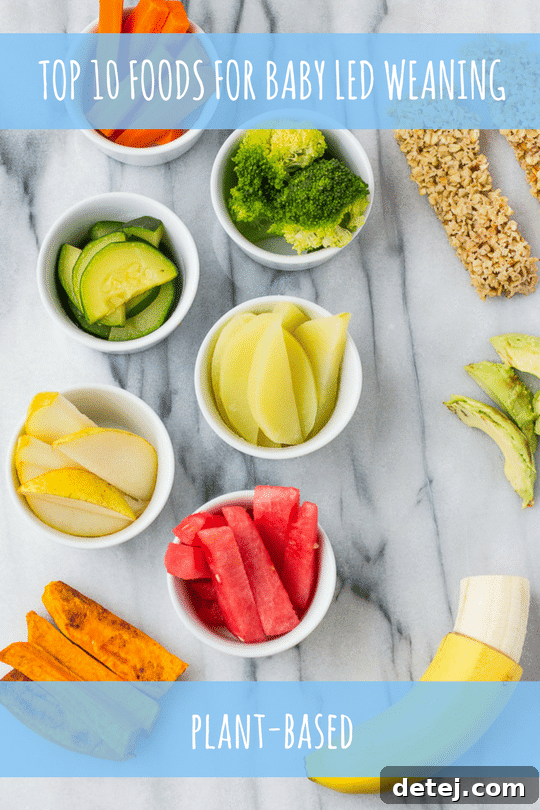
While I am not a certified Baby-Led Weaning expert, these are the plant-based foods that proved most successful and beloved for my son during his initial months of solid food introduction. My primary focus was always on safety and appropriate texture. I was extremely cautious, ensuring that all foods offered were very soft and easily mashable between my fingers, especially for young babies just starting around six months. I would strongly recommend this careful approach over offering harder, raw foods. Here are my top picks for safe, nutritious, and delicious plant-based first foods for your little one:
 1. Banana: Often hailed as the perfect first food for babies, bananas are naturally soft, sweet, and packed with essential nutrients like potassium and vitamin B6. Ensure you choose ripe bananas, identifiable by their yellow skin with small brown spots, as greener bananas can be too firm for young babies. For infants who haven’t yet mastered the pincer grasp (typically around 6-9 months), a fantastic way to serve it is by carefully peeling off about an inch from the top. This allows your baby to grip the unpeeled part firmly and gnaw on the exposed soft fruit. As they eat, simply peel back more of the skin, offering a fresh, clean surface. Alternatively, for older babies or those with better dexterity, you can cut ripe banana into finger-length sticks or mash it slightly and pre-load it onto a spoon.
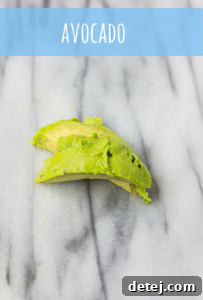
2. Avocado: Another stellar first food, avocado is a powerhouse of healthy fats, crucial for brain development, along with vitamins K, C, B6, E, folate, and potassium. Its creamy texture makes it incredibly easy for babies to manage and swallow. My preferred method is serving ripe avocado in long, thick slices or spears, completely devoid of the peel. While some suggest leaving a small strip of peel for better grip, I found that my baby once managed to get some of the peel into his mouth, which was a frightening moment. To prevent this risk, I always remove all peel. Be prepared for some delightful messiness, but babies absolutely adore the smooth, rich taste and satisfying texture of avocado.

3. Pears: Sweet, juicy, and full of fiber, pears are an excellent choice for a baby’s developing digestive system. For young babies, always peel the pear to remove any potentially tough skin. The key is ripeness; a perfectly ripe pear will be soft enough to offer in slices. If your pear isn’t quite at peak ripeness but you still want to serve it, you can steam the peeled slices for a few minutes until they become fork-tender. Offer the pear in long, thick slices that your baby can easily grasp, or even a whole, very ripe, peeled pear with a small portion of the stem removed for handling.
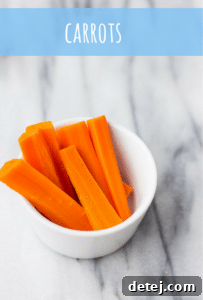
4. Steamed Carrots: Carrots are a wonderful source of beta-carotene, which converts to vitamin A, vital for vision and immune function. Preparation is key to making them baby-safe. Peel and cut carrots into finger-length sticks, similar to french fries in size. Steam them for approximately 8-10 minutes, or until they are very soft and easily mashable between your fingers. Always allow them to cool completely before serving. Alternatively, you can roast the carrot sticks; a light spray of olive oil or a splash of water will help keep them moist and prevent them from becoming too crispy or chewy. Roast at 375 degrees Fahrenheit (190 degrees Celsius) for about 20 minutes, or until perfectly tender.
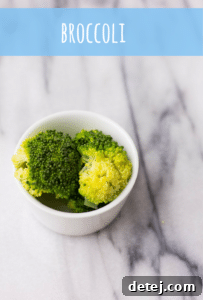
5. Broccoli: Broccoli is a nutritional powerhouse, offering a wealth of vitamin C, vitamin K, fiber, and folate, all essential for your baby’s growth and immune system. To prepare, steam small broccoli florets for 8-10 minutes until they are incredibly soft and the stems can be easily squashed. The “tree-like” shape of the florets makes them surprisingly easy for babies to grip, using the stem as a natural handle. Let them cool thoroughly before presenting to your baby. Broccoli was a firm favorite for my son for a long time, evolving from a beloved food to a temporarily rejected one, and now, happily, back on his menu!
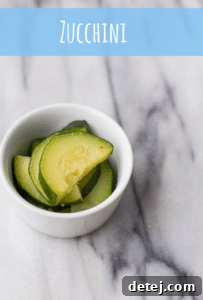
6. Cooked Zucchini: Zucchini is a mild-flavored vegetable rich in vitamins C and K, as well as potassium, making it an excellent addition to your baby’s diet. For optimal softness, cut zucchini into half-moon shapes or thick sticks. Steam for about 5-6 minutes until tender. Another great option is to sauté it briefly in a little olive oil until soft, or roast it in the oven. The key is to ensure the zucchini is cooked through and soft enough to prevent any choking hazards. Its delicate flavor makes it highly palatable for most babies.
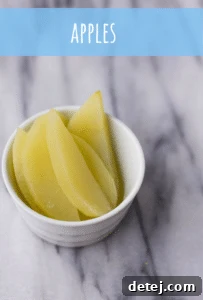
7. Cooked Apples: While some BLW advocates suggest offering raw apple slices to older babies, I strongly advise against giving raw, whole apples or firm slices to young infants due to the significant choking risk. I only introduced raw apple slices to my son when he was almost two years old and had developed much stronger chewing skills. Instead, peel the apple, core it, and cut it into thick slices that a baby can comfortably hold. Cook these slices until they are very soft. You can achieve this by steaming them on the stovetop, or by placing them in a microwave-safe bowl with a splash of water (just enough to barely cover) and heating for 2-3 minutes. For an extra touch of flavor and warmth, a sprinkle of cinnamon can make them even more appealing.

8. Sweet Potatoes: A universally loved baby food, sweet potatoes are incredibly versatile, naturally sweet, and packed with beta-carotene (for Vitamin A), vitamin C, and fiber. They are consistently a favorite in our home! To prepare them for BLW, peel the sweet potato and cut it into thick strips or wedges. Roast them at 375 degrees Fahrenheit (190 degrees Celsius) for about 30 minutes, or until they are completely cooked through and very soft. You can also peel and cut them into rounds before baking. Their naturally creamy and soft texture makes them ideal for babies to mash with their gums.
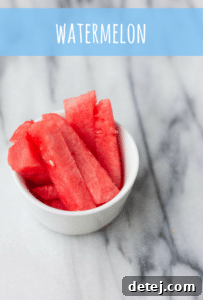
9. Watermelon: Perfect for warmer months, watermelon is hydrating and provides a good source of vitamins A and C. The best way to serve watermelon to a young baby is in long, thick sticks, as shown in the photo, which are easier for them to grip than small chunks. Crucially, ensure that all black seeds are meticulously removed, as these pose a choking hazard. While some varieties are seedless, always double-check. Watermelon’s soft, watery texture makes it a refreshing and easy-to-manage food for little ones.
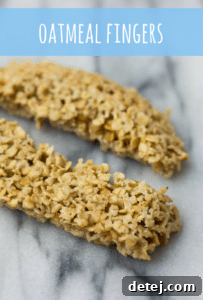
10. Oatmeal Fingers: These homemade oatmeal fingers are an absolute game-changer for BLW, offering a fantastic source of whole grains and energy. They are soft, easy for babies to grasp, and incredibly customizable. For detailed instructions, you can refer to this recipe, but here’s a simplified version: Mash 1/4 of a ripe banana in a microwave-safe bowl. Stir in 1/4 cup quick oats, 1/4 cup of plant-based milk (almond, soy, or even breast milk), and an optional sprinkle of cinnamon. Microwave for about 2 minutes, then allow it to cool and firm up. Once cool, cut the mixture into finger-length strips that your baby can easily pick up. These remain a staple breakfast for my son, though I now double the recipe and often add additional ingredients like hemp or flax seeds, shredded apples, or a few raisins for extra nutrition and flavor.
Important Safety Considerations for Baby-Led Weaning:
Safety is paramount when introducing solid foods, especially with Baby-Led Weaning. Always prioritize your baby’s well-being by adhering to these crucial guidelines:
- Consult Your Pediatrician: Before initiating any solid food introduction, including BLW, always consult with your child’s pediatrician. Discuss your plans, address any specific allergy risks your family may have, and ensure your baby is developmentally ready for solids (typically around six months, showing signs of sitting independently, losing the tongue-thrust reflex, and demonstrating interest in food).
- Avoid High-Risk Choking Foods: Certain foods pose a significant choking hazard for infants and young toddlers. Absolutely avoid whole grapes, cherry tomatoes, large chunks of meat, hot dogs, nuts, popcorn, hard candies, marshmallows, and whole seeds. Always cut round foods like grapes and cherry tomatoes into quarters lengthwise. Ensure all foods are soft enough to be easily mashed between your fingers, cut into appropriate shapes (finger-length sticks or spears), and served without any hard bits.
- No Added Salt: Babies’ kidneys are not fully developed to process excess sodium. Therefore, do not add salt to any foods prepared for your baby, and avoid offering processed foods that are high in salt. Opt for natural flavors and spices instead.
- No Honey Before Age One: Honey, in any form (raw, cooked, or in baked goods like honey wheat bread), should never be given to babies under 12 months of age. It can contain spores of Clostridium botulinum, which can cause infant botulism, a serious and potentially life-threatening illness.
- Understand Choking vs. Gagging: It’s vital to differentiate between gagging, which is a normal reflex in BLW as babies learn to move food around their mouths, and actual choking. Gagging is noisy, and your baby will usually cough or spit out the food. Choking, on the other hand, is silent or involves high-pitched wheezing, indicating a blocked airway. Familiarize yourself with the signs of choking and, more importantly, know how to respond confidently. Taking an infant first-aid and CPR class is highly recommended, or at the very least, engage in comprehensive online education to feel prepared and confident in an emergency.
Embracing Baby-Led Weaning, especially with a focus on plant-based foods, can be a truly rewarding experience for both parent and child. It fosters independence, curiosity, and a positive relationship with healthy eating from the very start. By offering a diverse range of soft, nutrient-rich plant foods and adhering strictly to safety guidelines, you can confidently guide your little one on their exciting journey of culinary exploration.