
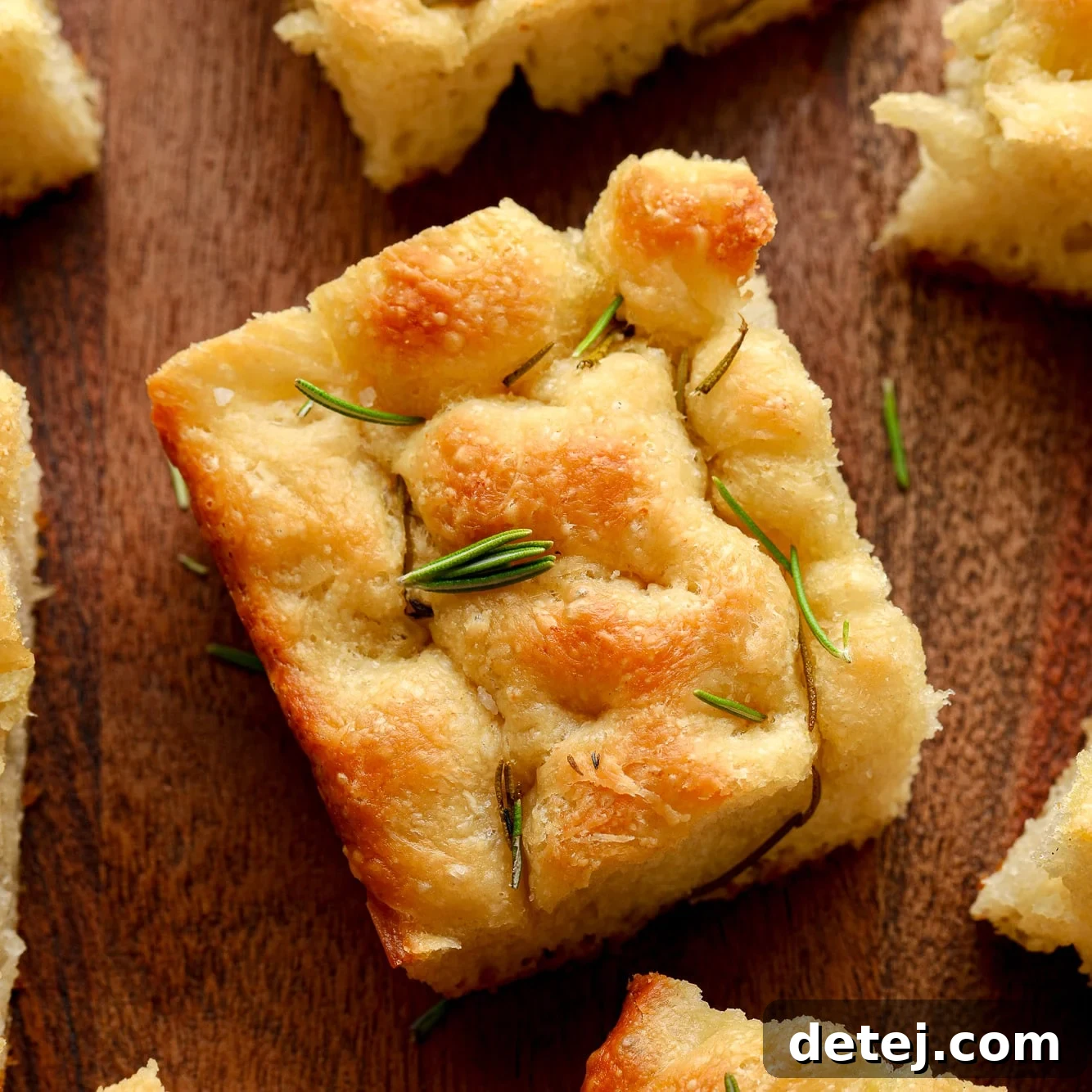
Welcome to the world of effortless baking with our incredibly easy, no-knead Vegan Focaccia recipe! With just 10 minutes of hands-on preparation, you’ll be on your way to creating a culinary masterpiece that’s surprisingly simple yet profoundly satisfying. The most challenging part of this entire process will be the delightful anticipation as the dough slowly rises, patiently waiting to be transformed into golden-brown perfection in your oven. Get ready to discover the joy of baking artisanal bread right in your own kitchen, no special skills or equipment required.
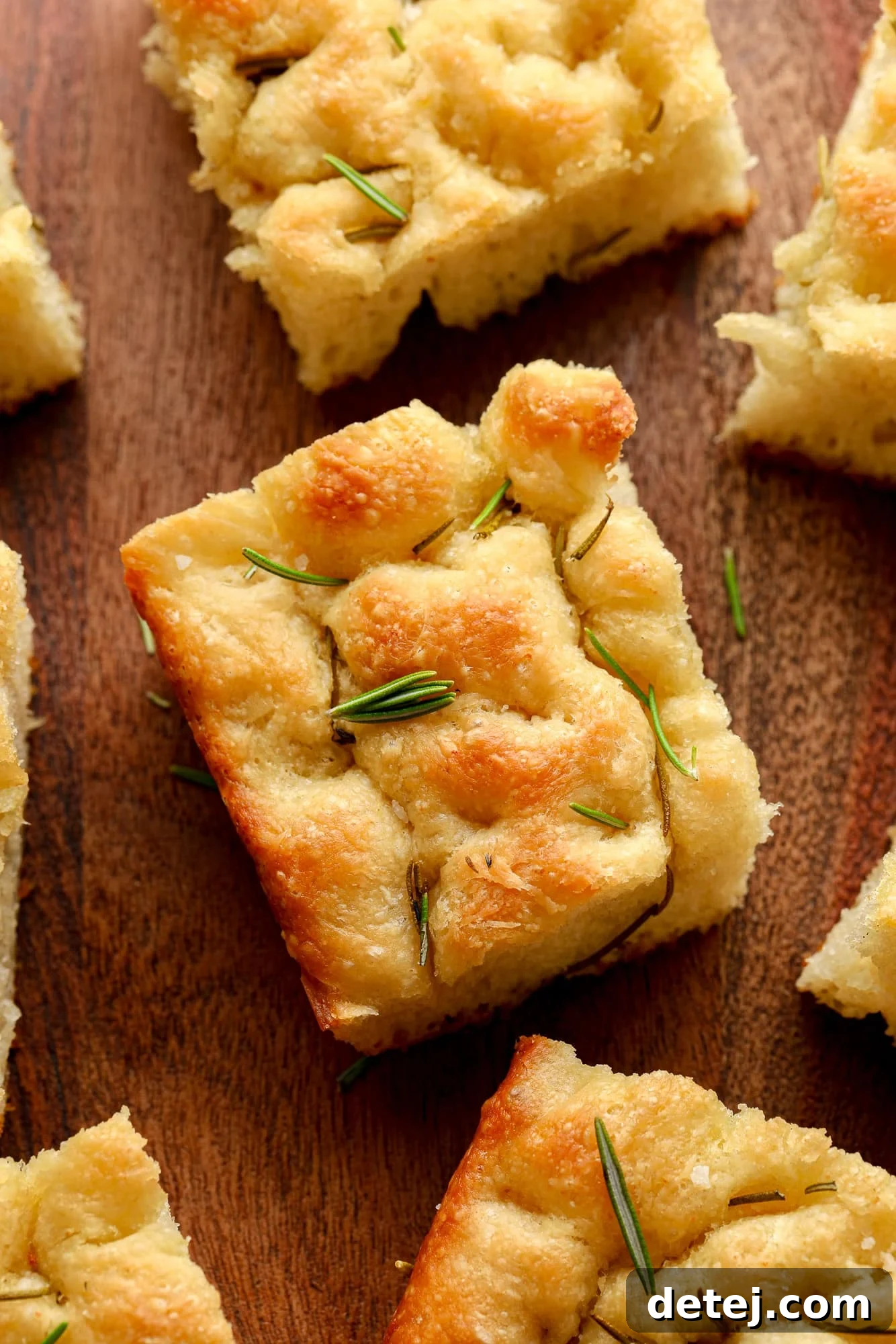
If you consider bread your ultimate comfort food, then this remarkably simple Vegan Focaccia recipe is about to become your new favorite. Imagine sinking your teeth into a piece of bread generously slathered in rich olive oil, boasting an irresistibly fluffy and airy interior, perfectly contrasted by a golden, crisp crust. What makes this recipe truly outstanding is its beginner-friendly nature, making it one of the most accessible artisan breads you can bake at home, even if you’ve never made bread before.
Much like our popular no-knead Dutch Oven Bread, this focaccia relies on a handful of basic ingredients to consistently deliver bakery-quality results. The dough preparation is largely hands-off, requiring minimal effort and absolutely no strenuous kneading. The real fun begins when it’s time to lovingly coat the dough in fragrant olive oil and press those iconic dimples into its surface, creating pockets for flavor and texture.
One of the best ways to customize and elevate your vegan focaccia bread’s flavor profile is through an array of delicious toppings. While fresh rosemary and flaky sea salt offer a classic, aromatic touch, the possibilities are truly endless. You can experiment with thinly sliced vegetables, vibrant homemade sauces, or even plant-based “meats” for a heartier option. Dive into our comprehensive list of focaccia topping ideas further down for endless inspiration!
What is Focaccia? A Journey Through Italian Bread
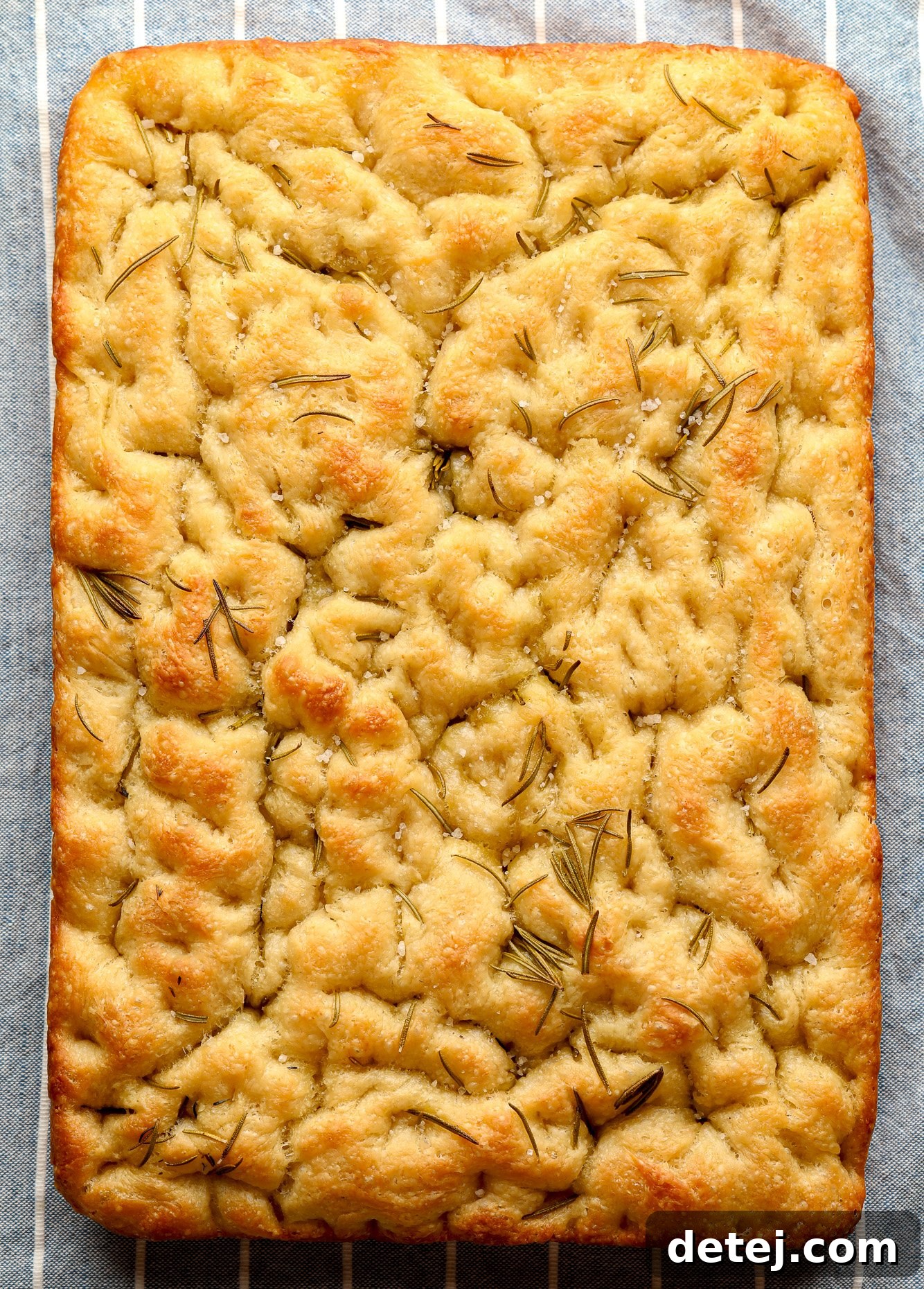
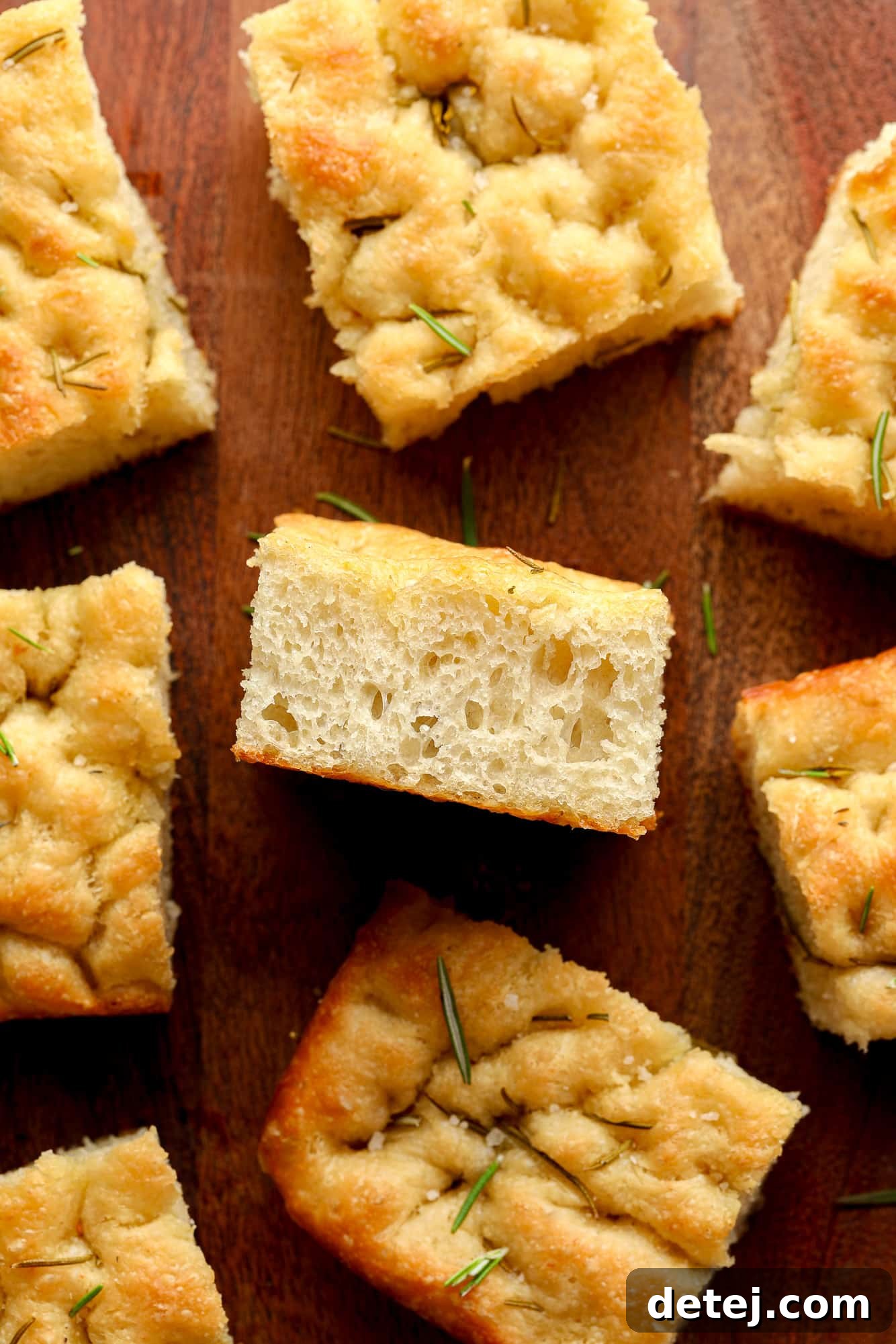
Focaccia is a cherished Italian flatbread, known for its distinctive dimpled surface, pillowy texture, and generous coating of olive oil. Originating from Italy, its name is derived from the Latin word “panis focacius,” meaning “hearth bread,” indicating its ancient cooking method in the ashes of a hearth. This large, typically rectangular bread is characterized by its incredibly soft and airy crumb, while its exterior bakes to a beautiful golden-brown crispness.
What sets focaccia apart is its versatility and unique preparation. Made with a simple combination of yeast, flour, water, and abundant olive oil, the dough achieves its signature elasticity and flavor through a careful fermentation process. The deep dimples pressed into the dough before baking are not just for aesthetics; they create delightful pockets that hold olive oil and toppings, infusing every bite with rich flavor and contributing to the bread’s signature texture. Because of its wide, flat shape, focaccia serves as an excellent canvas for a myriad of toppings, making it perfect for appetizers, side dishes, or even as an alternative crust for homemade pizzas and sandwiches.
Traditionally, focaccia is naturally vegan, relying on plant-based ingredients. However, modern variations can sometimes include dairy or eggs, so ensuring your focaccia is truly vegan means sticking to the classic, pure ingredients and plant-based toppings. Our recipe celebrates this tradition, ensuring a delicious and authentic experience for everyone.
Why Choose Vegan Focaccia?
Opting for a vegan focaccia recipe comes with a host of benefits, making it an excellent choice for everyone, regardless of dietary preferences. Firstly, it ensures inclusivity, allowing individuals with dairy or egg allergies, those following a plant-based diet, or anyone simply looking to reduce their animal product consumption to enjoy this beloved Italian classic. Many traditional focaccia recipes are inherently vegan, utilizing basic ingredients like flour, water, yeast, salt, and olive oil, so our recipe stays true to this simple, wholesome foundation.
Beyond dietary considerations, vegan focaccia often boasts a lighter, yet still incredibly rich flavor profile. High-quality olive oil takes center stage, its fruity and peppery notes shining through beautifully without being overshadowed by butter or other animal fats. This allows the natural flavors of the flour and yeast to develop more prominently, creating a bread that is both rustic and sophisticated. Furthermore, the absence of dairy or eggs can sometimes contribute to a dough that is easier to handle for beginners, especially in a no-knead context where stickiness is embraced rather than fought.
Finally, making vegan focaccia at home gives you complete control over the ingredients, ensuring you use the freshest, highest-quality components. It’s a healthy and delicious addition to any meal, providing a delightful source of carbohydrates and healthy fats, especially when paired with an abundance of fresh, vibrant plant-based toppings.
The Art of Crafting Vegan Focaccia Bread (The No-Knead Way!)
Get ready to impress yourself with how easy it is to achieve bakery-quality bread at home. This no-knead method simplifies the process, making it accessible for even the most novice bakers. For a comprehensive, printable recipe with precise measurements, please refer to the detailed recipe card at the end of this article.
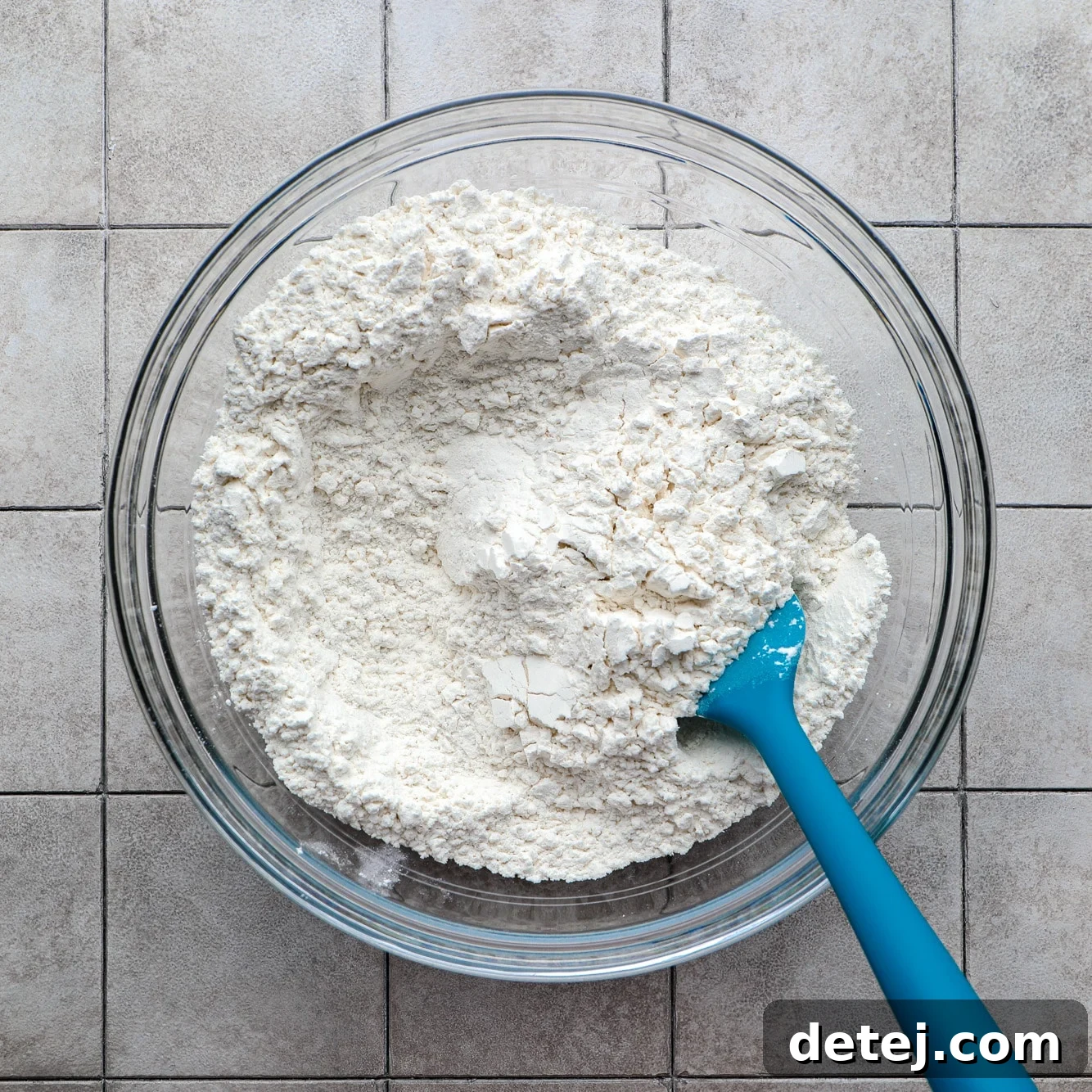
Step 1: Combine the Dry Ingredients. In a generously sized mixing bowl, whisk together your flour, salt, instant yeast, and a touch of granulated sugar. The sugar acts as food for the yeast, helping it activate and ensuring a beautiful rise. Ensure everything is well combined.
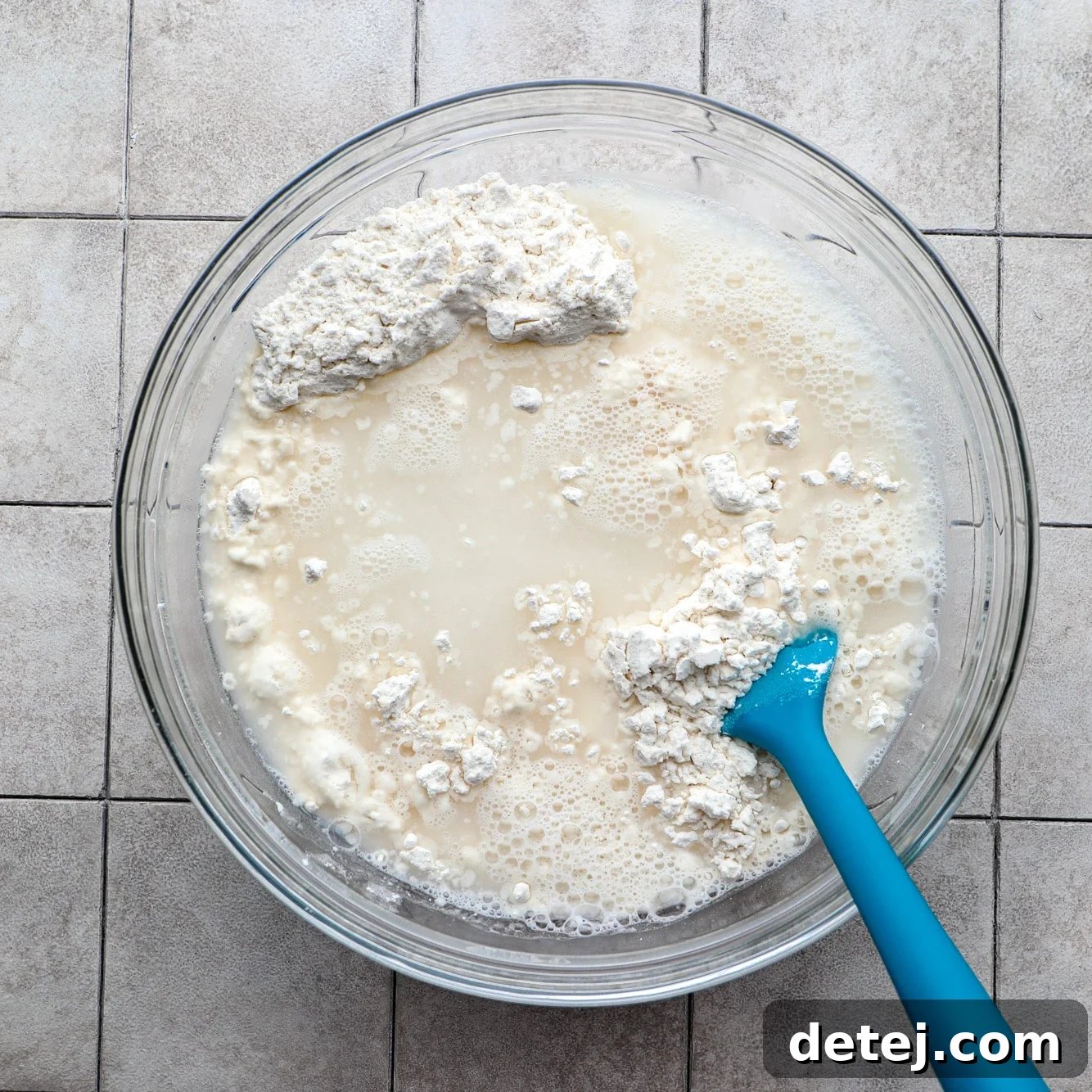
Step 2: Add Water and Form Dough. Pour in the specified amount of warm water. The ideal temperature for activating yeast is usually between 105-115°F (40-46°C). Using a rubber spatula, gently stir the mixture. There’s no need for vigorous kneading; simply mix until all the flour is hydrated and you’re left with a shaggy, sticky dough. This sticky consistency is key for the no-knead method, as it allows for gluten development over time without manual manipulation.
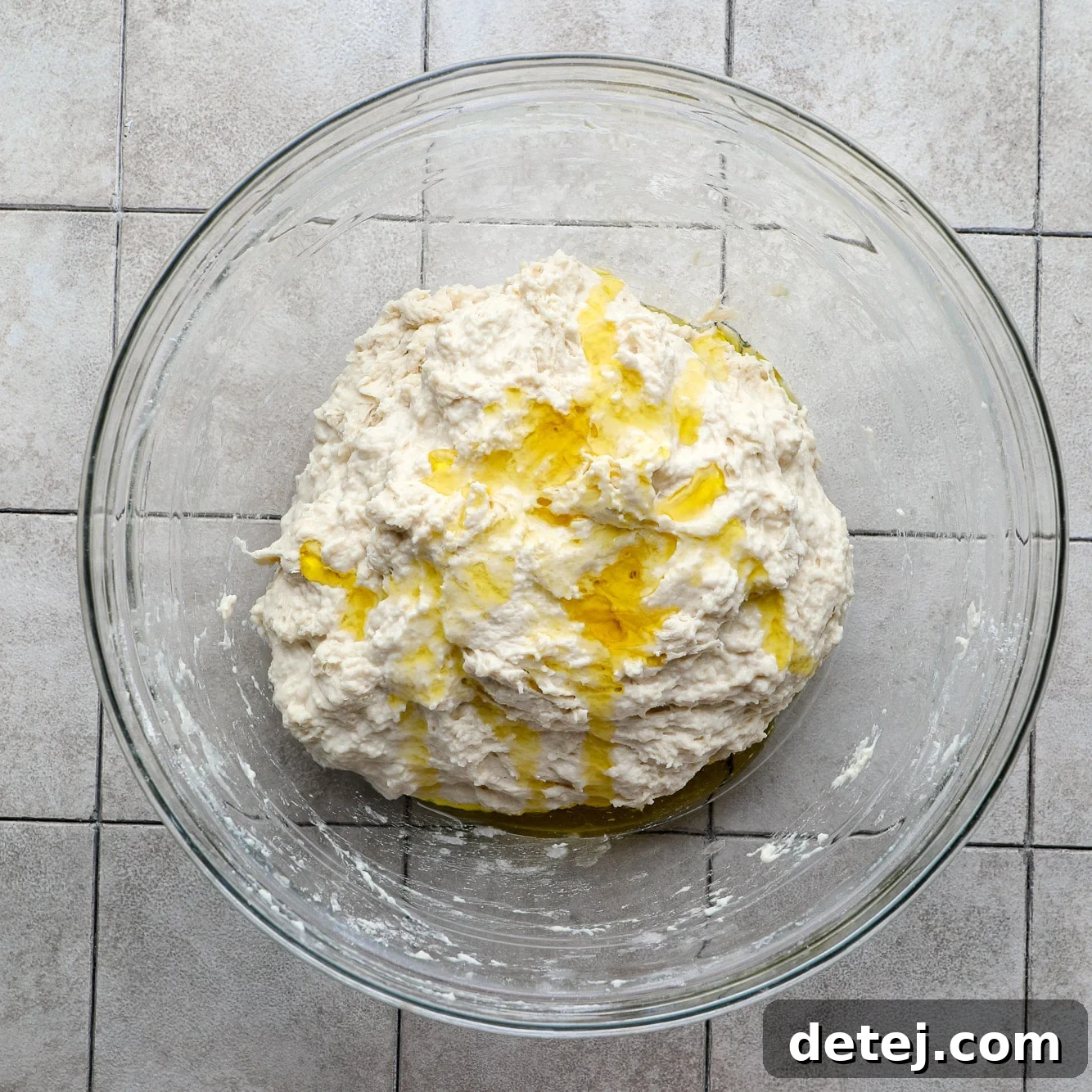
Step 3: First Olive Oil Coating. Drizzle a generous amount of olive oil into the bowl with the dough. Using your spatula or clean hands, turn the dough over a few times to ensure it’s thoroughly coated in the oil. This not only adds flavor but also prevents the dough from sticking excessively to the bowl and creates a beautiful crust.
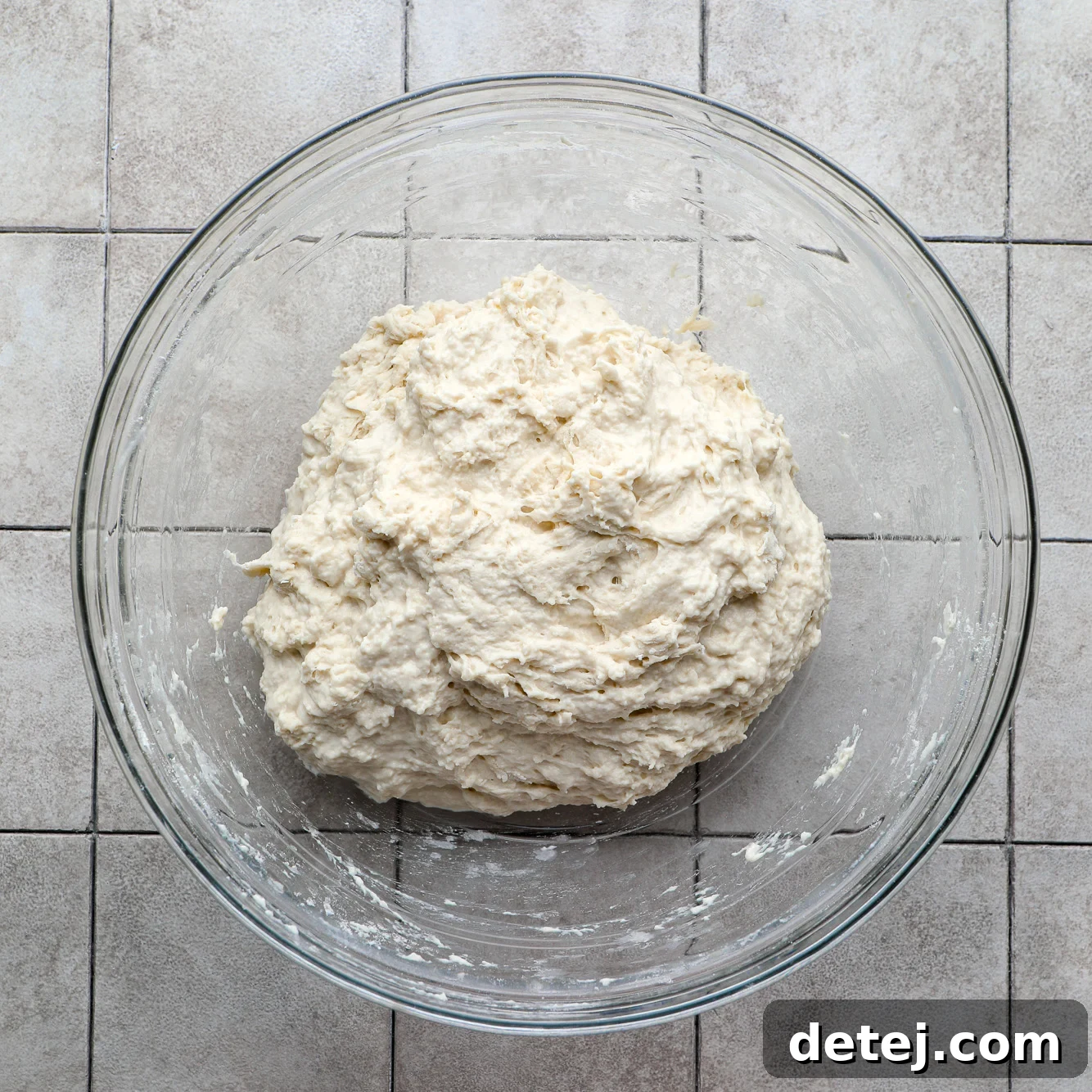
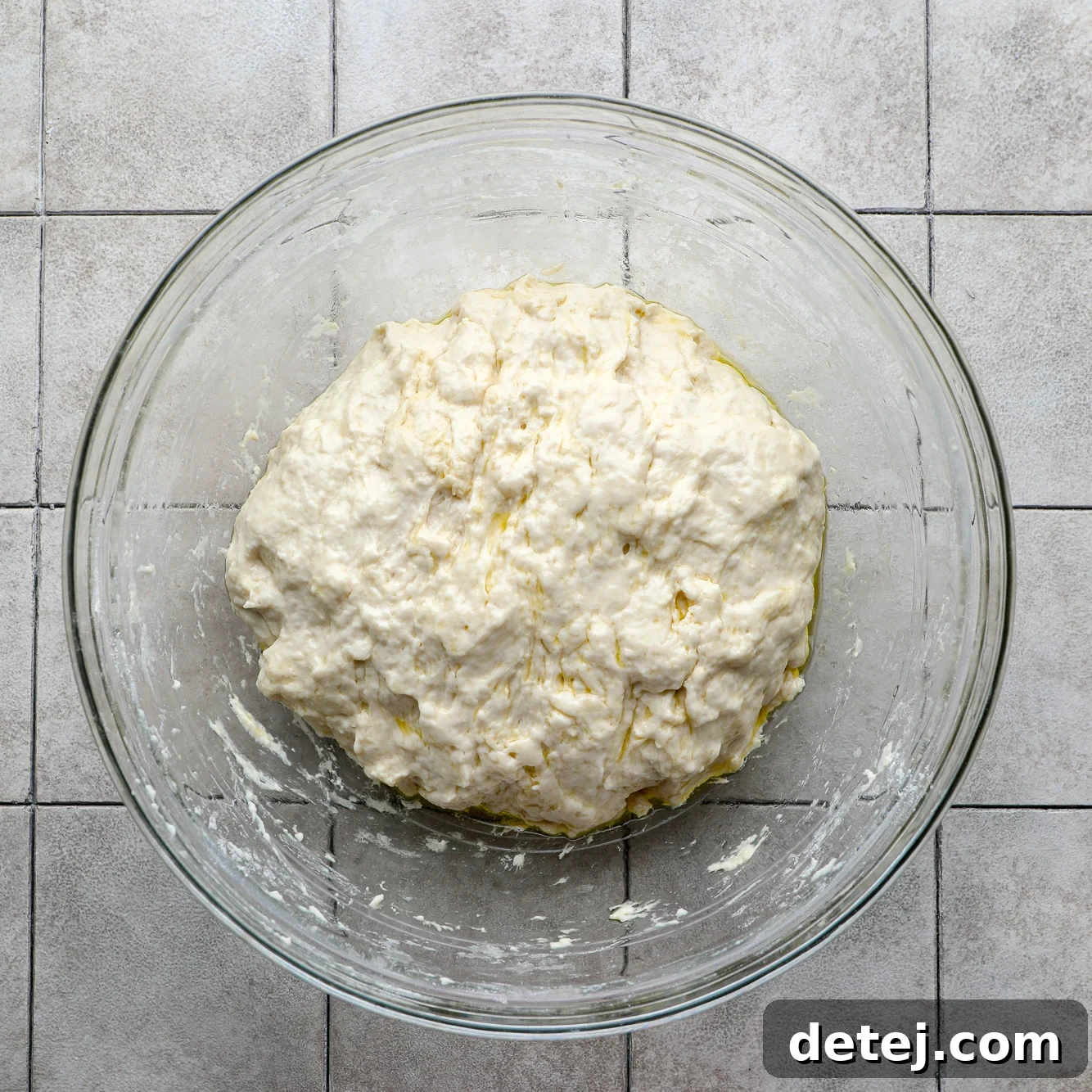
Step 4: The Slow Rise (Overnight or Longer). Cover the bowl with a clean, damp tea towel or plastic wrap to prevent the dough from drying out. Transfer the bowl to the refrigerator. This is where the magic happens! Allowing the dough to rise slowly overnight, or even for up to three days, develops incredible flavor and a superior texture that cannot be achieved with a quick rise. The cold slows down the yeast activity, allowing enzymes to break down starches into sugars, resulting in a more complex, nuanced taste.
Step 5: Prepare the Baking Pan for the Second Rise. Lightly grease your chosen baking pan (a 9×13 inch rectangular pan is ideal) with vegan butter. Then, pour a generous amount of olive oil into the center of the pan. This ensures the bottom of your focaccia becomes wonderfully crispy and golden.
Step 6: Transfer and Second Rise. Gently transfer the risen dough from the bowl to the prepared baking pan. Roll the dough around in the olive oil in the pan to ensure it’s fully coated. This second coating of oil adds another layer of flavor and contributes to that desirable crispy crust. Cover the pan again and let the dough rise at room temperature for another 2-3 hours. During this period, the dough will expand significantly, filling most of the pan and becoming light and airy.
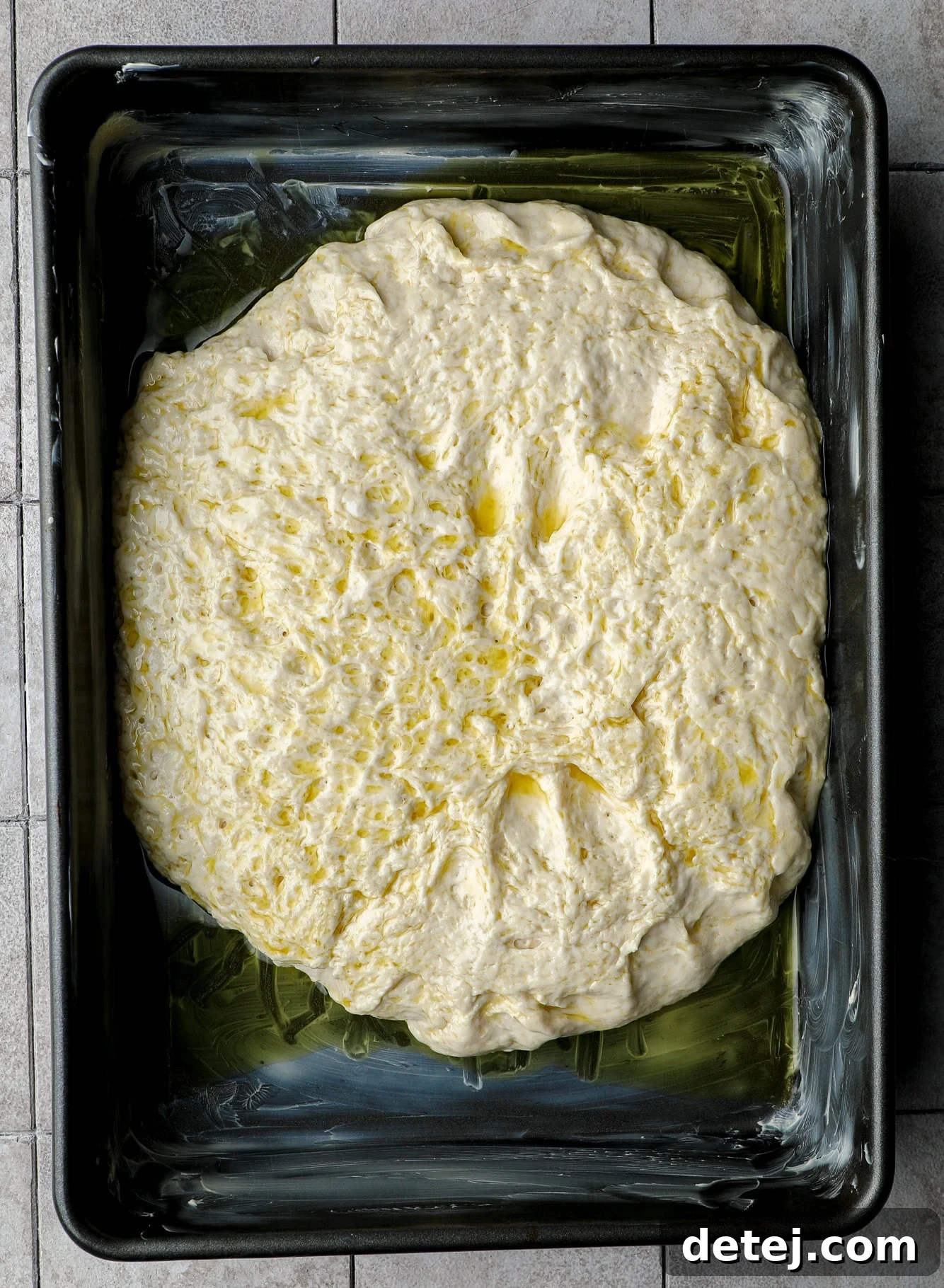
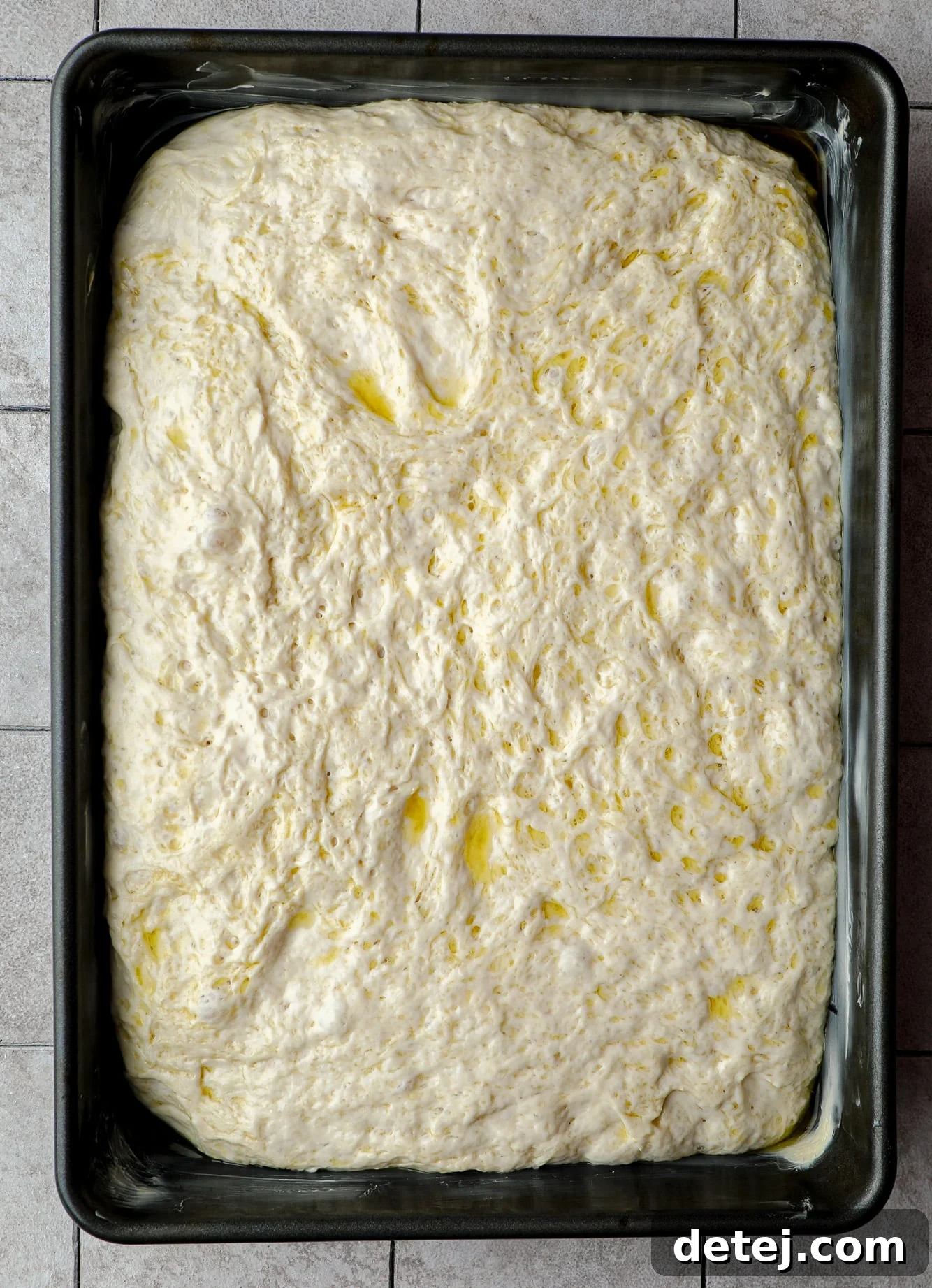
Step 7: Add Toppings and Dimples. Once the dough has completed its second rise, preheat your oven. Now for the fun part: evenly sprinkle your chosen toppings over the dough. We love fresh rosemary and flaky sea salt for their classic appeal. Drizzle the remaining olive oil over the toppings and dough. Lightly coat your hands with a bit of the olive oil from the pan, then use all your fingers to press straight down into the dough, creating deep, distinct dimples. You should aim to press all the way to the bottom of the pan. As you dimple, gently stretch the dough to fill any empty spaces in the pan, ensuring an even thickness.
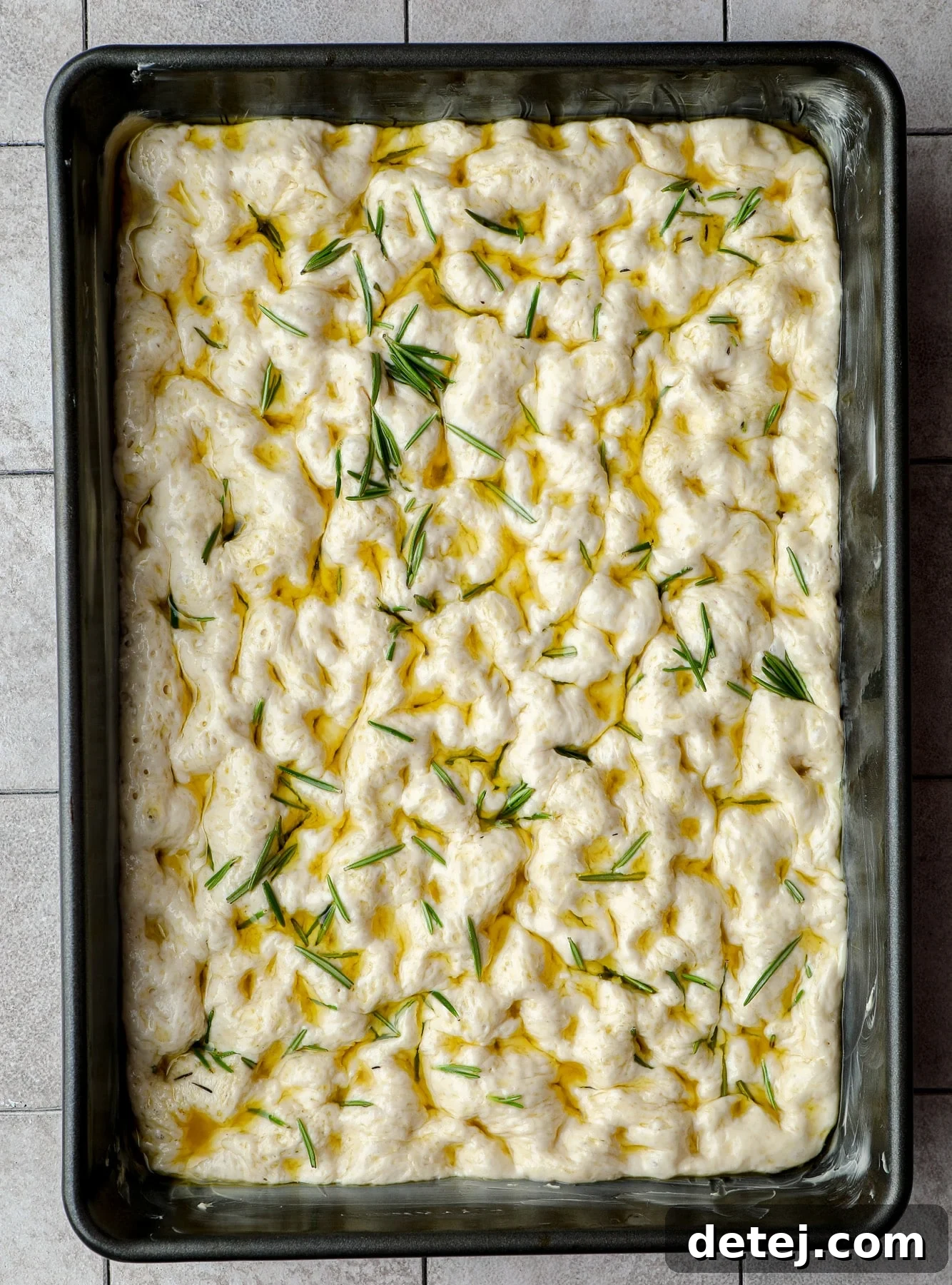
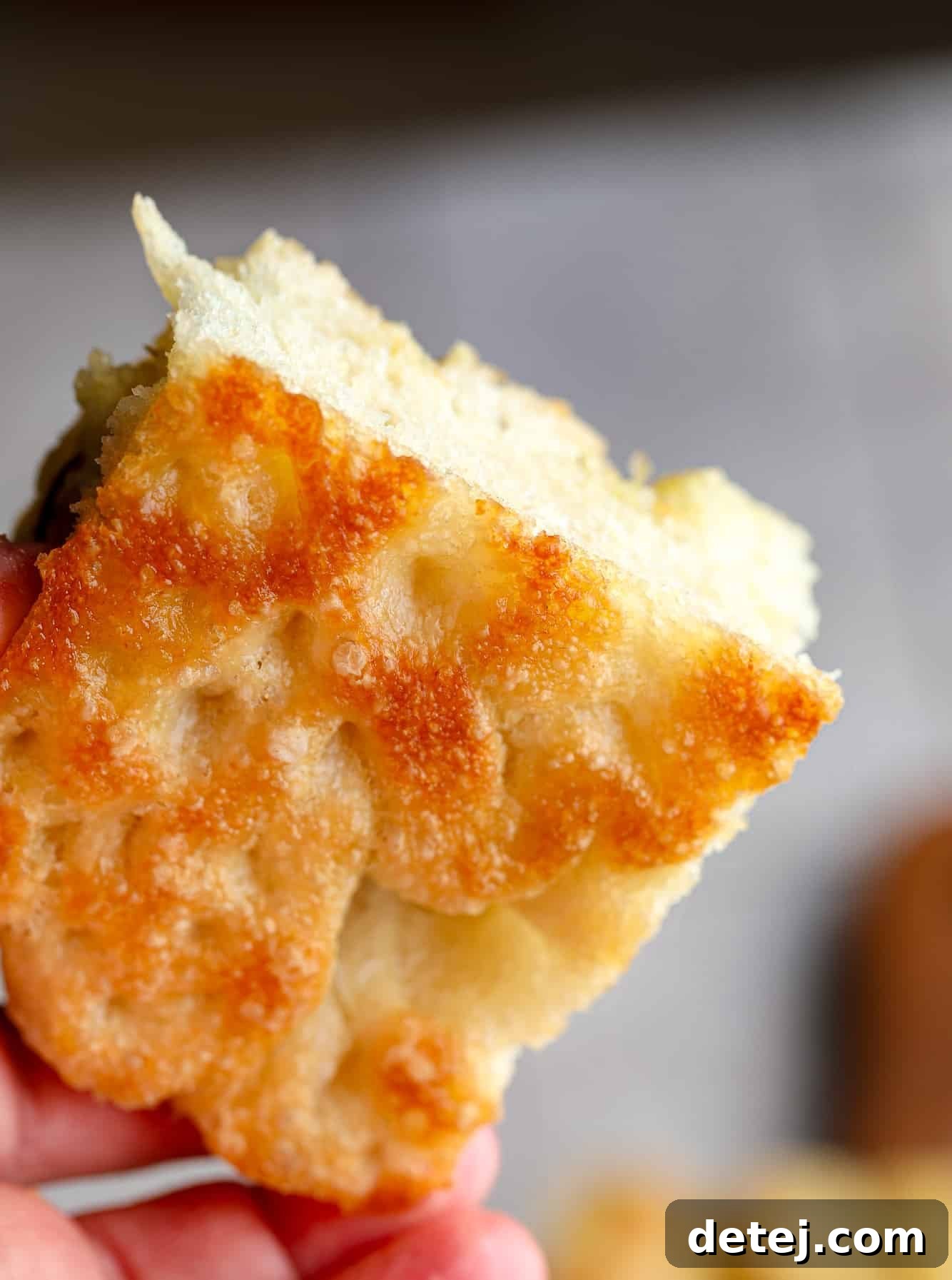
Step 8: Bake to Golden Perfection. Place the pan in your preheated oven and bake until the focaccia is beautifully golden brown on top and, crucially, crispy on the bottom. The rich aroma filling your kitchen will be your first reward!
Step 9: Cool and Serve. Once baked, carefully transfer the focaccia to a wire cooling rack. Allow it to cool for at least 10-15 minutes before slicing and serving. This cooling period is essential as it allows the internal structure of the bread to set and prevents it from becoming gummy. Enjoy the fruits of your minimal labor!
Quick Focaccia: When Time is of the Essence
While patience is a virtue that truly rewards when making focaccia – allowing the dough to rest and rise in the refrigerator overnight, or even for several days, develops unparalleled depth of flavor and an ideal texture – we understand that sometimes you need delicious bread *now*. The good news is, you can absolutely make a quicker version of this vegan focaccia without sacrificing too much quality.
For a quicker bake, after you’ve mixed the dough and coated it in olive oil in the initial bowl, simply let it rise in a warm spot for about 30 minutes. The warmth will accelerate the yeast activity. Following this first quick rise, transfer the dough to your prepared baking pan, ensure it’s coated in oil, and allow it to perform a second rise for another 30 minutes in a warm environment. Then proceed with dimpling, topping, and baking as per the standard instructions. While the flavor might not be as complex as its slow-fermented counterpart, it will still yield a wonderfully soft and airy bread that’s perfect for a spontaneous craving!
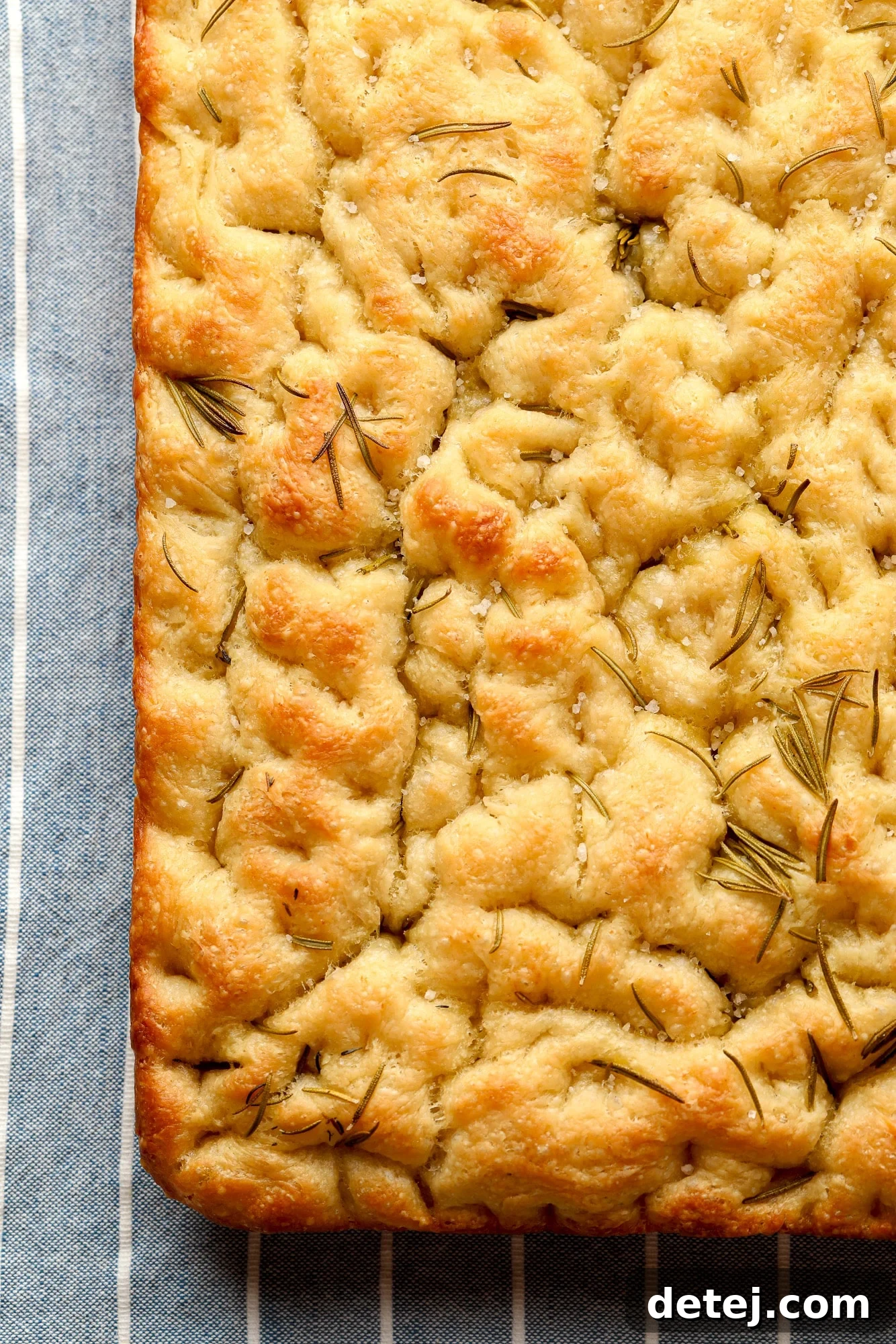
Inspiring Toppings for Your Vegan Focaccia Bread
The beauty of focaccia lies in its ability to carry a diverse range of toppings, allowing you to personalize each bake. Don’t be shy to mix and match your favorites! Remember, the key is to gently press the toppings into the dough before baking to ensure they adhere well and don’t fall off during handling.
Here are some delectable ideas to spark your creativity:
- Fresh or Dried Herbs: Elevate the aroma and flavor with fragrant herbs like fresh rosemary, oregano, basil, thyme, or finely chopped parsley. A sprinkle of dried Italian herb mix works wonders too.
- Savory Spices and Salts: Beyond flaky sea salt (which is a must!), consider adding garlic powder, freshly cracked black pepper, or a pinch of red chili flakes for a subtle kick.
- Aromatics: Thinly sliced garlic cloves (fresh or roasted for a sweeter flavor), delicate thinly sliced shallots, red onions, or vibrant green onions all add wonderful depth.
- Vibrant Vegetables: Create a beautiful “focaccia garden” with thinly sliced bell peppers, tender asparagus spears, various types of olives (kalamata, green), colorful heirloom tomatoes, briny capers, delicate zucchini or eggplant rounds, sweet cherry tomatoes, or even wafer-thin potato slices.
- Vegan Meats: For a heartier focaccia, try topping with sliced vegan pepperoni, crispy tofu bacon, or savory tempeh bacon.
- Creamy Vegan Cheeses: A sprinkle of shredded vegan parmesan, gooey vegan mozzarella, or dollops of fluffy vegan ricotta can transform your focaccia into a richer treat.
- Flavorful Sauces: A light spread of pizza sauce, a swirl of vibrant vegan pesto, a drizzle of creamy dairy-free alfredo sauce, or a tangy balsamic reduction can add a gourmet touch.
Pro tip: If you’re using delicate toppings that might burn easily in the oven, a light brush of extra olive oil over them before baking can help protect them and keep them moist.
Creative Ways to Enjoy Your Homemade Vegan Focaccia
The generous infusion of olive oil gives focaccia an inherently addictive quality, making it utterly delightful to eat on its own. However, its versatility means it can be served in countless creative ways, elevating any meal or snack. Here are some inspired serving suggestions:
- The Perfect Companion to Italian Dinners: Slice your focaccia into generous pieces and serve it alongside your favorite Italian-inspired meals. It pairs beautifully with hearty vegan lasagna, a comforting bowl of spaghetti with marinara, a rich chickpea soup, or savory vegan meatballs.
- An Elegant Appetizer or Snack: Serve warm focaccia with a small bowl of high-quality extra virgin olive oil and a splash of balsamic vinegar for dipping. A sprinkle of freshly ground black pepper takes it up a notch.
- Comforting Soup Dippers: There’s nothing quite like dipping a fluffy piece of focaccia into a warm bowl of soup. It makes creamy butternut squash soup or classic tomato soup infinitely more cozy and satisfying.
- Homemade Focaccia Pizza: Transform your focaccia into a unique pizza! Layer the dough with your favorite pizza sauce, vegan pepperoni or crumbled vegan sausage, a medley of dried herbs, and a generous topping of shredded vegan cheese before baking.
- Epic Vegan Sandwiches: Slice the focaccia horizontally to create a substantial base for an incredible vegan sandwich. Fill it with creamy hummus, crisp leafy greens, roasted vegetables like bell peppers and zucchini, and perhaps some thinly sliced red onion for a truly satisfying meal.
Frequently Asked Questions About Vegan Focaccia
Absolutely not! Our no-knead vegan focaccia recipe is specifically designed to be incredibly beginner-friendly. With clear step-by-step instructions and minimal hands-on time, both experienced bakers and kitchen novices will find success. The longest part is simply waiting for the dough to rise, which requires no effort on your part!
Traditionally, yes, focaccia is often vegan-friendly. Its core ingredients are typically flour, yeast, salt, water, and olive oil. However, it’s always good to be cautious. Some recipes might incorporate eggs for added richness or use animal-based butter for greasing the pans. Additionally, the vegan status of focaccia can change if non-vegan toppings (like dairy cheese or meat) are used. Our recipe ensures a completely plant-based outcome!
While both ciabatta and focaccia are Italian breads made with similar foundational ingredients (flour, yeast, and water), they differ significantly in texture and usage. Focaccia is known for its distinct dimpled surface, generous use of olive oil, and results in a bread that is wonderfully soft and airy on the inside with a crisp, golden crust. Ciabatta, meaning “slipper” in Italian due to its shape, is generally a denser white bread with a chewier crust and a more open, irregular crumb, making it particularly well-suited for holding sandwich fillings.
Yes, absolutely! In fact, preparing the dough ahead of time is highly recommended for optimal flavor development. The dough can be made and left to slowly rise in a covered bowl in the refrigerator for up to 3 days. This slow, cold fermentation process significantly enhances the flavor and texture of the final baked focaccia, making it richer and more complex.
Once your focaccia has baked and cooled completely, wrap it tightly in plastic wrap or store it in an airtight container at room temperature. It will remain fresh and delicious for about 3 to 4 days. After this period, it may start to dry out and become stale. For best results, lightly warm it in the oven before serving leftovers.
Yes, focaccia freezes exceptionally well! To freeze, ensure the focaccia is completely cooled. Wrap it first in a layer of plastic wrap, then follow with a layer of aluminum foil to prevent freezer burn. Properly wrapped, it can be stored in the freezer for up to 3 months. When ready to enjoy, thaw it at room temperature and then warm it in a preheated oven for a few minutes until refreshed.
A 9×13 inch rectangular baking pan is commonly recommended for this recipe, as it allows the focaccia to achieve a good thickness and shape. A rimmed baking sheet or an oven-safe skillet (like cast iron) can also work. The most important thing is that your pan has at least 1-2 inch high sides to contain the dough as it rises and bakes, and to hold all that delicious olive oil!
Discover More Bakery-Style Vegan Bread Recipes!
If you’ve fallen in love with the process of making homemade bread, especially the ease of our no-knead focaccia, you’re in for a treat! Explore more delightful plant-based bread recipes that bring that wonderful bakery feel right into your home:
- Vegan Irish Soda Bread
- Vegan Dinner Rolls
- Dutch Oven Bread
- Vegan Monkey Bread
- Vegan Garlic Bread
Vegan Focaccia
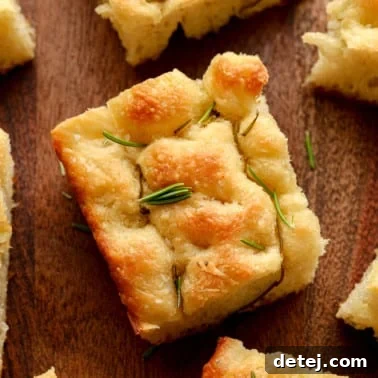
With only 10 minutes of active prep time and no kneading required, this Vegan Focaccia is incredibly simple to create. The most challenging part is simply waiting for its perfect rise before baking!
10 mins
25 mins
1 day
1 day 35 mins
12 servings
Pin
Comment
Ingredients
- 4 cups all-purpose flour or bread flour
- 2 teaspoons salt
- 1 packet instant yeast (2 1/4 tsp)
- 2 teaspoons granulated sugar
- 2 cups warm water (105-115°F / 40-46°C)
- 6 tablespoons olive oil, divided
- Vegan butter, for greasing the pan
- Flaky sea salt, for topping
- Optional: Fresh rosemary, sliced tomatoes, or other desired toppings
Instructions
- In a large bowl, thoroughly combine the flour, salt, instant yeast, and sugar.
- Pour in the warm water and mix gently with a rubber spatula until a sticky, shaggy dough is formed and all flour is hydrated.
- Add 2 tablespoons of olive oil to the bowl, then turn the dough a few times to ensure it is completely coated in oil.
- Cover the bowl with a clean, damp tea towel or plastic wrap. Place it in the refrigerator for at least 12 hours (preferably overnight) or up to 3 days for maximum flavor development. (For a quick version, see notes below.)
- Generously grease a 9×13 inch baking pan with vegan butter. Pour 2 tablespoons of olive oil into the center of the greased pan.
- Carefully transfer the cold dough to the prepared pan. Roll the dough ball in the oil to thoroughly coat its entire surface. Cover the pan and let the dough rise at room temperature for 2-3 hours, or until it has expanded and covers most of the pan.
- Preheat your oven to 425°F (220°C).
- If using fresh rosemary or other toppings, sprinkle them evenly over the risen dough. Drizzle the remaining 2 tablespoons of olive oil over the dough and toppings. Lightly oil your hands, then use your fingertips to press straight down into the dough, creating deep dimples that reach the bottom of the pan. Gently stretch the dough to fill the pan if necessary as you make the holes. Sprinkle with flaky sea salt.
- Bake in the center rack of the preheated oven for 25-30 minutes, or until the top is golden brown and the bottom is crisp.
- Carefully transfer the baked focaccia to a wire cooling rack. Allow it to cool for at least 10-15 minutes before slicing and serving. Enjoy your homemade focaccia!
Notes
- Optional Toppings: Experiment with sliced peppers, asparagus, green onions, various olives, thinly sliced fresh or roasted tomatoes, onions, or even very thin potato slices. Always press ingredients firmly into the dough to embed them.
- Storage: Store leftover focaccia in an airtight container or wrapped tightly in plastic wrap at room temperature for 3-4 days.
- Yeast Options: If using active dry yeast instead of instant yeast, you will need to proof it first. Dissolve the yeast with the granulated sugar in the warm water and let it sit for 5-10 minutes until foamy before adding to the flour mixture.
- Quick Version: For a faster bake (though the flavor won’t be as developed as the cold-fermented version), after mixing and oiling the dough in the bowl, cover and let it rise in a warm place for 30 minutes. Then, transfer to the greased pan, coat with oil, and let it rise again for another 30 minutes. Dimple, top, and bake as instructed.
Nutrition
Serving: 1 of 12 servings | Calories: 218kcal | Carbohydrates: 33g | Protein: 5g | Fat: 7g | Saturated Fat: 1g | Polyunsaturated Fat: 1g | Monounsaturated Fat: 5g | Sodium: 391mg | Potassium: 50mg | Fiber: 1g | Sugar: 1g | Vitamin C: 0.002mg | Calcium: 8mg | Iron: 2mg
Appetizer, Side Dish
Italian-inspired
Nora Taylor
Did you make this recipe?
Mention @nora_cooks_vegan_ or tag #noracooks!