
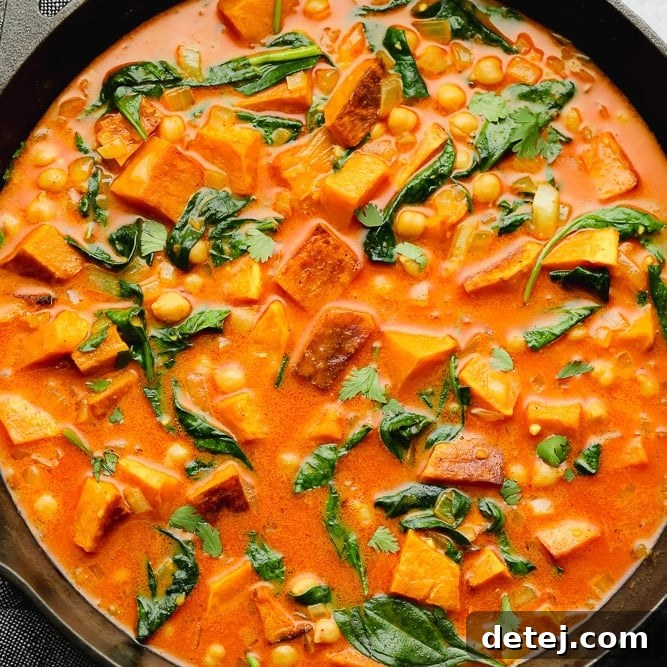
Creamy Butternut Squash Curry with Chickpeas: A Perfect Fall and Winter Comfort
Every spoonful of this delightful Butternut Squash Curry with Chickpeas offers a harmonious blend of tender roasted butternut squash, protein-rich chickpeas, and a lusciously flavorful, creamy base. It’s the ultimate comforting dinner and an ideal candidate for your weekly meal prep, especially as the crisp air of fall and winter sets in!
As the leaves begin to turn and a gentle chill fills the air, there’s nothing quite like a warm, hearty meal to bring comfort and joy. This Butternut Squash Curry with Chickpeas embodies the essence of seasonal eating, transforming humble ingredients into an extraordinary culinary experience. If your love for roasted butternut squash runs deep, you might also enjoy exploring my Vegan Risotto for another plant-based delight.
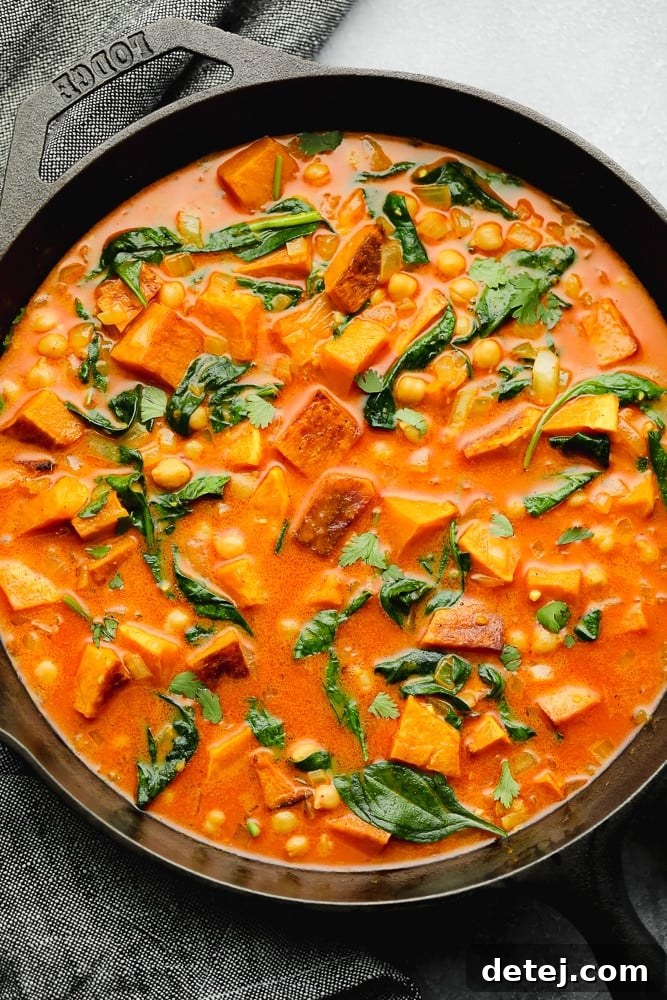
Are you eagerly anticipating the arrival of butternut squash season to create a myriad of comforting dishes? Excellent news, because this incredible Butternut Squash Curry is exactly what you’ve been waiting for! Infused with aromatic spices and vibrant, fresh Thai-inspired flavors, this remarkably easy one-pot recipe stands out as a superb choice for cozy fall and winter dinners, and it’s equally fantastic for streamlining your meal prep throughout the week.
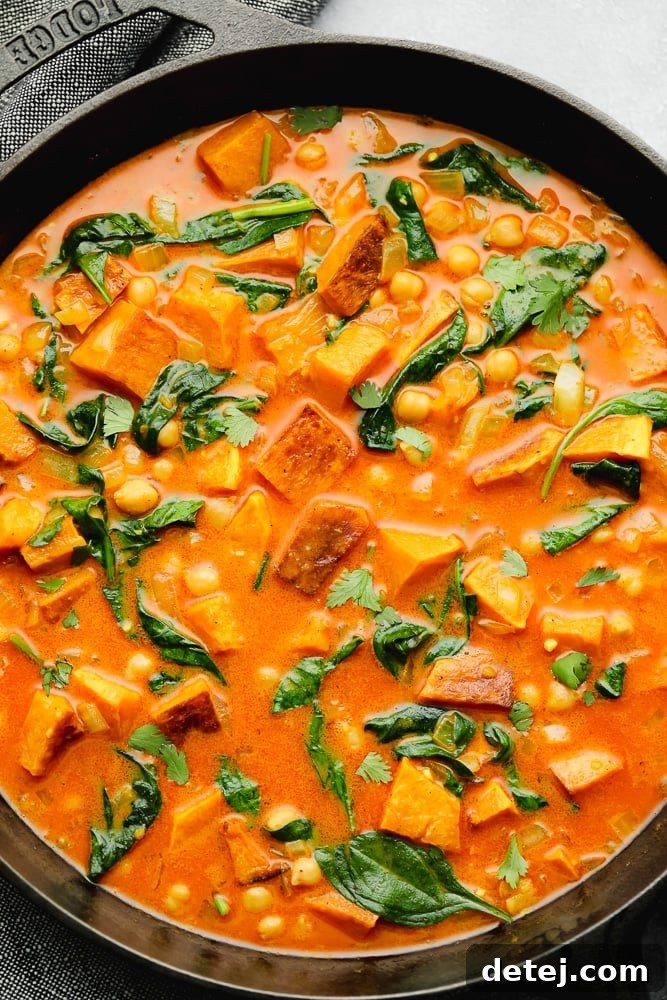
This vegan butternut squash curry boasts a rich and creamy coconut base, generously laden with perfectly roasted seasonal butternut squash. The deep flavors are further enhanced by fragrant red curry paste, velvety coconut milk, tender canned chickpeas, and nutrient-packed spinach. Every single spoonful is incredibly comforting and satisfyingly filling, reminiscent of my popular Chickpea Curry Recipe, yet uniquely tailored to embrace the cooler temperatures of autumn and winter. After all, no ingredient quite captures the spirit of ‘autumn’ like the versatile and sweet butternut squash!
Butternut squash isn’t just for curry! If you find yourself with extra squash after making this delectable dish, don’t let it go to waste. Consider transforming it into a comforting Butternut Squash Lasagna for a hearty family meal or whipping up a soothing bowl of Butternut Squash Soup, perfect for a chilly evening. The possibilities are truly endless with this beloved fall vegetable.
The Magic Behind the Flavors: Ingredients Spotlight
Creating an exceptional curry begins with selecting the right ingredients. This recipe not only highlights the star players but also offers flexible substitutions to cater to various dietary needs and pantry availability. Each component plays a vital role in building the curry’s rich, layered flavor profile and delightful texture.
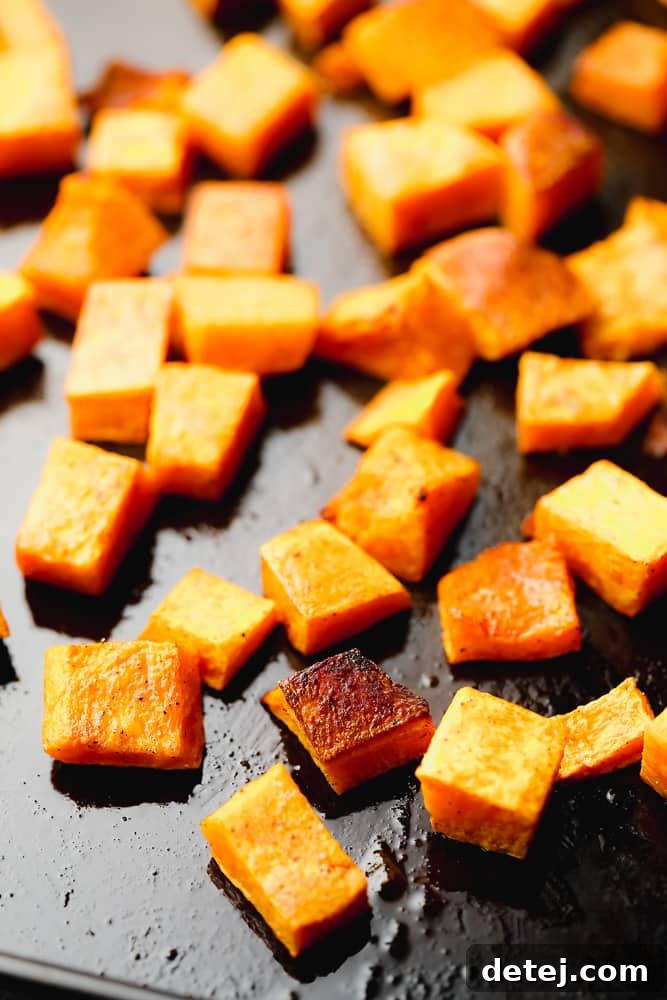
- Butternut Squash: The quintessential fall favorite! The secret to unlocking its sweet, nutty depth is roasting. By peeling, cubing, and roasting the squash before adding it to the curry, you caramelize its natural sugars, intensifying its flavor and adding a tender, slightly firm texture that holds up beautifully in the sauce. Butternut squash is also packed with vitamins A and C, and a good source of fiber, making this curry both delicious and nutritious.
- Onion, Garlic, and Ginger: These three aromatics form the foundational flavor base of almost any great curry. Fresh is always best here, as their pungent, sweet, and spicy notes infuse the entire dish with warmth and complexity. Onion adds a subtle sweetness, garlic provides a robust depth, and ginger introduces a zesty, slightly peppery kick that defines many Asian and Thai-inspired dishes.
- Red Curry Paste: This is where the magic of Thai-inspired flavor truly comes alive. Red curry paste delivers a balanced heat along with a symphony of flavors from ingredients like red chilies, lemongrass, galangal, kaffir lime zest, and spices. Don’t be deterred by its vibrant color or initial aroma; when mixed with the creamy coconut milk and other ingredients, its heat mellows, leaving behind a wonderfully complex and aromatic profile.
- Soy Sauce: A touch of soy sauce adds a crucial umami depth, balancing the sweetness of the squash and coconut milk while enhancing the overall savory notes of the curry. For those following a gluten-free diet, tamari is an excellent, easily interchangeable alternative that provides the same rich flavor without the gluten.
- Chickpeas: These versatile legumes are the primary source of plant-based protein in this curry, making it incredibly satisfying and filling. Using canned chickpeas keeps the recipe wonderfully simple and quick – just drain and rinse! If chickpeas aren’t on hand, feel free to substitute with other white beans like cannellini, or opt for additional vegetables such as cauliflower florets, or even plant-based proteins like cubed tofu or crumbled tempeh for added texture and nutrients.
- Vegetable Broth: This liquid ingredient helps to achieve the desired consistency for your curry, ensuring it’s not overly thick and allowing all the flavors to meld together beautifully. It adds another layer of savory depth without overpowering the delicate spices.
- Coconut Milk: Essential for that signature creamy, luxurious texture and rich flavor. Always opt for a can of full-fat coconut milk (not the light version) for the best results, as it provides unparalleled richness and helps to temper the spice from the curry paste. If you’re looking for alternatives, homemade cashew cream offers a similar decadence, while unsweetened almond milk or cashew milk can be used for a lighter curry, though the richness will vary.
- Sugar: Just a hint of granulated sugar (or maple syrup for a refined sugar-free option) is added to provide a touch of sweetness. This subtle addition is crucial for balancing the savory, spicy, and tangy elements of the curry, creating a well-rounded and harmonious flavor profile.
- Spinach: I love to stir in fresh spinach at the end for an extra boost of nutrients and a pop of vibrant color. It wilts quickly into the warm curry, adding a mild, earthy flavor. If spinach isn’t your preference, or you want to experiment, you can easily omit it or substitute with another leafy green, such as finely chopped kale, which adds a slightly bolder texture.
- Lime Juice: A squeeze of fresh lime juice at the very end is non-negotiable! Its bright, acidic punch cuts through the richness of the coconut milk and brings all the flavors into sharp focus, adding a refreshing finish. If fresh lime isn’t available, a splash of rice wine vinegar can offer a similar acidic balance.

Step-by-Step Guide: How to Make the Perfect Butternut Squash and Chickpea Curry
Creating this flavorful and comforting curry is simpler than you might think, especially with its one-pot convenience (after roasting the squash). Follow these steps for a delicious meal:
Prep the Squash for Roasting
- Preheat Oven & Prepare Baking Sheet: Begin by preheating your oven to 400 degrees Fahrenheit (200°C). Line a large baking sheet with parchment paper for easy cleanup, or grease it lightly with olive oil.
- Roast the Butternut Squash: Spread the cubed butternut squash evenly onto the prepared baking sheet. Drizzle generously with a few tablespoons of olive oil, then season with a pinch of salt and freshly ground black pepper. Roast in the preheated oven for 30-45 minutes, or until the squash cubes are beautifully golden brown at the edges and fork-tender. Roasting brings out the squash’s natural sweetness and adds a wonderful texture to the curry.
Build the Curry Base
- Sauté Aromatics: While the squash is roasting, heat 2 tablespoons of olive oil in a large skillet or Dutch oven over medium-high heat. Add the diced sweet onion and sauté for 2-3 minutes, stirring occasionally, until it becomes translucent and slightly softened.
- Infuse with Ginger & Garlic: Next, add the minced garlic and grated fresh ginger to the pan. Cook for about 2 minutes, stirring frequently, until fragrant. Be careful not to burn the garlic.
- Add Curry Paste & Turmeric: Stir in the red curry paste and turmeric. Cook for another minute, stirring continuously, allowing the spices to toast and release their aromas. This step deepens the flavor profile of the curry.
- Combine Liquids & Chickpeas: Pour in the full-fat coconut milk, vegetable broth, and the drained and rinsed chickpeas. Stir everything together to combine thoroughly.
- Simmer to Perfection: Bring the mixture to a gentle boil, then immediately reduce the heat to a low simmer. Cover the pot and let it gently simmer for 10-15 minutes, allowing the flavors to meld and the sauce to thicken slightly. This simmering time should align perfectly with the remaining roasting time for your butternut squash.
Finish and Serve
- Season & Finish: Once the squash is ready, stir in the soy sauce (or tamari), granulated sugar (or maple syrup), and fresh lime juice. Taste the curry and adjust seasonings with salt and pepper as needed.
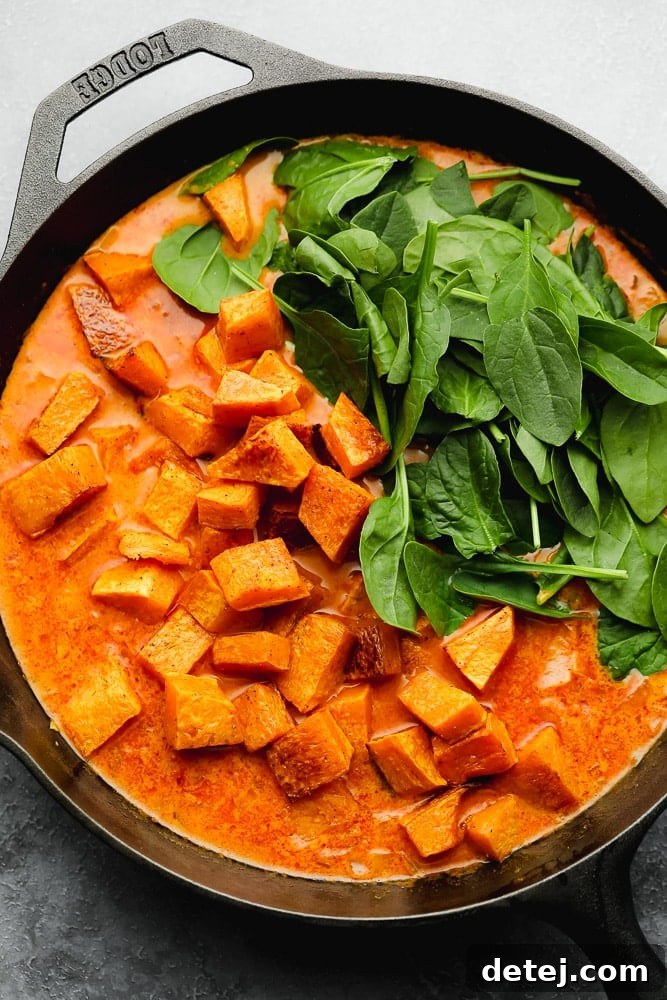
- Add Roasted Squash & Spinach: Gently fold in the roasted butternut squash and the baby spinach. Allow the spinach leaves to wilt for just a minute or two until softened, then remove the skillet from the heat.
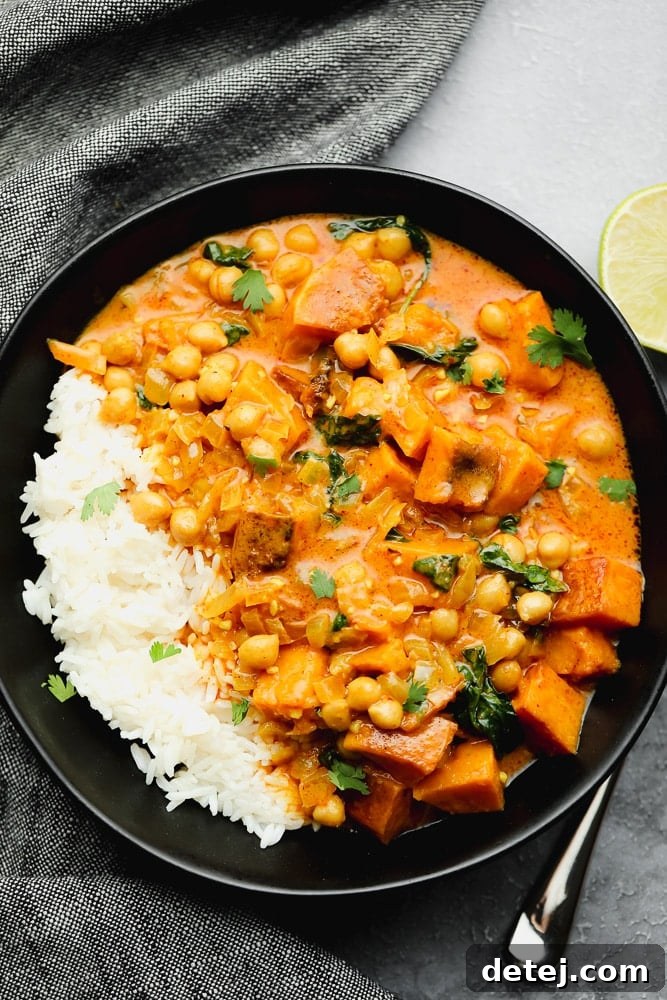
- Serve & Garnish: Ladle the warm and inviting chickpea butternut squash curry into bowls. Serve it alongside fluffy rice (brown or basmati are excellent choices) or quinoa. Enhance each serving with your favorite toppings: a sprinkle of fresh chopped cilantro or basil, a squeeze of fresh lime juice or a lime wedge, a handful of chopped cashews or peanuts for crunch, and a drizzle of hot sauce for an extra kick. Enjoy this wholesome and flavorful meal!
Find the complete recipe with measurements and nutritional information below.
Customize Your Curry: Delightful Variations
One of the best aspects of this Butternut Squash Curry is its adaptability. Feel free to play with the ingredients and flavors to suit your palate or what you have on hand. Here are some fantastic variations to inspire you:
- Gluten-Free Option: Easily make this curry entirely gluten-free by simply replacing the soy sauce with an equal amount of tamari. Always double-check your red curry paste to ensure it’s also certified gluten-free, as some brands may contain hidden gluten ingredients.
- Oil-Free Preparation: For a lighter, oil-free version, sauté the onions, garlic, and ginger in a splash of water or vegetable broth instead of olive oil. Ensure you stir frequently to prevent sticking, and add more liquid as needed to keep the ingredients from drying out.
- Sweet Potato Curry: No butternut squash? No problem! This recipe works beautifully with sweet potato. Simply peel and cube sweet potatoes, then roast them in the same way as the butternut squash. The natural sweetness of the sweet potato will create a slightly different, yet equally delicious, sweet potato curry.
- Boost Your Veggies: Elevate the nutritional content and textural variety by adding more vegetables. Consider tossing in some chopped carrots, bell peppers, green beans, or snap peas along with the chickpeas. For an extra layer of authentic flavor, you could even add a stalk of bruised lemongrass or a few spicy Thai chilies (if you dare!) during the simmering stage.
- Protein Power-Up: While chickpeas provide ample protein, you can always add more! Cubes of marinated and pan-fried tofu, crispy tempeh, or even vegan chicken pieces would all be excellent additions to make this curry even heartier.
- Spice Level Adjustment: If you prefer a milder curry, start with less red curry paste and add more to taste. For those who love heat, a pinch of cayenne pepper or a few slices of fresh bird’s eye chili can take the spice level up a notch.
- Herb Infusion: Experiment with different fresh herbs. While cilantro and basil are classic, a sprinkle of mint or even a touch of kaffir lime leaves (added during simmering) can introduce unique aromatic notes.
Frequently Asked Questions: Butternut Squash Curry Edition
Curry making can sometimes raise questions, especially for those new to the kitchen. Here are answers to some common queries about this butternut squash and chickpea curry:
- What can you replace red curry paste with? If red curry paste is unavailable or you prefer a different flavor profile, you can substitute it with 1 tablespoon of good quality curry powder, perhaps with a little ground cumin and garam masala for added warmth. However, be aware that the resulting flavor will be quite different, leaning more towards an Indian-style curry rather than Thai-inspired. If the issue is simply the spice level, consider using a mild or yellow curry paste instead, which typically offers a gentler heat.
- How do you peel and cut butternut squash for curry? Preparing butternut squash can seem daunting, but it’s quite straightforward. First, carefully cut both ends off the squash. Using a sturdy vegetable peeler or a sharp knife, remove the tough outer skin. Next, chop the squash in half lengthwise. With a spoon, scoop out the stringy flesh and seeds from the rounded bottom section. Finally, cut both halves into small, uniform bite-sized cubes (about 1-inch pieces) so they cook evenly.
- How do you store butternut squash curry? This curry makes fantastic leftovers! Allow the curry to cool completely to room temperature. Then, transfer it to an airtight container and store it in the refrigerator for up to 4 to 5 days. The flavors often deepen overnight, making it even more delicious the next day.
- Can you freeze it? Absolutely! This curry freezes beautifully, making it perfect for future meal planning. Once cooled, spoon the leftovers into freezer-safe containers or heavy-duty ziplock bags (removing as much air as possible). It can be stored in the freezer for up to 3 months. Thaw overnight in the refrigerator and gently reheat on the stovetop or in the microwave, adding a splash of broth or water if needed to adjust the consistency.
- Can I make this curry thicker or thinner? If your curry is too thin, you can simmer it uncovered for a bit longer to allow some of the liquid to evaporate. Alternatively, mix 1 tablespoon of cornstarch with 2 tablespoons of cold water to create a slurry, then stir it into the simmering curry and cook for a few minutes until thickened. If it’s too thick, simply stir in additional vegetable broth or a little more coconut milk until it reaches your desired consistency.
Serving Suggestions for a Complete Meal
This Butternut Squash Curry with Chickpeas is a complete meal on its own, but pairing it with the right accompaniments can elevate your dining experience to new heights. Here are some delicious ideas:
- Grains: Scoop the rich and delicious butternut curry into bowls with a generous portion of fluffy brown rice, aromatic basmati rice, or protein-packed quinoa. These grains provide a perfect neutral base to soak up all the vibrant flavors of the curry.
- Bread: For an authentic experience, serve warm, soft vegan naan bread on the side. It’s perfect for dipping into the creamy sauce and scooping up every last bit of flavor. Other options include warm pita bread or even a crusty baguette.
- Fresh Sides: Complement the richness of the curry with a fresh, crisp side dish. Roasted Brussels sprouts, a simple green salad like a kale caesar salad, or lightly steamed green beans can add a refreshing contrast. A cooling cucumber and tomato salad would also be a fantastic addition, especially if you’ve dialed up the spice!
- The Perfect Toppings: Don’t underestimate the power of garnishes! To truly make each serving complete and burst with flavor, top it off with an abundance of fresh chopped cilantro, fragrant basil (or Thai basil for an extra authentic touch), a generous squeeze of fresh lime juice (or a few lime wedges on the side), a scattering of crunchy chopped cashews or peanuts, and a drizzle of your favorite hot sauce for an optional extra zing. These toppings add texture, brightness, and a burst of fresh flavor that truly completes the dish.
Why Choose This Vegan Butternut Squash Curry?
Beyond its incredible taste and comforting qualities, this Butternut Squash Curry offers numerous benefits that make it a standout choice for your kitchen:
- Plant-Powered Goodness: It’s entirely vegan, making it an excellent option for those following a plant-based diet or anyone looking to incorporate more wholesome, meatless meals into their routine. Packed with fiber and nutrients from the squash, chickpeas, and spinach, it’s a meal you can feel good about.
- One-Pot Wonder: Minimizing cleanup is always a win! After the initial squash roasting, the entire curry comes together in a single pot, simplifying your cooking process and leaving you more time to enjoy your delicious creation.
- Seasonal & Fresh: Utilizing butternut squash means you’re enjoying fresh, seasonal produce at its peak. This not only tastes better but often means better nutritional value and supports local agriculture if sourced locally.
- Meal Prep Dream: As mentioned, this curry is fantastic for meal prepping. Its flavors develop beautifully over time, and it reheats wonderfully, providing healthy and satisfying meals throughout the busy week.
- Bursting with Flavor: The combination of roasted squash, aromatic spices, creamy coconut milk, and zesty lime creates a complex and deeply satisfying flavor profile that will tantalize your taste buds and leave you feeling nourished.
Looking for More Easy Vegan One-Pot Dinners?
Forget all about a lengthy clean up and treat yourself to any of these equally easy and comforting one-pot vegan dinners:
- Chickpea Tikka Masala: A creamy, tomato-based classic with tender chickpeas.
- Peanut Tempeh Stir Fry: A vibrant, nutty, and quick stir-fry packed with veggies.
- Sweet Potato Black Bean Chili: A hearty and smoky chili perfect for colder days.
- Instant Pot Spaghetti: An incredibly convenient way to make a family favorite.
Recipe: Butternut Squash Curry with Chickpeas
Average rating: 4.89 stars (27 ratings)
This Butternut Squash Curry with Chickpeas is loaded with roasted butternut squash, chickpeas, and a flavorful and creamy base. Enjoy it as a comforting dinner or weekly meal prep during fall!
Prep time: 15 mins
Cook time: 50 mins
Total time: 1 hr 5 mins
Servings: 6 servings
Ingredients
Butternut Squash Curry
- 4 cups chopped butternut squash (1 small or 1/2 large)
- 4 tablespoons olive oil, divided
- 1 medium sweet onion, diced
- 3 cloves garlic, minced
- 1 tablespoon grated fresh ginger
- 2 1/2 tablespoons red curry paste
- 1/2 teaspoon turmeric
- 13.5 ounce can full-fat coconut milk
- 1/2 cup vegetable broth
- 15 ounce can chickpeas, drained and rinsed
- 2 cups baby spinach or chopped kale
- 1 tablespoon low sodium soy sauce or tamari for gluten free
- 1 tablespoon granulated sugar or maple syrup
- 1 tablespoon fresh lime juice
- salt + pepper, to taste
For Serving
- 4 cups cooked rice or quinoa
- chopped cilantro or basil
- additional lime wedges
- chopped peanuts or cashews
- hot sauce
Instructions
Roast the squash
- Preheat the oven to 400 degrees F (200°C) and grease a large baking sheet with olive oil (or line with parchment paper).
- Add the chopped butternut squash, drizzle with a few tablespoons of olive oil, sprinkle with a little salt and pepper, and bake for 30-45 minutes, until golden and browned in spots.
While the squash roasts, prepare the curry
- Heat 2 tablespoons of olive oil in a large skillet over medium-high heat. Add the diced onion and sauté for 2-3 minutes, until translucent.
- Now add the garlic and ginger to the pan and cook, stirring frequently for about 2 minutes.
- Stir in the red curry paste and turmeric. Pour in the coconut milk, broth and chickpeas and stir to combine.
- Bring to a boil, then lower heat so the mixture is simmering but not boiling hard. Cover and let it simmer for 10-15 minutes, until the squash has finished baking.
- Stir in the soy sauce, sugar, lime juice, and salt and pepper to taste. Now stir in the roasted butternut squash and baby spinach. Let the spinach wilt for a minute or two, then remove from heat.
- Serve with cooked rice, chopped cilantro or basil, lime wedges, chopped nuts and hot sauce. Enjoy!
Notes
- Nutritional estimates do not include rice or additional toppings.
- Try substituting sweet potato for the squash for a sweet potato curry, if desired.
- If you can’t find red curry paste, you can substitute 1 tablespoon of curry powder and perhaps a little ground cumin and garam masala. It will taste quite different though.
- Feel free to leave out the chickpeas if desired, or substitute a few cups of cauliflower instead. Tofu would also taste good here.
Nutrition
Serving: 1 of 6 servings | Calories: 318kcal | Carbohydrates: 24g | Protein: 5g | Fat: 24g | Saturated Fat: 14g | Polyunsaturated Fat: 2g | Monounsaturated Fat: 8g | Sodium: 303mg | Potassium: 633mg | Fiber: 5g | Sugar: 6g | Vitamin A: 11893IU | Vitamin C: 26mg | Calcium: 98mg | Iron: 4mg
Recipe Details
Course: Main Course
Cuisine: Thai-inspired
Author: Nora Taylor