
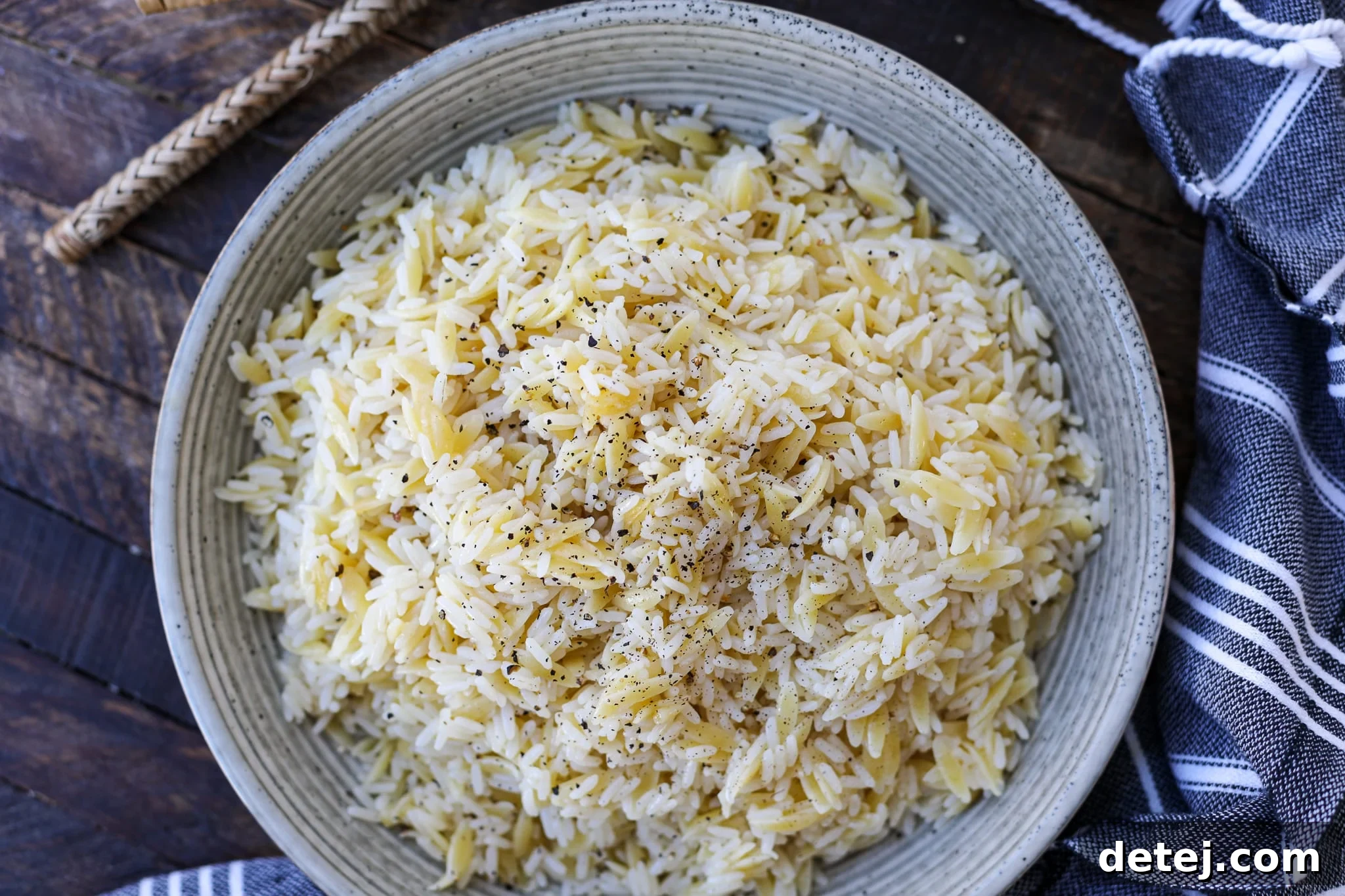
This Lebanese Orzo Rice recipe comes together in one pot in under 30 minutes! A mild, nutty-tasting side dish, it’s perfect for pairing with chicken, fish, or your favorite protein source.
Welcome to the delightful world of Lebanese Orzo Rice, a culinary gem known for its comforting flavors and incredible ease of preparation. This isn’t just a side dish; it’s a staple that embodies the warmth and richness of Middle Eastern cuisine, perfect for busy weeknights or a relaxed family gathering. With its signature golden, toasted orzo beautifully intertwined with fluffy rice, this one-pot wonder promises a satisfying experience in under half an hour, making it a go-to for anyone seeking both convenience and authentic flavor.
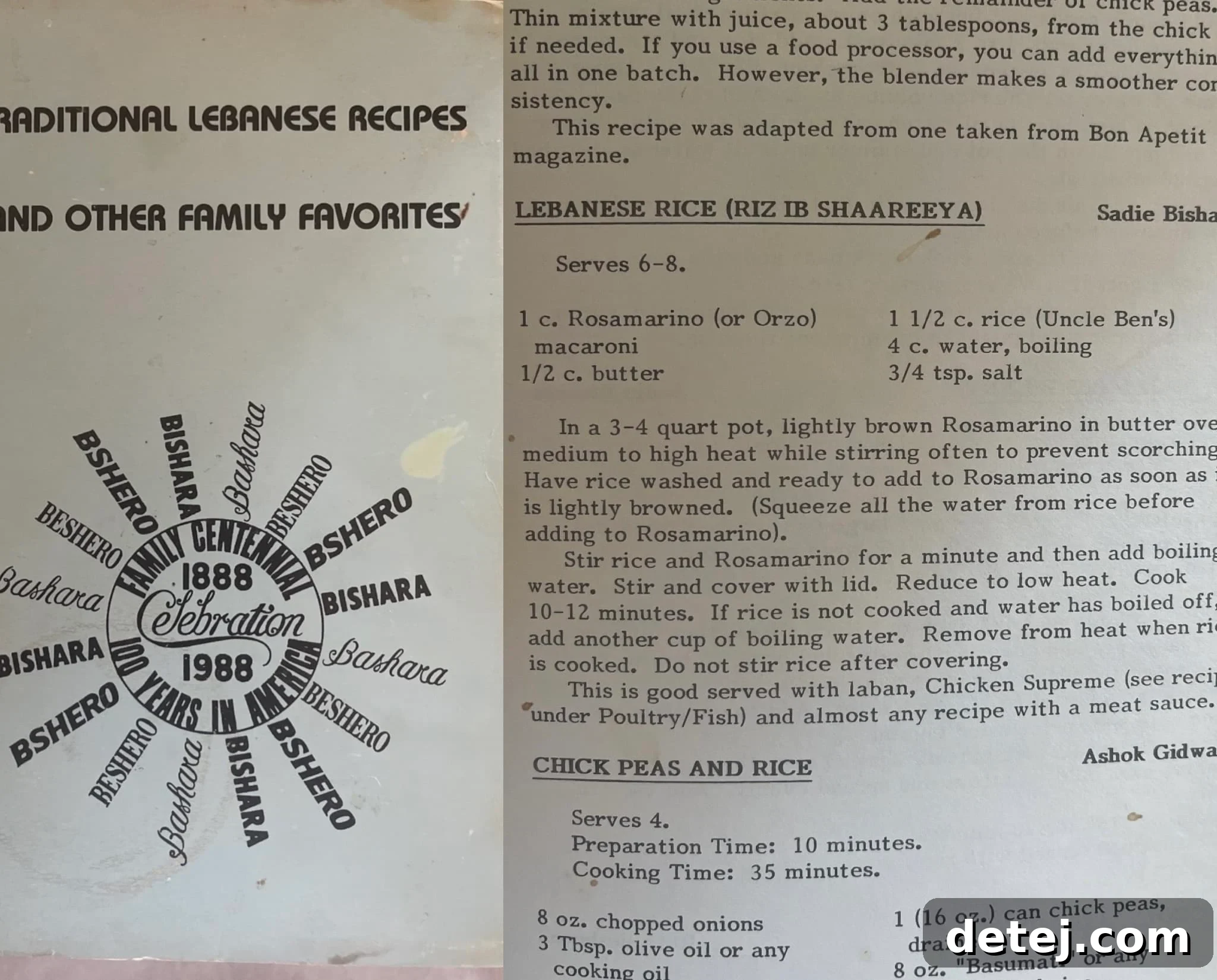
This authentic Lebanese orzo rice recipe was lovingly shared with me by a dear friend, whose Lebanese family has cherished and perfected it through generations. While similar variations grace tables in Turkish and other regional cuisines, her family affectionately refers to it as Lebanese rice, or riz ib shaareeya – a name that speaks to its deep cultural roots and beloved status. The beauty of this dish lies in its elegant simplicity, transforming humble ingredients into something truly extraordinary.
Healthy, remarkably easy to make, and requiring minimal cleanup thanks to its one-pot nature, this Lebanese rice with orzo is the ideal complement to an impressive array of dinners. Imagine it alongside vibrant Sosaties (South African Kabobs), tender Greek Chicken Souvlaki, a hearty One Pan Chicken and Cabbage Stew, or flaky Blackened Air Fryer Salmon. Its subtle, nutty undertones and satisfying texture elevate any main course, making every bite a harmonious blend of flavors.
Orzo, a small pasta resembling grains of rice, possesses a unique culinary character. Its naturally mild flavor transforms into a rich, nutty profile when lightly toasted in a hot pan, adding depth that distinguishes this dish. When cooked to perfection, orzo offers a delightful al dente chewiness, providing a firm yet tender texture that contrasts beautifully with fluffy, long-grain white rice. This textural interplay is a hallmark of traditional Middle Eastern rice preparations. If this Lebanese Orzo Rice recipe is your first encounter with cooking orzo, be warned: its irresistible charm means it certainly won’t be your last!
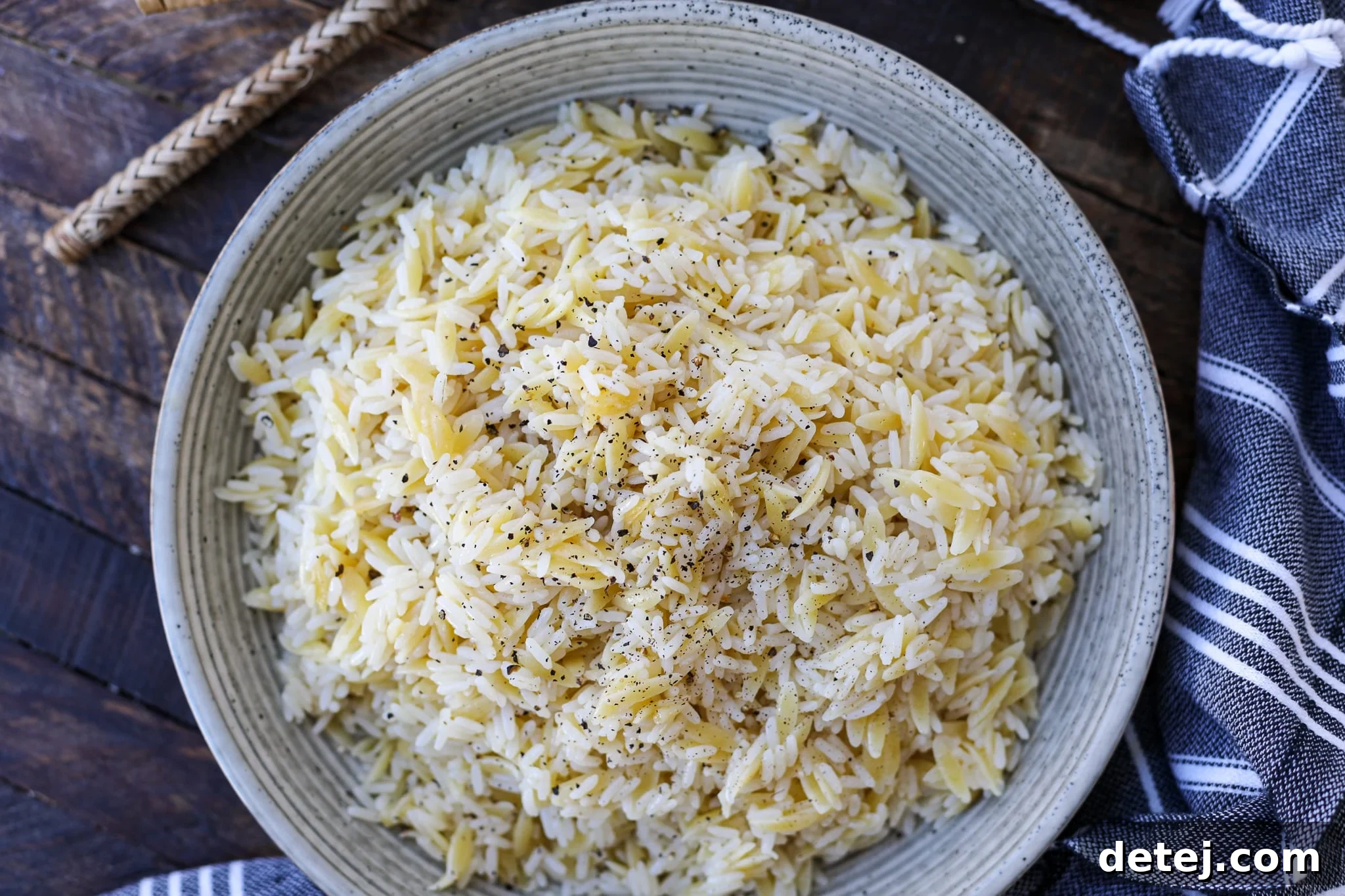
The Undeniable Appeal of Lebanese Orzo Rice: A Quick & Comforting Side
In the expansive world of side dishes, Lebanese Orzo Rice holds a special place, celebrated for its perfect balance of simplicity, speed, and profound flavor. This quintessential Middle Eastern side offers a comforting and versatile accompaniment that effortlessly elevates nearly any meal, from a casual family dinner to a more elaborate feast. The genius of this dish lies in its straightforward, one-pot preparation, which not only streamlines the cooking process but also minimizes cleanup, allowing you more time to savor the delicious results.
Imagine conjuring a flavorful, aromatic side dish in under 30 minutes. That’s the promise of Lebanese Orzo Rice. It’s a testament to how a few simple ingredients, thoughtfully combined, can create something truly spectacular. The gentle toasting of the orzo in butter is a game-changer, infusing it with a nutty richness that permeates the entire dish. This simple technique, coupled with the precise cooking of long-grain rice, results in a perfectly fluffy, non-sticky texture that is both satisfying and incredibly palatable. Whether you’re a seasoned home cook or just beginning your culinary journey, this recipe is designed for success, ensuring tender rice and golden orzo every single time.
Beyond its culinary appeal, this dish carries a cultural significance, embodying the hospitality and rich food traditions of Lebanon. It’s a dish often served at gatherings, a symbol of warmth and generosity. By bringing this recipe into your kitchen, you’re not just making a meal; you’re experiencing a piece of a vibrant culinary heritage that values fresh ingredients and time-honored techniques.
Is Orzo Rice Good for You as a Side Dish? A Nutritional Perspective
Absolutely! Lebanese Orzo Rice is not only delightfully easy to prepare but also makes for a wholesome and nourishing addition to your dining table. Both long-grain white rice and orzo, when enjoyed in moderation as part of a balanced diet, provide essential carbohydrates, serving as a primary source of energy for your body. Orzo, being a pasta typically crafted from semolina flour, contributes beneficial protein and, depending on the specific type, can also offer some dietary fiber.
Integrating this unique blend of grain and pasta into your meals allows for a satisfying side that supports overall well-being. By pairing it with lean protein sources like chicken or fish and a vibrant assortment of fresh vegetables, you create a well-rounded and health-conscious plate. The inherent simplicity of the dish also makes it an excellent choice for those new to orzo, offering a delicious introduction to its distinct texture and mild, adaptable flavor profile. It’s a fantastic way to add satisfying bulk and flavor to your meals without resorting to heavier, less nutritious alternatives.
For those looking to subtly enhance the nutritional value, while staying true to the spirit of the dish, consider these ideas: a sprinkle of fresh parsley or mint for vitamins and antioxidants, a light drizzle of high-quality olive oil after cooking for healthy fats, or even incorporating a small amount of finely chopped vegetables like carrots or bell peppers during the sautéing stage. These additions can boost micronutrients without compromising the beloved taste and texture of traditional Lebanese Orzo Rice.
What Does Rice Orzo Taste Like? Unpacking Its Flavor and Texture Profile
The flavor profile of orzo is a delightful surprise to many first-timers. It possesses a notably mild character, often described as having a subtle, almost nutty undertone, which becomes more pronounced and appealing after it’s lightly toasted. This gentle taste makes orzo an incredibly versatile ingredient, allowing it to gracefully absorb and complement the flavors of the cooking liquids and accompanying ingredients, rather than dominating the palate. When skillfully combined with long-grain white rice, the result is a beautifully balanced side dish where both components shine without one overpowering the other, creating a harmonious and comforting taste experience.
Beyond its delicate flavor, the defining characteristic of orzo is its unique texture. When cooked precisely, orzo should achieve an ideal al dente state – meaning it’s slightly chewy, with a firm yet tender bite. This perfectly contrasts with the inherent softness and fluffiness of well-cooked long-grain rice, creating a dynamic and engaging mouthfeel. This delightful textural interplay is a hallmark of authentic Middle Eastern rice preparations, offering a more interesting and satisfying experience than plain rice alone. The process of toasting the orzo is not just for color; it’s a critical step in developing that desirable nutty flavor and ensuring the individual grains remain separate and fluffy, preventing any undesirable stickiness.
This careful preparation contributes to the overall appeal of Lebanese Orzo Rice – a dish that is at once comforting, flavorful, and texturally rich, making it a truly unforgettable culinary experience.
Is Orzo the Same as Pasta Rice? Clearing Up Common Culinary Misconceptions
This question frequently arises in kitchens around the world, and the answer often surprises many home cooks: Orzo is, in fact, a type of pasta, not a grain of rice or a distinct form of grain, despite its uncanny resemblance to rice! In Italy, where it originates, orzo is charmingly categorized as a “pastina,” which translates literally to “little pasta.” Pastinas encompass a variety of small pasta shapes, traditionally designed for use in soups and broths, that intentionally mimic the size and form of grains. This characteristic is precisely why orzo seamlessly integrates into comforting and hearty side dishes like this Lebanese Orzo Rice.
The confusion surrounding orzo is further compounded by linguistic similarities. Intriguingly, the Italian word “orzo” also means “barley.” This lexical overlap often leads to a common misconception that orzo pasta is either barley itself or very similar to it. However, it is absolutely crucial not to mistake orzo pasta for barley grain. While they might share a superficial similarity in appearance, their culinary properties, nutritional profiles, and cooking requirements are vastly different. Barley is a whole grain that boasts a distinct chewy texture and demands a significantly longer cooking time and different liquid absorption compared to orzo pasta.
Orzo, on the other hand, is made from semolina flour, which is derived from durum wheat. This composition gives it a distinct al dente texture and a much quicker cooking time, setting it apart from both actual rice and barley. When shopping for this recipe, always double-check the labels to ensure you are selecting orzo pasta, not pearl barley, to guarantee the correct texture and outcome for your authentic Lebanese Orzo Rice. Understanding this distinction is key to mastering recipes that call for this versatile ‘little pasta.’
Essential Recipe Ingredients for Authentic Lebanese Orzo Rice
Crafting this flavorful, one-pot Lebanese Orzo Rice requires only a handful of fundamental ingredients, each playing a vital role in achieving the dish’s signature taste, aroma, and beloved texture. The beauty of this recipe lies in its simplicity, making it accessible for cooks of all levels. Here’s an in-depth look at what you’ll need and the function of each component:
- Salted Butter: This is the critical flavor base for our dish. Melting and gently toasting the orzo in salted butter serves multiple purposes: it imparts a deeply rich, nutty flavor to the pasta, coats each grain beautifully to prevent sticking, and adds a luscious mouthfeel to the finished product. While unsalted butter can be used, you might need to slightly increase the kosher salt later to achieve the perfect seasoning balance.
- Orzo Pasta: The defining ingredient! For optimal results, I strongly recommend using a high-quality brand like Delallo Foods orzo, known for its consistent texture and flavor. Despite its appearance, remember that orzo is a small pasta, not a grain. Its semolina base gives it a unique al dente texture that is distinct from actual rice or barley. It’s imperative not to confuse orzo with barley, as their cooking characteristics and final textures are entirely different and not interchangeable in this recipe.
- Long-Grain White Rice: This provides the classic fluffy and separate grain texture that perfectly complements the tender orzo. I often use Uncle Ben’s long-grain white rice for its reliability, but any reputable brand of long-grain white rice will yield excellent results. The key is “long-grain”; short-grain varieties are typically too starchy and sticky for this particular preparation, which would compromise the desired fluffy consistency of the Lebanese Orzo Rice.
- Water or Quality Broth: This is the primary liquid responsible for cooking both the rice and orzo to tender perfection. While plain water works wonderfully, opting for a good quality vegetable or chicken broth can significantly enhance the dish with an additional layer of savory depth and complexity. Always use a liquid measuring cup to ensure precise measurements, as the water-to-grain ratio is crucial for the ideal texture.
- Kosher Salt: An indispensable seasoning that brings all the flavors to life. Begin with the pinch indicated in the recipe and remember that taste is subjective – you can always adjust the seasoning at the end. Keep in mind if you are using salted butter or broth, you may need less additional salt.
With these carefully selected ingredients, you are well on your way to creating an authentic and incredibly delicious Lebanese Orzo Rice that will impress and satisfy.
Mastering the Method: How to Make This Simple One-Pot Orzo Rice Recipe
Preparing this Lebanese Orzo Rice is incredibly straightforward, making it an ideal candidate for weeknight dinners or any occasion when you desire a reliable and delicious side dish with minimal fuss. Follow these detailed steps for consistently perfect results every single time:
- Melt the Butter with Care. Begin by placing a 3-quart saucepan (ensure it has a tight-fitting lid) over medium heat. Add the salted butter to the pan and allow it to melt slowly and completely. Stir the butter occasionally as it melts to ensure even distribution and to prevent it from browning or burning, which could impart an undesirable flavor to your dish. This initial step is key to building a rich base flavor.
- Toast the Orzo to Golden Perfection. Once the butter is fully melted and begins to bubble gently, add the uncooked orzo pasta to the pot. Stir continuously with a wooden spoon or spatula to ensure every piece of orzo is evenly coated in the butter. Continue toasting the orzo over medium heat until it achieves a beautiful, light golden brown color. This crucial step, usually taking about 3-5 minutes, is essential for developing the orzo’s nutty flavor and preventing it from clumping together, ensuring a fluffy final product. The butter will likely become foamy during this process, which is normal.
- Incorporate the Long-Grain Rice. After the orzo has reached its perfect golden hue, add the measured long-grain white rice to the pot. Stir thoroughly to combine the rice with the toasted orzo and ensure it too is coated in the residual melted butter. Continue stirring for another minute or two, allowing the rice to lightly toast alongside the orzo. This helps to further develop flavor and prevent stickiness.
- Add Liquids and Seasoning. With both the rice and orzo hot and well combined, carefully pour in the measured water (or broth) and add a pinch of kosher salt. Stir everything together meticulously, making sure to scrape up any pieces that may have lightly adhered to the bottom of the pot. This ensures all the delicious browned bits, full of flavor, are incorporated back into the dish.
- Simmer to Tender Perfection. Bring the liquid in the pot to a vigorous, rolling boil. As soon as it reaches a full boil, immediately cover the pot tightly with its lid. Reduce the heat to the lowest possible simmer setting. Allow the rice and orzo to cook undisturbed for 18 to 20 minutes. It is vital to resist the urge to lift the lid during this cooking period, as trapped steam is essential for the proper absorption of liquid and even cooking. The dish is ready when the pasta is tender, the rice is cooked through, and all the liquid has been fully absorbed.
- Rest, Fluff, and Serve Immediately. Once the designated cooking time has elapsed, remove the pot from the heat. Crucially, remove the lid and immediately lay a clean, dry kitchen towel directly over the top of the pot. Then, place the lid back on, effectively sealing the towel between the pot and the lid. Let the orzo rice rest in this manner for an additional 10-15 minutes. This resting period allows the steam to redistribute evenly throughout the grains, resulting in an exceptionally fluffy, perfectly textured rice. Finally, remove the lid and towel, gently fluff the orzo rice with a fork to separate the grains, and serve it hot as a delightful side dish.
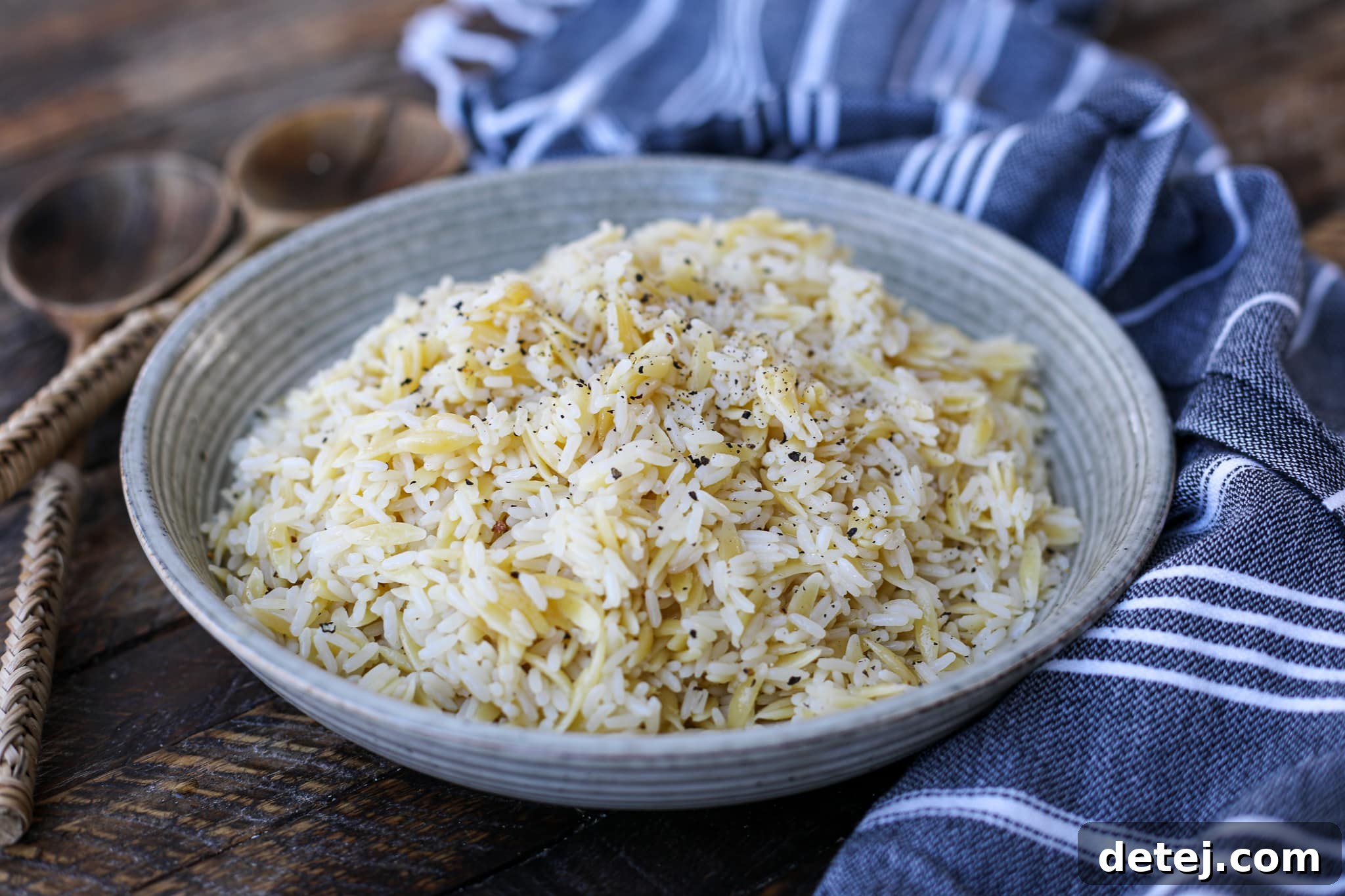
Creative Culinary Twists: Delicious Variations for Your Orzo Rice
While the classic Lebanese Orzo Rice recipe is a triumph in its pure, simple form, its mild and adaptable flavor profile also makes it an excellent foundation for culinary experimentation. You can easily modify this dish to suit different tastes, dietary preferences, or meal themes by incorporating a variety of additional ingredients. Here are some fantastic variations to inspire you and make this dish uniquely your own:
- Mediterranean Marvel. Elevate your orzo rice with the vibrant and zesty flavors characteristic of the Mediterranean. Stir in a generous handful of finely chopped sun-dried tomatoes (oil-packed varieties are particularly flavorful), a sprinkle of crunchy toasted pine nuts for texture, or some crumbled feta cheese for a delightful salty tang. Other excellent additions include sliced Kalamata olives, diced fresh tomatoes, sautéed spinach, or finely chopped cooked broccoli. A generous scattering of fresh herbs like parsley, mint, or dill, added just before serving, will brighten the flavor profile significantly.
- Spiced Up Symphony. For a warmer, more aromatic experience, consider infusing your orzo rice with subtle Middle Eastern spices. Add a pinch of ground cinnamon, a dash of allspice, or a very subtle hint of ground cloves to the pot when you add the water. These spices are commonly used in Lebanese and other regional cuisines and can add a wonderful, complex layer of flavor without overpowering the dish.
- Hearty Vegetable Boost. Enhance the nutritional content and add more texture by sautéing finely diced aromatics and vegetables. Before adding the orzo, sauté finely chopped onions, carrots, bell peppers, or even mushrooms in the butter until softened. This introduces natural sweetness, color, and additional fiber to your side dish.
- Zesty Lemon Brightness. A squeeze of fresh lemon juice and a sprinkle of finely grated lemon zest just before serving can add an incredible burst of brightness and a tangy finish that beautifully cuts through the richness of the butter and nutty orzo. It’s a simple addition with a significant impact on flavor.
- Garlic Infusion. For garlic lovers, mince a clove or two of garlic and add it to the pot after the orzo has lightly toasted, cooking for about 30 seconds until fragrant before adding the rice. Be careful not to burn the garlic.
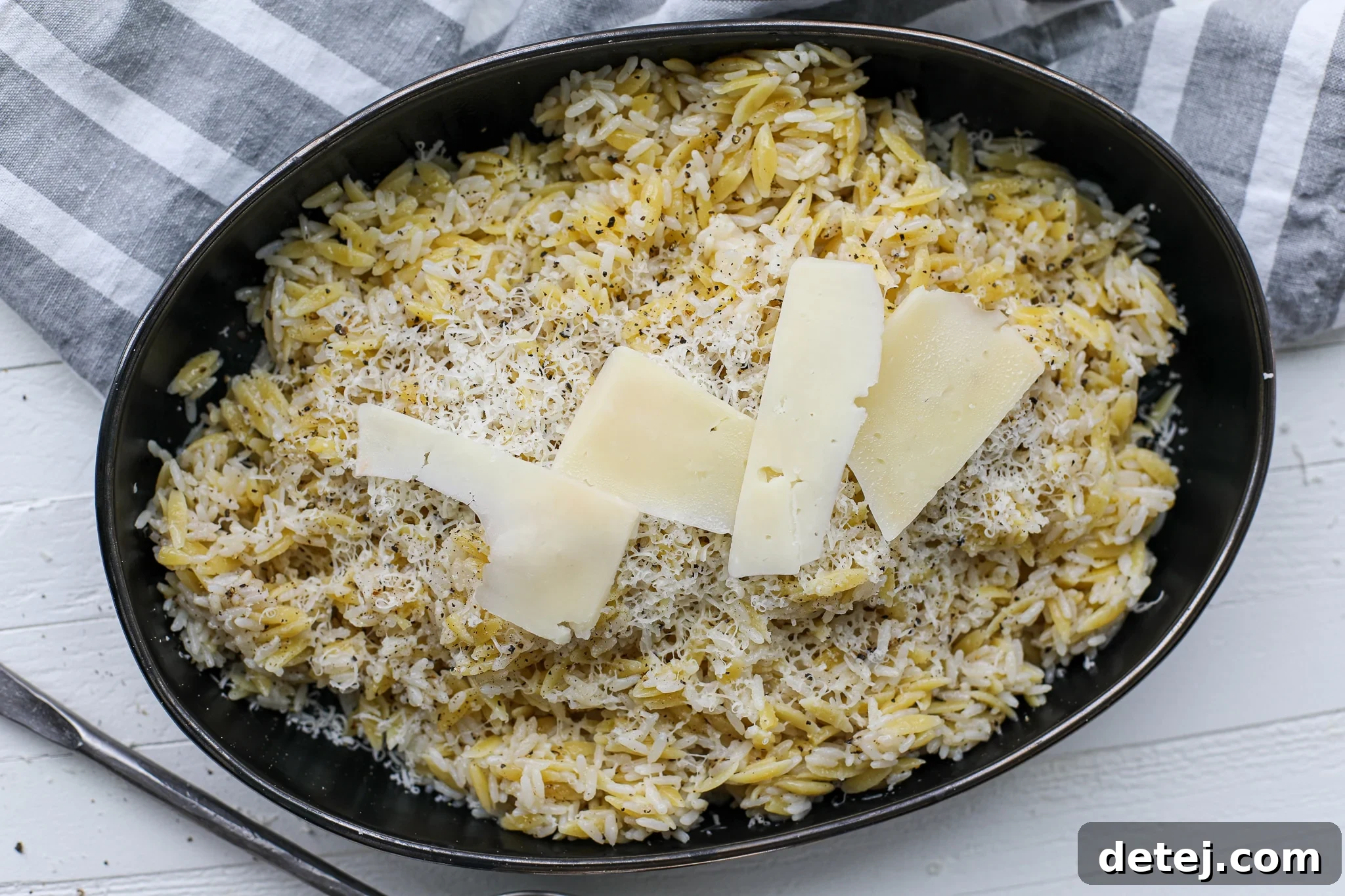
Indulgent Cacio-E-Pepe Variation: A Cheesy, Peppery Twist
For an unexpectedly delicious and comforting take that merges Middle Eastern rice with Italian classic flavors, try this Cacio-e-Pepe inspired variation. This fusion brings a cheesy, peppery richness to your orzo rice that is simply irresistible and a fantastic way to elevate a simple side dish. You’ll need the original recipe ingredients and measurements, along with these key additional components:
- ½ cup finely grated Parmesan cheese (or Pecorino Romano for a sharper, saltier kick)
- Freshly cracked black pepper, generously to taste (the more, the merrier for true Cacio-e-Pepe flavor!)
To prepare the Cacio-e-Pepe version, follow all the standard steps for making the basic Lebanese Orzo Rice exactly as outlined in the main recipe. Once the rice has completed its resting period and has been fluffed with a fork, it’s time to introduce the Cacio-e-Pepe elements. Gently stir in the ½ cup of finely grated Parmesan (or Pecorino Romano) cheese. The residual heat from the warm orzo rice will work its magic, melting the cheese beautifully and creating a wonderfully creamy texture that coats every grain.
Next, add several generous turns of freshly cracked black pepper. The amount of pepper is entirely up to your personal preference – some might prefer a subtle background note, while others will relish a bold, pungent, and spicy kick that defines traditional Cacio e Pepe. Stir the cheese and black pepper thoroughly into the hot orzo and rice just before you’re ready to serve, ensuring even distribution and that every mouthful is bursting with cheesy, peppery goodness. For an extra touch of elegance and flavor, consider topping individual servings with additional shaved Parmesan cheese and serve immediately, allowing the warmth of the dish to release the enticing aromas of pepper and cheese.
Safe Storage and Reheating Practices for Lebanese Orzo Rice
Proper storage and diligent reheating practices are paramount to both maintaining the delicious quality and ensuring the safety of your leftover Lebanese Orzo Rice. Adhering to these guidelines will help you enjoy your meal without concerns:
- Prompt Cooling is Absolutely Critical: After cooking, it is vital to cool the orzo rice as quickly as possible to inhibit the growth of harmful bacteria. Never leave cooked rice at room temperature for longer than one hour. To significantly accelerate the cooling process, immediately after serving, spread any remaining cooked orzo rice evenly in a thin layer over a clean, parchment-lined baking sheet or a large, shallow dish. This increases the surface area, allowing it to cool down to room temperature much faster.
- Airtight Refrigerated Storage: Once the orzo rice has completely cooled to room temperature, transfer it promptly to an airtight container. When stored properly in the refrigerator, your Lebanese Orzo Rice will maintain its freshness and remain safe to consume for a period of **four to six days**.
- Reheat Safely, One Serving at a Time: This point is extremely important for food safety: it is crucial to **only reheat rice one serving at a time**. Reheating and then allowing rice to cool multiple times can unfortunately lead to the rapid multiplication of a harmful bacteria called Bacillus cereus. This can potentially cause a type of food poisoning commonly referred to as Reheated Rice Syndrome. To mitigate this risk, always reheat only the specific portion you intend to eat immediately, and discard any rice that has been reheated more than once.
- Optimal Reheating Methods: To safely reheat a single serving, add a small splash (approximately a tablespoon or two) of water or vegetable/chicken broth to a microwave-safe bowl containing the cold orzo rice. Cover the bowl loosely with a lid or microwave-safe cling film (vented) and microwave on high until the rice is steaming hot throughout, reaching an internal temperature of at least 165 degrees Fahrenheit (74 degrees Celsius). Stir the rice halfway through the reheating process to ensure even heating. Alternatively, you can reheat it in a small saucepan over medium-low heat with a splash of water, stirring frequently, until it is thoroughly heated through and steaming.
- Freezing for Longer Storage: If you have a larger batch of leftovers and want to store it for longer, orzo rice freezes beautifully. Once completely cooled, portion it into freezer-safe airtight containers or heavy-duty freezer bags. It can be stored in the freezer for up to 2-3 months. Thaw overnight in the refrigerator before reheating following the single-serving method.
Frequently Asked Questions About Lebanese Orzo Rice
Here are detailed answers to some of the most common questions regarding this delightful and popular Lebanese Orzo Rice recipe, designed to help you achieve perfect results and understand its unique characteristics:
For optimal food safety, it is strongly recommended that you reheat cooked rice only once. Repeatedly reheating and then cooling rice can create ideal conditions for the multiplication of harmful bacteria, specifically Bacillus cereus, which can lead to a type of food poisoning known as Reheated Rice Syndrome. Always reheat only the portion of rice you plan to consume immediately, ensuring it reaches an internal temperature of 165°F (74°C) and is steaming hot throughout. Any leftover rice that has been reheated once should be discarded rather than stored for further reheating.
While rinsing rice is a common practice for some varieties to remove excess starch and prevent stickiness, it is generally not necessary for the long-grain white rice used in this recipe, especially for parboiled brands like Uncle Ben’s. These types of rice are often processed in a way that makes rinsing less critical for achieving a fluffy texture. In fact, for this Lebanese Orzo Rice, rinsing might even lead to overly soft grains. Therefore, for the best results and to maintain the intended consistency, you typically do not need to rinse the rice before cooking.
The traditional rule of thumb for cooking plain rice is often a 2:1 ratio of water to rice. However, when combining rice with orzo, which is a pasta and also absorbs liquid, the total liquid needed requires a slight adjustment. For the proportions in this specific recipe (1.5 cups long-grain white rice and 1 cup orzo), 3.5 to 3.75 cups of water or broth typically yields excellent results. The original Lebanese recipe sometimes suggests 4 cups for a slightly softer outcome, but I find that 3.75 cups of water creates a slightly more al dente texture for the orzo, which I personally prefer as it adds a pleasant chewiness. If you favor very soft grains, you can lean towards the higher end of the liquid recommendation.
Once you have added the water (or broth) to the toasted orzo and rice mixture, bring the liquid to a full, rolling boil. This means you should see large, continuous bubbles vigorously breaking the surface of the liquid. As soon as it reaches this strong boiling point, immediately cover the pot tightly with its lid. Then, reduce the heat to a very low simmer. The initial full boil is crucial for ensuring the liquid is hot enough to kickstart the cooking process for both the rice and orzo efficiently before the gentle simmering takes over to finish cooking them thoroughly and evenly.
While it is possible to substitute brown rice for white rice in some recipes, doing so in this Lebanese Orzo Rice recipe would significantly alter both the required cooking time and the liquid ratio. Brown rice typically takes much longer to cook and absorbs more water than white rice. Implementing brown rice would therefore push the preparation time well beyond the “under 30 minutes” promise of this recipe and would require considerable adjustments to the liquid amount and cooking duration to achieve the desired texture, potentially compromising the authentic outcome. For the best and most authentic Lebanese Orzo Rice experience, adhering to long-grain white rice is highly recommended.
No, traditional Lebanese Orzo Rice is not gluten-free. This is because orzo pasta, a key component of the dish, is made from semolina flour, which is derived from durum wheat and naturally contains gluten. While the white rice itself is gluten-free, the inclusion of orzo means the overall dish is not suitable for individuals who have celiac disease or a gluten sensitivity. For those seeking a gluten-free alternative, there are some specialized gluten-free orzo pastas made from ingredients like corn or brown rice flour available, but their texture and taste may differ, and careful testing would be needed to ensure they integrate well into this specific recipe.
Perfect Pairings: Serving Suggestions for Lebanese Orzo Rice
Lebanese Orzo Rice is a truly remarkable and versatile side dish, possessing a subtle, nutty flavor and a satisfying texture that allows it to complement an extensive array of main courses and cuisines. Its balanced profile makes it an ideal partner for everything from succulent grilled meats to delicate flaky fish, hearty roasted vegetables, and comforting stews. Consider these delightful pairings to transform your next meal into a memorable culinary experience:
- Mediterranean Grilled Chicken: The bright, herb-infused flavors of perfectly grilled chicken find a fantastic companion in the subtle richness and comforting texture of orzo rice.
- Lemon Butter Baked Cod: For a lighter meal, the delicate, flaky texture of baked cod shines when served alongside the tender and flavorful orzo rice, creating a beautifully balanced plate.
- Juicy Grilled Whole Chicken: This orzo rice acts as a substantial and crowd-pleasing base for a perfectly seasoned and juicy grilled whole chicken, making it an ideal family meal.
- Lemon Butter Mahi Mahi: Another excellent seafood pairing, the creamy consistency of the orzo rice offers a lovely contrast to the firm, meaty texture of mahi-mahi.
- Roasted Vegetables: For a complete and healthy vegetarian option, serve a generous portion of Lebanese Orzo Rice with a colorful medley of seasonal roasted vegetables such as bell peppers, zucchini, eggplant, asparagus, or cherry tomatoes, tossed with olive oil and aromatic herbs.
- Lamb or Beef Kebabs: The robust, often smoky flavors of traditional grilled lamb or beef kebabs are wonderfully grounded and balanced by the subtle richness and tender grains of Lebanese Orzo Rice, making for an authentic Middle Eastern feast.
- Hearty Lentil Soup or Stew: For the ultimate comforting meal, present this rice alongside a warm, aromatic bowl of hearty lentil soup or a rich vegetable and bean stew. The orzo rice readily soaks up all the delicious juices and flavors of the stew.
- Simple Green Salad: Sometimes, the best accompaniment is a fresh, crisp green salad tossed with a light, zesty vinaigrette. This provides a refreshing counterpoint to the richness of the rice and cleanses the palate.
- Tzatziki or Hummus: A dollop of creamy tzatziki or a scoop of homemade hummus on the side can add an extra layer of freshness and a tangy, savory counterpoint to the rice.
No matter your main course or culinary preference, Lebanese Orzo Rice is guaranteed to be a welcome, versatile, and incredibly delicious addition, transforming an ordinary meal into something truly special and memorable.
Lebanese Orzo Rice (Under 30 Minutes)
Sarah Thomas-Drawbaugh
Yield:
6 servings
5 mins
18 mins
23 mins
Pin Recipe
Leave a Review »
Equipment
-
3 quart pot with lid
Ingredients
Orzo Pasta and Rice
- 1 stick salted butter, 1/2 cup
- 1 cup orzo pasta, uncooked, Delallo brand
- 1.5 cups long-grain white rice, uncooked, Uncle Ben’s brand
- 3.75 cups water, this equals 3 + 3/4 cups
- pinch kosher salt
Instructions
Melt the Butter
-
Warm a 3-quart saucepan over medium heat. Add the butter, and allow it to melt, stirring occasionally to prevent burning.
Brown the Orzo
-
Add the orzo pasta to the pot with the melted butter. Toast the orzo until it’s light golden brown, stirring occasionally. The butter should be bubbling and will have a foam-like texture.
Add the Rice
-
Next add the long-grain white rice and stir to combine.
Add the Water and Kosher Salt
-
Once the rice and orzo are hot and combined. Carefully, add the water and a pinch of kosher salt. Stir well to combine, scraping up any pieces from the bottom of the pot.
Cook
-
Bring the water to a boil. Once boiling, cover the pot with a lid, and reduce the heat to a low simmer. Simmer for 18 to 20 minutes undisturbed or until the pasta is tender and the rice is cooked through.
Rest and Serve
-
Once cooked, remove the orzo rice from the heat, remove the lid, and lay a clean, dry kitchen towel over the top of the pot. Place the lid back on, and let the rice rest for 10-15 minutes. Finally, fluff the orzo rice with a fork, and serve immediately.
Notes
Store and Reheat:
- Allow the rice to fully cool before transferring it to an airtight container. To quickly cool orzo rice, spread it out evenly over a parchment-lined baking sheet. Then, set it aside, and let it cool to room temperature.
- Once it’s safely cooled and stored in an airtight container, orzo rice will last 4-6 days in the refrigerator.
- Only reheat rice one serving at a time. Reheating and cooling rice multiple times can introduce harmful bacteria, possibly leading to Reheated Rice Syndrome.
- To safely reheat, add a splash of water to a microwave-safe bowl, add the orzo until the temperature reaches at least 165 degrees Fahrenheit.
Nutrition
Calories: 397kcal,
Carbohydrates: 56g,
Protein: 7g,
Fat: 16g,
Saturated Fat: 10g,
Polyunsaturated Fat: 1g,
Monounsaturated Fat: 4g,
Trans Fat: 1g,
Cholesterol: 40mg,
Sodium: 132mg,
Potassium: 113mg,
Fiber: 1g,
Sugar: 1g,
Vitamin A: 471IU,
Calcium: 27mg,
Iron: 1mg
Side Dish
American
397
Sarah Thomas-Drawbaugh